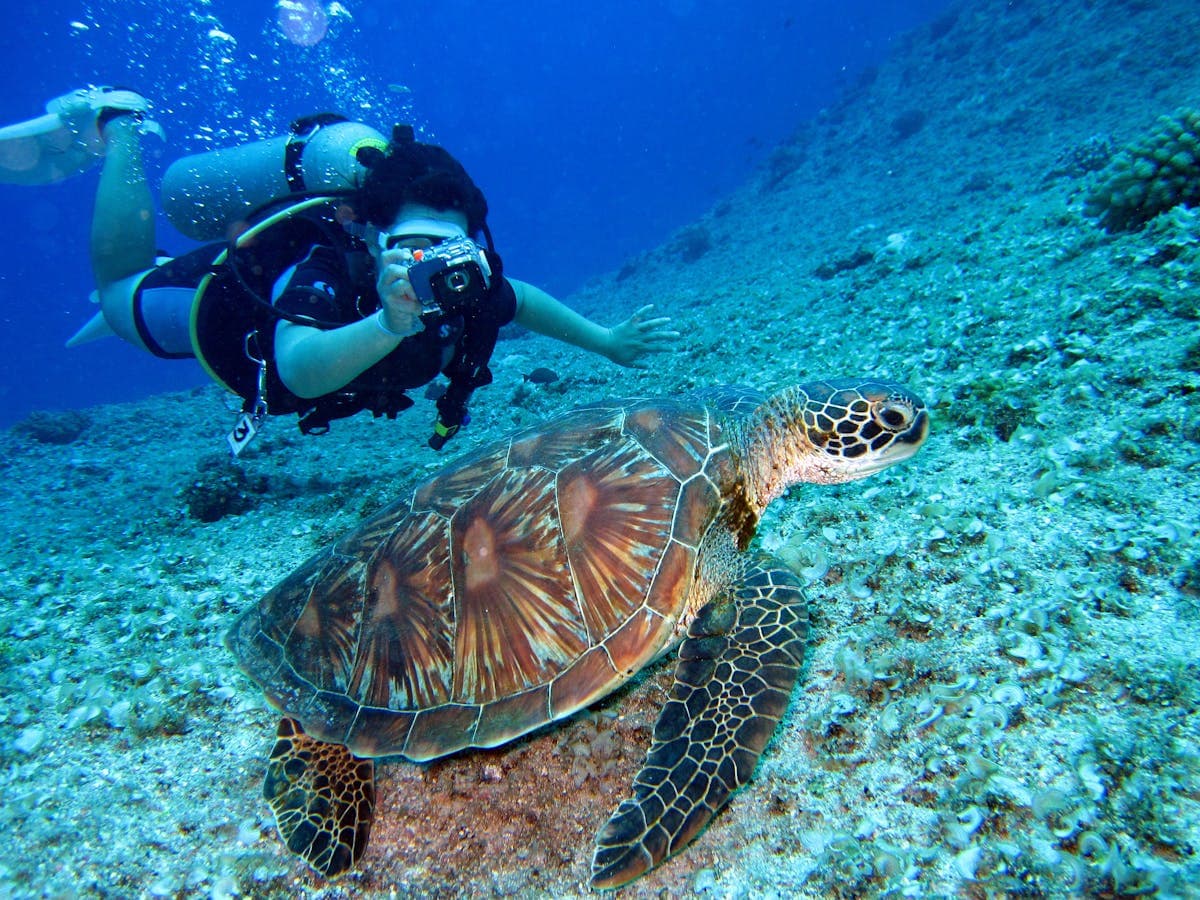
Respuesta rápida — snorkel en la Costa Amalfitana
- Mejores lugares: Bahía de Ieranto, Cala di Mitigliano, islas Li Galli, Punta Campanella
- 3 lugares solo accesibles en barco — tour guiado de medio día desde 45 €/persona, incluye transporte + equipo
- Vida marina: más de 260 especies · caballitos de mar, pulpos, meros, barracudas, tortugas marinas
- Mejores meses: junio y septiembre · visibilidad de 20–25 m, agua a 22–26 °C
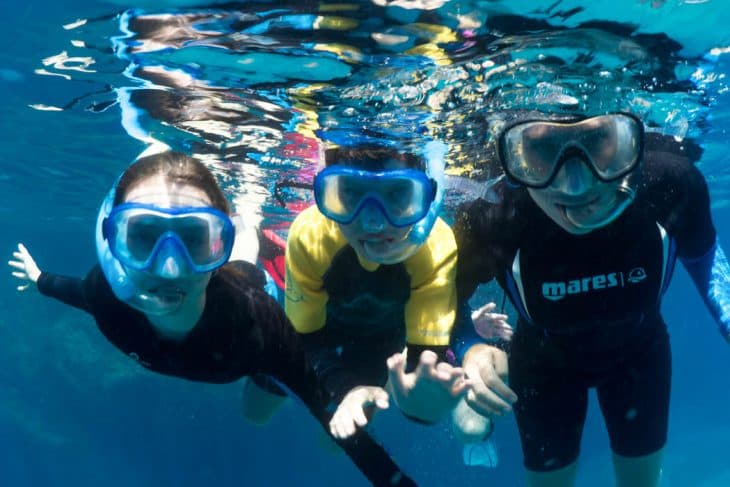
- No se necesita titulación — apto para todas las edades a partir de los 6 años
| Lugar | Acceso | Ideal para | Lo destacado |
|---|---|---|---|
| Bahía de Ieranto | Barco o caminata de 40 min | Todos los niveles | Tortugas, claridad cristalina |
| Cala di Mitigliano | Solo en barco | Fotógrafos | Caballitos de mar en la Posidonia |
| Islas Li Galli | Solo en barco | Avanzado | Barracudas, serviolas |
| Punta Campanella | Barco o costa | Todos los niveles | Cuevas, gusanos tubícolas |
| Bagni Regina Giovanna | Costa (a pie) | Familias, entrada desde la costa | Ruinas romanas, gratis |
No necesitas un título de buceo para explorar el mundo submarino de la Costa Amalfitana. Parte de la vida marina más espectacular del Mediterráneo vive a menos de un metro de la superficie — en las praderas de Posidonia, las calas rocosas y las cuevas calizas del Área Marina Protegida de Punta Campanella. Todo lo que necesitas es una máscara, un tubo y un barco para llegar a los lugares adecuados. Esta guía cubre los mejores lugares para hacer snorkel, lo que verás y cómo aprovechar al máximo tu tiempo en el agua.

Por qué la Costa Amalfitana para hacer snorkel
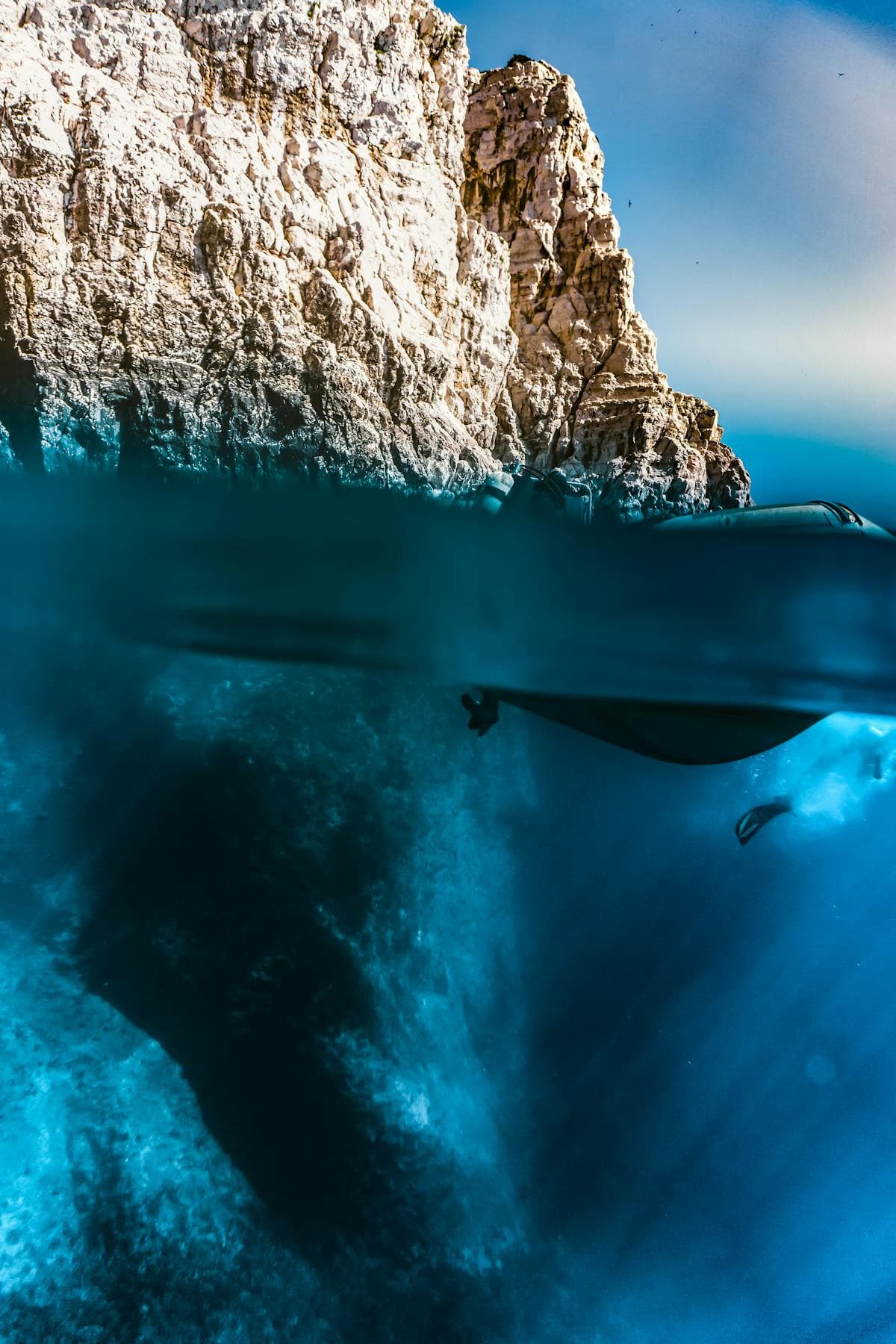
El litoral entre Sorrento y Amalfi se beneficia de una rara combinación de factores que lo hacen ideal para el snorkel. El Área Marina Protegida de Punta Campanella, creada en 1997, restringe la pesca y el tráfico de embarcaciones, lo que permite que las poblaciones marinas florezcan. La geología caliza crea una topografía submarina espectacular — acantilados, cuevas, arcos y rocas — que comienza justo en la línea del agua. Y la ausencia de grandes ríos hace que el agua se mantenga extraordinariamente clara, con una visibilidad que a menudo supera los 20 metros incluso en la superficie.
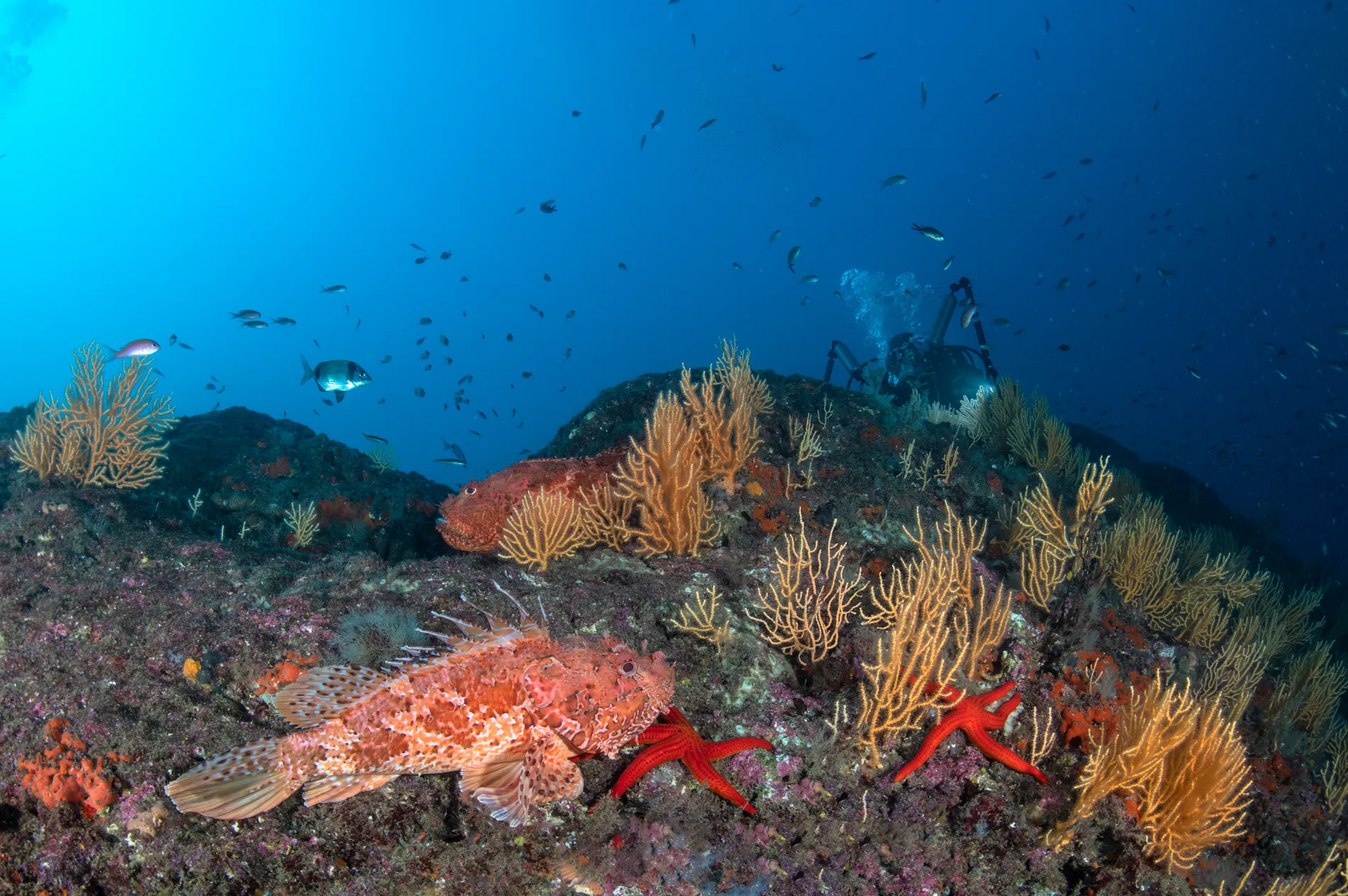
Se han documentado más de 260 especies de peces en el AMP, junto con pulpos, caballitos de mar, estrellas de mar, morenas y praderas de Posidonia oceanica — la fanerógama marina que produce más oxígeno por metro cuadrado que la selva amazónica. Muchas de estas especies son visibles en aguas de apenas dos metros de profundidad.
Bahía de Ieranto
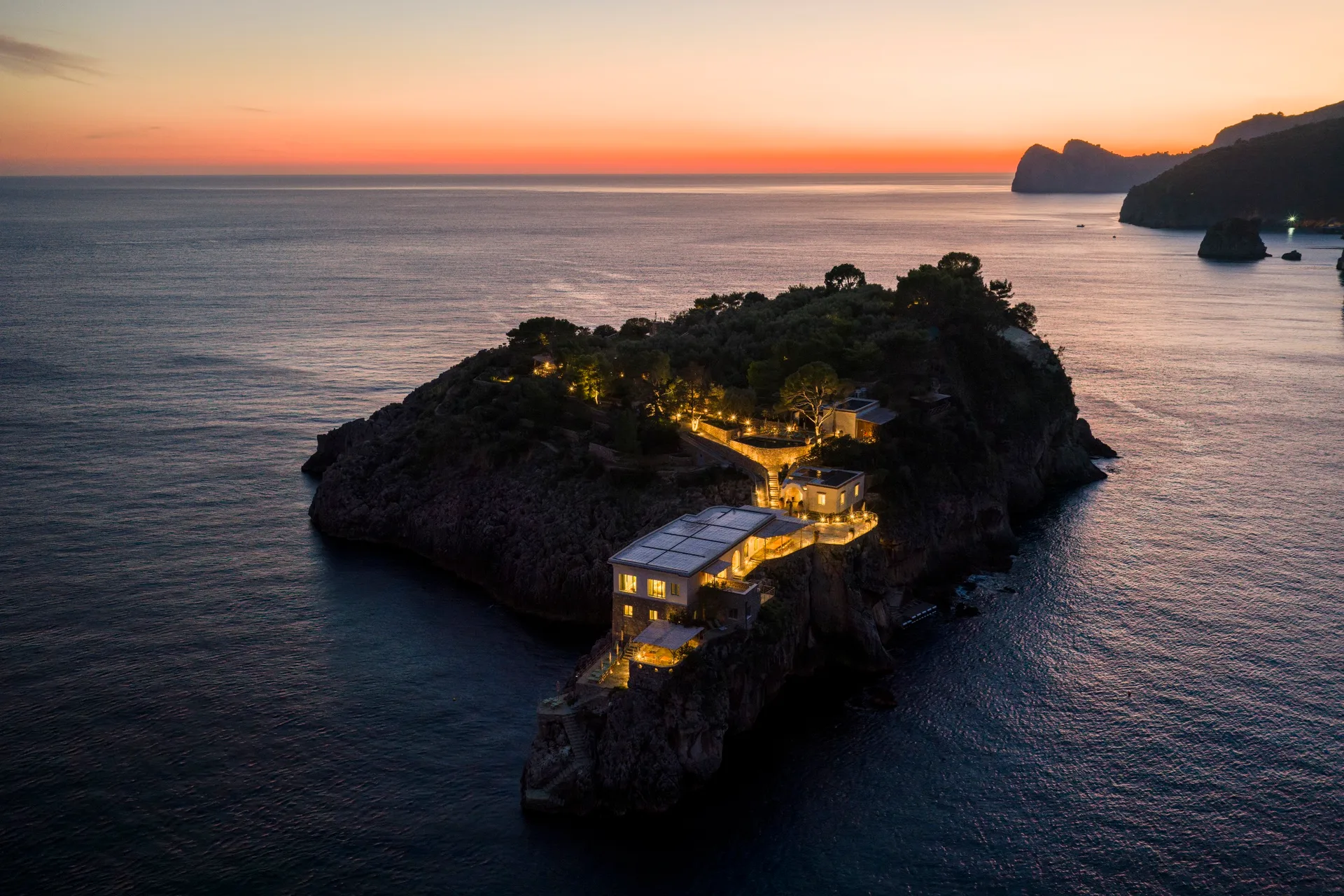
La joya de la zona de Punta Campanella y reserva natural del WWF desde 1986. La Bahía de Ieranto mira hacia Capri a través de un estrecho canal, y su agua turquesa es tan clara que se ve el fondo a seis metros. La bahía está protegida de los vientos dominantes, por lo que se mantiene en calma incluso cuando el mar abierto está agitado. Al hacer snorkel aquí te deslizas sobre praderas de Posidonia repletas de lábridos, castañuelas y tordos. En los últimos veranos se han avistado tortugas bobas. A lo largo de los bordes rocosos, busca pulpos y estrellas de mar. Accesible solo en barco o mediante una caminata de 40 minutos desde Nerano.
Visibilidad: 15–25 m. Profundidad: 1–8 m. Dificultad: fácil — corrientes mínimas, ideal para principiantes y familias. Mejor momento: por la mañana (8:00–11:00). Especies clave: tortugas bobas, pulpo común, estrella de mar europea, tordo, sargos, criaderos de Posidonia. Agua de 19 °C (mayo) a 27 °C (agosto).
Cala di Mitigliano
Una cala rocosa en el flanco sur de la península, justo frente a Capri. Los acantilados se hunden en aguas profundas, pero la propia cala tiene una zona protegida con fondo de guijarros a 2–4 metros — perfecta para el snorkel. Las praderas de Posidonia de aquí albergan al caballito de mar mediterráneo (Hippocampus hippocampus). Mantén movimientos lentos y busca entre las hojas de la fanerógama — los caballitos de mar se aferran a los tallos con la cola, perfectamente camuflados. También puedes avistar sepias flotando sobre la arena. La cala orientada al sur recibe luz solar todo el día — ideal para la fotografía submarina.
Visibilidad: 18–30 m — algunas de las aguas más claras de la costa. Profundidad: 2–12 m. Dificultad: intermedia — entrada desde el barco y cambios rápidos de profundidad cerca de los acantilados. Mejor momento: mediodía (11:00–15:00). Especies clave: caballito de mar mediterráneo, sepia, calamar, tordo pavo, nacras (Pinna nobilis). Agua de 18 °C (mayo) a 26 °C (agosto).
Islas Li Galli
Tres pequeñas islas entre Positano y Capri — donde las Sirenas cantaron a Odiseo en la mitología griega y que más tarde fueron propiedad de Rudolf Nureyev. Los canales entre las islas crean corrientes que atraen a peces más grandes: bancos de serviolas, barracudas y, en ocasiones, atunes. El perímetro rocoso desciende a 8–10 metros y está incrustado de gorgonias, esponjas y algas de colores. El snorkel aquí es mejor en días de calma, ya que las corrientes pueden ser fuertes. Li Galli está incluida en la mayoría de los tours de snorkel de medio día desde Sorrento.
Visibilidad: 12–20 m (hasta 25 m en días de calma). Profundidad: 3–15 m. Dificultad: avanzada — corrientes fuertes, haz snorkel siempre con un tour guiado. Mejor momento: primera hora de la mañana (7:30–10:00). Especies clave: barracuda mediterránea, serviola, atún rojo (de temporada), mero, morena, colonias de gorgonias, coral rojo. Agua de 18 °C (mayo) a 27 °C (agosto).
Promontorio de Punta Campanella
La punta misma de la Península Sorrentina, donde los restos de un templo romano dedicado a Atenea se alzan sobre el acantilado y un sistema de arrecifes se extiende por debajo. La caliza está plagada de pequeñas cuevas y salientes a 1–5 metros — perfectos para los aficionados al snorkel. Busca esponjas amarillas, estrellas de mar rojas y los brillantes tentáculos azules de los gusanos tubícolas. Las castañuelas se acercan directamente a tu máscara, y las morenas asoman desde las grietas — parecen alarmantes pero son inofensivas. El promontorio está expuesto al mar abierto, así que las condiciones deben ser de calma.
Visibilidad: 15–25 m en días de calma. Profundidad: 1–7 m. Dificultad: intermedia — emplazamiento expuesto con corrientes moderadas. Mejor momento: por la mañana (9:00–12:00), cuando las cuevas orientadas al este reciben luz solar directa. Especies clave: morena, gusanos tubícolas en espiral, estrella de mar roja, castañuela real, corvallo, coral naranja en copa. Agua de 19 °C (mayo) a 26 °C (verano).
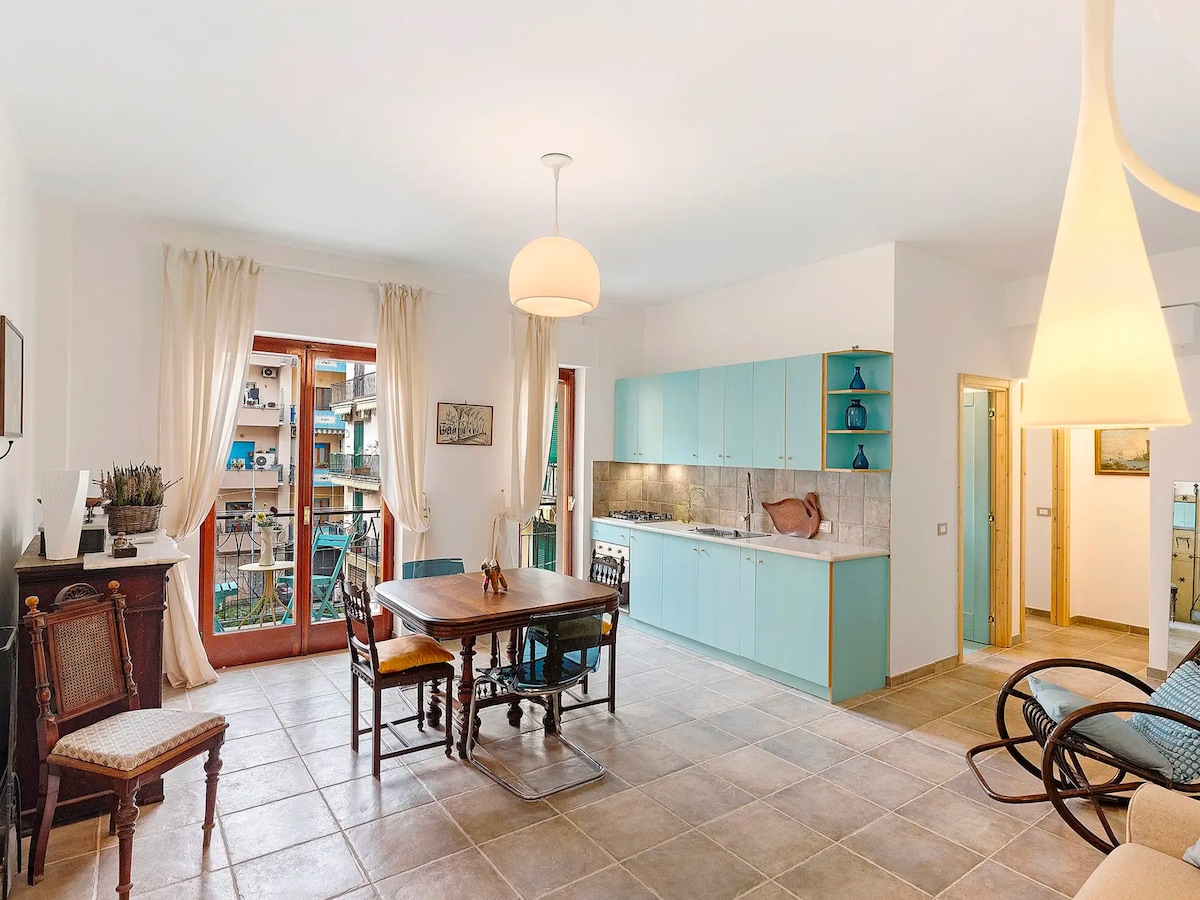
Bagni Regina Giovanna
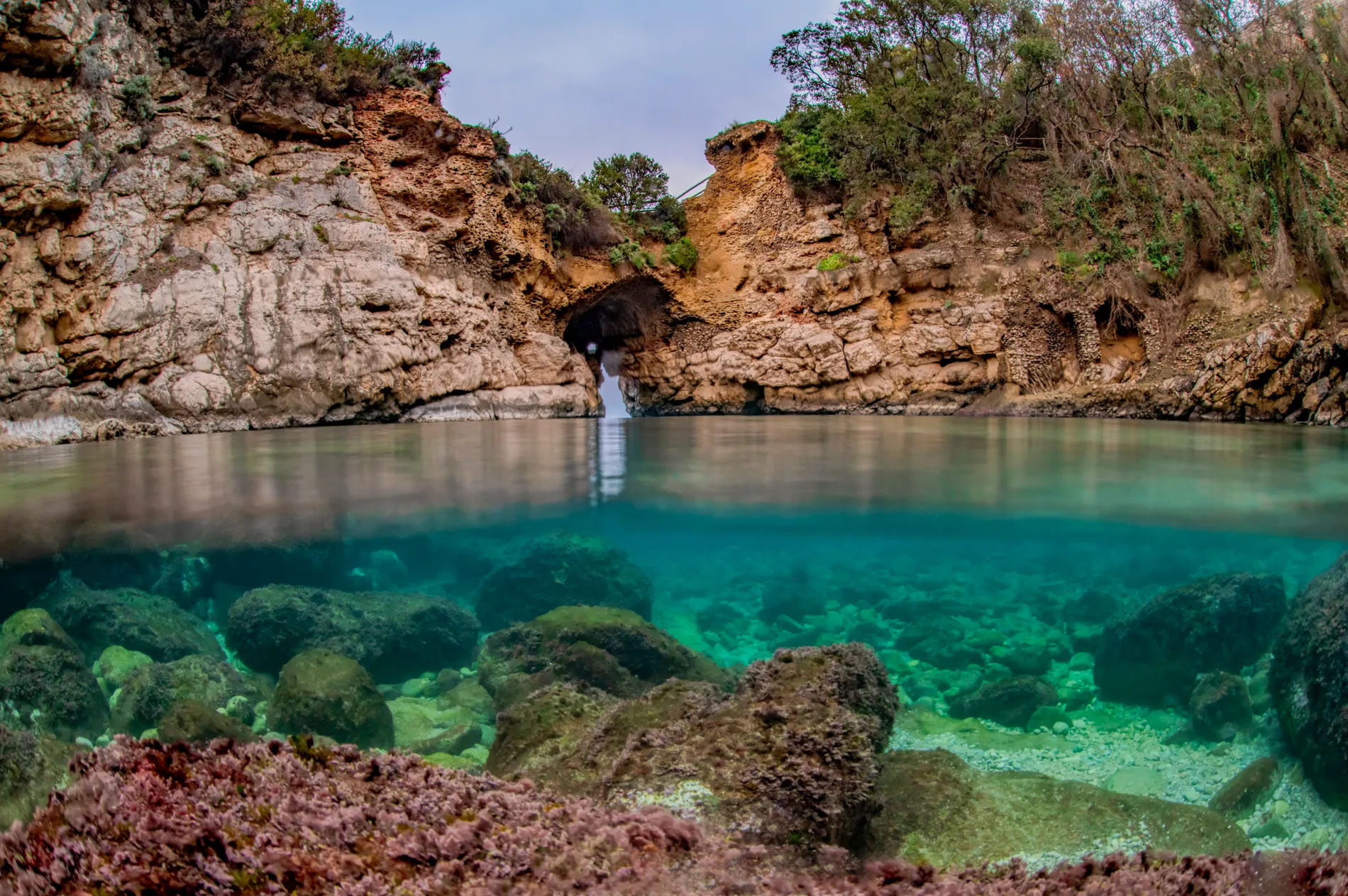
El único lugar de snorkel de talla mundial de la costa al que puedes llegar enteramente a pie — sin barco, sin guía, sin coste. A 25 minutos a pie del centro de Sorrento, las ruinas de una villa romana del siglo I enmarcan la piscina natural de roca. Un estrecho canal la conecta con el mar abierto, aportando agua fresca y vida marina con cada cambio de marea. La piscina es poco profunda (1–3 m) con fondo rocoso de algas, esponjas y erizos de mar. Haz snorkel a través del canal hacia mar abierto para ver tordos, salemas y pulpos en las grietas.
Visibilidad: 8–15 m en la piscina, 15–20 m más allá. Profundidad: 1–3 m (piscina), 3–8 m (mar abierto). Dificultad: fácil — el lugar más seguro de la costa, ideal para principiantes y niños pequeños. Mejor momento: primera hora de la mañana (7:00–9:00) antes de las multitudes. Coste: gratis. Acceso: a pie por la Via Capo (25 min), lleva calzado resistente. Agua de 20 °C (mayo) a 28 °C (agosto).
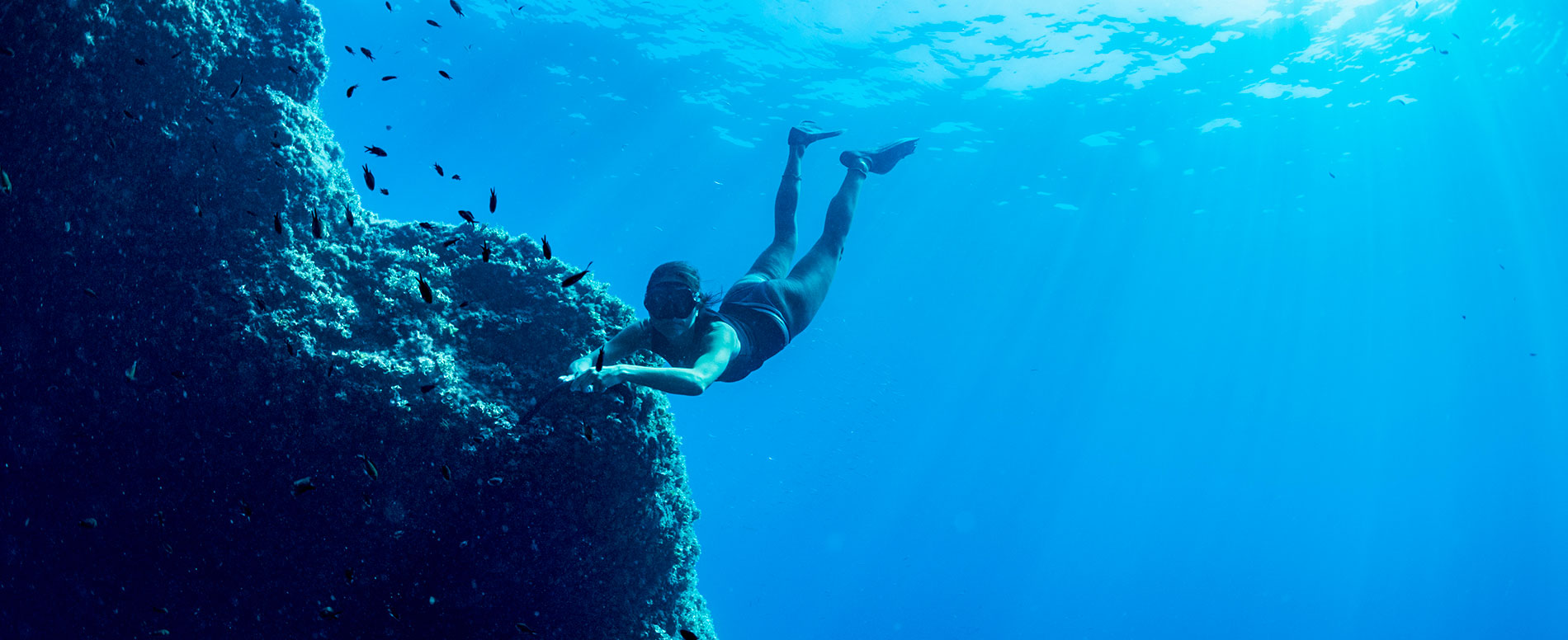
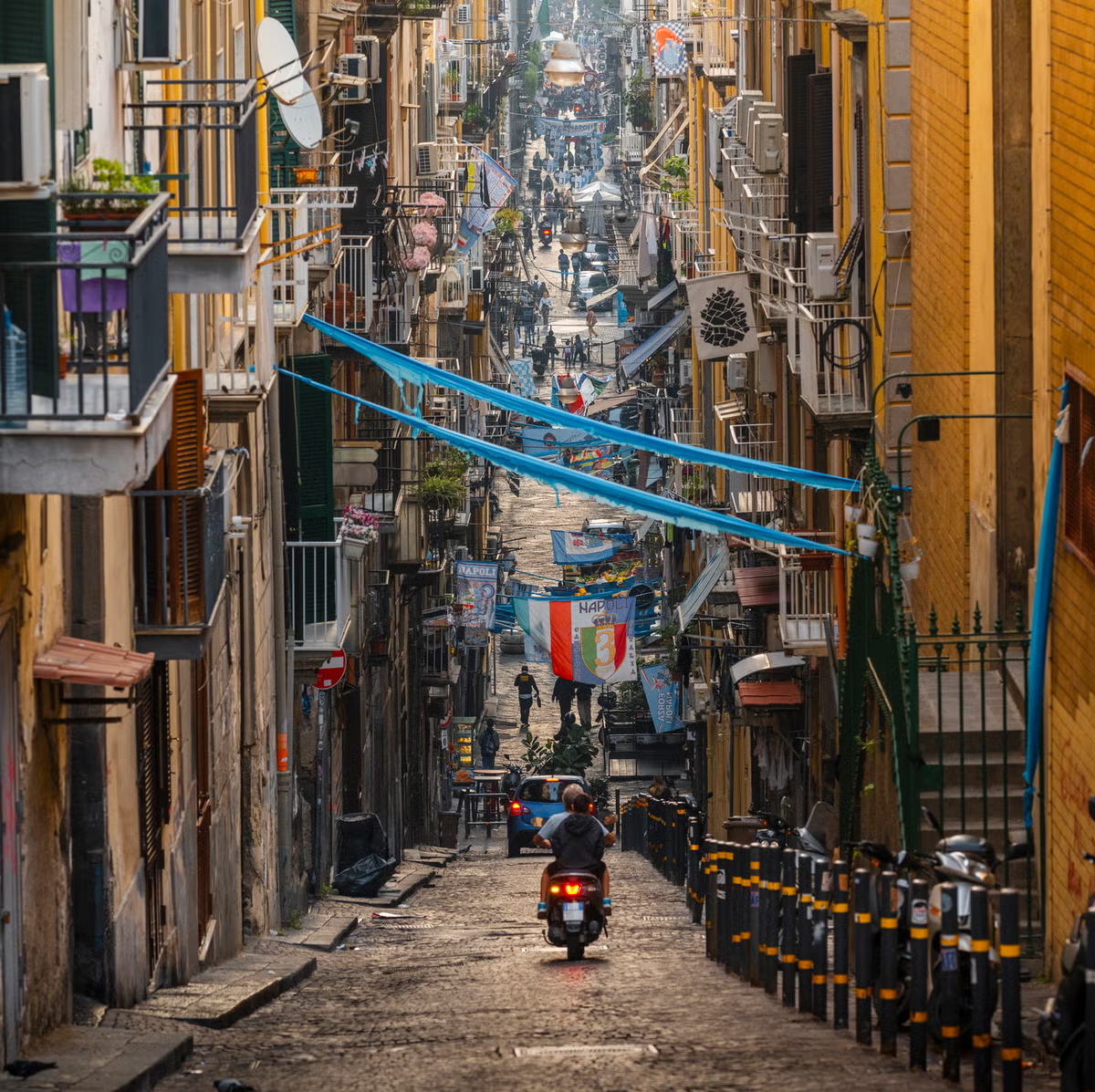
Conca dei Marini — Zona de la Grotta dello Smeraldo
El litoral rocoso que rodea la famosa Gruta Esmeralda ofrece un snorkel sorprendentemente bueno que la mayoría de los visitantes pasa por alto. Los acantilados calizos entre Conca dei Marini y Furore caen abruptamente al agua, creando paredes cubiertas de esponjas, gorgonias y algas incrustantes. Este es el único lugar del lado amalfitano de la península, fuera del AMP — la vida marina es algo menos abundante, pero la topografía submarina es espectacular, con paredes verticales, grutas y arcos para atravesar. Las barcas de pesca locales pueden dejarte en los mejores lugares por 15–20 €/persona.
Visibilidad: 10–18 m. Profundidad: 2–12 m. Dificultad: intermedia — sin salida fácil a la costa, hay que regresar al barco. Mejor momento: por la mañana (8:00–11:00). Especies clave: serrano, castañuelas, salema, langosta europea, racimos de esponjas amarillas. Agua de 19 °C (mayo) a 27 °C (agosto).
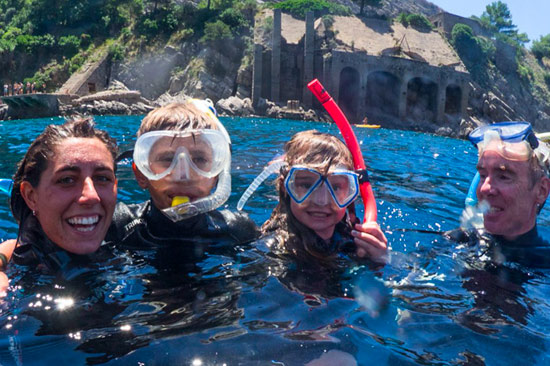
Marina di Puolo
Una pequeña playa de grava entre Sorrento y Massa Lubrense, una favorita de los lugareños que rara vez aparece en las guías turísticas. La suave entrada desde la costa sobre arena y guijarros da paso a un arrecife rocoso a unos 3 metros, que discurre paralelo a la costa durante varios cientos de metros — un sendero natural para el snorkel. El arrecife alberga blénidos, gobios, lábridos y pequeños meros, con esponjas incrustantes y briozoos saludables que indican una buena calidad del agua. Los chiringuitos y restaurantes justo en la orilla facilitan combinar el snorkel con un día de playa completo.
Visibilidad: 8–15 m. Profundidad: 1–5 m. Dificultad: fácil — excelente para principiantes y para practicar. Mejor momento: por la mañana o al final de la tarde. Coste: gratis; alquiler de hamaca 10–15 €/día. Acceso: autobús desde Sorrento (línea C, 10 min) o caminata de 20 minutos. Agua de 19 °C (mayo) a 27 °C (agosto).
La experiencia de snorkel al atardecer
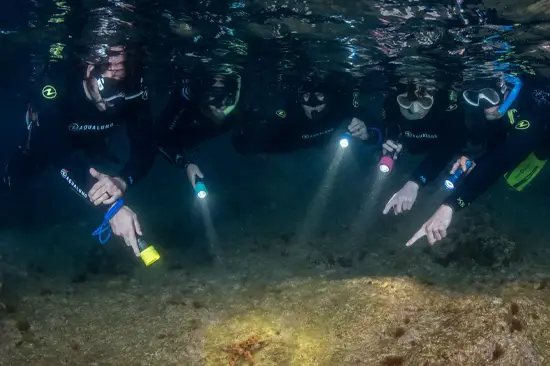
Una de las formas más memorables de hacer snorkel en la Costa Amalfitana es al caer el sol. El tour de snorkel al atardecer desde Sorrento sale a última hora de la tarde y te lleva a una bahía protegida de la costa sur. A medida que la luz se desvanece, se reparten linternas submarinas al grupo y se revela un mundo diferente.
Las especies nocturnas emergen de sus escondites diurnos: los pulpos abandonan sus guaridas para cazar por el arrecife, los peces loro dormidos se encajan en las grietas y los ojos de las gambas brillan de rojo a la luz de la linterna. Si las condiciones son adecuadas, puedes presenciar la bioluminiscencia de los dinoflagelados — diminuto plancton que destella en azul al ser perturbado, convirtiendo cada movimiento de tu mano en una estela de chispas submarinas. Es una experiencia que perdura.

Guiado por biólogos marinos
Todos los tours de snorkel de BlueKeys están dirigidos por biólogos marinos del centro Punta Campanella Diving. No es solo una medida de seguridad — transforma la experiencia. Tu guía identifica cada especie que encuentras, explica la ecología de las praderas de Posidonia, señala detalles que de otro modo pasarías por alto (los huevos de una sepia en una hoja de fanerógama, la estación de limpieza donde los peces pequeños quitan parásitos a un mero) y se asegura de que el grupo avance a un ritmo que permita a todos disfrutar del agua.
Para los fotógrafos, los guías saben exactamente dónde encontrar los sujetos más fotogénicos y pueden ayudarte a colocarte para las mejores tomas. También llevan una tarjeta de identificación de especies que puedes consultar en el barco entre paradas de snorkel.
¿Qué vida marina verás?
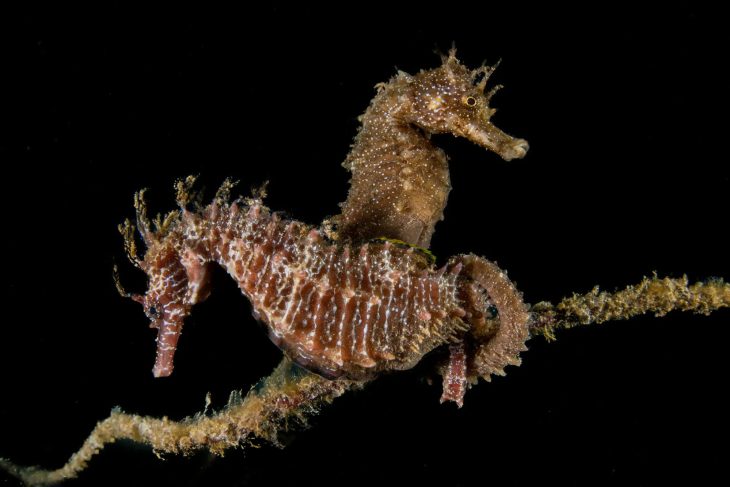
El Área Marina Protegida de Punta Campanella alberga más de 260 especies de peces documentadas y decenas de invertebrados. La estrella principal es el caballito de mar mediterráneo (Hippocampus hippocampus), que se encuentra aferrado a las hojas de Posidonia en Cala di Mitigliano. Los pulpos comunes construyen guaridas decoradas con conchas en cada lugar — en los tours al atardecer emergen a cazar en tiempo real. Las morenas (de hasta 1,5 m) asoman desde los salientes de las cuevas en Punta Campanella y Li Galli, mientras que las barracudas mediterráneas forman bancos en las corrientes entre las islas Li Galli. El mero oscuro — la joya de la corona de los peces de arrecife mediterráneos — es cada vez más común desde las prohibiciones de pesca, especialmente en Li Galli y Punta Campanella. Los sargos (sargo de dos bandas, sargo blanco y sargo picudo) son el pez más frecuente en todos los lugares. Los erizos de mar morados tapizan cada superficie rocosa — bonitos, pero sus frágiles espinas son el principal peligro del snorkel, así que lleva escarpines. Las estrellas de mar rojas son imposibles de no ver contra la caliza gris. Otras especies destacables son la sepia, la langosta europea, la salema, el serrano, la castañuela mediterránea, las nacras (Pinna nobilis) y las tortugas bobas (raras, documentadas en la Bahía de Ieranto en verano).
Tours de snorkel frente a ir por tu cuenta — y opciones familiares
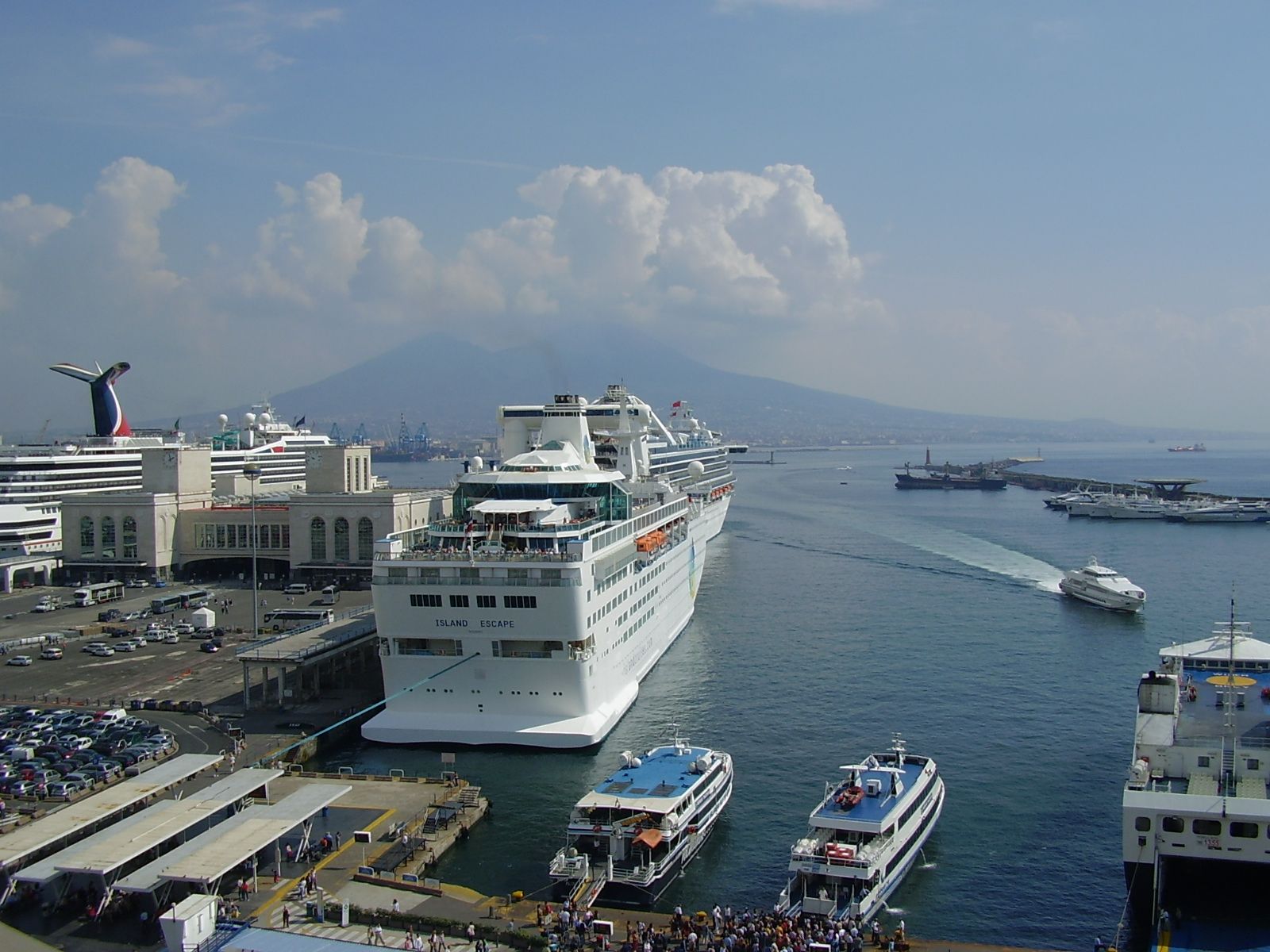
Una de las primeras decisiones es si reservar un tour guiado o ir de forma independiente. Tres de los siete mejores lugares — Cala di Mitigliano, las islas Li Galli y las zonas más profundas de Punta Campanella — solo son accesibles en barco. No puedes hacer snorkel allí de forma independiente a menos que alquiles un barco privado (200–400 €/medio día).
Tours guiados de snorkel (45–75 €/persona)
Lo que incluye un tour guiado típico:
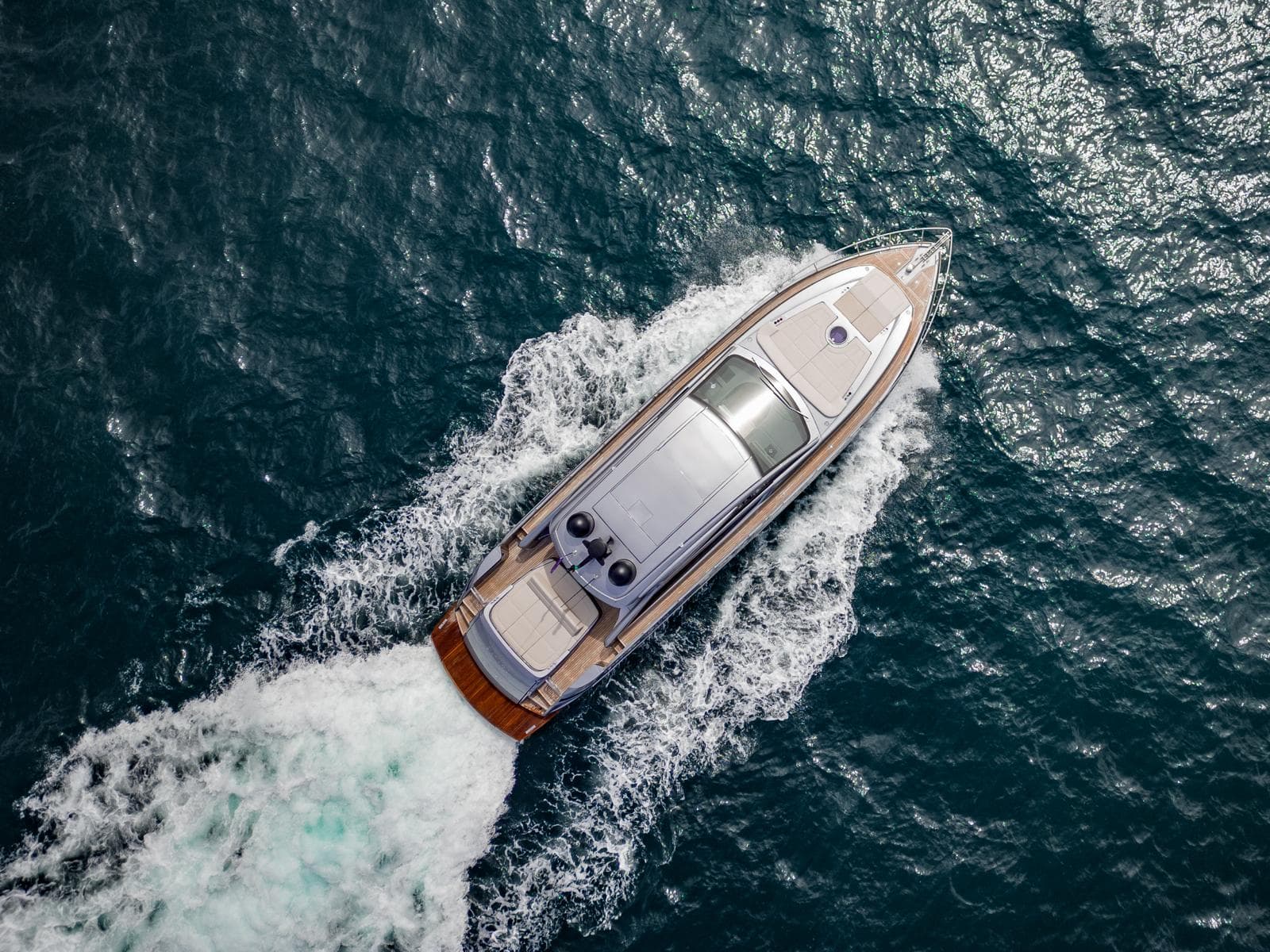
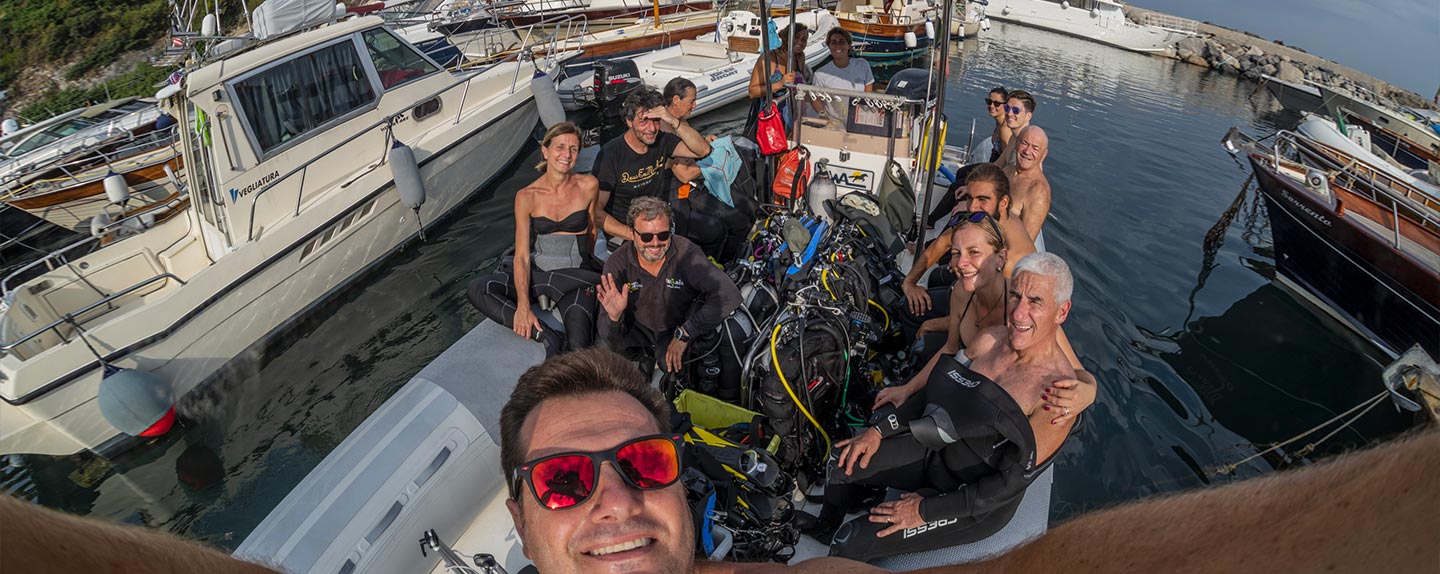
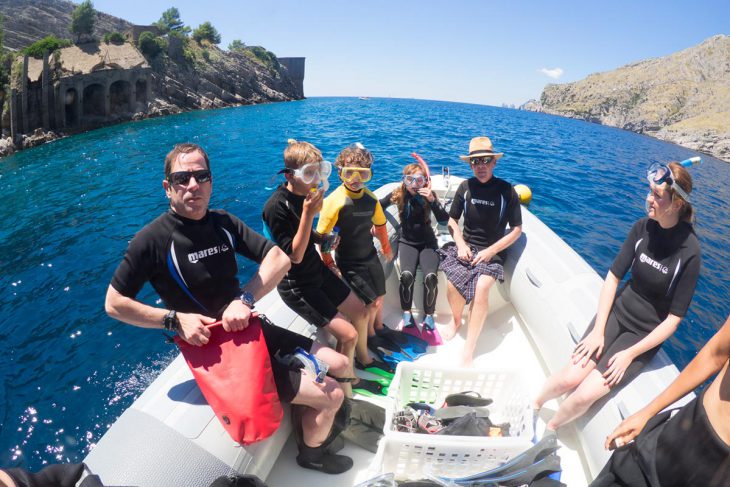
- Transporte en barco desde Marina Grande, Sorrento — normalmente una lancha neumática de 6–10 personas con cubierta de sombra
- Equipo completo: máscara, tubo, aletas, parte superior de traje de neopreno (neopreno de 3 mm)
- Guía biólogo marino que identifica las especies, explica los ecosistemas y garantiza la seguridad
- 2–3 paradas de snorkel en distintos lugares, elegidos según el tiempo y las condiciones del mar
- Agua y aperitivos en el barco entre paradas
- Tarjeta de identificación de especies submarinas
- Duración: 3–4 horas (medio día) o 2–2,5 horas (por la tarde)
Precios: el tour de medio día por la mañana cuesta 55–65 €/persona, el tour familiar de tarde cuesta 45–55 €/persona, y la experiencia de snorkel al atardecer cuesta 65–75 €/persona. Los niños menores de 12 años reciben un 20–30 % de descuento.
Ir por tu cuenta (gratis o de bajo coste)
Dos lugares son excelentes para la exploración independiente: Bagni Regina Giovanna y Marina di Puolo. Ambos tienen acceso gratuito desde la costa. Necesitas tu propio equipo (alquiler de 10–15 €/día en Sorrento), escarpines, protector solar respetuoso con el arrecife y un compañero — nunca hagas snorkel solo. Los lugares con acceso desde la costa pueden estar concurridos en temporada alta, pero Bagni Regina Giovanna a las 7:00 de la mañana es una experiencia genuinamente maravillosa — gratis, sin gente y llena de peces.
Lo mejor de ambos mundos: muchos visitantes hacen un tour guiado para los lugares solo accesibles en barco más una o dos sesiones independientes en lugares con acceso desde la costa en días distintos.
Snorkel con niños
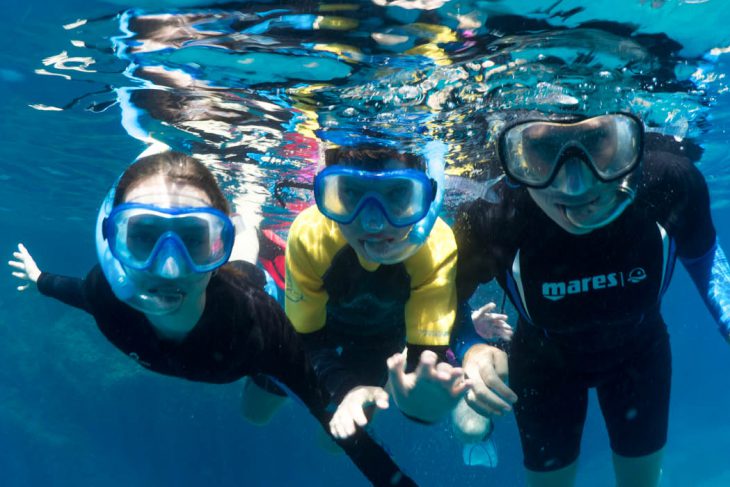
Los niños a partir de los 6 años pueden unirse a los tours guiados. El tour familiar de snorkel de tarde está diseñado para familias — ritmo relajado, bahías tranquilas y poco profundas, guía con experiencia. Sale a las 14:30 desde Marina Grande y regresa hacia las 17:30 (45–55 €/adulto, 35–45 €/niño de 6 a 12 años, equipo incluido). Los niños menores de 6 años pueden quedarse en el barco. Para el snorkel independiente, los niños de tan solo 4 años pueden disfrutar de Bagni Regina Giovanna (piscina poco profunda y cerrada) y Marina di Puolo (entrada suave, chiringuitos). Consejos: practica primero la respiración con máscara en una piscina, usa un chaleco de flotación, empieza en agua hasta la cintura, lleva una tarjeta de identificación de peces y limita las sesiones a 20–30 minutos en agua por debajo de los 24 °C.
Consejos de seguridad
- Tráfico de embarcaciones: Mantente a menos de 50 m de la costa en los lugares con acceso desde la orilla. En Bagni Regina Giovanna la piscina de roca está totalmente protegida; en Marina di Puolo nada paralelo a la costa. Los tours guiados izan una bandera de buceo y colocan el barco para proteger al grupo.
- Corrientes: Li Galli y Punta Campanella pueden tener corrientes de 1–2 nudos. Si te ves atrapado, nada perpendicular a la corriente hacia la roca o el barco más cercano y avisa a tu guía. Quédate en las bahías protegidas si tienes poca experiencia.
- Medusas: Las medusas luminiscentes (Pelagia noctiluca) aparecen en oleadas, principalmente de finales de julio a mediados de septiembre. Su picadura es dolorosa pero no peligrosa. Enjuaga con agua de mar, retira los tentáculos con pinzas y aplica vinagre. Los tours guiados llevan kits de tratamiento de picaduras.
- Erizos de mar: Los erizos morados tapizan cada superficie rocosa. Lleva escarpines en todas las entradas desde la costa, nunca pises rocas sumergidas. Si te clavas una espina, retírala con pinzas y sumerge la zona en agua caliente durante 20–30 minutos.
- Sol y sistema de compañero: Lleva una camiseta de licra — tu espalda queda totalmente expuesta mientras flotas boca abajo. Aplica protector solar respetuoso con el arrecife y reaplica entre paradas. Nunca hagas snorkel solo; acuerda señales de mano con tu compañero para "OK", "problema" y "regresar a la costa".
Mejor época para hacer snorkel — mes a mes
La temporada de snorkel en la Costa Amalfitana va de mayo a octubre, y cada mes ofrece un equilibrio diferente de temperatura del agua, visibilidad, actividad de la vida marina y nivel de afluencia. Esto es lo que puedes esperar.
| Mes | Temp. del agua | Visibilidad | Riesgo de medusas | Nivel de afluencia | Notas |
|---|---|---|---|---|---|
| Mayo | 18–20 °C | 20–25 m | Bajo | Bajo | Excelente visibilidad, agua fresca. Se recomienda traje de neopreno. Pocos turistas — puede que tengas los lugares para ti solo. |
| Junio | 21–24 °C | 20–30 m | Bajo | Medio | El mejor mes en general. Lo bastante cálido sin traje de neopreno, visibilidad máxima, la vida marina está activa. Reserva los tours con 3–5 días de antelación. |
| Julio | 24–27 °C | 15–20 m | Medio | Alto | Agua cálida, buenas condiciones. Visibilidad algo reducida por floraciones de plancton. Los lugares de costa se llenan hacia las 10:00. Reserva los tours con 1 semana de antelación. |
| Agosto | 25–28 °C | 10–18 m | Alto | Muy alto | Agua más cálida, pero menor visibilidad y mayor riesgo de medusas. El Ferragosto (15 de agosto) es el pico. Reserva los tours con 2 semanas de antelación. La primera hora de la mañana es clave. |
| Septiembre | 23–26 °C | 20–25 m | Medio | Medio | Regresan las condiciones excelentes. Agua cálida, visibilidad en mejora, menos gente. Muchos lugareños consideran que es el mejor mes. Reserva con 3–5 días de antelación. |
| Octubre | 20–23 °C | 15–22 m | Bajo | Bajo | Aún viable pero refrescando. Se recomienda traje de neopreno. El tiempo es más impredecible — consulta los pronósticos. Puede que los tours no se realicen a diario. Estupendo para aficionados experimentados que prefieren la soledad. |
Nuestra recomendación: las dos primeras semanas de junio o la segunda mitad de septiembre ofrecen la combinación ideal de agua cálida (22–25 °C), visibilidad excepcional (20–25 m), afluencia moderada y fácil disponibilidad de tours. Si solo puedes hacer snorkel un día, elige una mañana en que el pronóstico del mar indique "mare calmo" (mar en calma) o "mare poco mosso" (mar poco movido).
Los 7 lugares comparados
Usa esta tabla para elegir el lugar de snorkel adecuado según tu experiencia, tus prioridades y cómo quieras acceder al agua.
| Lugar | Profundidad | Visibilidad | Acceso | Dificultad | Vida marina | Ideal para |
|---|---|---|---|---|---|---|
| Bahía de Ieranto | 1–8 m | 15–25 m | Barco o caminata | Fácil | ★★★★★ | La mejor en conjunto, tortugas |
| Cala di Mitigliano | 2–12 m | 18–30 m | Solo en barco | Intermedia | ★★★★★ | Fotografía, caballitos de mar |
| Islas Li Galli | 3–15 m | 12–20 m | Solo en barco | Avanzada | ★★★★☆ | Peces grandes, expertos en snorkel |
| Punta Campanella | 1–7 m | 15–25 m | Barco o costa | Intermedia | ★★★★☆ | Cuevas, morenas, historia |
| Bagni Regina Giovanna | 1–3 m | 8–15 m | Costa (a pie) | Fácil | ★★★☆☆ | Familias, gratis, principiantes |
| Conca dei Marini | 2–12 m | 10–18 m | Barco (local) | Intermedia | ★★★☆☆ | Grutas, topografía única |
| Marina di Puolo | 1–5 m | 8–15 m | Costa (bus/a pie) | Fácil | ★★★☆☆ | Principiantes, combo día de playa |
Qué llevar y consejos prácticos
- Equipo: En todos los tours guiados se proporcionan máscara, tubo, aletas y parte superior de traje de neopreno. Si tienes tu propia máscara que te ajusta bien, llévala — un buen sellado marca la diferencia.
- Protector solar: Aplica protector solar respetuoso con el arrecife (mineral, no químico) al menos 30 minutos antes de entrar al agua. El AMP lo solicita para proteger el medio marino.
- Mareo: El trayecto en barco hasta los lugares de snorkel dura 15–25 minutos. Si eres propenso al mareo por movimiento, toma medicación antes de salir.
- Bañador: Lleva el bañador puesto debajo de la ropa. No hay vestuarios disponibles en el barco.
- Toalla y capa de abrigo: Lleva una toalla y una chaqueta ligera para el trayecto de vuelta. Incluso en verano, el viento en el barco puede resultar fresco tras un snorkel largo.
- Funda impermeable para el móvil: Muy recomendable para las fotos. También hay alquiler de GoPro en el centro de buceo.
- Agua y aperitivos: Se proporcionan en el barco, pero lleva agua extra si sueles beber mucho al sol.
Reserva tu tour de snorkel
BlueKeys ofrece tres opciones de snorkel desde Sorrento, todas con guías biólogos marinos, equipo completo y transporte en barco a los mejores lugares del área marina protegida. Explora todos los tours de snorkel o ponte en contacto para que te ayudemos a elegir la experiencia adecuada para tu grupo.
Explora la Costa Amalfitana submarina
Únete a un tour de snorkel de medio día, prueba la inolvidable experiencia de snorkel al atardecer o reserva un relajado tour de tarde apto para familias — todos con guías biólogos marinos y equipo completo incluido.
Aeropuerto de Nápoles → Sorrento: lanzadera, tren o traslado privado
Alibus + Circumvesuviana (EAV): €10, 94–105 min, 33 salidas al día, 05:39–22:14. Traslado privado Aeropuerto de Nápoles → Sorrento: desde €120 por vehículo, 60 min, 50 km puerta a puerta, sin transbordos.
| Opción | Precio | Duración y frecuencia |
|---|---|---|
| Alibuslanzadera | €5por persona | 15 mincada 15 min |
| Circumvesuviana (EAV)tren | €5por persona | 64–75 min33 salidas al día, 05:39–22:14 |
| Transporte público, total | €10por persona | 94–105 min |
| Traslado privado | desde €120por vehículo · hasta 3 pasajeros | 60 min50 km · bajo petición, con reserva previa |
| Fuentes: EAV — orario L1 Napoli–Sorrento (28.03.2026) | ||