Respuesta rápida — lo mejor que hacer en Amalfi
- Catedral de Amalfi — entrada gratuita, puertas de bronce del siglo IX, cripta de San Andrés
- Gruta Esmeralda — cueva marina en barco desde 7 €, mejor luz de 10:00 a mediodía
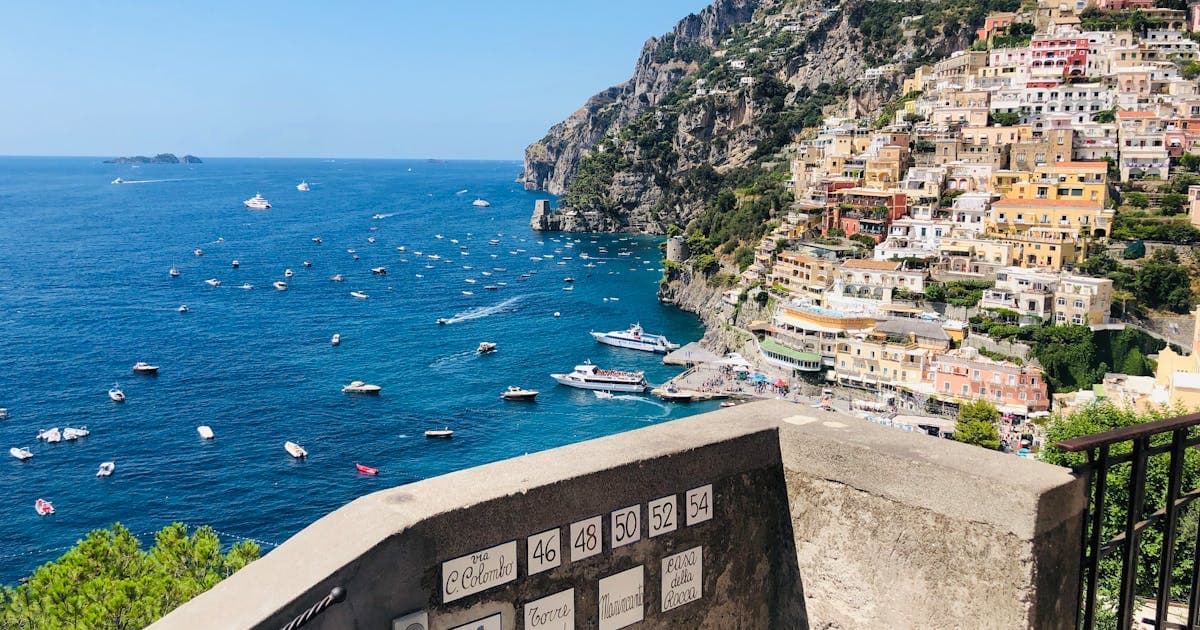
- Excursión en barco a Positano — 30 min, ferry desde 10 € o barco privado desde 65 €/persona
- Valle dei Mulini (Valle de los Molinos) — paseo gratuito por el desfiladero, antiguos molinos de papel
- Atrani — a 5 minutos a pie, vida local auténtica, playa en la plaza
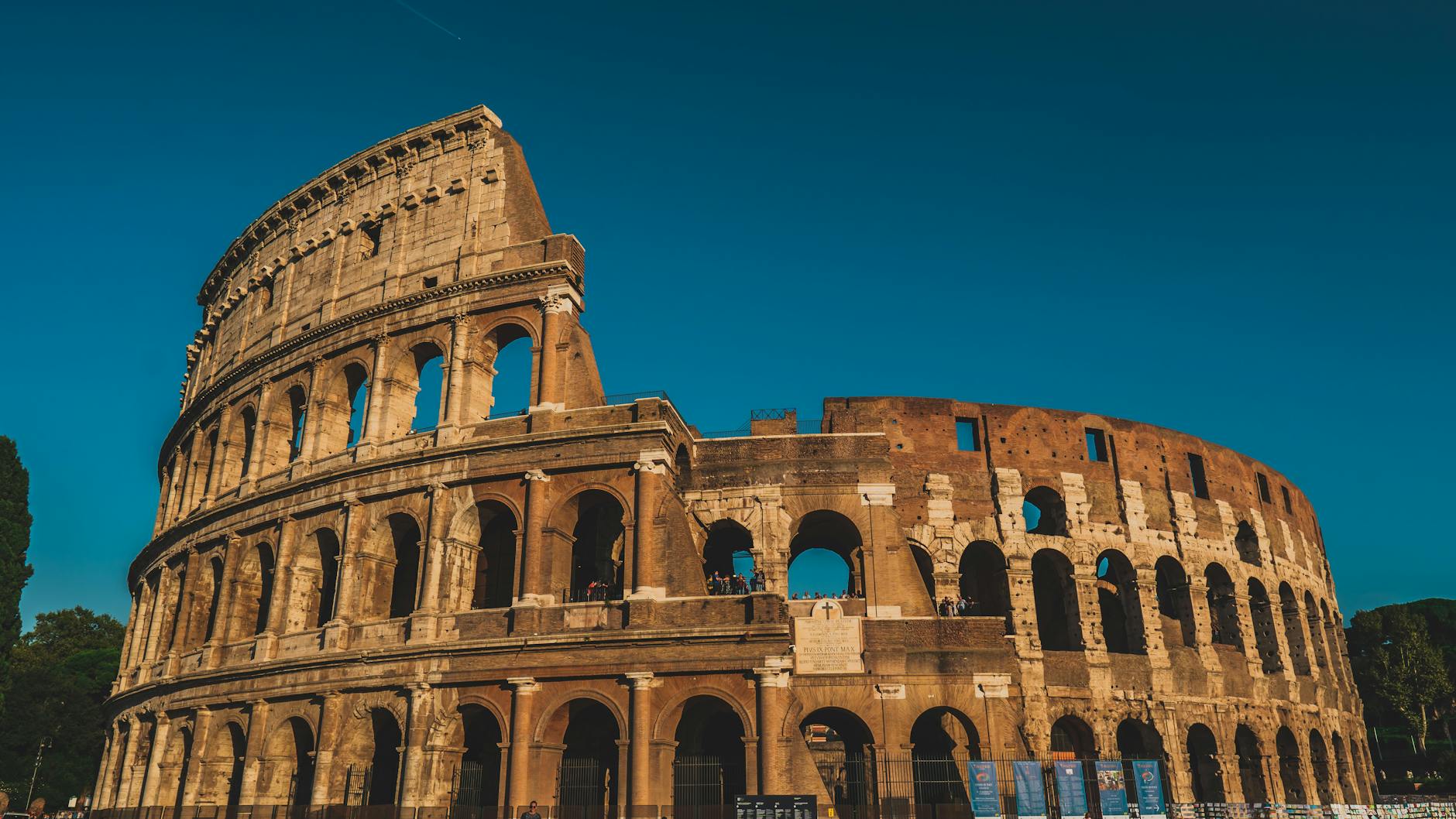

Comparativa de actividades — Planifica tu día
| Actividad | Coste | Duración | Mejor momento | ¿Reservar con antelación? |
|---|---|---|---|---|
| Catedral de Amalfi + claustro | Gratis / 3 € el claustro | 45 min | Antes de las 10:00 | No |
| Gruta Esmeralda | Entrada 7 € + barco | 1 hora | 10:00–mediodía | No |
| Excursión en barco (ferry público) | Desde 8–20 € | 30–70 min | Por la mañana | No |
| Tour en barco privado | Desde 65 €/persona | Medio día/día completo | Por la mañana | Sí, 2–3 días |
| Paseo por el Valle dei Mulini | Gratis | 1 hora | A cualquier hora | No |
| Museo della Carta | 4 € | 45 min | Por la mañana | No |
| Arsenale della Repubblica | Gratis | 30 min | A cualquier hora | No |
| Paseo a Atrani | Gratis | 5 min + tiempo allí | A última hora de la tarde | No |
| Senderismo por el Sentiero dei Limoni | Gratis | 3 horas ida y vuelta | Por la mañana | No |
| Excursión de un día a Ravello | Autobús 1,30 € + villas 7–8 € | Medio día | Por la mañana | No |
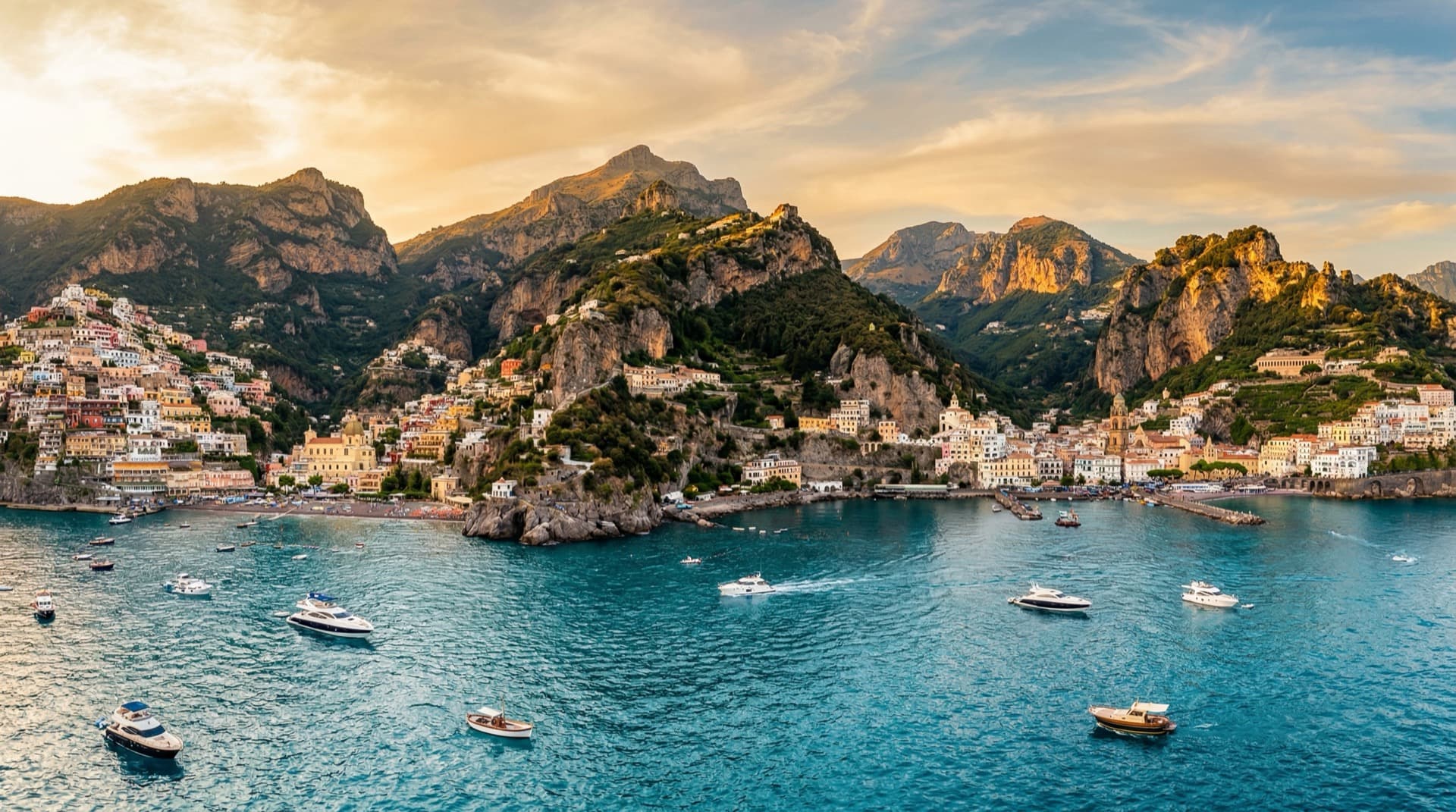
Amalfi se encuentra en el centro de su famosa costa y fue, durante dos siglos, una de las grandes potencias marítimas del Mediterráneo. En el siglo IX la ciudad era más rica y poderosa que Venecia, y la arquitectura, la catedral, el arsenal y los molinos de papel todavía conservan esa historia. Hoy es lo bastante compacta como para recorrerla a pie en una mañana, pero lo bastante rica como para justificar un día entero, sobre todo si añades una excursión en barco y un largo almuerzo de marisco junto al puerto.
1. Catedral de Amalfi — el Duomo di Sant'Andrea
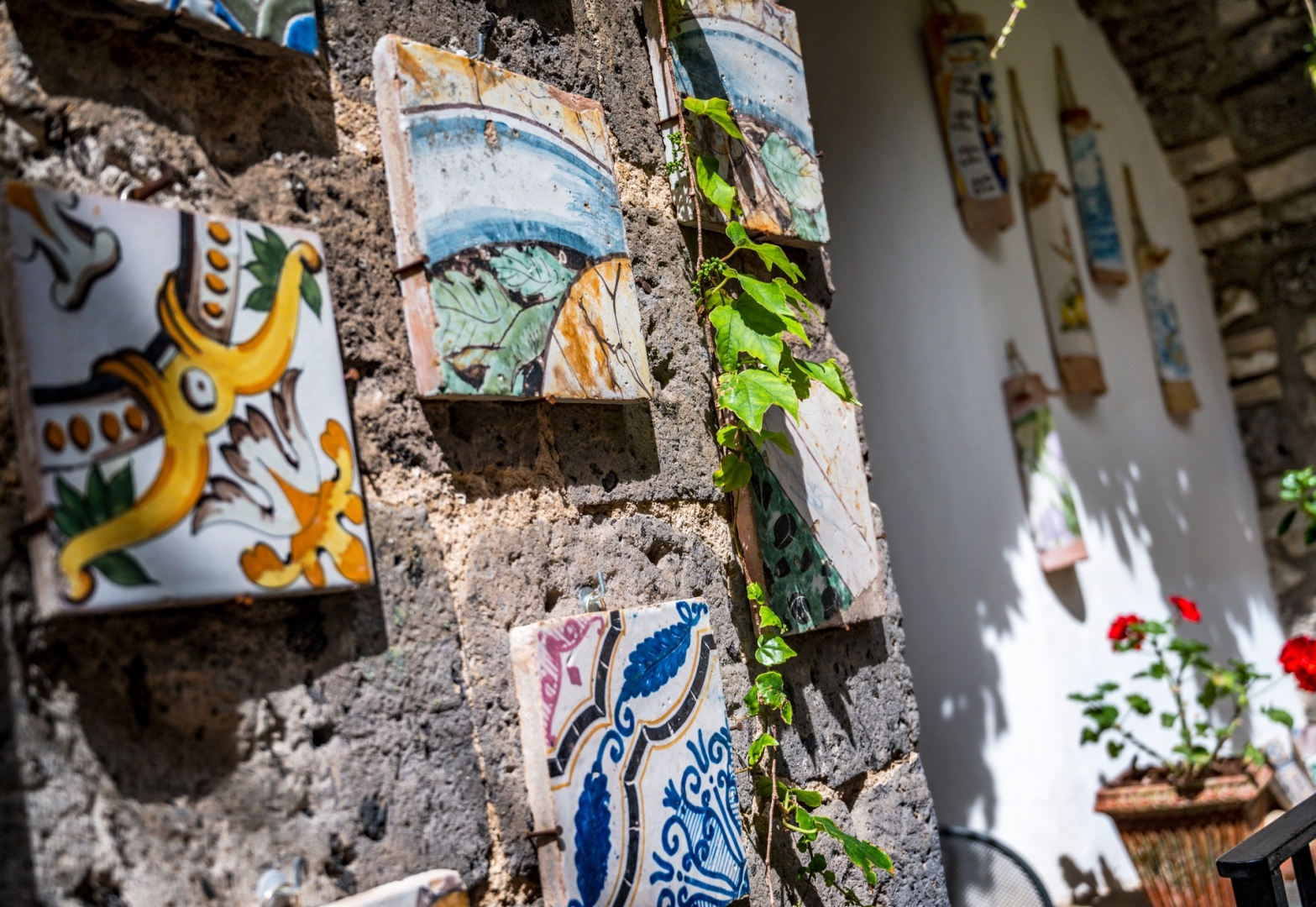
La Catedral de San Andrés domina la plaza principal y define el perfil de Amalfi. Su fachada árabe-normanda a rayas, con un mosaico de Cristo flanqueado por ángeles sobre la entrada, es una de las vistas más fotografiadas de la costa. El edificio data del siglo IX y ha sido reconstruido y ampliado muchas veces desde entonces: el resultado es una fusión por capas de elementos románicos, bizantinos, góticos y barrocos que cuenta la historia de cada siglo que ha vivido Amalfi. Las puertas de bronce originales del siglo IX se fundieron en Constantinopla y se trajeron por mar a través del Mediterráneo, testimonio del alcance comercial de la ciudad.
La entrada a la catedral en sí es gratuita. El Claustro del Paraíso —un jardín de estilo morisco del siglo XIII rodeado de arcos entrelazados, con una colección de sarcófagos romanos dispuestos entre las columnas— cuesta 3 € y merece cada céntimo solo por la arquitectura. Bajo la catedral, la cripta de San Andrés alberga las reliquias del apóstol, traídas a Amalfi desde Constantinopla en 1208. La cripta es íntima y evocadora, con un altar de mármol del siglo XVII y un techo con frescos. Llega antes de las 10:00 o después de las 16:00 para evitar las multitudes de los cruceros que llenan la plaza desde media mañana.
2. Gruta Esmeralda (Grotta dello Smeraldo)
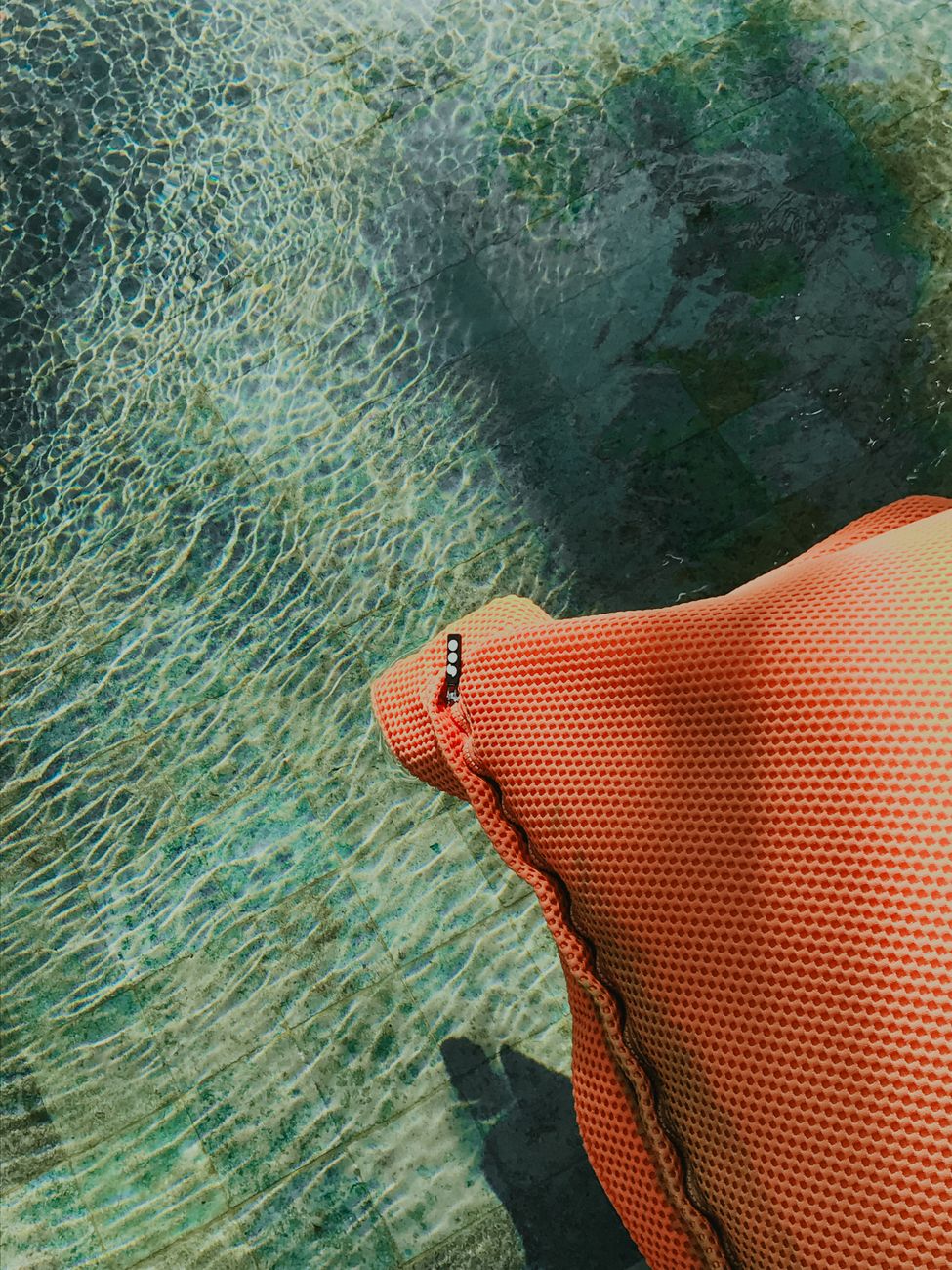
La Gruta Esmeralda es la respuesta de Amalfi a la Gruta Azul de Capri: una cueva marina donde el agua adquiere un verde intenso por la luz que se filtra a través de un arco sumergido. A diferencia de la Gruta Azul, puedes entrar en barca de remos o con el ascensor desde la carretera de arriba (7 € por persona por la entrada a la cueva; el traslado en barco aparte). La cueva fue descubierta por un pescador local en 1932 y desde entonces ha atraído visitantes, aunque recibe una fracción de las multitudes de Capri. Dentro, el barquero te guía por la cámara mientras señala el presepe (belén) sumergido que los buzos locales colocaron en el fondo de la cueva, un detalle típicamente napolitano.
La mejor luz es entre las 10:00 y el mediodía, cuando el ángulo del sol ilumina el agua desde abajo y el color esmeralda alcanza su máxima intensidad. La experiencia en conjunto es más tranquila y accesible que la de la Gruta Azul, aunque el efecto del color es menos espectacular. Puedes llegar a la gruta en autobús local desde Amalfi (20 minutos, 1,30 €) o en excursión en barco desde el puerto. Calcula una hora incluyendo el desplazamiento. Combinar la visita con una excursión en barco por la costa facilita la logística y añade paradas para nadar.
3. Excursión en barco desde el puerto de Amalfi
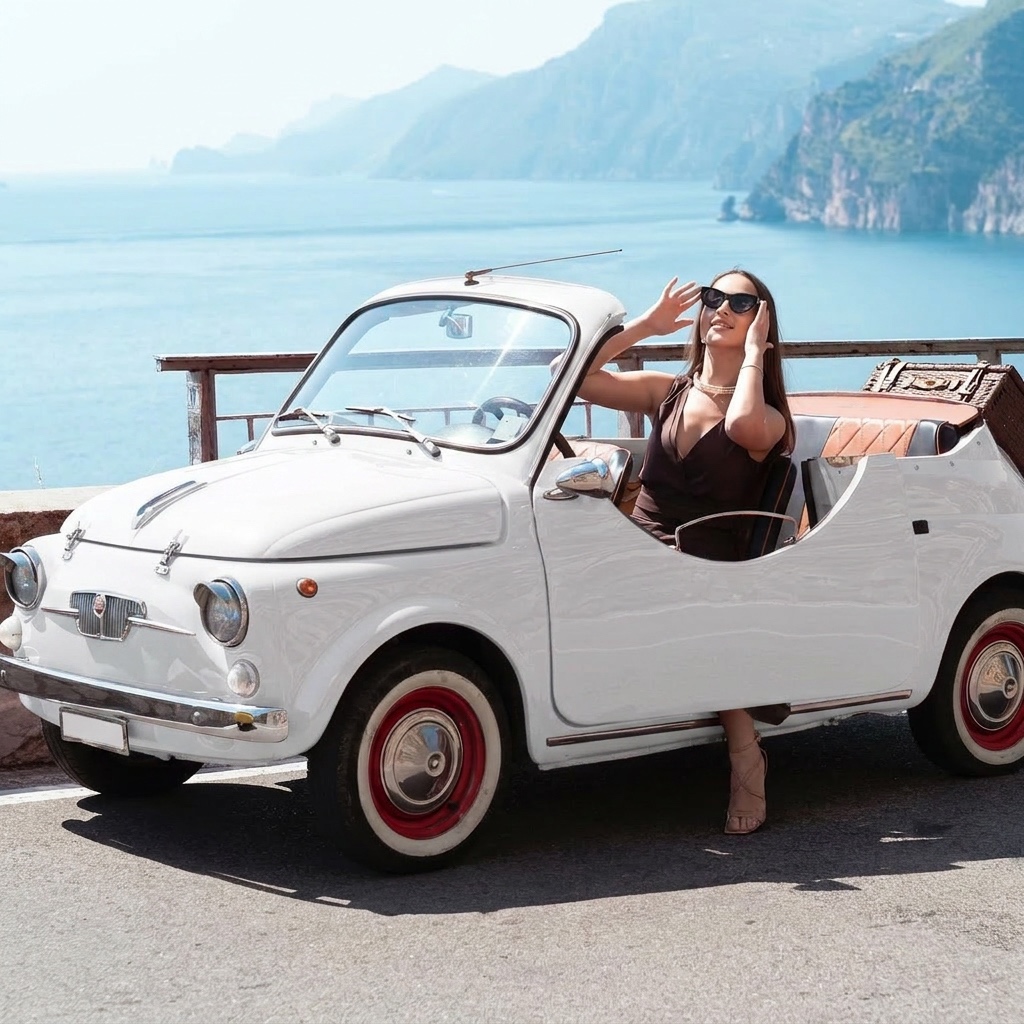
Amalfi es el mejor punto de partida para excursiones de un día por la costa. El ferry público conecta Amalfi con Positano (30 min, desde 10 €), Salerno (50 min, desde 8 €) y Capri (70 min, desde 20 €) varias veces al día en verano. Para mayor flexibilidad, BlueKeys ofrece excursiones en barco desde Amalfi y chárteres privados desde el puerto: medio día a Positano, la Gruta Azul y las cuevas marinas cuesta desde 65 €/persona con patrón. Un tour de día completo que incluye Capri, paradas para nadar y una pausa para comer empieza en 120 €/persona.
La ventaja de un barco privado frente al ferry es la libertad: tu patrón puede detenerse en calas apartadas inaccesibles por carretera, fondear para nadar en aguas tan claras que se ve el fondo a 10 metros y ajustar la ruta según las condiciones del mar y tus preferencias. La mayoría de los barcos privados salen a las 09:00 o a las 10:00 y regresan hacia las 16:00 o las 17:00, dejando tiempo para una velada en Amalfi. Reserva con al menos 2–3 días de antelación en julio y agosto, cuando los barcos se agotan rápidamente. En temporada media, un día de aviso suele bastar.

4. Valle dei Mulini — el Valle de los Molinos
Detrás de la plaza principal, un estrecho desfiladero se adentra en el acantilado de piedra caliza que respalda al pueblo. Es el Valle dei Mulini, el valle donde antaño funcionaban los molinos de papel de Amalfi, una industria que convirtió al pueblo en uno de los primeros productores de papel de Europa. Ya en el siglo XIII, Amalfi fabricaba papel decorado hecho a mano a partir de trapos de algodón y lino, usando canales de agua desviados de los arroyos de la montaña. La técnica llegó a través de los comerciantes árabes, lo que dio a Amalfi un siglo de ventaja sobre el resto de Europa.
Hoy puedes recorrer el desfiladero gratis: el sendero discurre durante aproximadamente 1,5 kilómetros, pasando junto a las ruinas de los antiguos molinos y a través de una densa vegetación. Los canales de piedra, las muelas y los secaderos siguen visibles entre la maleza, y con tiempo húmedo el arroyo que movía los molinos aún corre por el cañón. Al final del recorrido, el Museo della Carta (Museo del Papel) ocupa un molino restaurado del siglo XIII y muestra el proceso tradicional de fabricación de papel (entrada 4 €, cerrado los lunes). El paseo es sombreado y fresco incluso en verano, un respiro bienvenido del calor del puerto.

5. Arsenale della Repubblica
El Arsenale es el único astillero medieval que se conserva en la Costa Amalfitana: una estructura de piedra abovedada donde la República de Amalfi construía y mantenía su flota en los siglos X y XI. En su apogeo, la armada de Amalfi rivalizaba con las de Pisa, Génova y Venecia, controlando rutas comerciales por todo el Mediterráneo. La flota que zarpaba de estas dársenas abovedadas transportaba tejidos, especias y metales preciosos entre Italia, el norte de África y el Levante.
La entrada es gratuita. El edificio sirve ahora en parte como museo y en parte como sala de exposiciones, con maquetas de barcos históricos, instrumentos de navegación y muestras sobre las Tavole Amalfitane, el código de leyes marítimas que rigió el comercio mediterráneo durante siglos. El interior de piedra abovedada es evocador y fresco, y el edificio está a solo 100 metros de la plaza principal, escondido en un callejón lateral a la izquierda del puerto. Calcula 30 minutos.

6. Piazza Flavio Gioia
La plaza frente al mar, que lleva el nombre de un navegante de Amalfi que pudo haber mejorado la brújula magnética en el siglo XIV (los historiadores lo debaten), es el corazón social del pueblo. El puerto queda justo debajo, y el embarcadero del ferry, los operadores de alquiler de barcos y la principal parada de taxis están todos a menos de 50 metros. Siéntate en uno de los bares del puerto con una granita di limone (3 €) y observa los ferris, las barcas de pesca y las embarcaciones turísticas que van y vienen. La plaza está en su mejor momento a primera hora de la mañana, antes de las 9:00 —pescadores clasificando redes, dueños de cafés sacando las mesas, la catedral captando la primera luz— y a última hora de la tarde, cuando los autobuses turísticos se han ido y los lugareños recuperan su pueblo.
7. Atrani — el pueblo escondido de al lado
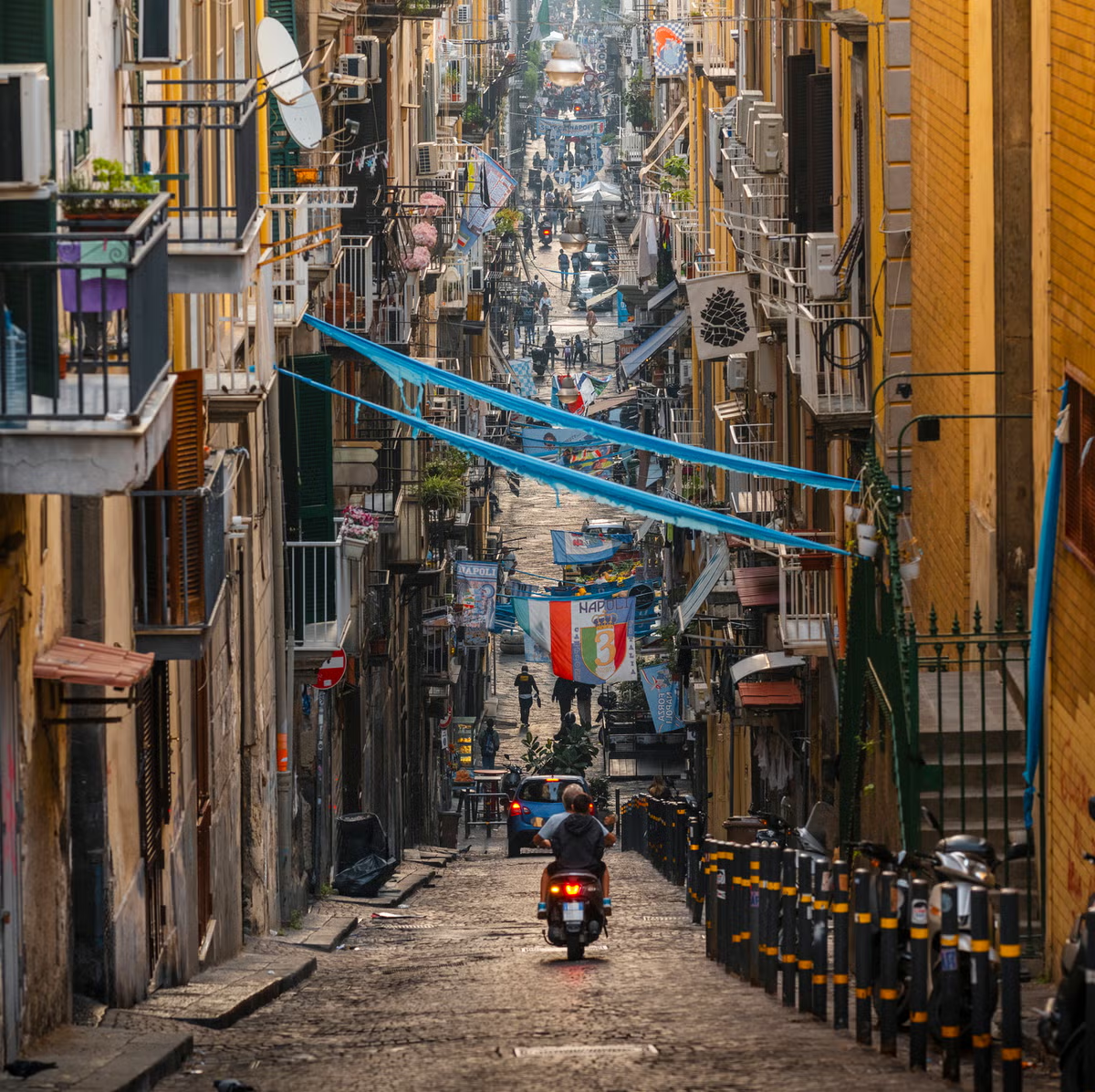
Atrani es técnicamente un pueblo distinto de Amalfi, pero ambos están unidos: se va de uno a otro en cinco minutos por un estrecho sendero costero o a través de un túnel. Atrani es el municipio más pequeño del sur de Italia y uno de los más bellos de la costa. Donde Amalfi se ha adaptado al turismo, Atrani lo ha ignorado en gran medida. Las casas se apilan verticalmente por la pared del acantilado, conectadas por escaleras empinadas y pasajes cubiertos que no han cambiado en siglos.
La plaza principal, Piazza Umberto I, llega directamente a la playa, la única playa de la Costa Amalfitana accesible desde la plaza principal de un pueblo. En verano, lugareños y visitantes comparten la arena, y los restaurantes que rodean la plaza sirven pescado fresco a precios más bajos que los del paseo del puerto de Amalfi (cuenta con 12–18 € por un almuerzo completo con vino). El pueblo tiene vida local de verdad: niños jugando al fútbol en la plaza, tendederos colgados entre ventanas, ancianas sentadas en los portales. Visítalo a última hora de la tarde, cuando la luz incide en las fachadas y los lugareños salen a dar su paseo vespertino.
8. Sentiero dei Limoni (Camino de los Limones)
Este sendero de 4 kilómetros conecta Amalfi con Minori pasando por los pueblos de montaña sobre la costa. Se tarda unos 90 minutos en cada sentido y atraviesa limonares en terrazas, olivares y la pequeña aldea de Pogerola, en la ladera. El sendero arranca justo encima del pueblo de Amalfi y ofrece vistas por encima de los tejados hasta el mar. El aire huele a cítricos, el camino está sombreado por pérgolas de limoneros y los únicos sonidos son el canto de los pájaros y el ocasional rugido de una Vespa en una carretera lejana abajo.
Lo mejor es recorrerlo por la mañana, antes de que apriete el calor. Lleva buen calzado (en algunos tramos el camino es de piedra irregular) y agua, ya que no hay sombra en los tramos expuestos. La recompensa al otro extremo es Minori, una localidad de playa más tranquila con una larga playa de arena, una villa romana del siglo I y excelentes restaurantes. Vuelve en ferry de Minori a Amalfi (20 minutos, desde 4 €) para no recorrer dos veces la misma ruta.
9. Museo della Carta (Museo del Papel)
Escondido dentro del Valle dei Mulini, el Museo del Papel es el museo más singular de la Costa Amalfitana. El edificio es un molino del siglo XIII que estuvo en funcionamiento hasta la década de 1950. Las visitas guiadas (4 €, incluidas en la entrada) muestran cómo se producían a mano las hojas de papel a partir de trapos, el mismo proceso usado en Amalfi desde la Edad Media. Ves girar la rueda hidráulica que mueve los mazos de triturar, observas cómo se extiende la pasta sobre los bastidores y manipulas hojas terminadas que son gruesas, texturizadas e inconfundiblemente artesanales. La tienda vende papel artesanal de Amalfi, papelería y cuadernos decorados a precios justos: una hoja de papel de carta desde 1 €, un cuaderno encuadernado desde 8 €. Calcula 45 minutos. El museo cierra los lunes y en invierno.
10. Excursión de un día a Ravello
Desde Amalfi, los autobuses van a Ravello cada 30 minutos (1,30 € por trayecto, 20 minutos). Ravello se asienta a 350 metros sobre el mar y parece otro mundo: fresco, tranquilo y lleno de palacios y jardines medievales. Villa Rufolo (entrada 7 €) tiene un jardín con terraza que sirve de escenario para los conciertos del Festival de Ravello en verano, con vistas sobre la costa que están entre las más bellas de Italia. Villa Cimbrone (entrada 8 €) cuenta con la Terraza del Infinito, un mirador bordeado de bustos clásicos y con una caída al mar que ha atraído a escritores, compositores y artistas durante más de un siglo. Dedica una mañana entera a Ravello y vuelve en autobús para comer junto al puerto de Amalfi.
11. Contemplar la puesta de sol desde el paseo marítimo
Amalfi mira más o menos al suroeste, lo que significa que las puestas de sol pueden ser espectaculares en las condiciones adecuadas, sobre todo en septiembre y octubre, cuando el aire es más limpio. Los mejores sitios son el rompeolas en el extremo del puerto, la terraza del Hotel Luna Convento (de acceso gratuito si tomas algo en el bar, cócteles desde 10 €) y el sendero costero elevado en dirección a Atrani. Los ferris dejan de funcionar al anochecer en verano, así que si te alojas en Positano o Sorrento, comprueba los horarios de regreso antes de comprometerte a una puesta de sol en Amalfi. ¿Prefieres el agua? Un crucero al atardecer desde Amalfi te mantiene en la costa hasta que los colores se desvanecen. Un traslado privado de vuelta por carretera evita por completo el problema de los horarios del ferry.
Consejos de presupuesto — Amalfi para todos los bolsillos
Amalfi puede salir cara si te limitas a los restaurantes del puerto y a los barcos turísticos, pero no tiene por qué. Así puedes controlar los gastos:
- Actividades gratuitas: la catedral (entrada gratuita), el Arsenale (gratis), el paseo por el Valle dei Mulini (gratis), el paseo a Atrani (gratis) y la puesta de sol en el paseo marítimo no cuestan nada. Podrías llenar un día entero sin gastar un céntimo más allá del transporte.
- Comidas económicas: sáltate los restaurantes del paseo del puerto para comer y ve a las panaderías de la Via Lorenzo d'Amalfi: sfogliatella (2,50 €), arancini (2,50 €), pizza al taglio (3–4 €). Un almuerzo completo de pie por menos de 8 €.
- Ahorro en transporte: el ferry público de Sorrento a Amalfi cuesta desde 15 €. El autobús SITA desde Sorrento cuesta 2,50 € y tarda 90 minutos por la pintoresca carretera SS163: más lento, pero ves toda la costa.
- Entrada a museos: el Claustro del Paraíso (3 €) y el Museo della Carta (4 €) son las únicas atracciones de pago del pueblo: 7 € en total por ambas. Todo lo demás es gratis.
- Excursiones en barco inteligentes: el ferry público a Positano cuesta 10 € y te da las mismas vistas costeras que un barco privado. Para nadar, la playa de Atrani es gratuita y accesible a pie.
- Alojamiento: los apartamentos de vacaciones en Amalfi de BlueKeys empiezan en 80 €/noche, más baratos que los hoteles con vistas al puerto y con cocina para preparar tus propias comidas.
Dónde comer en Amalfi
Amalfi tiene mejores opciones gastronómicas que la mayoría de los pueblos costeros de su tamaño. Estas son las mejores opciones para distintos presupuestos:
- Comida callejera (menos de 5 €): las panaderías junto a la Via Lorenzo d'Amalfi sirven sfogliatella fresca, arancini y porciones de pizza. Para el helado, ve a la Gelateria Porto Salvo, en la calle principal: las especialidades locales son los sabores de limón y ricotta, desde 2,50 €.
- Almuerzo informal (12–20 €): la Trattoria Il Mulino, en la Via delle Cartiere, cerca del Museo del Papel, sirve comida genuinamente local a precios no turísticos. Prueba los scialatielli ai frutti di mare (14 €), pasta fresca local con marisco variado. La Taverna Buonvicino, en las escaleras detrás de la plaza, hace una pizza excelente desde 8 €.
- Marisco (20–35 €): los restaurantes a lo largo del puerto sirven la pesca del día. La especialidad local es el pesce all'acqua pazza: pescado escalfado en un caldo de tomate, ajo, hierbas y vino blanco (desde 16 €). Los ricci di mare (erizos de mar) aparecen en las cartas de mayo a septiembre, servidos crudos sobre crostini o salteados con espaguetis (desde 14 €). Para las opciones más frescas, pregunta qué pescado llegó esa mañana.
- Ocasión especial (40 € o más): el Ristorante Marina Grande, justo en el puerto, sirve cocina amalfitana refinada con una carta de vinos cargada de productores de la Campania. Cuenta con pagar 40–60 € por persona por una comida completa con vino, pero la calidad y el entorno lo justifican.
Cómo llegar a Amalfi
Amalfi es el nudo de transporte de la costa. Los ferris públicos salen de Salerno (50 min, desde 8 €), Positano (30 min, desde 10 €) y Sorrento (60 min, desde 15 €) a lo largo del día en verano. Desde Nápoles, la ruta más rápida es el ferry de Molo Beverello a Amalfi (90 min en temporada, desde 20 €). Por carretera, la SS163 costera desde Sorrento tarda 45–75 minutos según el tráfico. Un traslado privado del aeropuerto de Nápoles a Amalfi cuesta desde 168 € para 1 o 2 pasajeros e incluye servicio de equipaje. Es la opción sin estrés si llegas con maletas.
Dónde alojarse en Amalfi
Amalfi tiene una buena variedad de alojamientos para todos los presupuestos. El centro histórico cuenta con varios hoteles boutique y B&B entre las callejuelas del casco antiguo, mientras que el frente marítimo tiene hoteles más grandes con vistas al puerto. Los apartamentos de vacaciones en Amalfi de BlueKeys empiezan en 80 €/noche y ofrecen más espacio y cocina que una habitación de hotel estándar, algo útil para estancias largas o familias. Reserva con al menos 6 semanas de antelación para julio y agosto; el pueblo se llena rápidamente en plena temporada.