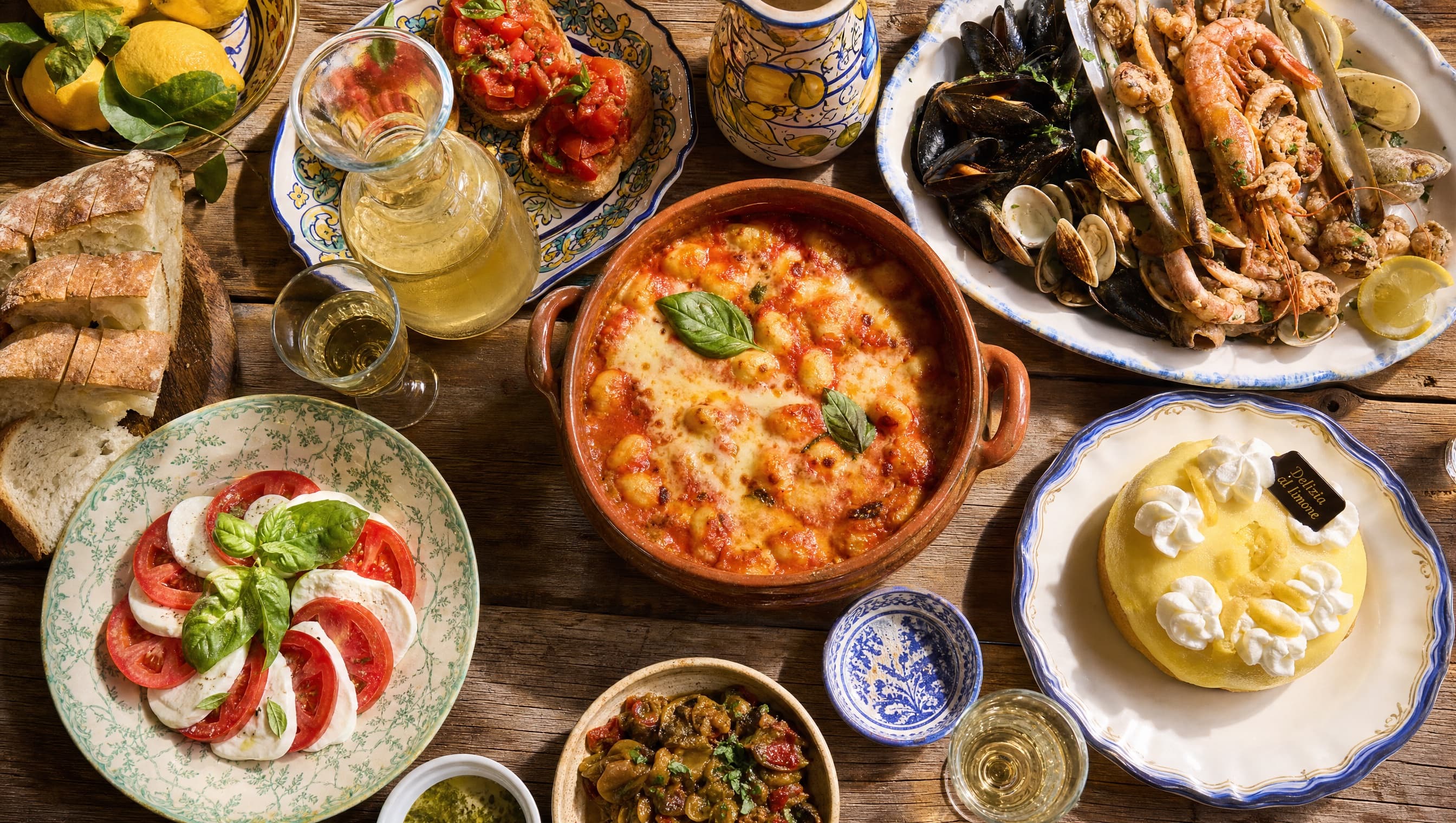
Quick answer — must-eat foods in Sorrento
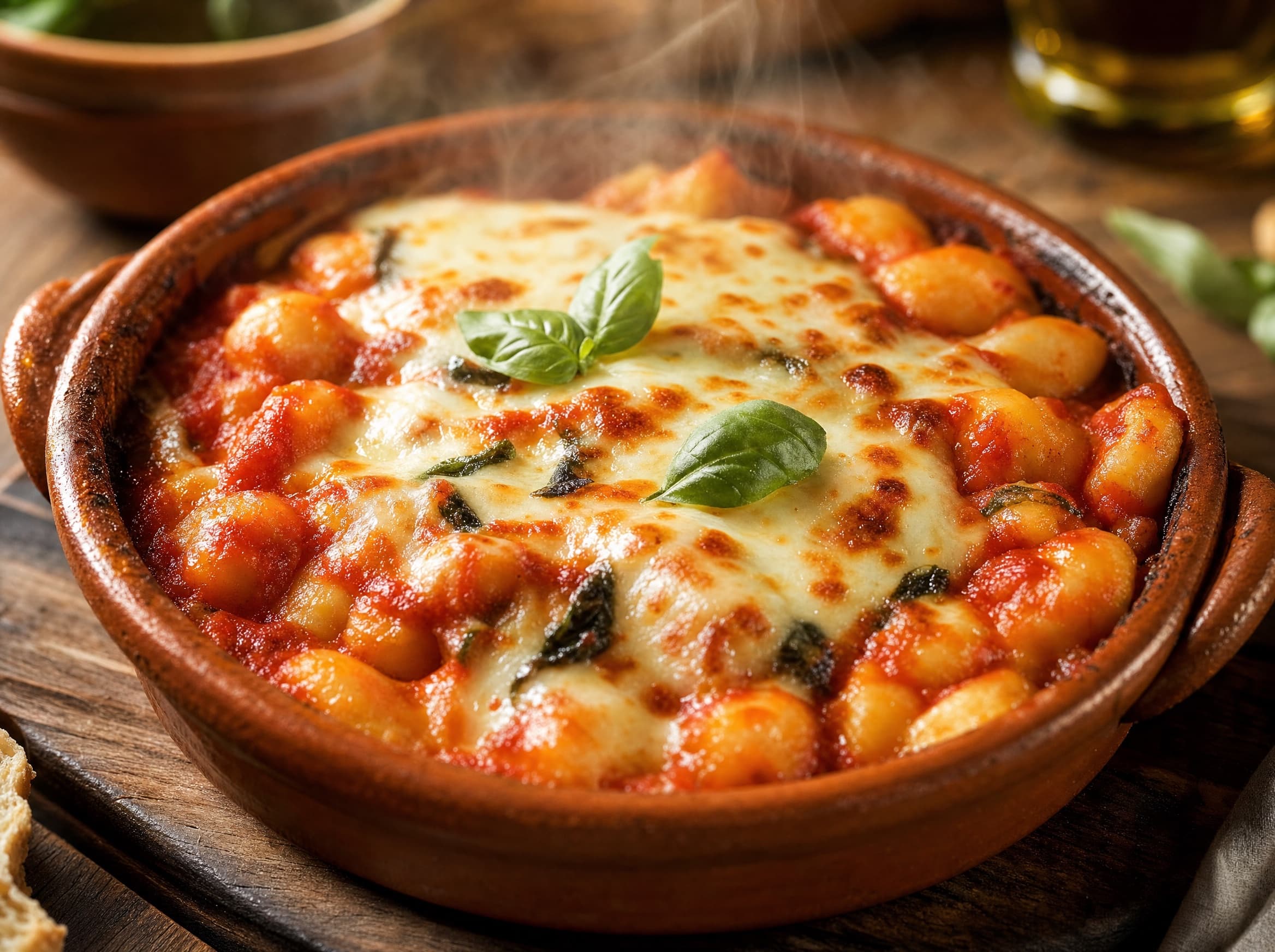
- Signature dish: Gnocchi alla sorrentina — potato gnocchi baked with mozzarella and tomato (€12–16)
- Best street food: Cuppo fritto — fried seafood cone at Marina Grande (€4–6)
- Iconic drink: Limoncello — free tastings at producers on Via San Cesareo
- Best dessert: Delizia al limone — lemon cream sponge, the coast's signature cake (€4–6)
- Best value meal: Pizza margherita from a wood-fired pizzeria (€6–10)
| Dish | Type | Price | Best spot |
|---|---|---|---|
| Gnocchi alla sorrentina | Primo piatto | €12–16 | Ristorante Zi'Ntonio |
| Mozzarella / Burrata | Antipasto | €8–14 | Inn Bufalito |
| Limoncello | Digestivo | Free tasting / €12 bottle | Via San Cesareo producers |
| Cuppo fritto | Street food | €4–6 | Marina Grande harbour |
| Ravioli capresi | Primo piatto | €14–18 | Most trattorias |
| Delizia al limone | Dessert | €4–6 | Any pasticceria |
| Gelato (artigianale) | Dessert / snack | €2.50–4 | Gelateria David |
| Pizza margherita | Main | €6–10 | Any wood-fired pizzeria |
| Fresh anchovies | Antipasto / main | €8–12 | Marina Grande seafood restaurants |
| Sfogliatella | Pastry / breakfast | €2–3 | Any good bar or pasticceria |
Sorrento sits at the crossroads of three great Italian food traditions — Neapolitan, Sorrentine, and Amalfitan. The town's clifftop position above the Bay of Naples means the fish is fresh, the lemons are legendary, and the dairy is some of the best in the country. This guide covers every dish you need to try, where to find the best versions, what you should expect to pay, and how to eat like a local rather than a tourist.

1. Gnocchi alla Sorrentina — €12–16
This is Sorrento's signature dish and the one thing you absolutely must eat here. Small potato gnocchi are baked in a terracotta dish with tomato sauce, mozzarella di Fiordi Latte, and fresh basil until the cheese melts into golden strings. The best versions use hand-rolled gnocchi — light, pillowy, and nothing like the heavy supermarket kind. You'll find it on nearly every menu, but the quality varies enormously.
Where to try it: Ristorante Zi'Ntonio on Via Luigi de Maio serves one of the best versions in the centro storico (€14). For a more refined take, try Inn Bufalito on Vico I Fuoro, where everything is made with buffalo mozzarella (€16). At a simple trattoria away from the main square, you can find a decent version for €12.
How to spot a good one: The terracotta dish should arrive bubbling. The gnocchi should be soft and almost dissolve on your tongue — if they are dense and chewy, the cook used too much flour. The sauce should taste of ripe tomatoes, not sugar.
2. Mozzarella and Burrata — €8–14
Southern Italy produces the world's best mozzarella, and in Sorrento you are within an hour's drive of the buffalo farms in Paestum and Caserta where mozzarella di bufala is made fresh every morning. The Fiordi Latte version (made from cow's milk) is the local speciality — milky, soft, and completely different from anything you've tasted outside Italy. Burrata — mozzarella filled with stracciatella cream — is even more indulgent.
Where to try it: Inn Bufalito on Vico I Fuoro is entirely dedicated to buffalo products — a mozzarella tasting plate costs €12–14 and is worth every cent. For a more casual experience, any good trattoria will serve a caprese salad (mozzarella, tomatoes, basil, olive oil) for €8–10.
On a Sorrento food tour, one of the first stops is a tasting of fresh mozzarella, ricotta, and local charcuterie paired with a Limoncello Spritz. It's the perfect introduction to how Sorrentines eat.

3. Limoncello — Free tasting / €12–18 per bottle
Sorrento is the spiritual home of limoncello, and the lemons here — the sfusato amalfitano variety — are unlike any lemon you've seen before. They are enormous (often the size of a grapefruit), thick-skinned, intensely fragrant, and far less acidic than regular lemons. Real limoncello is made by infusing the lemon peel in alcohol for weeks, then adding a simple sugar syrup. The result is bright, not too sweet, and deeply aromatic.
How to spot the real thing: Look for a bright yellow colour (not neon), a thick, slightly cloudy texture, and a label that says "Limone di Sorrento IGP." If it's transparent and looks like fairy liquid, walk away. A bottle of genuine Sorrento IGP limoncello costs €12–18 at a good producer. Supermarket brands sell for €6–8 but are typically made with conventional lemons and artificial flavouring.
Where to taste: Several family-run producers along Via San Cesareo offer free tastings — you walk in, sample three or four varieties (limoncello, crema di limone, mandarinetto), and buy if you like. There is no pressure. Or join a guided food tour to visit the best ones with a local expert who can explain the production process.
4. Cuppo Fritto — €4–6
A cuppo is a paper cone filled with mixed fried seafood and vegetables — calamari, baby shrimp, zucchini flowers, aubergine slices, and sometimes a crocche (potato croquette). It's the quintessential Neapolitan street food, eaten standing up by the sea. In Sorrento, the best cuppetti are found at Marina Grande, the fishing village beneath the cliffs. A generous cone costs €4–6 — enough for a light lunch or a hearty snack.
Our food tour stops at Marina Grande specifically for this — eating a cuppo fritto on the harbour wall with painted fishing boats bobbing in front of you is one of those moments you'll remember long after you leave.

5. Ravioli Capresi — €14–18
Although technically from the island of Capri, ravioli capresi are ubiquitous in Sorrento. The filling is caciotta cheese and marjoram — surprisingly light and aromatic — dressed simply with butter and sage or a light tomato sauce. They are a beautiful alternative to the heavier meat ragus you find further north.
Where to try it: Available at most trattorias in the centro storico. Expect to pay €14–16 for a standard portion, or €16–18 at more upscale restaurants with handmade pasta. The best indicator of quality is the marjoram — you should taste it clearly in the filling.
6. Delizia al Limone — €4–6
The Sorrento Peninsula's signature dessert is a lemon-shaped sponge cake filled with limoncello cream and coated in lemon icing. It was invented by a pastry chef in Sant'Agnello in the 1970s and has since become the coast's most iconic dolce. The best versions balance sweetness with the sharp, perfumed tang of real Sorrento lemons.
Where to try it: Every pasticceria in town serves delizia al limone (€4–6 per piece). For the best versions, look for pasticcerie that make them fresh daily — the sponge should be moist, the cream light, and the lemon flavour authentic rather than synthetic. Buying one from a bar near Piazza Tasso to eat with an espresso (€1.20) is one of the cheapest pleasures in town.

7. Gelato — €2.50–4
Italian gelato in a tourist town can be hit or miss, but Sorrento has several genuinely excellent gelaterias. The secret is finding places that make their gelato fresh daily and use real ingredients rather than chemical flavouring. Look for muted, natural colours rather than vivid neon — real pistachio gelato is olive-green, not bright green.
Where to try it: Gelateria David near Piazza Tasso is consistently excellent — their lemon sorbet (made with real Sorrento lemons) is legendary. A medium cup or cone costs €3–4. Other reliable spots include Raki on Corso Italia (€2.50–3.50) and Primavera near the cathedral. Avoid the gelaterias with towering, brightly coloured mountains — those are usually made with powdered mixes.
8. Pizza — €6–10
You're 45 minutes from Naples — the birthplace of pizza — so the standards in Sorrento are high. The best pizzerias use wood-fired ovens, San Marzano tomatoes, and Fiordi Latte mozzarella. The margherita is the benchmark: if a restaurant can't make a great margherita, don't trust the rest of the menu.
Where to try it: Pizzeria Da Franco on Corso Italia serves excellent pizza from €7 in a no-frills setting. For a sit-down experience, Pizzeria Aurora on Piazza Tasso offers margherita from €8–10 with a great people-watching terrace. A pizza a portafoglio (folded to eat walking) costs €2–4 from any pizzeria with a takeaway window.

Complete Dish Guide with Prices
Here is a comprehensive price reference for every dish worth trying in Sorrento, organized by course:
| Dish | Typical price | Where to find it | When to eat it |
|---|---|---|---|
| Sfogliatella | €2–3 | Any pasticceria or bar | Breakfast (best warm, before 10:00) |
| Cornetto (croissant) | €1.20–1.80 | Any bar | Breakfast with cappuccino (€1.50) |
| Caprese salad | €8–12 | Any trattoria | Lunch starter or light meal |
| Frittura di paranza (mixed fried fish) | €12–18 | Marina Grande restaurants | Lunch or dinner |
| Spaghetti alle vongole | €14–20 | Seafood restaurants | Lunch or dinner |
| Parmigiana di melanzane | €8–12 | Most trattorias | Lunch (as starter or main) |
| Totani e patate (squid and potatoes) | €12–16 | Local trattorias | Dinner — a summer classic |
| Limoncello Spritz | €6–9 | Any bar with outdoor seating | Aperitivo (18:00–20:00) |
| Baba al rum | €3–4 | Pasticcerie | Afternoon treat or after dinner |
| Granita al limone | €3–4 | Gelaterias or kiosks | Afternoon — best on hot days |
Food Tour Options
If you want to taste the best of Sorrento without the guesswork, a guided food tour is the most efficient way to do it. Here is what is available:
Sorrento Food Tour — €65–85/person: A 4-hour walking tour with 5 tasting stops. You will eat fresh mozzarella, cuppo fritto at Marina Grande, artisanal limoncello, local pastries, and a sit-down tasting of regional dishes. Private group (just your party), led by a local guide who knows every producer personally. This is the best introduction to Sorrento's food scene — guests consistently say it saves them from tourist-trap restaurants for the rest of their trip.
Bite of Naples Food Tour — €65–80/person: For a deeper dive into Neapolitan street food, take the Circumvesuviana to Naples (€4.60, 70 minutes) and join this 4-hour tour through the Spaccanapoli and Spanish Quarters. You will eat pizza fritta (€2–3), sfogliatella from the best bakeries, taralli, cuoppo, and the city's legendary espresso. If you are in Sorrento for 3+ days, doing both the Sorrento and Naples food tours gives you a complete picture of the region's food culture.
Cooking Class — €70–180/person: If tasting is not enough and you want to learn how to make these dishes yourself, a cooking class (3–4 hours) teaches you fresh pasta, gnocchi alla sorrentina, pizza, and desserts. Includes a full meal with wine. An ideal companion to a food tour — taste first, then learn to cook what you tasted.

Seasonal Specialties
Sorrento's food scene changes with the seasons. Here is what to look for depending on when you visit:
Spring (April–May): This is when the local vegetables peak — artichokes (carciofi) appear on every menu, braised, fried, or stuffed (€8–12). Fresh broad beans (fave) are served raw with pecorino cheese as an antipasto (€6–8). Asparagus and wild herbs flavour the pasta dishes. The first cherry tomatoes of the season arrive — smaller and sweeter than summer tomatoes. Seafood is excellent as the sea warms up after winter.
Summer (June–August): Peak season for Sorrento lemons — everything is lemon-infused. Look for insalata di limone (lemon salad, €5–7), pasta al limone (€10–14), and granita al limone (€3–4) at every turn. Piennolo tomatoes (tiny, intensely sweet cherry tomatoes grown on the slopes of Vesuvius, €4–6/kg at the market) are at their best. Seafood dominates: grilled orata (sea bream, €14–20), totani e patate (squid and potatoes, €12–16), and spaghetti ai ricci di mare (sea urchin pasta, €18–24 — seasonal and spectacular). Zucchini flowers stuffed with ricotta and fried (€8–12) are a summer-only treat.
Autumn (September–October): Grape harvest means fresh mosto (grape must) flavours everything. Chestnut season brings castagne arrosto (roasted chestnuts, €3–5 a bag from street vendors) and monte bianco (chestnut cream dessert, €5–7). Late-season figs are served with prosciutto (€8–12). The walnut harvest produces fresh nocino liqueur. This is arguably the best time for food in Sorrento — summer crowds thin, prices drop slightly, and the produce is at its richest.
Winter (November–March): Citrus season peaks — oranges, mandarins, and blood oranges appear in salads, desserts, and juices. Broccoli rabe (friarielli) with sausage becomes the pasta of choice (€10–14). Hearty soups — pasta e fagioli (€8–10), minestra maritata (€10–12) — replace the lighter summer dishes. Fewer tourists mean you can get a table at the best restaurants without a reservation.
How to Experience Sorrento's Food Scene
The best way to discover Sorrento's food is with a local guide who knows the hidden spots. A BlueKeys food tour takes you to 5 tasting stops over 4 hours — from fresh mozzarella to cuppo fritto to artisanal limoncello. Tours are private (just your group), so you can ask questions, take your time, and eat at your own pace.
Prefer to cook? Our Sorrento cooking class teaches you to make fresh pasta, gnocchi alla sorrentina, or pizza from scratch. Classes include a market visit and a long lunch with local wine.

Where to Stay for Foodies
For the best food experience, stay in the centro storico of Sorrento where you're walking distance from restaurants, trattorias, and the daily market. Marina Grande is also excellent if you love seafood. Browse all our Sorrento stays or contact us for personalised recommendations.
Book a Food Tour
Join our Sorrento Food Tour — 5 tasting stops, 4 hours, private group with a local guide. Or try the Bite of Naples for the ultimate Neapolitan street food experience.