Private transfer
80Naples Airport (NAP) · 30–45 min
Door-to-door via the A3 motorway. Fixed price, luggage included, meet & greet at arrivals.
Castellammare di Stabia es una ciudad portuaria de 60.000 habitantes entre Nápoles y Sorrento, con villas romanas de época imperial, el tele
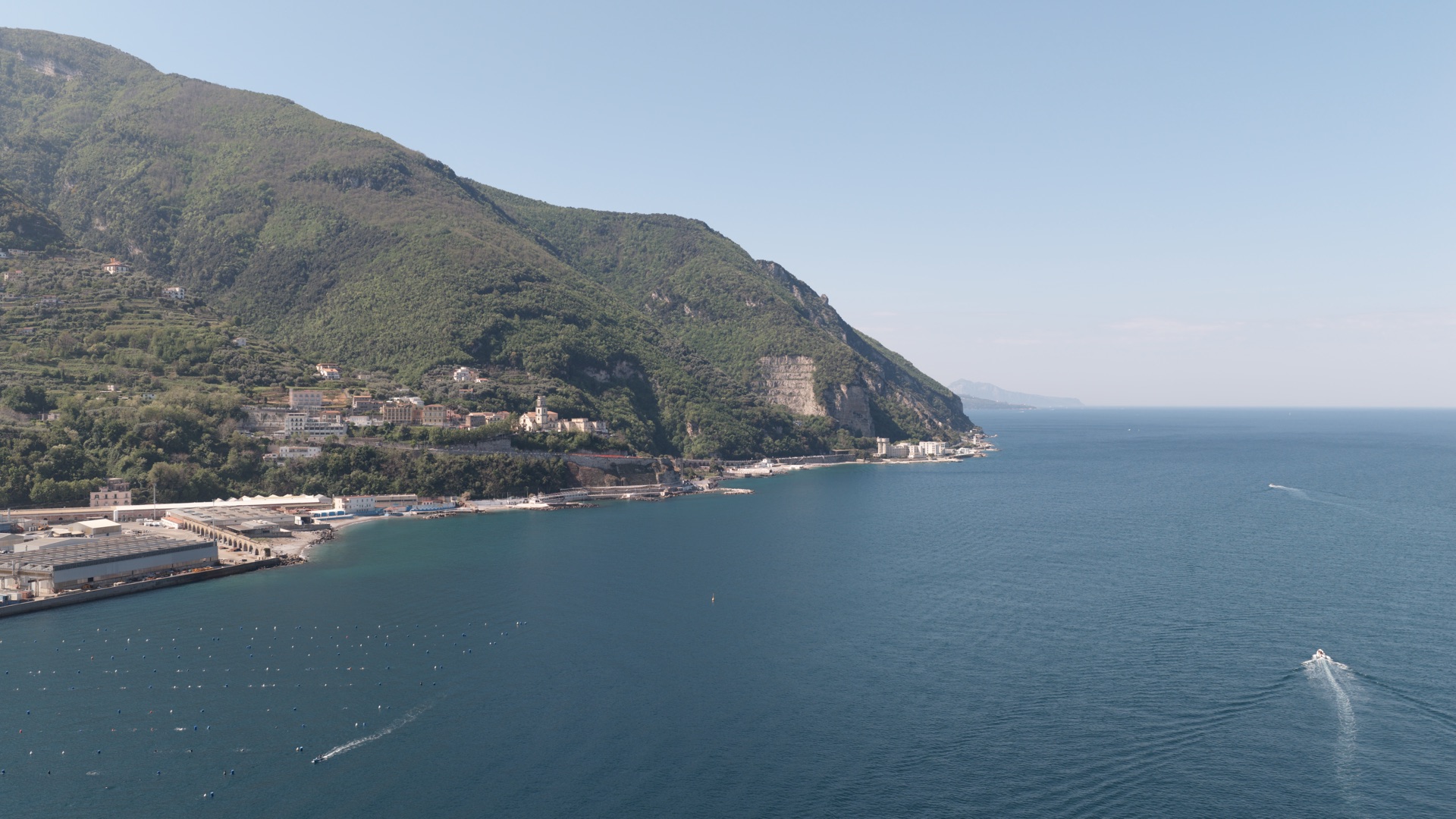
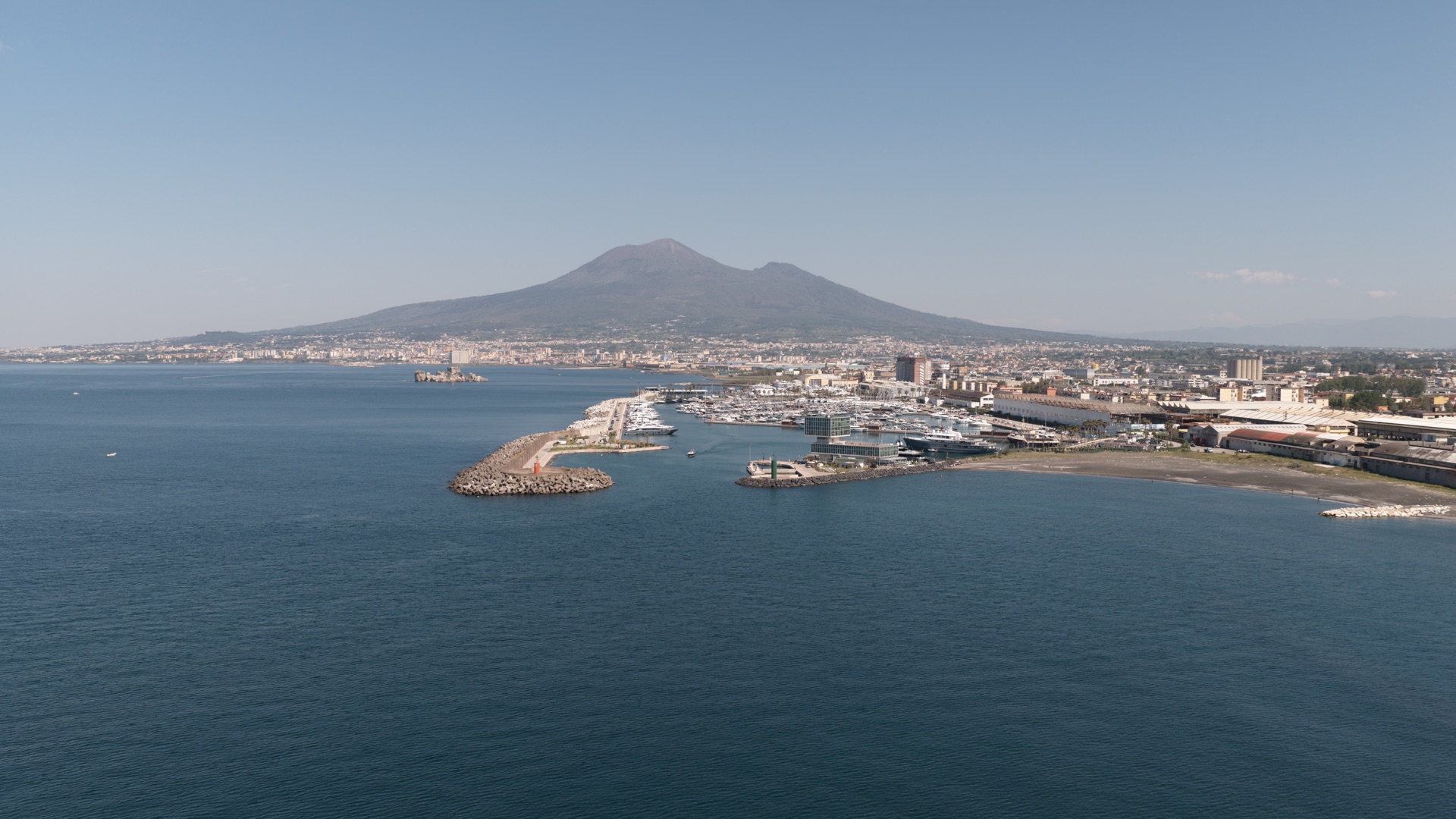
Castellammare di Stabia es una ciudad portuaria de 60.000 habitantes entre Nápoles y Sorrento, con villas romanas de época imperial, el teleférico panorámico del Monte Faito, manantiales minerales y tres kilómetros de paseo marítimo — sin el sobreprecio turístico de la península sorrentina.
Castellammare di Stabia es un destino mediterráneo en Campania, Italia. BlueKeys ofrece 6 alojamientos y 22 alquileres de barco aquí. Los alojamientos desde €75 por noche. Explora alojamientos seleccionados, tours y experiencias guiadas, alquileres de barco y traslados al aeropuerto, y reserva directamente con los anfitriones y conductores locales.
Circumvesuviana desde Nápoles en 35 minutos (3,50 €). Traslado privado puerta a puerta en 30 minutos desde el aeropuerto por la A3. Las hidroalas de temporada desde el Porto Beverello de Nápoles hacen escala en el Porto di Stabia de abril a octubre. En coche: autopista A3, salida Castellammare.
Naples Airport (NAP) · 30–45 min
Door-to-door via the A3 motorway. Fixed price, luggage included, meet & greet at arrivals.
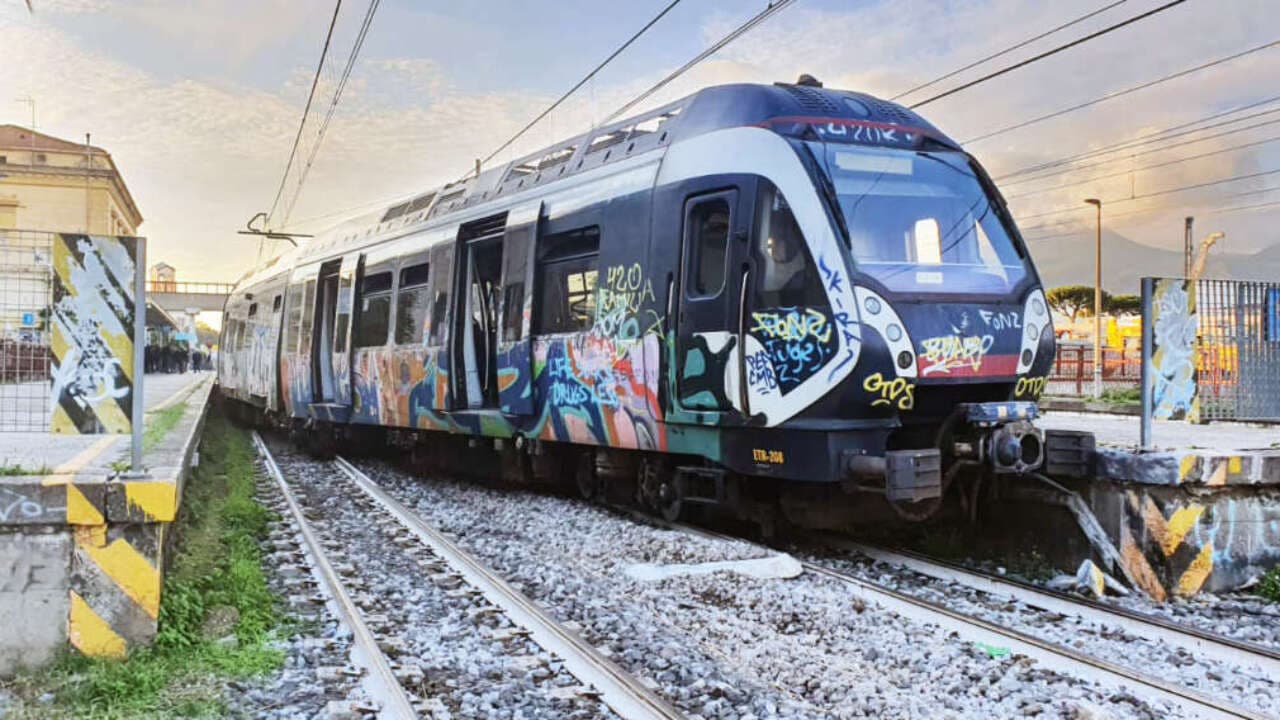
Napoli Garibaldi (train station) · 35 min
EAV commuter line from Napoli Garibaldi on the Naples–Sorrento route, every 30 minutes. Pompei Scavi is one stop south.
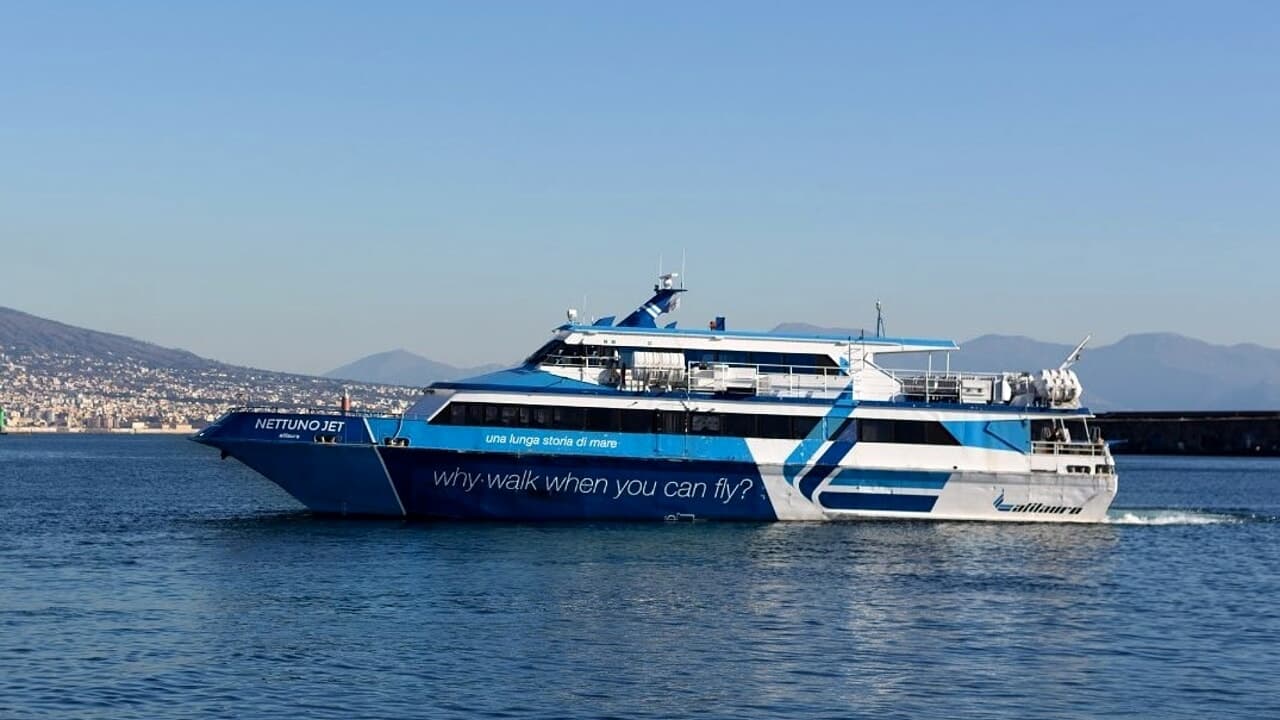
Napoli Beverello port · 30–45 min
Hydrofoils from Molo Beverello to Porto di Stabia, April to October. Operated by Alilauro and Caremar.
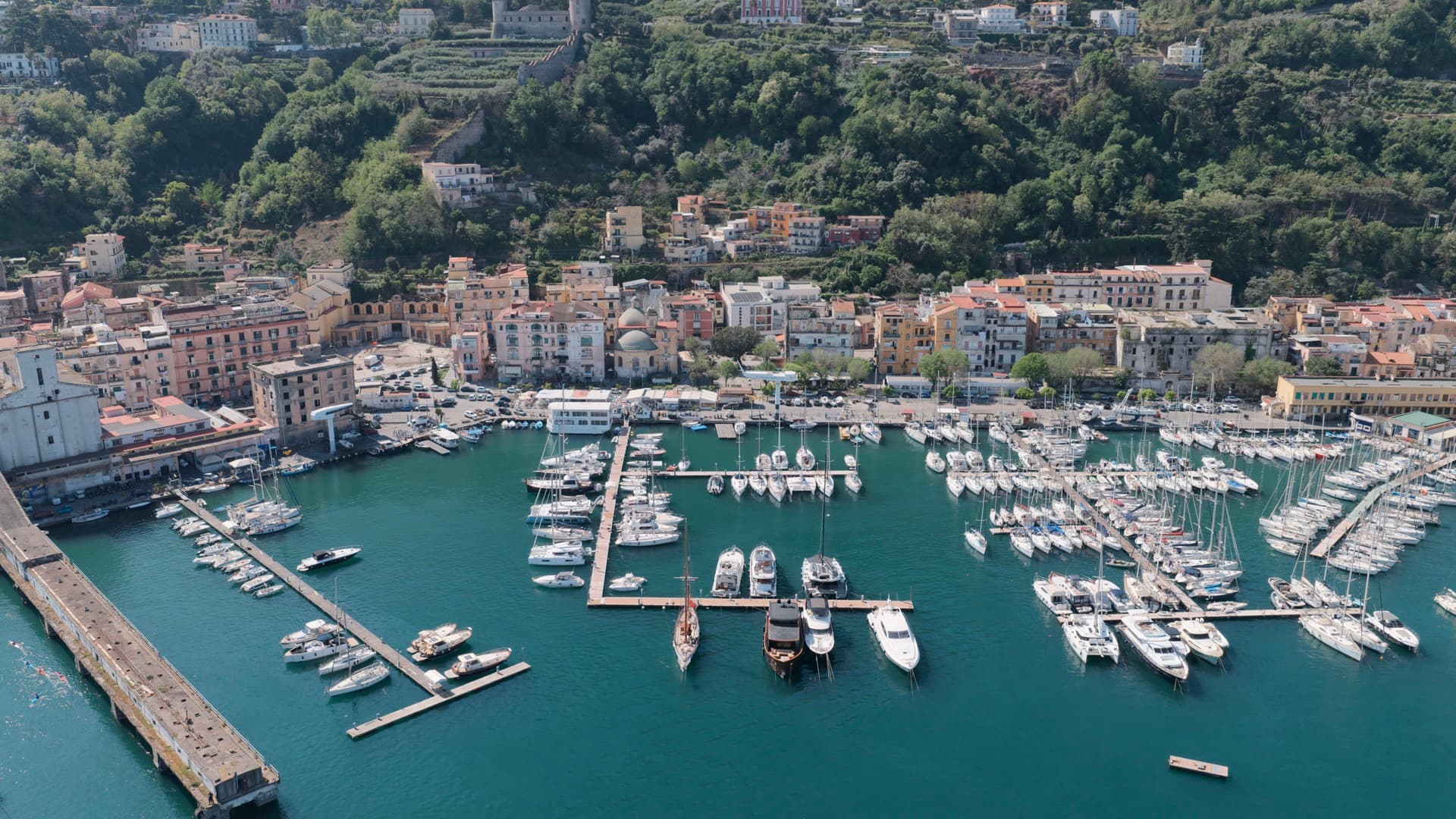
A3 motorway, exit Castellammare · 30–45 min
A3 Naples–Salerno to the Castellammare exit, then the waterfront. Street parking in the centre is limited; use the Villa Comunale underground car park.
Precios de gama media, una fracción de los de Sorrento. Opciones céntricas cerca de Piazza Spartaco para cenar a pie, habitaciones con vistas al mar a lo largo de los tres kilómetros de lungomare y B&B en la ladera cerca del teleférico del Faito con vistas al Vesubio. Los apartamentos del puerto deportivo Marina di Stabia son ideales para estancias más largas.
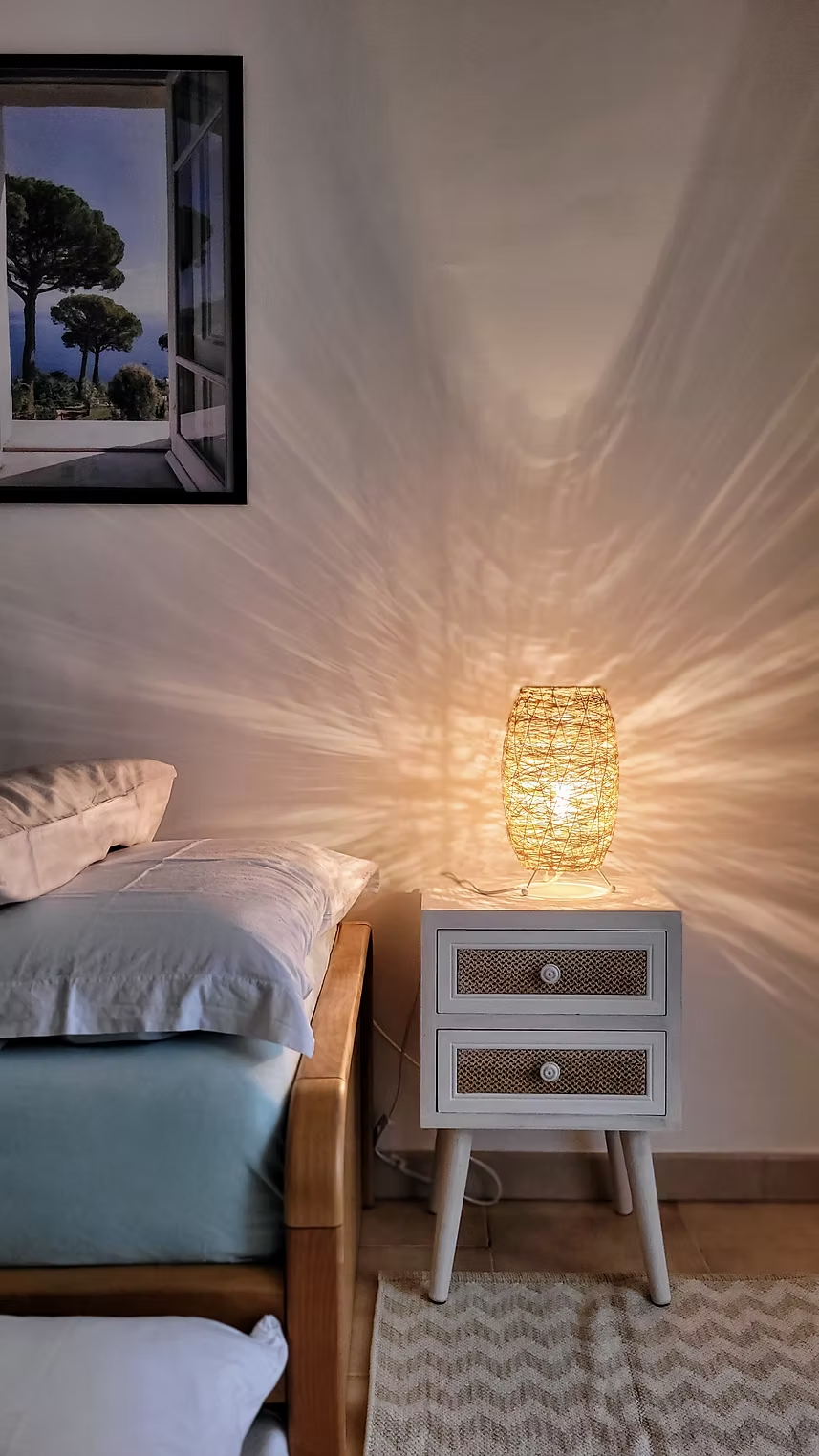
Castellammare di Stabia, Napoli, Italy
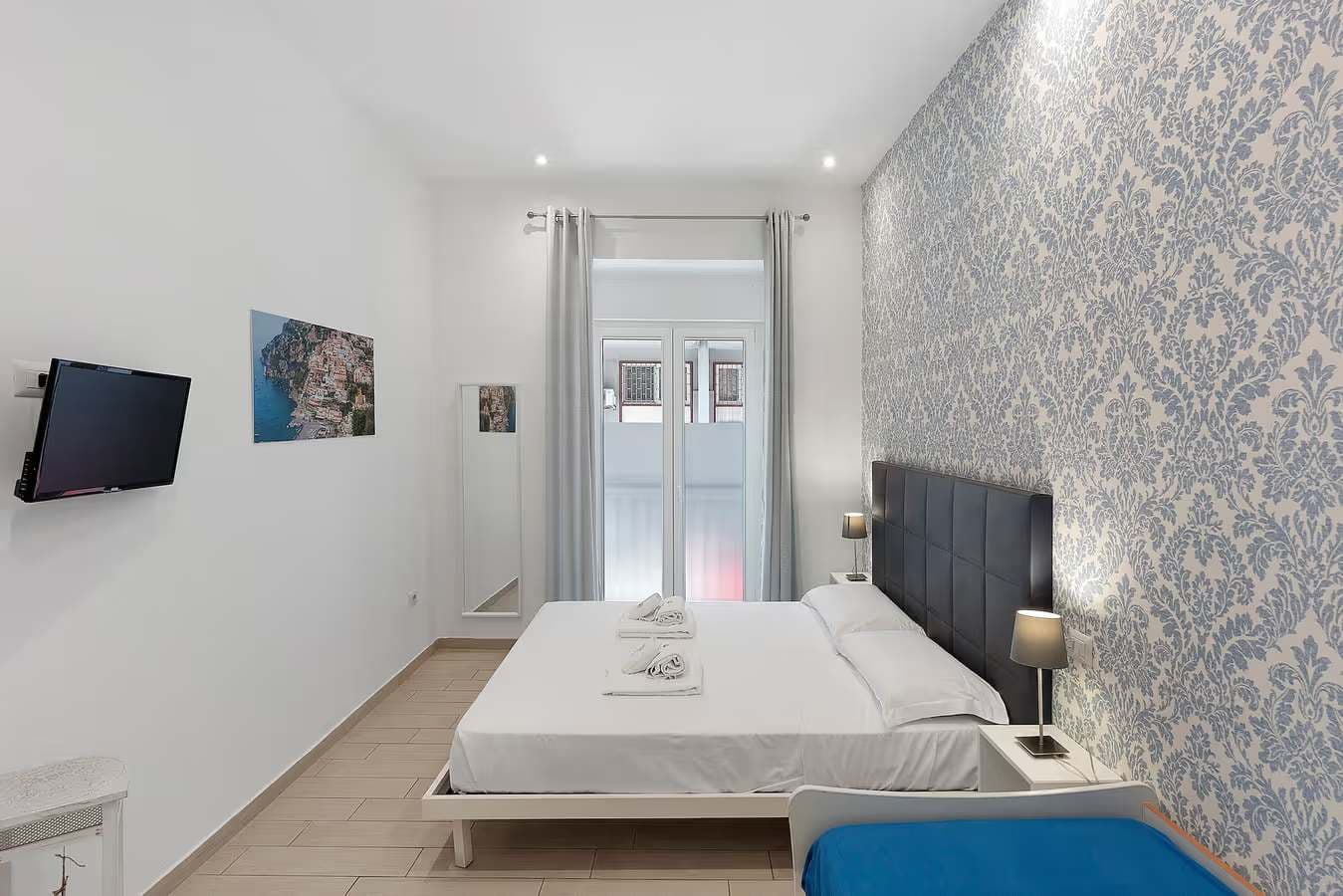
Castellammare di Stabia, Na, IT
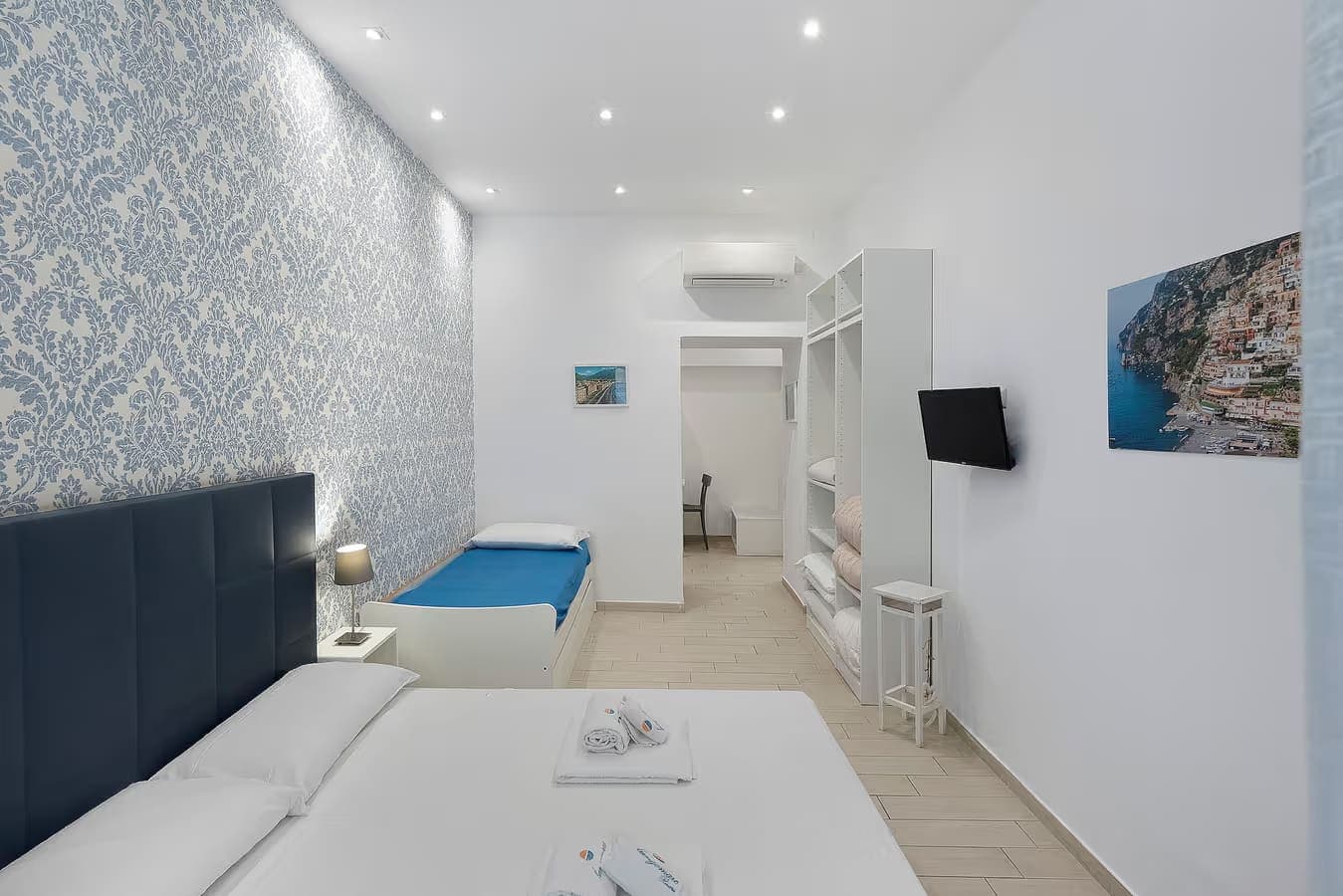
Castellammare di Stabia, Campania, Italia
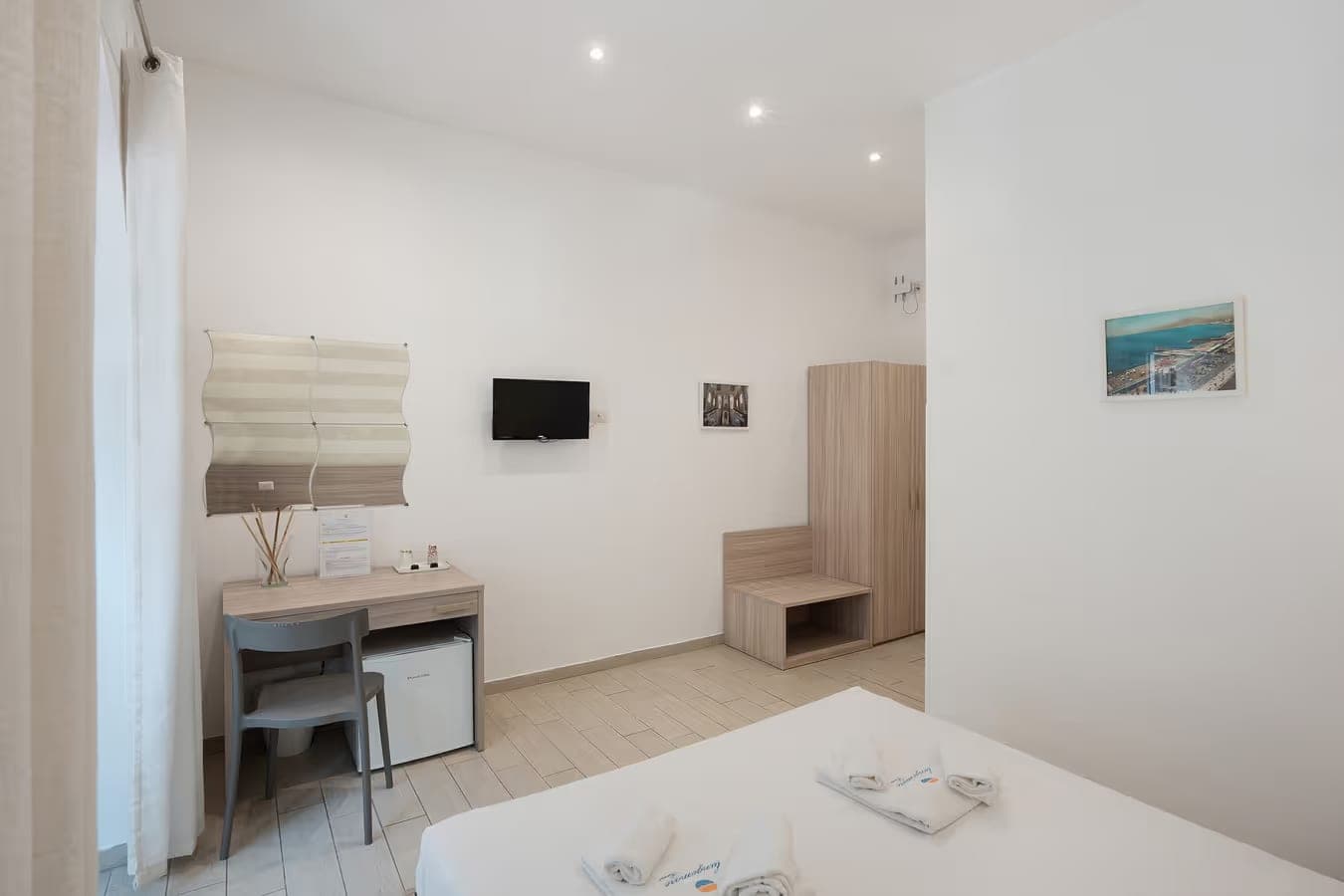
Castellammare di Stabia, Campania, Italia
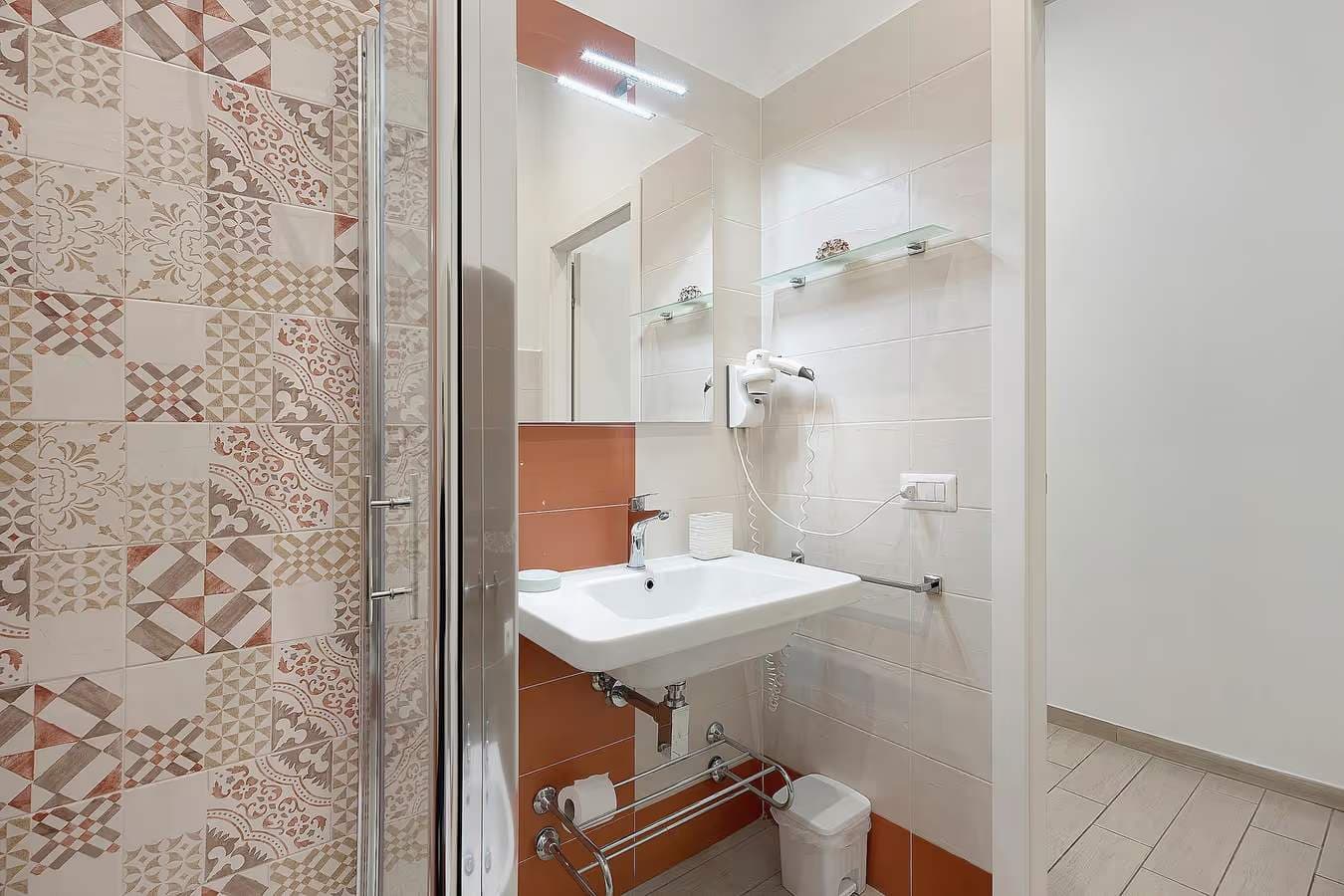
Castellammare di Stabia, Campania, Italia
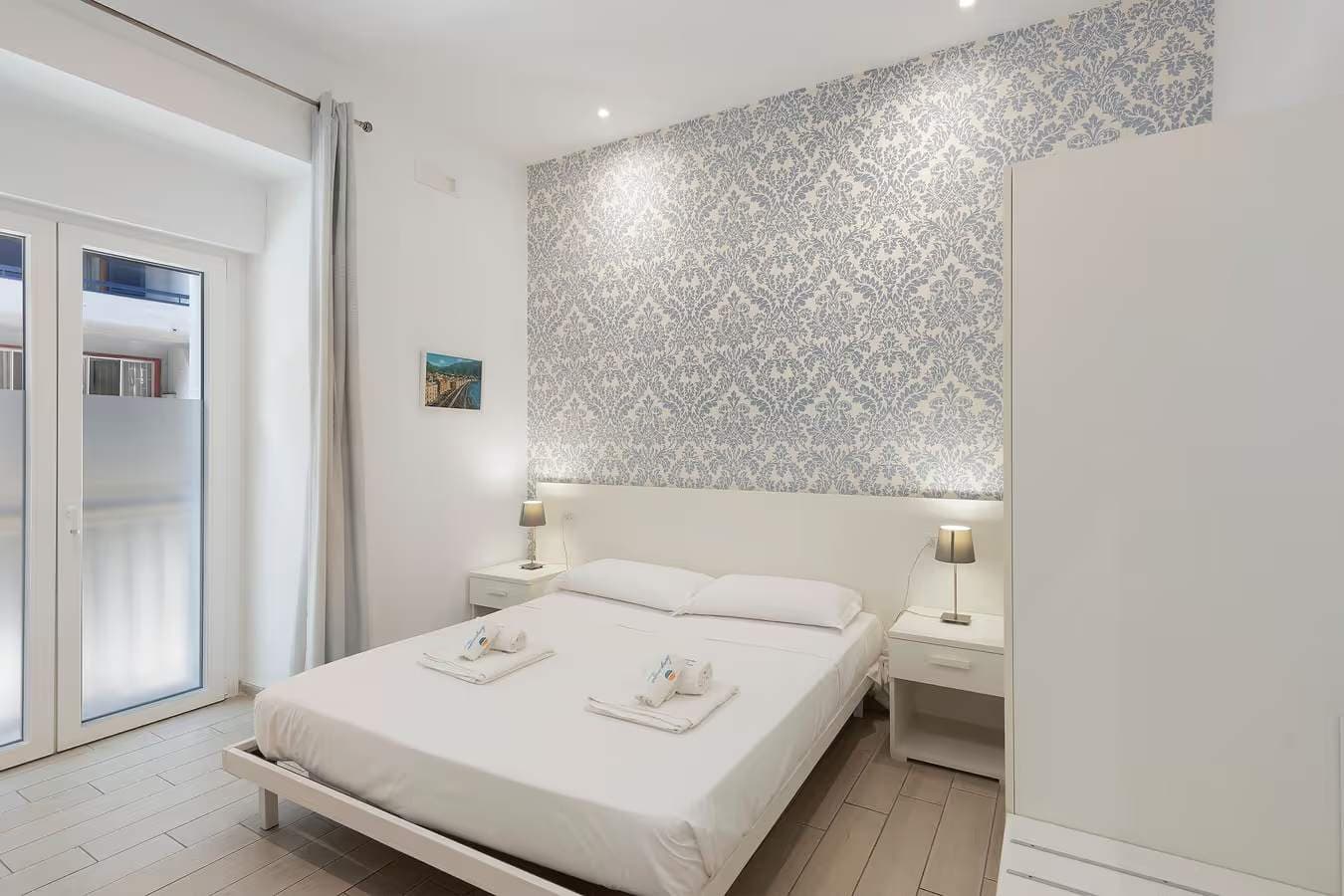
Castellammare di Stabia, Campania, Italia
Las villas romanas de Stabiae (Villa Arianna y Villa San Marco, ambas gratuitas con reserva anticipada) son una alternativa más tranquila a Pompeya. Sube en el teleférico del Monte Faito para disfrutar de una de las mejores vistas panorámicas del golfo de Nápoles. Prueba la fuente ferruginosa del Acqua della Madonna, pasea por el lungomare y explora las ruinas del castillo medieval.
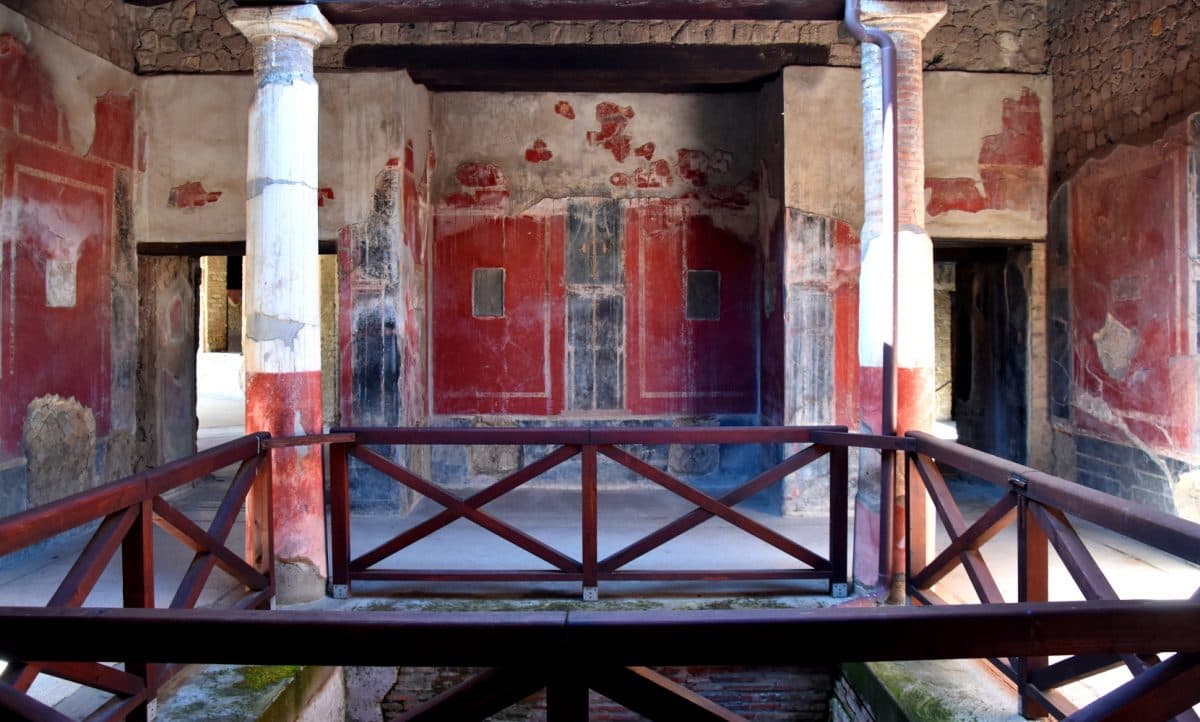
A clifftop Roman villa buried by the 79 AD Vesuvius eruption, with original wall paintings and mosaics preserved in situ. Free entry, timed booking required.
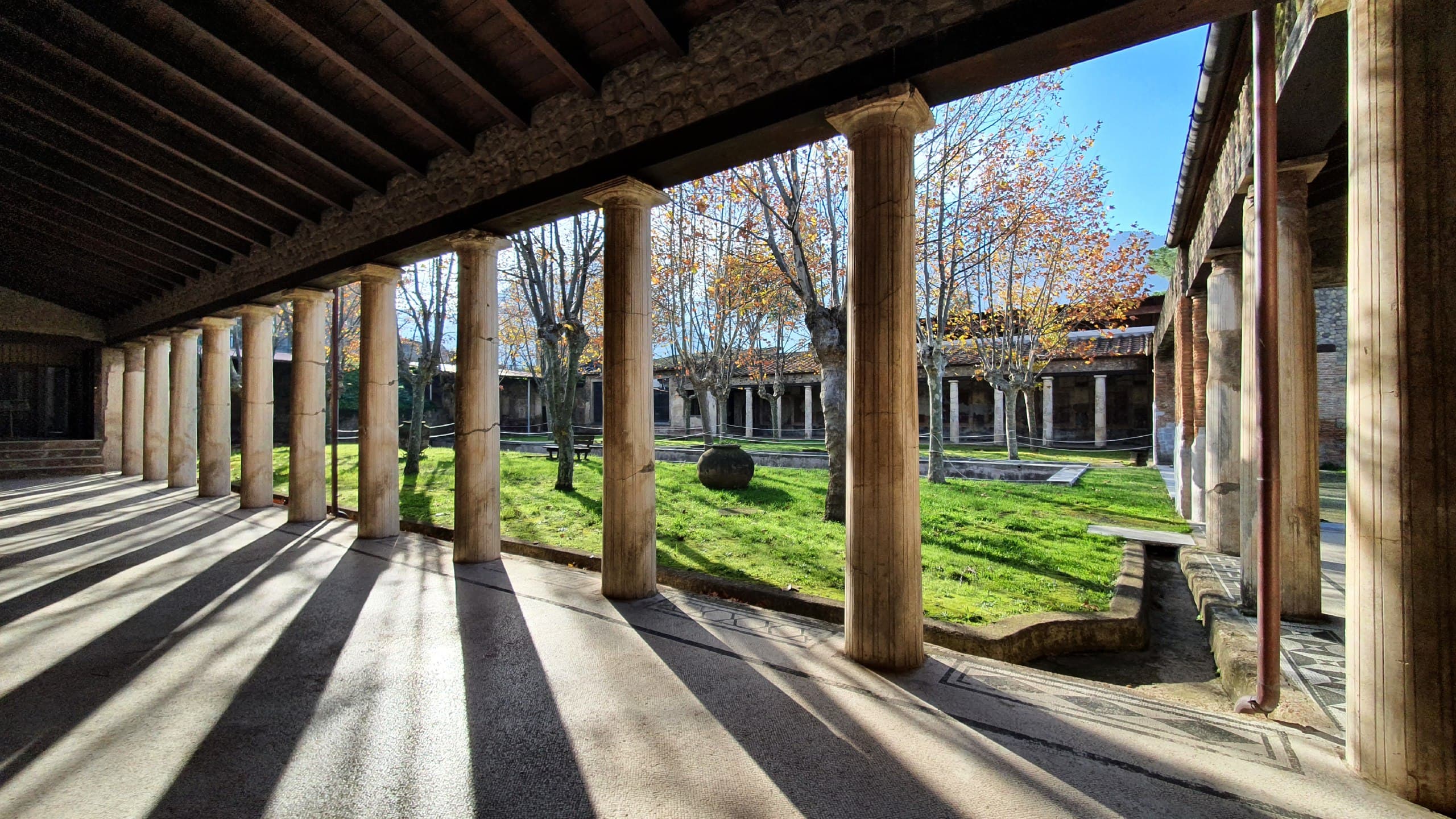
The larger Stabiae villa, with columned atrium, private baths and pastoral frescoes. A 15-minute walk from the Circumvesuviana station.
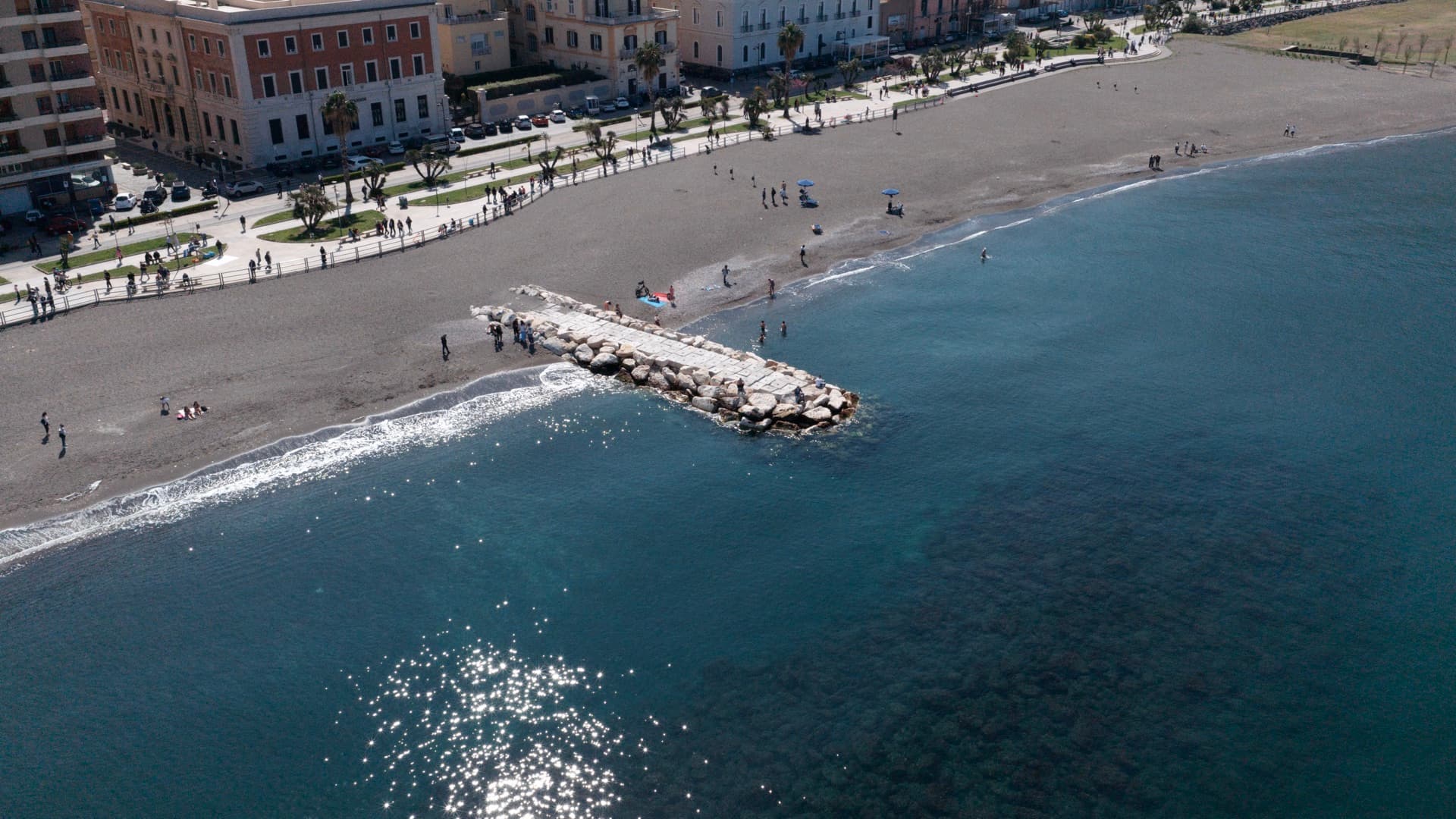
A flat three-kilometre seafront walk past café terraces, the 19th-century formal park of Villa Comunale and the ferrous Acqua della Madonna spring.
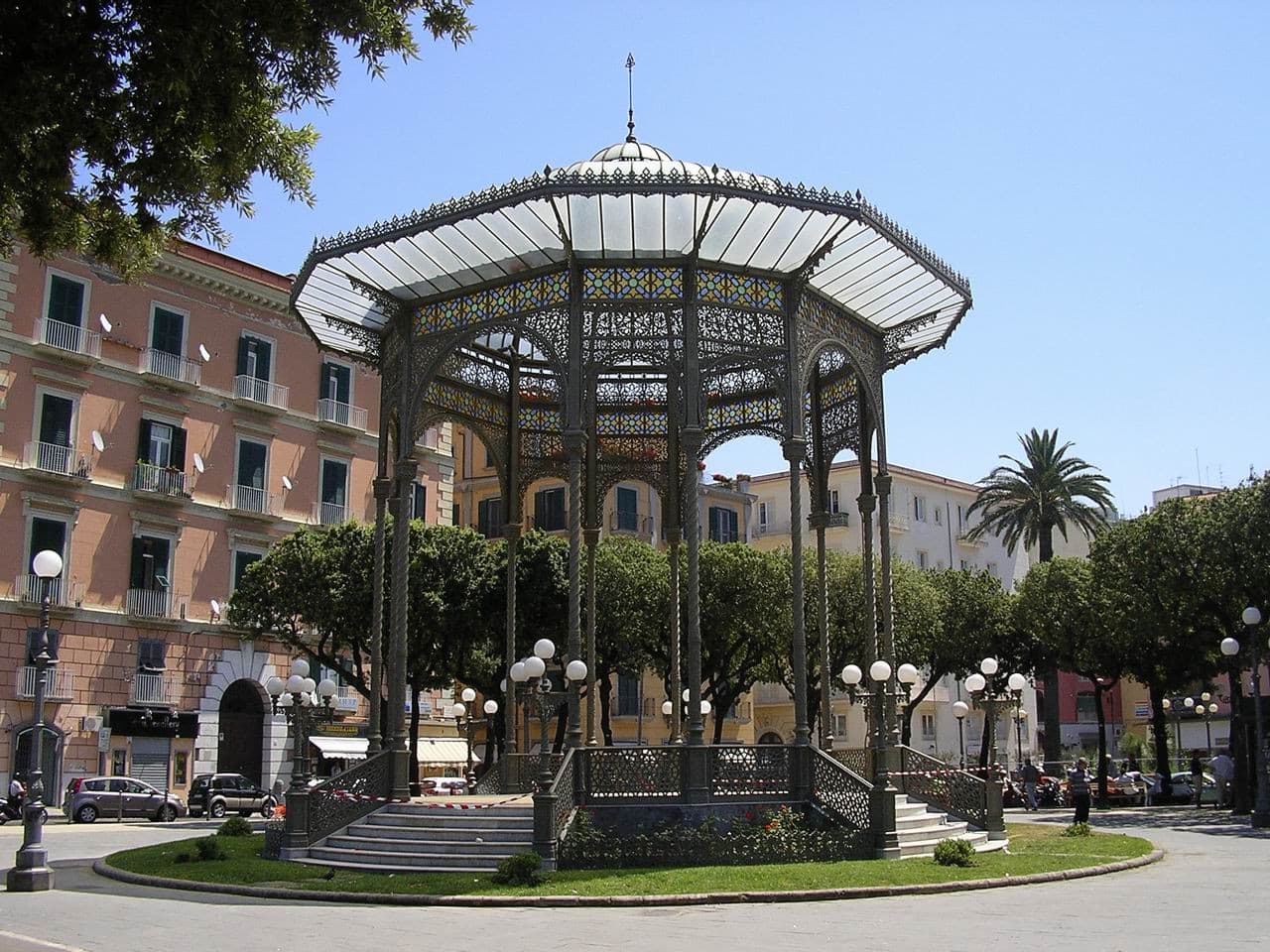
A neoclassical concert bandstand where live music plays on summer evenings, set between Piazza Spartaco (the aperitivo square) and the medieval castle ruins above town.
Trattorias de pescado cerca del puerto que sirven lo que se ha desembarcado esa misma mañana, históricas pastelerías para la sfogliatella y el babà, pizzerías de estilo napolitano a lo largo del paseo marítimo y fiordilatte di Agerola de los cercanos Montes Lattari.
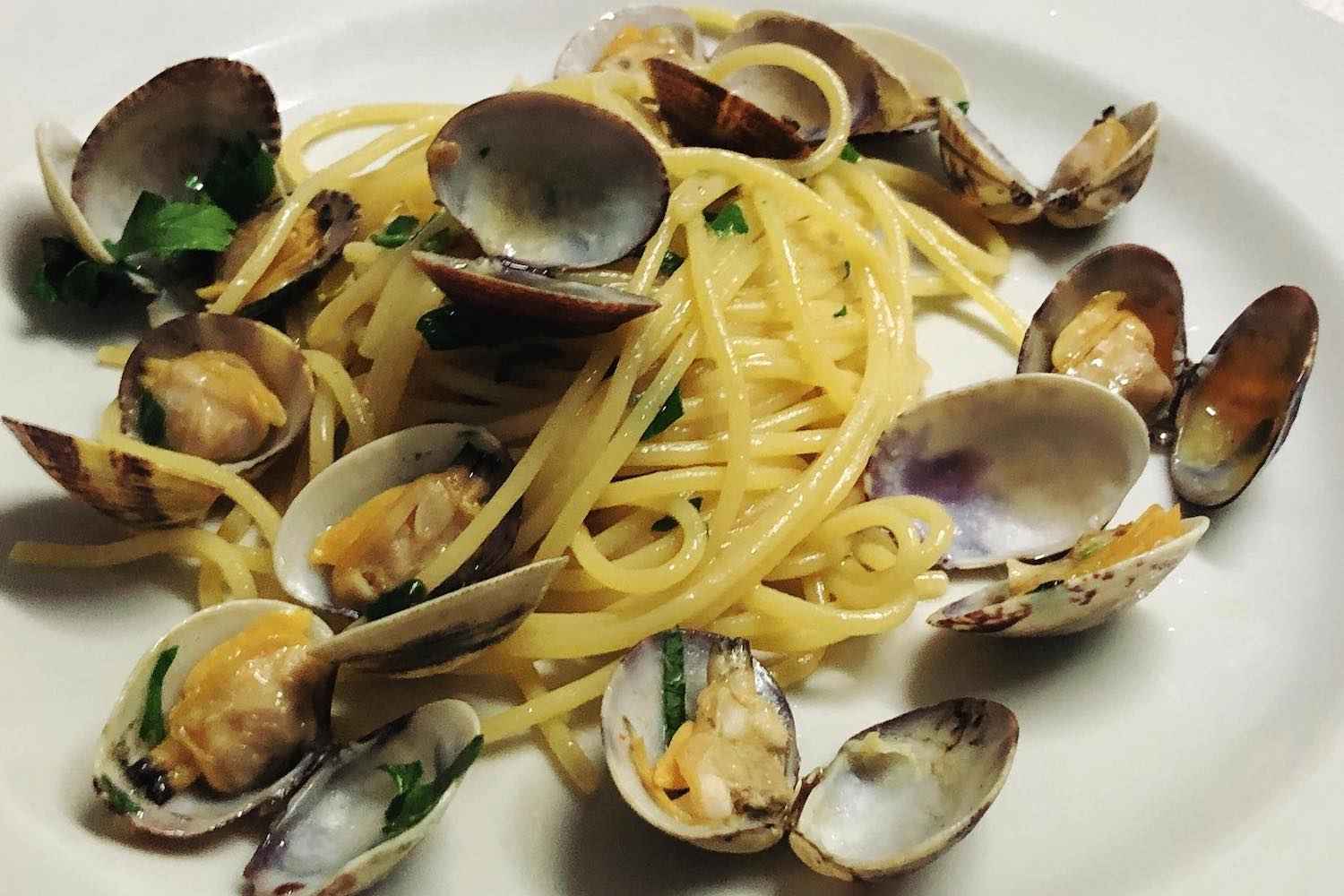
Harbour-side trattorias serve whatever landed that morning — typically red mullet, anchovies and local clams in pasta and fritto misto.

Decades-old pastry shops pull shell-shaped ricotta sfogliatella and rum-soaked babà fresh through the day. Stop for a morning coffee and one of each.
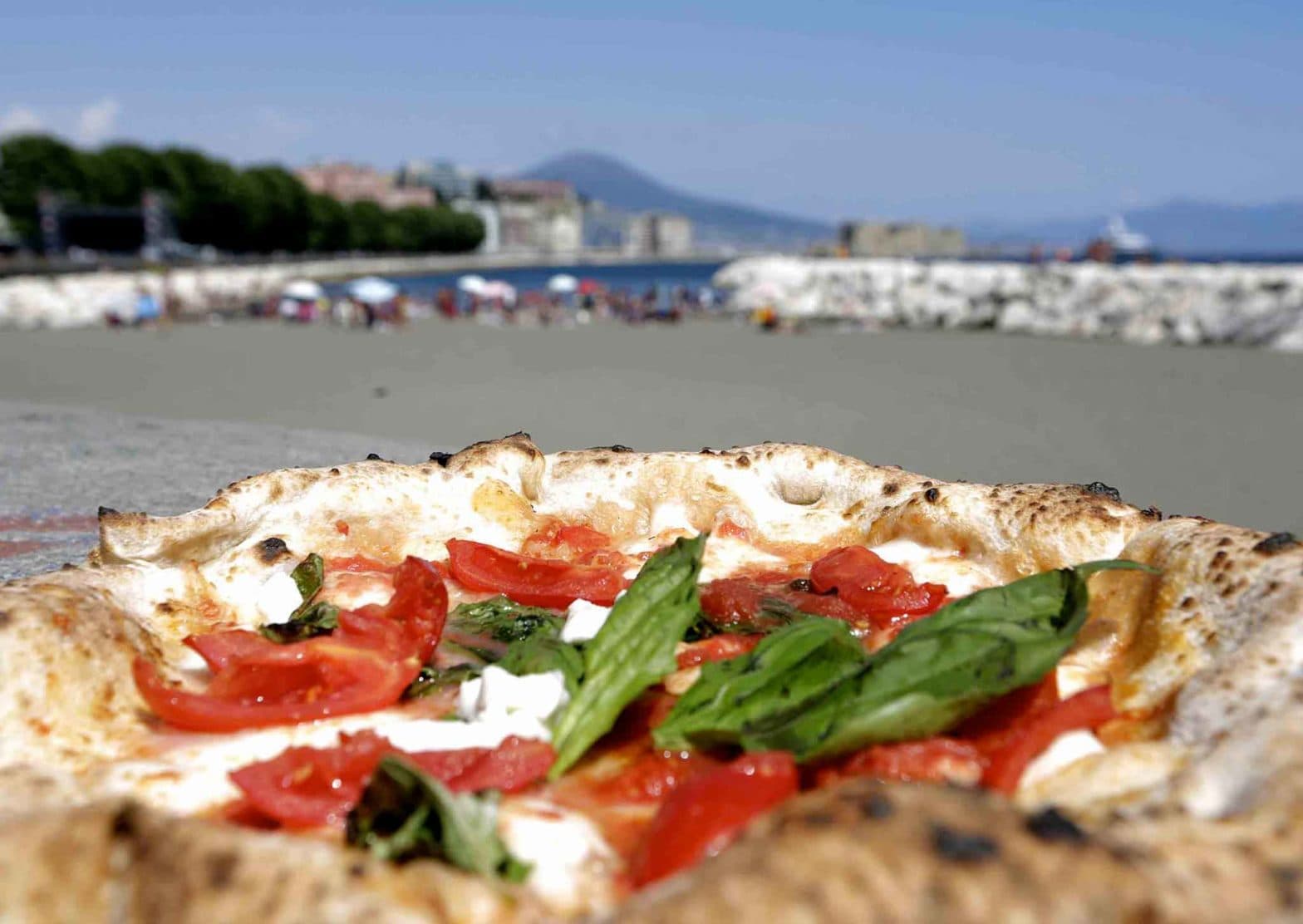
Seafront pizzerias fire up at 19:30 and run until midnight, €7–10 for a margherita with a sea view — a fraction of Sorrento prices.

Fiordilatte PAT made in Agerola, on the ridge of the Monti Lattari above Castellammare — white-paste cow’s-milk mozzarella, sweet and buttery, from high-altitude pastures milked that morning.
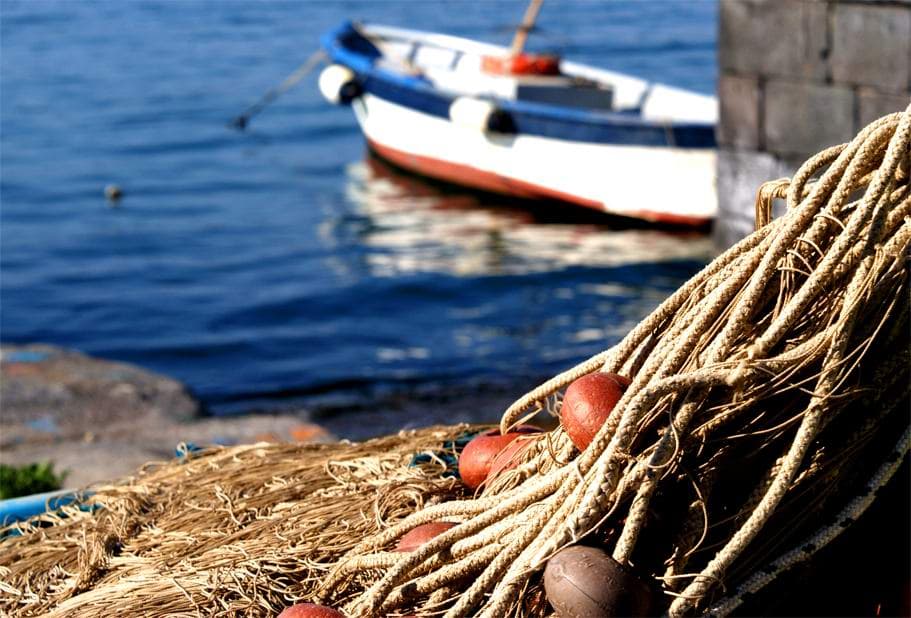
Boats unload at the old port around 06:00; the market opens just after and clears by mid-morning. The fish on restaurant menus that night was bought here.
Pompeya está a ocho minutos en Circumvesuviana y Sorrento a veinticinco. Las hidroalas de temporada llegan a Capri en 45 minutos. Al Vesubio en lanzadera vía Pompei Scavi. Costa Amalfitana en autobús SITA o coche privado (una hora hasta Amalfi). Nápoles en 35 minutos para los museos y el centro histórico.
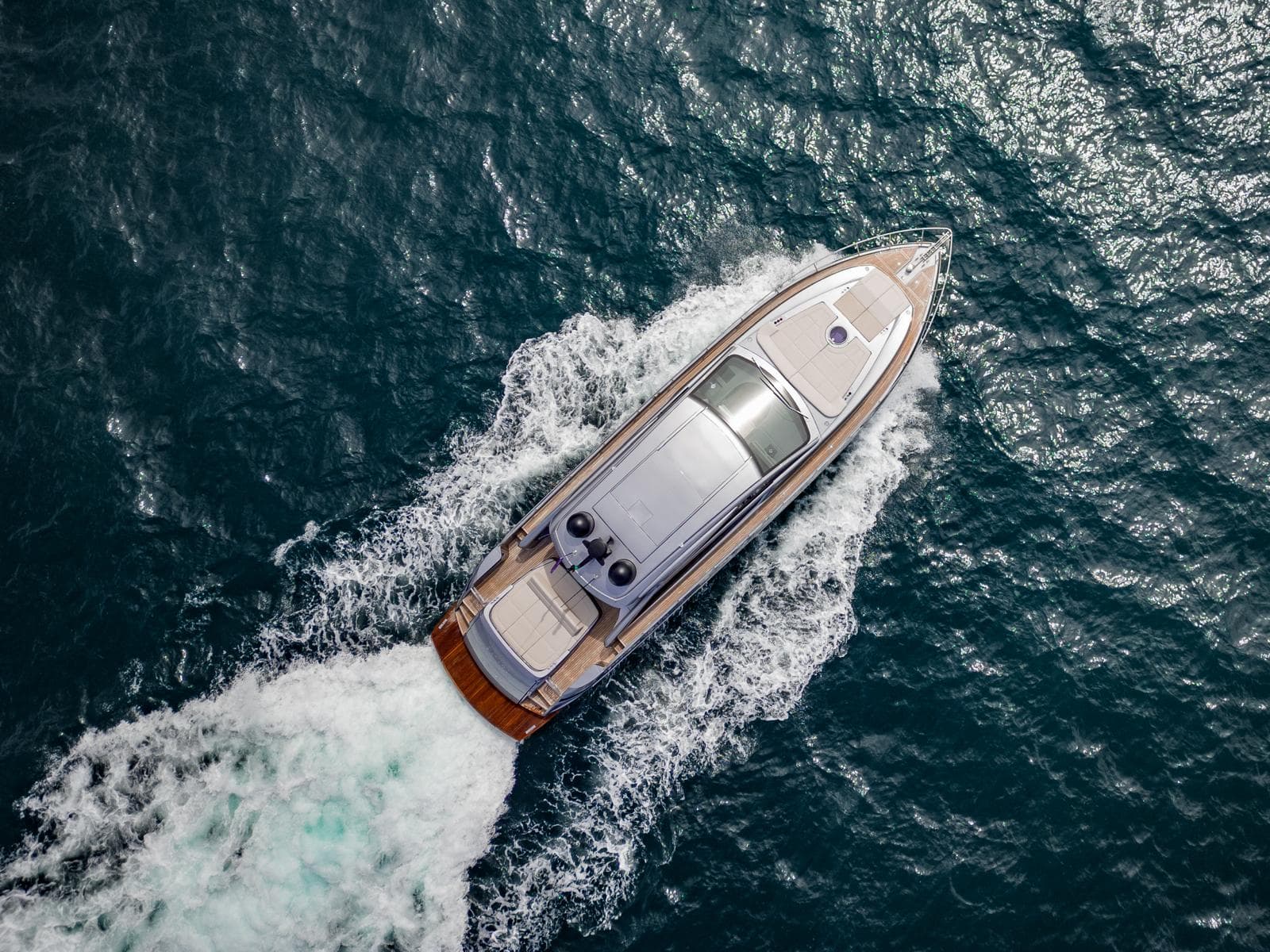
Pershing 6X · Hasta 12 huéspedes
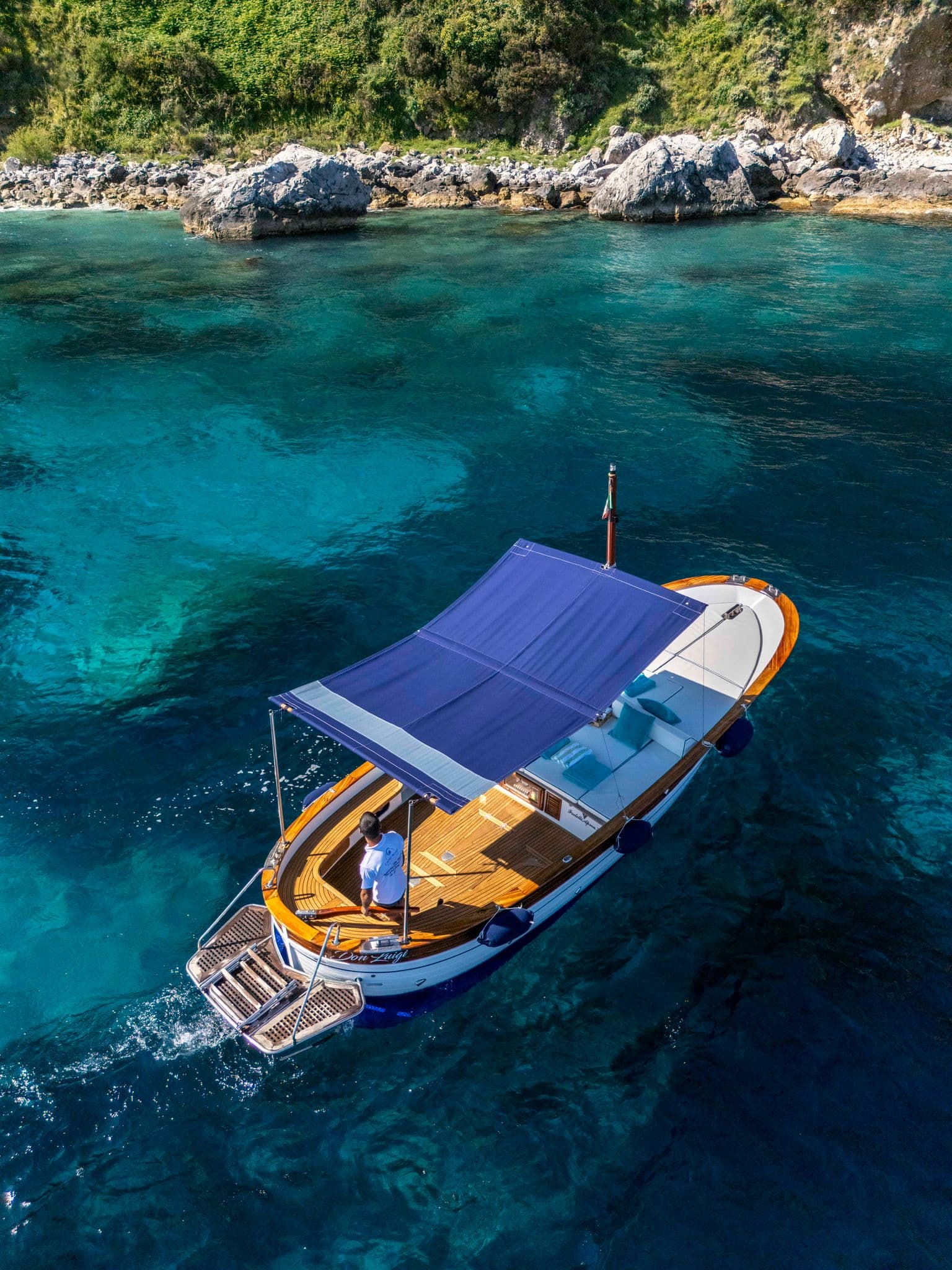
Fratelli Aprea 750 · Hasta 8 huéspedes
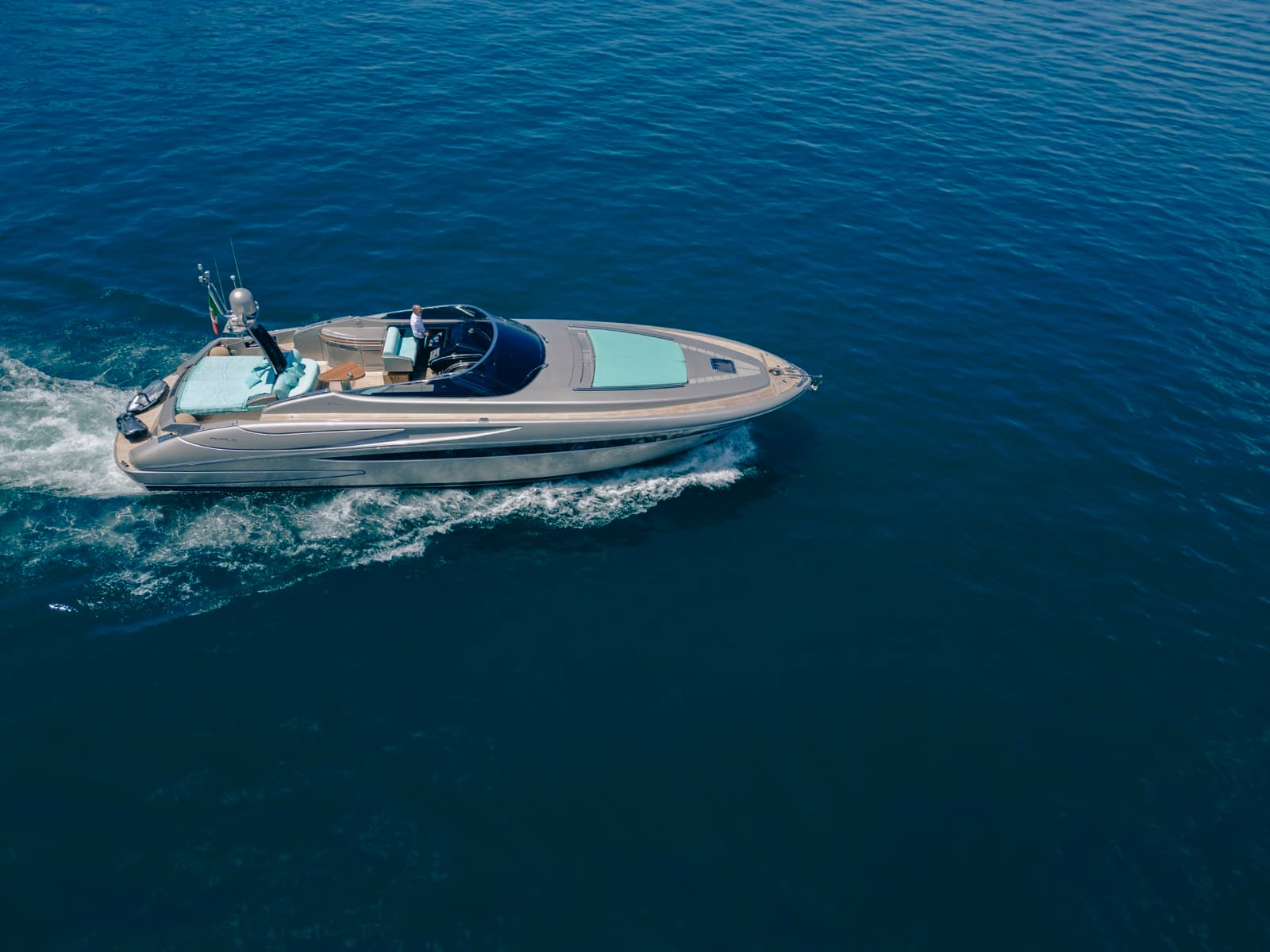
Rivale 52 · Hasta 11 huéspedes
INsix · Hasta 12 huéspedes
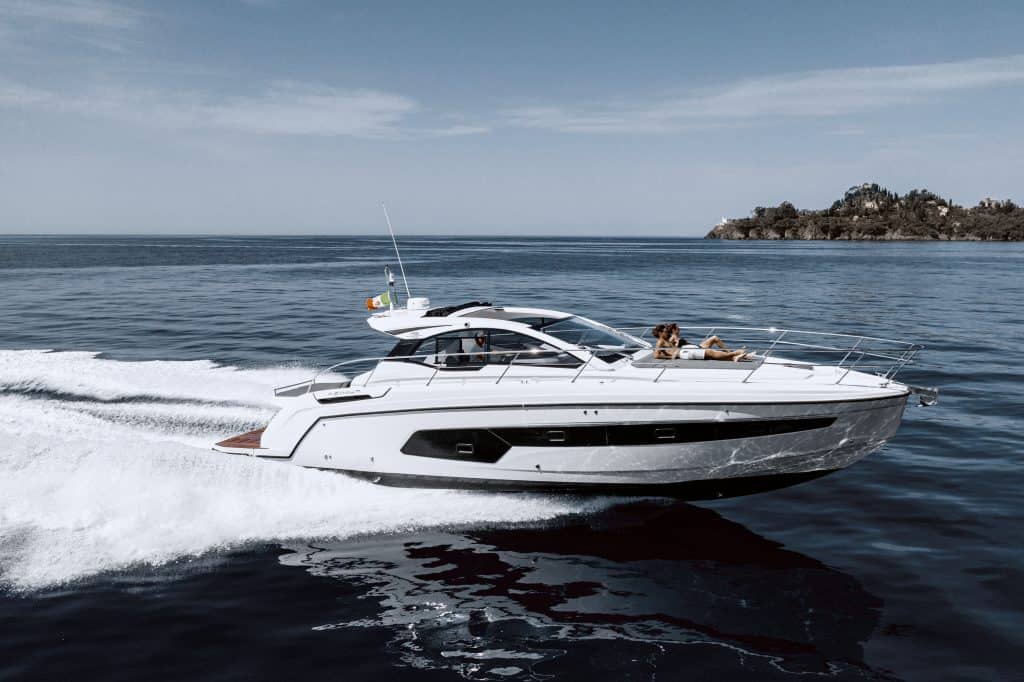
Atlantis 45 · Hasta 12 huéspedes

Gozzo Sorrentino 7.5m · Hasta 7 huéspedes
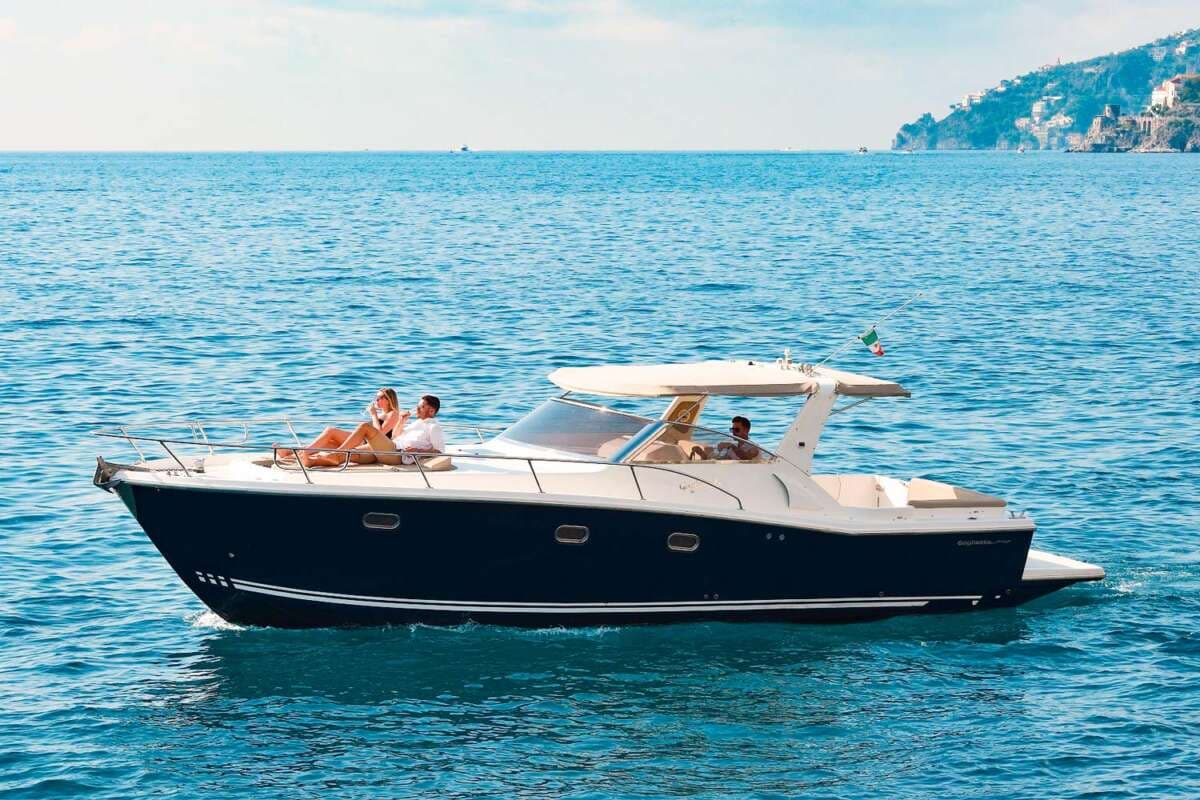
Gagliotta · Hasta 10 huéspedes
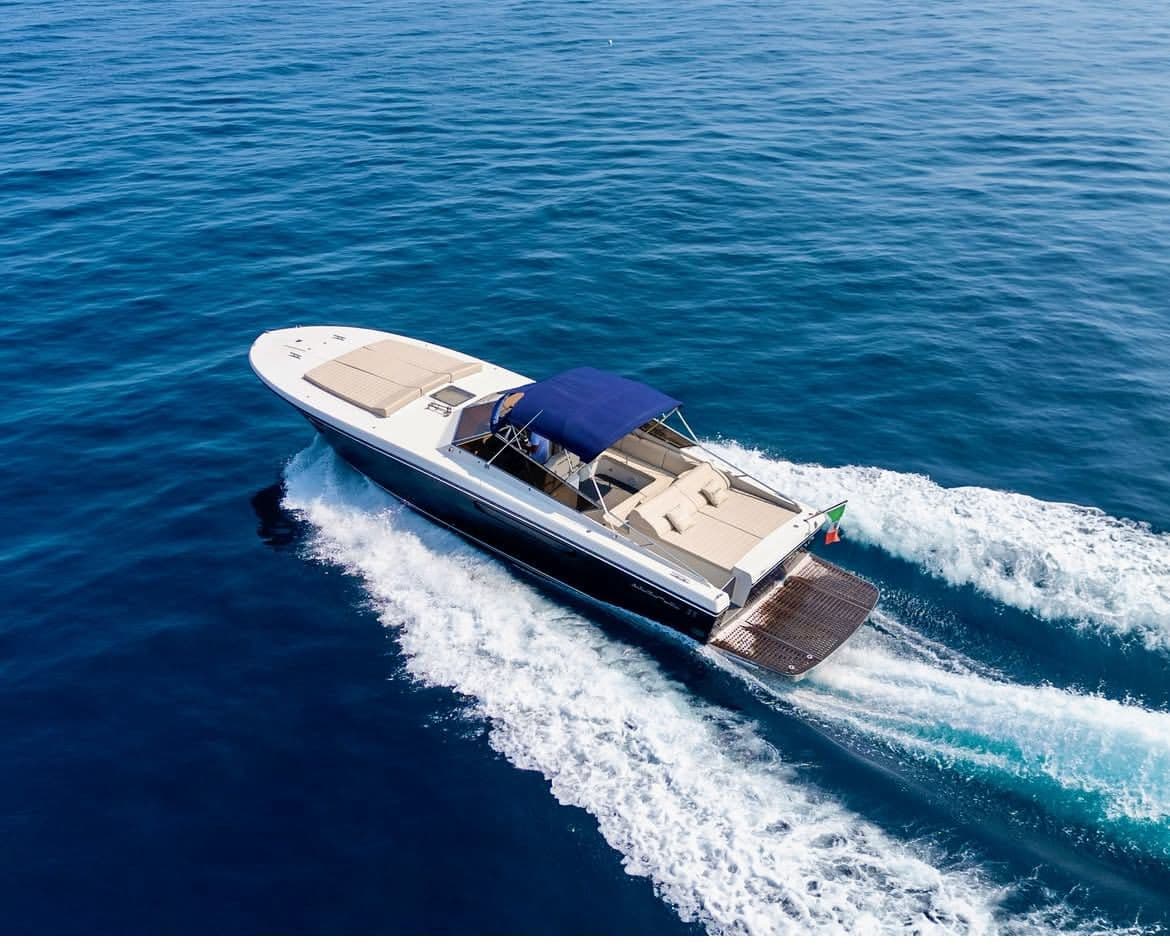
Itama 38 · Hasta 8 huéspedes
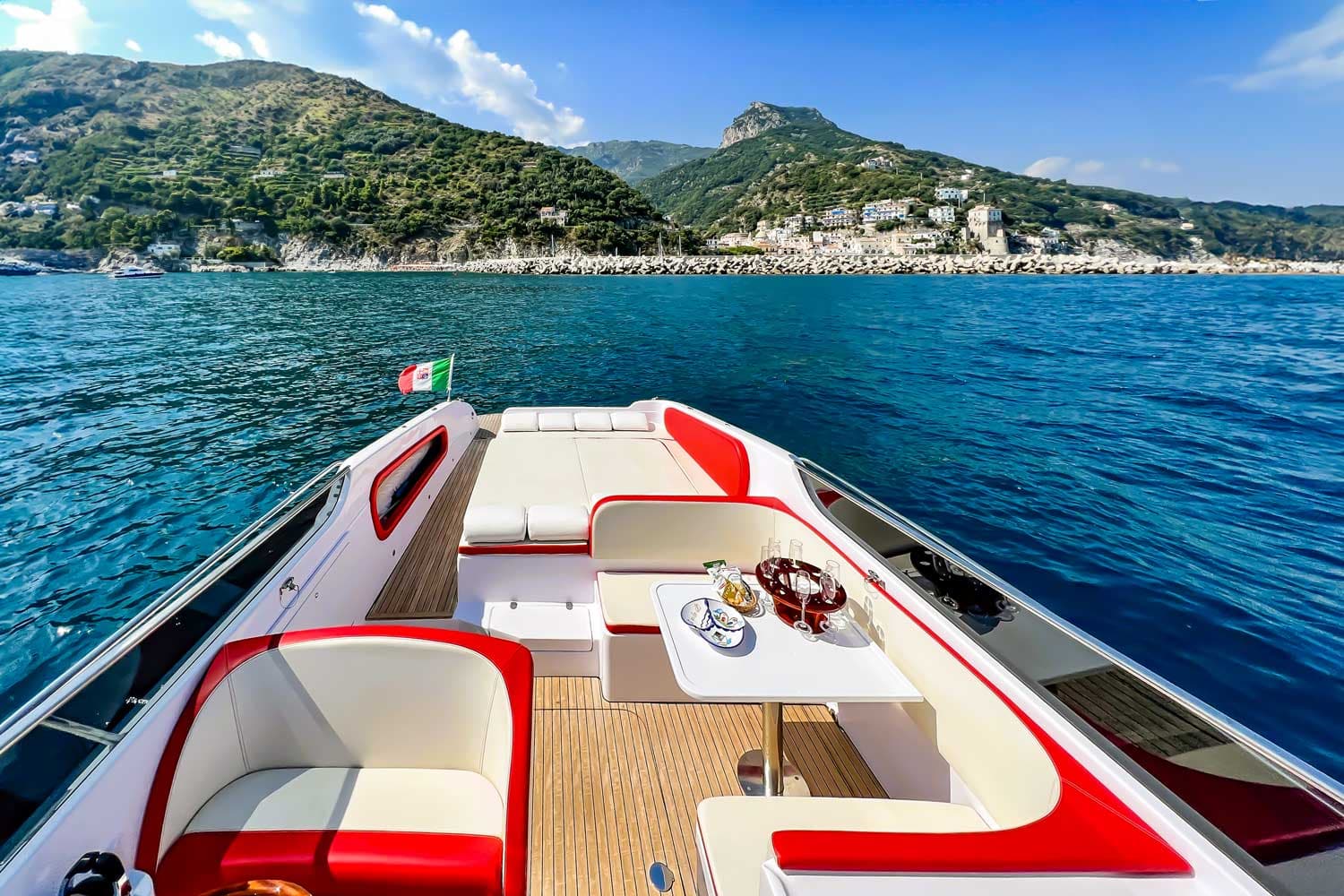
Tullio Abbate · Hasta 10 huéspedes
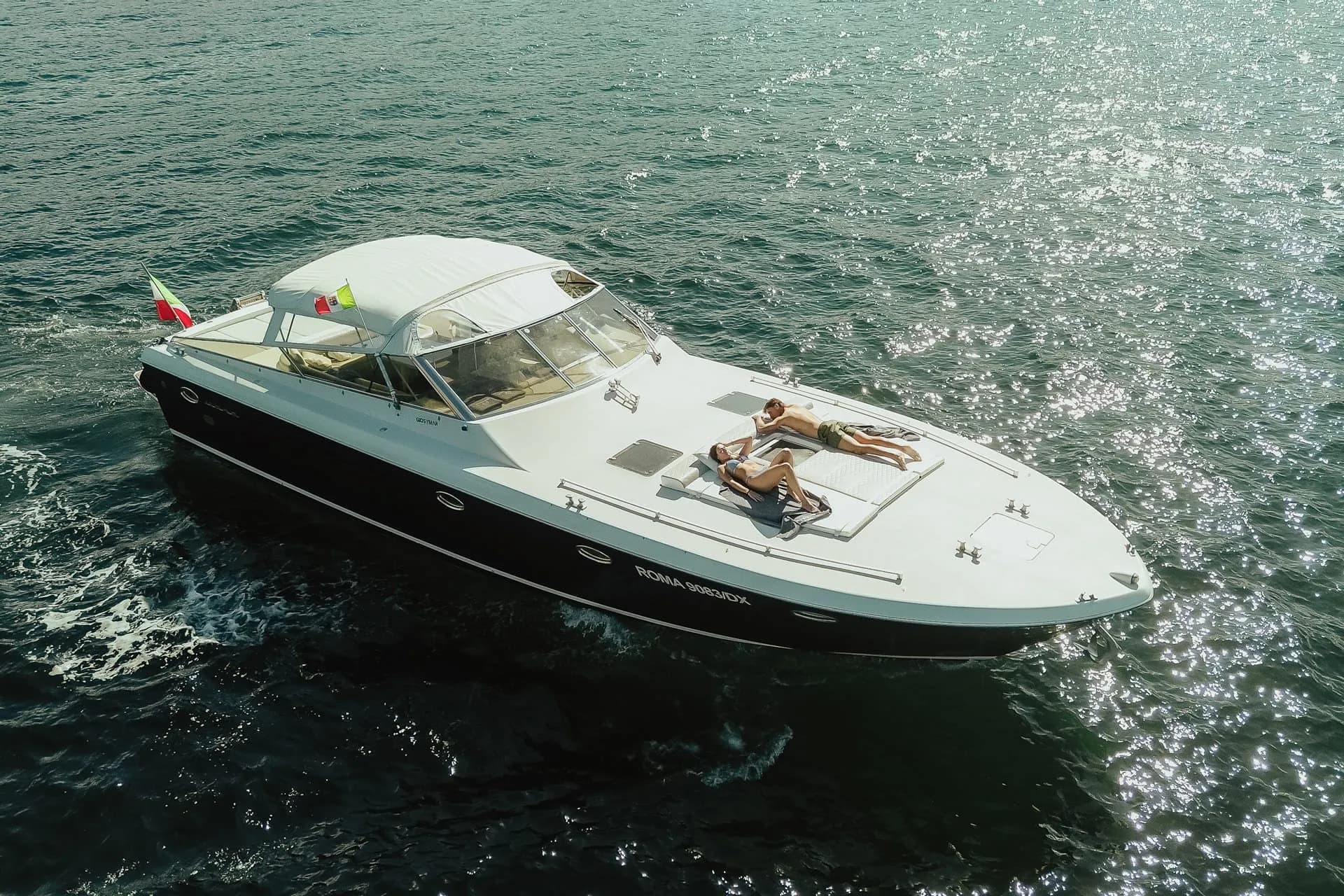
Itama 50 · Hasta 10 huéspedes
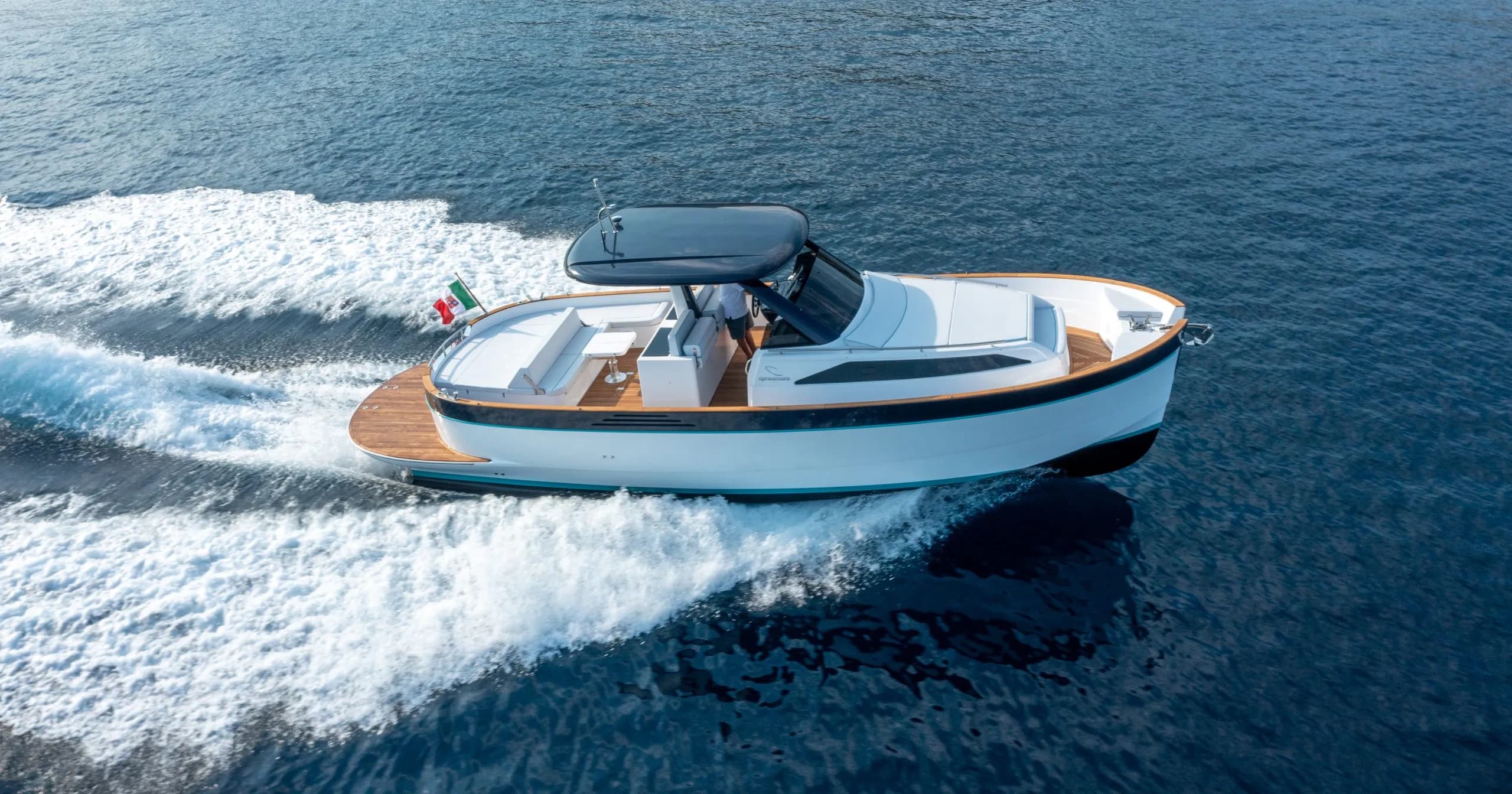
Apreamare · Hasta 12 huéspedes
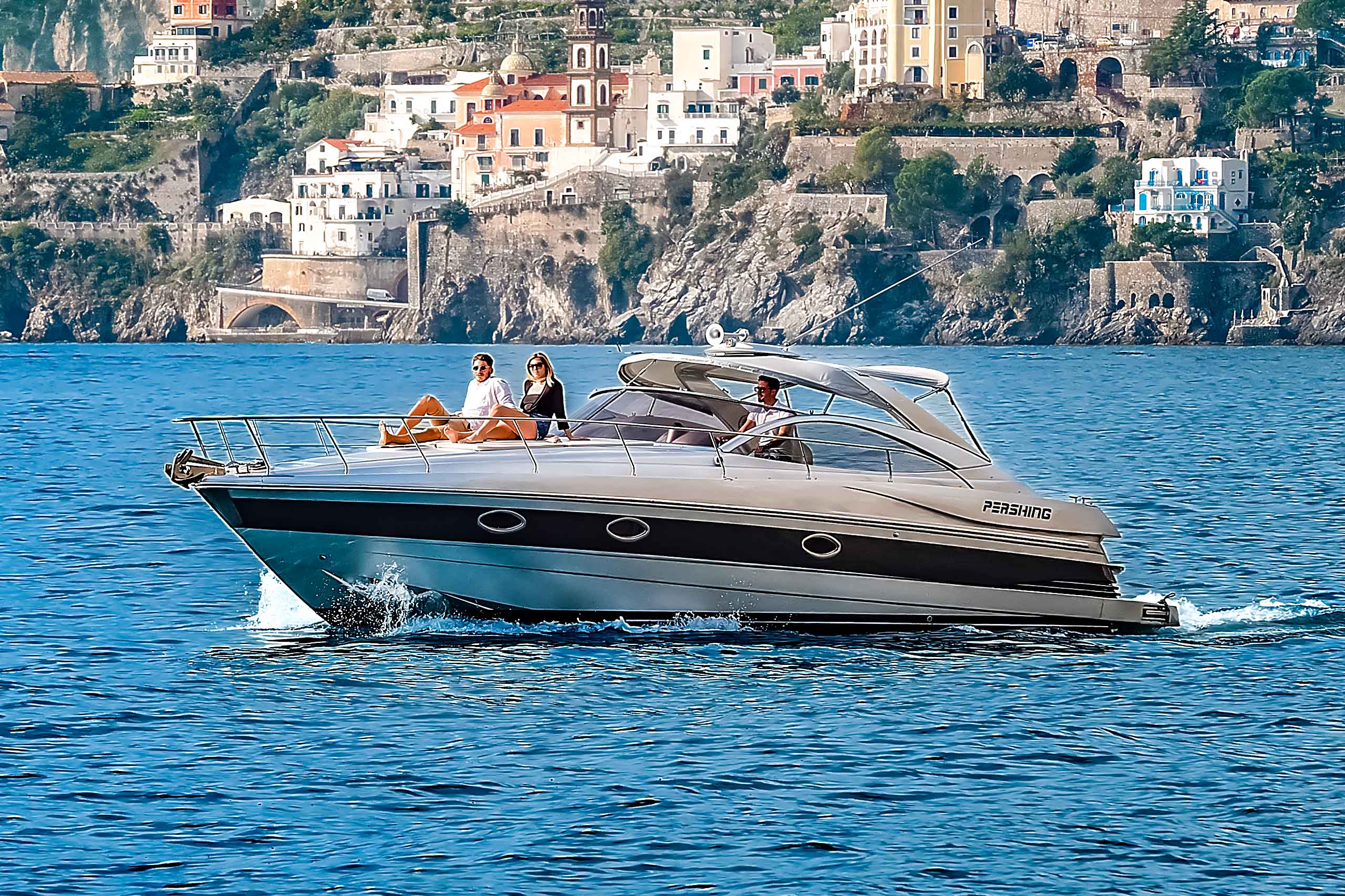
Pershing · Hasta 6 huéspedes
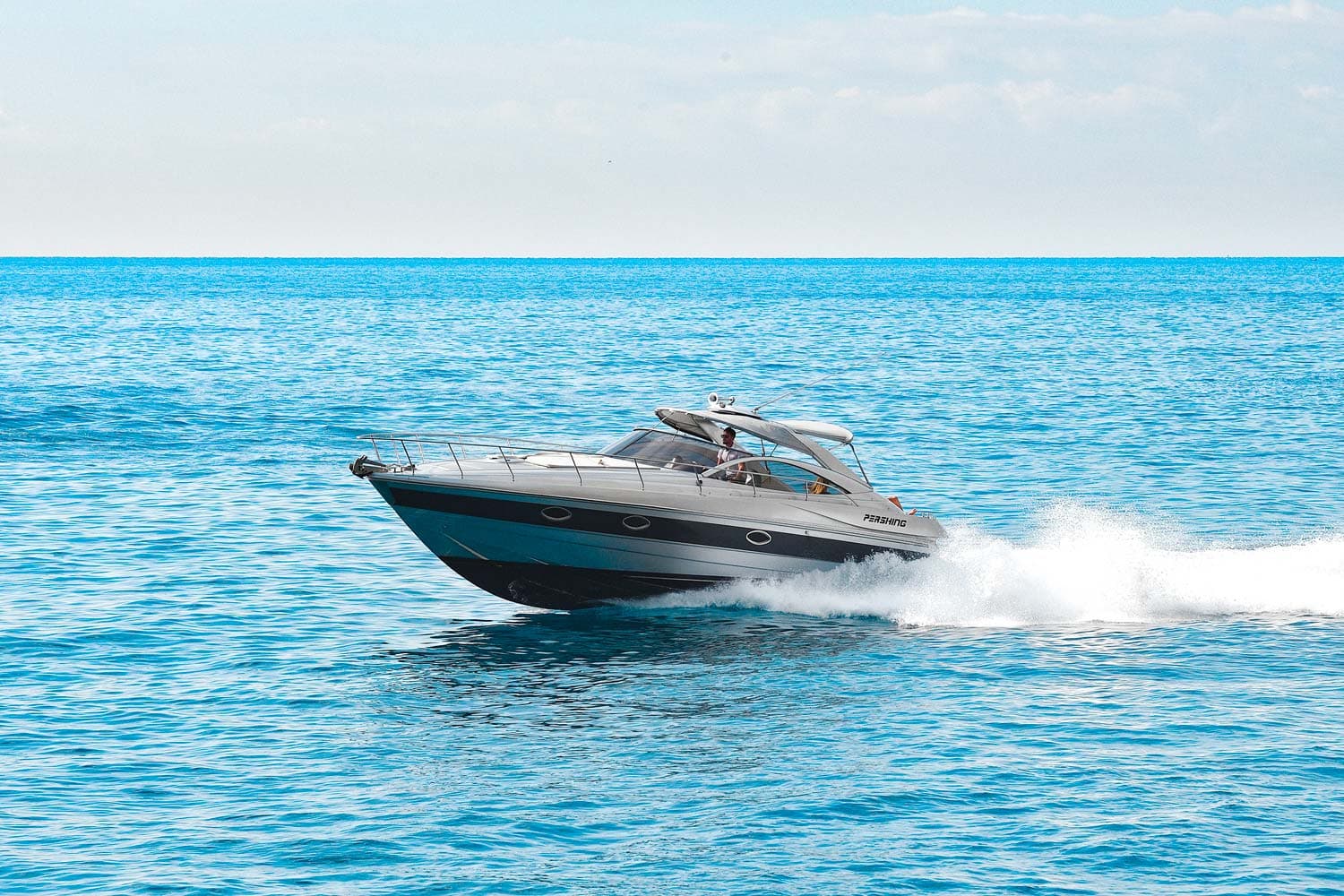
Pershing · Hasta 6 huéspedes
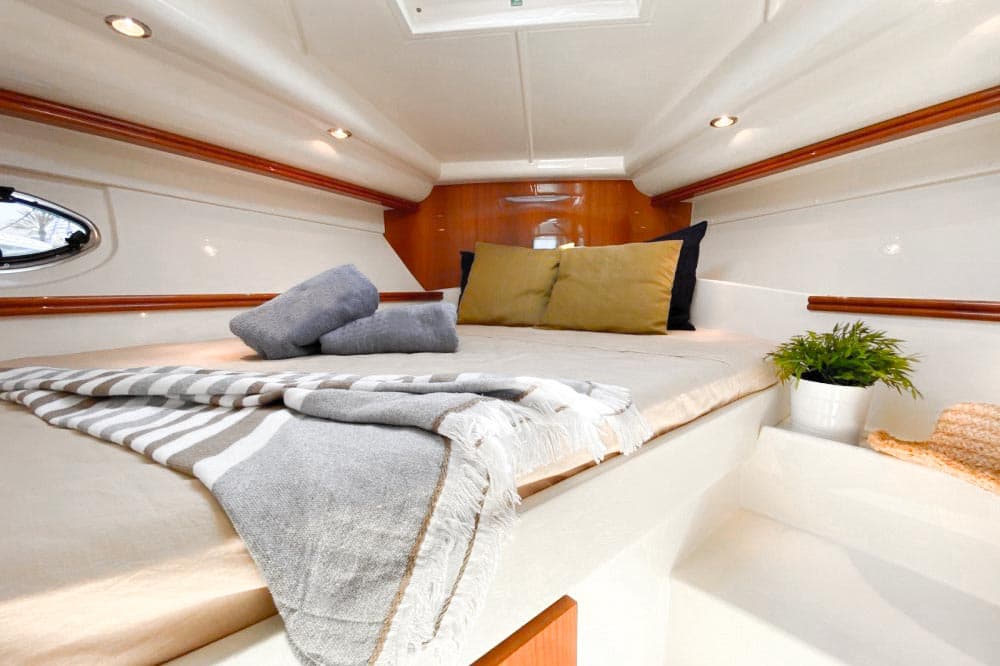
Pershing · Hasta 6 huéspedes
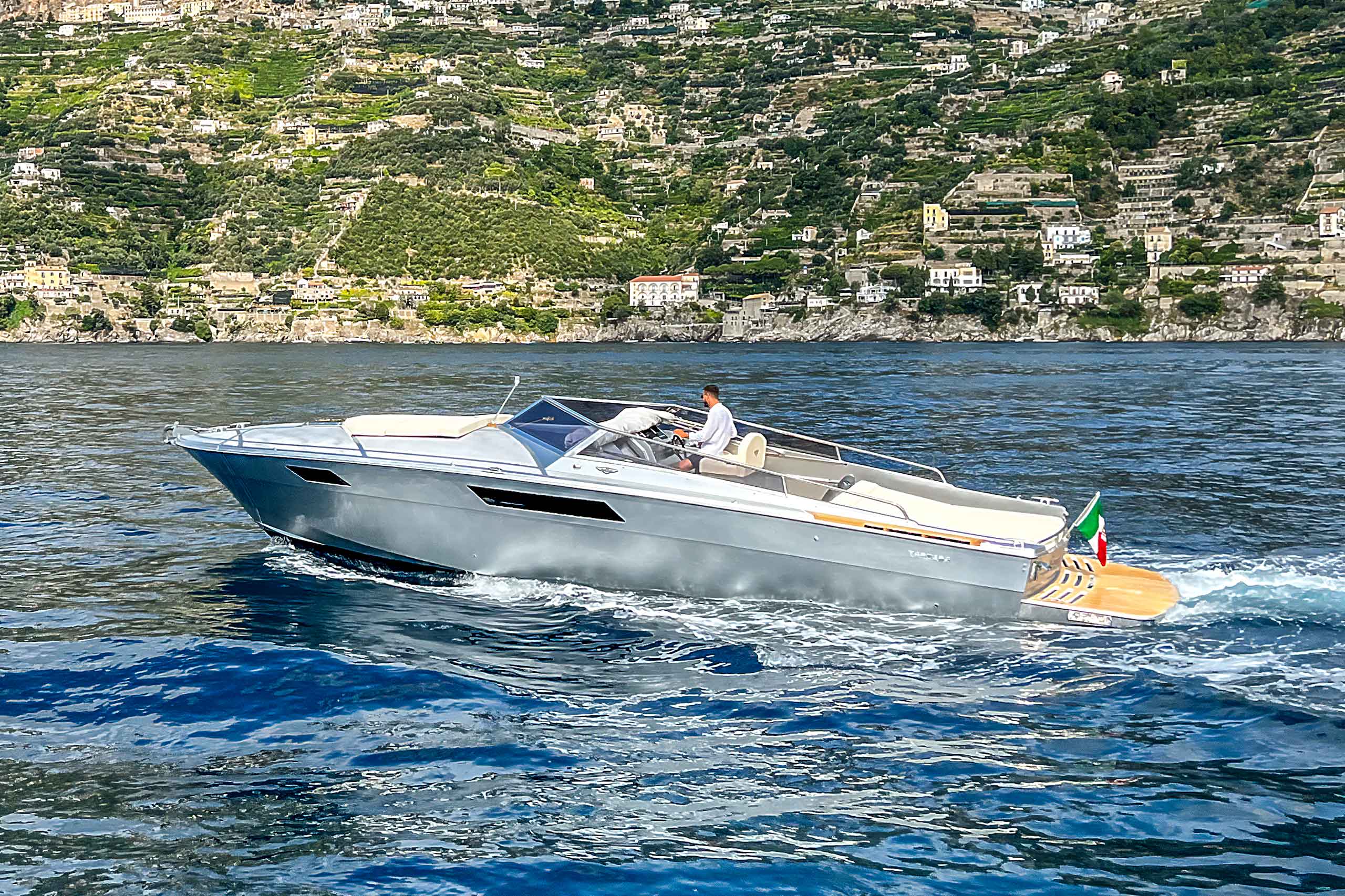
Tornado · Hasta 8 huéspedes
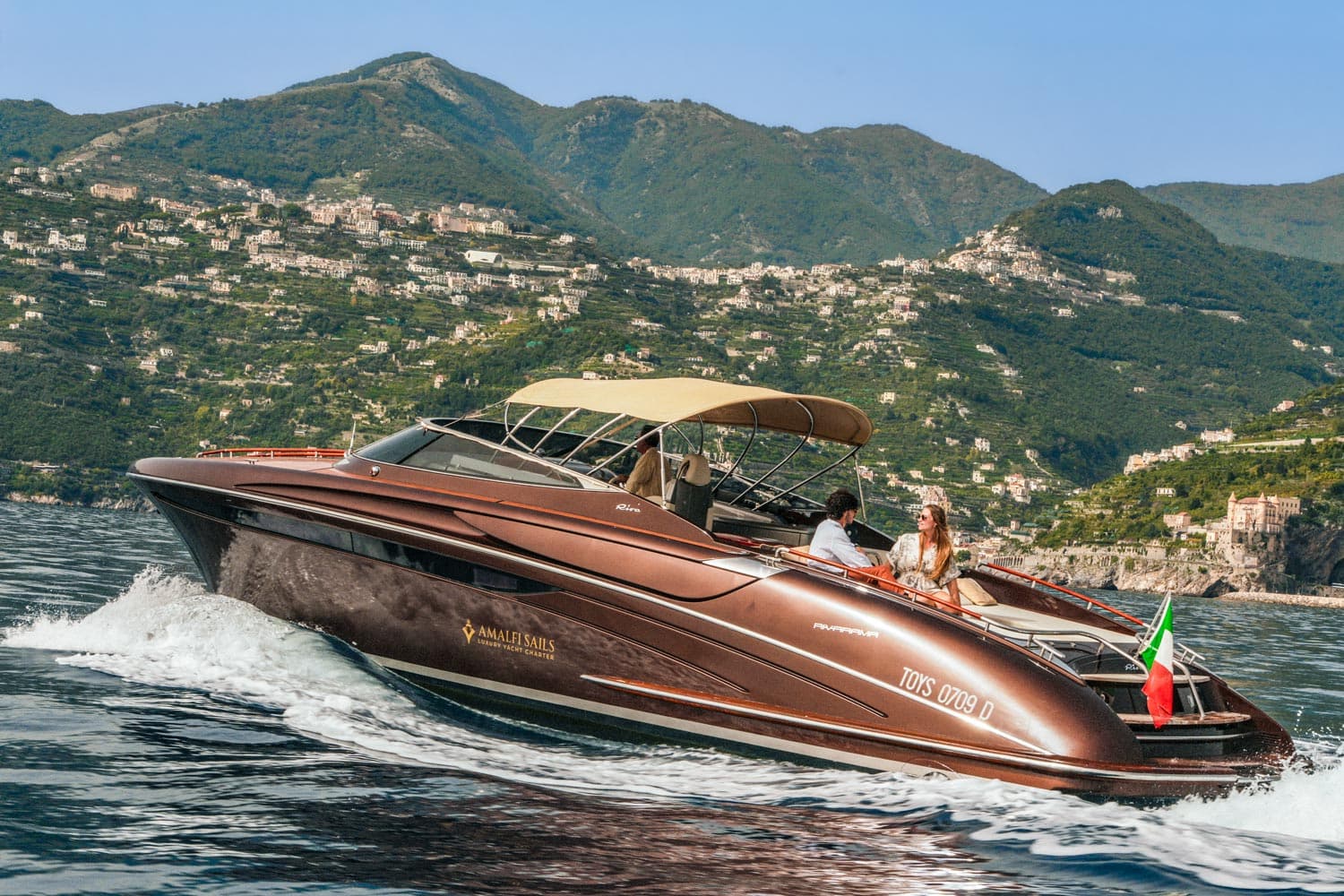
Riva · Hasta 8 huéspedes
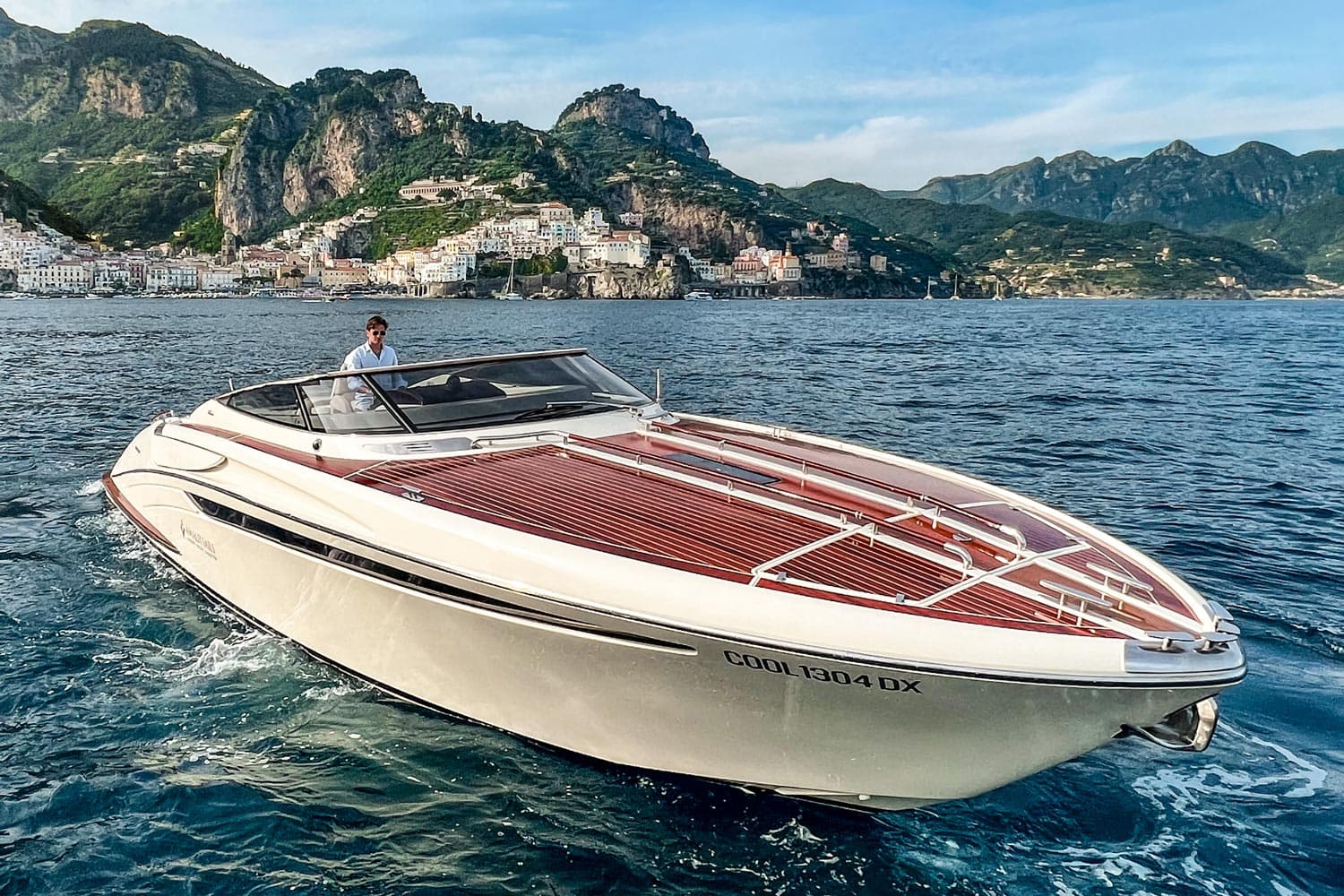
Riva · Hasta 8 huéspedes
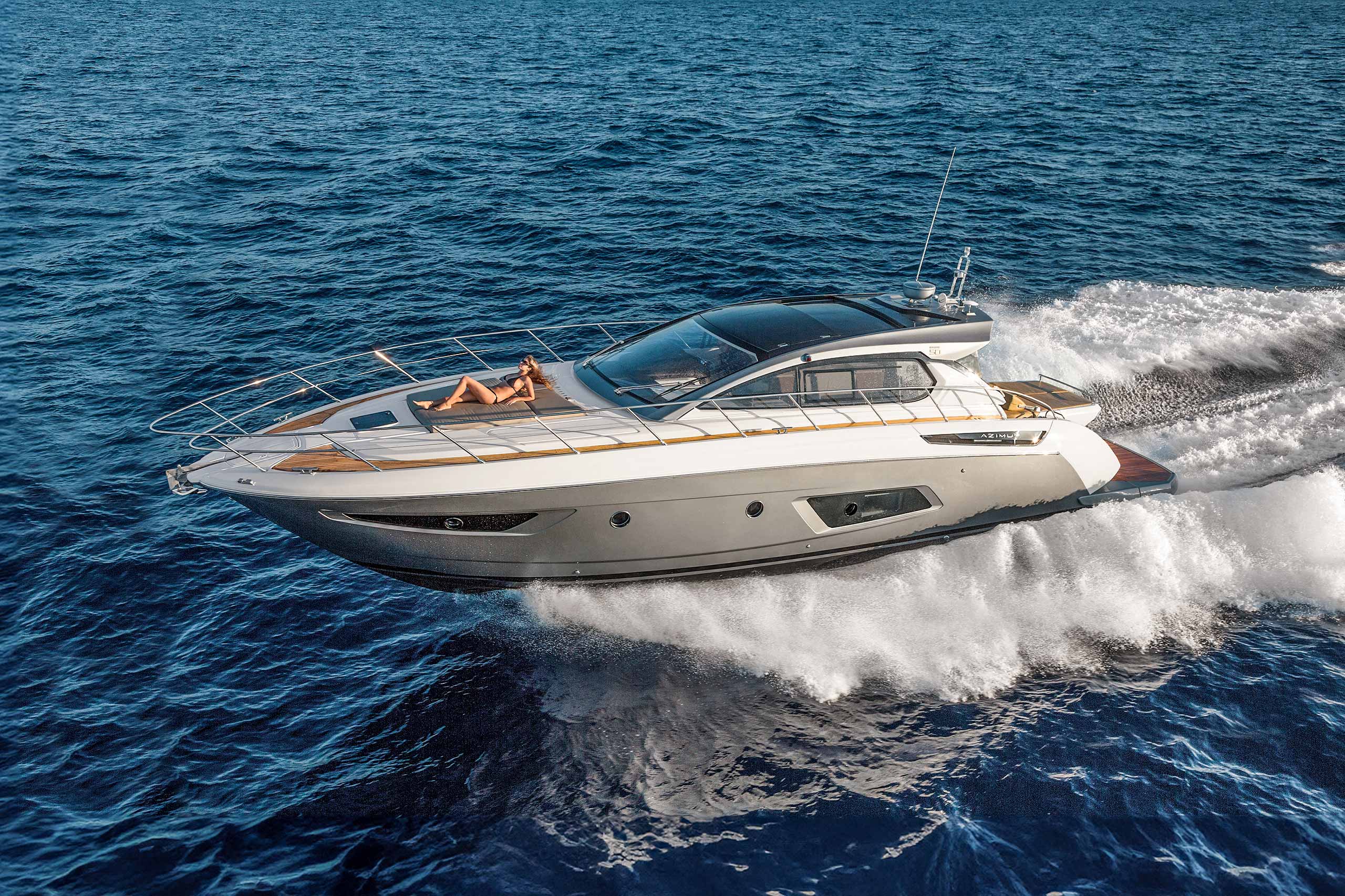
Azimut · Hasta 12 huéspedes
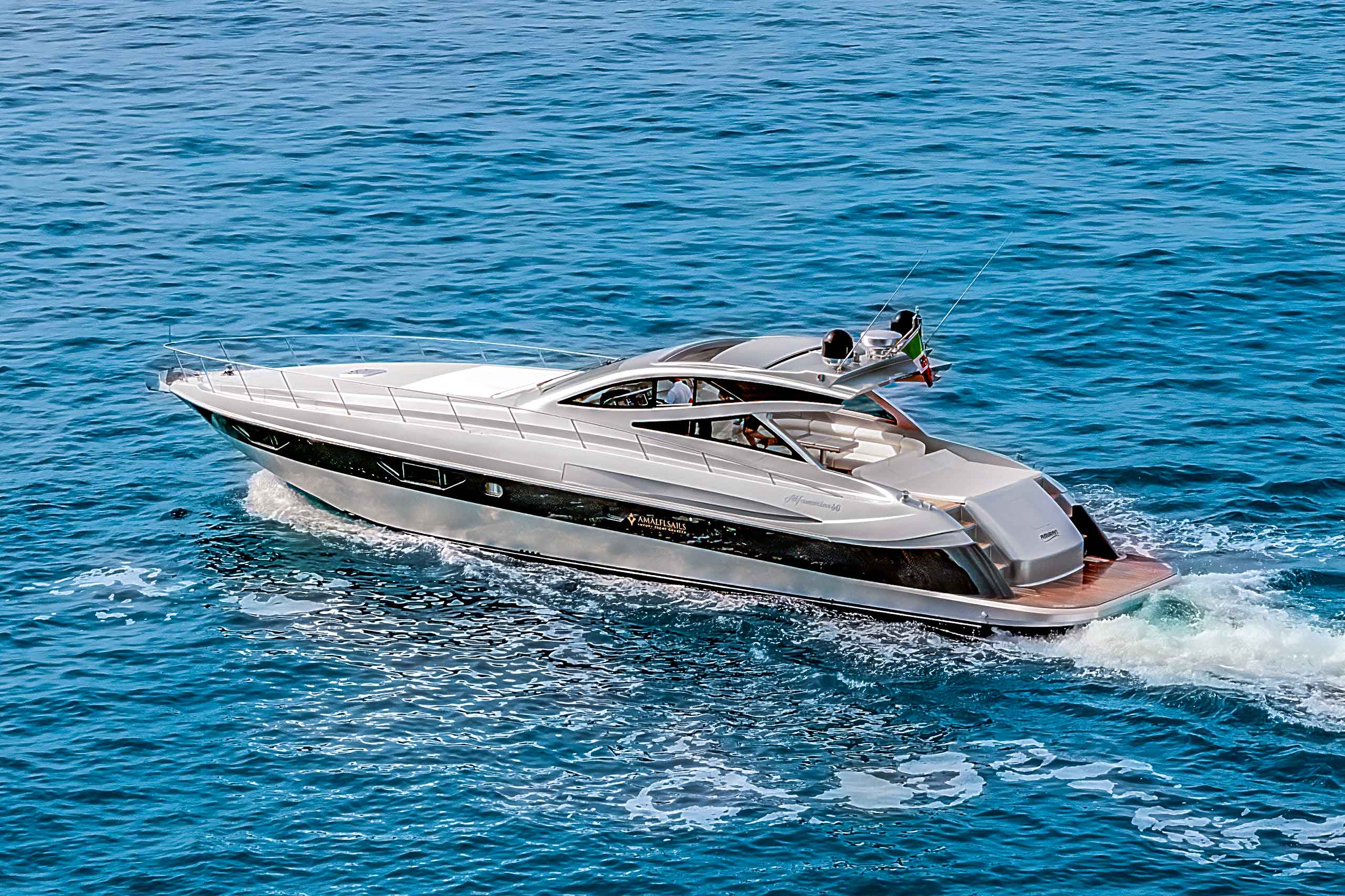
Alfamarine · Hasta 12 huéspedes
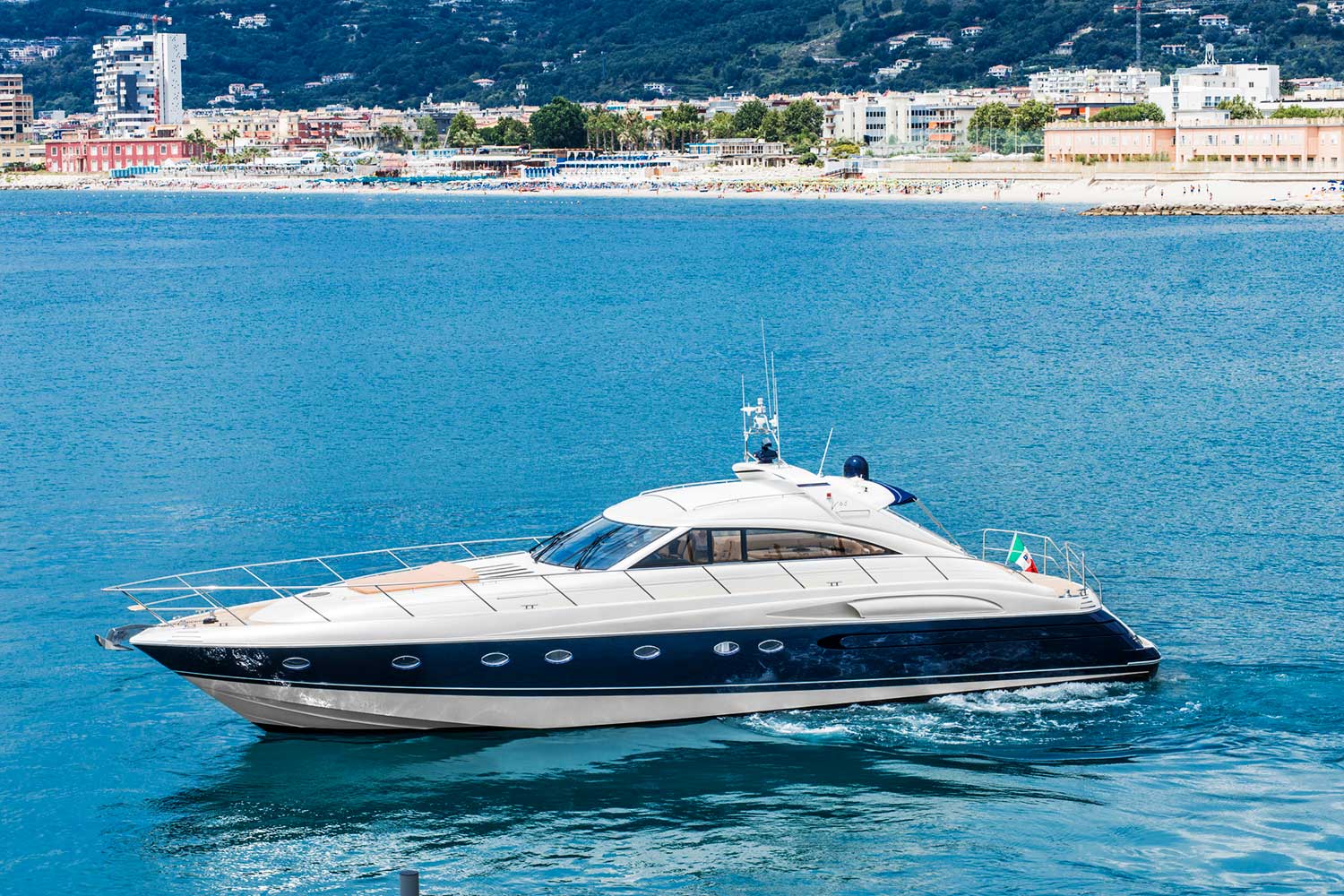
Princess · Hasta 12 huéspedes
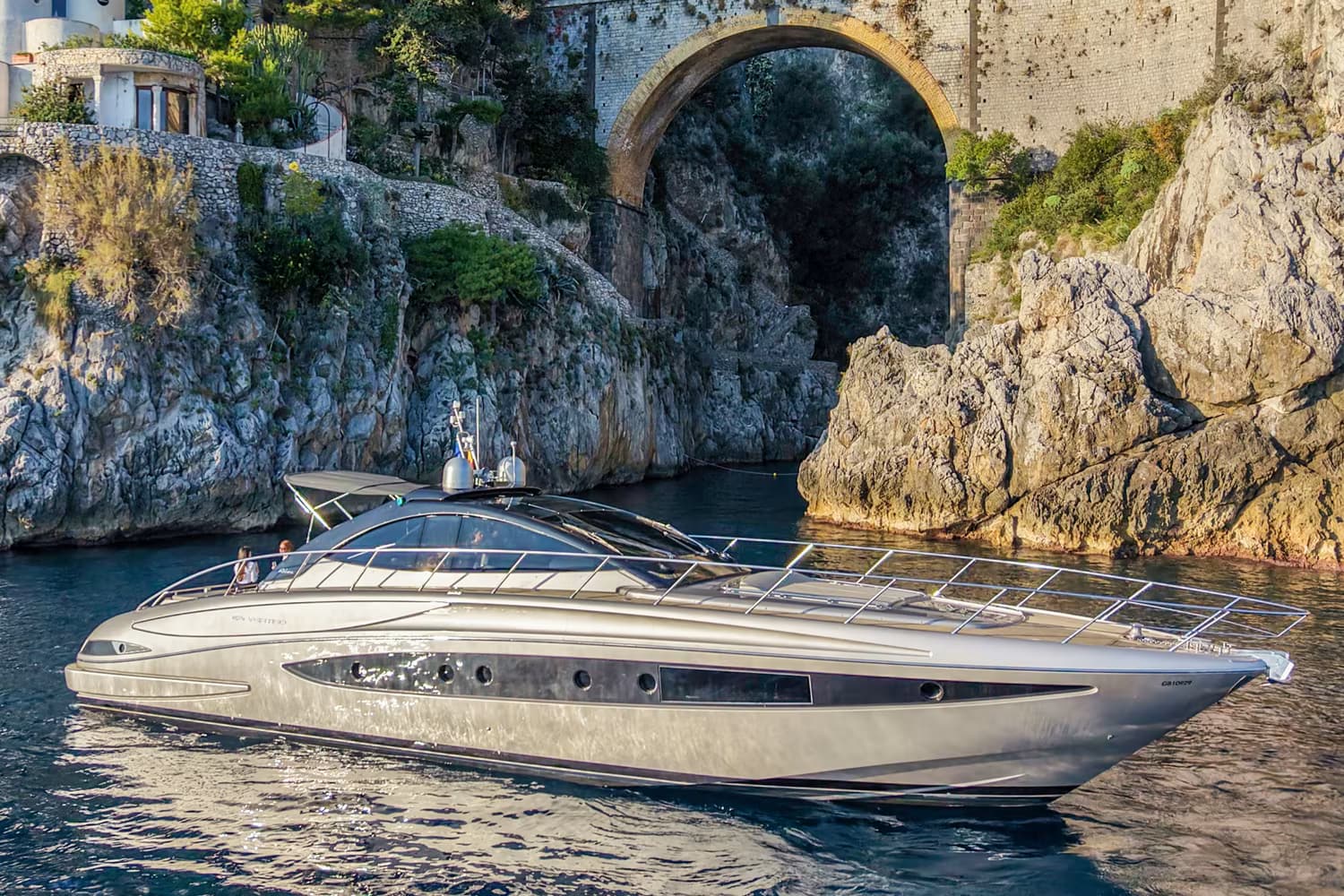
Riva · Hasta 12 huéspedes
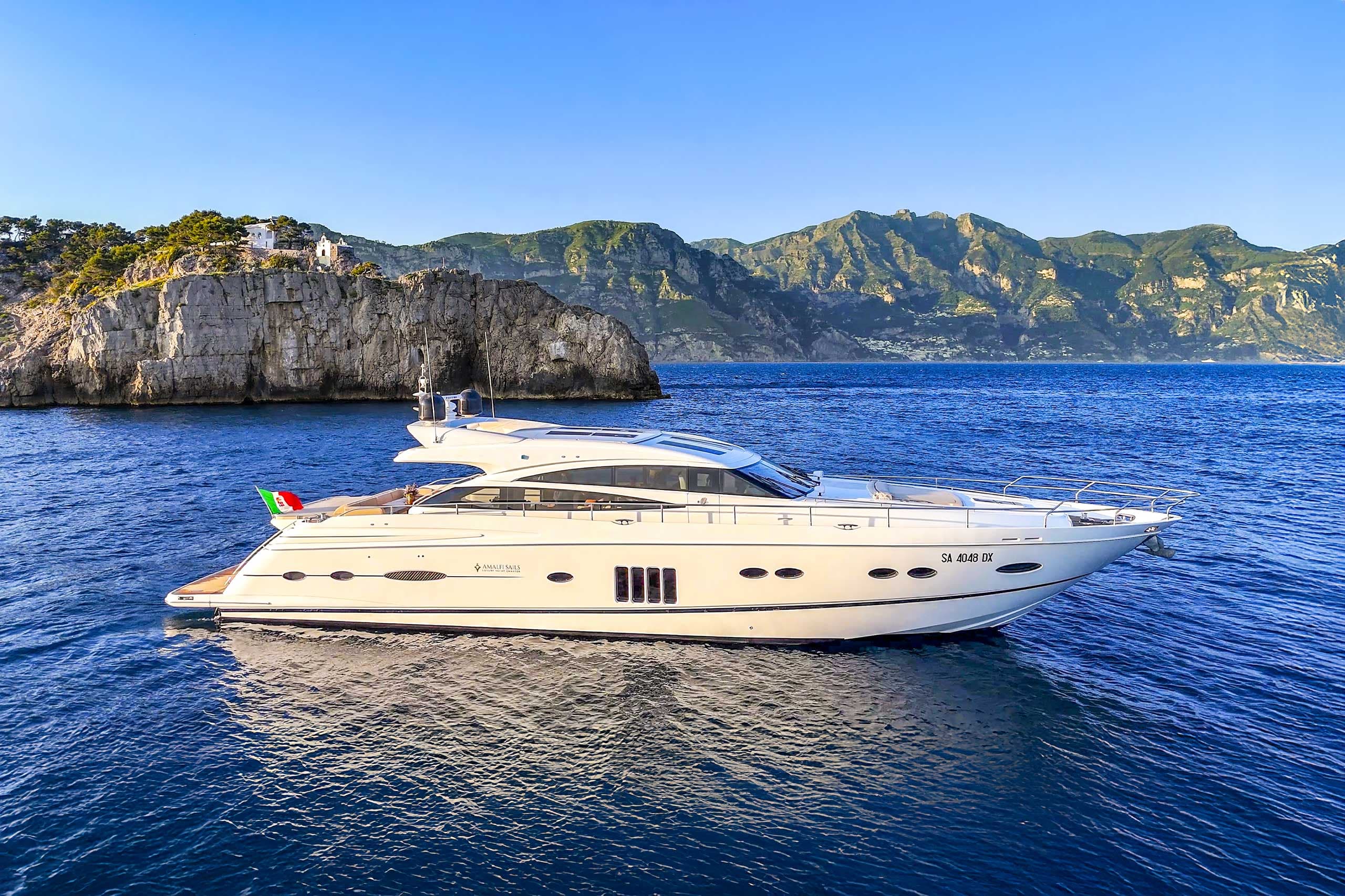
Princess · Hasta 16 huéspedes
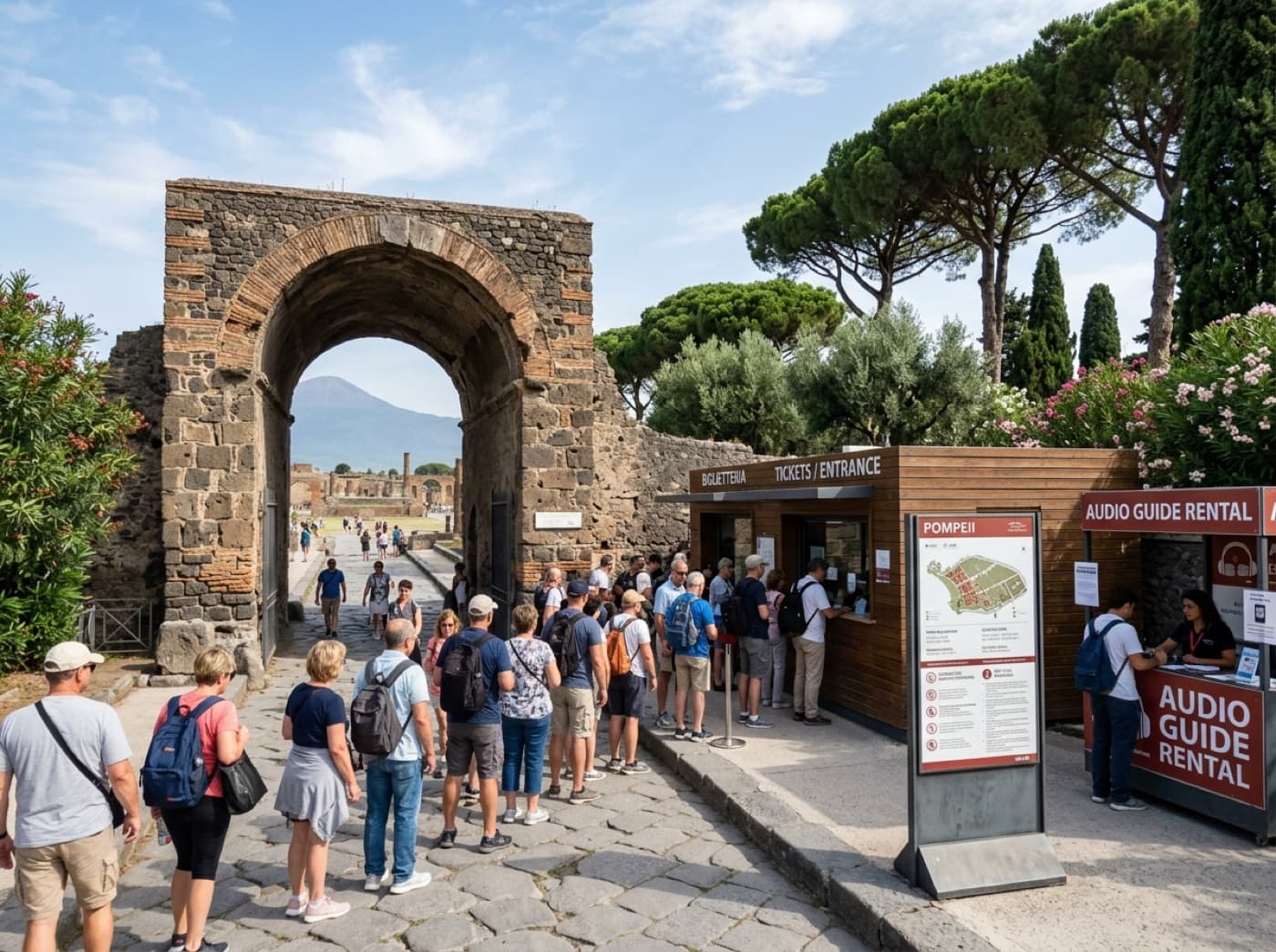
Eight minutes by Circumvesuviana to Pompei Scavi. The frescoed forum, amphitheatre and brothel of the Roman city buried by Vesuvius in 79 AD.
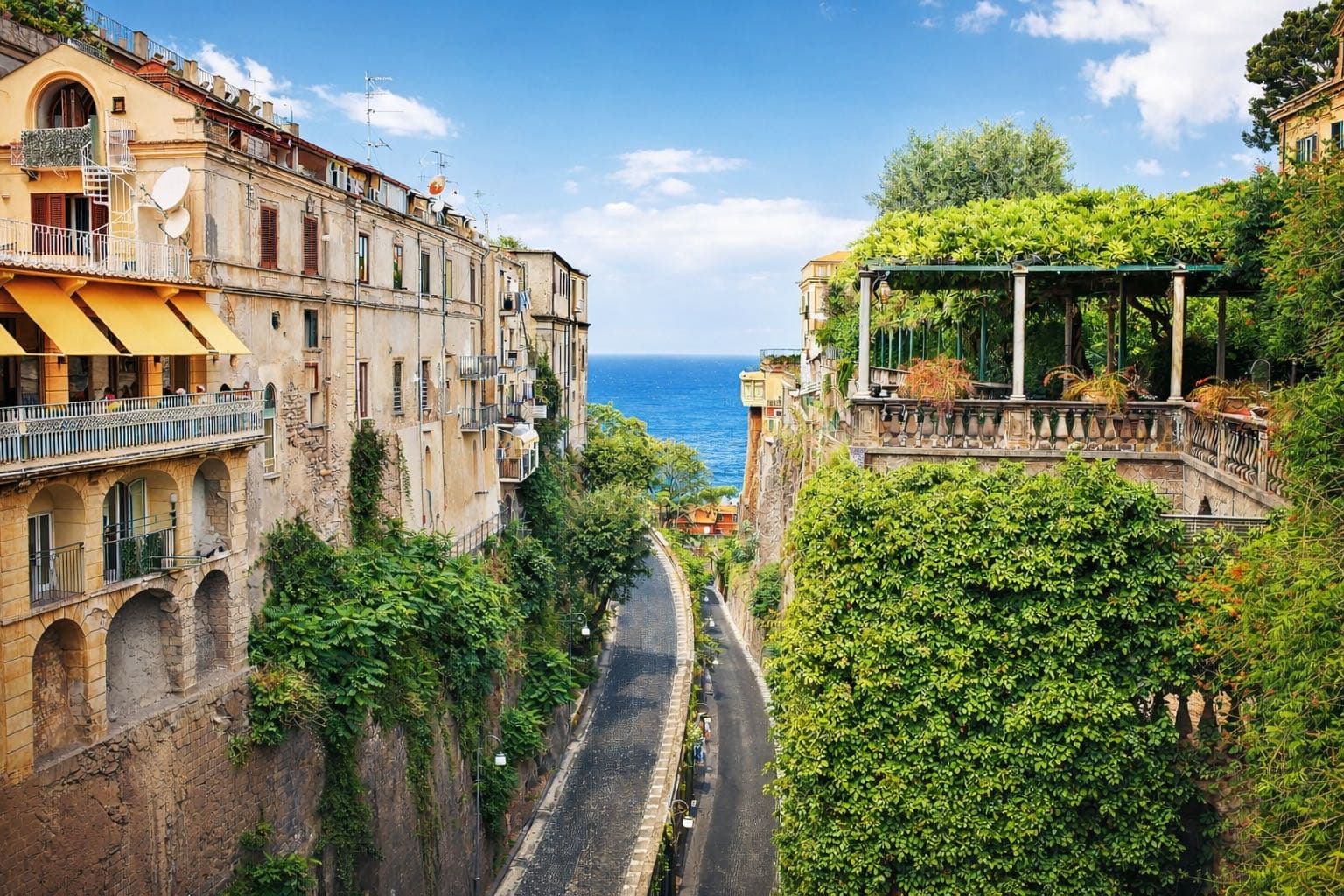
Twenty-five minutes south on the same Circumvesuviana line. Cliff-top pedestrian centre, Piazza Tasso, Marina Grande and lemon-scented alleys.
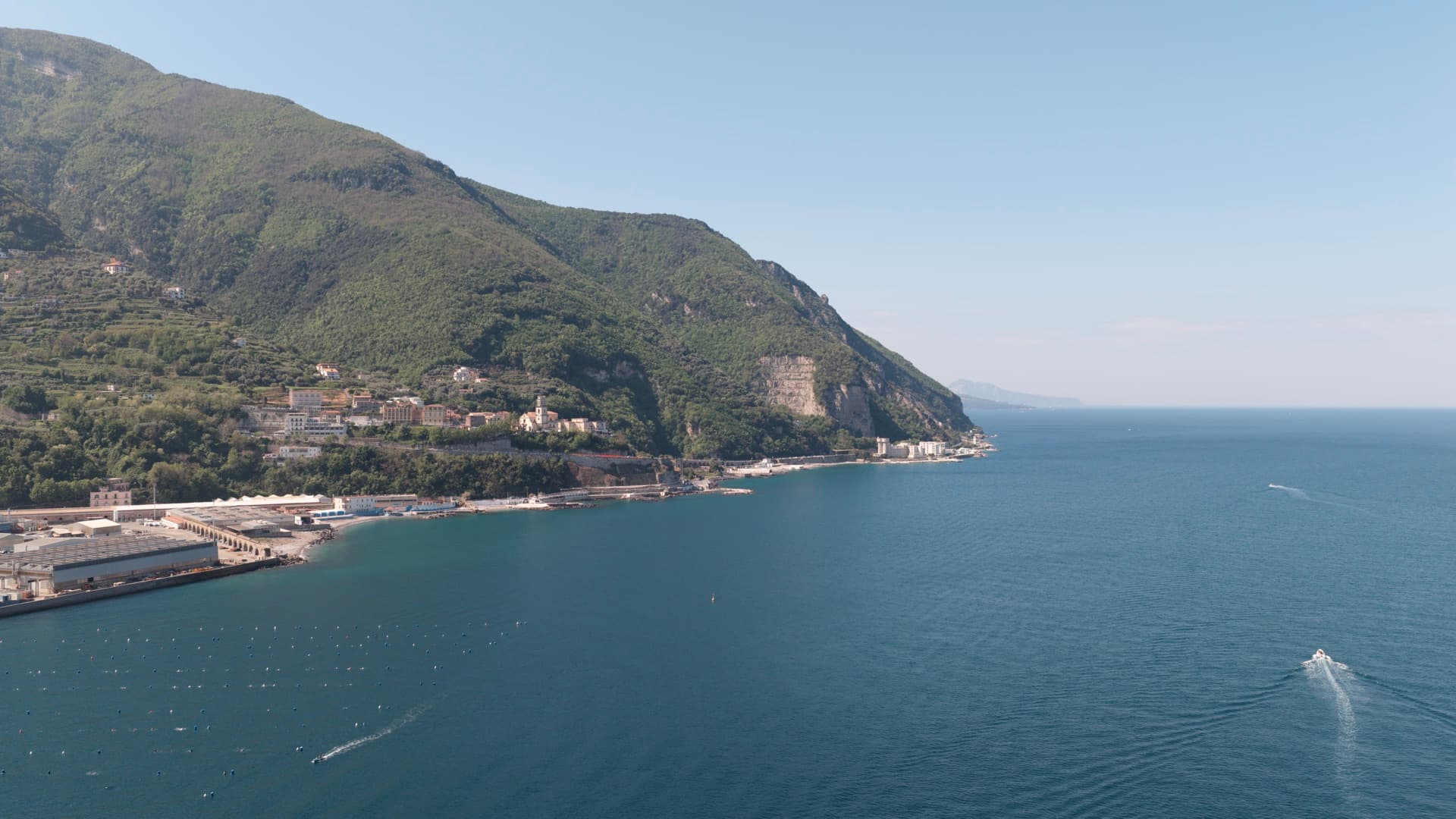
Seasonal ferries from Porto di Stabia to Capri April–October, 45 minutes, €19–22 one way. The Blue Grotto, Piazza Umberto, the Faraglioni.
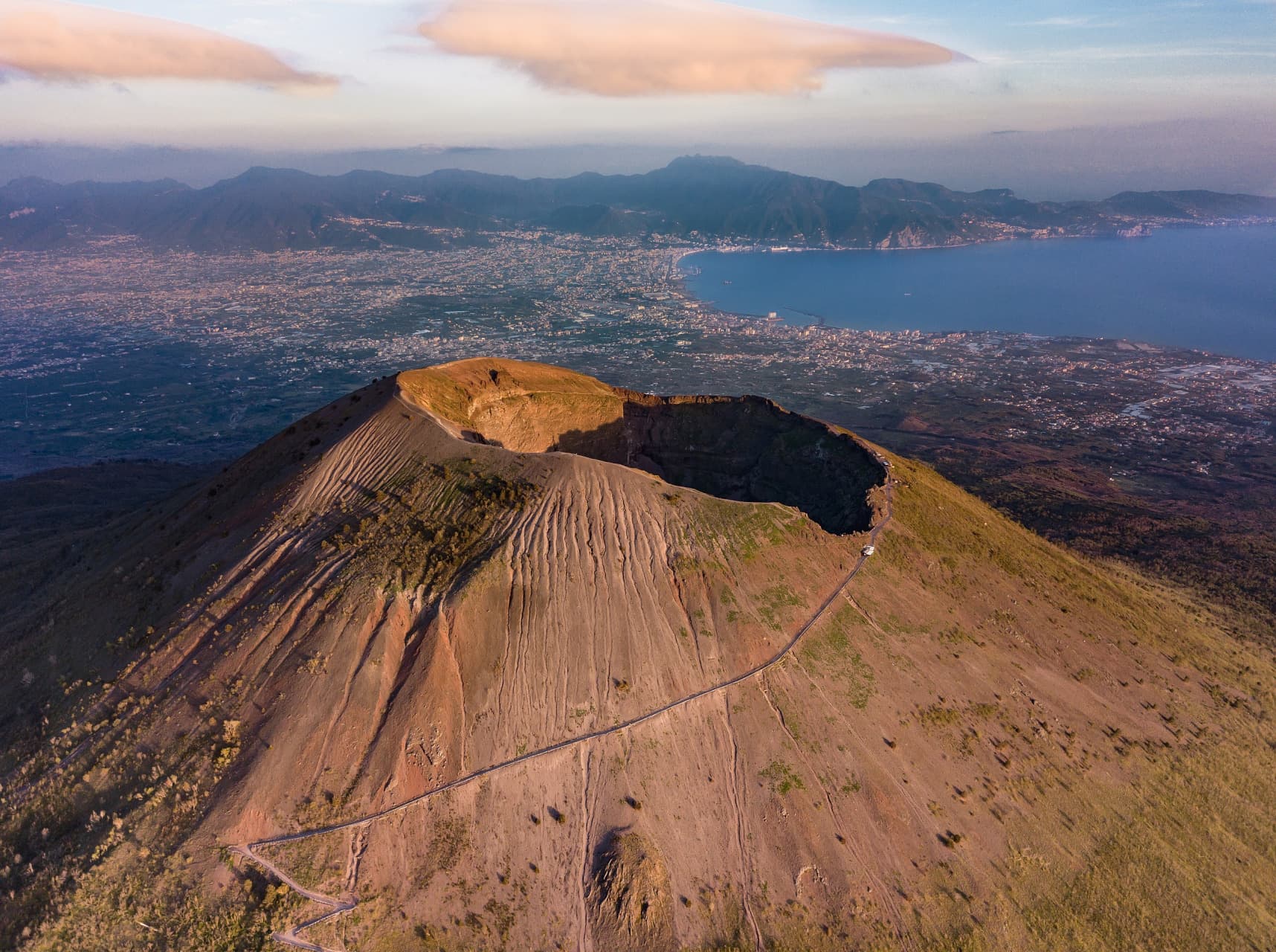
Circumvesuviana to Pompei Scavi, then shuttle bus up to the crater rim. A 30-minute gravel ascent to the summit, with the Bay of Naples and Capri below.
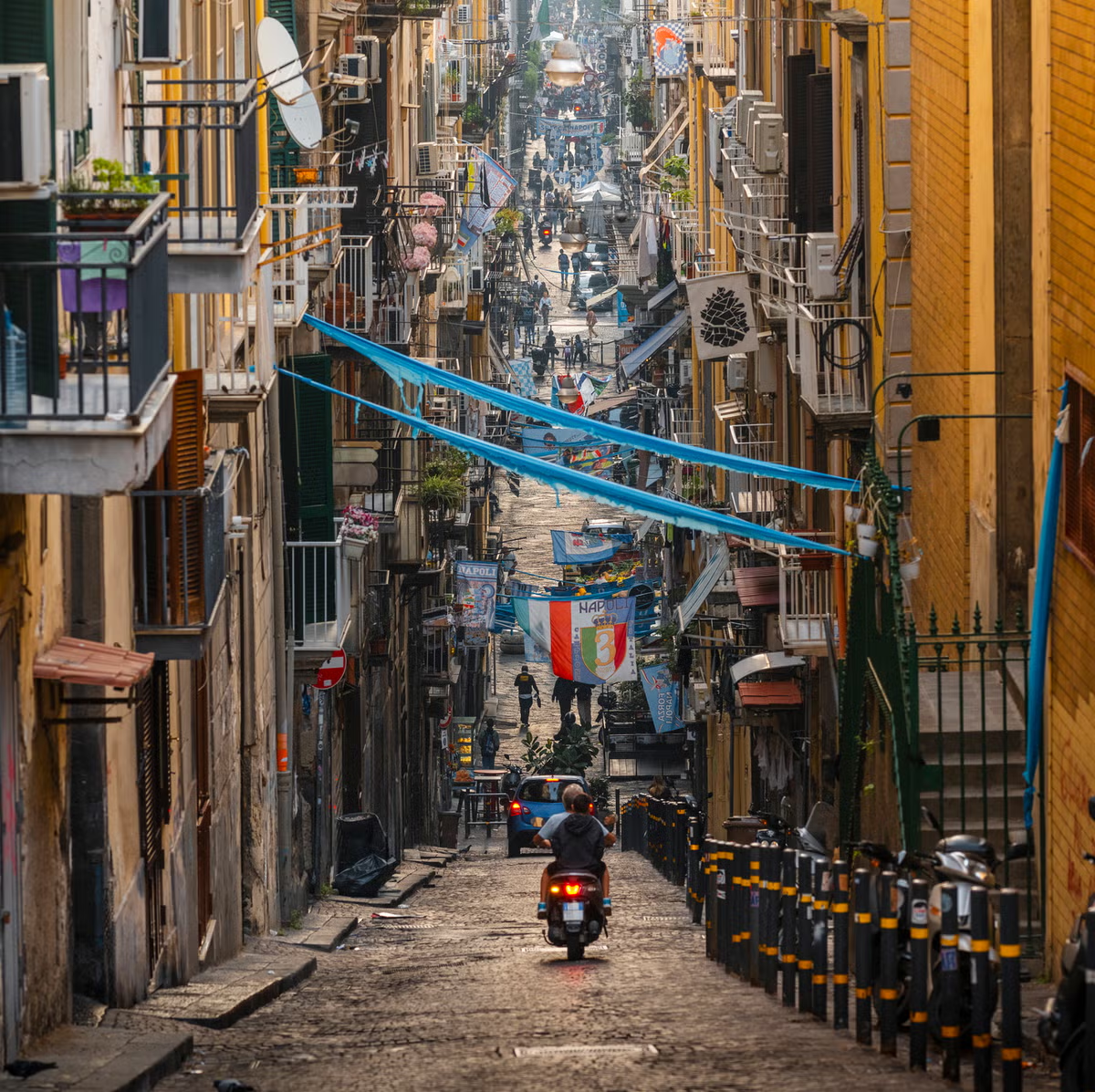
Thirty-five minutes on the Circumvesuviana to Napoli Garibaldi. Museo Archeologico, historic centre, Spaccanapoli, and a pizza at one of the UNESCO-listed pizzerias.
Experiencias
Castellammare di Stabia ofrece visitas guiadas, catas y experiencias locales dirigidas por personas que conocen la zona. Cada experiencia está seleccionada y se reserva directamente con el operador local.
Estamos ampliando nuestros tours y experiencias en Castellammare di Stabia. Mientras tanto, explora todo lo disponible en nuestros destinos del Mediterráneo, muchos incluyen recogida cerca de ti.
Pregúntanos por tours en Castellammare di StabiaExplora libremente
Cómo moverse
Coche privado · Precio fijo
Coche privado · Precio fijo
Coche privado · Precio fijo
Coche privado · Precio fijo
Coche privado · Precio fijo
Coche privado · Precio fijo
Coche privado · Precio fijo
Coche privado · Precio fijo
Coche privado · Precio fijo
Coche privado · Precio fijo
Coche privado · Precio fijo
Coche privado · Precio fijo
Guía de viaje
Castellammare di Stabia is unusual among Campania coast destinations: it is a real working city of 60,000, not a tourist stage. Naval shipyards still operate on the western side of the harbour, where the Italian Navy’s training ship Amerigo Vespucci was launched in 1931. The Circumvesuviana station is busy with commuters heading to Naples in the morning and Sorrento in the afternoon. Prices for food, drink and accommodation are a fraction of what you would pay twenty minutes further south on the peninsula.
For visitors that trade-off plays out in concrete ways. A room with a sea view costs €70–110 instead of €220+; a pizza and drink on the seafront runs €12 rather than €22; a local aperitivo hour fills Piazza Spartaco at 19:00 with people from the neighbourhood rather than tour groups. You are the only tourist on the terrace. The Monte Faito cable car and the Stabiae Roman villas are a genuine short ride away, and both are either free or inexpensive compared with Pompeii and Capri.
Buried by the same AD 79 eruption of Vesuvius that destroyed Pompeii and Herculaneum, ancient Stabiae was a clifftop resort for wealthy Romans. Two excavated villas are open to the public: Villa Arianna and Villa San Marco, both 15–25 minutes’ walk from Castellammare Circumvesuviana. Entry is free, but a timed reservation via the Pompeii Parks online portal (pompeiisites.org) is required. Fewer than 200 visitors pass through on a typical day in July, compared with 20,000 at Pompeii proper, which means you can photograph mosaics and wall paintings without crowds.
Villa San Marco is the larger and more complete, with a columned atrium, private bath complex, and pastoral wall frescoes in the cubicula. Villa Arianna has the more famous paintings — the Flora figure now at the Naples Archaeological Museum was found here. Allow two hours for both, plus the walk between them.
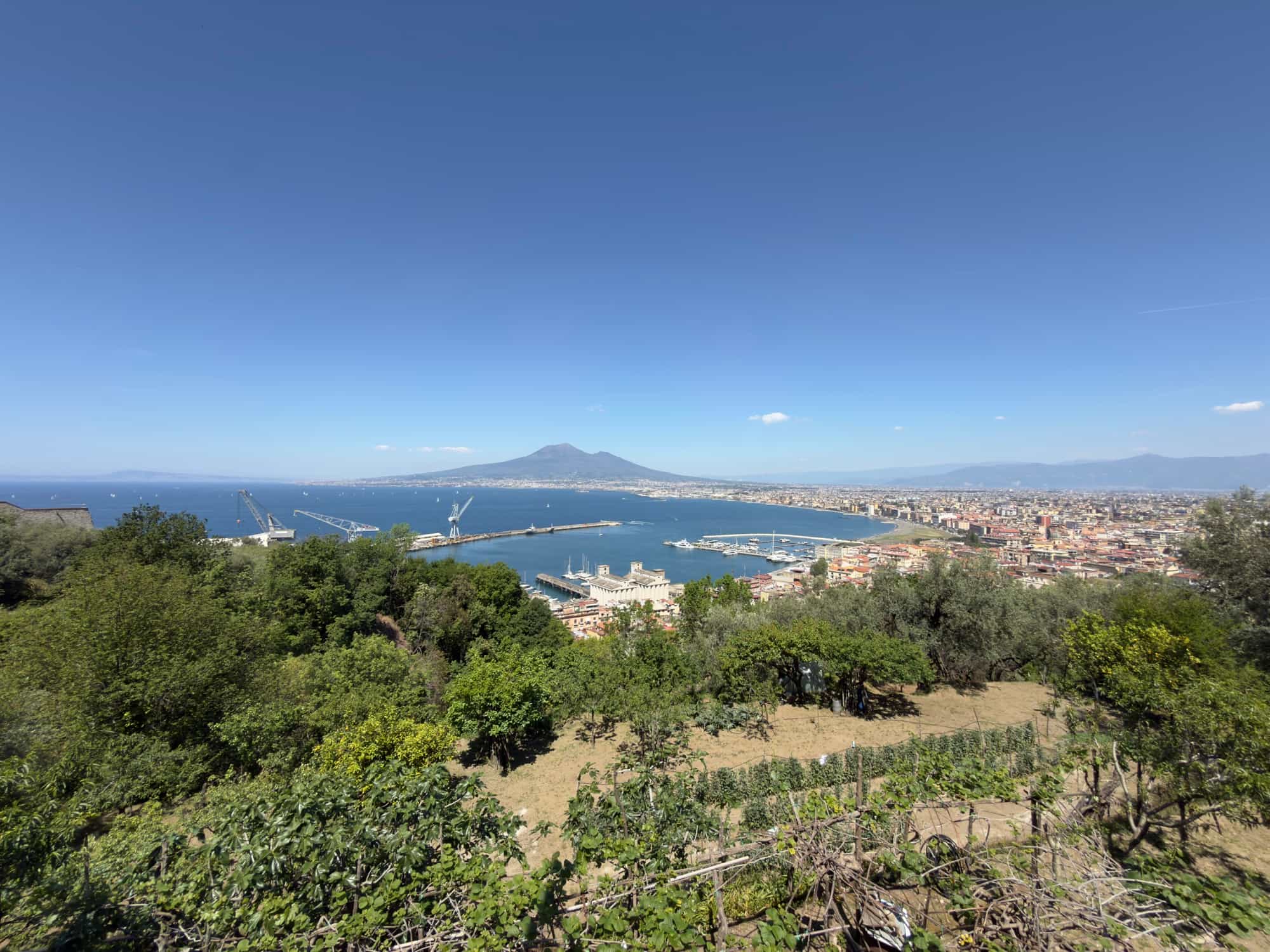
The Monte Faito funivia climbs from sea level at Castellammare Circumvesuviana station to 1,100 metres in eight minutes. The cabins run from April to early November, weather permitting. The upper station opens onto beech forest trails and panoramic points where the Bay of Naples, Vesuvius, the Sorrento Peninsula and Capri are all visible in a single frame on clear days. There are signposted walks from 30 minutes to 4 hours, the longest descending back to Vico Equense.
Tickets are €8 one-way, €10 return (2026 indicative); buy them at the ground station. Operating hours are weather-dependent and the cable car sometimes shuts for wind; check the operator EAV’s site before travelling. Bring layers — even in July the summit is 8–10°C cooler than the coast.
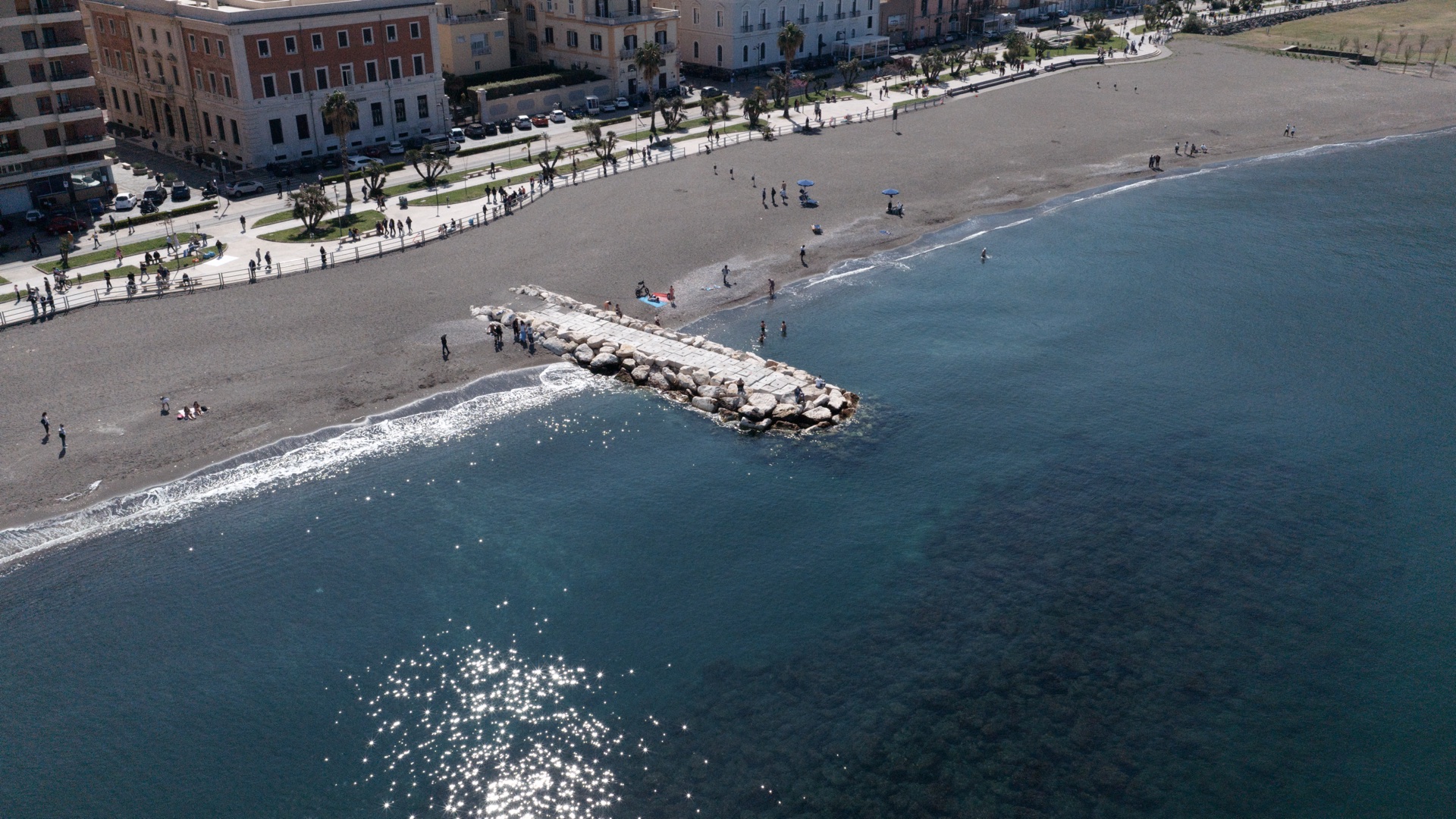
The three-kilometre lungomare runs from the Marina di Stabia yacht harbour in the west to the Villa Comunale and Porto in the east. It is flat, mostly pedestrian in the evening hours, and lined with cafés and gelaterie. The Villa Comunale is a formal 19th-century seaside park where the Acqua della Madonna fountain still runs — a ferrous mineral spring that locals bottle daily and claim is good for digestion and iron levels.
Set inland from the seafront, the historic centre wraps around Piazza Spartaco (the aperitivo square), Piazza Orologio (the old clock tower), and the Cassarmonica — a small neoclassical concert bandstand in Piazza Giovanni XXIII where live music plays on summer evenings. The medieval castle on the hill above the town is ruined and unfortified; the short climb gives views across the entire gulf and is worth the effort at sunset.
Castellammare eats like the working port town it is. Harbour-side trattorias serve whatever the boats landed that morning — typically red mullet, anchovies, mackerel, and local shellfish. Spaghetti alle vongole, fritto misto and grilled octopus are on most menus. Expect €25–35 per head for a full fish lunch with local wine, significantly less than the Sorrento peninsula rate.
For sweets, historic pastry shops on Corso Alcide De Gasperi sell sfogliatella (shell-shaped ricotta pastries), babà (rum-soaked yeast cakes) and torta caprese. The Neapolitan pizza tradition is fully represented; seafront pizzerias pull out at 19:30 and run until midnight. Fiordilatte di Agerola, from the Monti Lattari mountains right behind town, appears on most antipasto boards.
Staying in Castellammare puts you within 25 minutes of Pompeii, 25 minutes of Sorrento, 45 minutes of Capri (by seasonal ferry), and 35 minutes of Naples — all on the same Circumvesuviana line or short ferry hop. For travellers who plan to spread across the Bay of Naples rather than stay in one spot, Castellammare works as a more economical hub than Sorrento without sacrificing the commute times. Evening atmosphere is Neapolitan and lived-in rather than curated for tourists — which for some travellers is exactly the point.
The identity of Castellammare di Stabia is built on three layers within the same square kilometre. Stabiae was an Oscan then Roman town, destroyed by Sulla in 89 BC and rebuilt as an upland thermal resort for Rome's élite — Pliny the Elder, commander of the Misenum fleet, died here during the 79 AD eruption while attempting to rescue residents by sea. The villas of Stabiae (Arianna, San Marco, Pastore) testify to a level of luxury comparable to Pompeii's, but in a more open position on the bay.
The Bourbon period (18th-19th century) reshapes the town: Charles III of Bourbon builds the Quisisana Royal Palace as a summer residence on the hills behind, and Castellammare becomes the official thermal pole of the Kingdom of the Two Sicilies with the Ancient Stabian Thermal Baths — still visitable today — fed by 28 distinct mineral springs. In 1783 the kingdom's first naval shipyard is born here, the Castellammare Arsenal, which will launch the training ship Amerigo Vespucci in 1931 and is still active today as a Fincantieri pole. The 20th century adds the Circumvesuviana train (1934), the Marina di Stabia tourist port, and the transformation of the seafront into a 3-km pedestrian promenade. Three eras, three vocations, one city.
One day only: arrival by Circumvesuviana, luggage drop, morning at the Stabiae archaeological site (Villa San Marco, free), seafood lunch at the harbour (€25-35), afternoon on the Faito cable car for the panorama (€10 round-trip), aperitivo in Piazza Spartaco at sunset, pizza dinner on the seafront. Overnight in a seafront B&B for those not returning the same day.
Three days: Day 1 as above. Day 2 dedicated to Pompeii (10 min by car or 15 by train) with afternoon return for relaxation in Villa Comunale and a swim at Pozzano beach. Day 3 morning excursion to Mount Faito with marked trails (3-4 hours of walking), summit lunch or descent by cable car, afternoon at Quisisana Royal Palace and Castellammare's old town with a visit to the Cassarmonica and the cathedral.
One week: add days dedicated to Capri (hydrofoil from the port in high season, full day), Sorrento and the peninsula (35 min by Circumvesuviana), Amalfi Coast via SITA bus or private car (Positano, Amalfi, Ravello in two days), Naples centre for the Archaeological Museum and Spanish Quarters (50 min by Circumvesuviana). Each evening returns to Castellammare for dinner in the harbour and old-town restaurants — the advantage of an economical, well-connected base.
We directly manage six properties in Castellammare di Stabia, each designed for a specific stay type. All have direct quality control, concierge management in 4 languages, and better rates than OTA averages thanks to direct relationships with the owners.
Naples Airport (NAP): 30 km, 30 minutes by car via A3 motorway. BlueKeys private transfer €120 (sedan, up to 3 pax) or €156 (minivan, 4-7 pax). Low-cost alternative: Alibus to Naples Centrale (€5) + Circumvesuviana to Castellammare (€2.80, 50 min). Total €7.80 but 2 changes.
From Rome by train: Frecciarossa to Naples Centrale (1h10, €30-60), then Circumvesuviana to Castellammare (50 min, €2.80). Total 2h10 with no motorway traffic.
By car from Rome: A1 motorway to Naples, A3 link towards Salerno, Castellammare di Stabia exit (250 km, 2h45 without traffic). No ZTL in the historic centre, some pedestrian zones in the evening. Parking: free at BlueKeys properties with parking included, or public parking at €1-2/h.
By sea from the Coast or from Capri: hydrofoils and ferries connect Castellammare to Capri port in high season (60 min) via SNAV/Caremar. Marina di Stabia accommodates yachts up to 80 m with full services.
April-June: 18-26°C, sea still cool but swimmable from mid-May, Faito blossoms, prices still low. Excellent for archaeology, hiking and sightseeing.
July-August: high season, 28-32°C, sea at 24-26°C, evening life at peak. Capri hydrofoils every day. Book 30+ days in advance to secure the best seafront rooms.
September-October: connoisseurs' favourite season — sea still warm (24-22°C), reduced crowds, prices down 20-30%. Fish and harvest festivals enliven nearby villages.
November-March: low season, ideal for cultural visits (archaeology, museums, Caserta Royal Palace), thermal baths and seafood dinners at minimum prices. Faito cable car closed November-March. Cold sea. Lowest accommodation rates.
Villa Comunale beach: free beach in the city centre, dark volcanic sand, pedestrian access from the seafront. Family-friendly, seasonal umbrella rental at €15-25/day.
Pozzano: 2 km south towards Vico Equense, mix of equipped lidos and free beaches. Clearer water than the city centre thanks to constant exchange. Bus or car.
Marina di Stabia: modern tourist port with sea access for yachters. Bars and restaurants on the pier.
Vico Equense beaches (10 min by car/train): Marina di Aequa, Pezzolo, Marina di Vico — wild, also reachable by small boat.
Antiquarium Stabiano: small museum in the city centre collecting Stabiae villa finds not transferred to MANN Naples. Open since 2020, €8, rarely visited. Plan 1 hour.
Acqua della Madonna: iron-rich spring in the Villa Comunale, still active, locals bottle it daily. Strong mineral taste, not recommended for those with high blood pressure. Free.
San Catello Chapel: sanctuary on the Pozzano hill, view over the entire bay. 30-minute walk uphill or by car. Local religious tradition on May 6.
Medieval Castle: ruins on San Bartolomeo hill, accessible by trail, panoramic view at sunset. Unfortified, free.
Sagra del Mare: annual festival in mid-July with maritime procession, fireworks at the harbour and community dinners on the seafront. Authentically local, not touristy.
Sorrento has consolidated charm, fluent English in every venue, Corso Italia boutiques and sunsets from Villa Comunale famous for two centuries. Castellammare has 60% lower prices, less touristy cuisine, a 3-km fully pedestrian seafront and the same travel times to Pompeii (Castellammare is actually closer). For first-time Coast visitors wanting the postcard experience, Sorrento makes sense. For returning travellers, for stays longer than 3 days, for families and for those who want to know real Campania without paying the tourist premium, Castellammare is the rational choice.
Is Castellammare safe for tourists?
Yes. The historic centre and seafront are safe day and evening. As in all mid-sized Italian cities, the station area and industrial port require normal caution after midnight. All BlueKeys properties are in well-frequented central residential areas.
Is English spoken?
At BlueKeys properties, yes (Italian, English, German and French). In seafront restaurants and bars, basic English yes; in harbour trattorias often only Italian — but the menu is written and a smile does the rest.
Do I need a car?
No if you stay in Castellammare and use Pompeii + Sorrento + Capri (all reachable by train or hydrofoil). Yes for visiting the Amalfi Coast (Positano, Amalfi, Ravello), Caserta Royal Palace or Vesuvius excursions.
What's the difference between Stabia and Herculaneum?
Stabia (Castellammare) was the elite thermal resort, Herculaneum was a residential town, Pompeii was the commercial centre. Stabia is the least visited of the three — fewer spectacular finds but more intimate experience and exceptional villas (Villa San Marco is the largest Roman villa ever found in Italy).
Are night transfers safe?
Yes, BlueKeys offers private 24/7 transfers to/from Naples airport, stations, ports and Coast locations. Night surcharge +20% (20:00-08:00) per standard policy. WhatsApp confirmation within the hour.
Can I book the entire property for a private event?
Yes for Casa Savorito (3br/7 guests), Stabia Exclusive Stay (3br/8 guests) and the entire Lungomare Rooms B&B (4 rooms/9 guests). BlueKeys concierge arranges catering, transfer, floral decorations and photographer on request.
Frequently asked
Todo en un solo sitio
Alojamientos, tours, transfers y alquiler de barcos — una plataforma, una reserva
Anfitriones verificados
Cada propiedad inspeccionada personalmente por nuestro equipo
Concierge 24/7
Soporte local desde la reserva hasta el check-out
Experiencia local
Con base en Sorrento — conocemos cada rincón