Private transfer
€120Naples Airport (NAP) · 60 min
Door-to-door via the A3 motorway. Fixed price, luggage included, meet & greet at arrivals.
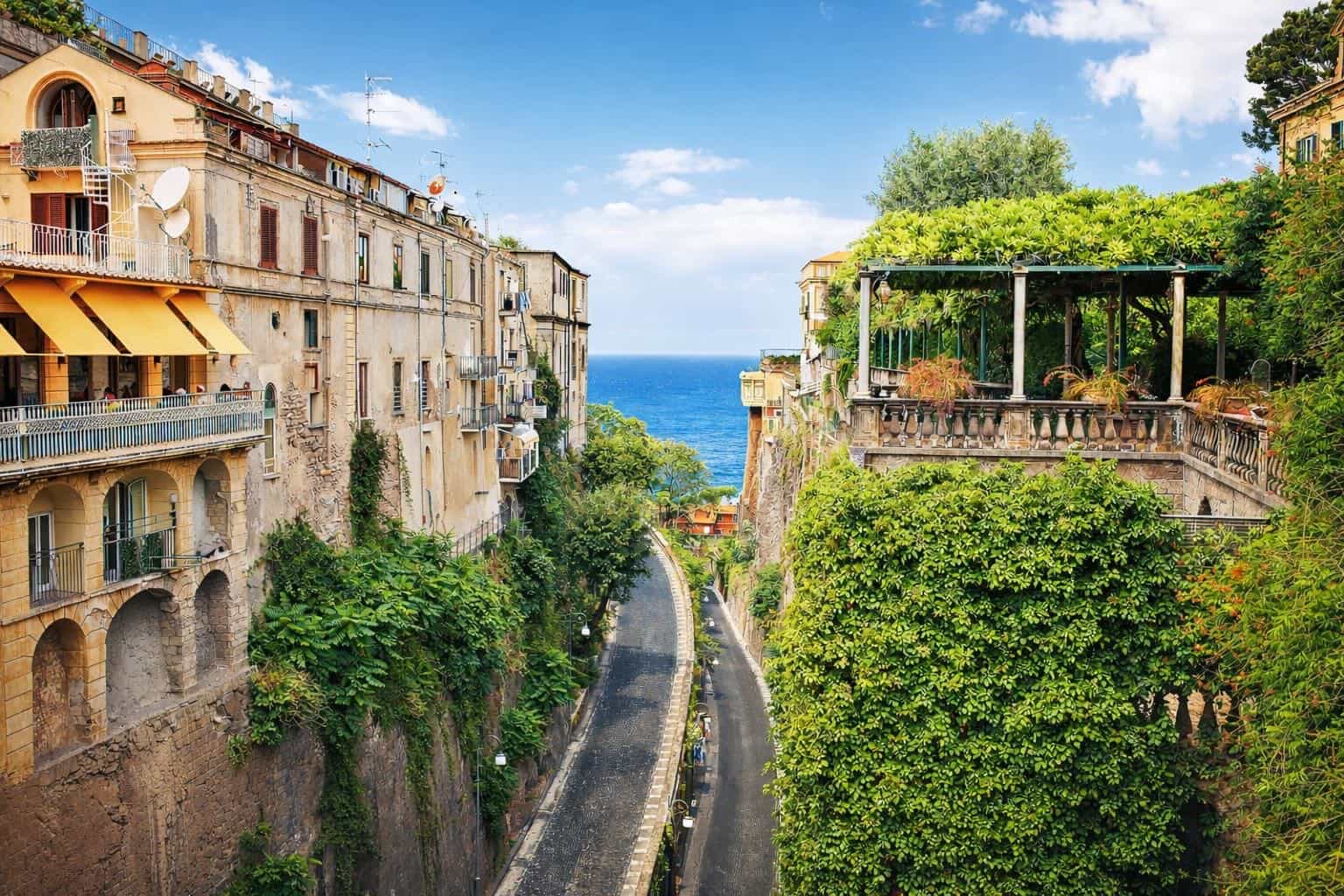
Icónica ciudad sobre los acantilados del golfo de Nápoles. Callejones perfumados de cítricos, el puerto pesquero de Marina Grande, terrazas
Icónica ciudad sobre los acantilados del golfo de Nápoles. Callejones perfumados de cítricos, el puerto pesquero de Marina Grande, terrazas panorámicas sobre el Vesubio y la puerta de acceso más rápida a Capri, Positano y Pompeya.
Sorrento es un destino mediterráneo en Campania, Italia. BlueKeys ofrece 2 alojamientos, 12 tours y 22 alquileres de barco aquí. Los alojamientos desde €200 por noche. Explora alojamientos seleccionados, tours y experiencias guiadas, alquileres de barco y traslados al aeropuerto, y reserva directamente con los anfitriones y conductores locales.
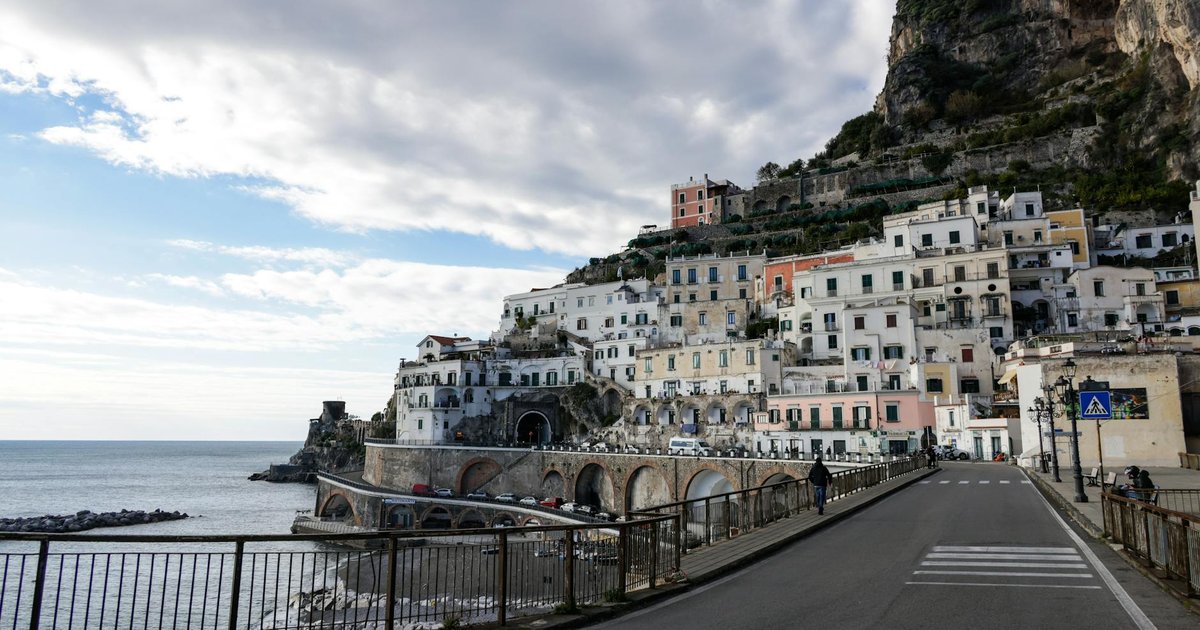
Circumvesuviana desde el Aeropuerto de Nápoles a Sorrento en 75 minutos (cambio en Nápoles Central). Traslado privado puerta a puerta en 60 minutos por la A3. Autobús Curreri para la opción económica. Hidroala desde el Puerto de Nápoles (45 minutos) con mar en calma.
Naples Airport (NAP) · 60 min
Door-to-door via the A3 motorway. Fixed price, luggage included, meet & greet at arrivals.
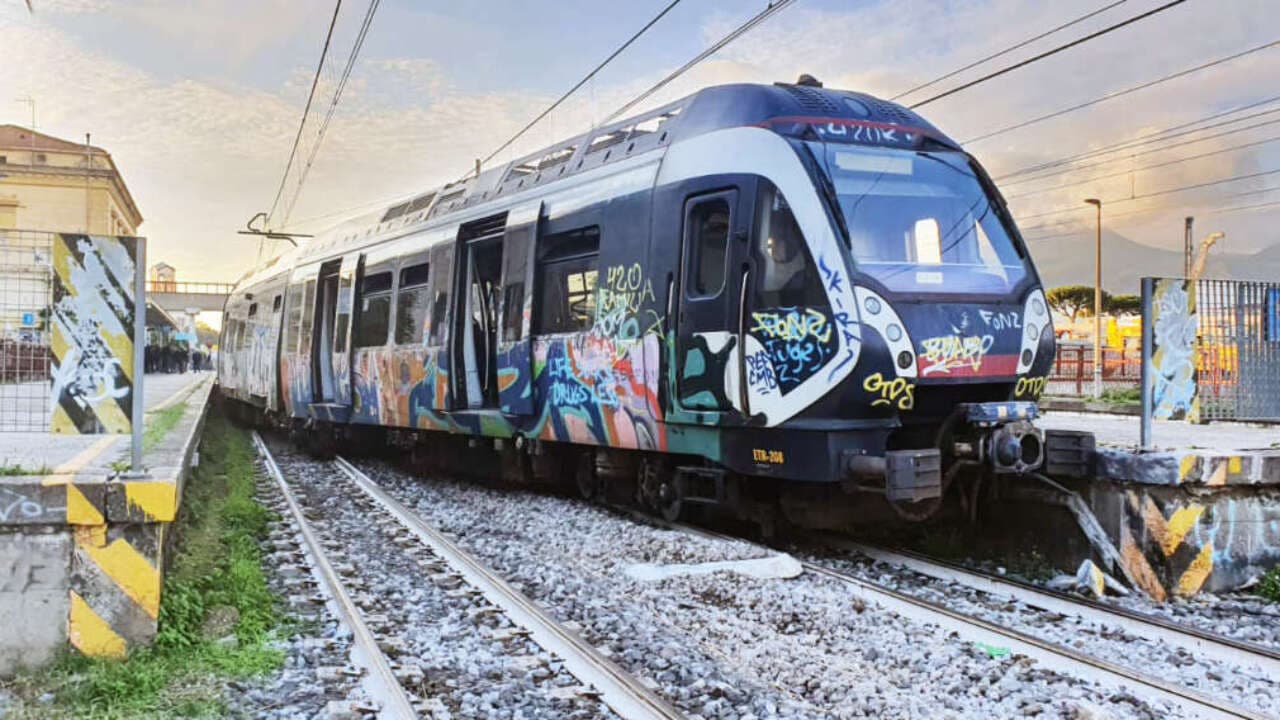
Napoli Garibaldi (train station) · 75 min
Direct rail line from Naples Central through Pompeii and Herculaneum to the Sorrento terminus. The cheapest option, busy in summer.
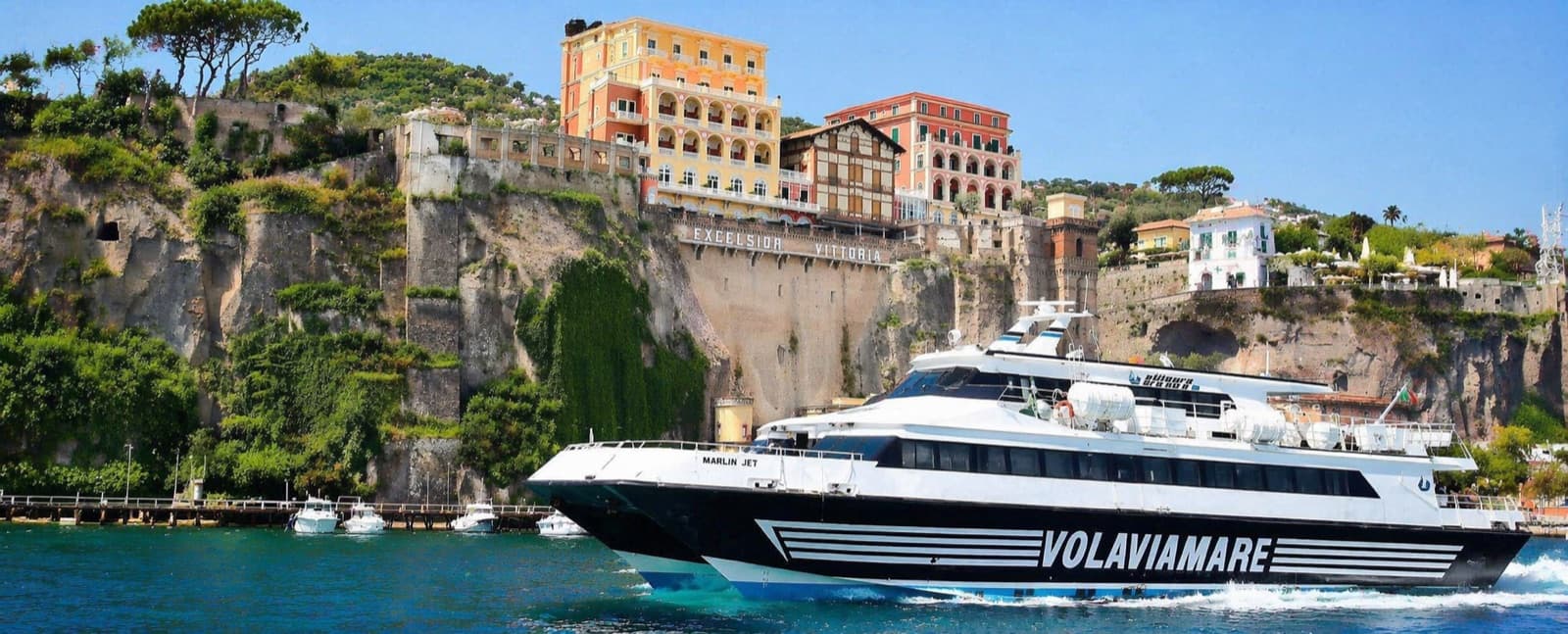
Napoli Beverello port · 45 min
Fast hydrofoil across the Bay of Naples — scenic, quick when the sea is calm. Seasonal service, weather cancellations possible.
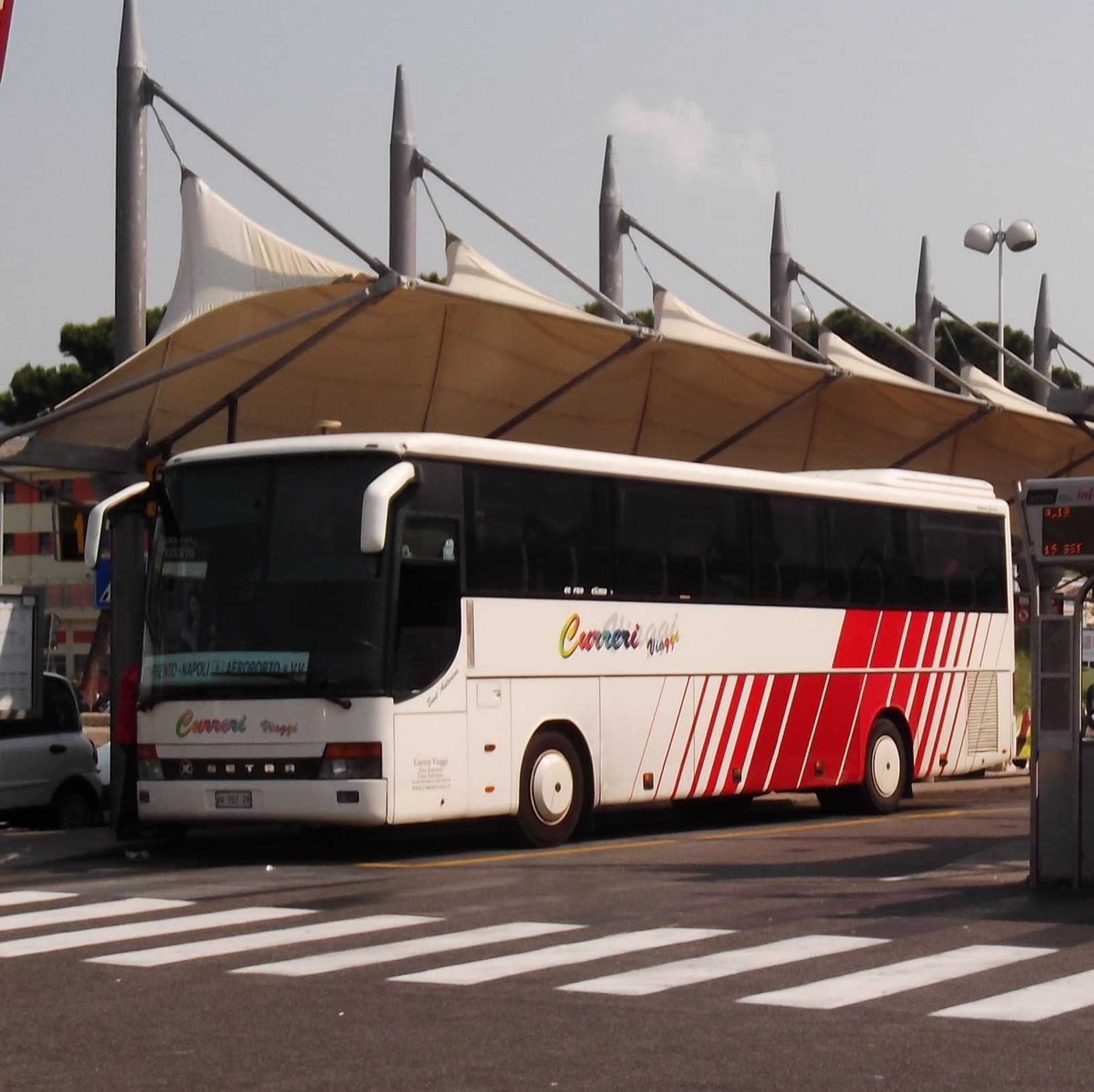
Naples Airport (NAP) · 80 min
Direct coach from airport arrivals to Sorrento centre, 8 departures per day. Budget option with luggage hold included.

A3 motorway, exit Castellammare · 55 min
A3 to Castellammare exit, then SS145 to Sorrento. Parking inside the historic centre is extremely limited — hotel garages recommended.
Desde grandes hoteles de la Belle Époque sobre los acantilados de toba hasta apartamentos entre limoneros en el centro histórico y B&B familiares a lo largo de Marina Grande. El pueblo se cruza de punta a punta en 20 minutos a pie: elige por las vistas y el ambiente, no por la distancia.
Piazza Tasso al atardecer, el Museo Correale, clases de cocina entre limoneros, buceo en Punta Campanella, el inicio del Sentiero degli Dei en la cercana Bomerano. Sorrento es pequeña, pero es la base logística para todo lo que ofrece la Península.
7h 30m

6h
3h
2h 30m
12h
4h

4h
2h
32h
4h
2h 30m
3h
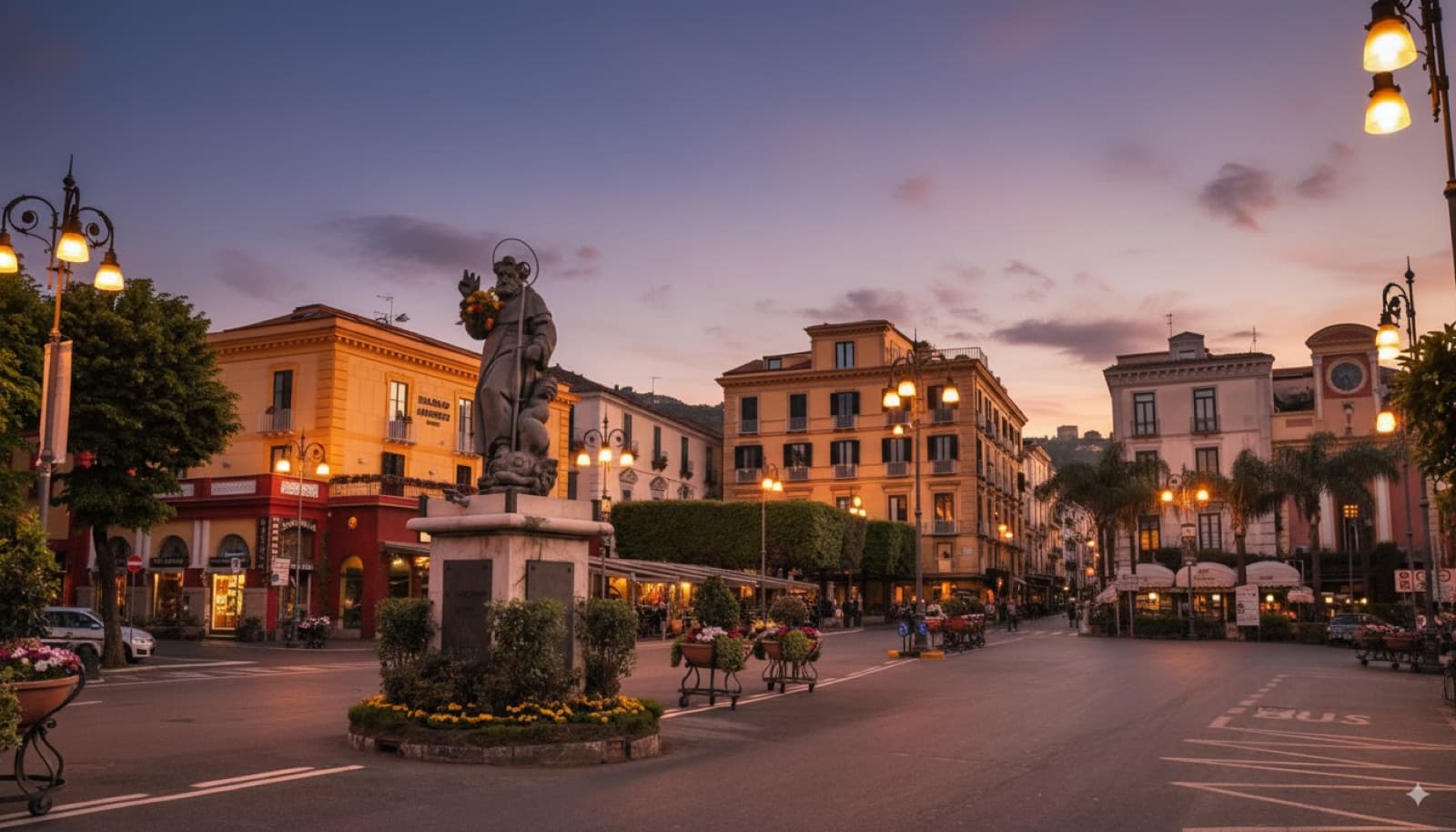
The square named after the poet Torquato Tasso is where Sorrento gathers at dusk — locals on the café terraces, the bell of the Carmine church, the horse-drawn carriages lit by the low sun.
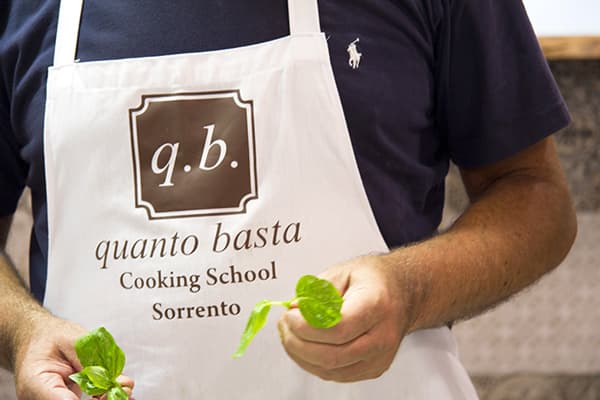
Gnocchi alla sorrentina, ravioli capresi and limoncello from scratch — under a pergola of lemons on the Sorrento hills, with a nonna who speaks more with her hands than in English.
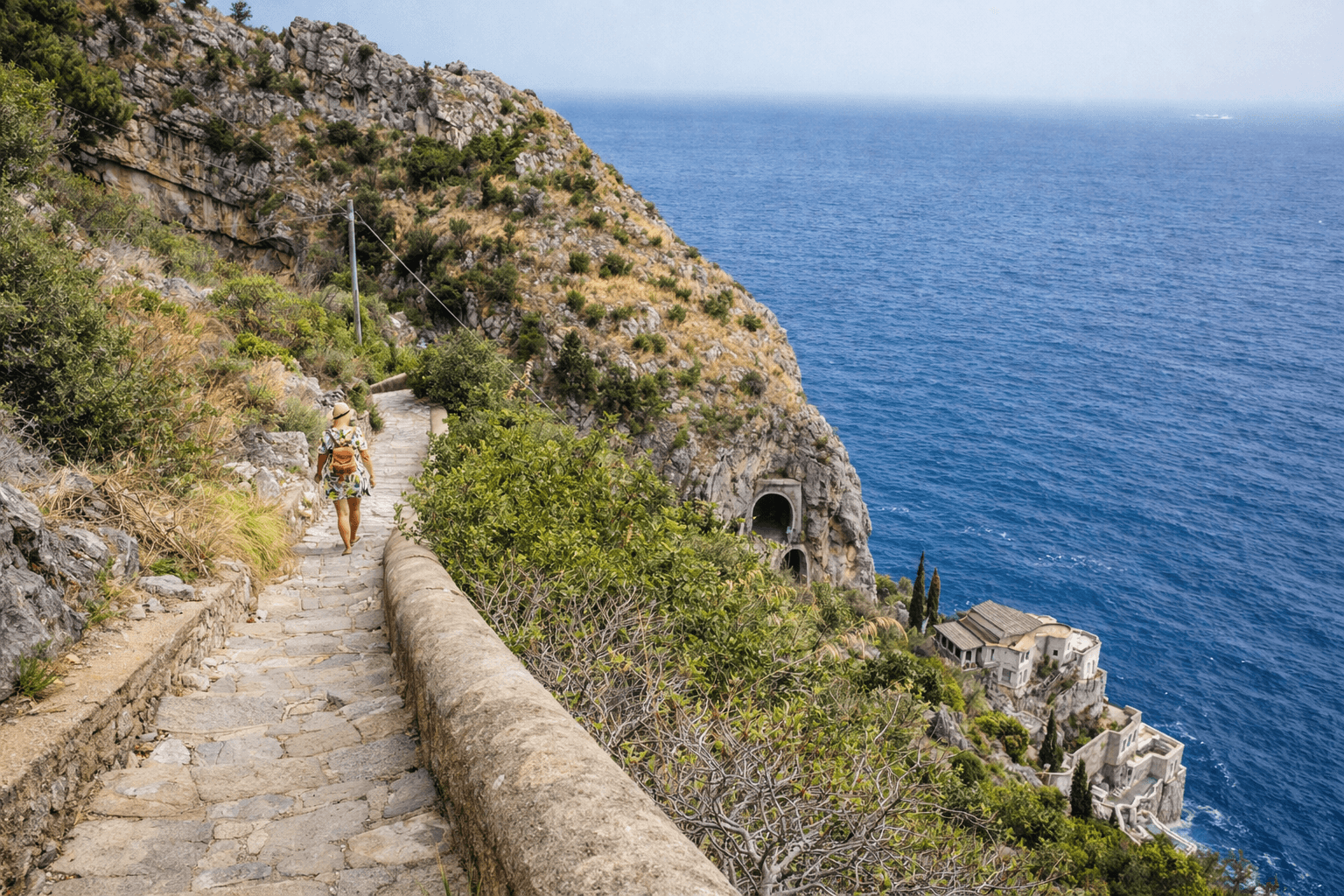
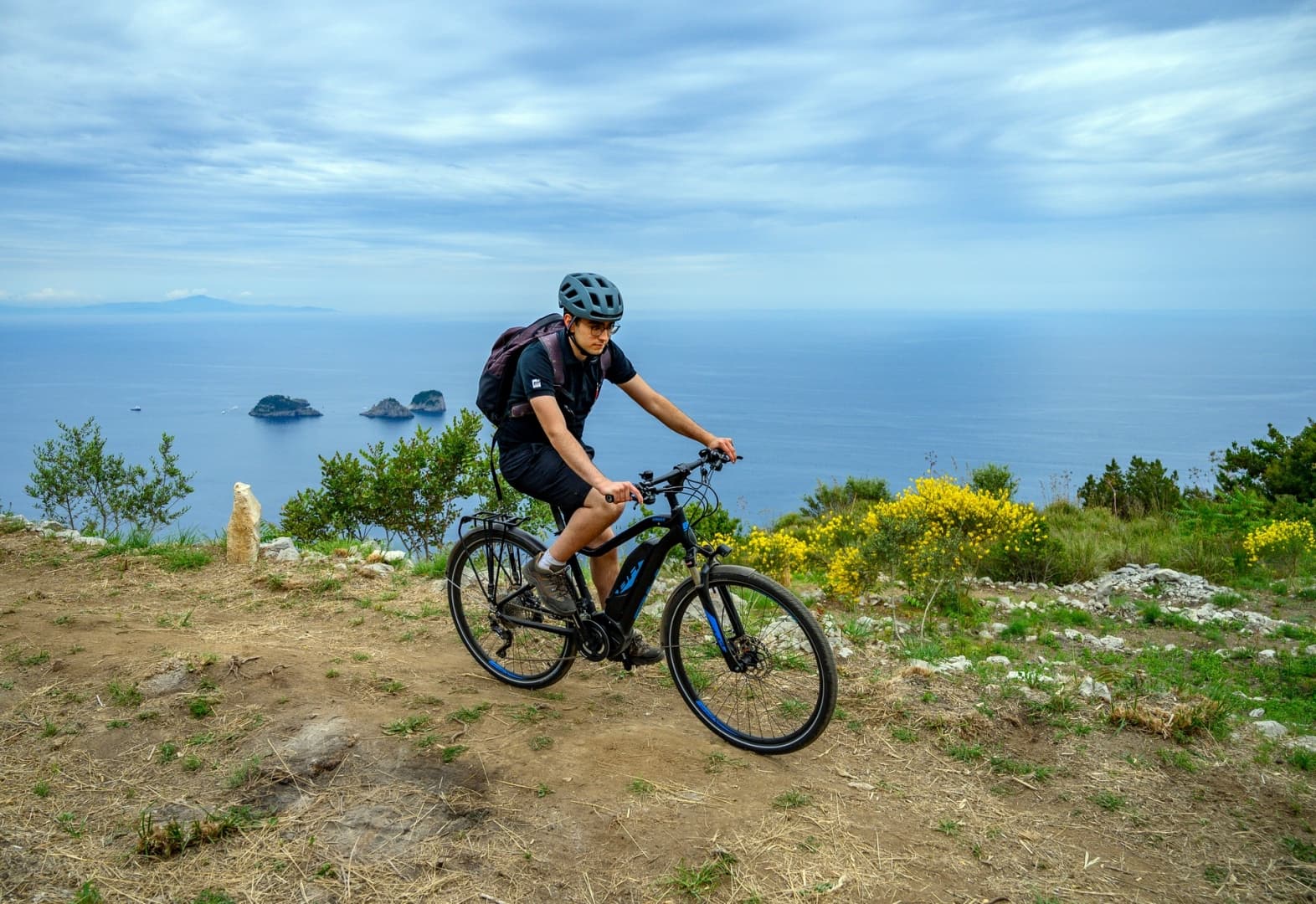
Three hours from Bomerano to Nocelle along a high balcony carved into the Lattari cliffs — one of Italy's most celebrated coastal walks, reachable by a short transfer from Sorrento.
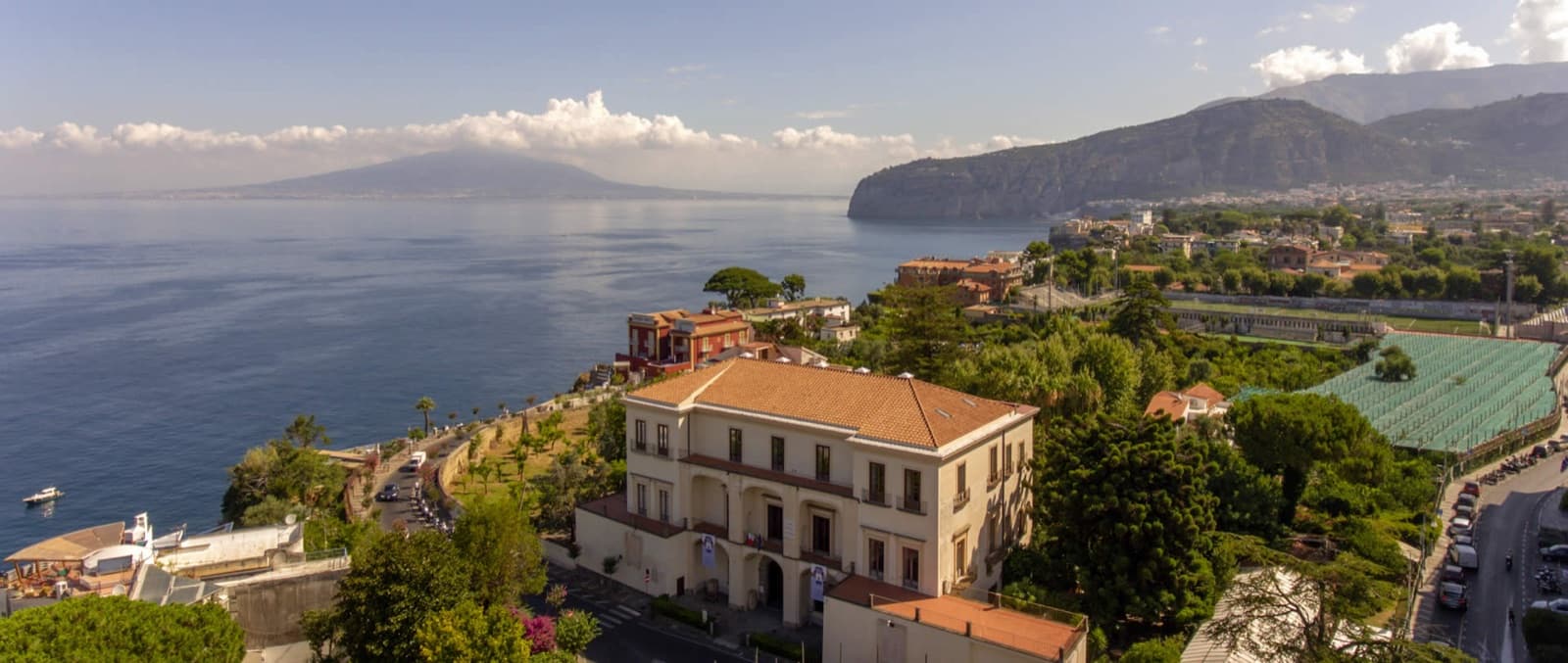
An 18th-century aristocratic villa turned museum: Neapolitan painting, Capodimonte porcelain, a citrus garden that ends on a clifftop belvedere over the sea.
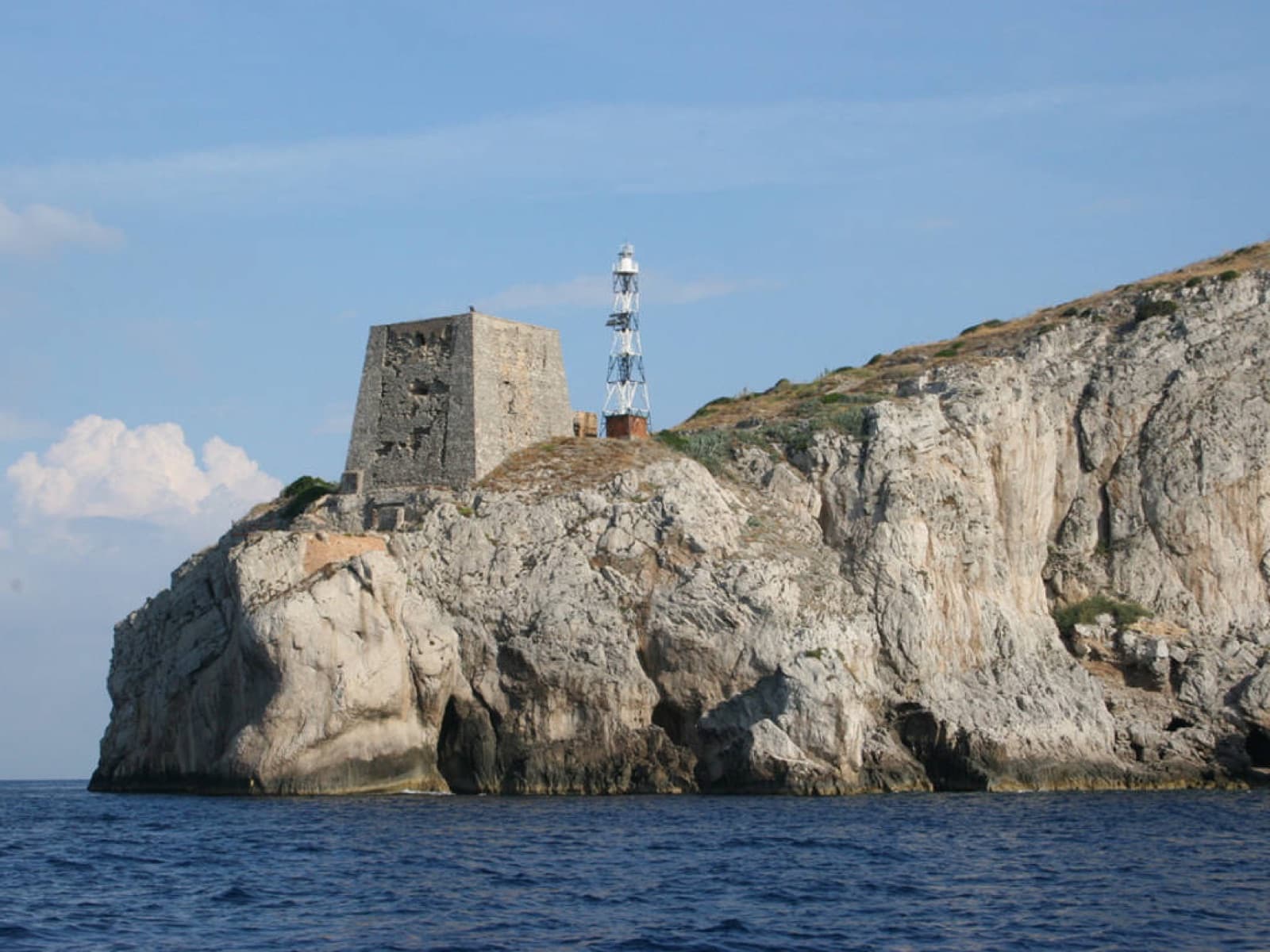
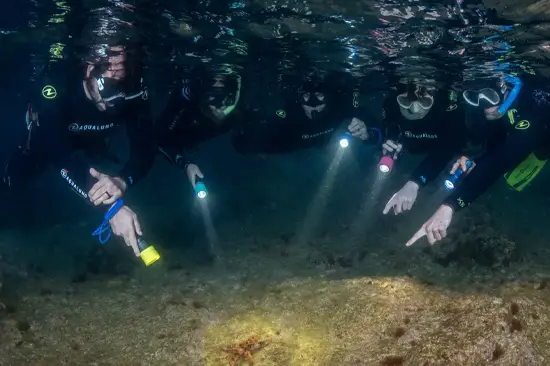
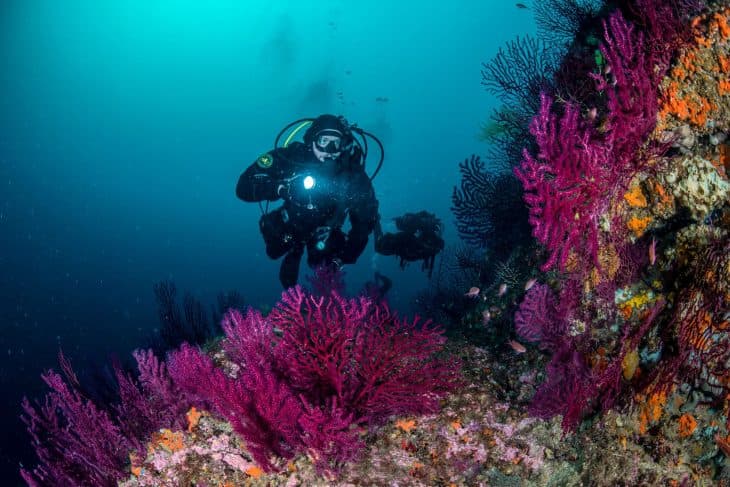
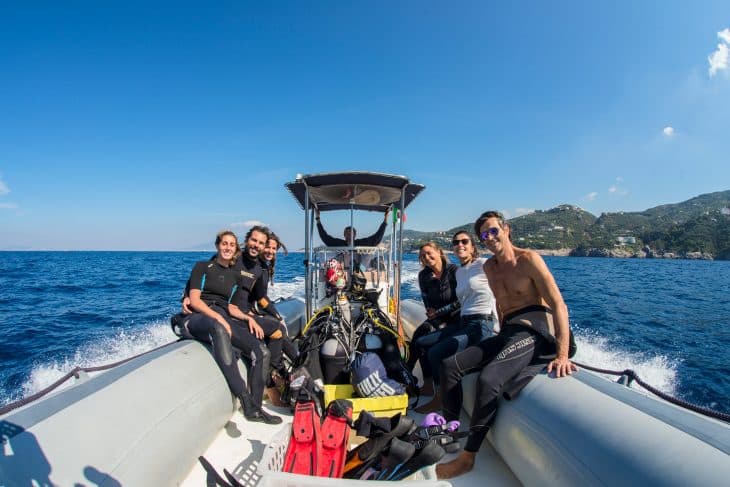
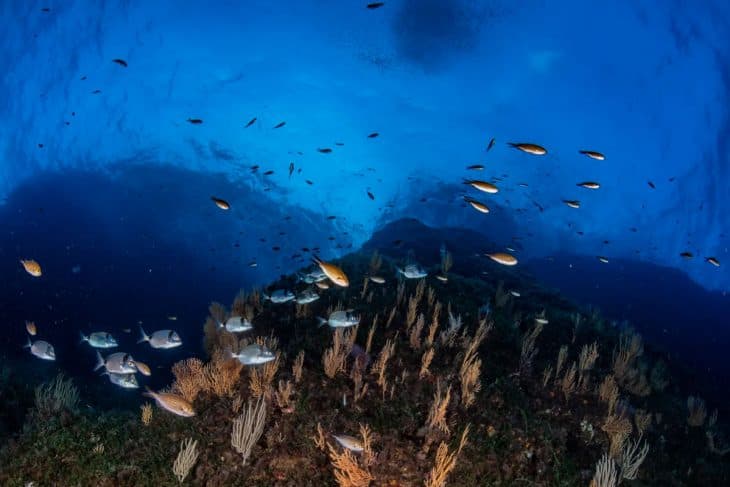
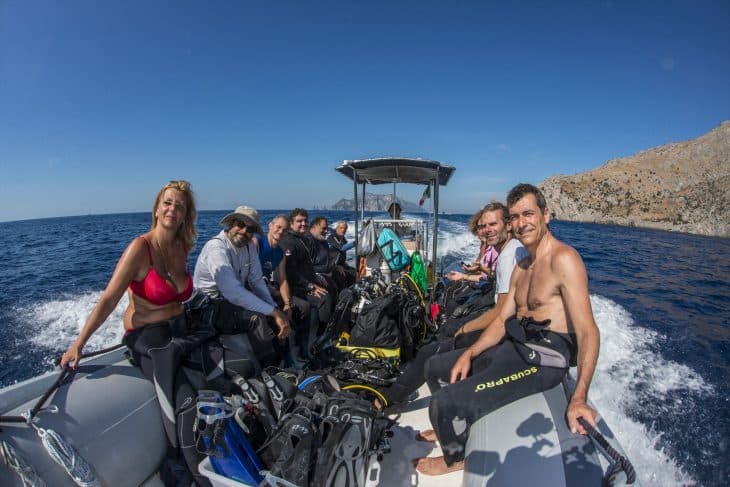
The protected cape at the tip of the peninsula is a PADI playground: Roman ruins underwater, grouper and barracuda, caves carved by the Tyrrhenian. Courses from discover to advanced.
Gnocchi alla sorrentina con mozzarella fresca, el pastel delizia al limone, cassata y babà con limoncello. Pescado en Marina Grande, pizza en Piazza Lauro, ravioli capresi en el casco antiguo. El cítrico es el protagonista en cada plato.
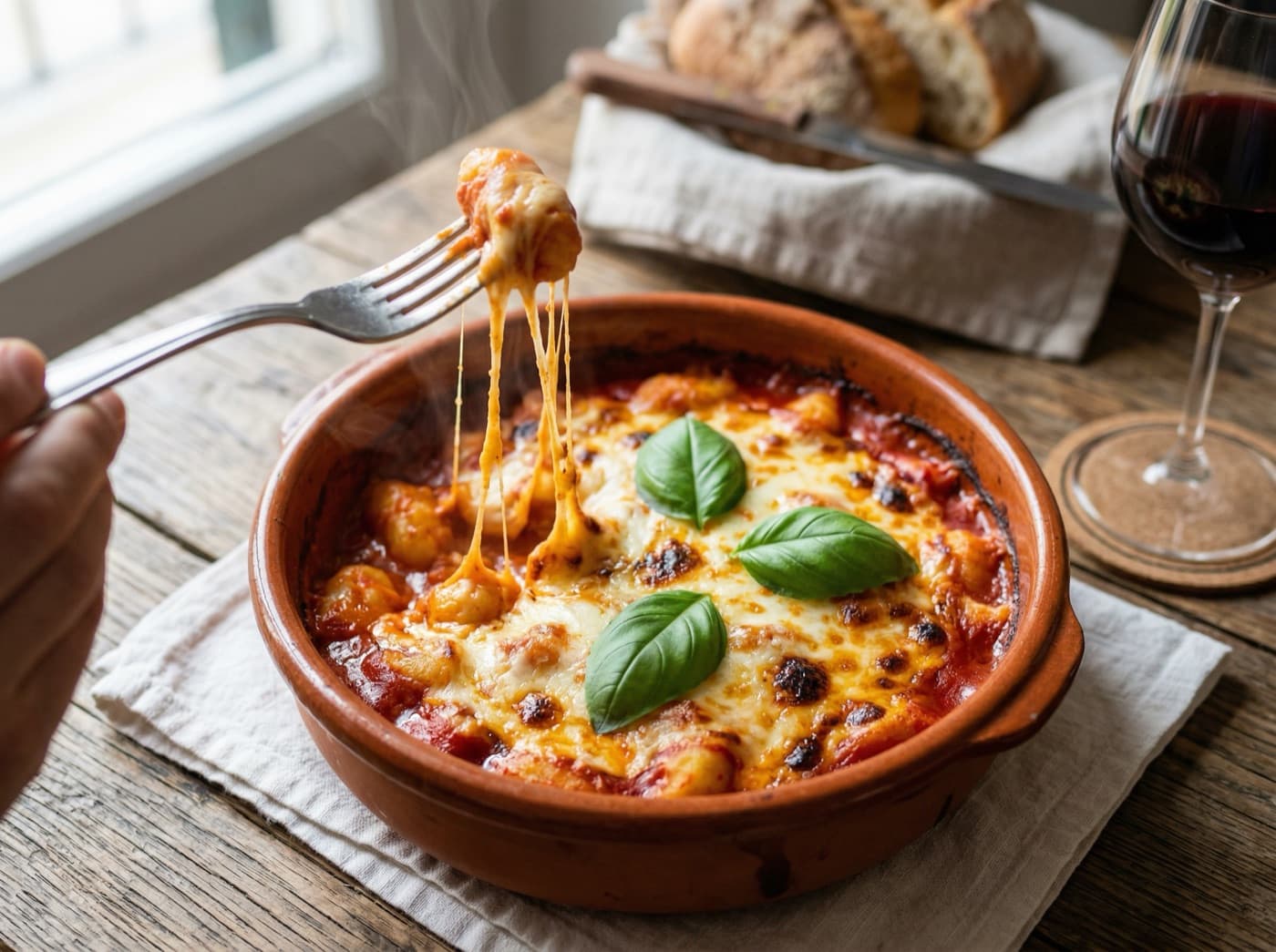
The dish born here: potato gnocchi baked in clay pots with San Marzano tomato, fresh fior di latte and basil. Melted mozzarella stretches across the spoon — the measure of a good trattoria.
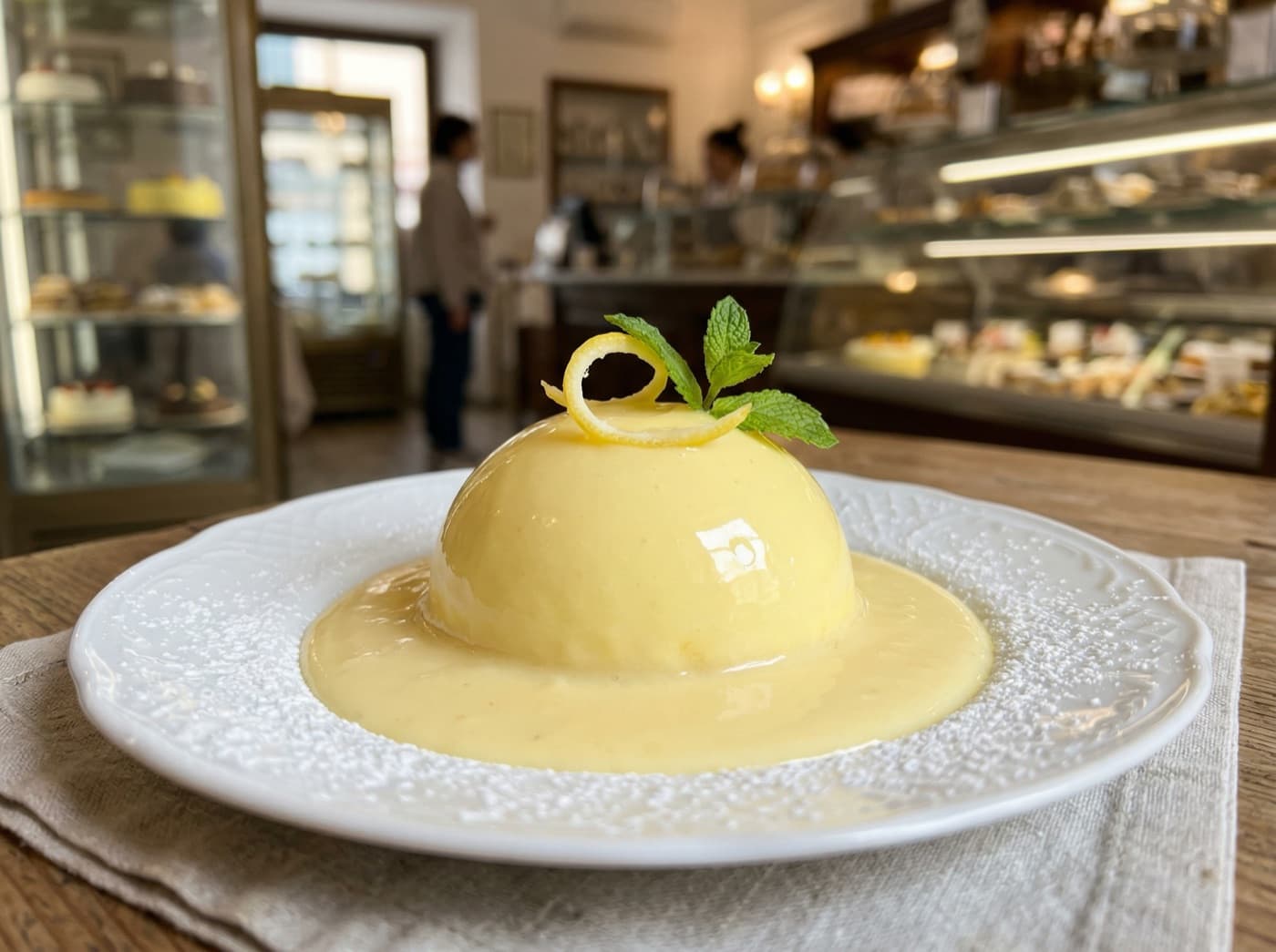
A domed sponge cake filled with lemon cream, glazed in more lemon cream and finished with an IGP Sorrento lemon zest. Every pasticceria has its version — try at least two.
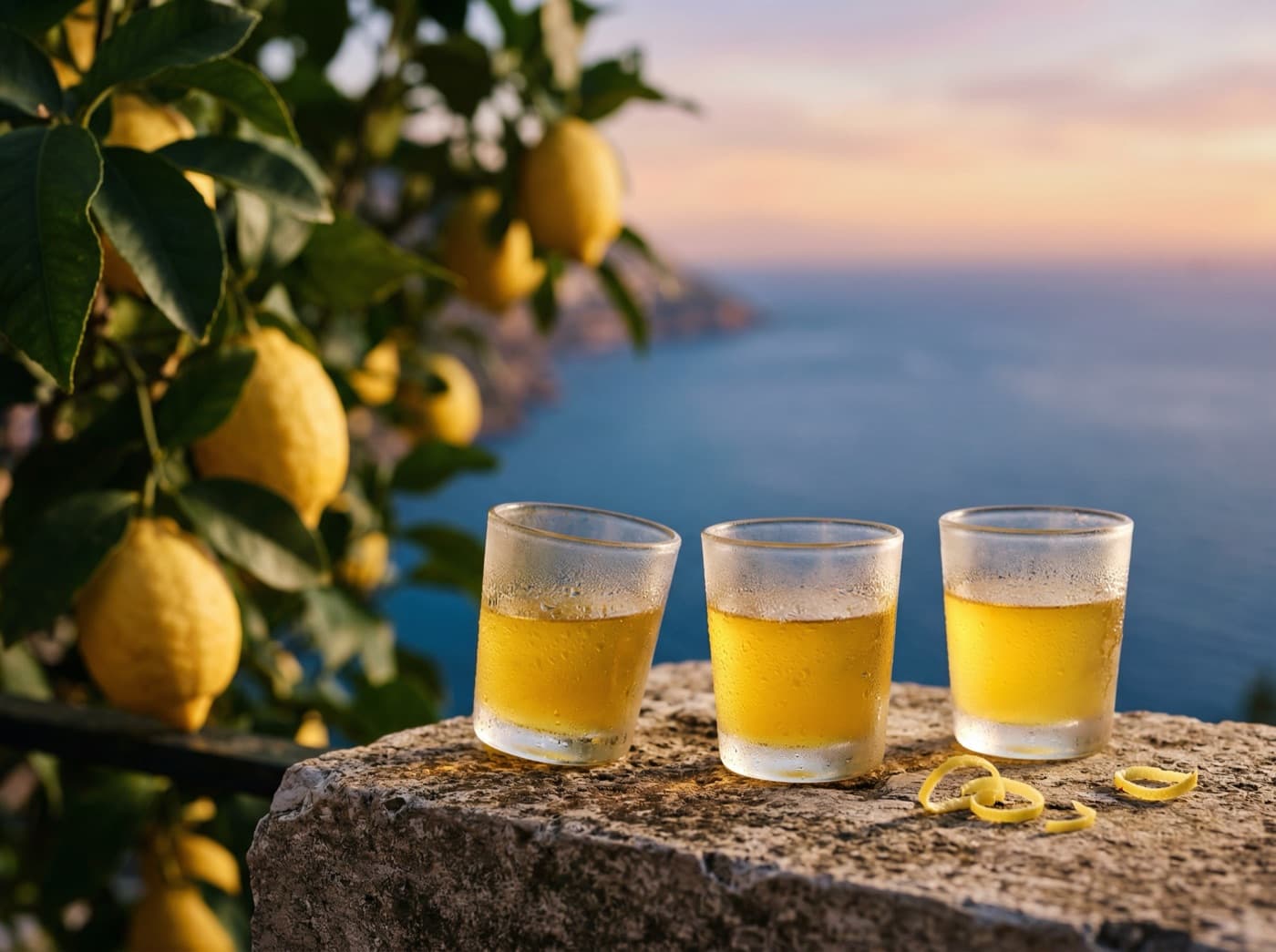
Sorrento is the historic home of limoncello. Visit the family producers, tour the lemon groves, taste the difference between industrial versions and the handmade ones — served ice-cold in frozen ceramic cups.
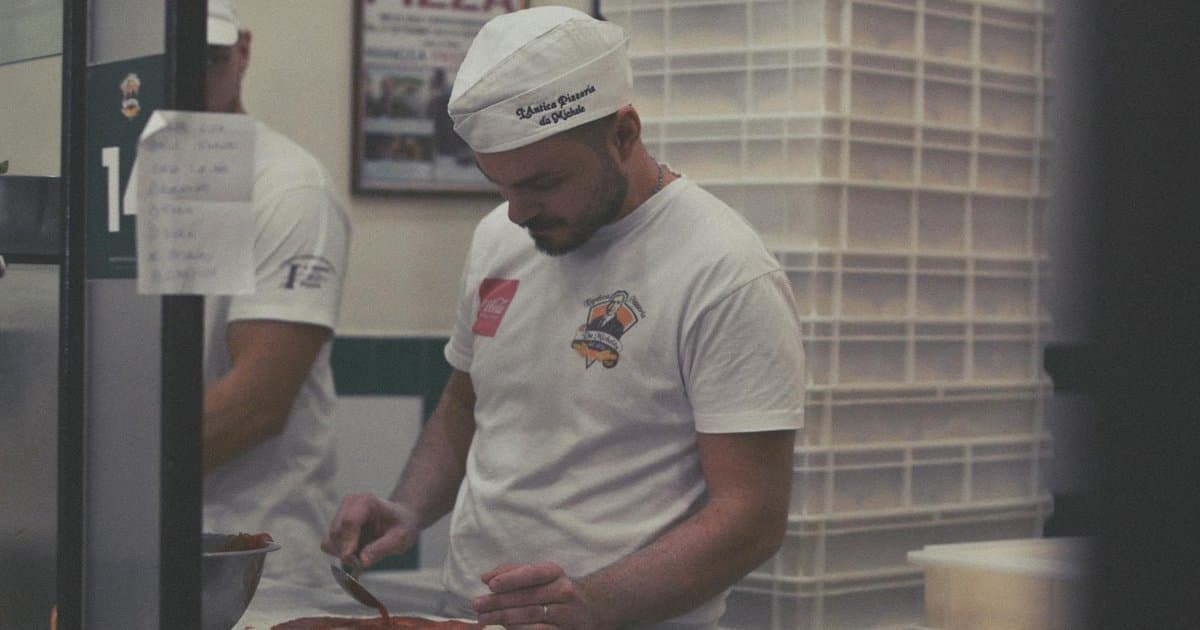
Cuoppo of fried seafood at Marina Grande, pizza a portafoglio folded in four on Via San Cesareo, stuffed zeppole in the alleys. Walk-while-you-eat Sorrento.

Three hours, six tastings, one local guide who knows every nonna behind the counter. The fastest way to eat your way through Sorrento without the tourist traps.
Capri en 25 minutos en hidroala. Pompeya en 30 minutos en Circumvesuviana. Positano en 40 minutos en barco. Amalfi en 1 hora por la carretera costera SS163. Ischia en ferry rápido. Cada excursión icónica de la Costa de Amalfi empieza aquí.
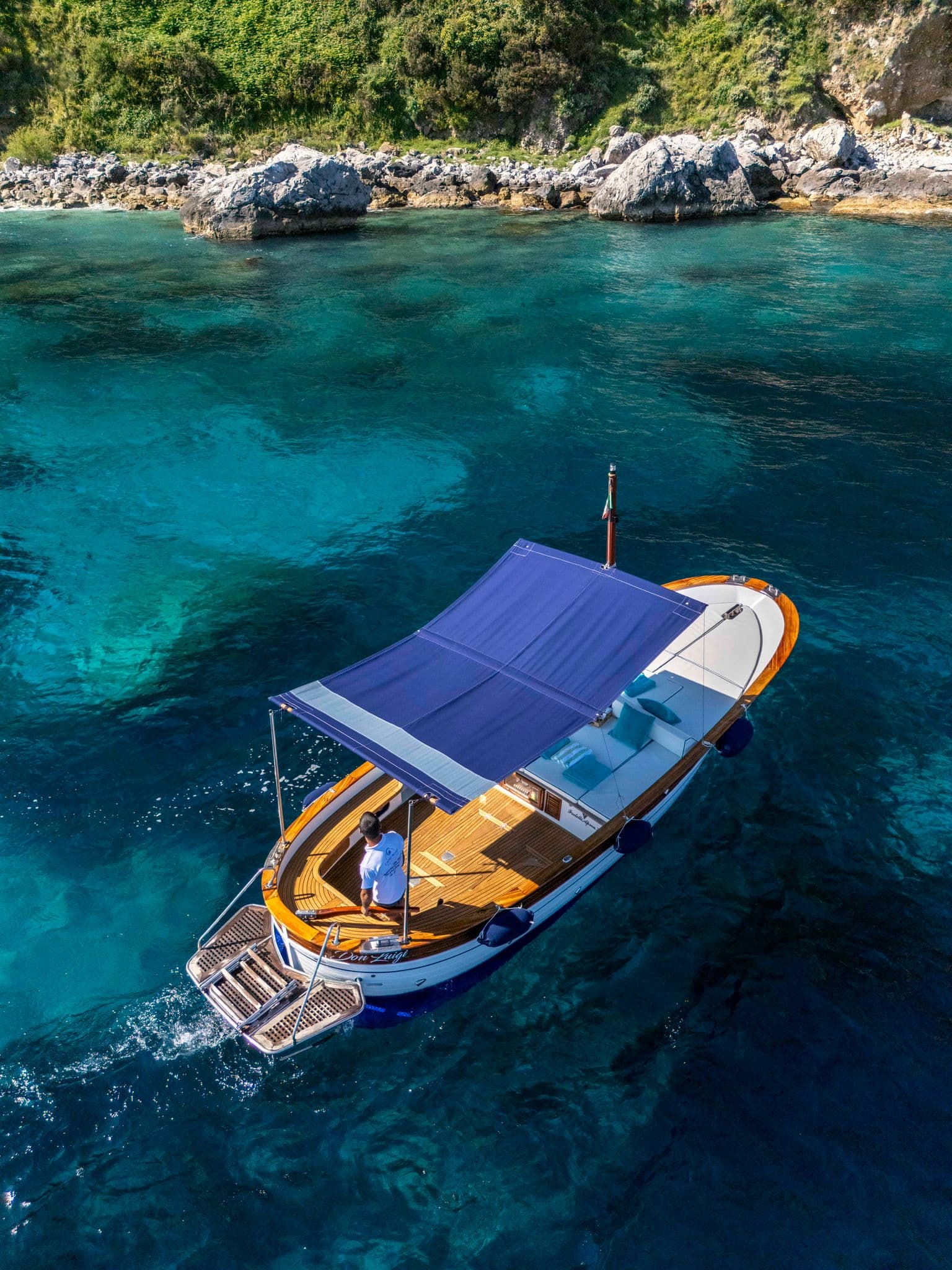
Fratelli Aprea 750 · Hasta 8 huéspedes
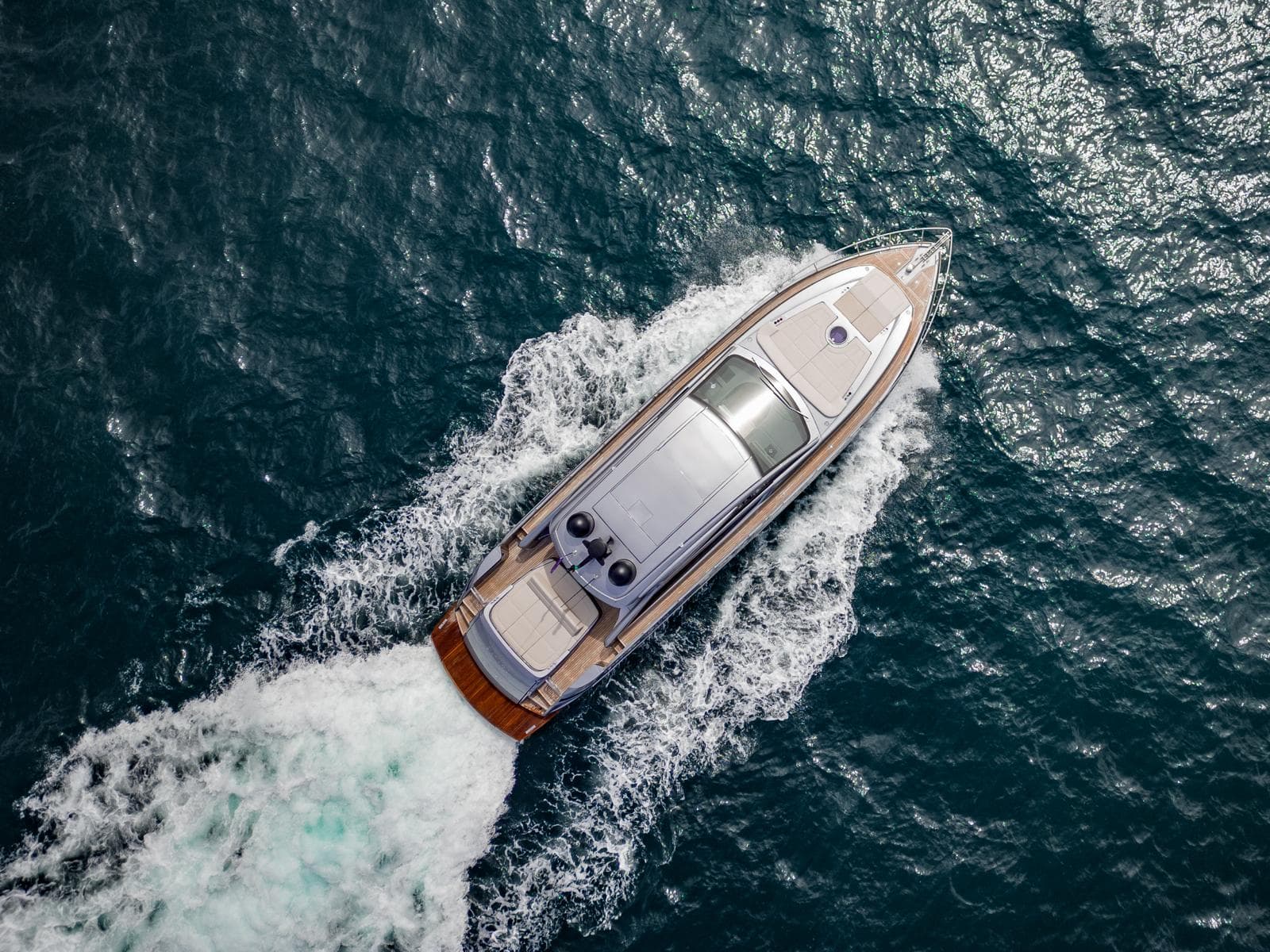
Pershing 6X · Hasta 12 huéspedes
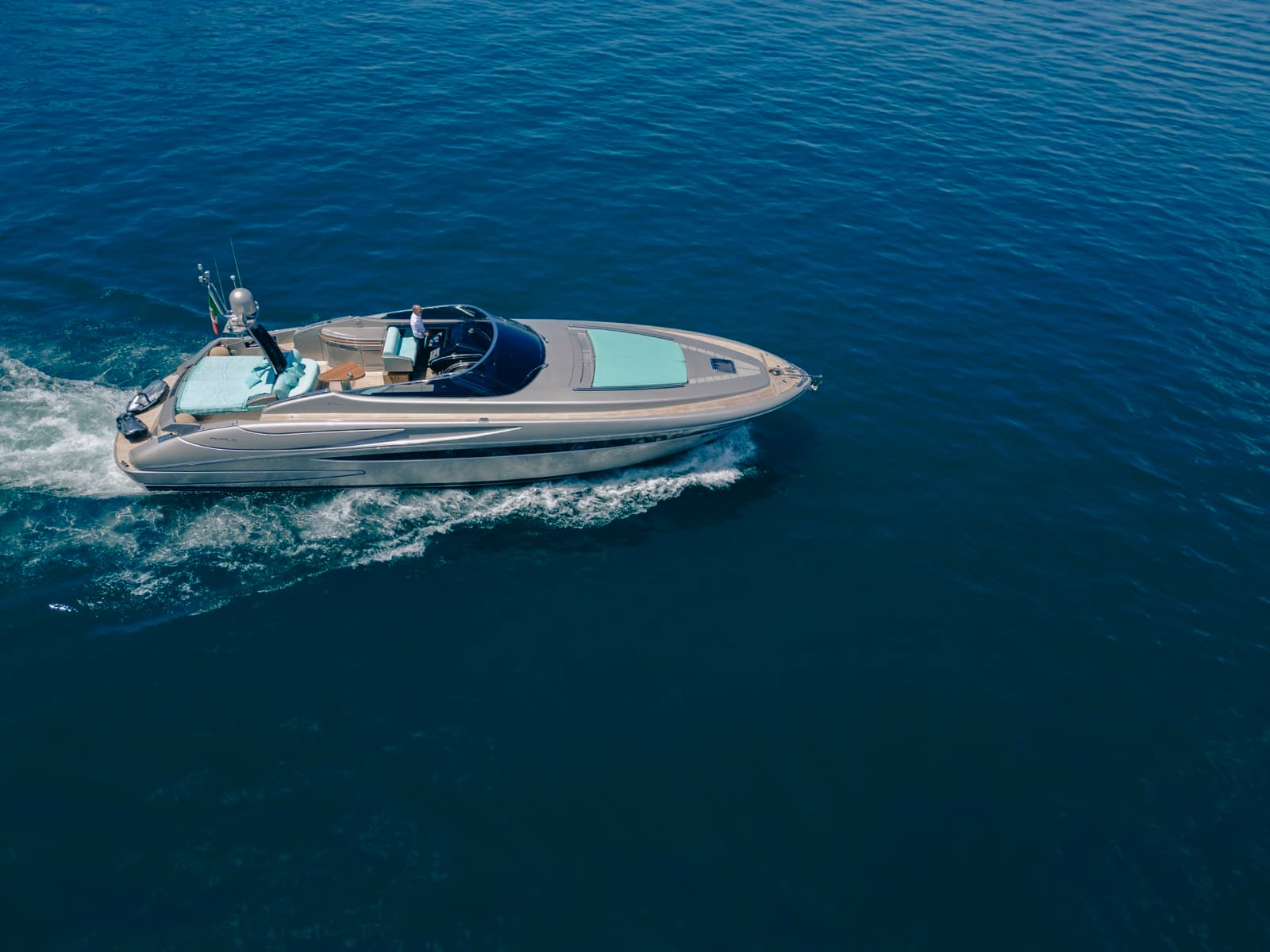
Rivale 52 · Hasta 11 huéspedes
INsix · Hasta 12 huéspedes
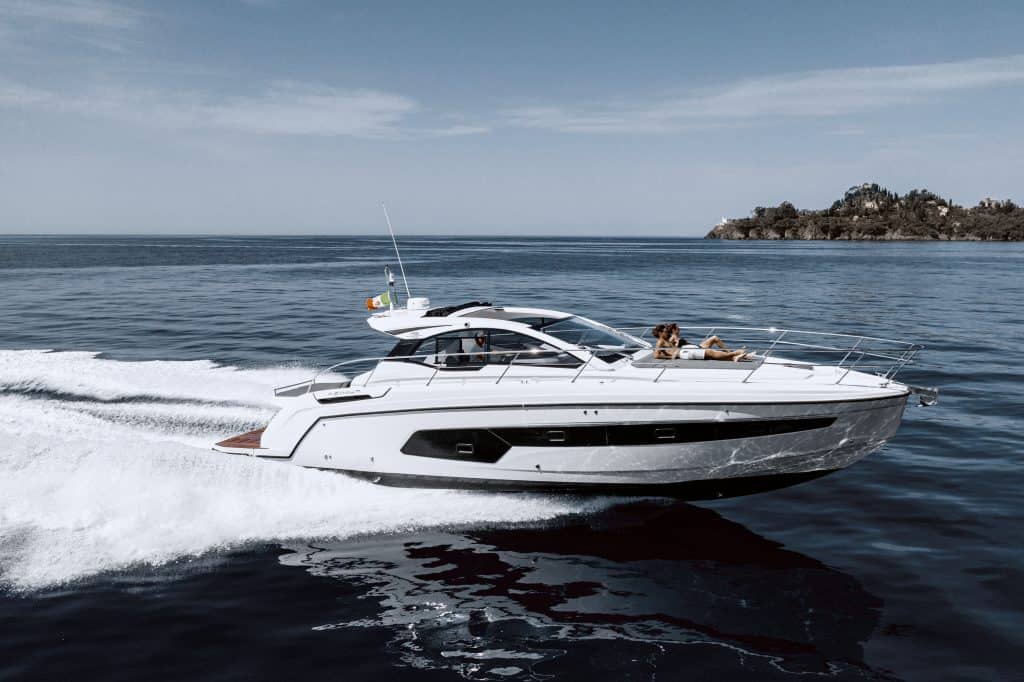
Atlantis 45 · Hasta 12 huéspedes

Gozzo Sorrentino 7.5m · Hasta 7 huéspedes
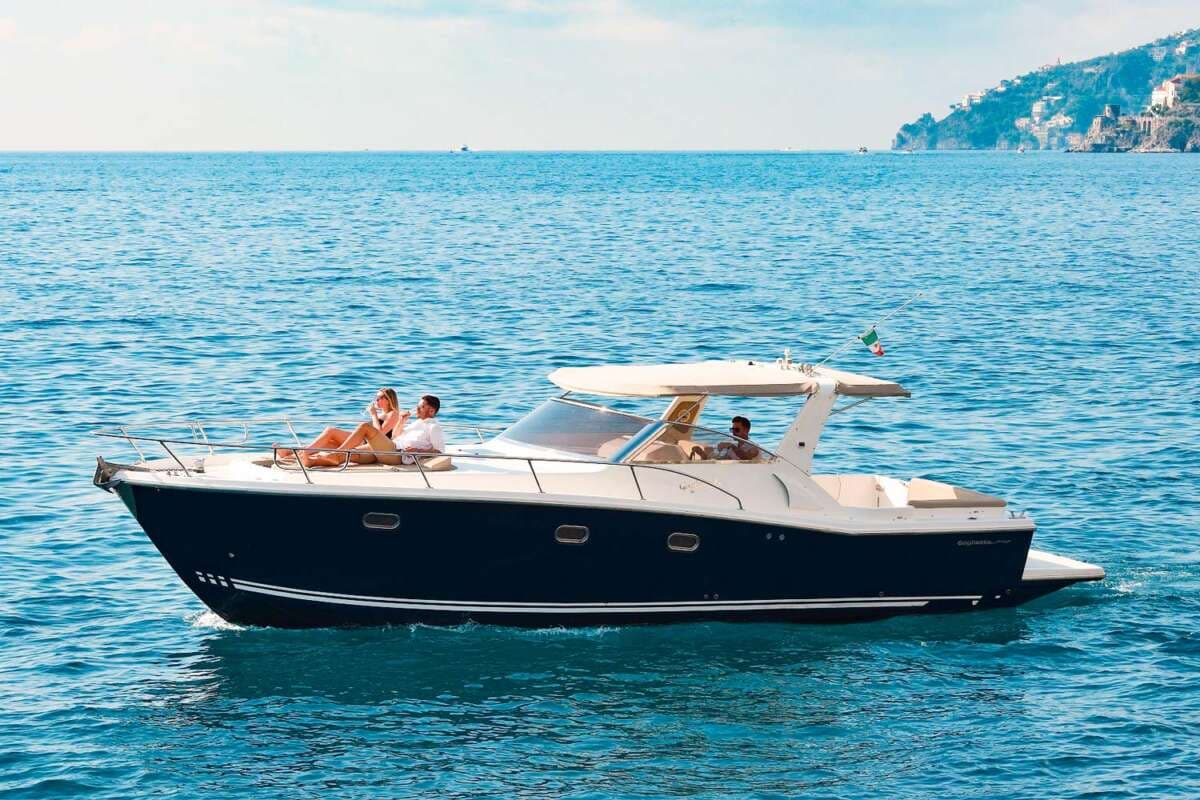
Gagliotta · Hasta 10 huéspedes
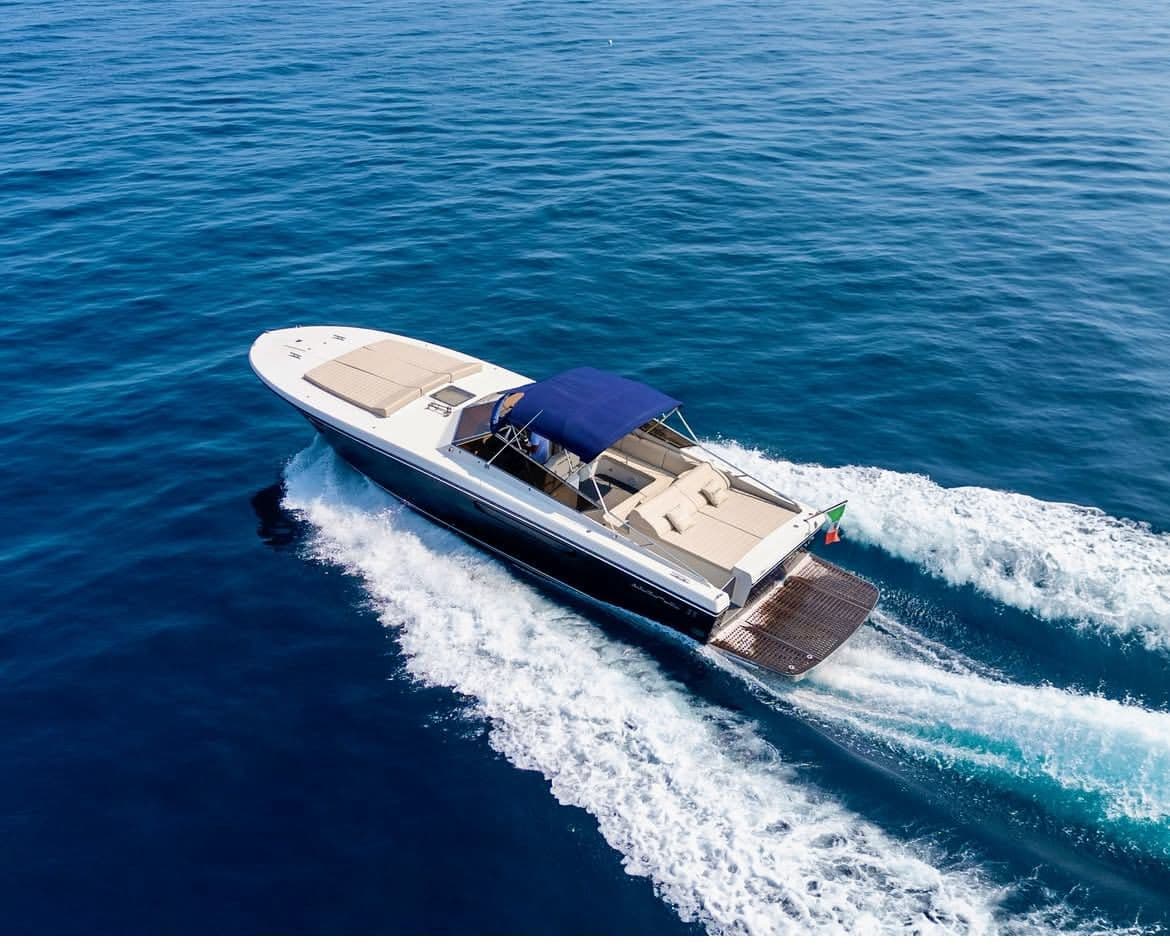
Itama 38 · Hasta 8 huéspedes
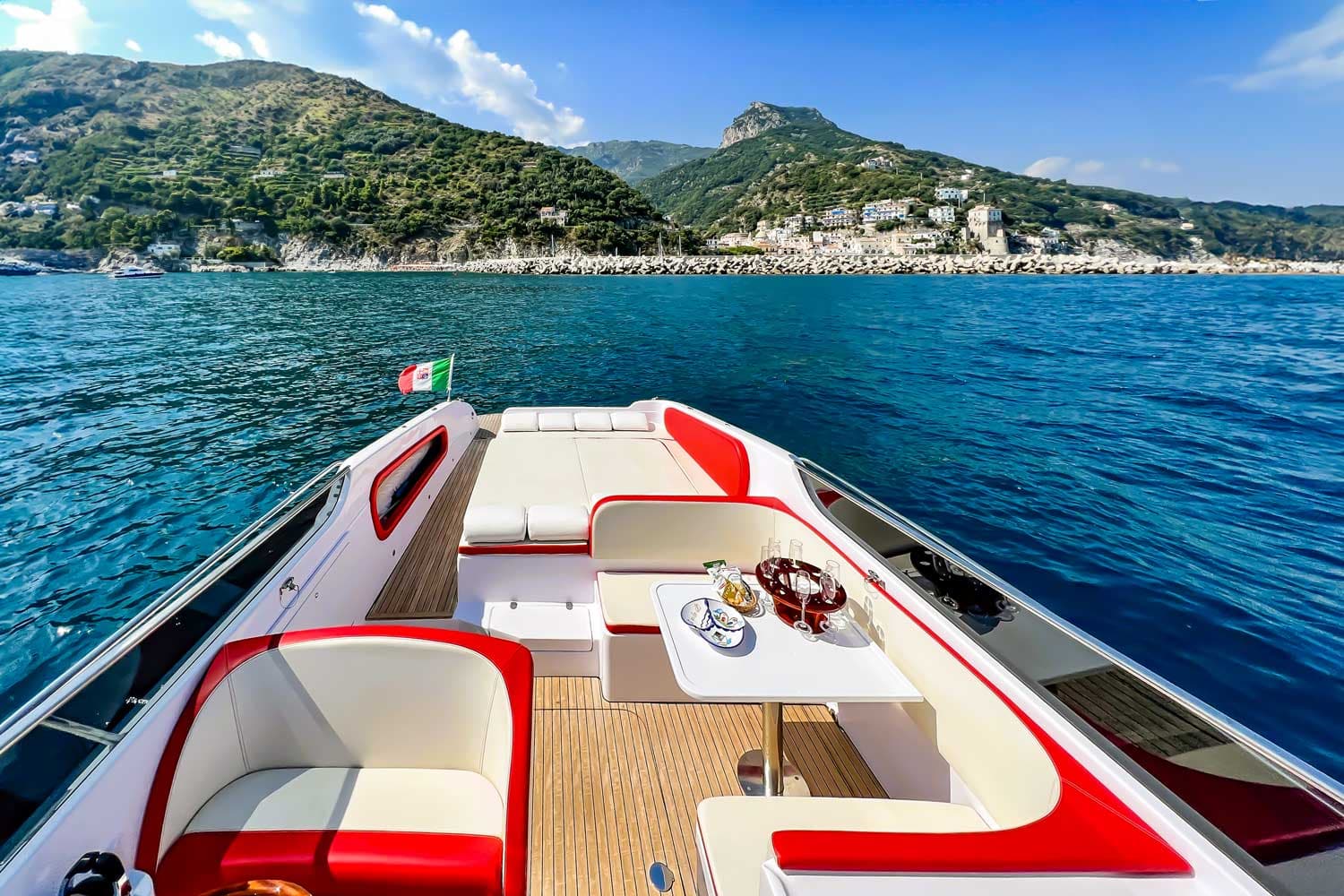
Tullio Abbate · Hasta 10 huéspedes
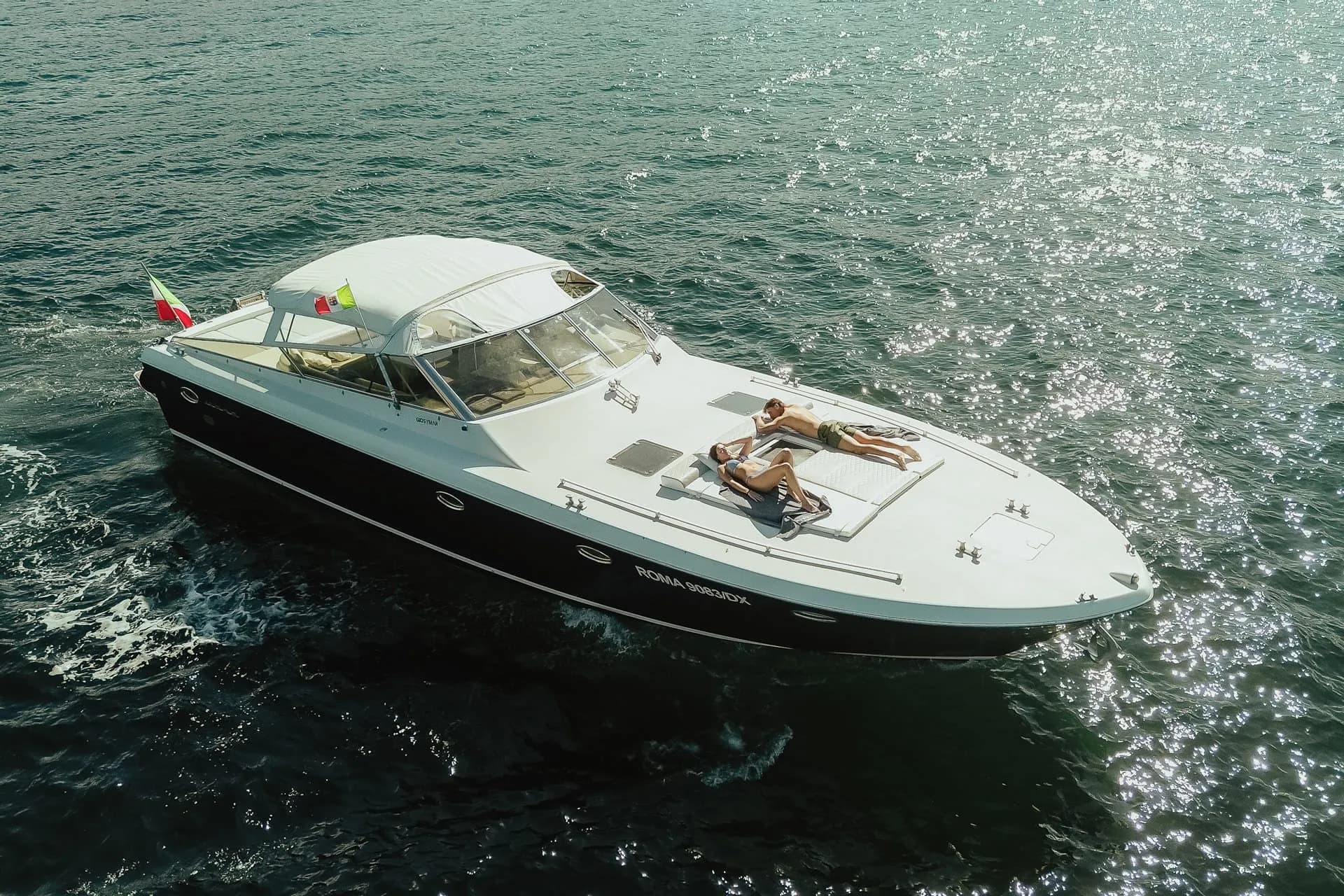
Itama 50 · Hasta 10 huéspedes
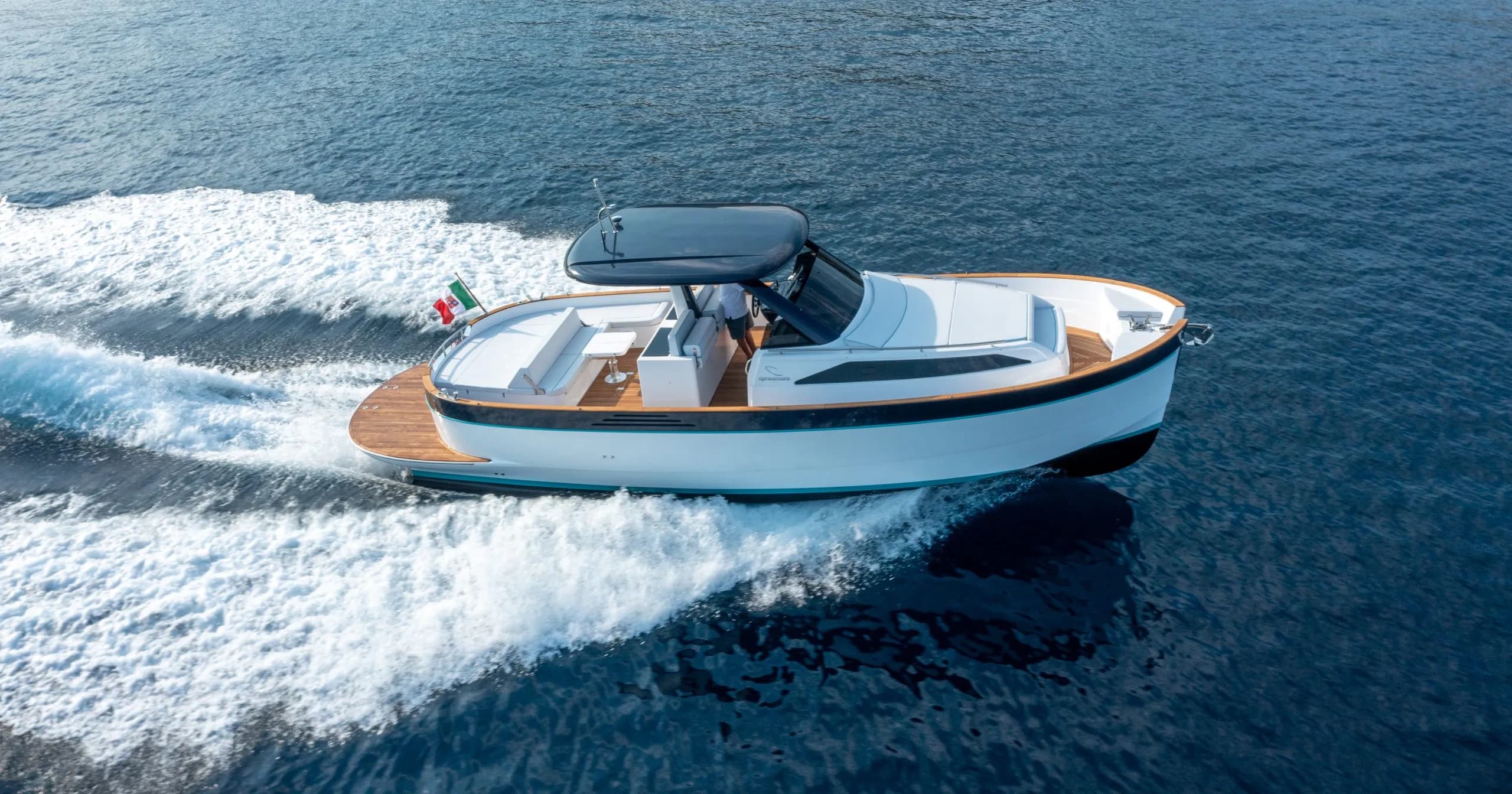
Apreamare · Hasta 12 huéspedes
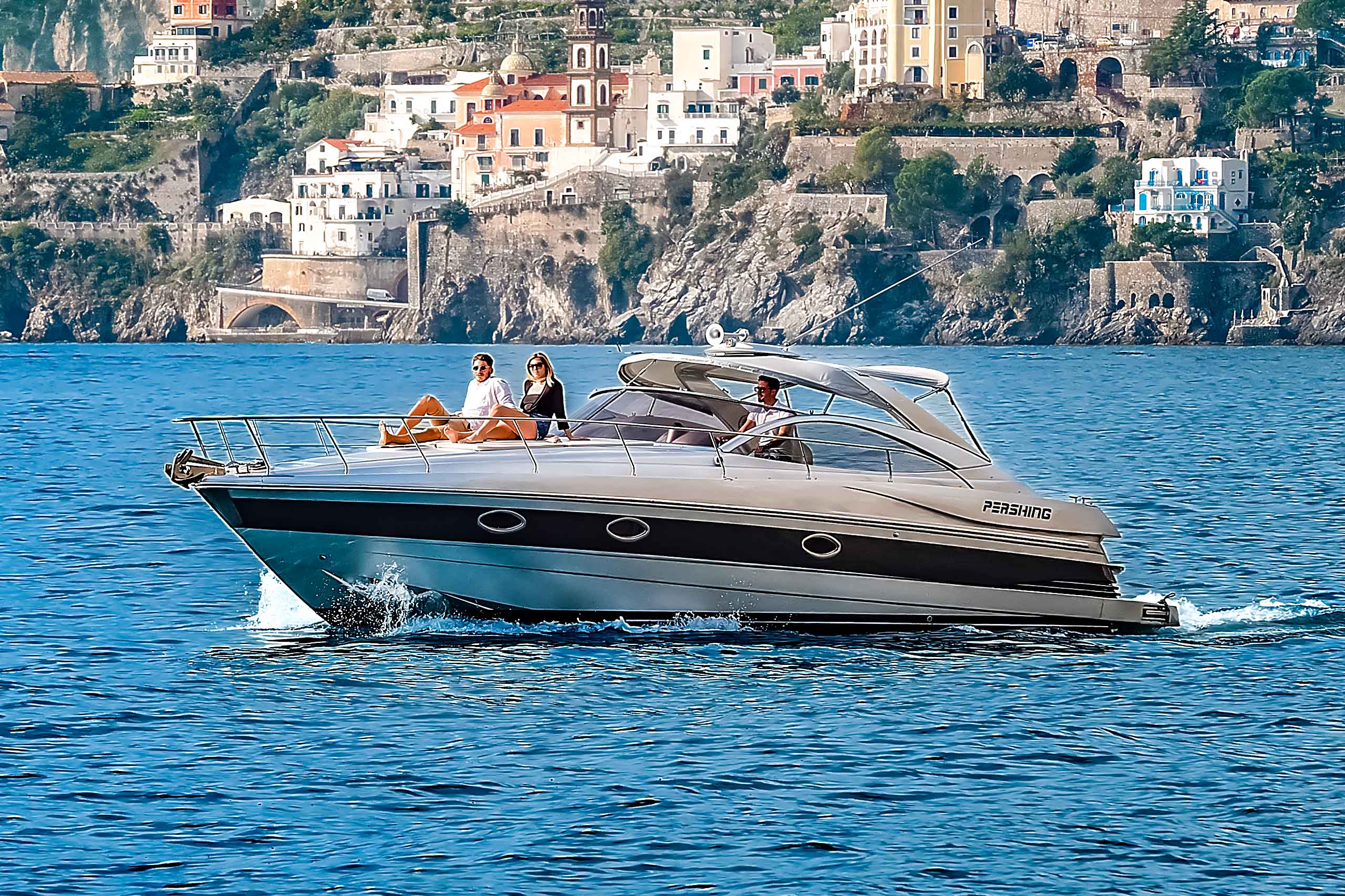
Pershing · Hasta 6 huéspedes
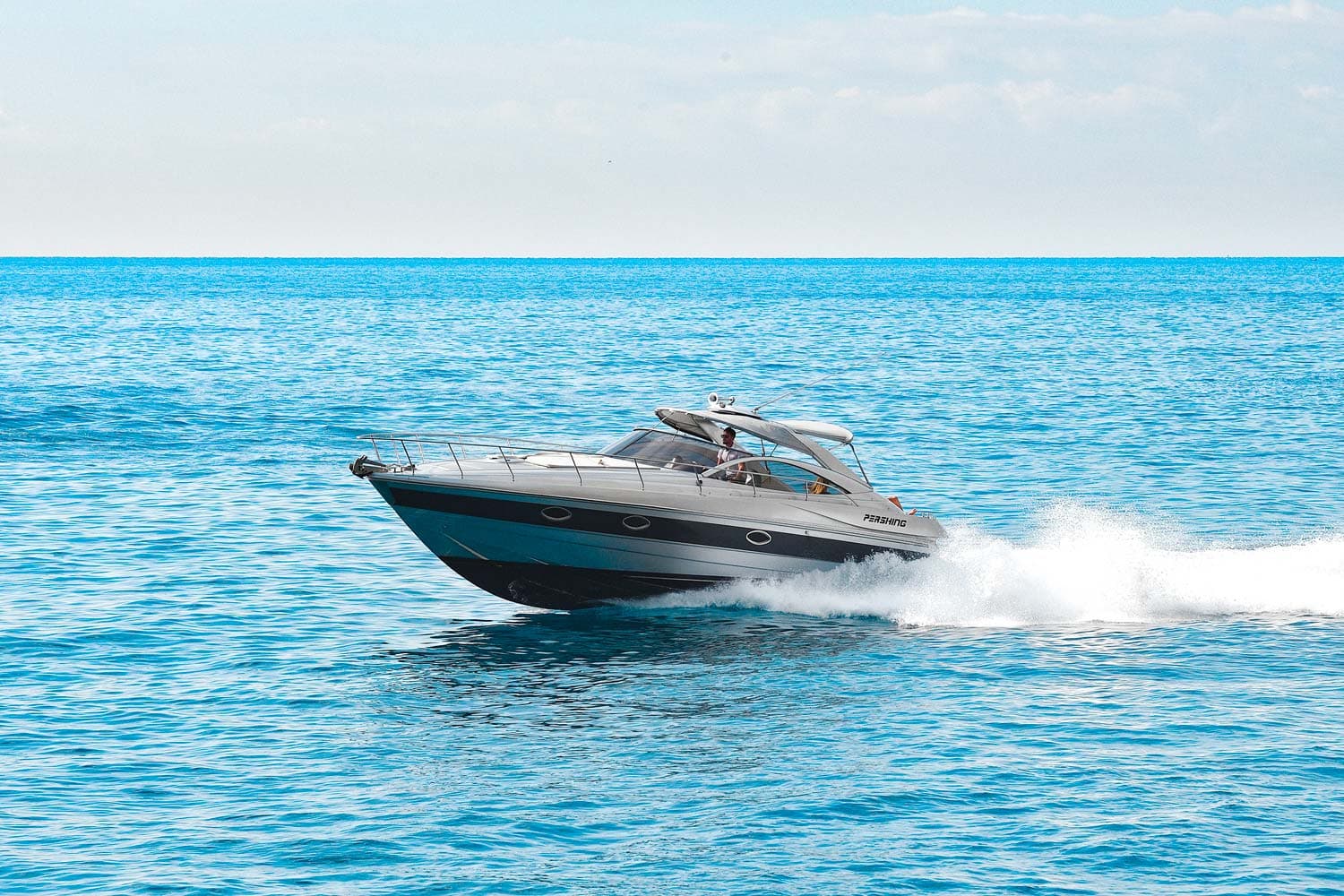
Pershing · Hasta 6 huéspedes
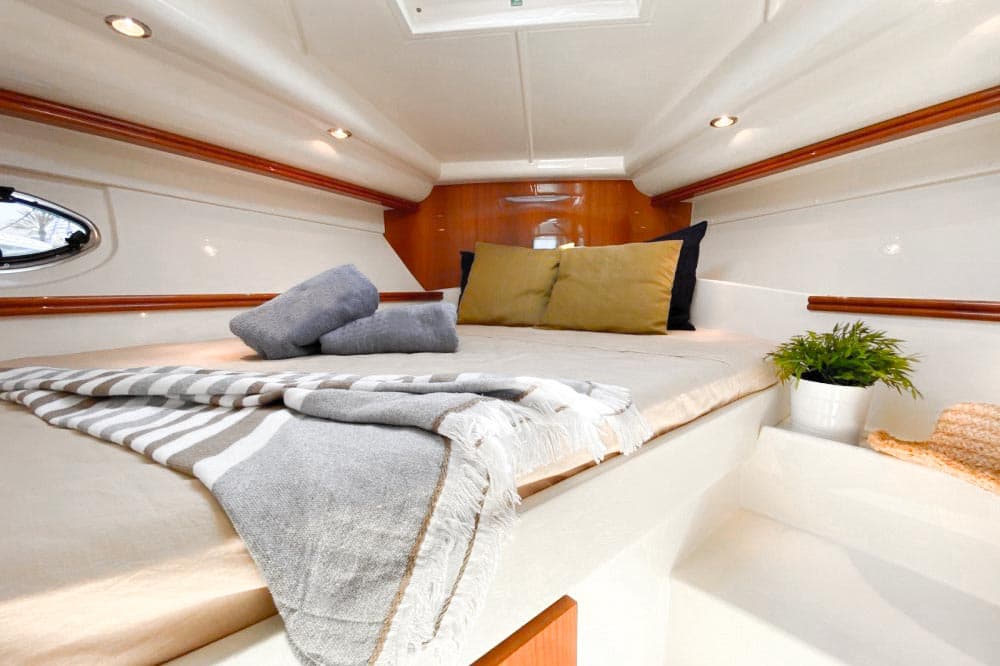
Pershing · Hasta 6 huéspedes
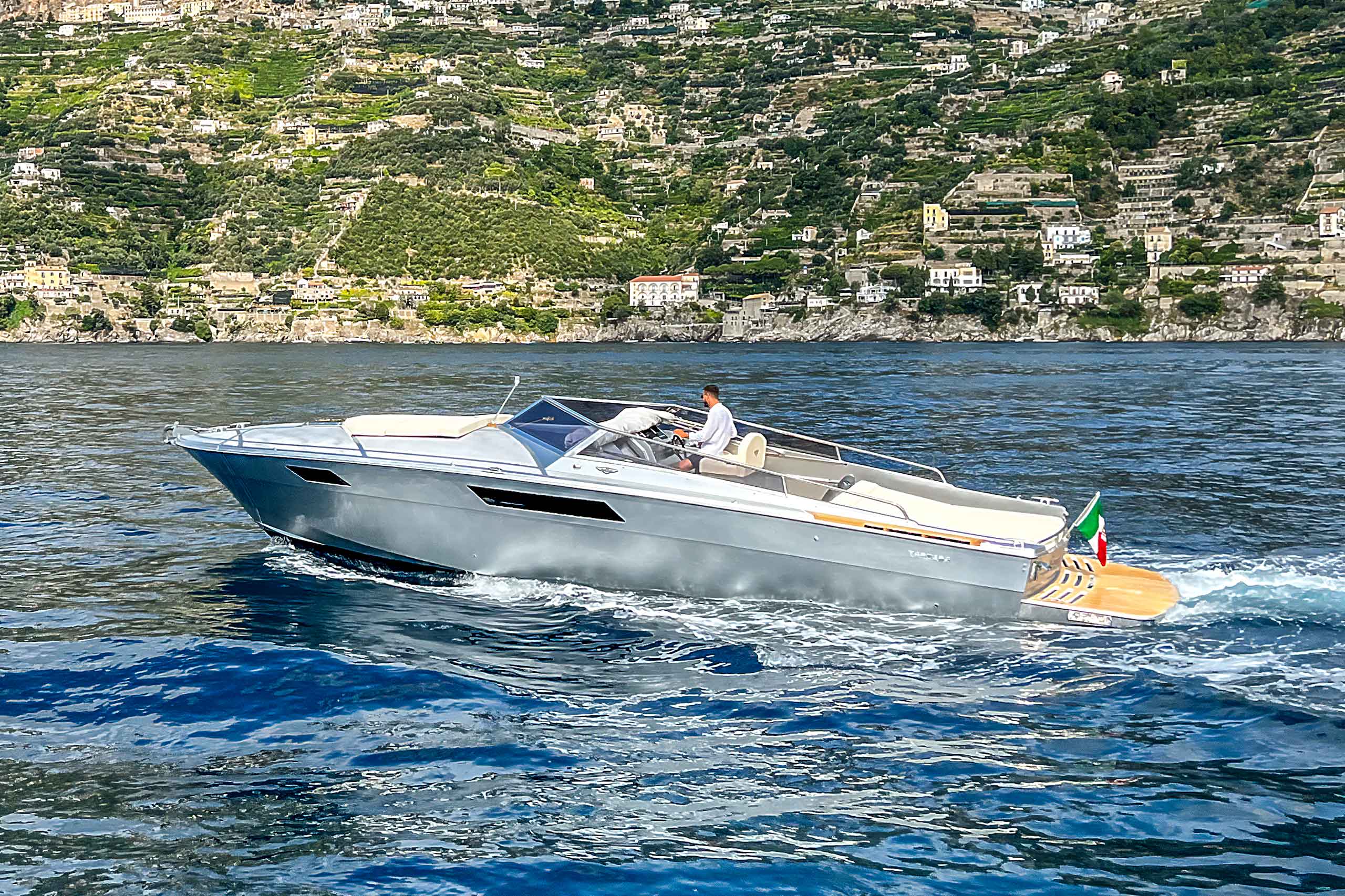
Tornado · Hasta 8 huéspedes
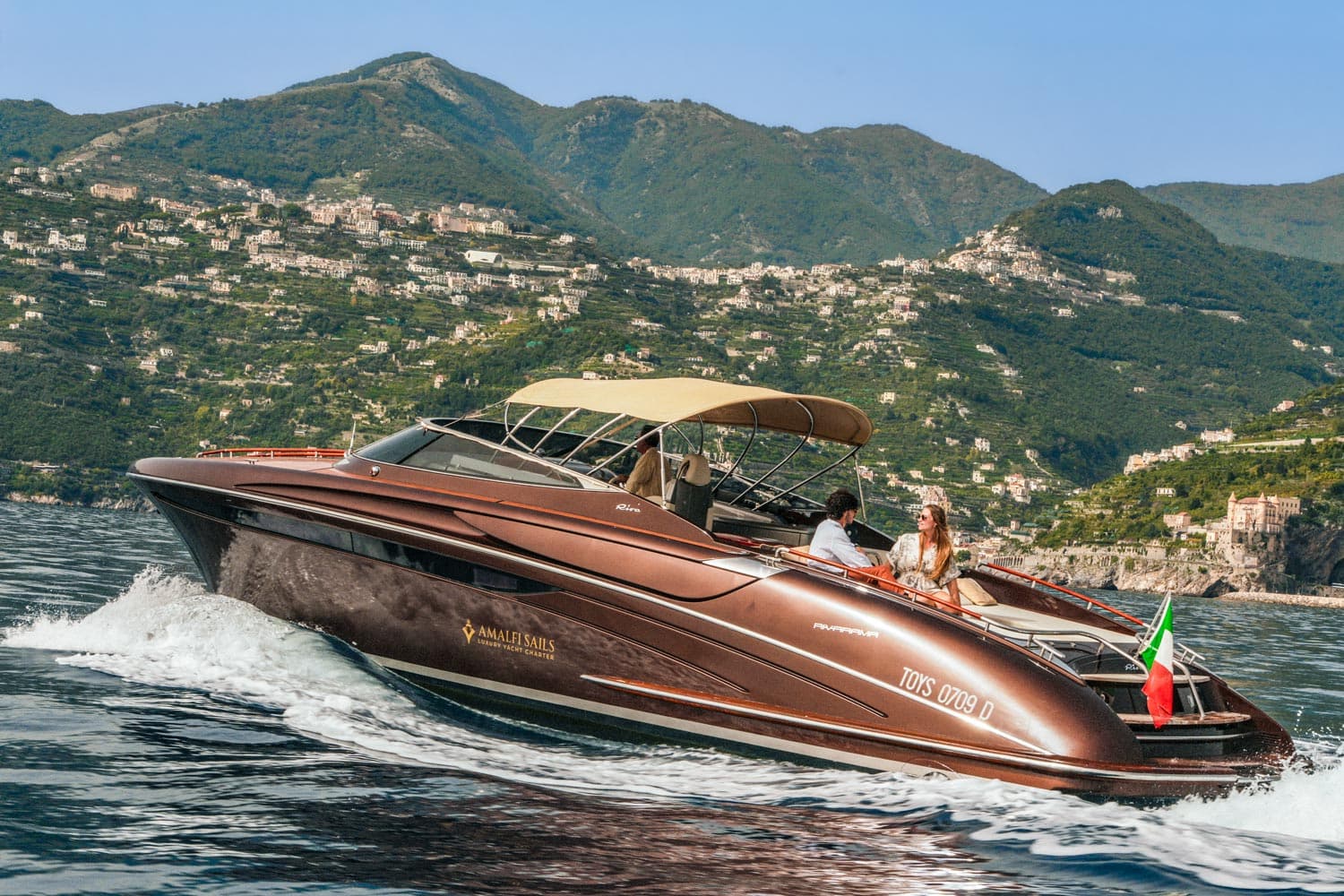
Riva · Hasta 8 huéspedes
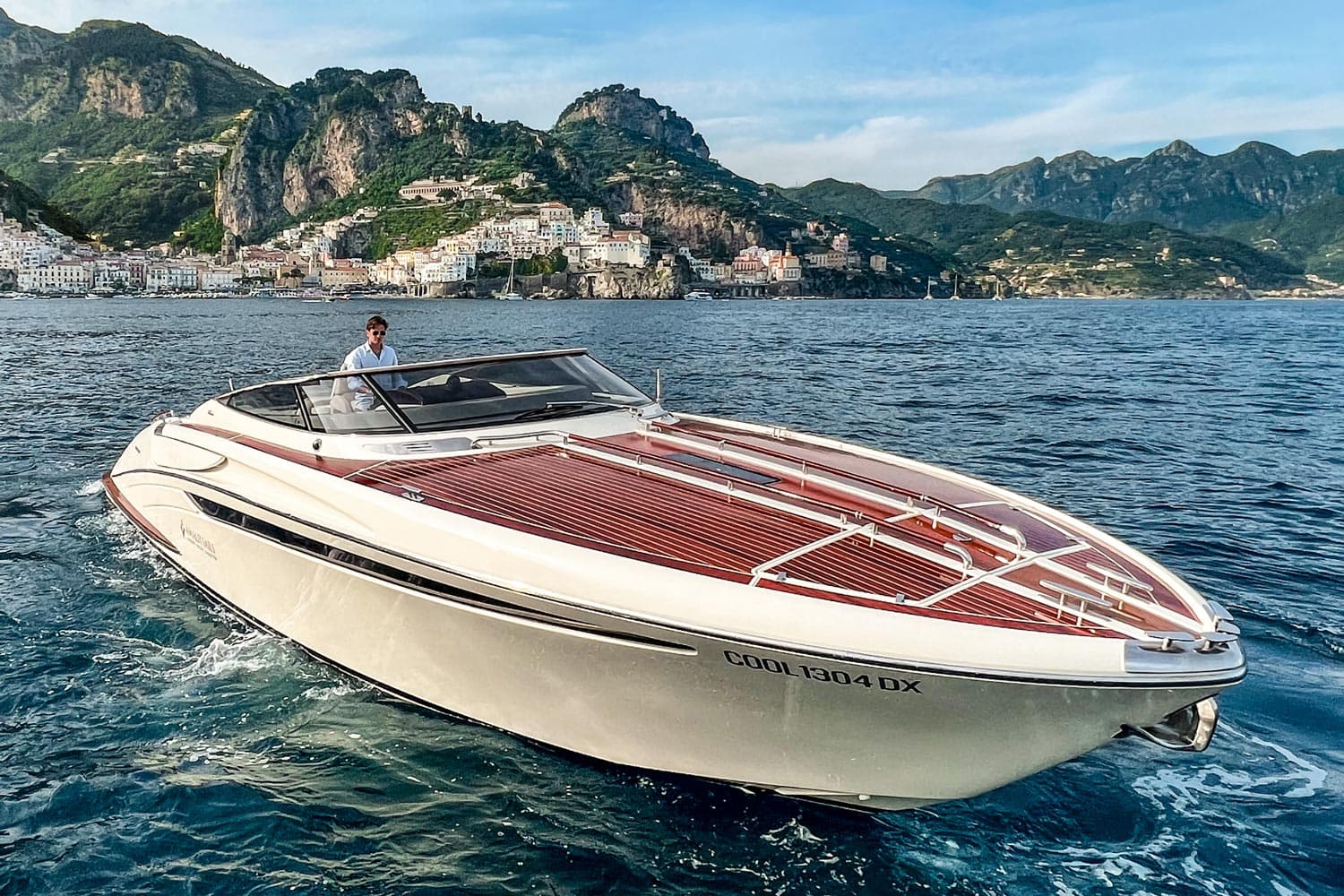
Riva · Hasta 8 huéspedes
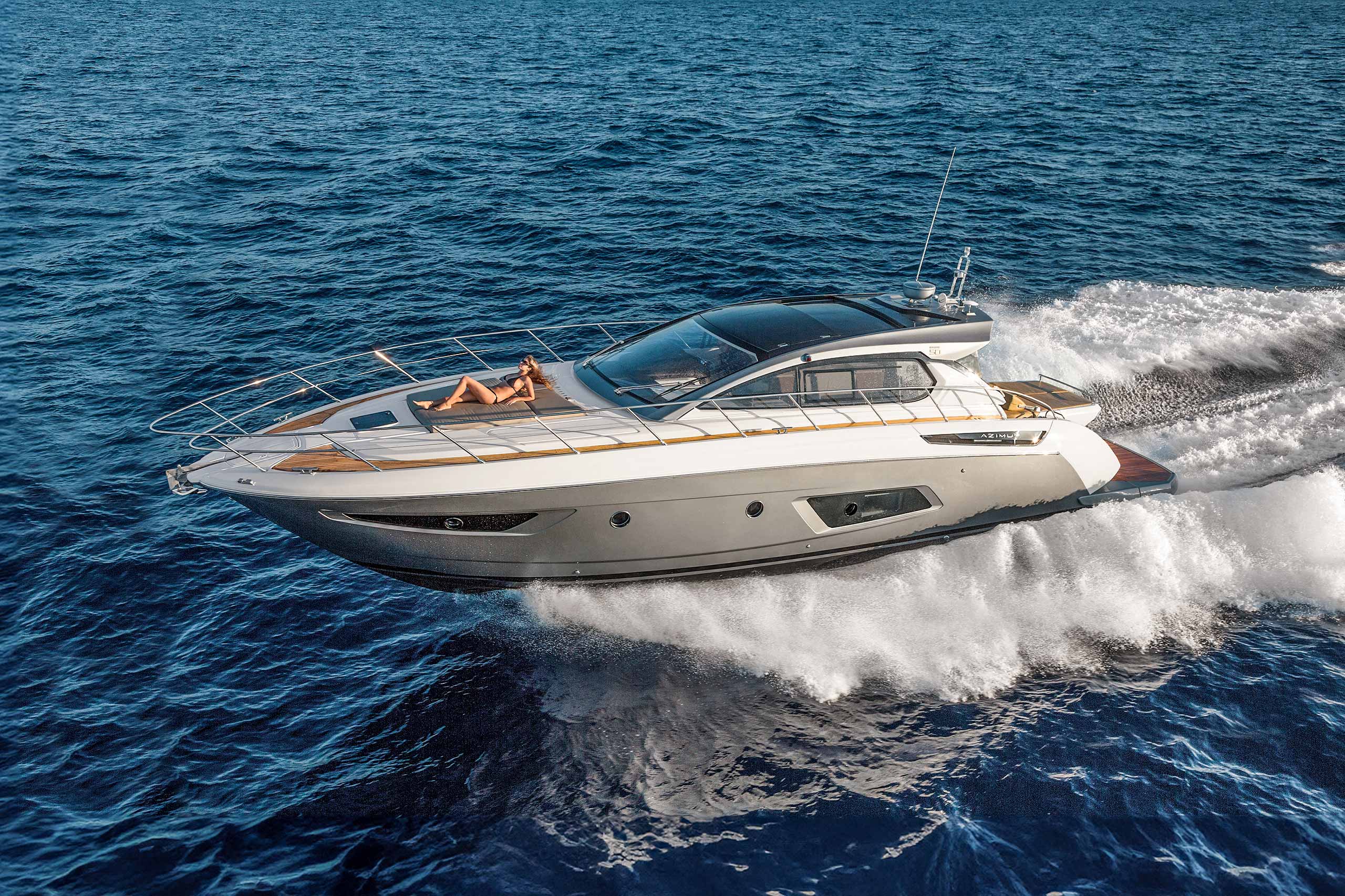
Azimut · Hasta 12 huéspedes
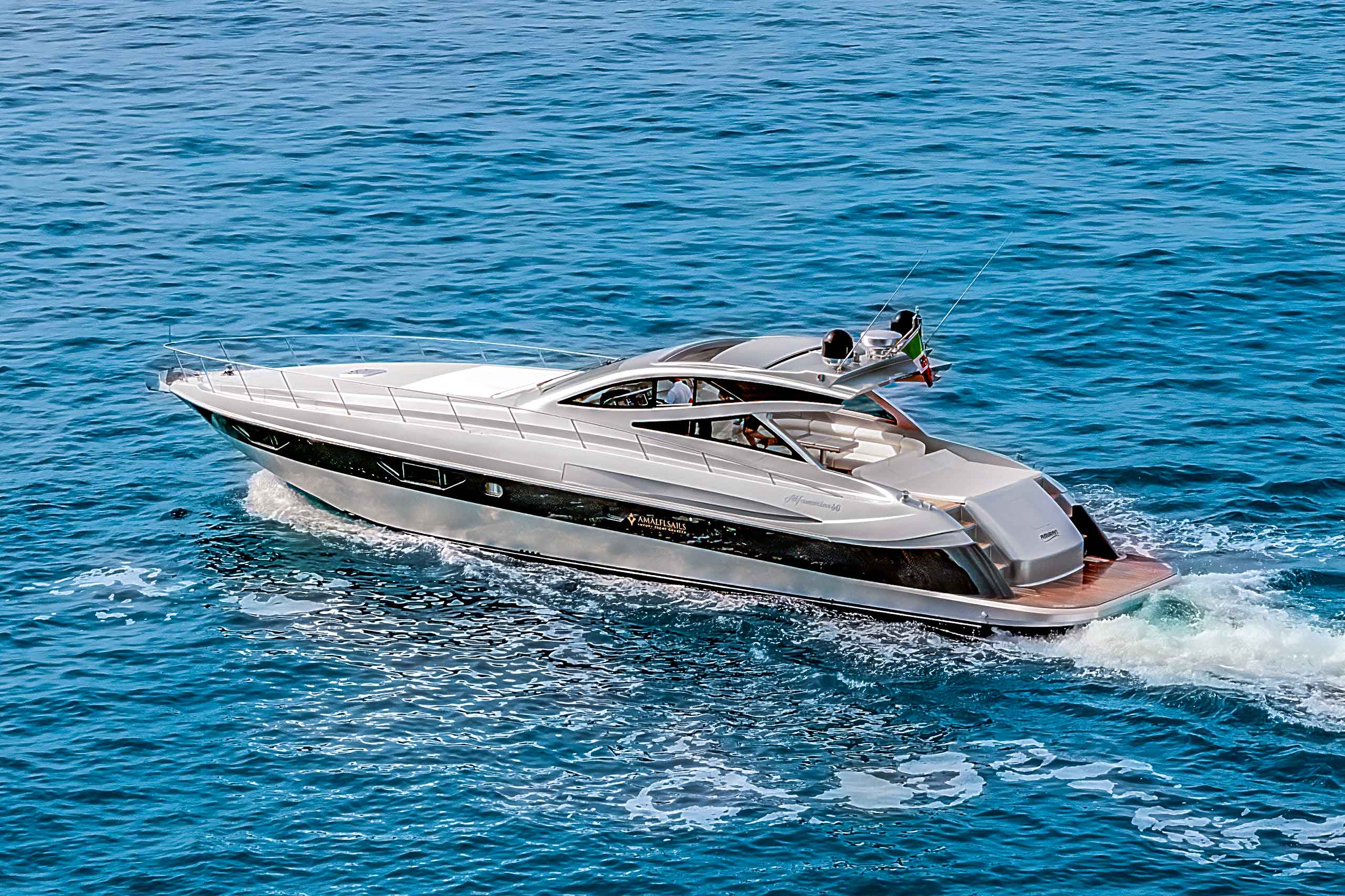
Alfamarine · Hasta 12 huéspedes
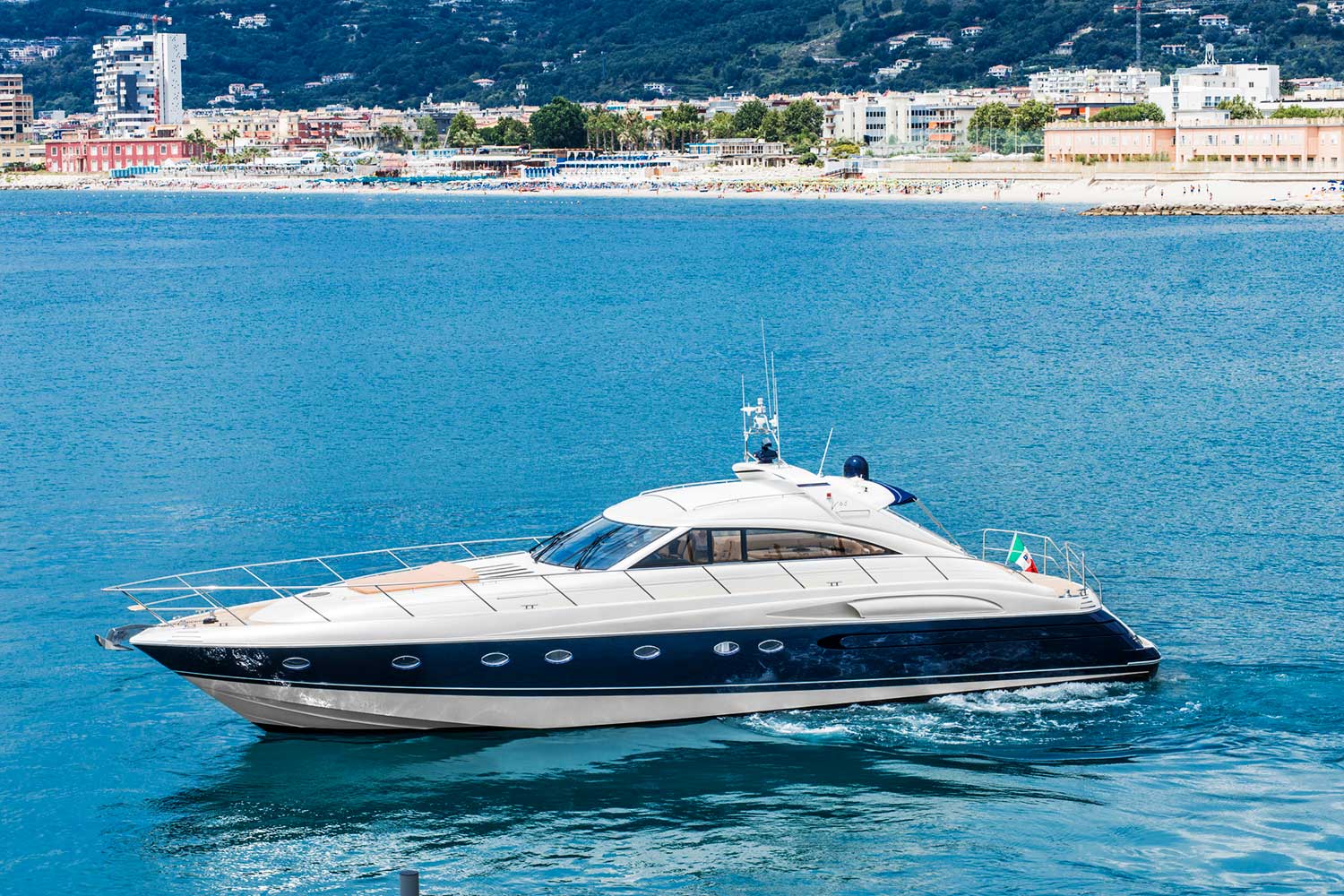
Princess · Hasta 12 huéspedes
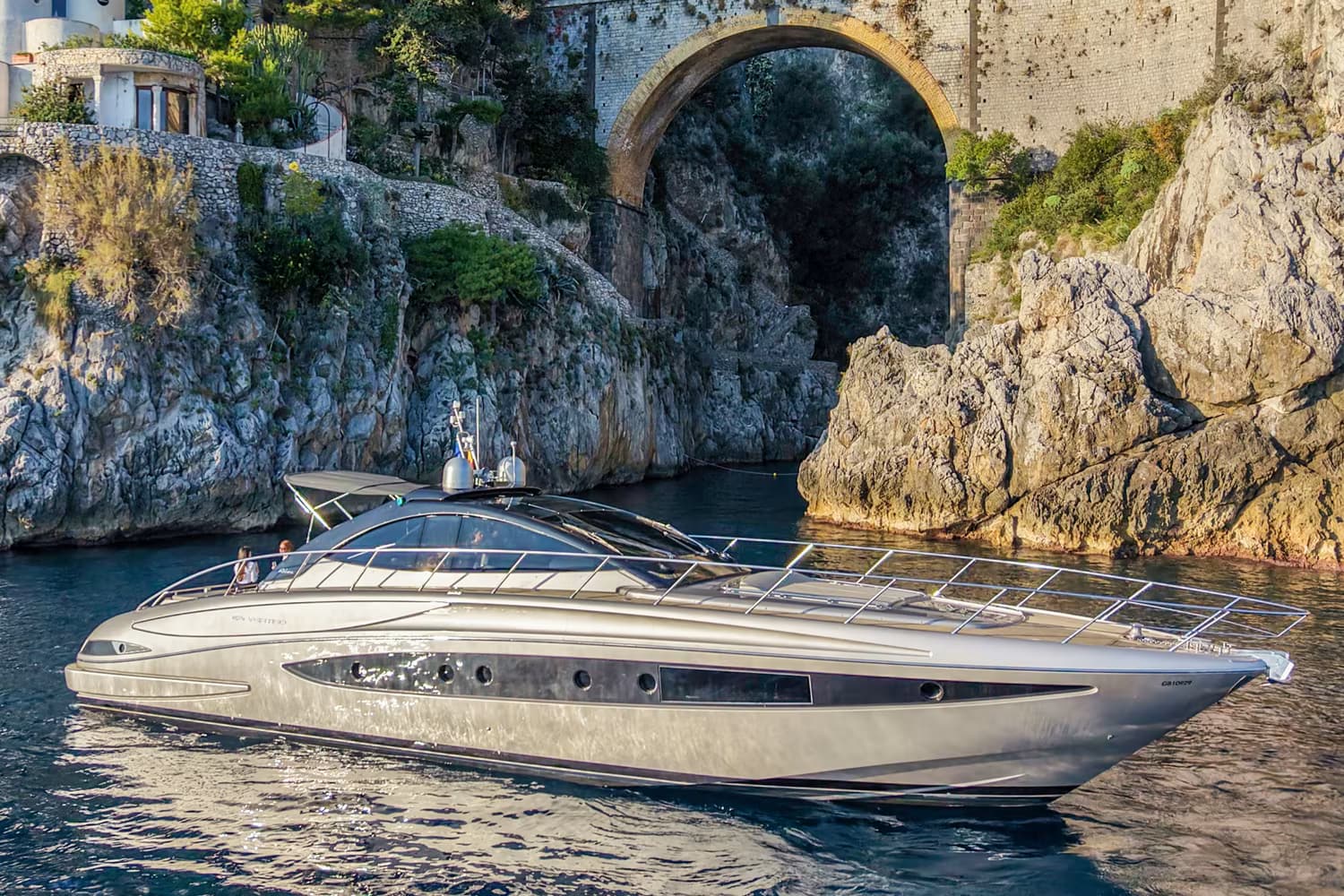
Riva · Hasta 12 huéspedes
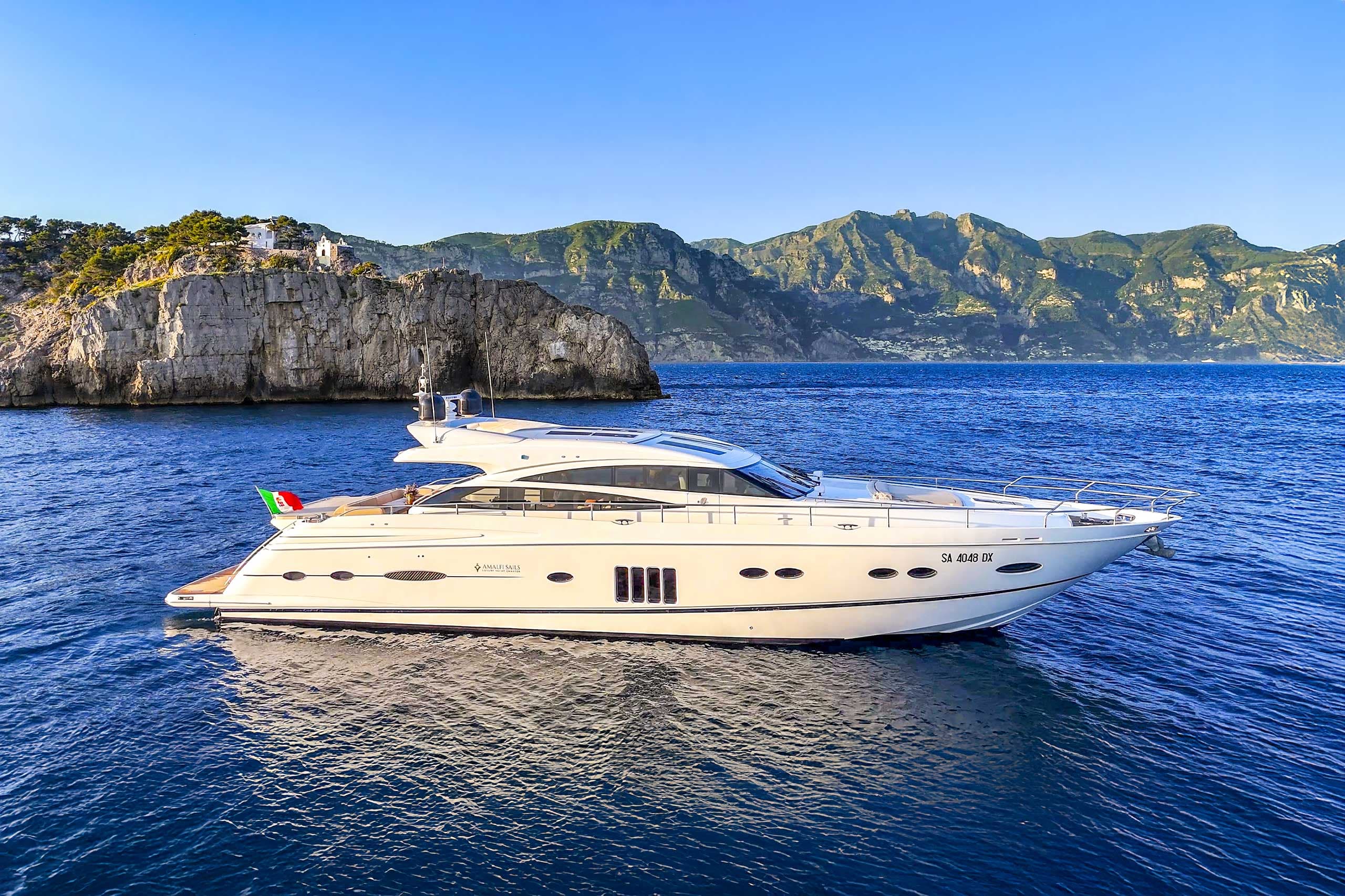
Princess · Hasta 16 huéspedes
7h 30m
6h
3h
3h
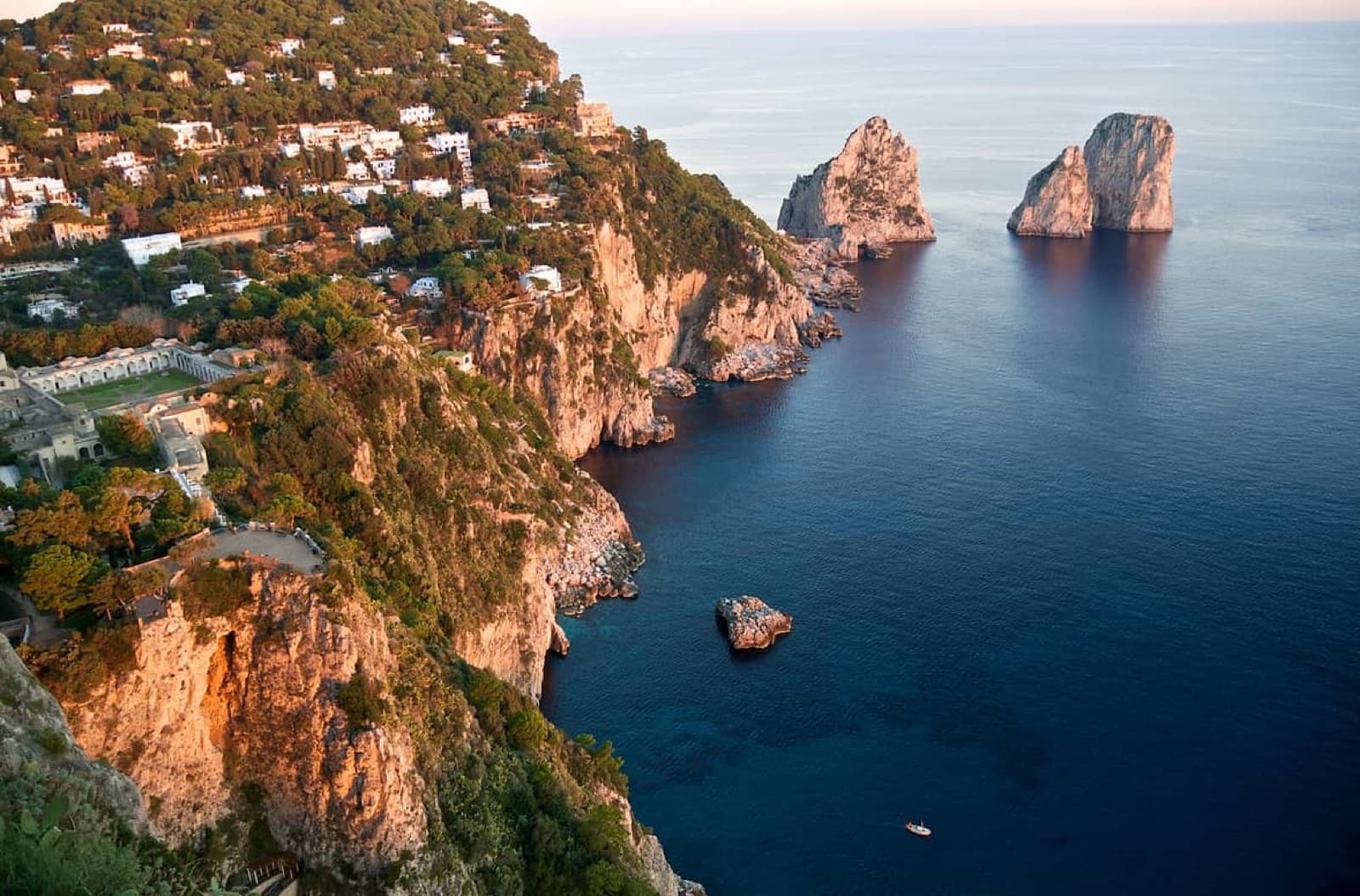
The Blue Grotto, the Faraglioni seen from the Giardini di Augusto, the chairlift up to Anacapri and Villa Jovis at the edge of the world. Half a day or a full day — either works from Sorrento.
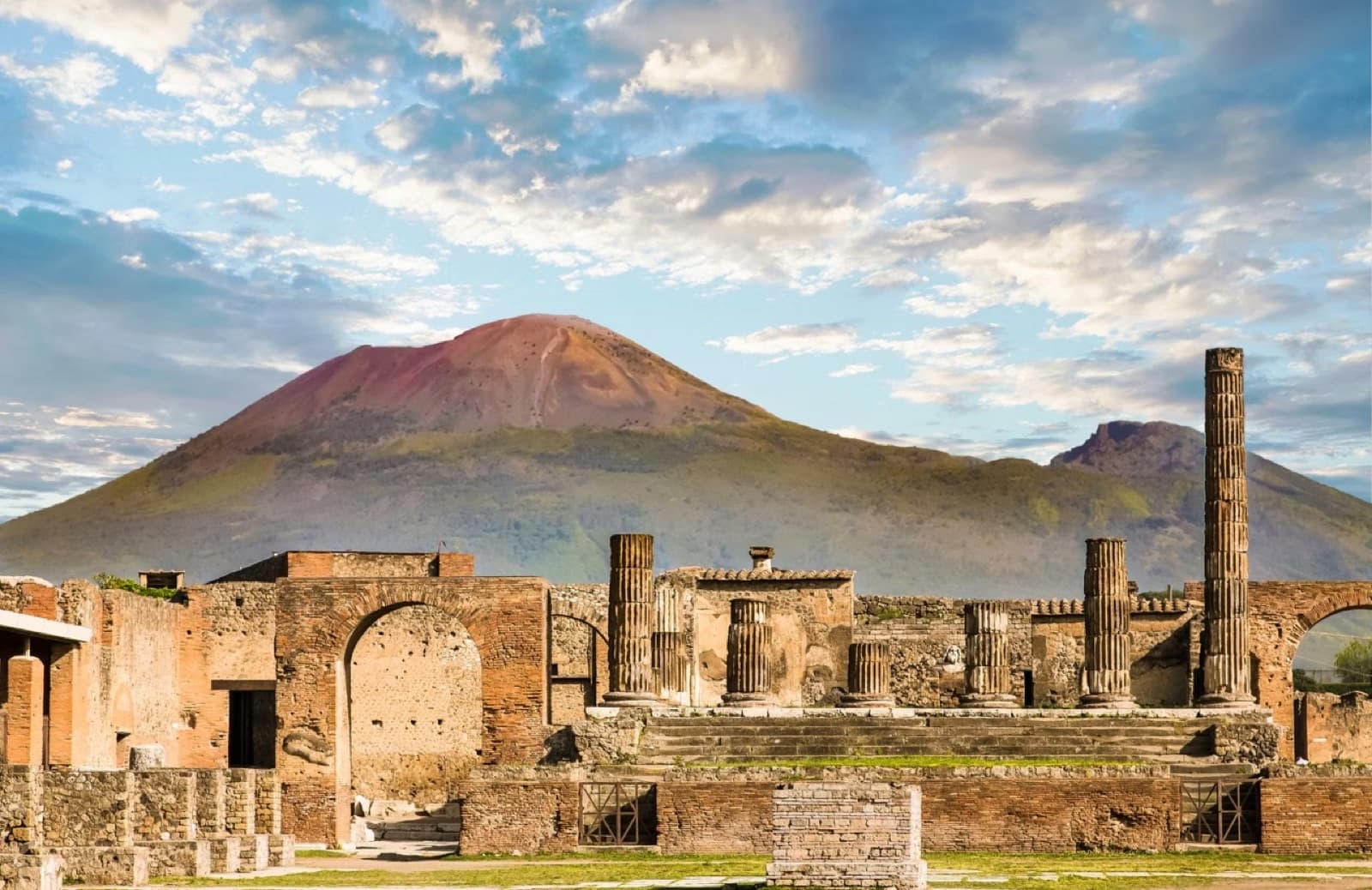
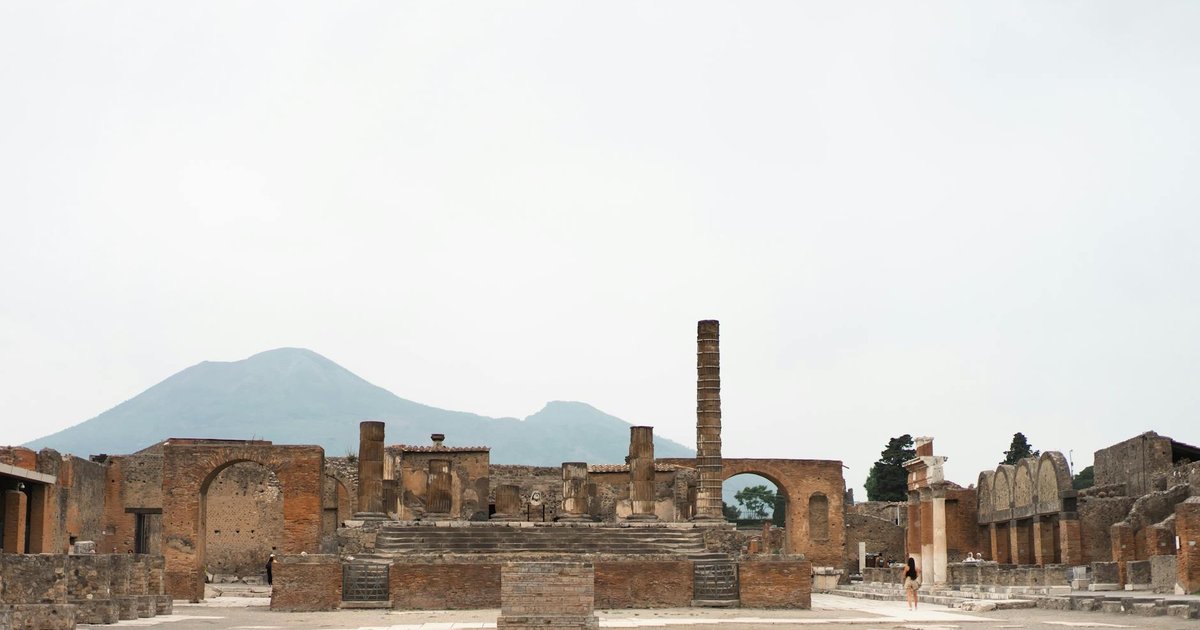
Two UNESCO sites frozen by Vesuvius in 79 AD, both on the Circumvesuviana line. Pompeii for scale and the Forum, Herculaneum for the preserved wooden beams and mosaics.
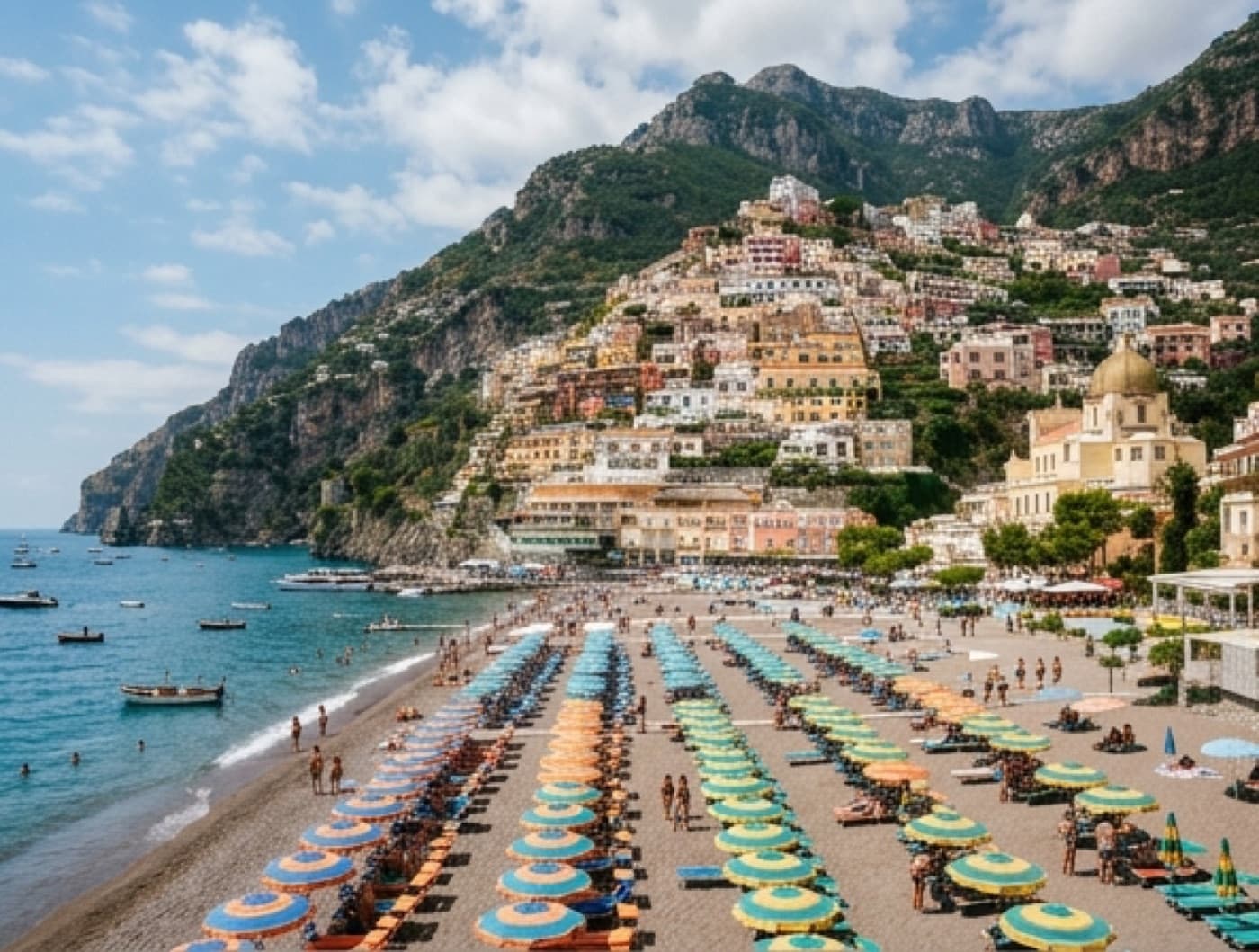
Pastel houses cascading down to Spiaggia Grande, boutiques on Via Colombo, sunset aperitivo on the rocks at Fornillo. Arriving by sea is part of the story.
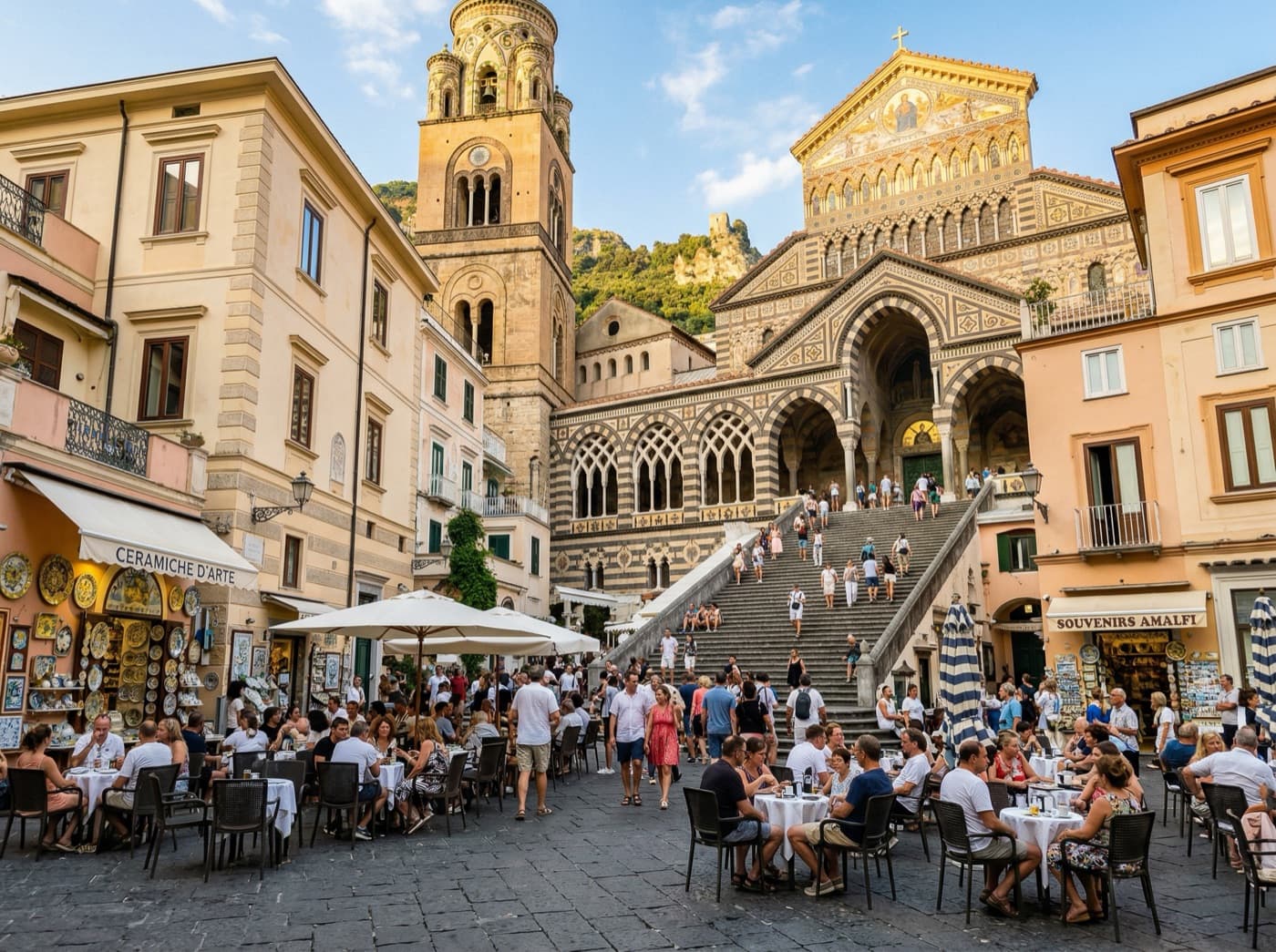
The ancient maritime republic with its striped cathedral, then the climb up to Ravello's Villa Cimbrone and Villa Rufolo, 365 metres above the sea. Pair the two in one day.
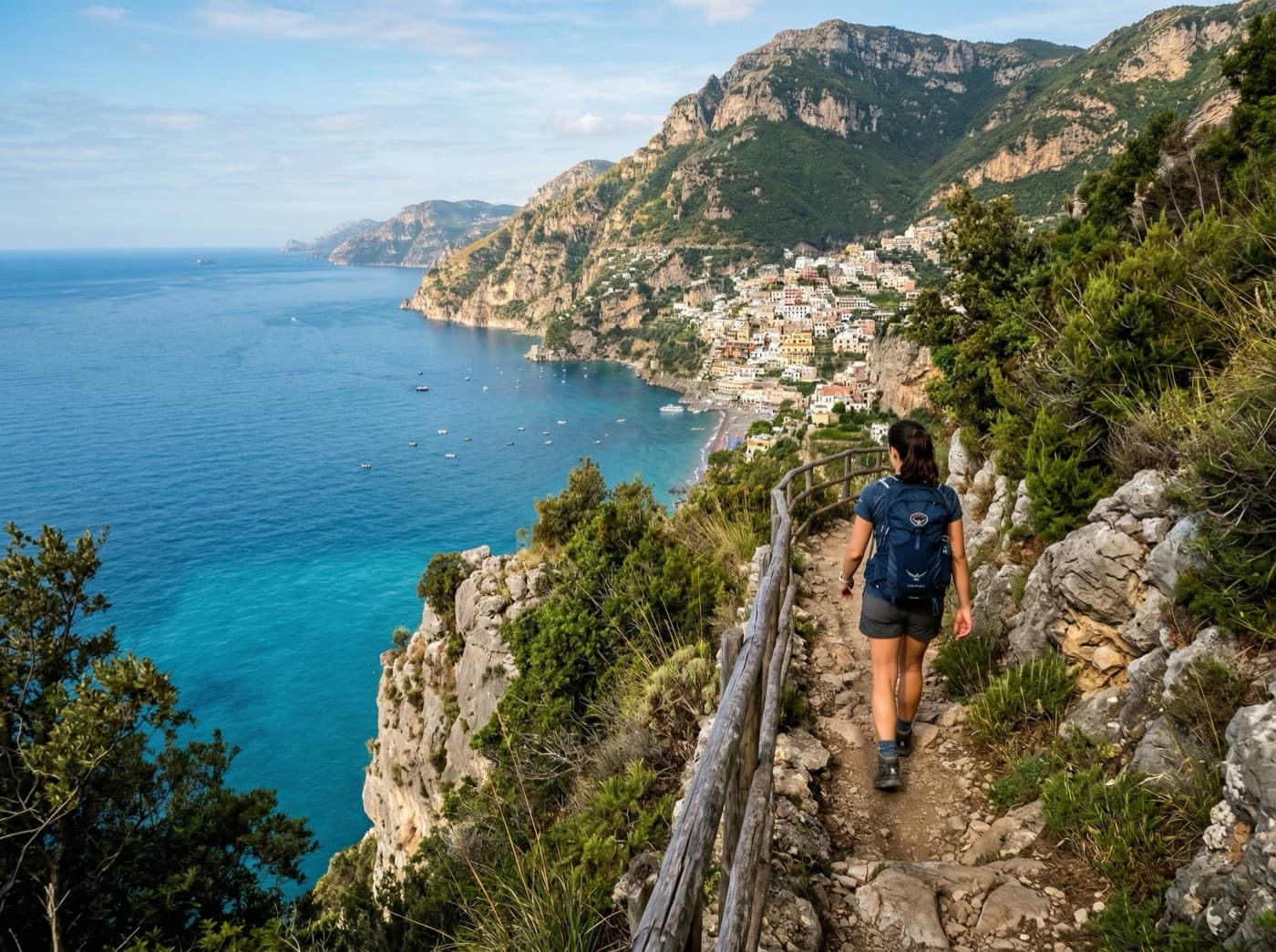
Three hours on the ridge between Bomerano and Nocelle, with the Sirenusas islets appearing below. Private transfer up, hydrofoil back from Positano to Sorrento.
Explora libremente
Cómo moverse
Coche privado · Precio fijo
Coche privado · Precio fijo
Coche privado · Precio fijo
Coche privado · Precio fijo
Coche privado · Precio fijo
Coche privado · Precio fijo
Coche privado · Precio fijo
Coche privado · Precio fijo
Coche privado · Precio fijo
Coche privado · Precio fijo
Coche privado · Precio fijo
Coche privado · Precio fijo
Guía de viaje
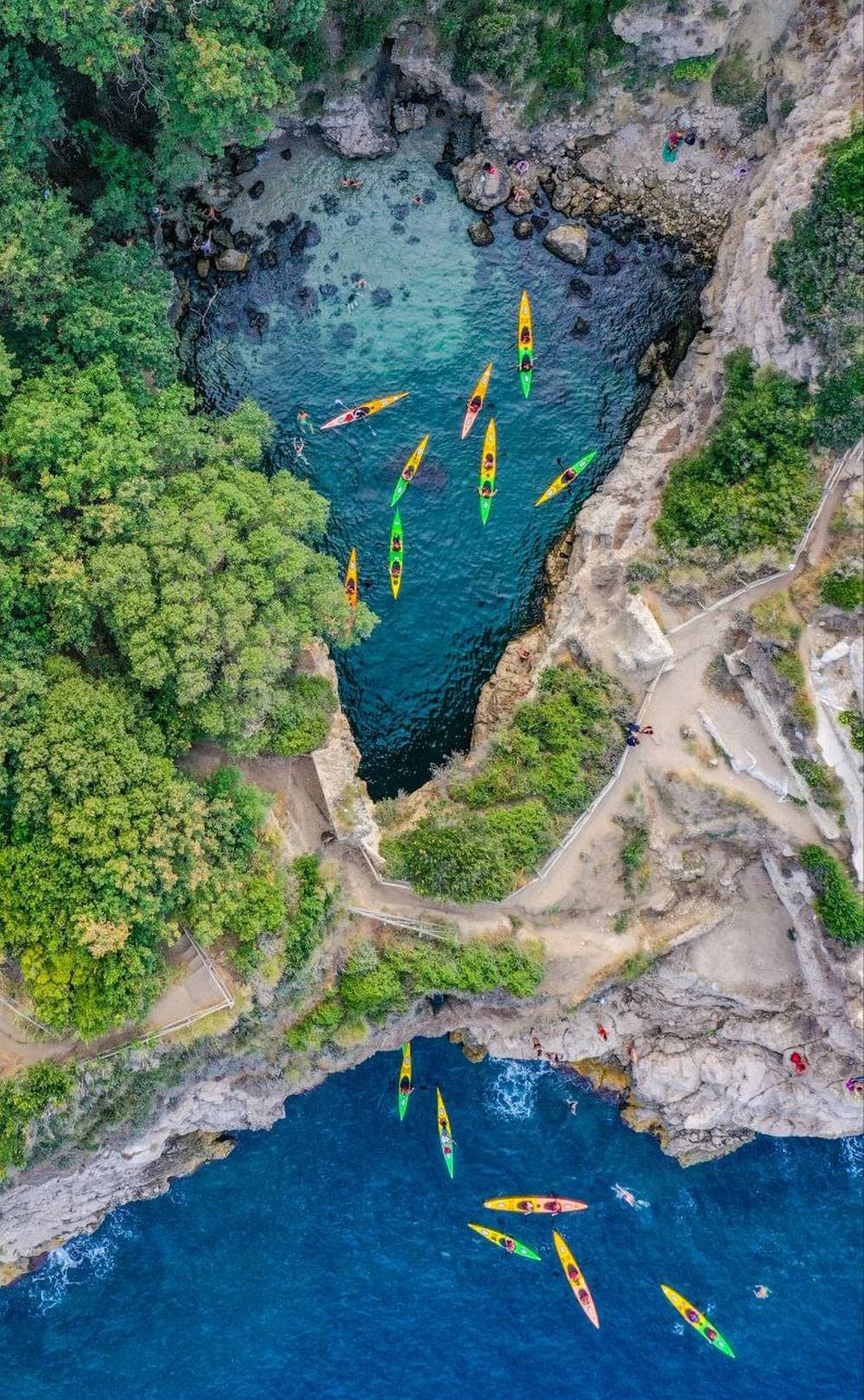
Sorrento sits on a long vertical tufa cliff that rises straight from the Bay of Naples, a natural stage of pale rock 50 metres above the water. The town was Surrentum to the Romans, a summer resort of senatorial villas in the first century BC — Emperor Augustus himself kept a retreat nearby — and the Greek-named Sirene, the mythical sirens who tempted Ulysses, supposedly lived on the islets offshore. The cliff is riddled with tunnels and stairs that lock the town to two small marinas far below, one historic port for ferries, one fishing cove: Marina Piccola and Marina Grande.
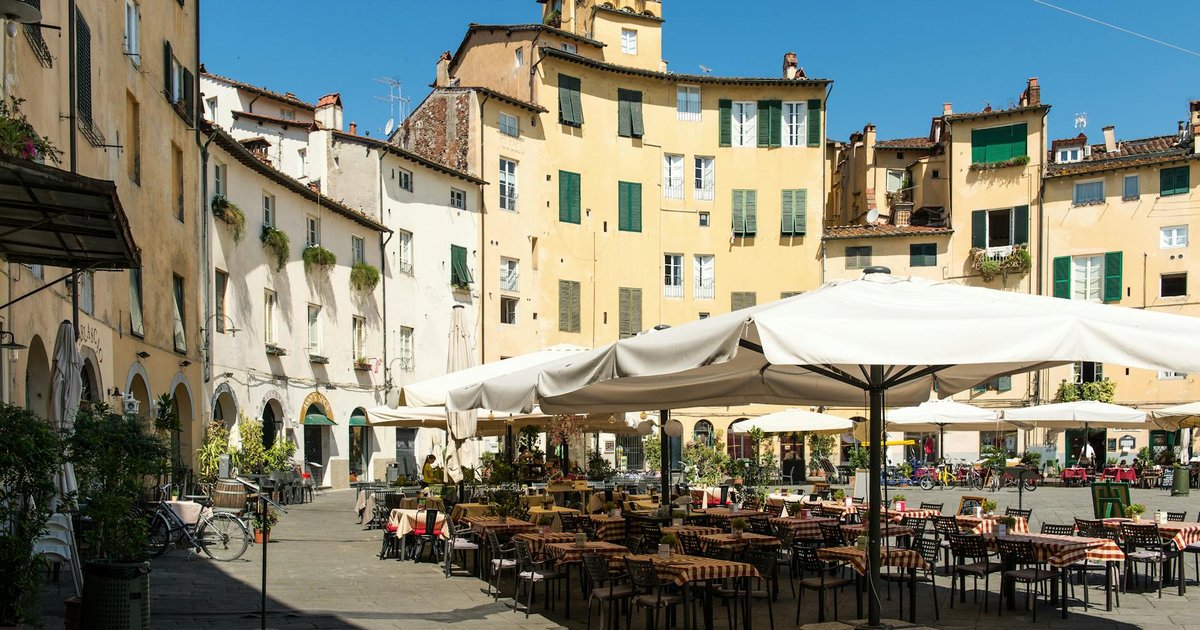
The old town sits above, a grid of pedestrian lanes descended from the Roman decumani: Via San Cesareo, Via Fuoro, Via Tasso, Via Pietà. At their centre lies Piazza Tasso, named after the Renaissance poet Torquato Tasso, born in Sorrento in 1544. This is the square everyone returns to at dusk — locals on the café terraces, the yellow palazzi lit by antique lampposts, the horse-drawn carriages waiting for late tourists, the bell of the Carmine church counting the hours.
The centro storico around Piazza Tasso is the tourist heart: boutiques, gelaterie, limoncello shops, restaurants. It runs east-west along Corso Italia, the main artery and the only street cars can still use. West of the centre, the Villa Comunale gardens offer the most accessible panorama over the bay and Vesuvius — free, open until sunset, with benches along the cliff edge. Just below them, the former Convento di San Francesco hosts classical concerts in summer.
East of Piazza Tasso, the quieter Sant'Agnello area starts — technically a separate comune but continuous with Sorrento. Here the grand belle époque hotels dominate the clifftop: Cocumella, Mediterraneo, Bellevue Syrene. West toward Massa Lubrense, you enter the lemon grove terraces for which Sorrento is famous, the IGP-certified Limone di Sorrento growing on pergolas that line every property.
Below town, Marina Grande is the old fishermen's port — a small beach, pastel houses, a handful of seafood trattorias where boats unload the catch in the morning. You reach it via a long descent from Via Marina Grande. Marina Piccola, the main port, handles hydrofoils to Capri and the Amalfi Coast; it's reached by a lift from the clifftop or by the service road that loops down.
Two things set Sorrento apart from other peninsula towns. First, its role as a logistical hub: the Circumvesuviana terminal puts Pompeii 25 minutes away and Naples 65 minutes; hydrofoils connect Capri (25 min), Ischia (60 min) and seasonally Positano and Amalfi. Few places in Italy let you reach three UNESCO sites in under an hour. Second, its citrus culture: the Limone di Sorrento IGP is everywhere — in pasta, pastries, limoncello, soaps, perfumes, candles. Every family in the countryside has a pergola, and traditional agriturismi still press their own lemon juice at dawn.
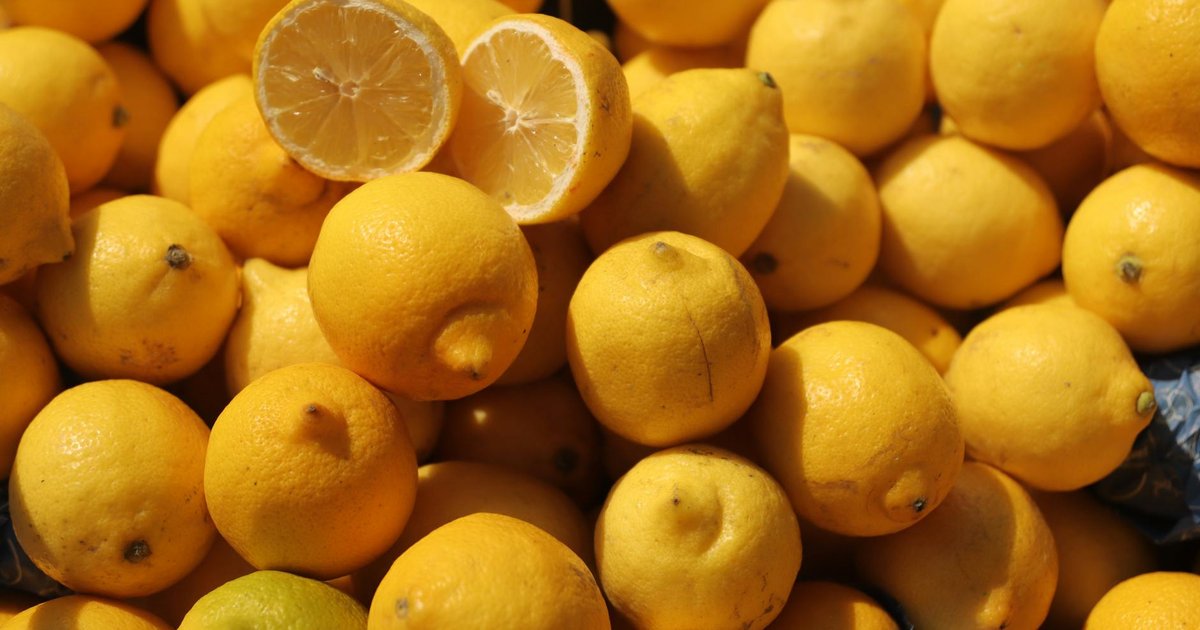
The cuisine is a blend of Amalfi Coast traditions and Neapolitan technique. Gnocchi alla sorrentina was invented here — potato gnocchi baked in clay pots with San Marzano tomato, fior di latte mozzarella and basil. The Delizia al limone is the local pastry icon — a dome of sponge cake soaked in lemon cream. And limoncello is of course the after-dinner ritual, served in frozen ceramic cups.
Sorrento has mild winters (7-14°C in January), warm springs (16-22°C in April-May), hot summers (24-31°C July-August) and long warm autumns (18-26°C through October). Peak rainfall is November-December. The sea reaches bathing temperature from late May through early October. Restaurants generally observe Italian meal times: lunch 12:30-15:00, dinner 19:30-22:30; kitchens close between services. Tipping is not required but 5-10% is appreciated at full-service restaurants. ATMs are plentiful, card acceptance is universal, and the local dialect (Sorrentino) is understood rather than spoken by younger residents; English works everywhere that matters to visitors.
Sorrento pairs well with a multi-night stay: 3 nights is a minimum to do Capri, Pompeii, a cooking class and a boat tour; 5 nights adds Ischia, a full Amalfi Coast day and the Sentiero degli Dei. BlueKeys handles the logistics so you can focus on the experience.
Guía de viaje
10 cosas que hacer en Sorrento (2026)
Traslado de Nápoles a Sorrento: desde 5 €, 4 opciones (2026)
Pompeya desde Sorrento: tours desde 45 € (2026)

Clase de cocina en Sorrento: desde 75 €, qué cocinarás (2026)
Qué comer en Sorrento: 15 platos que no te puedes perder
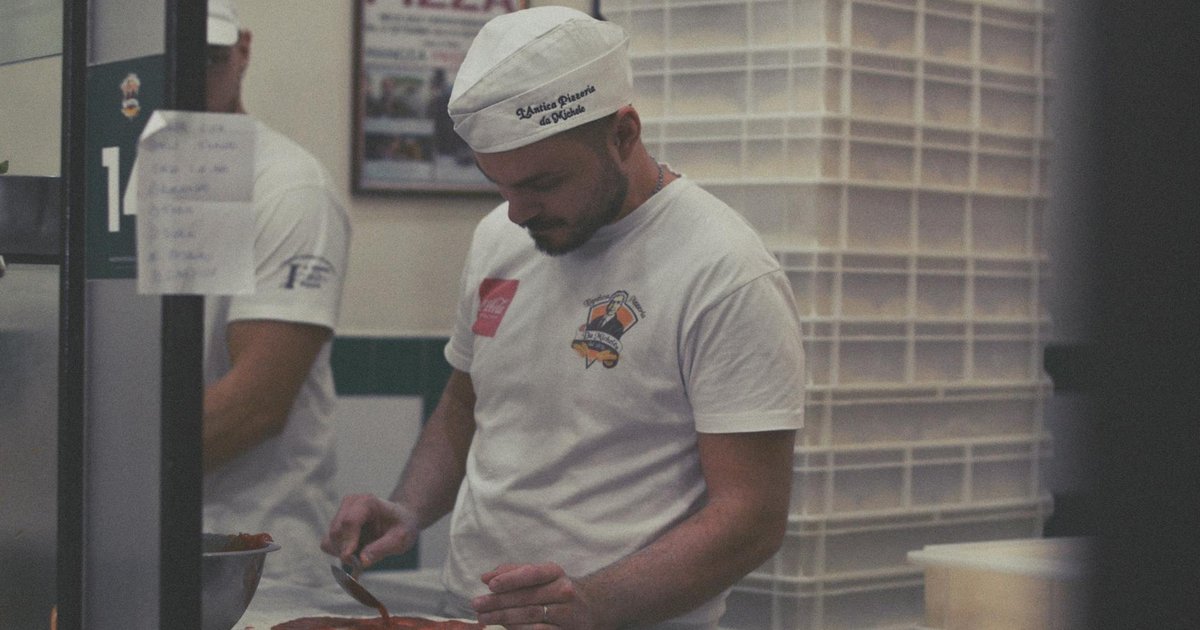
Street Food en Sorrento: 10 bocados baratos por menos de 5 €
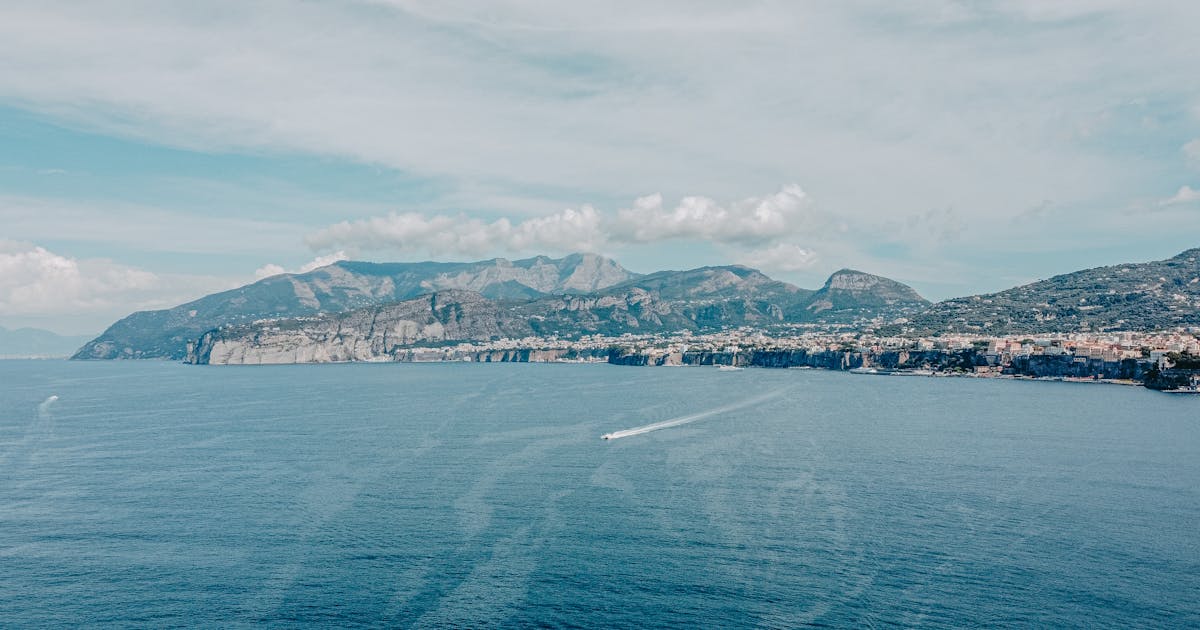
Aeropuerto de Nápoles a Sorrento: bus 13 € o traslado 120 €
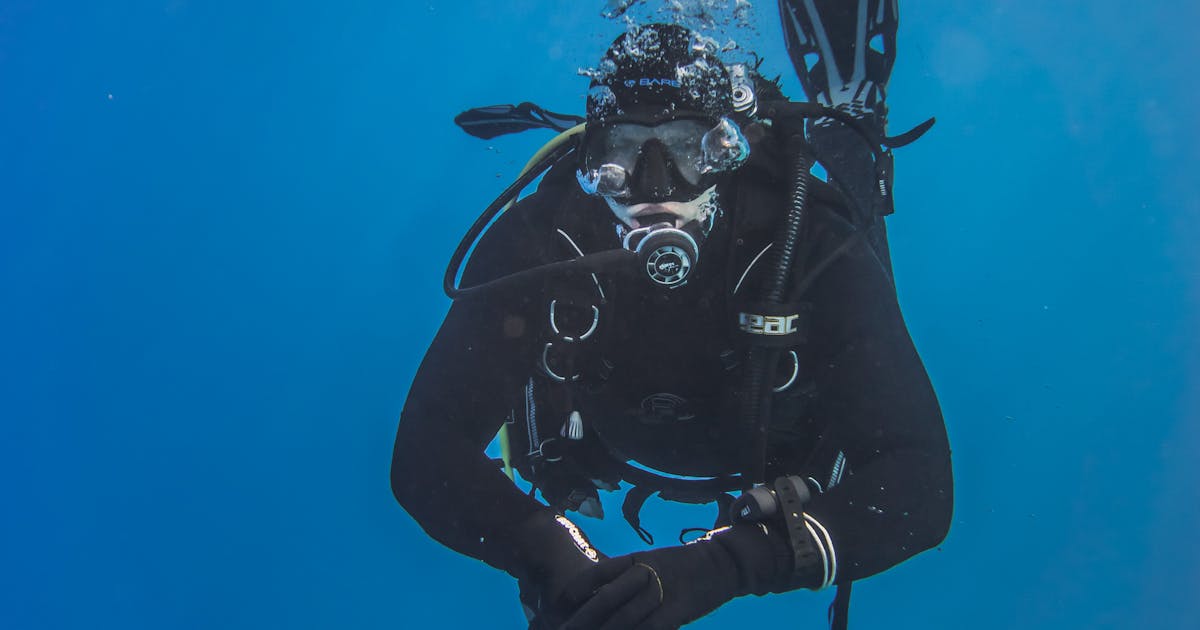
Buceo en Sorrento: inmersiones desde 75 €, 6 puntos (2026)
Frequently asked
Todo en un solo sitio
Alojamientos, tours, transfers y alquiler de barcos — una plataforma, una reserva
Anfitriones verificados
Cada propiedad inspeccionada personalmente por nuestro equipo
Concierge 24/7
Soporte local desde la reserva hasta el check-out
Experiencia local
Con base en Sorrento — conocemos cada rincón