Quick answer — top 6 things to do in Castellammare di Stabia
- Scavi di Stabiae (Villa Arianna & Villa San Marco) — free admission, extraordinary frescoes, none of Pompeii's crowds
- Acqua della Madonna at Porto Vecchio — iron-rich mineral water straight from a public tap, a local ritual for over a century
- Cassa Armonica in Villa Comunale — the 1900 Liberty-era bandstand at the centre of the seafront gardens, free to enter
- Direct ferry to Capri — 45 minutes from Porto di Stabia, €19–22 one way (seasonal, April–October)
- Terme Stabiane — modern thermal complex fed by the same mineral springs the Romans used 2,000 years ago
- Lungomare sunset walk — two kilometres of seafront promenade with Vesuvius ahead and the Sorrento cliffs to the south
Note: the Monte Faito cable car is closed indefinitely following the tragic accident of 17 April 2025. The summit is still reachable on foot; see section below.
| Activity | Duration | Cost | Best for |
|---|---|---|---|
| Monte Faito hike (funicular closed) | 4–6h | Free | Hikers, views, nature |
| Scavi di Stabiae (Roman villas) | 2h | Free | History, frescoes |
| Antiquarium Stabiano | 1h | Free | Archaeology fans |
| Ferry to Capri | Full day | €19–22 each way | Island explorers |
| Villa Comunale & Cassa Armonica | 1h | Free | Architecture, strolls |
| Porto Vecchio & Acqua della Madonna | 45 min | Free | Local culture |
| Lungomare seafront walk | 1–2h | Free | Sunset, photos |
| Reggia di Quisisana | 1h | Free (exterior + gardens) | Royal history |
| Thermal spa day | Half day | €25–45 | Wellness |
| Boat tour to Amalfi Coast | Half/full day | €90–150/person group | Sea, Capri views |
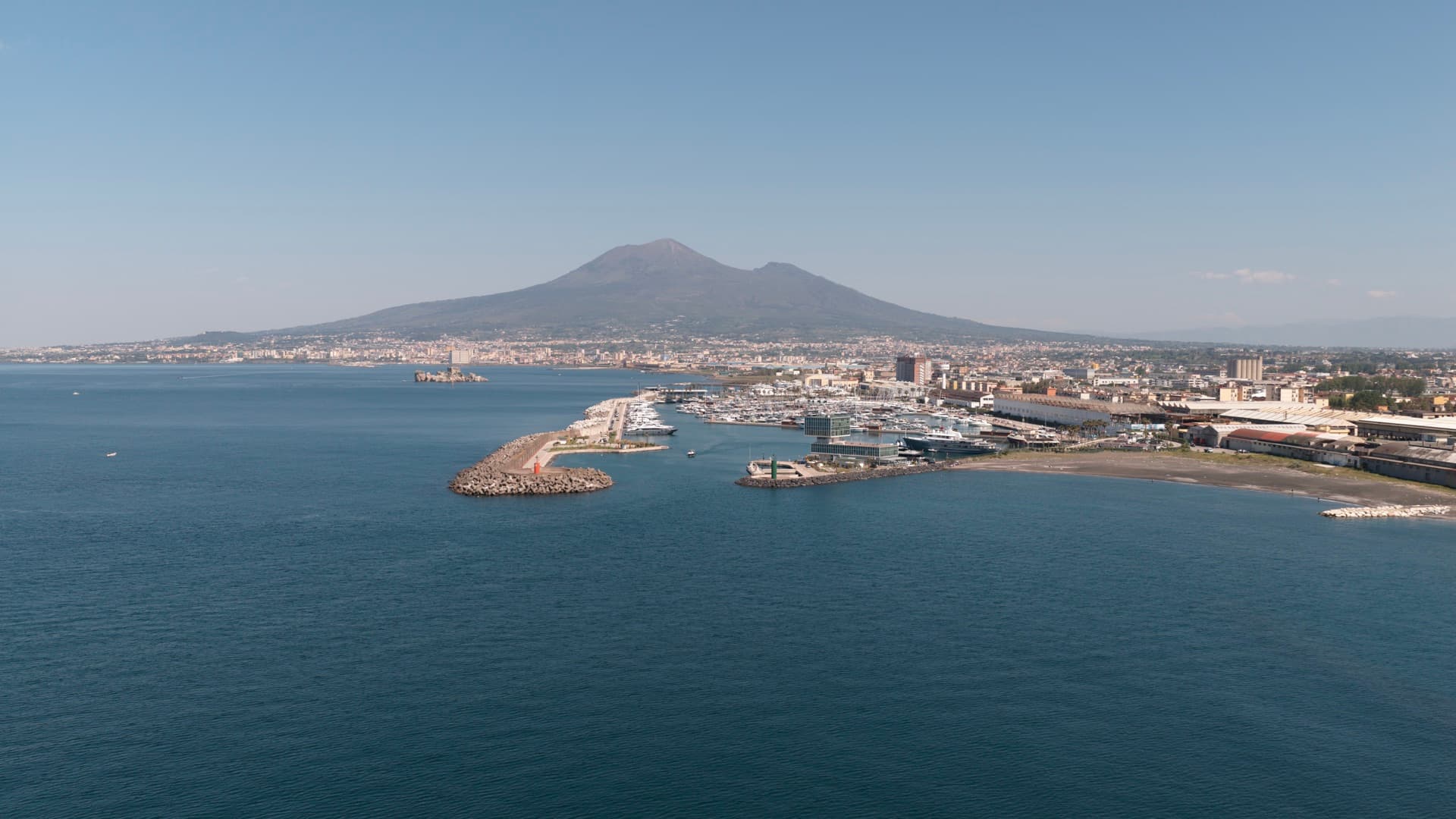
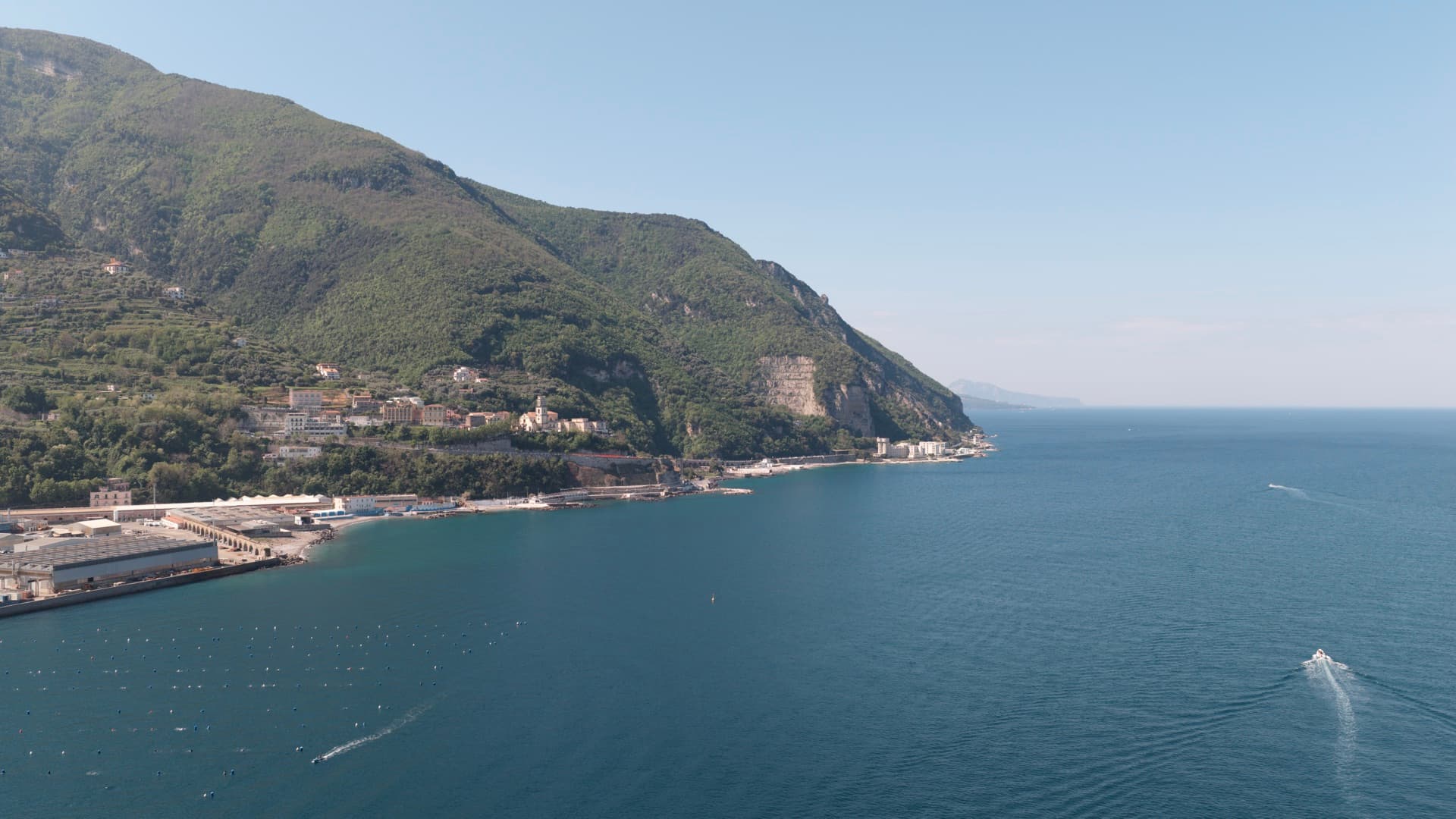
Castellammare di Stabia sits at the northern gateway to the Sorrento Peninsula, right where the slopes of Monte Faito meet the Gulf of Naples and Vesuvius looms across the water to the north. Most foreign visitors to Campania have never heard of it — they rush past on the Circumvesuviana train to Pompeii or Sorrento — and that is precisely why it rewards those who stop. This is a working Italian town of 65,000 people with 2,000 years of continuous history: Roman emperors built seaside villas here, the Bourbon kings chose it as their summer retreat, and the shipyards along the coast have been launching naval vessels since 1783. It is also the gateway from which locals have taken the direct ferry to Capri for generations, bypassing the tourist-heavy ports of Sorrento and Naples. This guide covers the 12 best things to do in Castellammare di Stabia in 2026 — ancient Roman villas, mineral springs you can drink from a public tap, a Liberty-era bandstand, and the kind of food (brioche col wurstel, paccheri con le vongole, stabian provolone) that foreign travel guides never mention.

1. Hike Monte Faito (Funicular Closed)
Important: the Funivia del Faito cable car has been closed since the tragic accident of 17 April 2025, in which a support cable snapped and four people lost their lives. An investigation and reconstruction are ongoing, and there is currently no announced reopening date. For the foreseeable future, Monte Faito is reachable only on foot or by seasonal shuttle bus from Piazza Spartaco in Castellammare (July and August weekends only, schedule published on the Comune website).
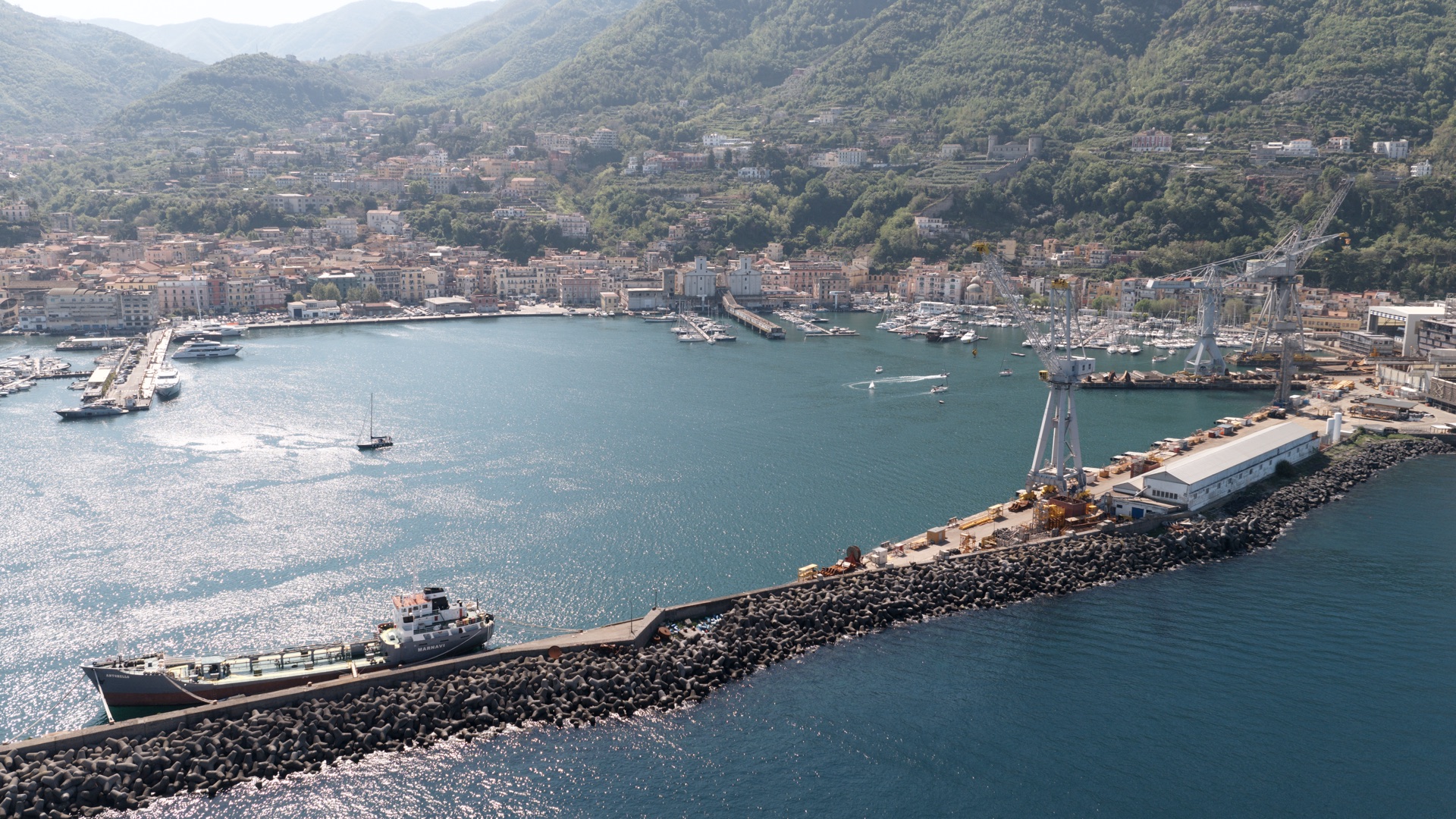
The mountain itself remains open and, for experienced walkers, more rewarding than it ever was by cable car. The CAI 300 trail from Pimonte climbs to the 1,131-metre Molare summit in about 3 hours, through beech forest with panoramic clearings over the Gulf of Naples. The older trail from Quisisana — steeper but shorter — takes around 2.5 hours and is the route locals have used for generations. Both routes are well marked and free. Carry at least 1.5 litres of water per person, wear proper hiking shoes, and set off before 09:00 in summer to avoid the midday heat. At the summit, the panorama extends from Vesuvius and Naples to Capri and the Amalfi Coast, and there is a simple trattoria (Rifugio Gerlando) near the old upper station serving panini and local wine.
2. Explore the Roman Villas of Stabiae
Pompeii's quieter, more beautiful sister is right here in Castellammare — and admission is free. The ancient Roman resort town of Stabiae was buried by the same 79 AD eruption of Vesuvius that destroyed Pompeii and Herculaneum, but it was an aristocratic villa district rather than a working town. Two excavated villas, Villa Arianna and Villa San Marco, are open to visitors as part of the Parco Archeologico di Pompei. Villa San Marco is the larger of the two, with an Olympic-sized peristyle pool, elaborate frescoes of theatrical masks and seated gods, and a suite of private baths that still bear the marble inlay from 1,900 years ago. Villa Arianna, a five-minute walk away, is named for the magnificent fresco of Ariadne abandoned by Theseus that was discovered in one of the central rooms (now in the Naples archaeological museum, though a painted copy remains). The crowds here are a fraction of those at Pompeii — on a weekday morning in shoulder season you may have the entire site to yourself.
Both villas are open Tuesday to Sunday, roughly 09:00 to 19:00 in summer and 09:00 to 17:00 in winter (closed Mondays). Admission is free but you must book a timed slot online in advance at ticketone.it or the Pompeii Parks portal. Allow two hours to visit both villas. Wear comfortable shoes — the paths are original Roman paving and uneven in places.

3. Taste the Acqua della Madonna at Porto Vecchio
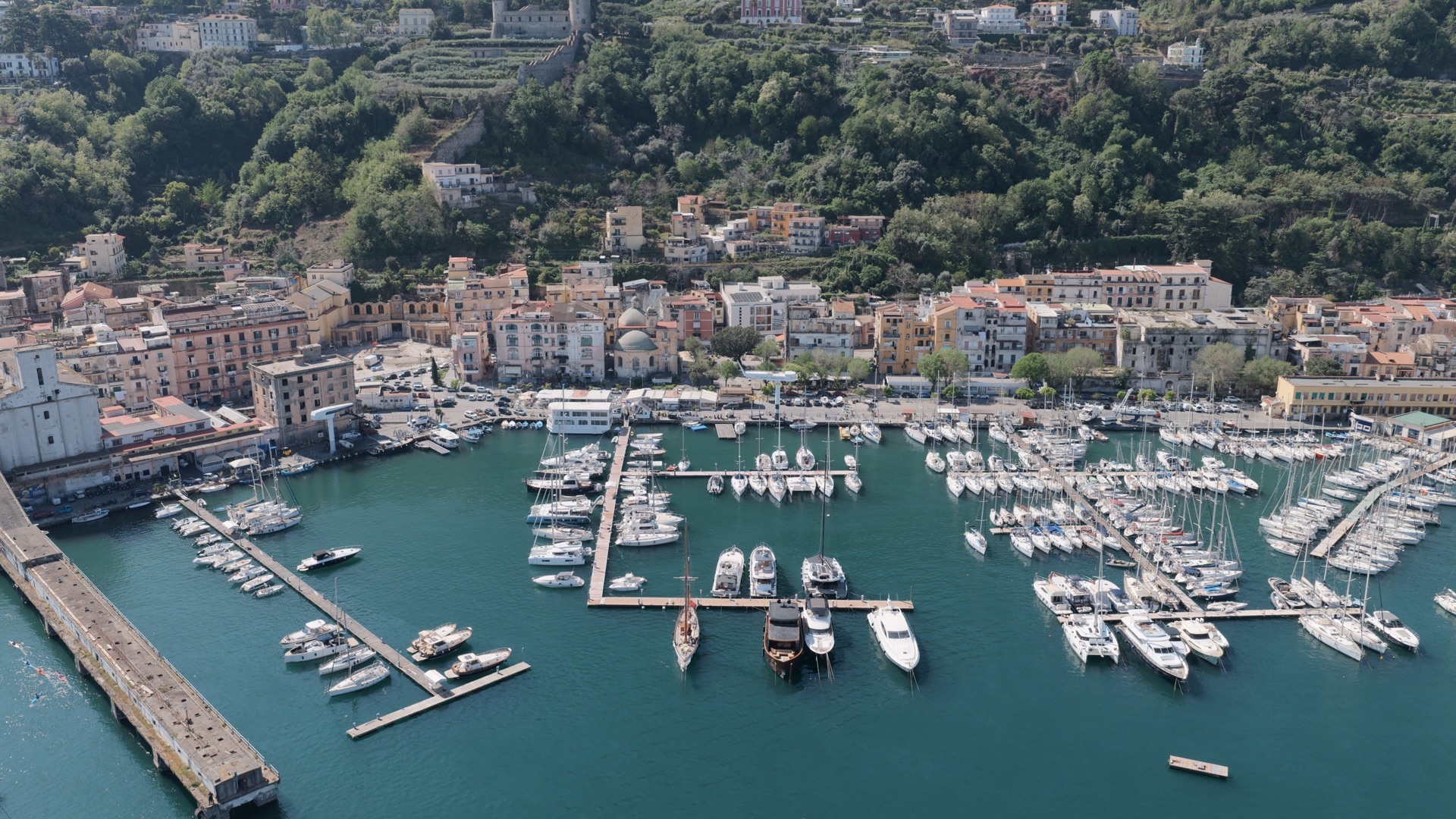
At the Porto Vecchio, tucked into the corner of the old harbour, there is a small public fountain where locals have been filling glass bottles with mineral water for more than a century. This is the Acqua della Madonna, one of 28 different mineral springs that rise beneath Castellammare — a geological peculiarity that made the town a fashionable spa destination in the 19th century. The Acqua della Madonna is heavy in iron and bicarbonate, so it has a distinct ferrous taste that locals swear is good for digestion and iron deficiency. The ritual is simple: walk to the tap, rinse a bottle, fill it for free, and drink it fresh. Families still come on weekend mornings to stock up. It is one of those small living traditions that make Castellammare feel genuinely rooted in everyday Italian life, not staged for tourists.
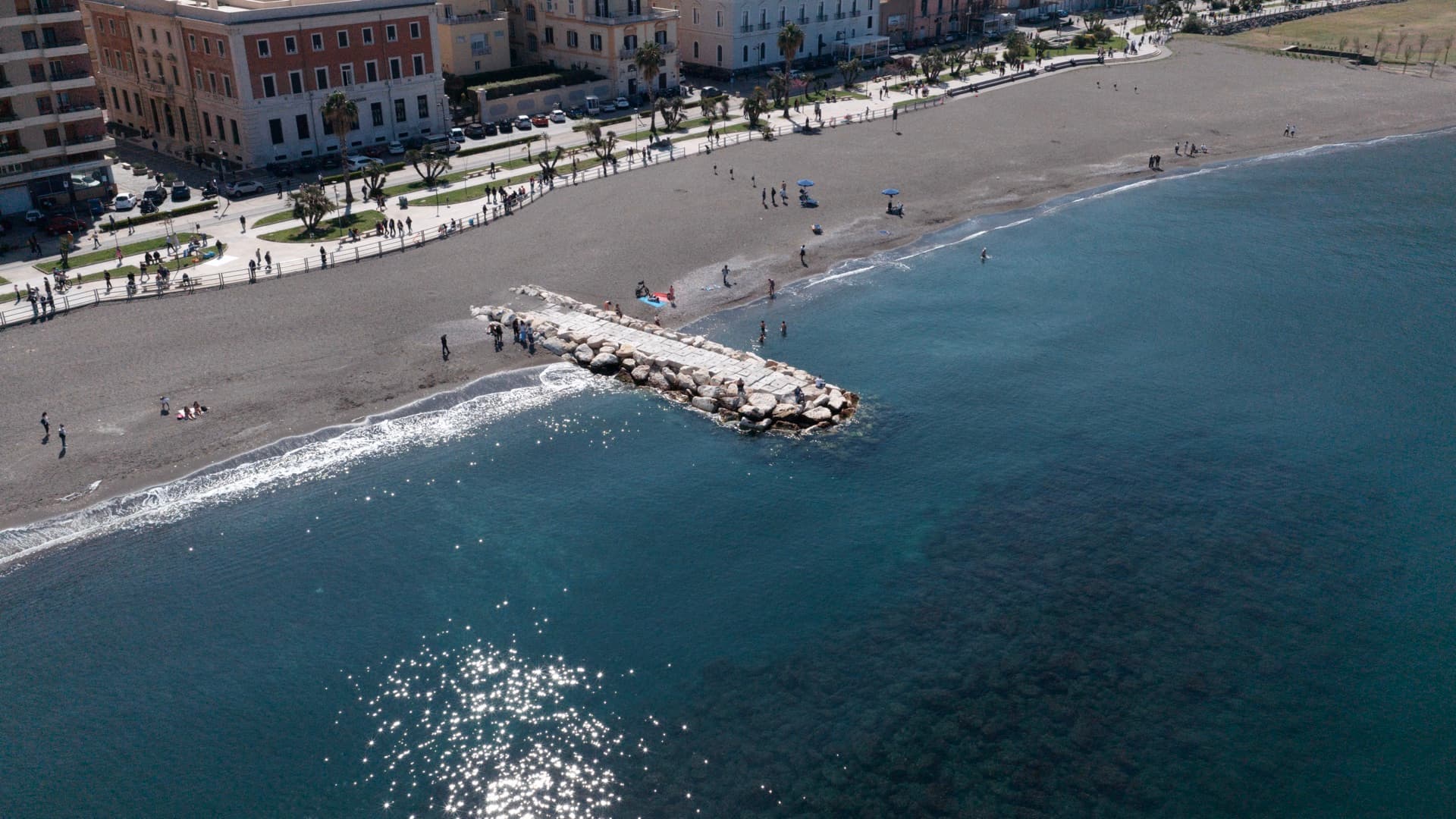
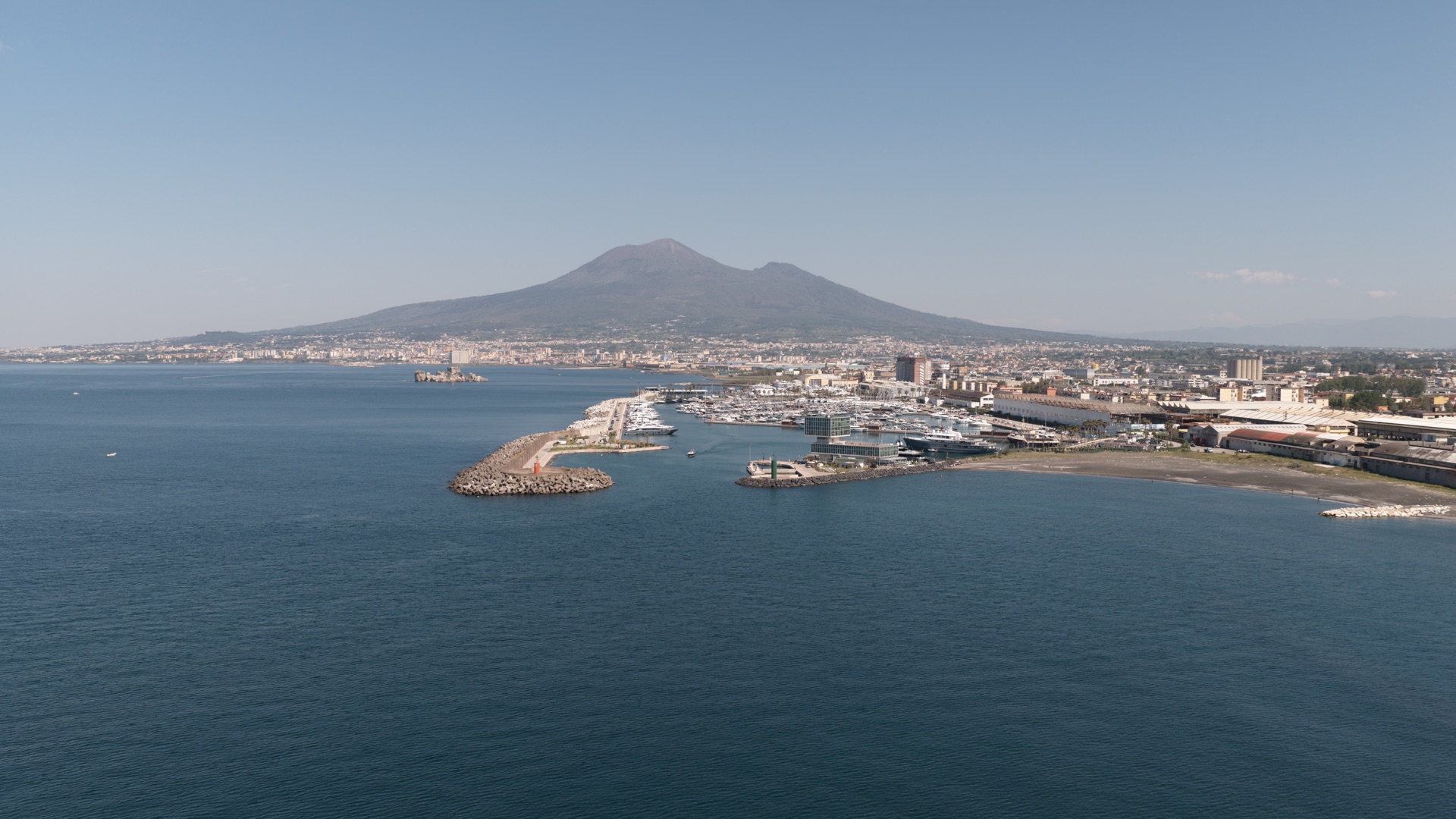
Combine your visit with a walk around the old port itself — the historic fishing boats, the pastel facades of the 18th-century houses, and the small chapel of Santa Maria della Pace. The aerial view of the Porto Vecchio, with its semicircular breakwater and the dark sand beach beyond, is one of the postcard images of the town.
4. Wander the Villa Comunale and the Cassa Armonica
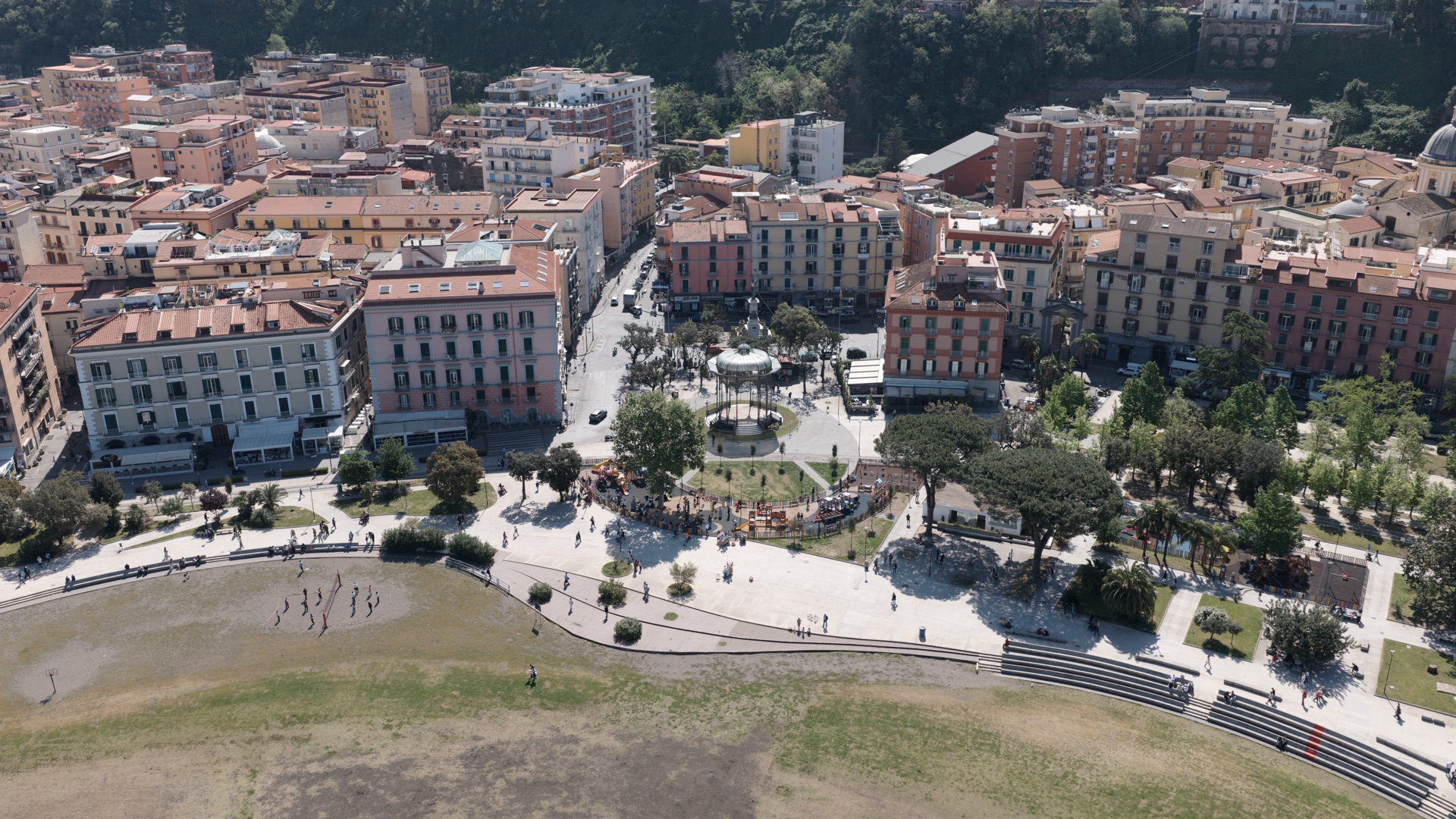
The Villa Comunale is Castellammare's main public garden, sitting directly on the seafront between Piazza Principe Umberto and the old port. At its centre stands the Cassa Armonica, an octagonal Liberty-style bandstand built in 1900 in cast iron, glass, and wrought-iron flourishes. Originally designed for the municipal band that played every Sunday afternoon, it is still used for summer concerts and festivals and remains one of the most photographed landmarks in the town. The gardens around it are planted with palms, pines, and oleanders, with benches facing the sea and views across to Vesuvius. Admission is free, and the park is open from dawn to dusk.
On summer evenings, the Villa Comunale fills with families taking the traditional passeggiata — the slow evening stroll that is half social ritual, half gentle exercise. Buy a gelato from one of the kiosks on the perimeter, walk a lap, and you will have absorbed more of the town's daily rhythm than any guided tour could deliver.

5. Walk the Lungomare
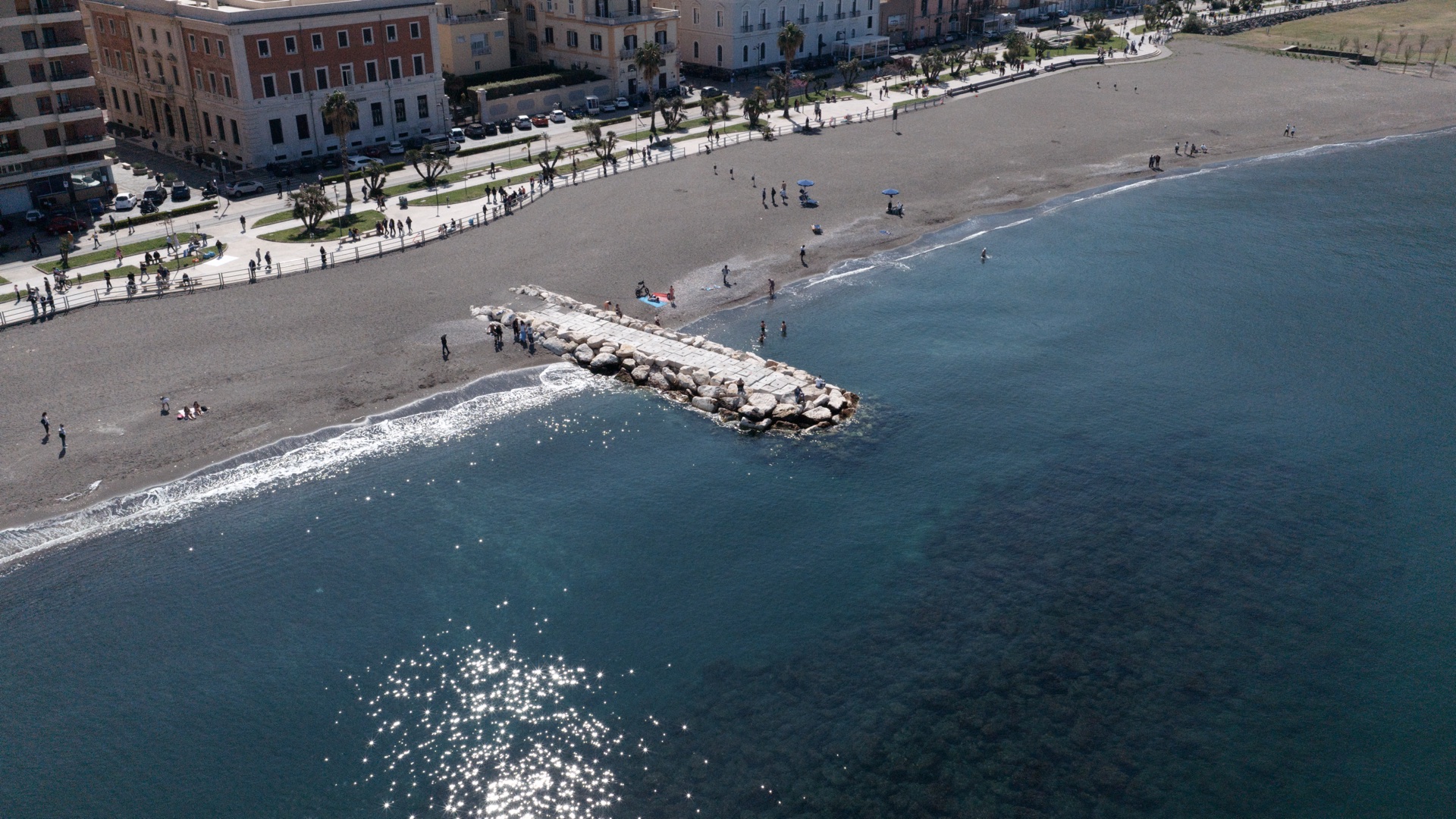
From the Villa Comunale, the Lungomare seafront promenade runs west for about two kilometres toward Pozzano. It is the town's linear living room, especially on weekend afternoons and summer evenings when half the population seems to be out walking, cycling, or leaning on the railings to chat. The views are constantly changing — the old port behind you, Vesuvius looming ahead to the north, and the cliff of Pozzano with its 17th-century sanctuary perched halfway up. There are several cafes and gelaterias along the way, a small stretch of free beach near the old shipyards, and bike-hire kiosks during the high season. The full walk takes about 45 minutes each way at a relaxed pace.
For the best light, time your walk to the golden hour (roughly an hour before sunset in summer) when the sea goes silver and the pink facades of the seafront buildings catch the sun directly. Sunset itself is over the Sorrento side, so the sky turns gold and peach while the coastline ahead stays blue.
6. Day Trip to Capri by Ferry
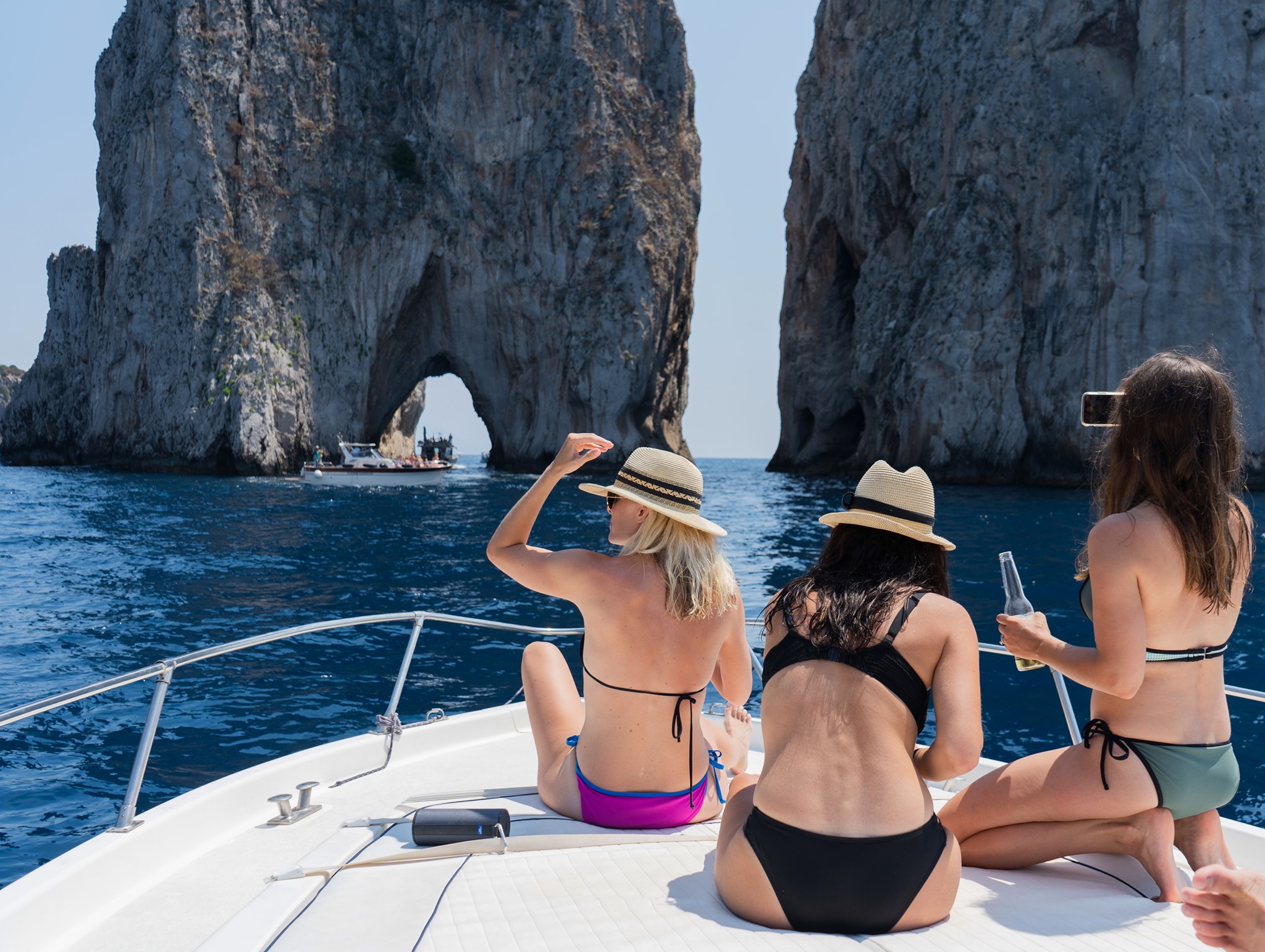
The direct ferry from the Porto di Stabia to Capri is a well-kept local secret. It runs between April and October (typically three to four departures daily in summer), takes 45 minutes, and costs €19 to €22 one way. Leaving from Castellammare rather than from Sorrento or Naples means shorter queues, cheaper tickets, and a different angle of approach — the boat crosses the Gulf of Naples diagonally, giving you views of Vesuvius behind you and the Sorrento Peninsula on your right the entire way. Operators include Alilauro and Caremar; tickets are available at the port ticket office and online through traghetti.it. On the island, you have the full Capri experience: the Piazzetta, the chair lift to Monte Solaro, the Blue Grotto (weather permitting), and the swim at Marina Piccola.
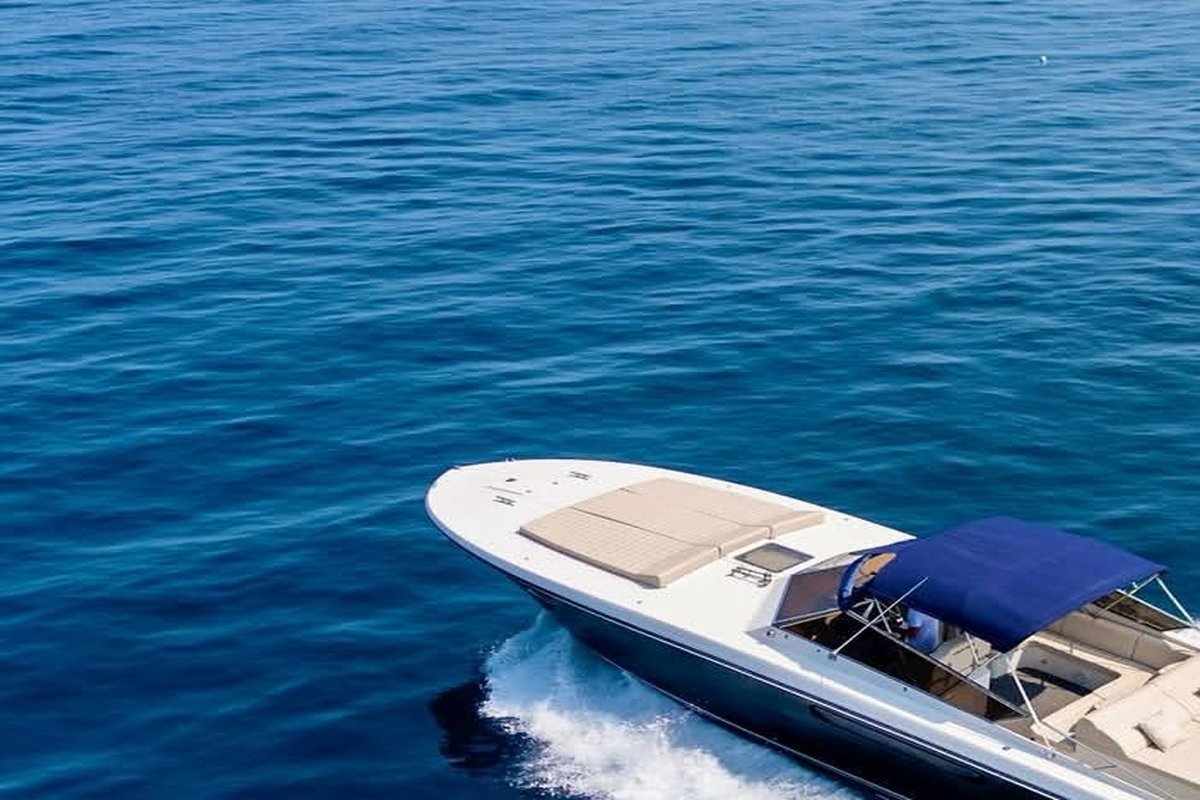
For a more relaxed experience, BlueKeys also arranges private boat tours of Capri departing from Castellammare, which let you circumnavigate the island with multiple swimming stops in the Faraglioni, at Villa Jovis cliffs, and in the hidden coves along the southern coast. A private tour from Castellammare typically costs from €900 for the boat (up to 8 passengers) and runs 6–8 hours including stops.
7. Relax at the Terme Stabiane
The Romans built large public thermal baths at Stabiae because the mineral springs here were believed to cure everything from arthritis to infertility. Two millennia later, the tradition continues at the modern Terme di Stabia complex, which draws water from the same three natural springs (Acetosella, Solfurea Media, and Acqua della Madonna). The facility offers a mix of medical thermal treatments and recreational spa experiences — thermal pools, mud treatments, inhalation therapies for respiratory complaints, and modern wellness packages with massages and sauna. A standard half-day spa pass with access to the pools and sauna runs €25 to €45 depending on the day and season. Full treatments are more, and some are covered by the Italian national health service for residents. The grounds are set in a pine park on the hillside, and the mix of 19th-century pavilions and modern wellness architecture has a particular Belle Époque charm that is rare in southern Italy.
8. See the Reggia di Quisisana
High above the town, set in a park of holm oaks and Mediterranean pines, stands the Reggia di Quisisana — a royal palace built in the 14th century as a hunting lodge for Charles II of Anjou and later used as a summer residence by the Bourbon kings of Naples. The name comes from the Latin qui sana (here one heals), a reference to the excellent air quality at this altitude. The palace was restored in the late 18th century by Ferdinand IV, who installed the neoclassical facade and landscaped the surrounding park. Today, the exterior and the gardens are freely accessible; the interior is used for cultural events and is open for scheduled visits (check the local tourism office for dates). The park itself is a wonderful escape on a warm day — cooler by several degrees than the town below, with walking paths, shaded benches, and a panoramic terrace with views across the gulf.
9. Explore the Historic Centre and Piazza dell'Orologio
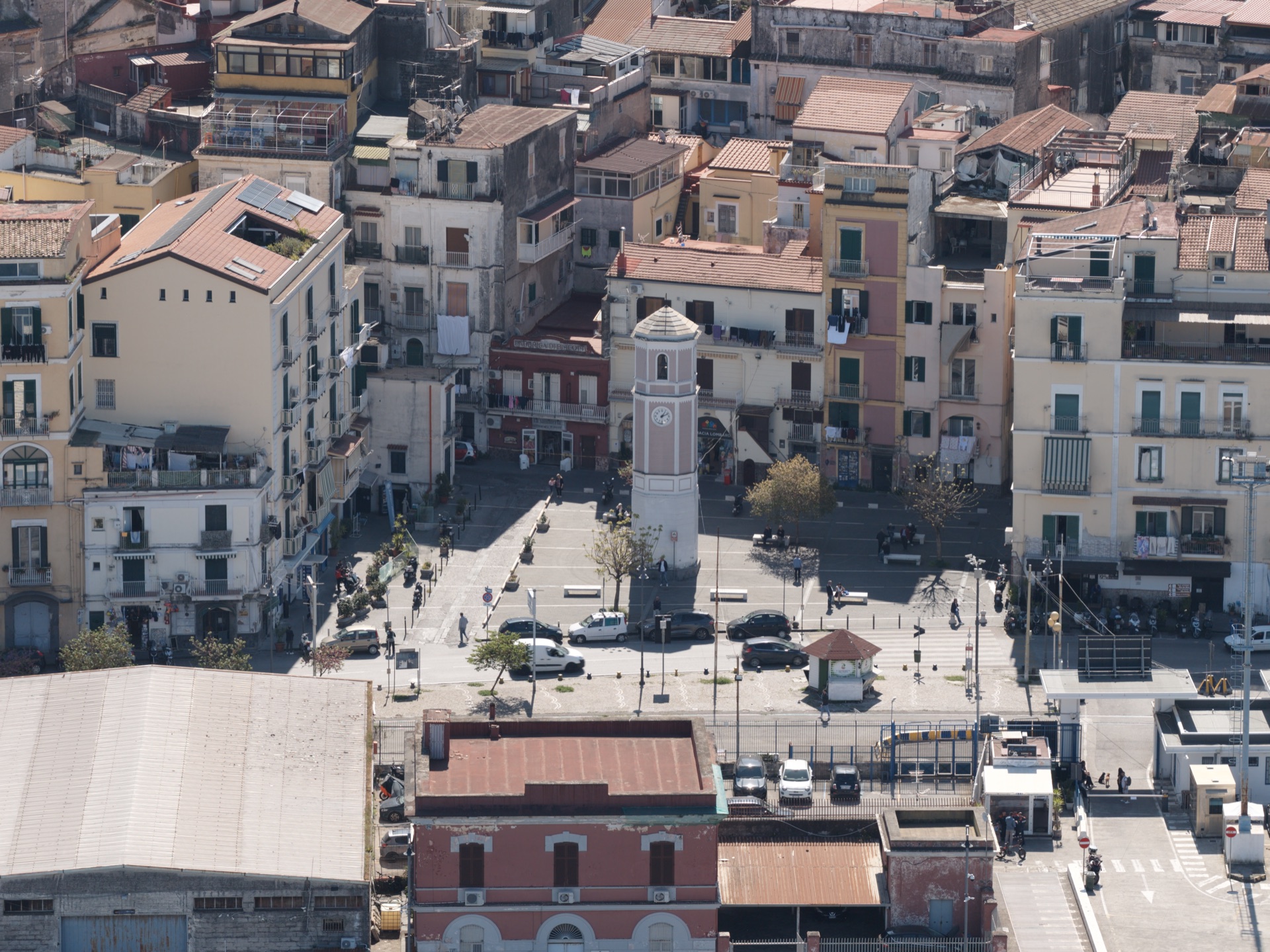
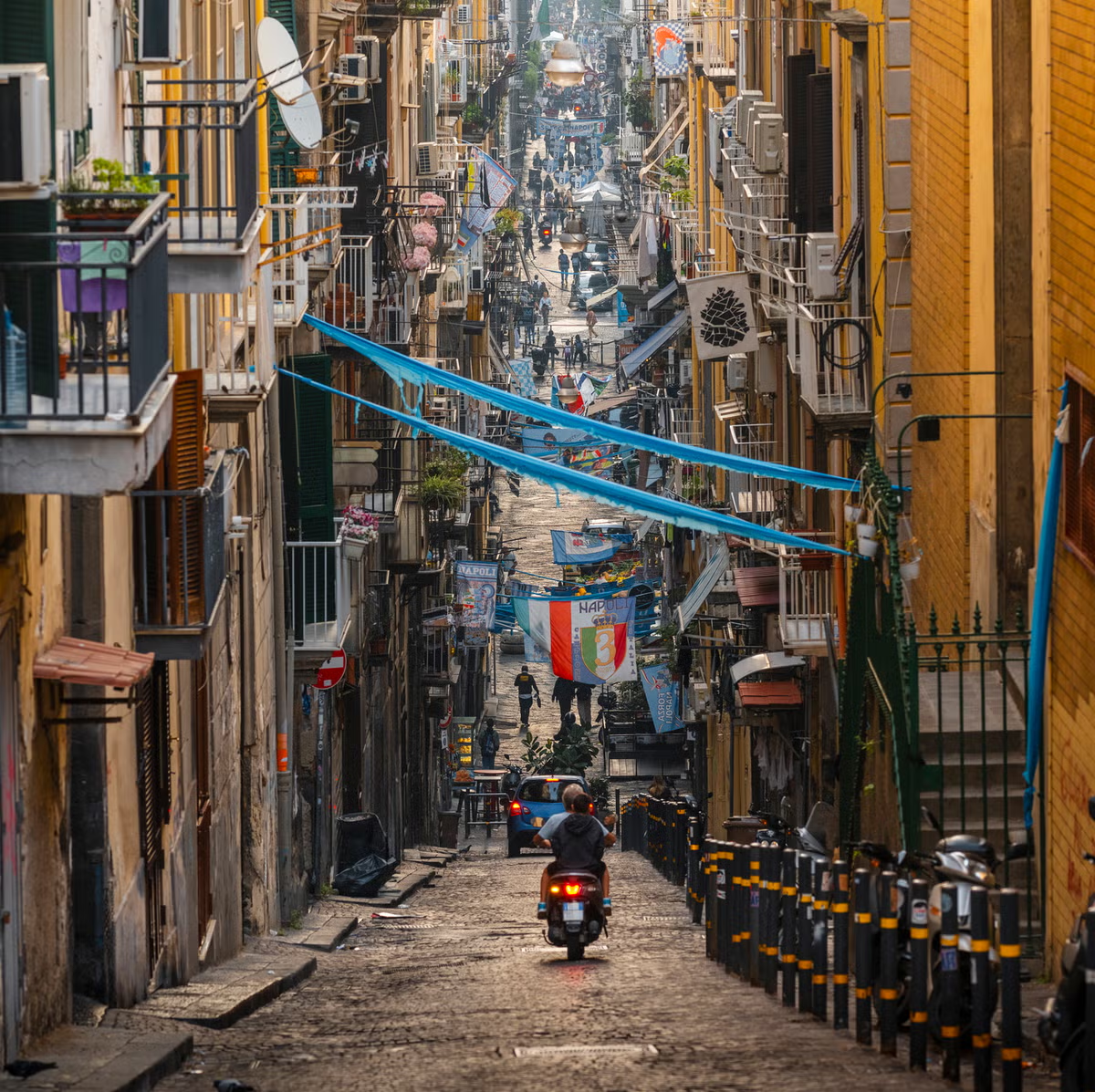
Castellammare's compact historic centre is organised around two main squares: Piazza Spartaco (named after the gladiator said to have died in a battle on the hillside above) and the older Piazza del Municipio, known locally as the Piazza dell'Orologio for the 18th-century clock tower that anchors one side. From here, narrow lanes fan out toward the port and up the hill toward the cathedral. The atmosphere is decidedly unvarnished — small trattorias where locals eat lunch, old-fashioned barbershops, pasticcerie that still make the local brioche col wurstel (a sweet brioche stuffed with a frankfurter sausage — a 20th-century invention unique to the Naples area), and churches that are worth a short visit for their Baroque altars and 17th-century paintings. A self-guided walk through the centre takes about 90 minutes and is best done late morning when the shops are open and the light is soft on the pastel facades.

10. Where to Eat in Castellammare — Local Picks
Castellammare's culinary identity leans on the sea and on a distinctive local cheese — Provolone del Monaco DOP, aged in the caves of nearby Monte Faito. The picks below come from locals who live here, organised by zone and occasion rather than ranked. The quality along the seafront is consistently good, so you can walk in almost anywhere; these are the names worth knowing first.
Lungomare — Pasta & Seafront Dining
Nobile Pasta Bar is the address for a plate of pasta with a sea view in an informal setting. Honest cooking, fair prices, and a terrace on the water that turns passing tourists into repeat customers.
Ammare Capri Blu has the most directly-on-the-water location in town — literally suspended over the sea. It is the spot for a special occasion or a dinner timed to sunset, with careful seafood cooking.
Pizza — Lucarelli vs Zembri
The local pizza rivalry is between two names that compete for the top spot every year: Lucarelli and Zembri. Both use traditional dough, selected ingredients, and fair prices. Whichever you pick, you will have an authentic Neapolitan pizza; locals are split by personal preference. Our tip: try both on two different evenings and form your own view.
Fresh Fish in the Evening — Acqua della Madonna Area
The area around the Porto Vecchio (locally called Acqua della Madonna) has a handful of seaside chalets and trattorias serving fresh fish at reasonable prices in the evening. The local favourite is Chalet Mariarosaria — daily catch, genuine atmosphere, bills that do not surprise you.
Pastry Shops — Di Nocera & Palladino
For an Italian breakfast (sfogliatella, babà, cornetto) two historic pasticcerie are worth knowing: Di Nocera and Palladino. Both make high-quality leavened pastries and traditional Stabian sweets. Grab a cornetto and an espresso at the counter — it is how Castellammare wakes up.
Gelato & Sunset — Mago del Gelo
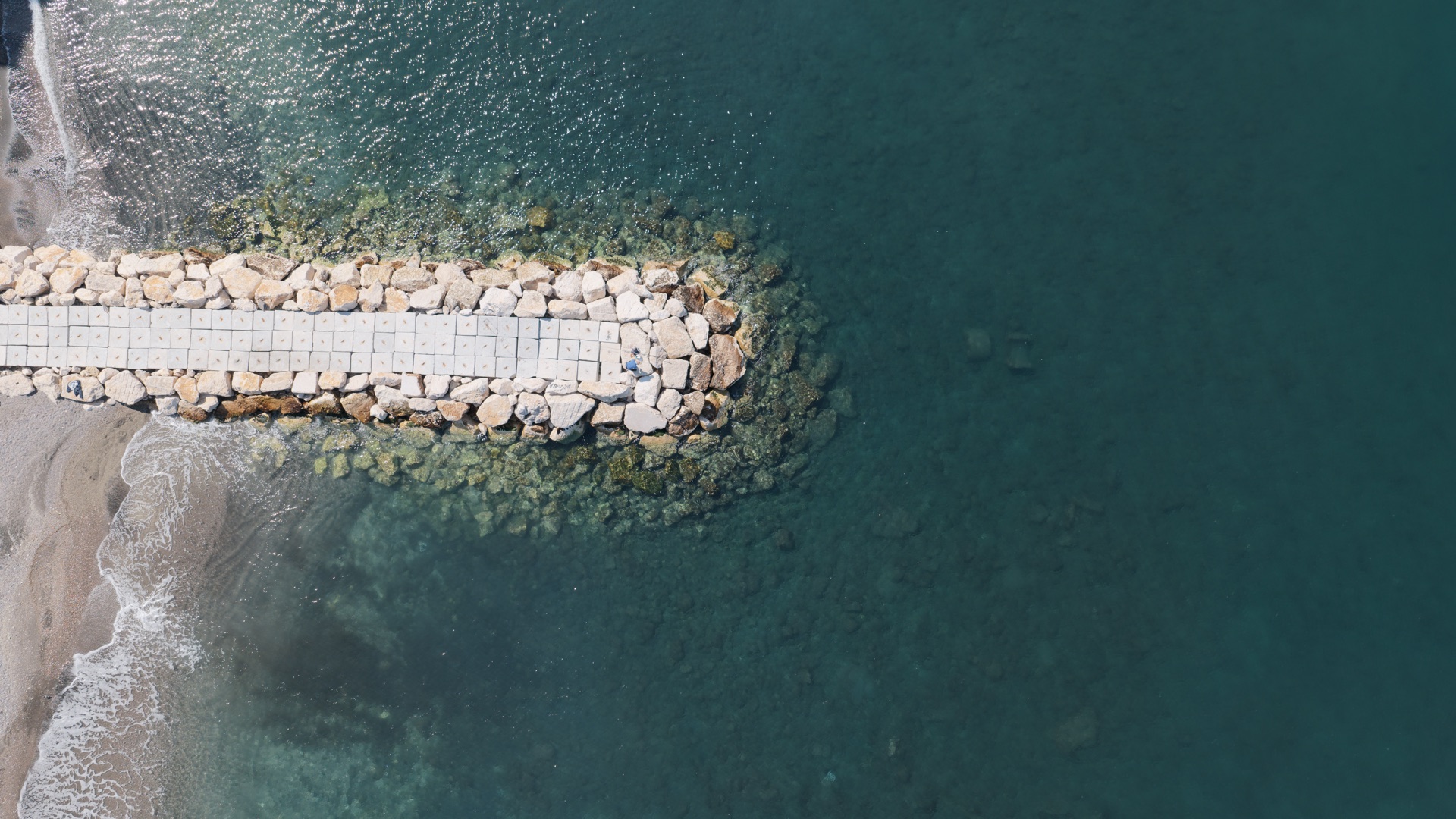
Mago del Gelo is the name to remember for artisan gelato. Take a cone or a small tub, walk down to the beach, and watch the sun drop over the gulf — one of the most pleasant rituals of a Castellammare summer evening.
Drinks & Aperitivo — Bar Caravella & the Banchine sui Moli
Bar Caravella makes the most carefully crafted cocktails in town, with serious mixologists and a seasonal list. But the local secret is to take a drink or a coffee on the banchine sui moli — small cafe tables set literally on the docks, informal atmosphere, neighbourhood prices, and views that in any other town would cost three times as much.
11. Castellammare on a Budget
Castellammare is already one of the most affordable bases on the Gulf of Naples — roughly 40% cheaper than comparable accommodation in Sorrento and half the price of Positano — but here are practical tips to stretch your budget further.
Use the Circumvesuviana train. The regional train connects Castellammare to Naples Centrale (about 45 minutes, €3.50), Pompeii (about 15 minutes, €2.20), and Sorrento (25 minutes, €2.80). A three-day Unicocampania pass covers all trains and SITA buses for €20.
Stay outside the centre. Apartments in the residential districts of Pozzano or Scanzano run €70 to €120 per night in summer, compared with €120 to €200 in the centre. BlueKeys lists apartments in Castellammare across all price brackets.
Eat lunch locally. The lunch menu (menu del giorno) at neighbourhood trattorias costs €15 to €20 for two courses plus water. It is almost always better value than dinner.
Take the Monte Faito cable car instead of a guided tour. The panorama from the summit is better than anything you will see from a bus tour, and it costs €8 instead of €60.
Free activities. The Roman villas of Stabiae, the Antiquarium museum, the Villa Comunale, the Lungomare, the Porto Vecchio, the Reggia di Quisisana gardens, and the Cassa Armonica are all free to enter. A full day of serious sightseeing can cost nothing beyond an espresso and a sandwich.
12. Best Time to Visit Castellammare
Castellammare is a year-round destination because it serves a real local economy, but for tourism the sweet spots are spring and early autumn.
| Month | Avg. Temp | Crowds | Notes |
|---|---|---|---|
| April | 18–22 °C | Low | Ideal for Stabiae villas and Monte Faito; cable car reopens |
| May | 20–24 °C | Low-Mod | Best month for hiking; wildflowers on Monte Faito |
| June | 24–28 °C | Moderate | Ferries to Capri run frequently; warm sea |
| July–August | 28–32 °C | High | Italian holiday season; book stays 4 weeks ahead |
| September | 24–28 °C | Moderate | Local favourite; warm sea and thinning crowds |
| October | 19–23 °C | Low | Last month for Capri ferries; harvest foods in season |
Our recommendation: May, June, or September. The weather is warm enough for swimming and boat trips, the Monte Faito cable car is running, the ferries to Capri are frequent, and the crowds — which are never Positano-scale here in any case — are at their most manageable.
Getting to Castellammare di Stabia
By train
The Circumvesuviana train from Naples Centrale (Garibaldi) takes about 45 minutes and costs €3.50 one way. Trains run every 30 minutes from 06:00 to 22:30. The Castellammare di Stabia station is the main stop, right next to the Monte Faito cable car. From Sorrento, the same line takes 25 minutes (€2.80). The train is cheap and reliable, though it is a basic commuter line — not scenic, often crowded, and not air-conditioned.
By private transfer
A private transfer to Castellammare from Naples Airport covers 30 km in about 35 minutes door-to-door; from Sorrento it is 25 km and about 35 minutes. Sedan for 1 or 2 passengers, minivan for 3 to 8; the fixed per-vehicle price is the one shown on the route page. Transfers are the most comfortable option with luggage.
By ferry
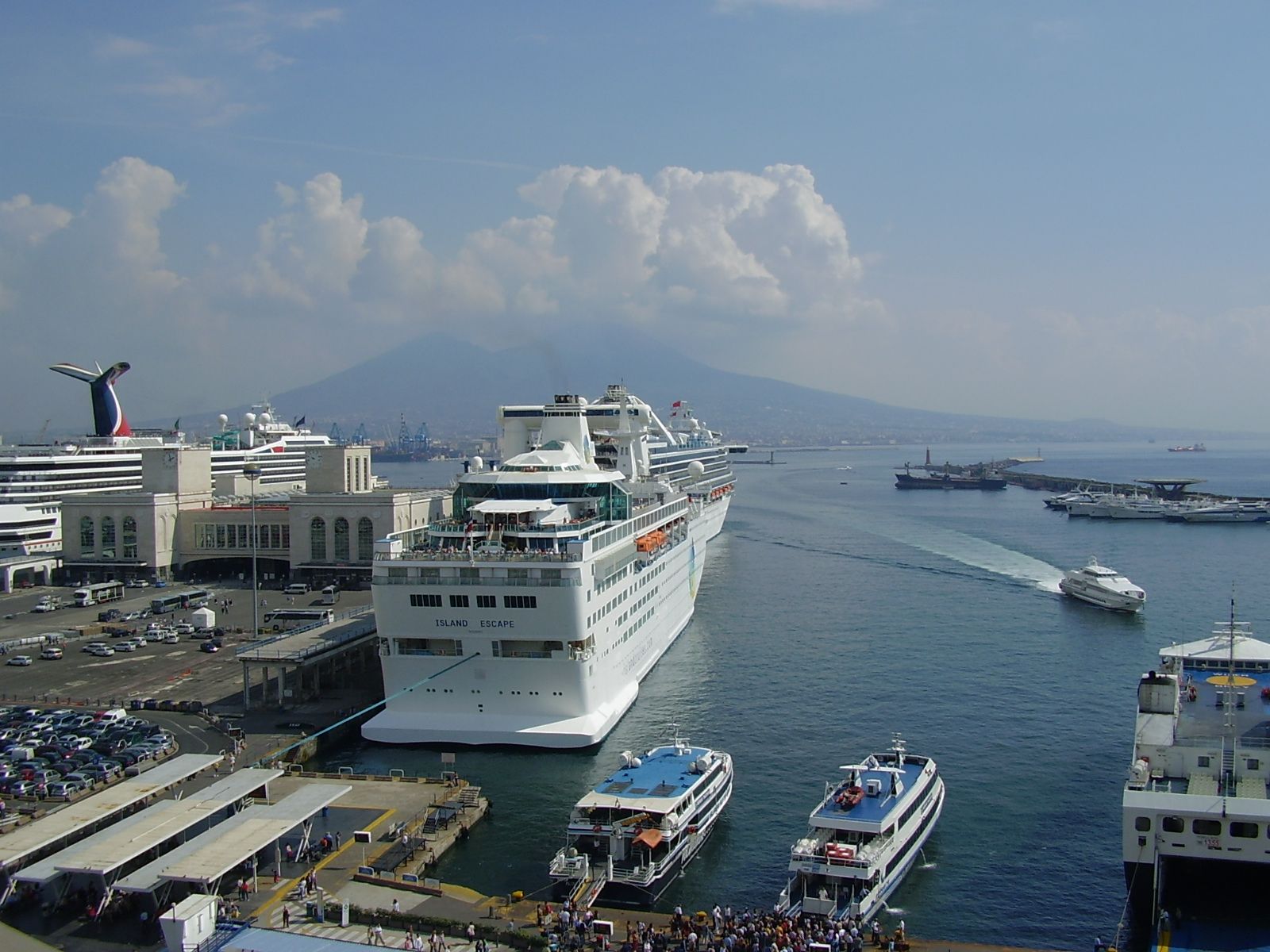
In summer, Alilauro and Caremar run passenger ferries from Naples (Molo Beverello) to Castellammare and on to Capri (about 30 minutes to Castellammare, €16 one way). These are more scenic than the train but only operate April to October.
Where to Stay in Castellammare di Stabia
BlueKeys directly curates six properties in town, each designed for a specific stay type. All rates per night, concierge management in Italian, English, German and French, direct WhatsApp contact and reply within the hour.
- Casa Savorito — entire 3-bedroom apartment up to 7 guests, free parking, elevator. From €200/night. The choice for multi-generational families and groups wanting full autonomy.
- Stabia Exclusive Stay — 3 elegant rooms each with private bathroom and city-view balcony. From €95/night. Personalised concierge management for exclusive stays.
- Lungomare Rooms — Luciano Suite — the largest unit at the B&B (up to 3 guests) with kitchenette and king-size bed. From €95/night.
- Lungomare Rooms — Monica Room — the brightest, contemporary design, functional desk. From €75/night. For couples and short workations.
- Lungomare Rooms — Beatrice Room — the most elegant, evening atmosphere by design. From €75/night. For anniversaries and romantic weekends.
- Lungomare Rooms — Lavinia Room — the most functional, reliable Wi-Fi, good acoustic insulation. From €75/night. For 3-7 night stays.
All six properties are on the seafront or a few minutes' walk from Villa Comunale, with the Circumvesuviana station reachable on foot. Compare all options and book directly, avoiding OTA commissions.
Plan Your Castellammare Trip
Browse holiday homes and apartments in Castellammare, book a private transfer from Naples airport, or arrange a private boat tour to Capri departing from the Porto di Stabia — all through BlueKeys.
Naples Airport → Castellammare di Stabia: shuttle, train or private transfer
Alibus + Circumvesuviana (EAV): €8.50, 75–82 min, 33 departures a day, 05:39–22:14. Private transfer Naples Airport → Castellammare di Stabia: from €108.53 per vehicle, 35 min, 30 km door-to-door, no changes.
| Option | Price | Journey time & frequency |
|---|---|---|
| Alibusshuttle | €5per person | 15 minevery 15 min |
| Circumvesuviana (EAV)train | €3.50per person | 45–52 min33 departures a day, 05:39–22:14 |
| Public transport, total | €8.50per person | 75–82 min |
| Private transfer | from €108.53per vehicle · up to 3 passengers | 35 min30 km · on demand, booked ahead |
| Sources: EAV — orario L1 Napoli–Sorrento (28.03.2026) | ||