Civitavecchia, Italy
Italy · Destination

Civitavecchia
Mediterranean

Rome's cruise port, 80 km from the city: the Forte Michelangelo, the Pirgo seafront and the journey that decides the day.

Rome's cruise port, 80 km from the city: the Forte Michelangelo, the Pirgo seafront and the journey that decides the day.

Visiting Civitavecchia

Civitavecchia is a Mediterranean destination in Lazio, Italy. BlueKeys offers 1 tour here. Browse handpicked vacation rentals, guided tours and experiences, boat charters and airport transfers, then book directly with the local hosts and drivers behind each listing.

From the port to Rome

Eighty kilometres, an hour and a quarter each way, and an all-aboard time that does not move. The return journey is the first thing to plan, not the last.

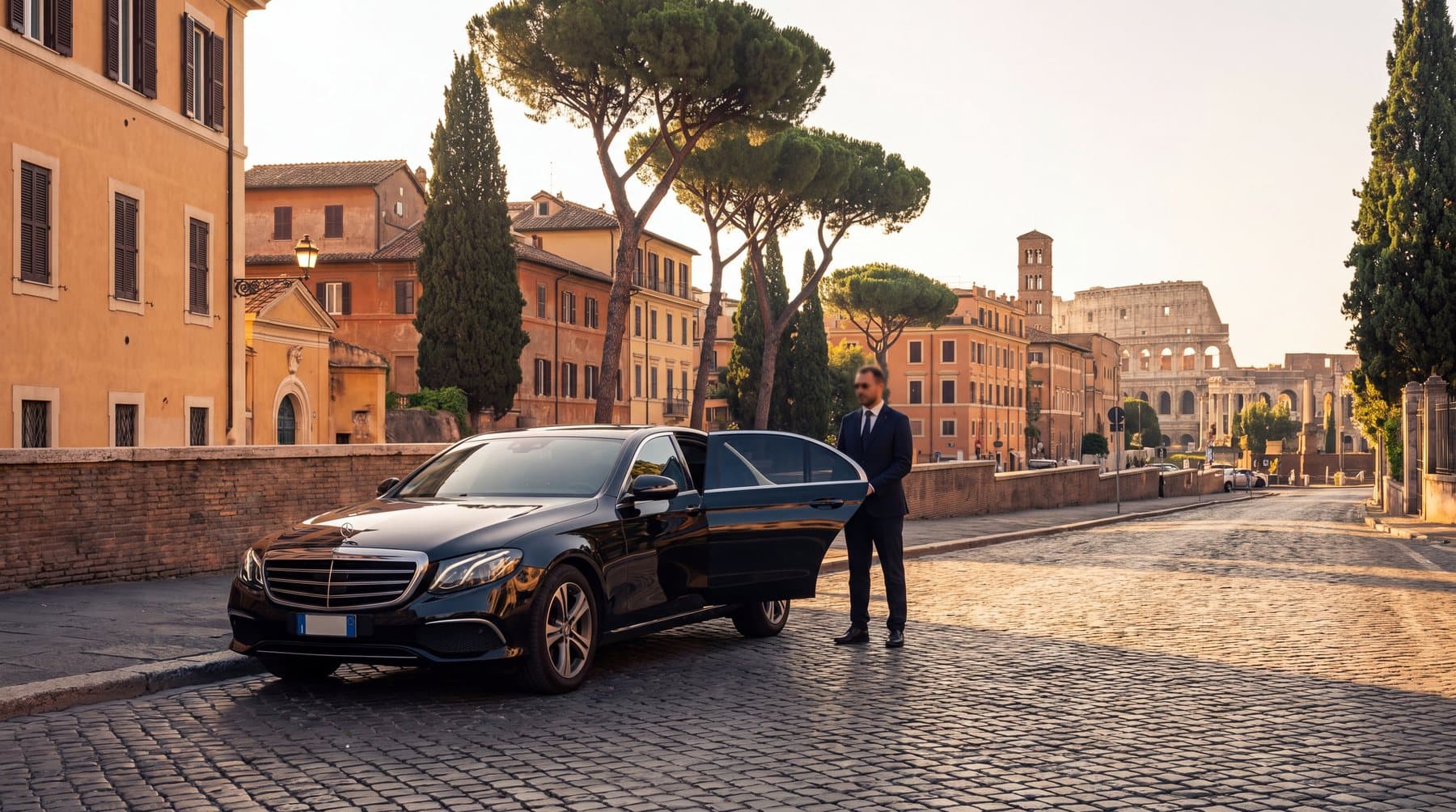
Private transfer — Cruise terminal

Private transfer

Cruise terminal · about 1 h 15 each way

Collection at the berth, a drop-off at a point agreed inside Rome, and a return with a margin on the all-aboard time. It removes the two variables a shore day cannot absorb: the shuttle and the timetable.

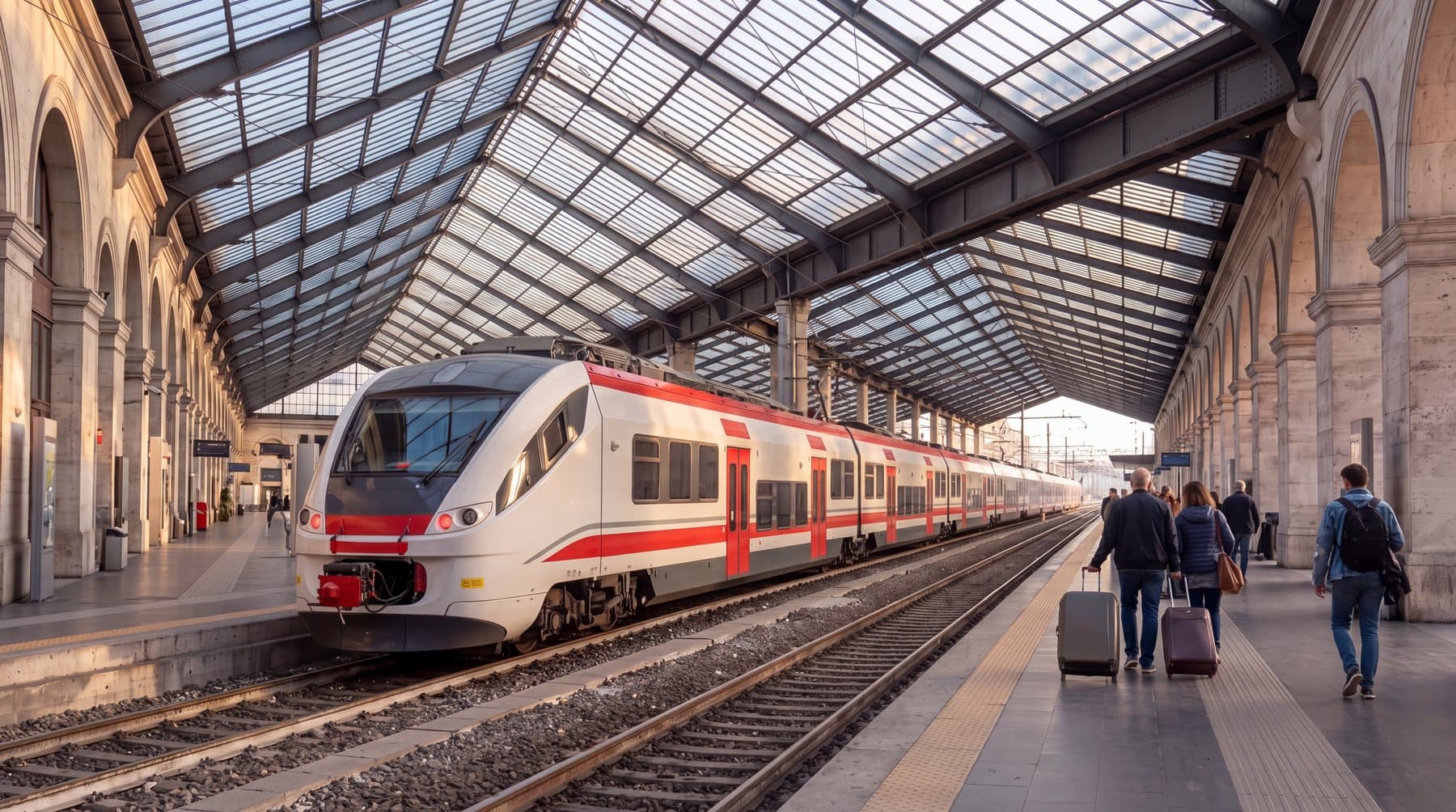
Train to Termini or San Pietro — Civitavecchia station

Train to Termini or San Pietro

Civitavecchia station · about 70 min

The cheapest way to Rome, about 70 minutes. Two things to count: the station is a shuttle ride from the berth, and the return is decided by the timetable rather than by how your day is going.

Self-drive — Port car parks

Self-drive

Port car parks · 1 h 15 to Rome

Sensible for Tarquinia and Cerveteri, which the railway serves badly, and for anyone starting a trip here rather than ending one. Useless for the centre of Rome, which is closed to traffic.

What to see in town

Forte Michelangelo over the harbour, begun in 1508 to a design attributed to Bramante. The Pirgo seafront and its platform over the water. The Terme Taurine on the hill, almost always empty.

Not only Rome

Tarquinia and its painted Etruscan tombs, half an hour north and a UNESCO site. Cerveteri and its necropolis built like a town of the dead. Both closer than Rome and rarer than anything in it.

What to eat

A working port eats fish: anchovies, the day's catch grilled without ceremony, and the fish soup that every stretch of this coast claims as its own.

Accommodation

Where are the best places to stay in Civitavecchia?

Where to stay in Civitavecchia

Civitavecchia offers a range of places to stay, from design hotels and boutique apartments to family-run guesthouses. Every property is handpicked and booked directly with the local host.

We're currently curating the best stays in Civitavecchia for our collection. In the meantime, browse our handpicked places across the Mediterranean — many within easy transfer reach.

Ask us about stays in Civitavecchia

Travel guide

What should I know before visiting Civitavecchia?

The port that Rome does not have

Rome is not a coastal city, and Civitavecchia is the answer it gave itself. The port was dug by Trajan around 107 AD, when the settlement was called Centumcellae, and it has served the capital ever since. Today it is the busiest cruise port in Italy and one of the largest in the Mediterranean, which is why most visitors meet the town for exactly as long as it takes to leave it.

The number that governs everything here is 80 km. That is the distance to Rome, an hour and a quarter each way by road, and it is the figure to plan a day around, because a ship's all-aboard time does not move.

If you have a day and you want Rome

Count the return journey first, then decide how much of the city fits in the middle. Two and a half hours of travel out of a nine hour call leaves six and a half, which is enough for the Colosseum and the centre, or for the Vatican, and not comfortably for both.

The train reaches Roma Termini or Roma San Pietro in about 70 minutes, but the station is a shuttle ride from the berth and the timetable, not you, decides the departure. A private transfer removes both variables: it collects you at the terminal, drops you at a point agreed inside the city, and brings you back with a margin on the all-aboard time. Whichever you choose, the constraint is the same and it is not negotiable.

If you stay in town

The Forte Michelangelo stands over the harbour, begun in 1508 to a design attributed to Bramante and finished decades later, with the upper tower traditionally credited to Michelangelo, whose name it kept. It is best seen from the water as the ship comes in.

Along the seafront runs the Pirgo, a beach and a raised walkway ending in a platform over the sea. The original was the smartest bathing establishment on the Lazio coast between the late nineteenth century and the early twentieth, built entirely of wood; it was destroyed and rebuilt in a modern form in 1997. Inland, a few kilometres out, the Terme Taurine are a Roman thermal complex on a hillside with a view back over the coast, and they are almost always empty.

The town centre was heavily bombed in 1943 and rebuilt afterwards, so it does not read as an old port: what is old here is the harbour itself, not the streets around it.

Beyond Rome

Not every call has to end in the capital. Tarquinia, half an hour north, holds the painted Etruscan tombs that are a UNESCO site and a rarer sight than anything in Rome. Cerveteri, closer, has the Etruscan necropolis built like a town of the dead. Both are short journeys from the port and neither is on a railway line that makes them easy.

Frequently asked

About Civitavecchia

How long does it take to get from Civitavecchia to Rome?+
About an hour and a quarter each way by road, and roughly 70 minutes by train to Termini or San Pietro. The figure that matters is not the one-way time but the round trip: two and a half hours of travelling out of a nine hour call leaves six and a half in the city, which covers the Colosseum and the centre, or the Vatican, but not both without hurrying. The train is cheaper and the station is a shuttle ride from the berth; a private transfer costs more and removes the timetable from the equation, which on a day with a fixed all-aboard time is what people are actually buying.
Is it worth staying in Civitavecchia instead of going to Rome?+
For a short call, or with small children, or if you have seen Rome before, it often does. The town gives you back the two and a half hours the round trip takes: Forte Michelangelo on the harbour, the Pirgo seafront, the Terme Taurine on the hill above. It is an honest working port rather than a sight, and the centre was rebuilt after the bombing of 1943, so do not come looking for an old town. The better argument for staying is what lies nearby: Tarquinia and its painted Etruscan tombs are half an hour north, and they are something Rome cannot show you.
Browse handpicked villas, curated tours and local experiences.

Ready to plan your trip to Civitavecchia?

All in one place

Stays, tours, transfers and boat charters — one platform, one booking

Verified Hosts

Every property personally vetted by our team

24/7 Concierge

Local support from booking to checkout

Local Expertise

Based in Sorrento — we know every corner