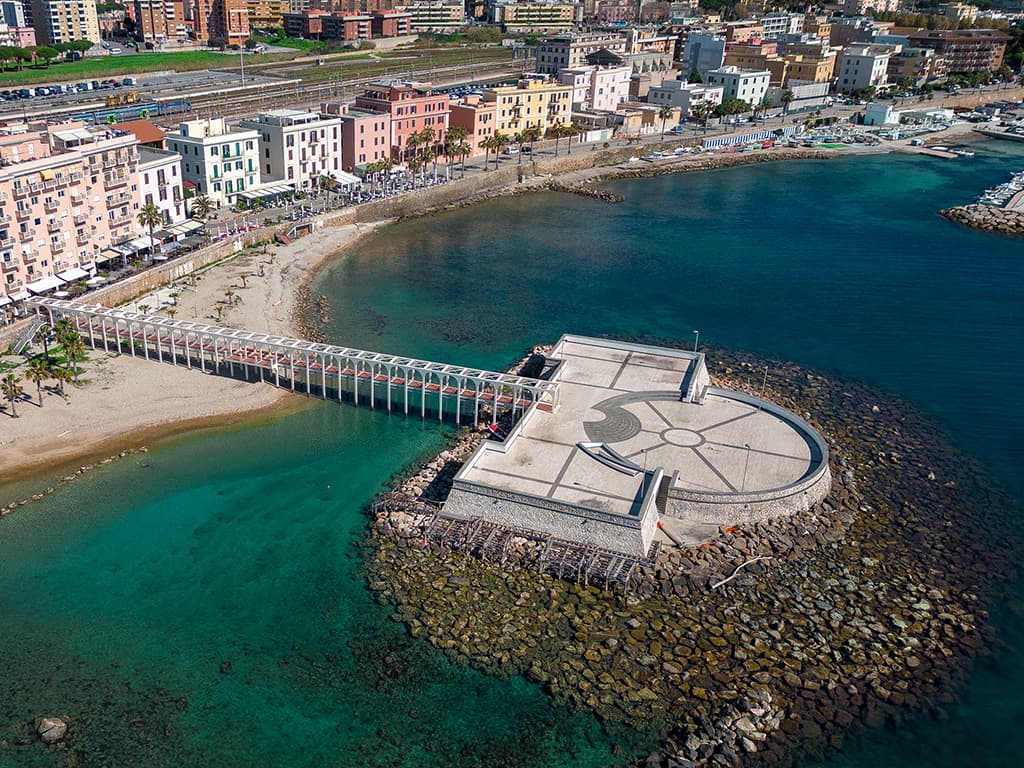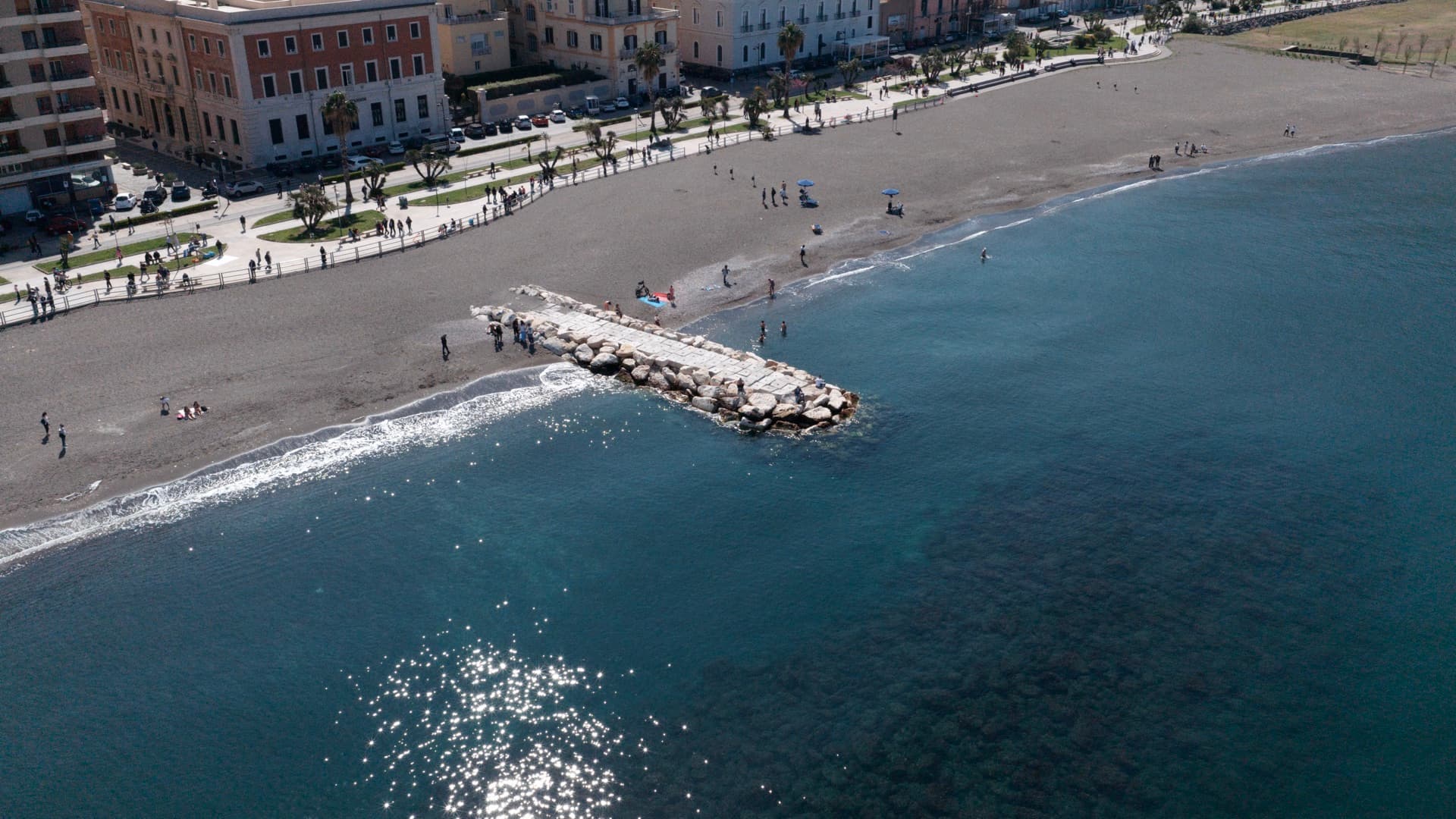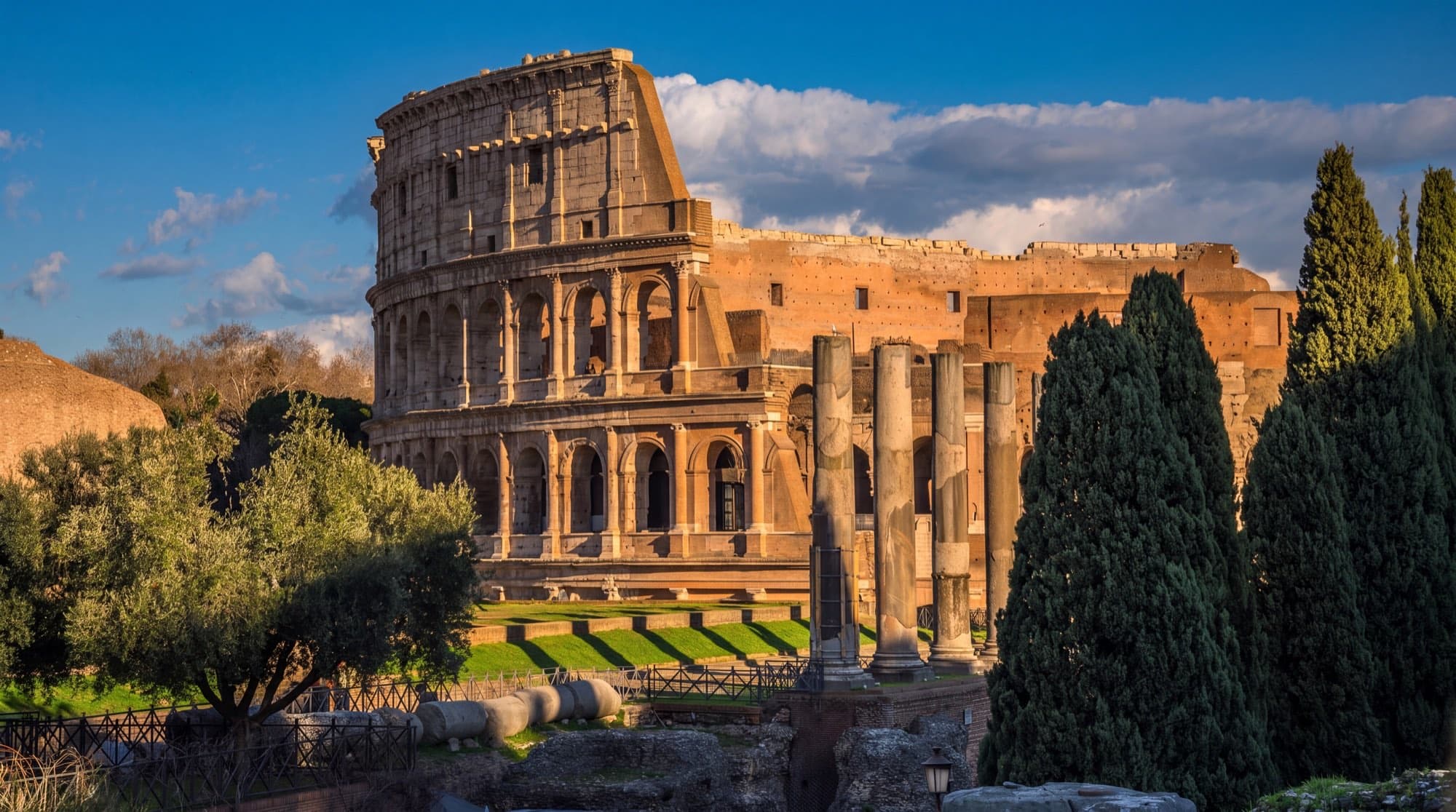
Civitavecchia is not Rome. The quay is about 80 kilometres from the Colosseum, roughly an hour and a quarter by road each way, and that round trip comes out of the same day you are trying to spend in the city. Everything below starts from that arithmetic, because it is the part most itineraries quietly skip.
The maths of a cruise call
A typical call gives you nine hours ashore, say 08:00 to 17:00, with all-aboard half an hour before departure. Subtract the transfer both ways and a sensible safety margin, and you are left with five to six hours in Rome — not nine.
- 08:30 — leave the quay
- 09:45 — first stop in the city
- 15:45 — leave Rome
- 17:00 — back on board
Those six hours are the honest budget. Every plan that promises more is either counting the drive as sightseeing or cutting the margin that protects you if the road is busy.
What fits in six hours
Rome’s landmarks are not next door to one another. The Colosseum and St. Peter’s sit at opposite ends of the historic centre, about 40 minutes apart on foot and a good deal less by car. With six hours you can comfortably do four or five stops, provided you do not queue.
A realistic sequence:
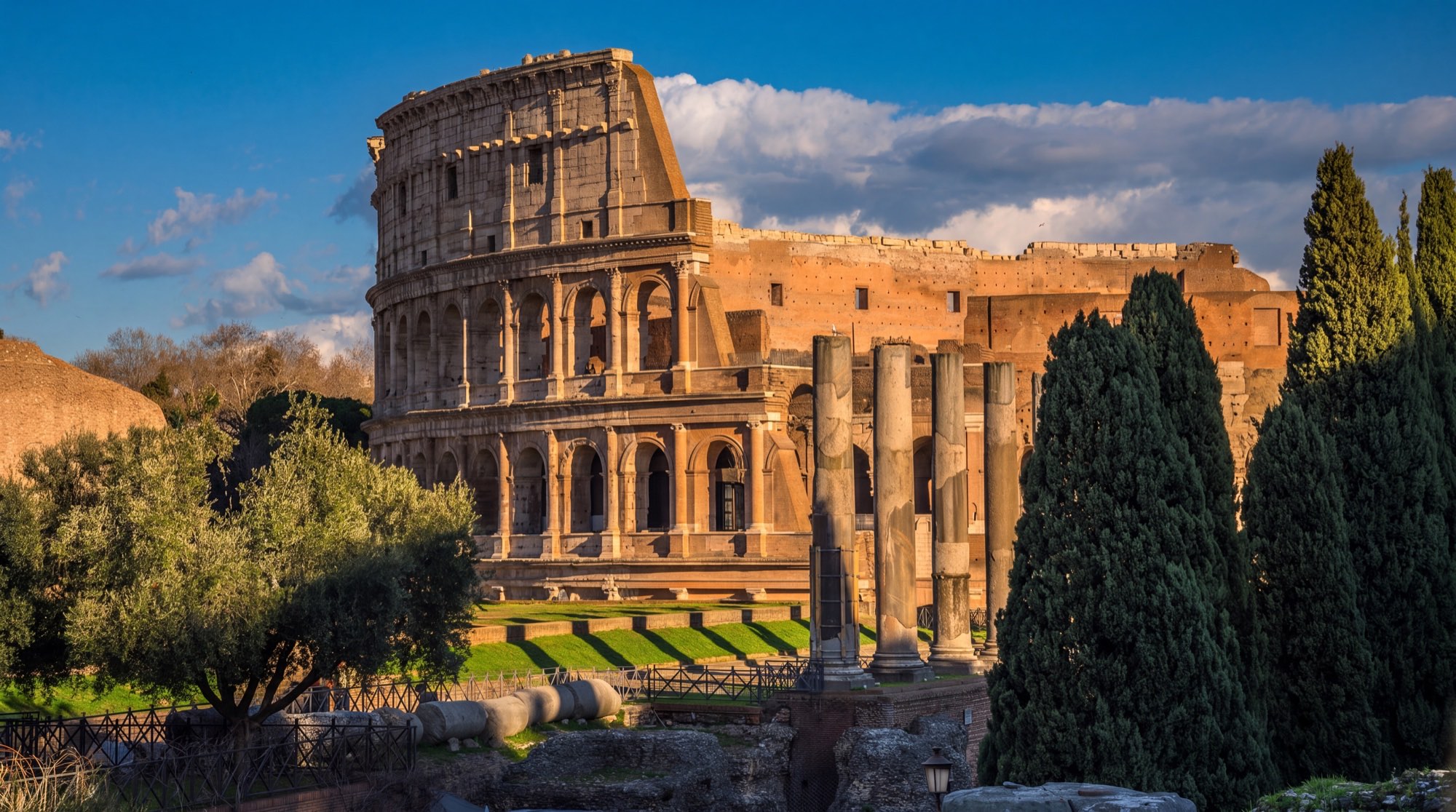
- Colosseum and Roman Forum — from the outside, about an hour with photographs. Going inside needs a timed ticket and adds at least ninety minutes.
- Piazza Venezia and the Vittoriano — twenty minutes, and the terrace gives you the whole city at once.
- Trevi Fountain — half an hour, longer in high season. Go early or late; midday is shoulder to shoulder.
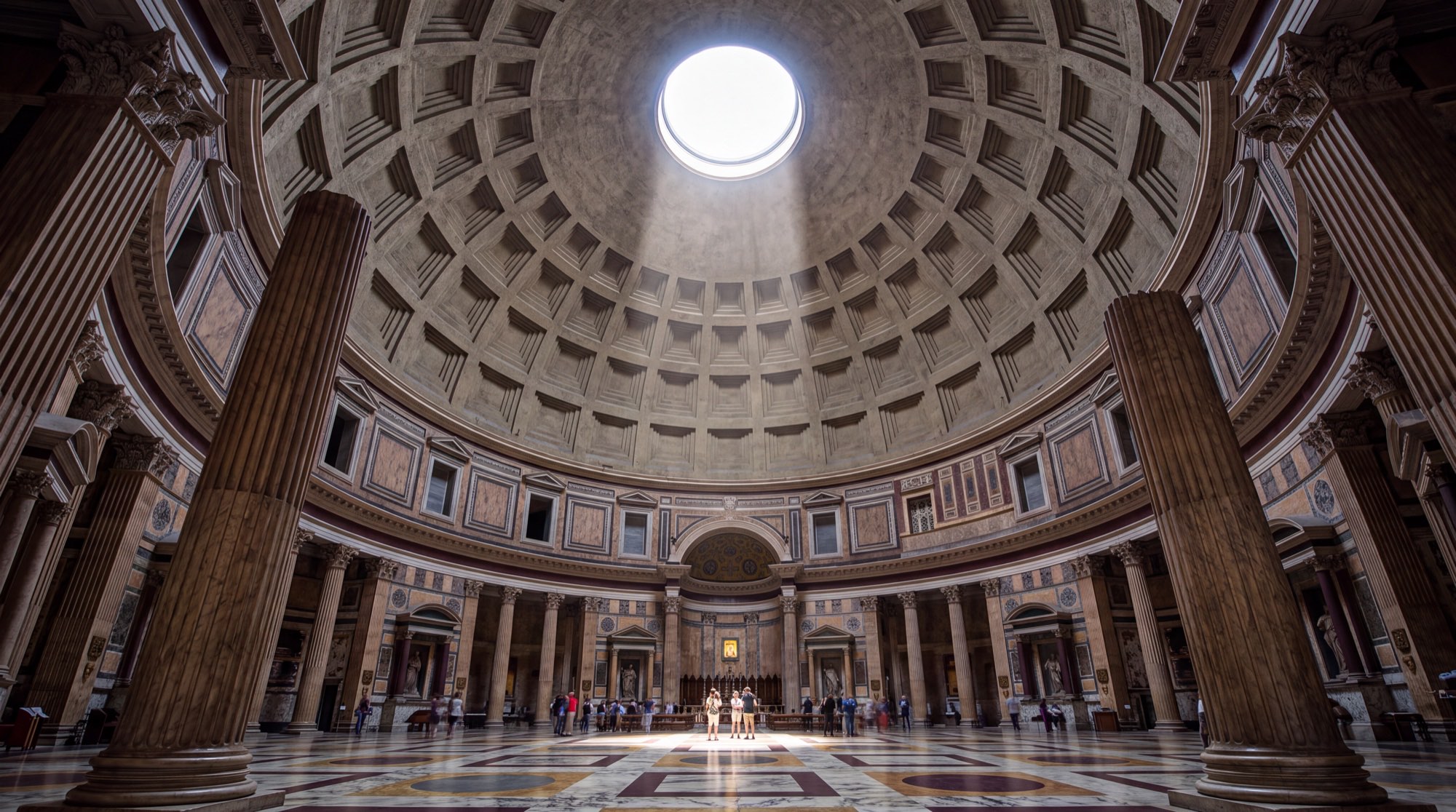
- Pantheon and Piazza Navona — an hour for both, and they are a five-minute walk apart.
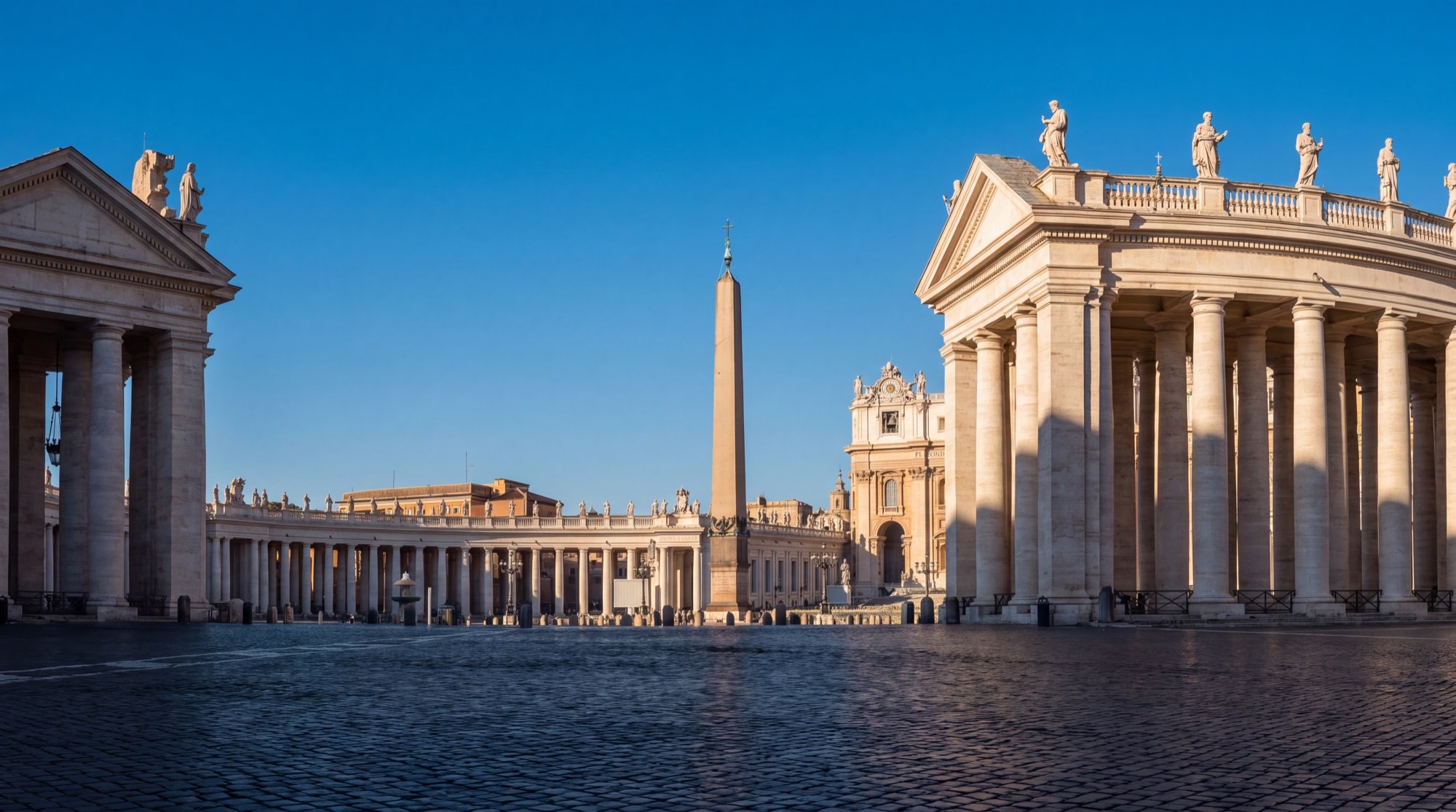
- St. Peter’s Square and Basilica — an hour if you only see the square and the church. Shoulders and knees must be covered.
What does not fit, and why
The Vatican Museums and the Sistine Chapel. The visit alone runs two to three hours, the queue can add another two, and the entrance is a fifteen-minute walk from the basilica. On a nine-hour call it eats the day and leaves you watching the clock. If the Sistine Chapel is the reason you came, plan the day around it and give up the rest.
The inside of the Colosseum without a booked slot. Timed tickets sell out days ahead in season, and the standby queue is unpredictable — the one thing a cruise passenger cannot afford.
Lunch as an event. A sit-down meal costs you a site. Most people who get it right eat something quick between stops.
Getting there: the honest comparison
The train is the cheapest way and it works, but it puts the timetable in charge: the shuttle to the port gate, the walk to Civitavecchia station, the regional train, then Rome’s metro or a long walk at the other end — and the same in reverse, with the last useful train back deciding when your day ends. Our guide to the train from Civitavecchia has the verified 2026 times and fares.
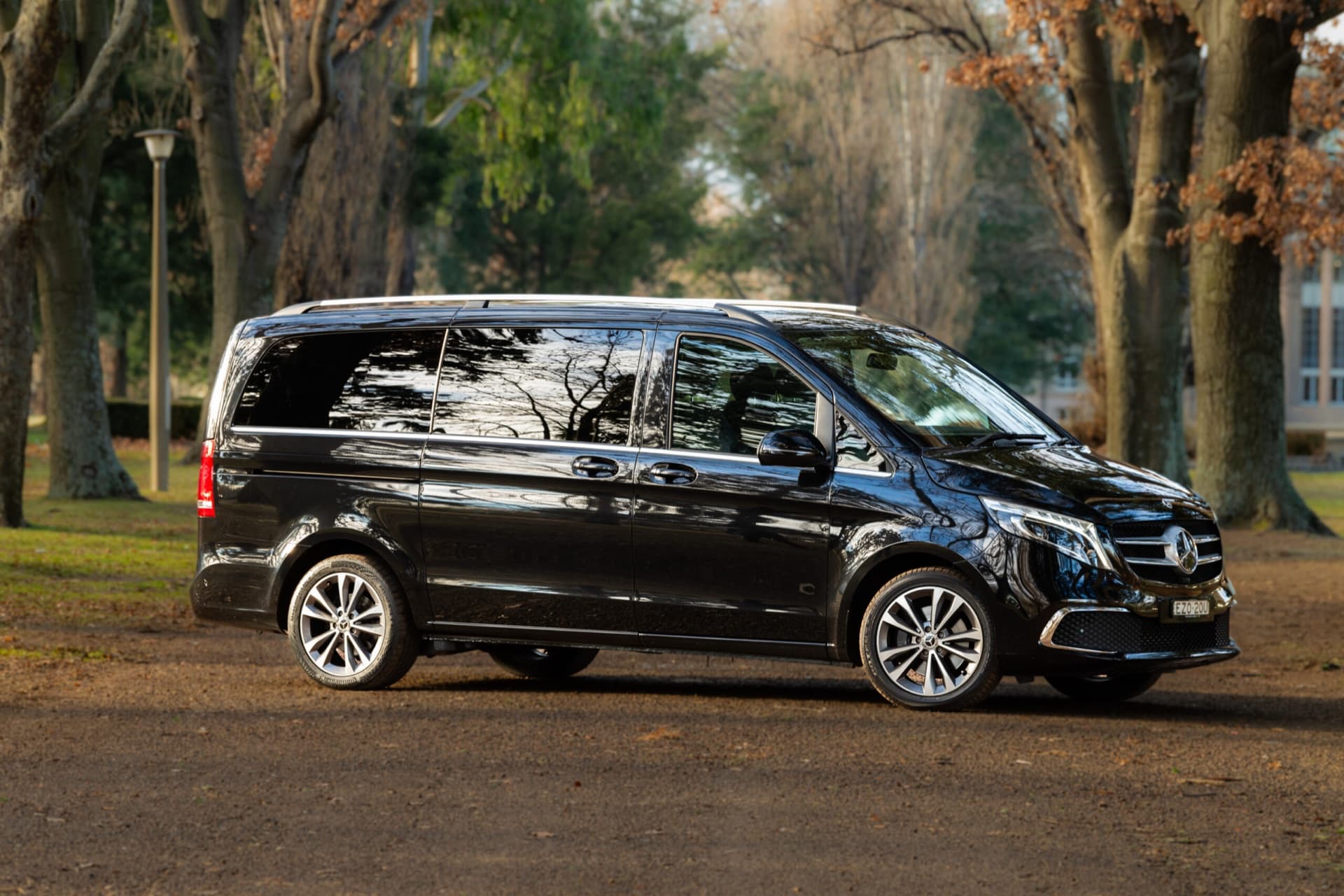
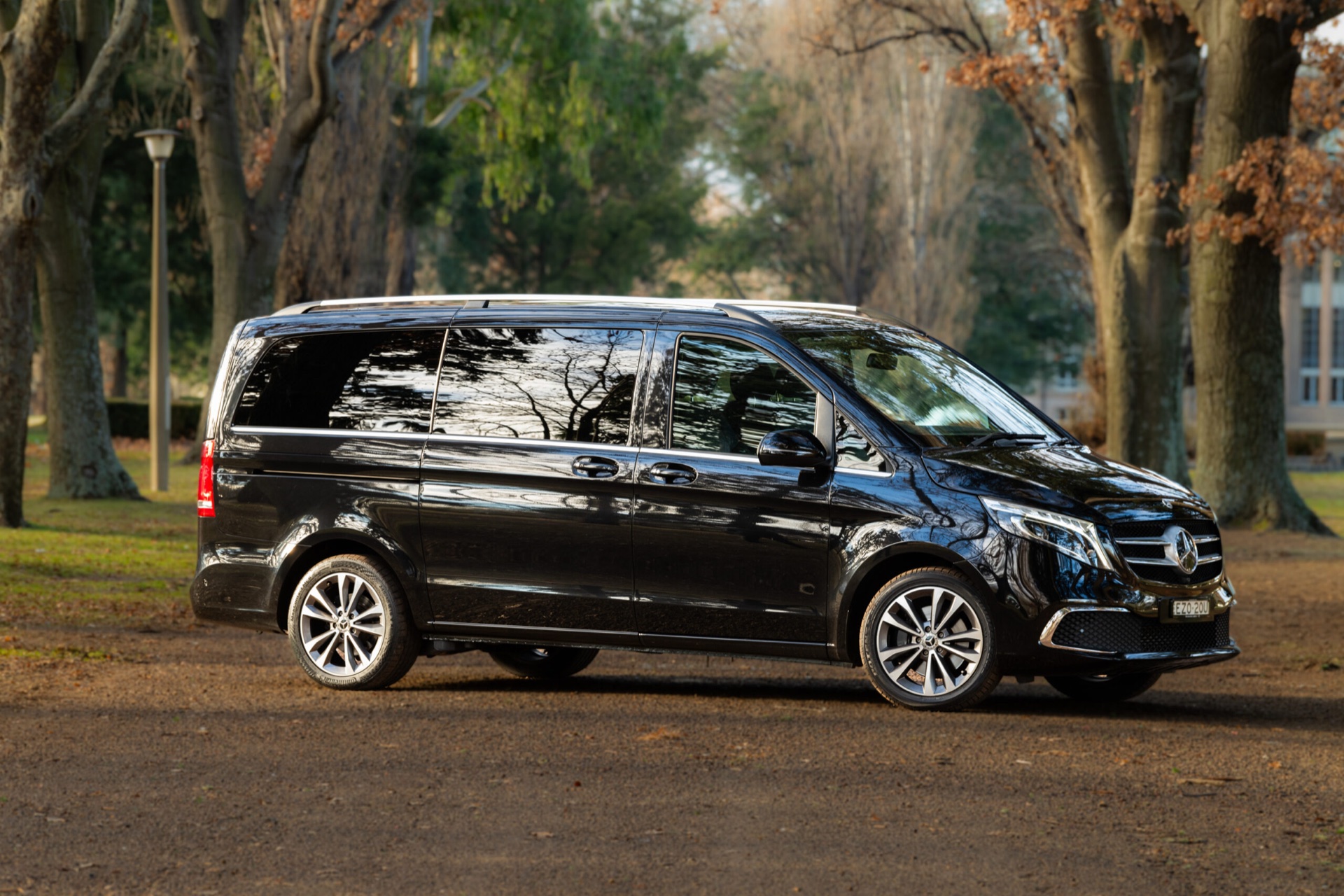
A private driver costs more and buys you the two things the train cannot: the car stays with you, so you are dropped at one landmark and collected at the next instead of walking between them, and the return is planned around your all-aboard time. On a day where the margin is the whole point, that is what turns three stops into five.
Quay to quay, with the clock handled for you
Our Rome shore excursion from Civitavecchia collects you at the cruise terminal at 08:30 and has you back by 17:00, covering the Colosseum, Trevi, the Pantheon, Piazza Navona and St. Peter’s. Price is for the whole car, not per person.
If your call is longer, or you have seen Rome already
Some itineraries give eleven or twelve hours in Civitavecchia, and some passengers have been to Rome before. In both cases the port is a starting point for more than the capital:
- Tivoli — Hadrian’s Villa and Villa d’Este, two UNESCO sites and no city traffic.
- Pompeii and Naples, for a long call and an early start.
- Florence and Pisa, realistic only with your own car and a full day.
Before you book anything
Check your ship’s all-aboard time, not the departure time — they differ by thirty minutes to an hour. Then work backwards. Everything else follows from that number.