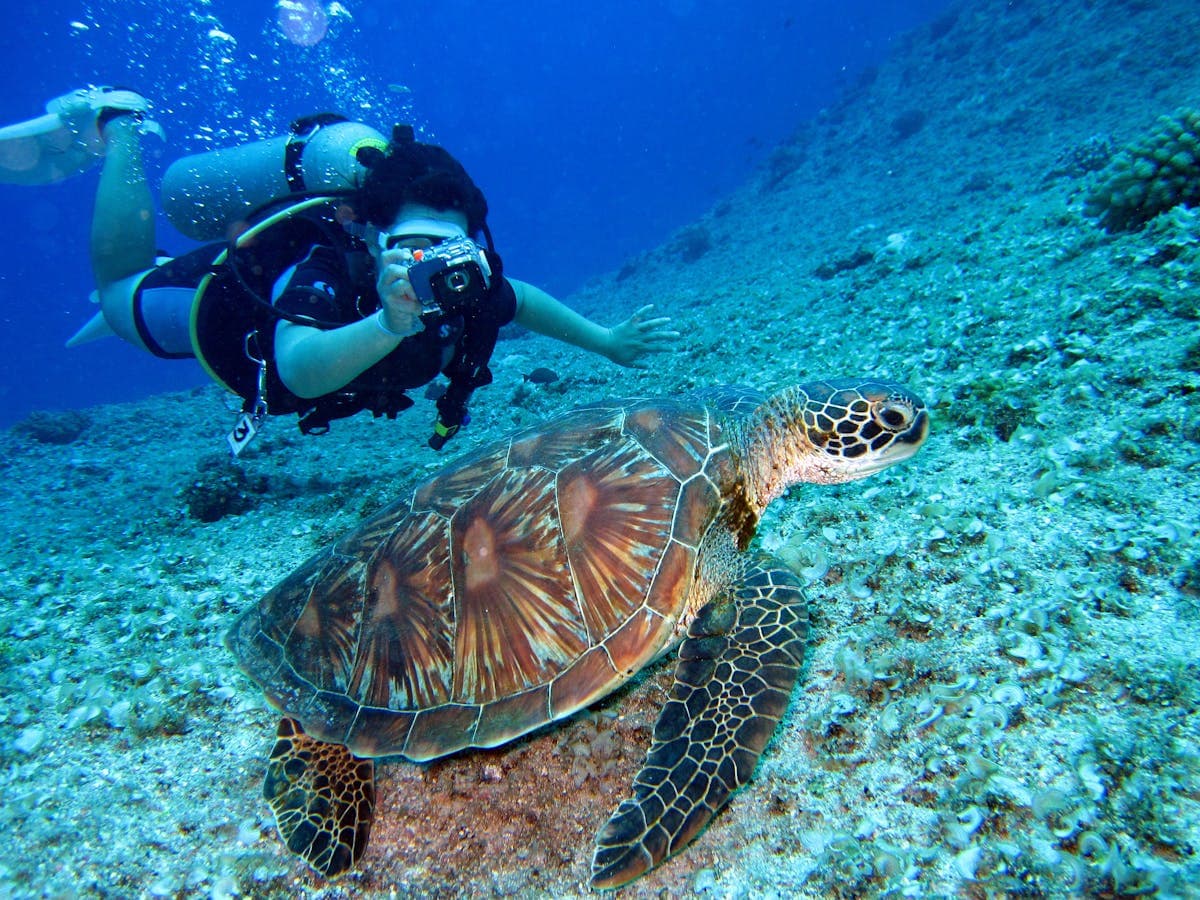
Quick answer — snorkeling Amalfi Coast
- Best spots: Bay of Ieranto, Cala di Mitigliano, Li Galli islands, Punta Campanella
- 3 boat-only spots — guided half-day tour from €45/person includes transport + equipment
- Marine life: 260+ species · seahorses, octopus, grouper, barracuda, sea turtles
- Best months: June and September · visibility 20–25m, water 22–26°C
- No certification needed — suitable for all ages from 6+
| Spot | Access | Best for | Highlight |
|---|---|---|---|
| Bay of Ieranto | Boat or 40 min hike | All levels | Turtles, crystal clarity |
| Cala di Mitigliano | Boat only | Photographers | Seahorses in Posidonia |
| Li Galli Islands | Boat only | Advanced | Barracuda, amberjack |
| Punta Campanella | Boat or shore | All levels | Caves, tube worms |
| Bagni Regina Giovanna | Shore (walk) | Families, shore entry | Roman ruins, free |
You do not need a scuba certification to explore the underwater world of the Amalfi Coast. Some of the most spectacular marine life in the Mediterranean lives within a metre of the surface — in the Posidonia meadows, rocky coves, and limestone caves of the Punta Campanella Marine Protected Area. All you need is a mask, a snorkel, and a boat to reach the right spots. This guide covers the best snorkeling locations, what you will see, and how to make the most of your time in the water.

Why the Amalfi Coast for Snorkeling
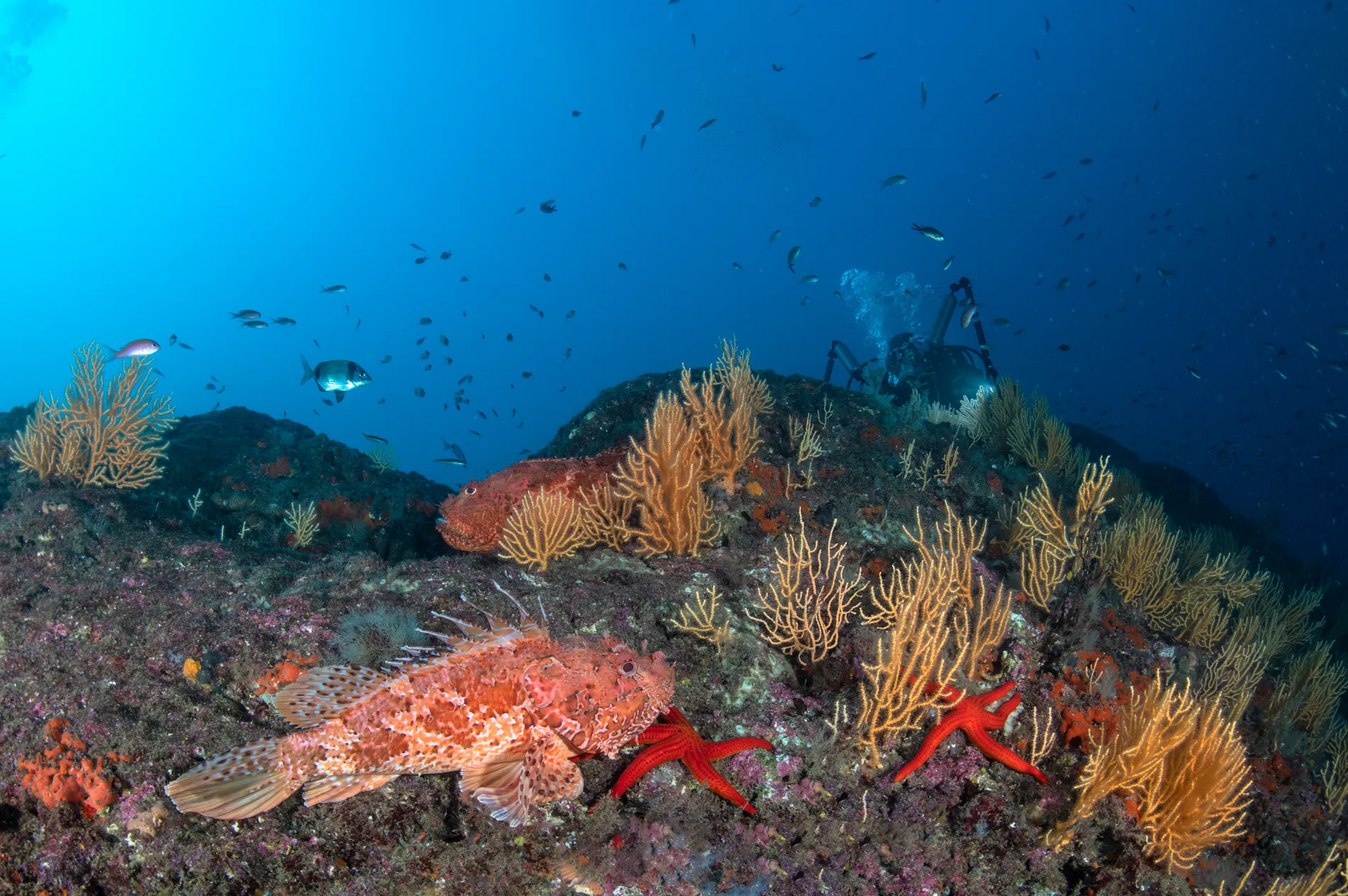
The coastline between Sorrento and Amalfi benefits from a rare combination of factors that make it ideal for snorkeling. The Punta Campanella Marine Protected Area, established in 1997, restricts fishing and boat traffic, allowing marine populations to flourish. The limestone geology creates dramatic underwater topography — cliffs, caves, arches, and boulders — starting right at the waterline. And the absence of major rivers means the water stays extraordinarily clear, with visibility often exceeding 20 metres even at the surface.
Over 260 species of fish have been documented in the MPA, along with octopus, seahorses, sea stars, moray eels, and meadows of Posidonia oceanica — the seagrass that produces more oxygen per square metre than the Amazon rainforest. Many of these species are visible in water as shallow as two metres.
Bay of Ieranto
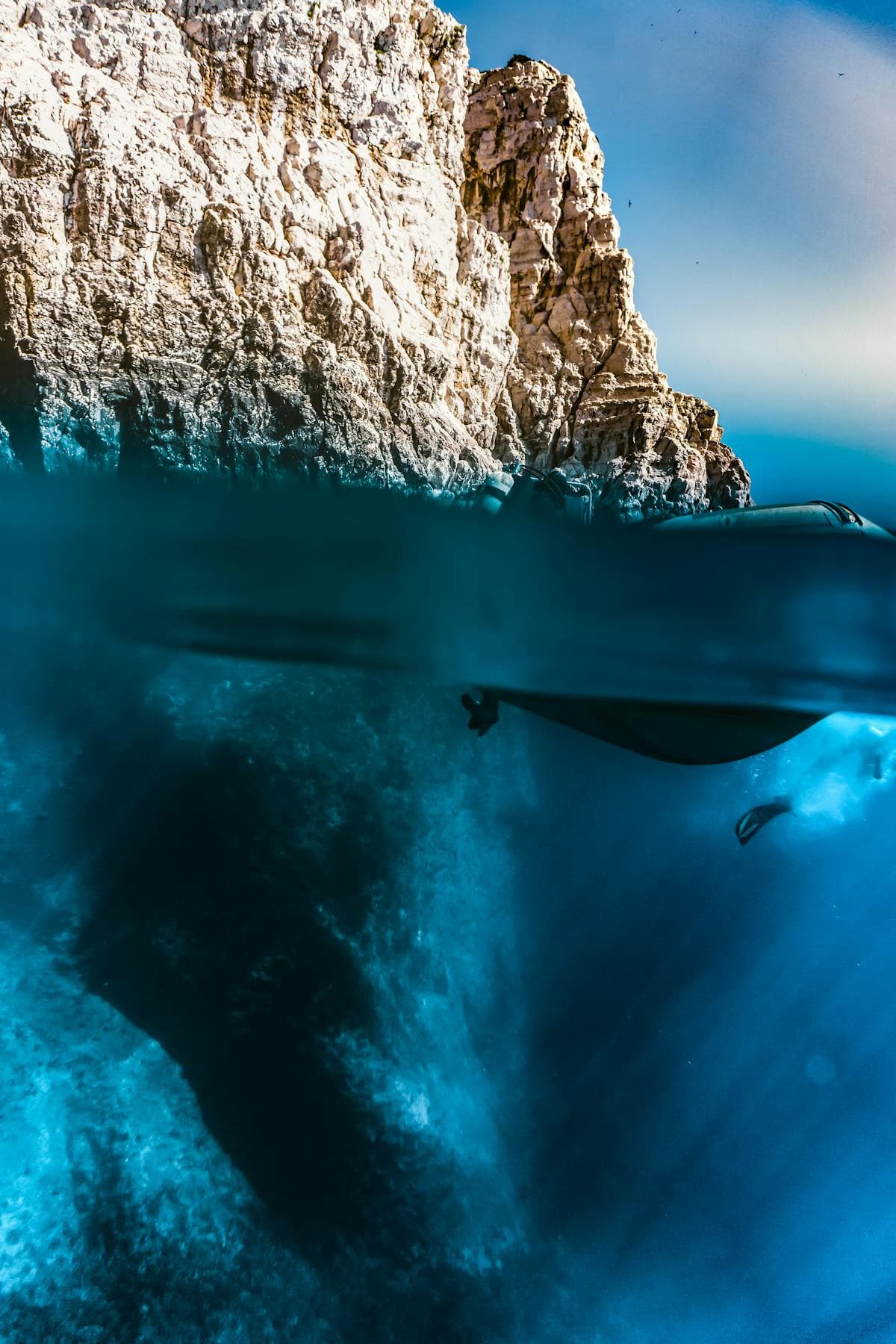
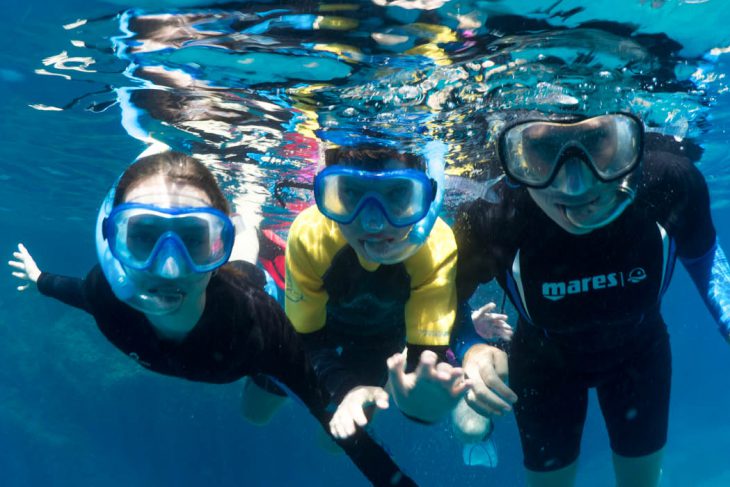
The jewel of the Punta Campanella area and a WWF nature reserve since 1986. The Bay of Ieranto faces Capri across a narrow strait, and its turquoise water is so clear you can see the bottom at six metres. The bay is sheltered from prevailing winds, making it calm even when the open sea is choppy. Snorkeling here you drift over Posidonia meadows teeming with wrasse, damselfish, and ornate wrasse. Loggerhead sea turtles have been spotted in recent summers. Along the rocky edges, look for octopus and starfish. Accessible only by boat or a 40-minute hike from Nerano.
Visibility: 15–25m. Depth: 1–8m. Difficulty: easy — minimal currents, ideal for beginners and families. Best time: morning (8:00–11:00). Key species: loggerhead sea turtles, common octopus, European starfish, ornate wrasse, sea bream, Posidonia nurseries. Water 19°C (May) to 27°C (August).
Cala di Mitigliano
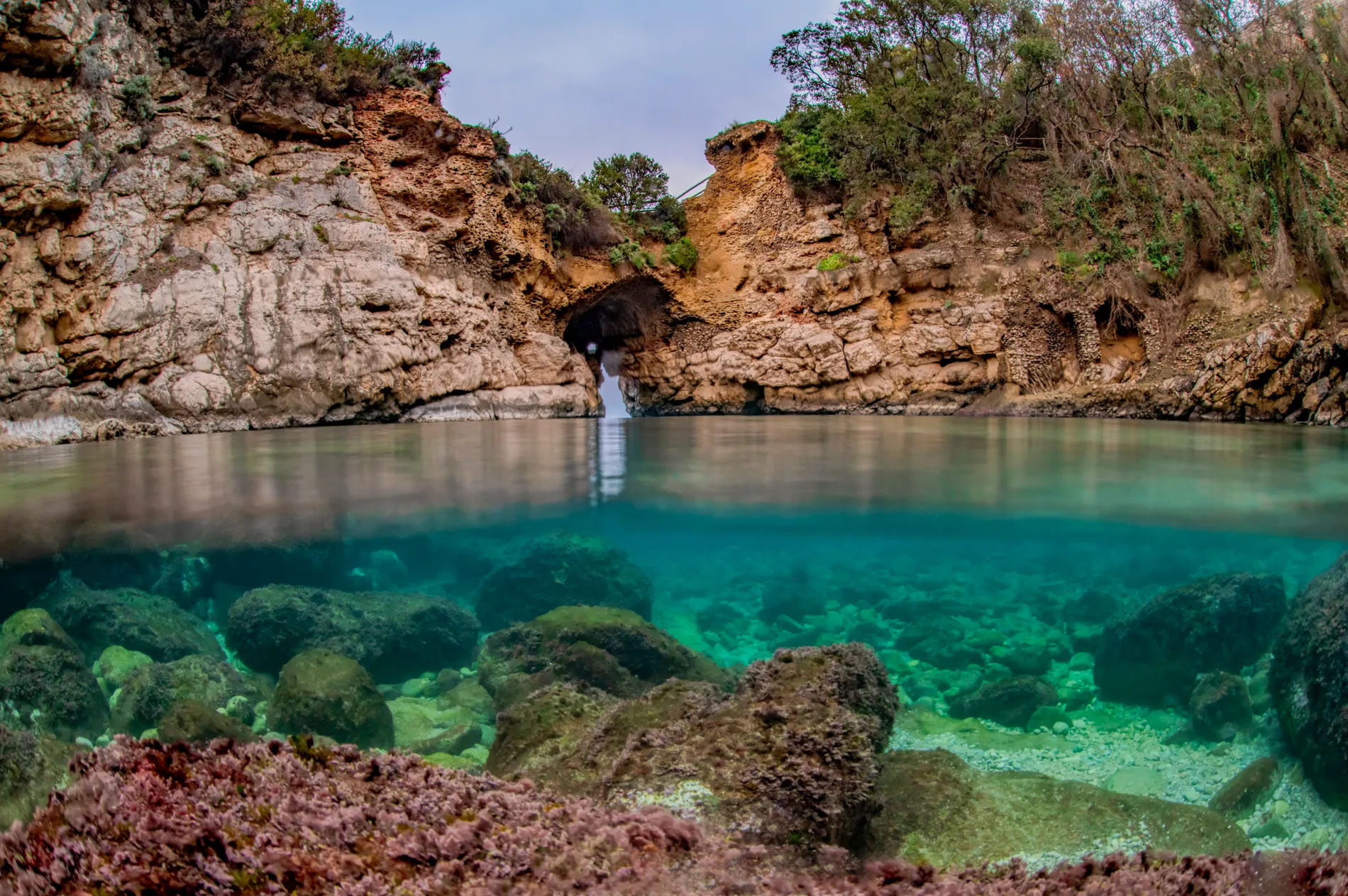
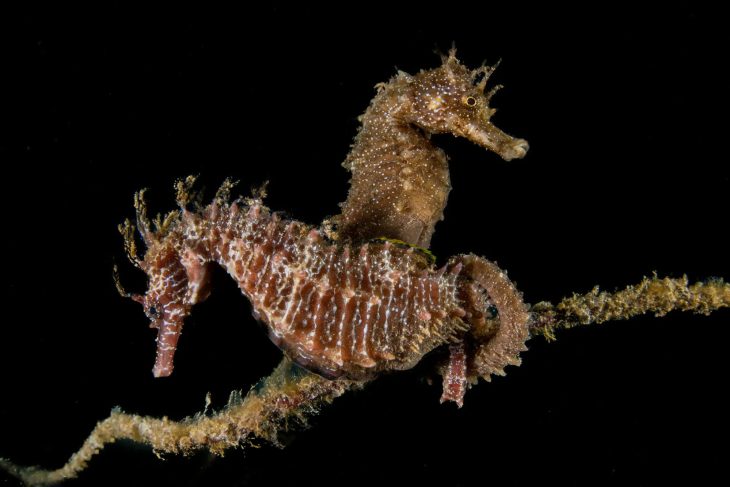
A rocky cove on the southern flank of the peninsula, directly facing Capri. Cliffs plunge into deep water, but the cove itself has a sheltered area with a pebble bottom at 2–4 metres — perfect for snorkeling. The Posidonia meadows here harbour the Mediterranean seahorse (Hippocampus hippocampus). Keep movements slow and look among the seagrass blades — seahorses grip the stems with their tails, perfectly camouflaged. You may also spot cuttlefish hovering above the sand. The south-facing cove gets sunlight all day — ideal for underwater photography.
Visibility: 18–30m — some of the clearest water on the coast. Depth: 2–12m. Difficulty: intermediate — boat entry and quick depth changes near cliffs. Best time: midday (11:00–15:00). Key species: Mediterranean seahorse, cuttlefish, squid, peacock wrasse, fan mussels (Pinna nobilis). Water 18°C (May) to 26°C (August).
Li Galli Islands
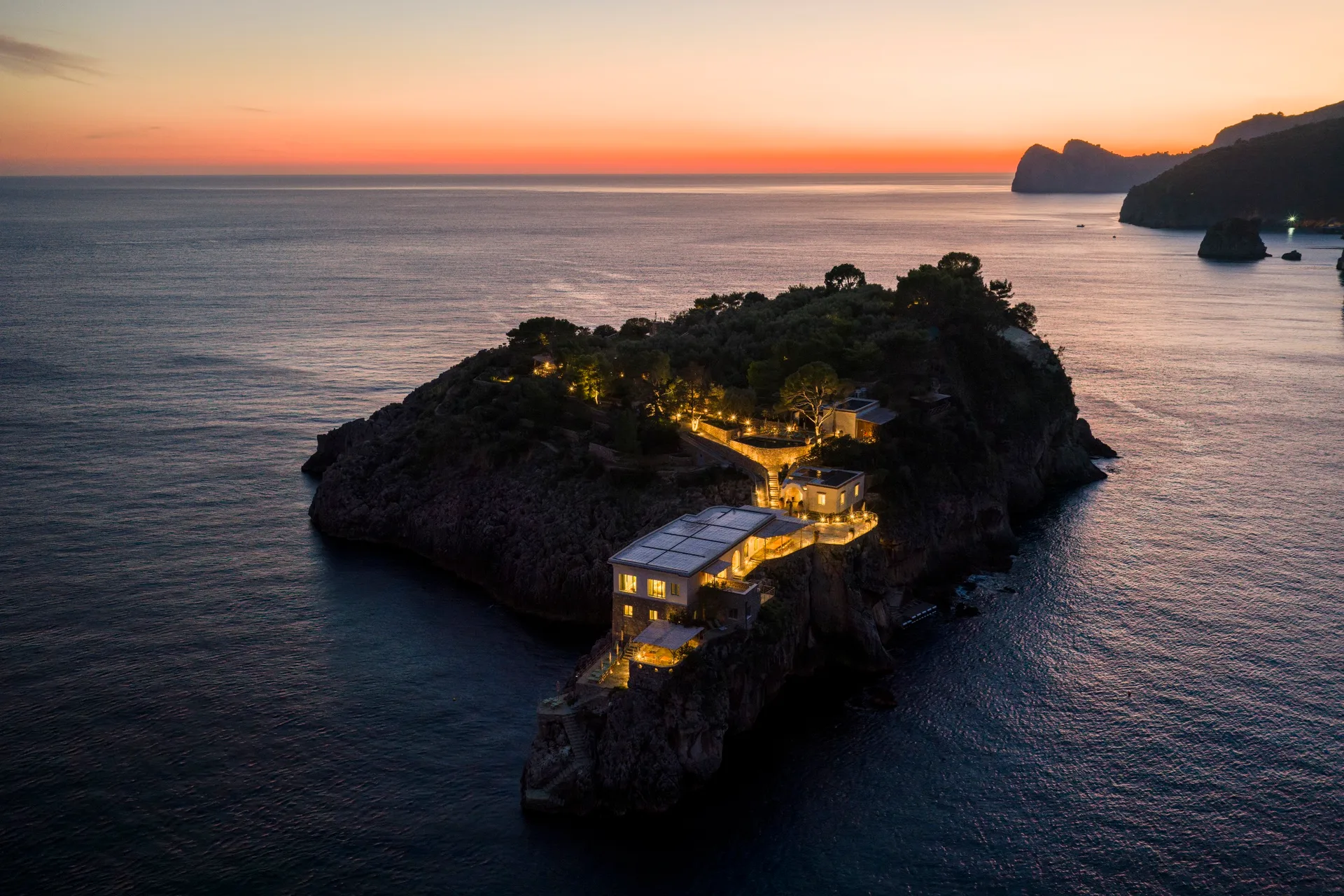
Three small islands between Positano and Capri — where the Sirens sang to Odysseus in Greek mythology and later owned by Rudolf Nureyev. The channels between the islands create currents that attract larger fish: schools of amberjack, barracuda, and occasionally tuna. The rocky perimeter drops to 8–10 metres and is encrusted with sea fans, sponges, and colourful algae. Snorkeling here is best on calm days, as currents can be strong. Li Galli is included on most half-day snorkeling tours from Sorrento.
Visibility: 12–20m (up to 25m on calm days). Depth: 3–15m. Difficulty: advanced — strong currents, always snorkel with a guided tour. Best time: early morning (7:30–10:00). Key species: Mediterranean barracuda, greater amberjack, bluefin tuna (seasonal), grouper, moray eel, sea fan colonies, red coral. Water 18°C (May) to 27°C (August).
Punta Campanella Promontory
The very tip of the Sorrentine Peninsula, where the remains of a Roman Temple to Athena sit on the cliff above and a reef system extends below. The limestone is riddled with small caves and overhangs at 1–5 metres — perfect for snorkelers. Look for yellow sponges, red sea stars, and the bright blue tentacles of tube worms. Damselfish swim right up to your mask, and moray eels peer from crevices — they look alarming but are harmless. The promontory is exposed to open sea, so conditions must be calm.
Visibility: 15–25m on calm days. Depth: 1–7m. Difficulty: intermediate — exposed site with moderate currents. Best time: morning (9:00–12:00) when east-facing caves receive direct sunlight. Key species: moray eel, spiral tube worms, red sea star, swallowtail sea perch, brown meagre, orange cup coral. Water 19°C (May) to 26°C (summer).
Bagni Regina Giovanna
The only world-class snorkeling spot on the coast you can reach entirely on foot — no boat, no guide, no fee. A 25-minute walk from central Sorrento, ruins of a 1st-century Roman villa frame the natural rock pool. A narrow channel connects it to the open sea, bringing in fresh water and marine life with every tide change. The pool is shallow (1–3m) with a rocky bottom of algae, sponges, and sea urchins. Snorkel through the channel toward open water for ornate wrasse, salema porgy, and octopus in the crevices.
Visibility: 8–15m in the pool, 15–20m beyond. Depth: 1–3m (pool), 3–8m (open water). Difficulty: easy — safest spot on the coast, ideal for beginners and young children. Best time: early morning (7:00–9:00) before crowds. Cost: free. Access: walk via Via Capo (25 min), wear sturdy shoes. Water 20°C (May) to 28°C (August).
Conca dei Marini — Grotta dello Smeraldo Area
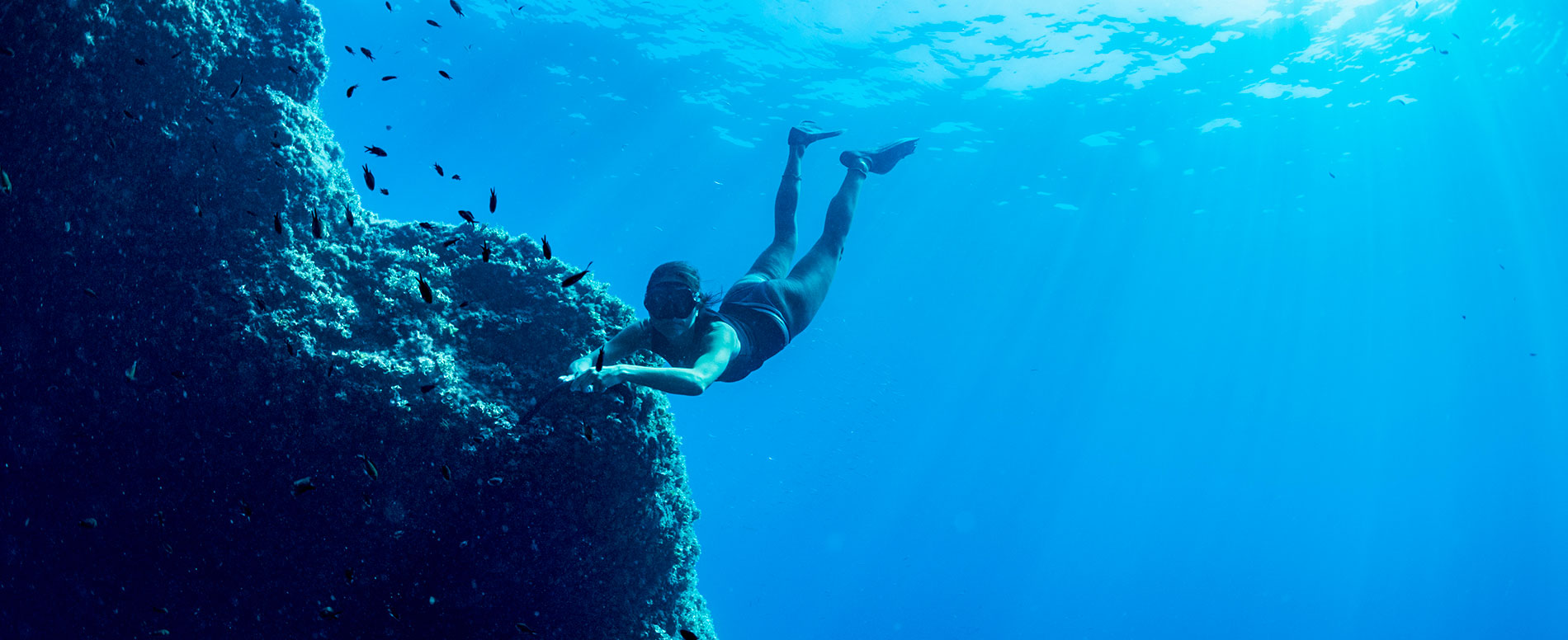
The rocky coastline surrounding the famous Emerald Grotto offers surprisingly good snorkeling that most visitors overlook. Limestone cliffs between Conca dei Marini and Furore drop sharply into the water, creating walls covered in sponges, sea fans, and encrusting algae. This is the only spot on the Amalfi side of the peninsula, outside the MPA — marine life is slightly less abundant but the underwater topography is spectacular, with vertical walls, grottos, and swim-through arches. Local fishing boats can drop you at the best spots for €15–20/person.
Visibility: 10–18m. Depth: 2–12m. Difficulty: intermediate — no easy shore exit, must return to boat. Best time: morning (8:00–11:00). Key species: painted comber, chromis, salema porgy, European lobster, yellow sponge clusters. Water 19°C (May) to 27°C (August).
Marina di Puolo
A small, gravelly beach between Sorrento and Massa Lubrense, a local favourite that rarely appears in tourist guides. Gentle shore entry over sand and pebbles transitions to rocky reef at about 3 metres, running parallel to shore for several hundred metres — a natural snorkeling trail. The reef hosts blennies, gobies, wrasse, and small grouper, with healthy encrusting sponges and bryozoans indicating good water quality. Beach bars and restaurants right on shore make it easy to combine snorkeling with a full beach day.
Visibility: 8–15m. Depth: 1–5m. Difficulty: easy — excellent for beginners and practice. Best time: morning or late afternoon. Cost: free; sunbed rental €10–15/day. Access: bus from Sorrento (line C, 10 min) or 20-minute walk. Water 19°C (May) to 27°C (August).
The Sunset Snorkeling Experience
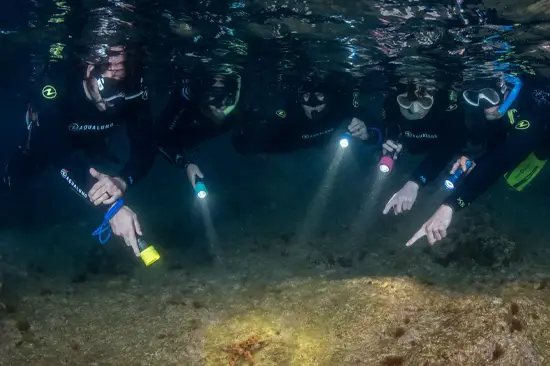
One of the most memorable ways to snorkel the Amalfi Coast is as the sun goes down. The sunset snorkeling tour from Sorrento departs in the late afternoon and takes you to a sheltered bay on the southern coast. As the light fades, underwater torches are distributed to the group, and a different world reveals itself.
Nocturnal species emerge from their daytime hiding places: octopus leave their dens to hunt across the reef, sleeping parrotfish wedge themselves into crevices, and shrimp eyes glow red in the torchlight. If conditions are right, you may witness the bioluminescence of dinoflagellates — tiny plankton that flash blue when disturbed, turning every movement of your hand into a trail of underwater sparks. It is an experience that stays with you.
Guided by Marine Biologists
All BlueKeys snorkeling tours are led by marine biologists from the Punta Campanella Diving centre. This is not just a safety measure — it transforms the experience. Your guide identifies every species you encounter, explains the ecology of the Posidonia meadows, points out details you would otherwise miss (the eggs of a cuttlefish on a seagrass blade, the cleaning station where small fish pick parasites off a grouper), and ensures the group moves at a pace that lets everyone enjoy the water.
For photographers, the guides know exactly where to find the most photogenic subjects and can help position you for the best shots. They also carry a species identification card that you can review on the boat between snorkeling stops.
What Marine Life Will You See?
The Punta Campanella Marine Protected Area is home to over 260 documented fish species and dozens of invertebrates. The star attraction is the Mediterranean seahorse (Hippocampus hippocampus), found gripping Posidonia blades at Cala di Mitigliano. Common octopus build shell-decorated dens at every site — on sunset tours they emerge to hunt in real time. Moray eels (up to 1.5m) peer from cave overhangs at Punta Campanella and Li Galli, while Mediterranean barracuda school in the currents between the Li Galli islands. Dusky grouper — the crown jewel of Mediterranean reef fish — are increasingly common since fishing bans, especially at Li Galli and Punta Campanella. Sea bream (two-banded, white, and sharpsnout) are the most commonly encountered fish at every site. Purple sea urchins carpet every rocky surface — beautiful but their brittle spines are the main snorkeling hazard, so wear water shoes. Red sea stars are impossible to miss against the grey limestone. Other notable species include cuttlefish, European lobster, salema porgy, painted comber, Mediterranean chromis, fan mussels (Pinna nobilis), and loggerhead sea turtles (rare, documented at Bay of Ieranto in summer).
Snorkeling Tours vs Going Alone — and Family Options
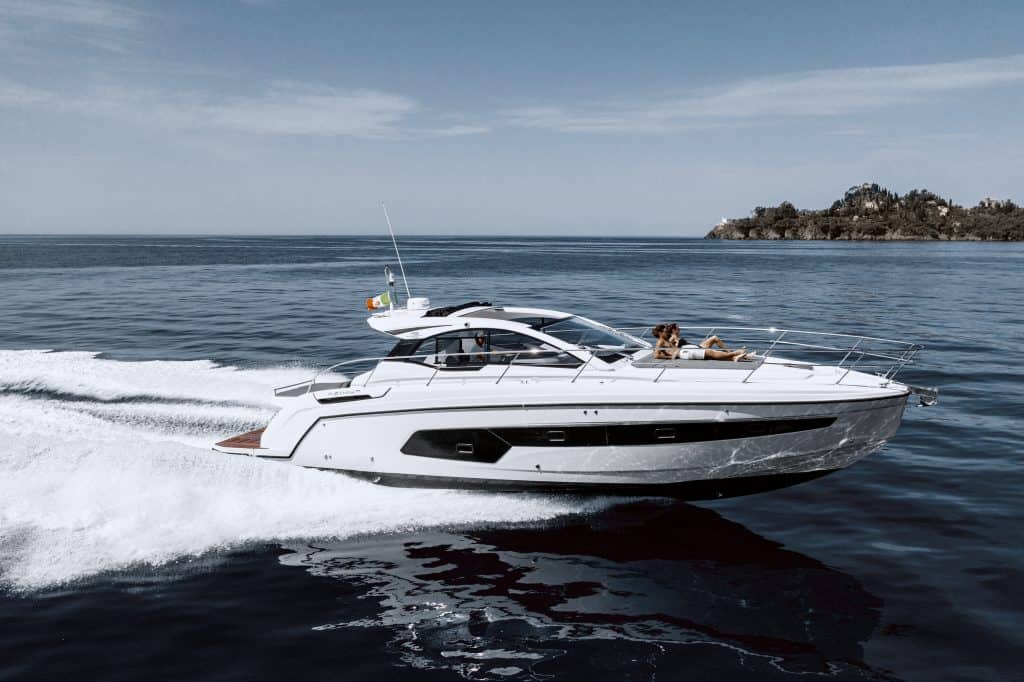
One of the first decisions is whether to book a guided tour or go independently. Three of the seven best spots — Cala di Mitigliano, Li Galli Islands, and deeper areas of Punta Campanella — are only accessible by boat. You cannot snorkel there independently unless you hire a private boat (€200–400/half-day).
Guided Snorkeling Tours (€45–75/person)
What is included in a typical guided tour:
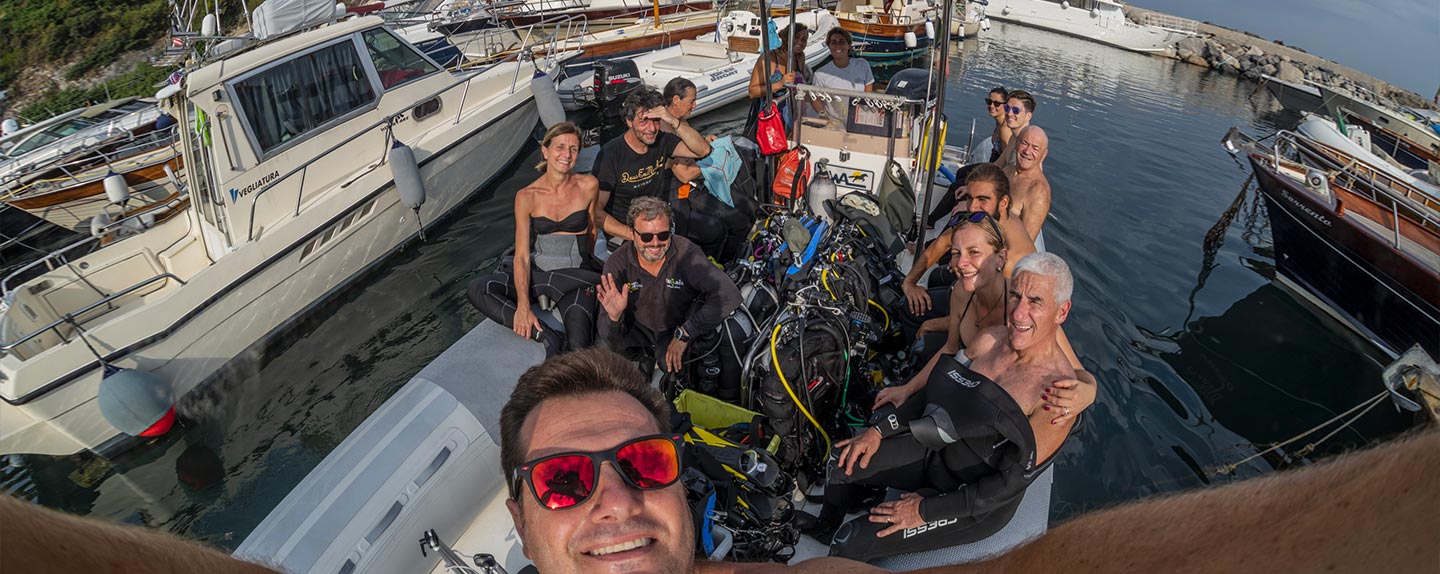
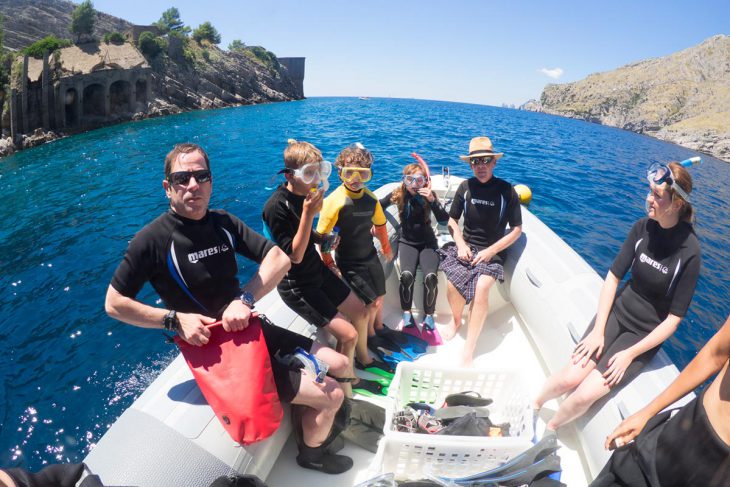
- Boat transport from Marina Grande, Sorrento — typically a 6–10 person RIB with shade cover
- Full equipment: mask, snorkel, fins, wetsuit top (3mm neoprene)
- Marine biologist guide who identifies species, explains ecosystems, and ensures safety
- 2–3 snorkeling stops at different sites, chosen based on weather and sea conditions
- Water and snacks on the boat between stops
- Underwater species identification card
- Duration: 3–4 hours (half-day) or 2–2.5 hours (afternoon)
Prices: the half-day morning tour runs €55–65/person, the afternoon family tour is €45–55/person, and the sunset snorkeling experience is €65–75/person. Children under 12 receive 20–30% discount.
Going Alone (Free or Low Cost)
Two spots are excellent for independent exploration: Bagni Regina Giovanna and Marina di Puolo. Both have free shore access. You need your own gear (rental €10–15/day in Sorrento), water shoes, reef-safe sunscreen, and a buddy — never snorkel alone. The shore-access spots can be crowded in peak season, but Bagni Regina Giovanna at 7:00 in the morning is a genuinely wonderful experience — free, uncrowded, and full of fish.
The best of both: many visitors do a guided tour for the boat-only sites plus one or two independent sessions at shore-access spots on separate days.
Snorkeling with Kids
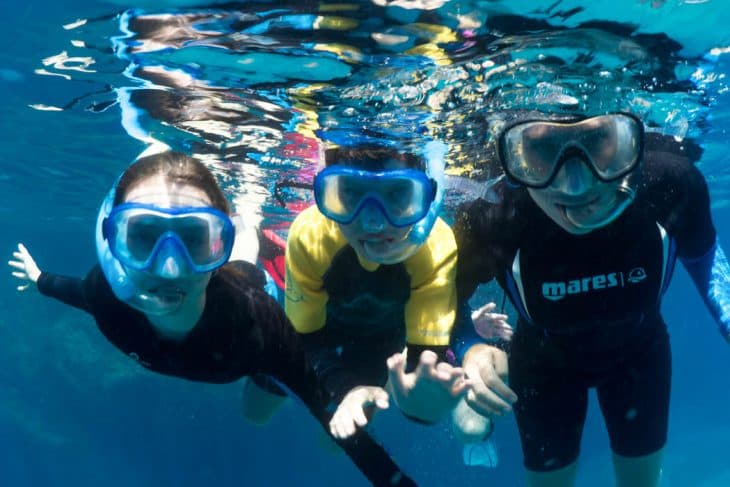
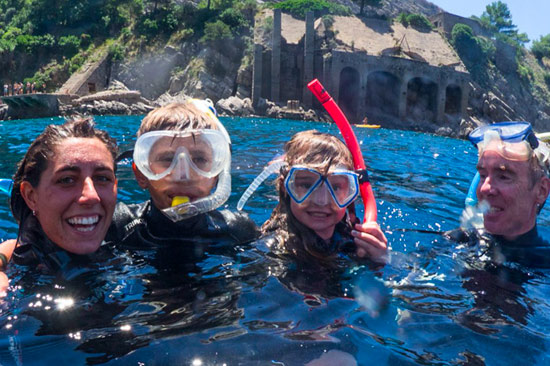
Children from age 6 can join guided tours. The afternoon family snorkeling tour is designed for families — relaxed pace, calm shallow bays, experienced guide. It departs at 14:30 from Marina Grande and returns by 17:30 (€45–55/adult, €35–45/child aged 6–12, equipment included). Children under 6 can stay on the boat. For independent snorkeling, children as young as 4 can enjoy Bagni Regina Giovanna (shallow, enclosed pool) and Marina di Puolo (gentle entry, beach bars). Tips: practise mask breathing in a pool first, use a flotation vest, start in waist-deep water, bring a fish ID card, and limit sessions to 20–30 minutes in water below 24°C.
Safety Tips
- Boat traffic: Stay within 50m of shore at shore-access spots. At Bagni Regina Giovanna the rock pool is fully protected; at Marina di Puolo swim parallel to shore. Guided tours fly a dive flag and position the boat to shield the group.
- Currents: Li Galli and Punta Campanella can have 1–2 knot currents. If caught, swim perpendicular to the current toward the nearest rock or boat and signal your guide. Stick to sheltered bays if you are inexperienced.
- Jellyfish: Mauve stingers (Pelagia noctiluca) appear in pulses, mainly late July to mid-September. Their sting is painful but not dangerous. Rinse with seawater, remove tentacles with tweezers, apply vinegar. Guided tours carry sting treatment kits.
- Sea urchins: Purple urchins carpet every rocky surface. Wear water shoes for all shore entries, never stand on submerged rocks. If stung, remove spines with tweezers and soak in hot water for 20–30 minutes.
- Sun and buddy system: Wear a rash guard — your back is fully exposed while floating face-down. Apply reef-safe sunscreen and reapply between stops. Never snorkel alone; agree on hand signals with your buddy for "OK," "problem," and "return to shore."
Best Time for Snorkeling — Month by Month
The snorkeling season on the Amalfi Coast runs from May to October, with each month offering a different balance of water temperature, visibility, marine life activity, and crowd levels. Here is what to expect.
| Month | Water Temp | Visibility | Jellyfish Risk | Crowd Level | Notes |
|---|---|---|---|---|---|
| May | 18–20°C | 20–25m | Low | Low | Excellent visibility, cool water. Wetsuit recommended. Few tourists — you may have spots to yourself. |
| June | 21–24°C | 20–30m | Low | Medium | The best month overall. Warm enough without a wetsuit, peak visibility, marine life is active. Book tours 3–5 days ahead. |
| July | 24–27°C | 15–20m | Medium | High | Warm water, good conditions. Visibility slightly reduced by plankton blooms. Shore spots get busy by 10:00. Book tours 1 week ahead. |
| August | 25–28°C | 10–18m | High | Very High | Warmest water, but lowest visibility and highest jellyfish risk. Ferragosto (Aug 15) is peak. Book tours 2 weeks ahead. Early morning is key. |
| September | 23–26°C | 20–25m | Medium | Medium | Excellent conditions return. Warm water, improving visibility, thinning crowds. Many locals consider this the best month. Book 3–5 days ahead. |
| October | 20–23°C | 15–22m | Low | Low | Still viable but cooling. Wetsuit recommended. Weather more unpredictable — check forecasts. Tours may not run daily. Great for experienced snorkelers who prefer solitude. |
Our recommendation: the first two weeks of June or the second half of September offer the ideal combination of warm water (22–25°C), exceptional visibility (20–25m), moderate crowds, and easy tour availability. If you can only snorkel one day, choose a morning when the sea forecast shows "mare calmo" (calm sea) or "mare poco mosso" (slight sea).
All 7 Spots Compared
Use this table to choose the right snorkeling spot based on your experience, priorities, and how you want to access the water.
| Spot | Depth | Visibility | Access | Difficulty | Marine Life | Best For |
|---|---|---|---|---|---|---|
| Bay of Ieranto | 1–8m | 15–25m | Boat or hike | Easy | ★★★★★ | All-round best, turtles |
| Cala di Mitigliano | 2–12m | 18–30m | Boat only | Intermediate | ★★★★★ | Photography, seahorses |
| Li Galli Islands | 3–15m | 12–20m | Boat only | Advanced | ★★★★☆ | Big fish, experienced snorkelers |
| Punta Campanella | 1–7m | 15–25m | Boat or shore | Intermediate | ★★★★☆ | Caves, moray eels, history |
| Bagni Regina Giovanna | 1–3m | 8–15m | Shore (walk) | Easy | ★★★☆☆ | Families, free, beginners |
| Conca dei Marini | 2–12m | 10–18m | Boat (local) | Intermediate | ★★★☆☆ | Grottos, unique topography |
| Marina di Puolo | 1–5m | 8–15m | Shore (bus/walk) | Easy | ★★★☆☆ | Beginners, beach day combo |
What to Bring and Practical Tips
- Equipment: Mask, snorkel, fins, and a wetsuit top are provided on all guided tours. If you have your own mask that fits well, bring it — a good seal makes all the difference.
- Sunscreen: Apply reef-safe sunscreen (mineral, not chemical) at least 30 minutes before entering the water. The MPA requests this to protect the marine environment.
- Seasickness: The boat ride to snorkeling sites takes 15–25 minutes. If you are prone to motion sickness, take medication before departure.
- Swimwear: Wear your swimsuit under your clothes. Changing facilities are not available on the boat.
- Towel and warm layer: Bring a towel and a light jacket for the return trip. Even in summer, the wind on the boat can feel cool after a long snorkel.
- Waterproof phone case: Highly recommended for photos. GoPro rentals are also available at the dive centre.
- Water and snacks: Provided on the boat, but bring extra water if you tend to drink a lot in the sun.
Book Your Snorkeling Tour
BlueKeys offers three snorkeling options from Sorrento, each with marine biologist guides, full equipment, and boat transport to the best spots in the marine protected area. Browse all snorkeling tours or get in touch for help choosing the right experience for your group.
Explore the underwater Amalfi Coast
Join a half-day snorkeling tour, try the unforgettable sunset snorkeling experience, or book a relaxed family-friendly afternoon tour — all with marine biologist guides and full equipment included.
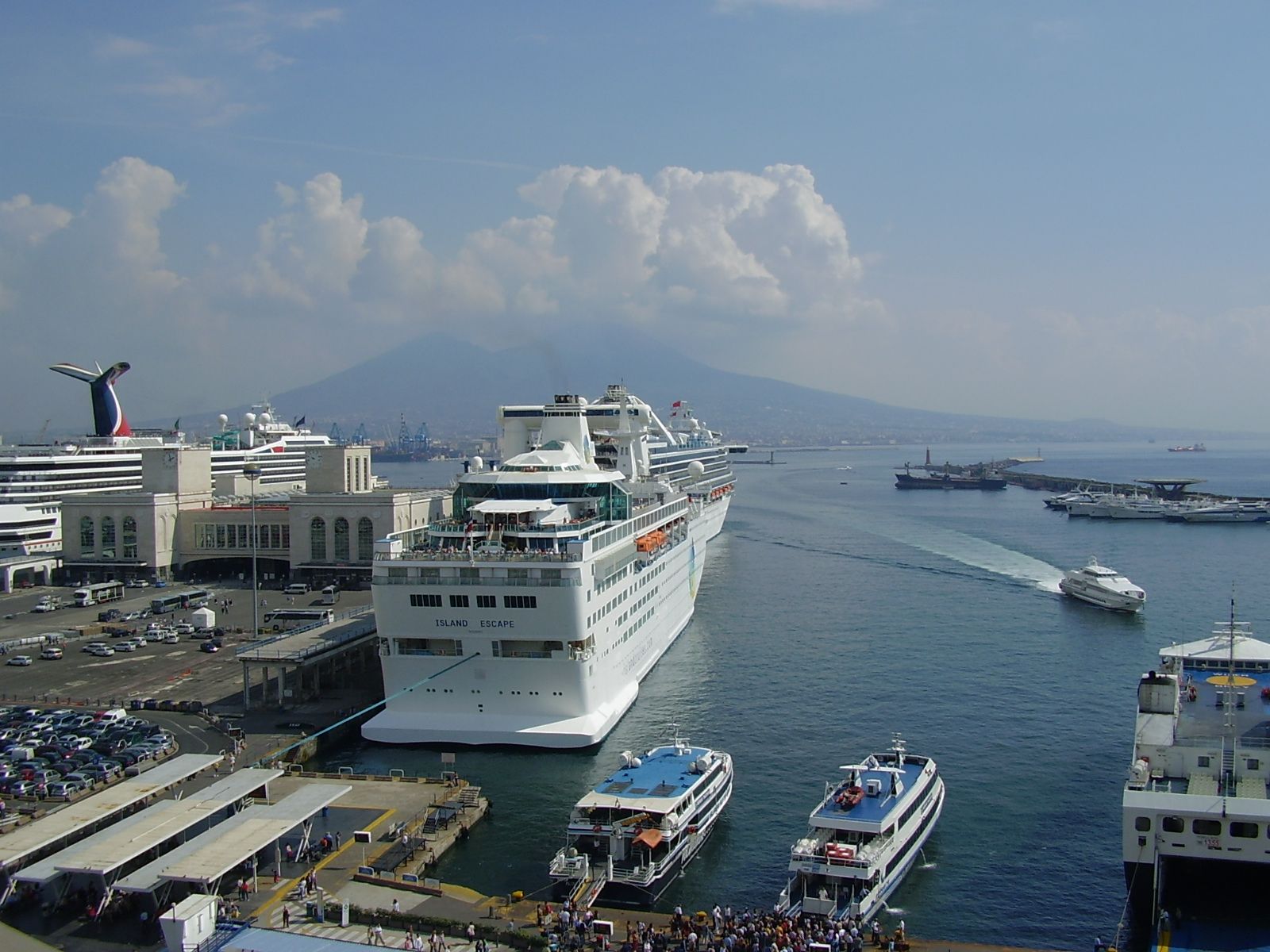
Naples Airport → Sorrento: shuttle, train or private transfer
Alibus + Circumvesuviana (EAV): €10, 94–105 min, 33 departures a day, 05:39–22:14. Private transfer Naples Airport → Sorrento: from €120 per vehicle, 60 min, 50 km door-to-door, no changes.
| Option | Price | Journey time & frequency |
|---|---|---|
| Alibusshuttle | €5per person | 15 minevery 15 min |
| Circumvesuviana (EAV)train | €5per person | 64–75 min33 departures a day, 05:39–22:14 |
| Public transport, total | €10per person | 94–105 min |
| Private transfer | from €120per vehicle · up to 3 passengers | 60 min50 km · on demand, booked ahead |
| Sources: EAV — orario L1 Napoli–Sorrento (28.03.2026) | ||