Where Rome goes to eat
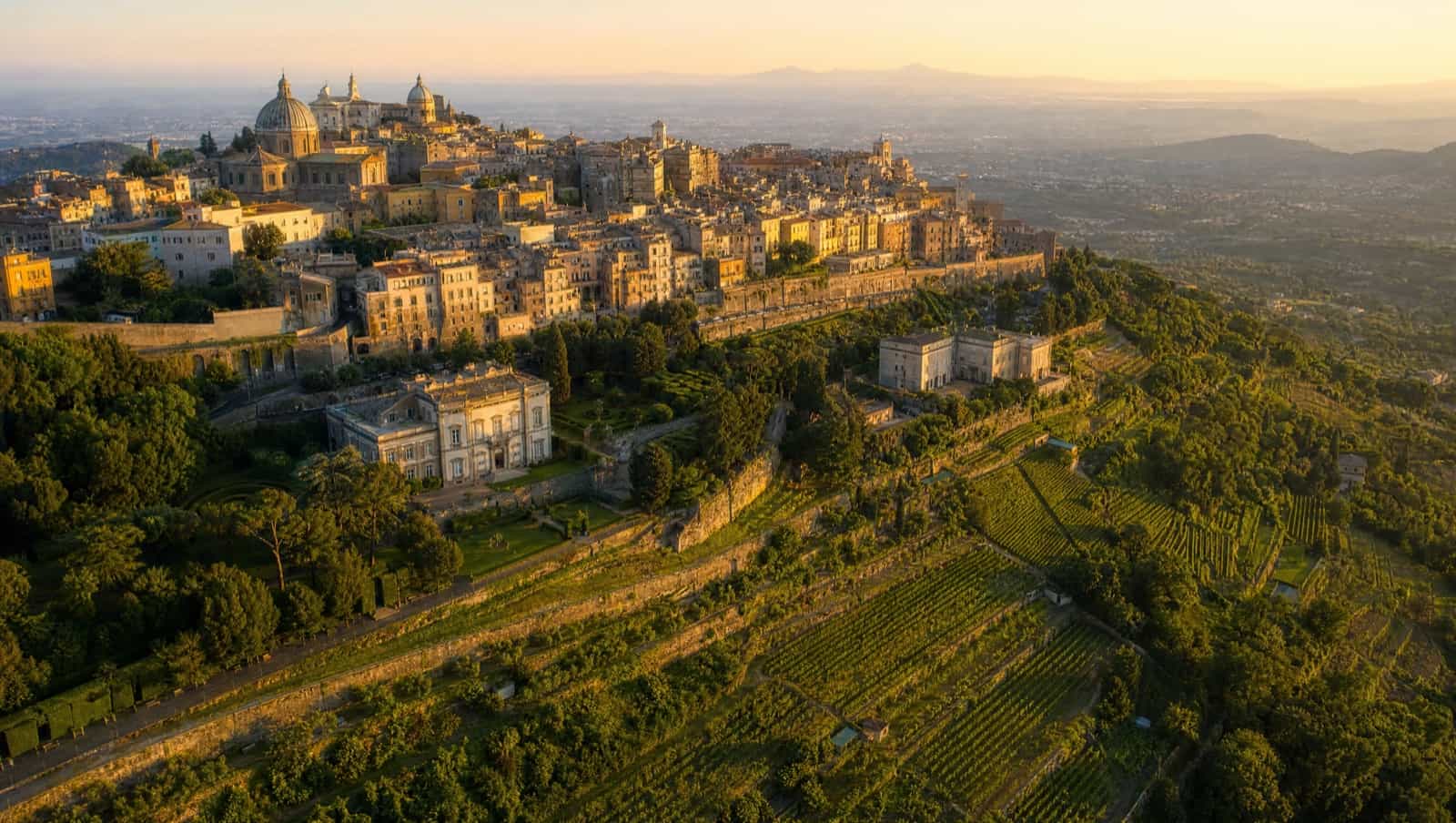
Frascati sits on the slopes of the Alban Hills, about 20 km southeast of Rome, high enough to look back at the city from its terraces. It is the best known of the Castelli Romani, the ring of hill towns that grew up on the rim of an extinct volcano, and for four centuries it has been where Romans come when they want to be out of Rome without spending a day getting there.
The town owes its look to the sixteenth century, when cardinals and papal families built a dozen country estates on these slopes: the Ville Tuscolane. The grandest is Villa Aldobrandini, finished in 1603 above the main square, with a Water Theatre cut into the hillside behind it, a semicircle of niches and fountains fed by a channel from the hills. The villa is private, the garden opens to visitors, and the terrace in front of it gives the view that put Frascati on the Grand Tour.
It is worth knowing that much of the centre is a careful reconstruction. Frascati was bombed heavily in 1943 and 1944, being the seat of the German command in Italy, and a great deal of what stands today was rebuilt after the war.
The wine, and the fraschette
Frascati is a dry white wine made mostly from Malvasia and Trebbiano on volcanic soil, and it became one of Italy's first protected denominations in 1966. It is not a wine that travels or ages: it is meant to be drunk young and local, which is precisely what the town is set up for.
That is the point of the fraschette, the old cellars whose name comes from the branch, the frasca, hung outside to signal that new wine was ready. The arrangement was simple: they sold the wine and you brought the food. Some still keep something of the habit, with long shared tables and a counter where you buy porchetta, cold cuts and cheese by weight and eat it with a jug of the house white. It is the least ceremonious meal in the province of Rome and the reason many people come at all.
Tuscolo, above the town
A few kilometres up the hill lie the ruins of Tusculum, an ancient city that was destroyed in 1191 and never rebuilt. There is a small theatre, stretches of Roman road still paved, and an open hilltop that looks down over the whole plain to Rome. It is a walk rather than a monument, with almost no shade and no facilities, and on a clear day it is the best view in the Castelli.
Getting there
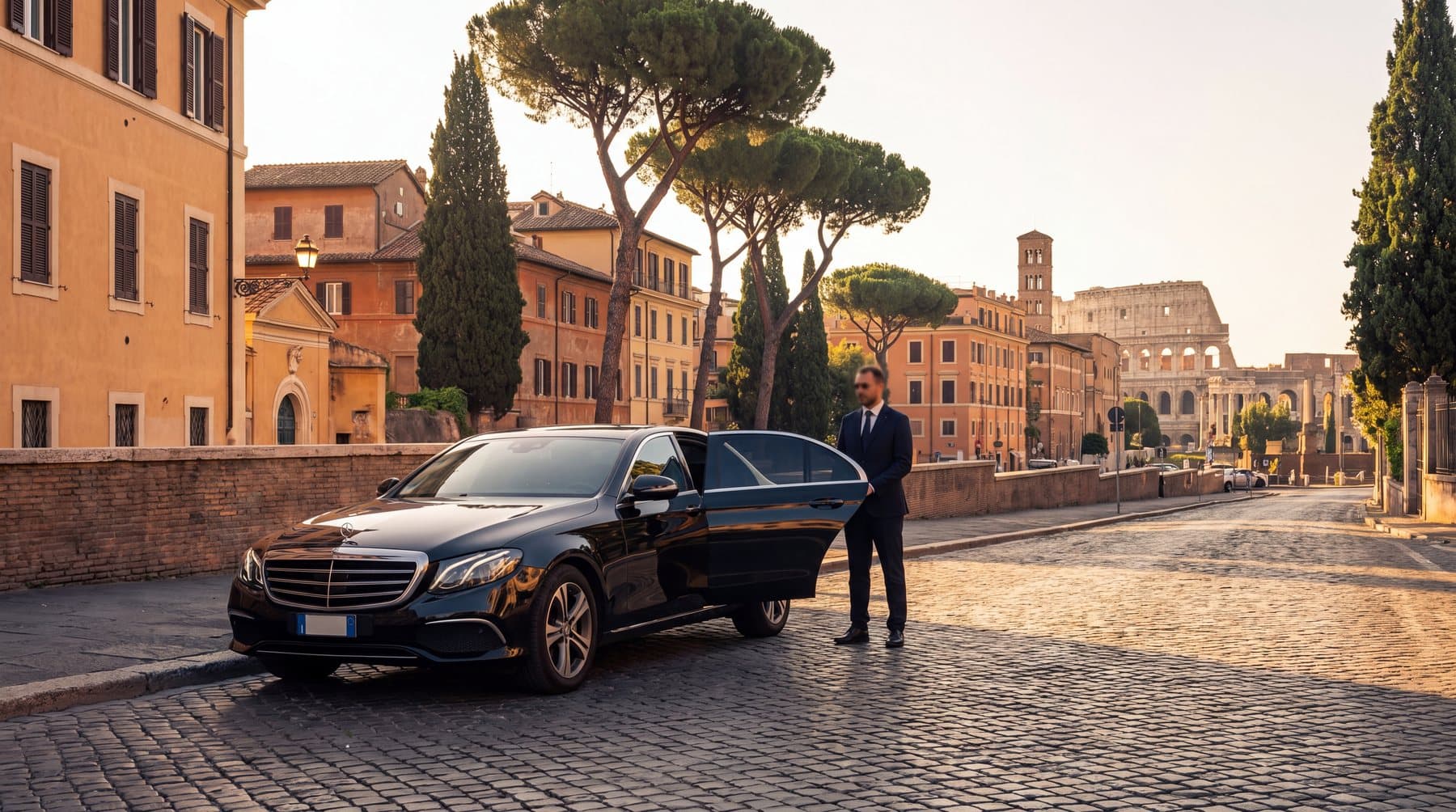
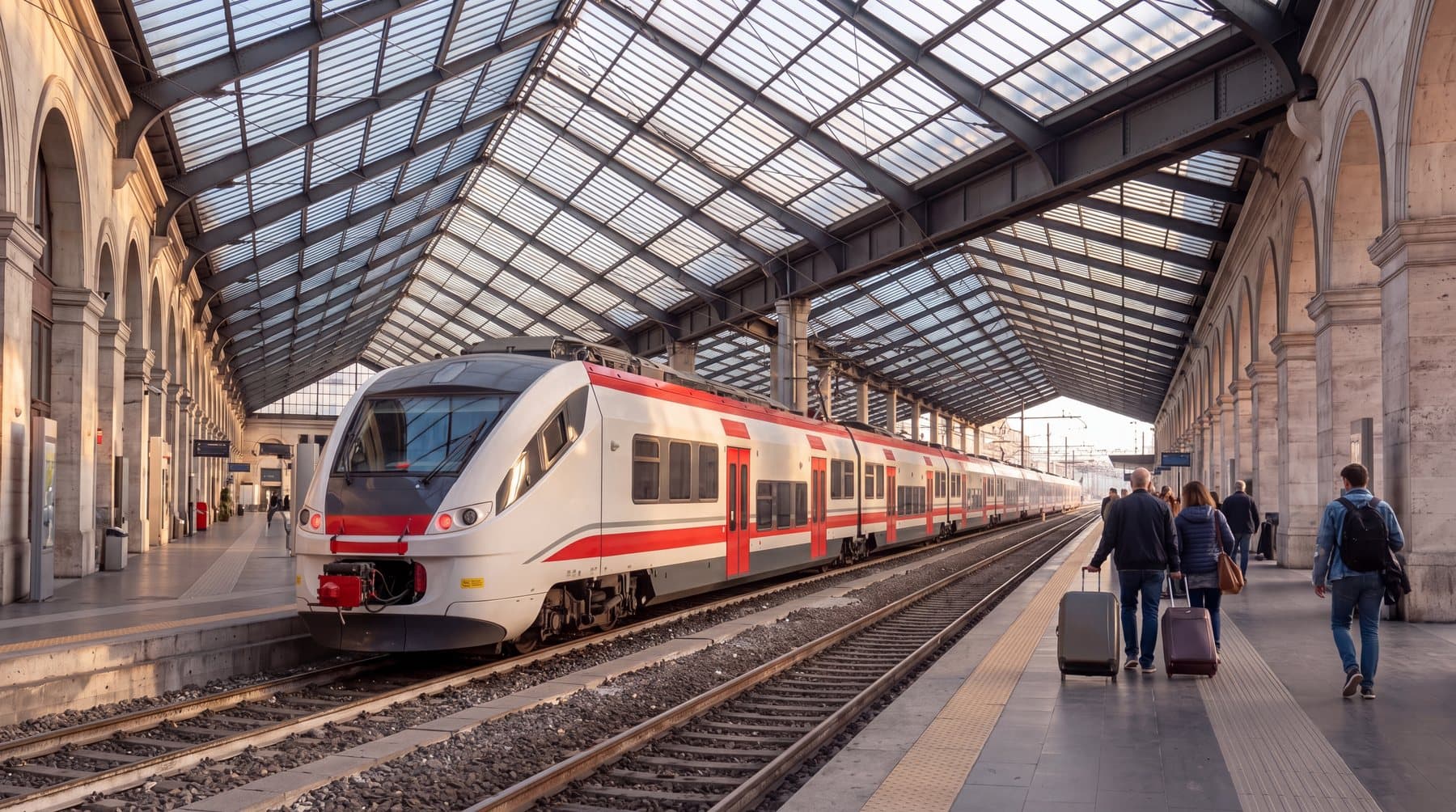
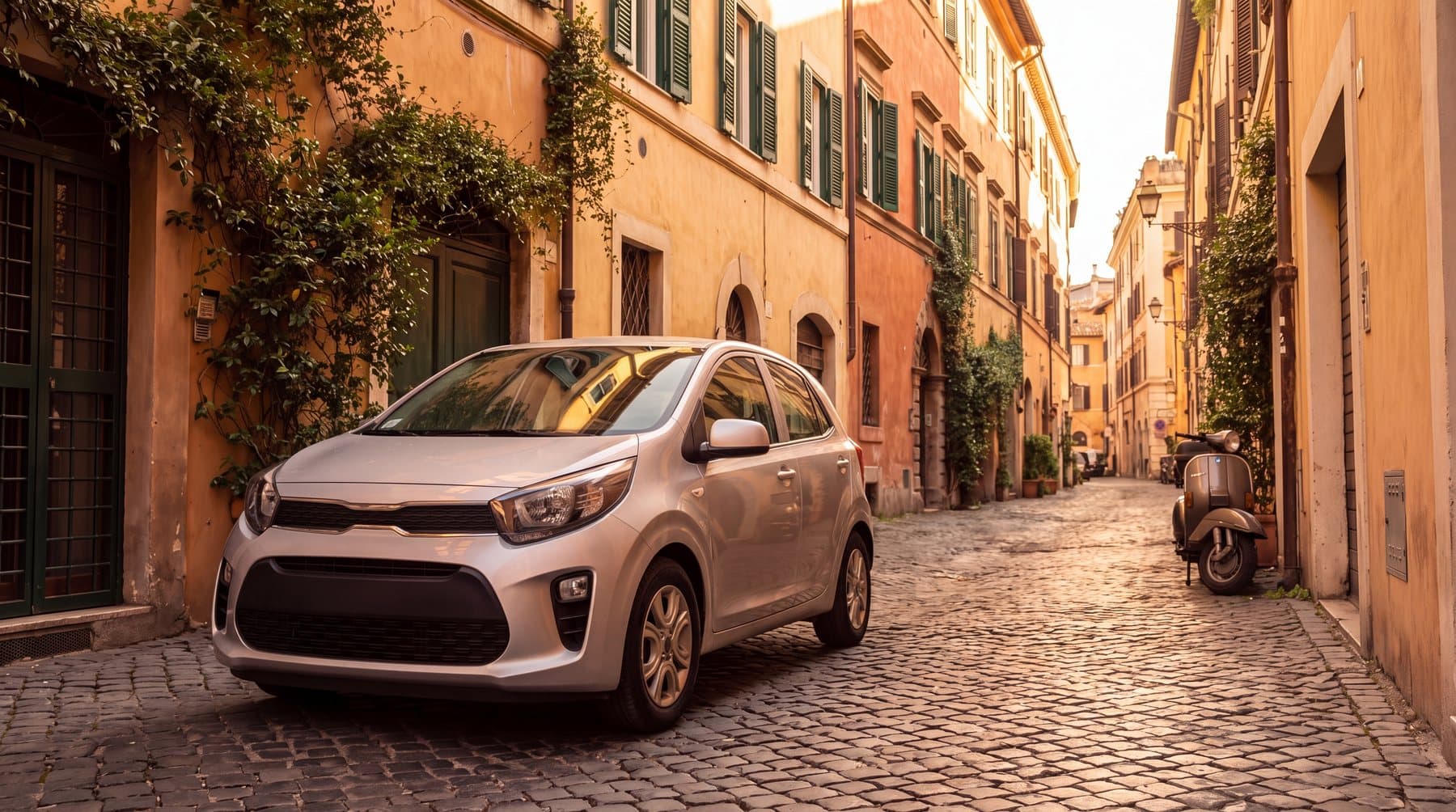
The train from Roma Termini reaches Frascati in about half an hour and leaves you a short climb below the main square, which makes this one of the easier day trips out of Rome. The catch is the same as everywhere in the Castelli: the train serves the town and nothing else. Tusculum, the other hill towns and most of the wineries are spread along roads where a car, or a driver, turns an afternoon into a route. By road it is about 40 minutes from the centre of Rome and 15 from Ciampino airport, which makes Frascati a sensible first or last stop for anyone flying in or out of there.