Roma, Italy
Italy · Destination

Roma
Mediterranean

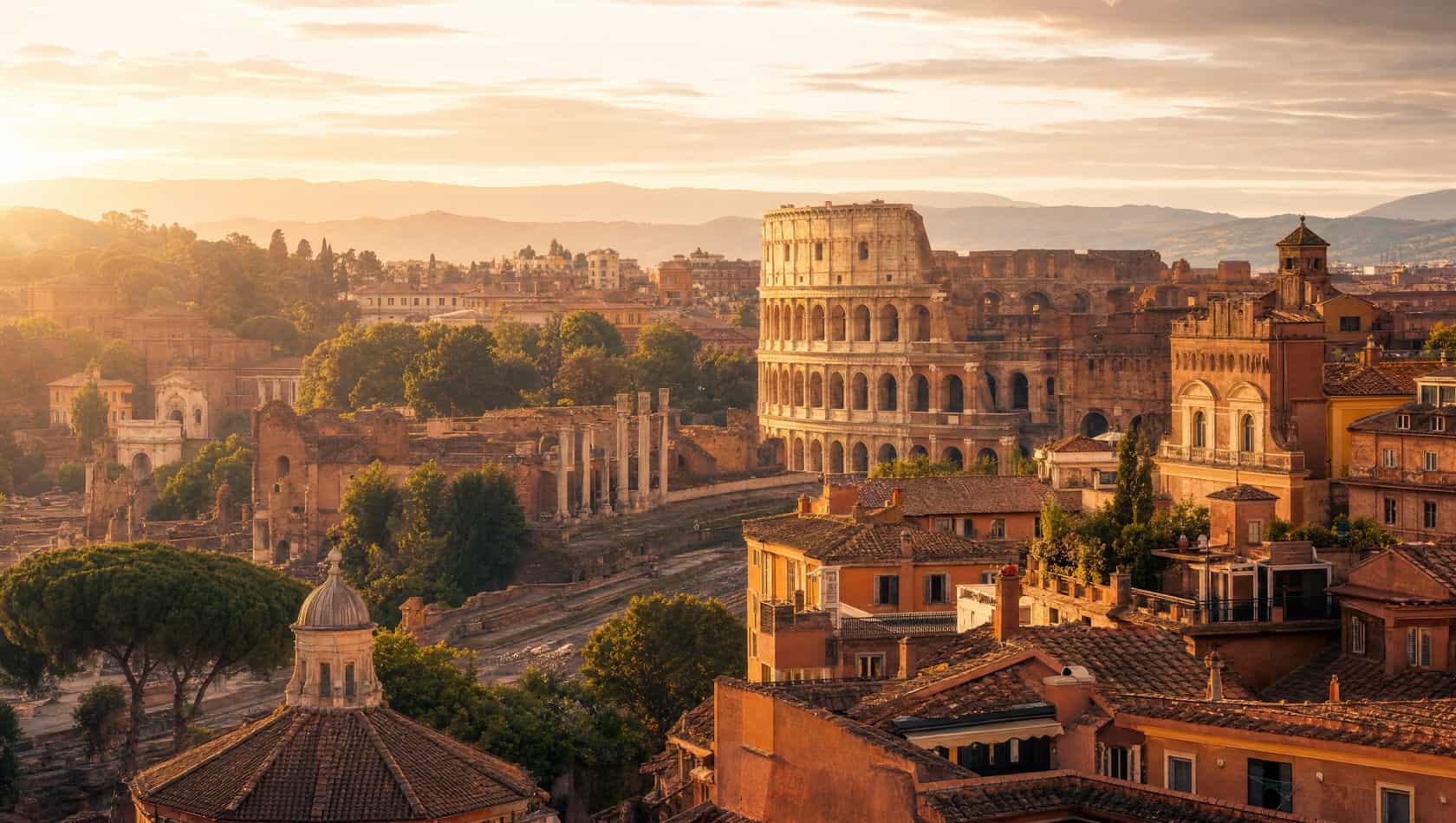
The Eternal City: the Colosseum, the Vatican, baroque fountains and neighbourhood trattorias. The perfect base for Lazio and a gateway to th

The Eternal City: the Colosseum, the Vatican, baroque fountains and neighbourhood trattorias. The perfect base for Lazio and a gateway to the Tyrrhenian coast.

Visiting Roma

Roma is a Mediterranean destination in Lazio, Italy. BlueKeys offers 8 tours here. Browse handpicked vacation rentals, guided tours and experiences, boat charters and airport transfers, then book directly with the local hosts and drivers behind each listing.

How to arrive in Rome

Two airports outside the city and a cruise port 80 km away. The centre is walkable and closed to traffic, so what matters is the stretch between where you land and where you sleep.

Private transfer — Fiumicino (FCO) or Ciampino (CIA)

Private transfer

Fiumicino (FCO) or Ciampino (CIA) · about 45 min from FCO

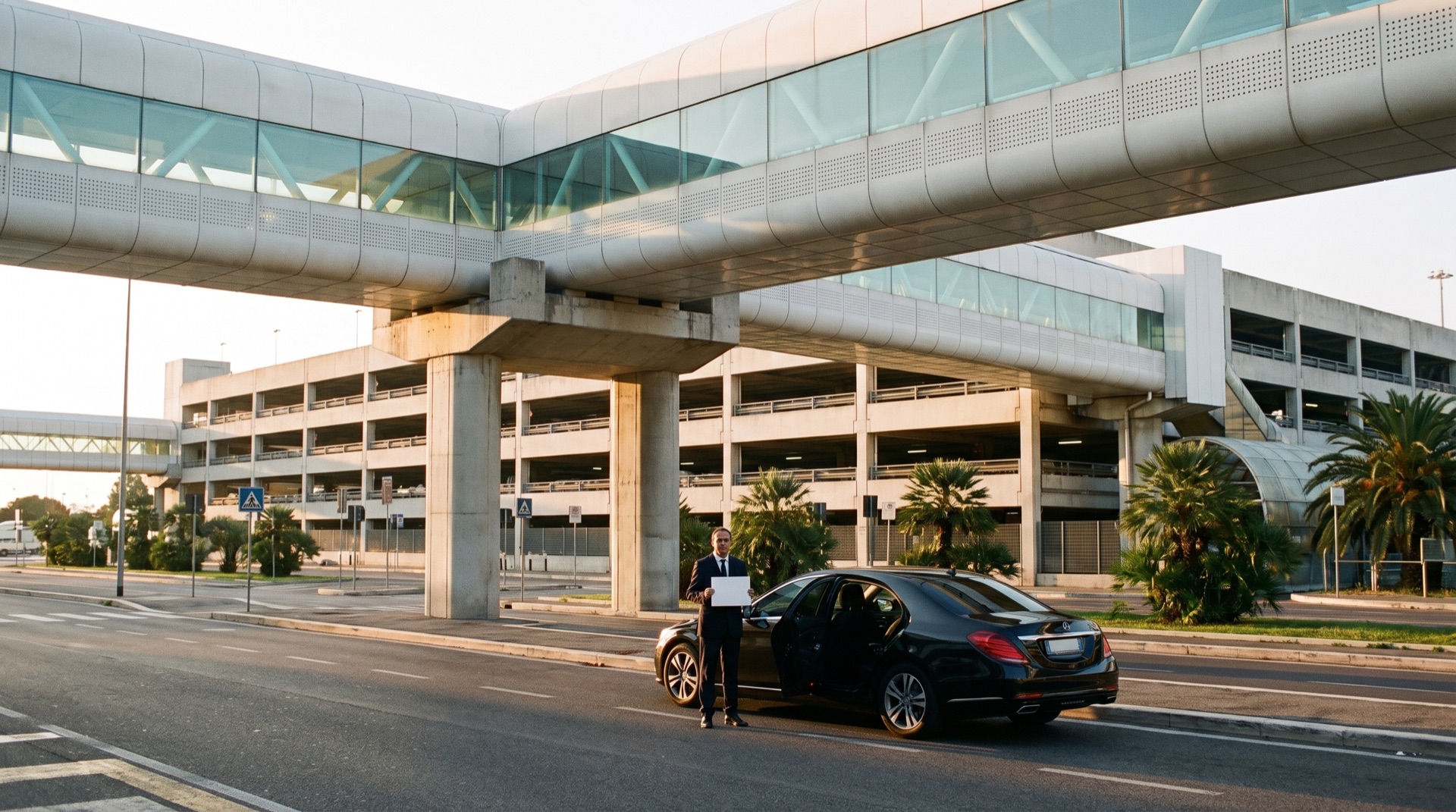
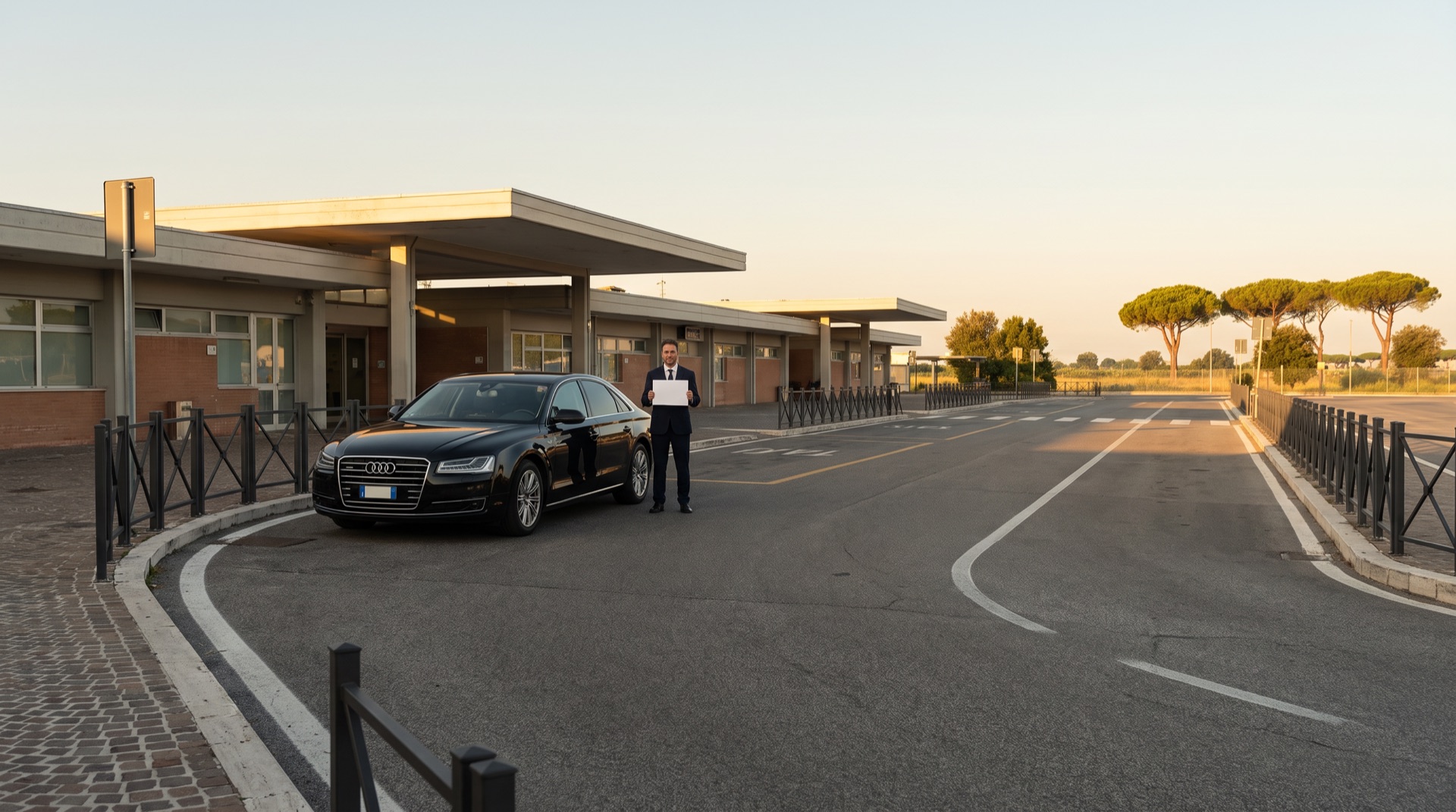
Door to door at a price agreed in advance, driver waiting inside arrivals, flight tracked if it lands late, and a drop-off at the address even inside the limited traffic zone.

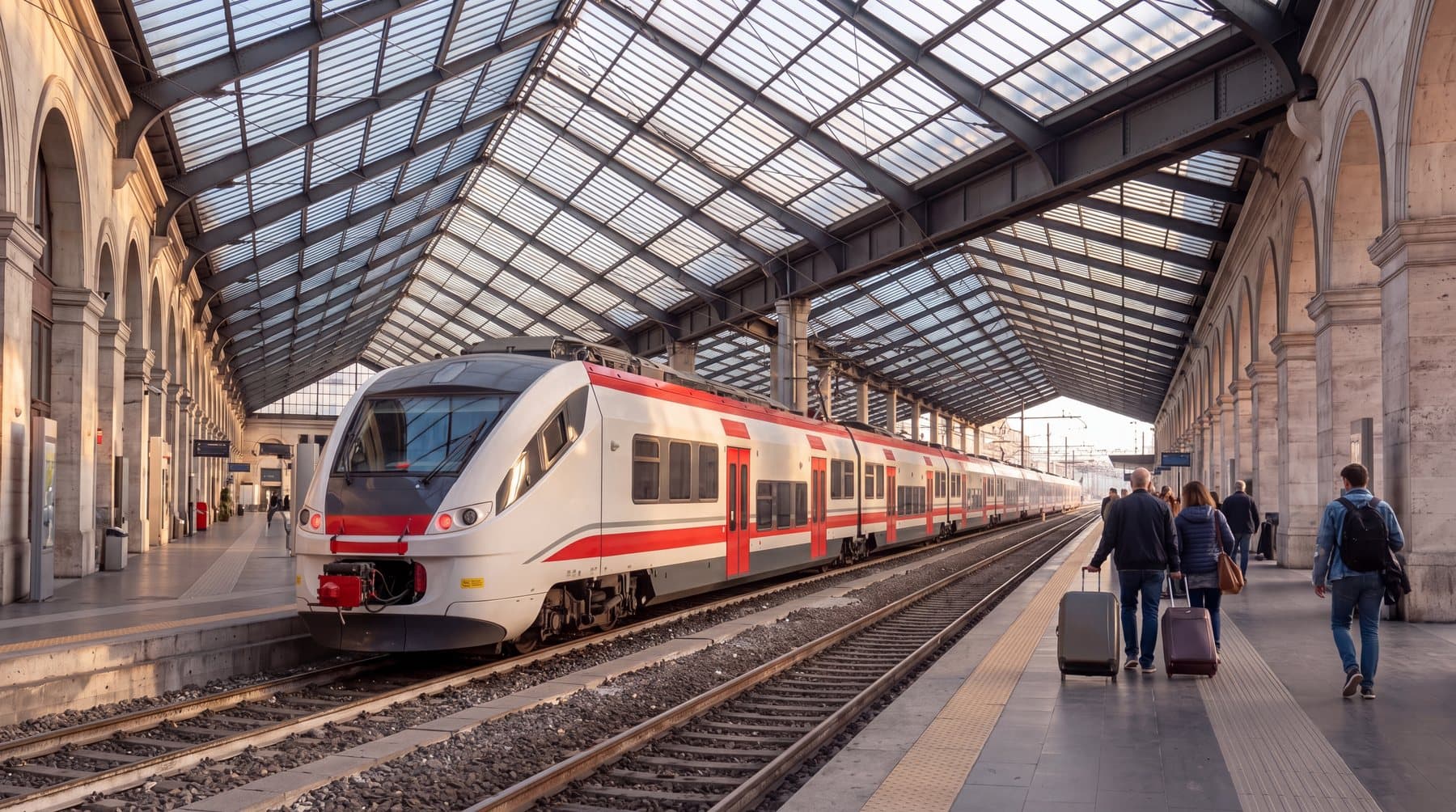
Leonardo Express to Termini — Fiumicino Airport

Leonardo Express to Termini

Fiumicino Airport · 32 min

Every 15 minutes, 14 euros a head, no stops. Fast when you travel light and sleep near the station; with luggage the saving goes into the taxi at the far end. Ciampino has no train.

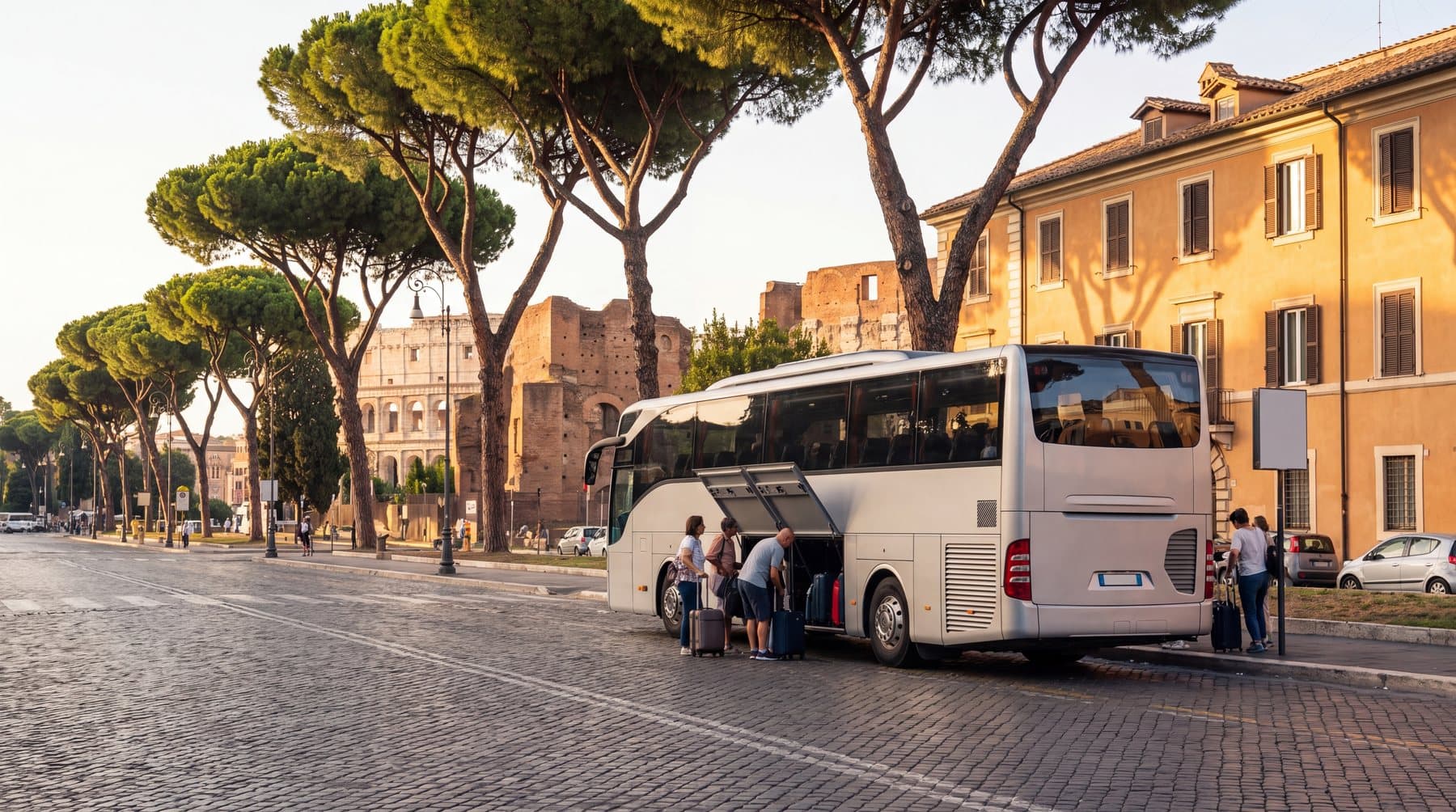
Coach to Termini — Both airports

Coach to Termini

Both airports · 55 min or more

The cheapest way in, from both airports, arriving beside Termini. Slower and at the mercy of traffic on the ring road, and the timetables are set by the coach companies, not by us.

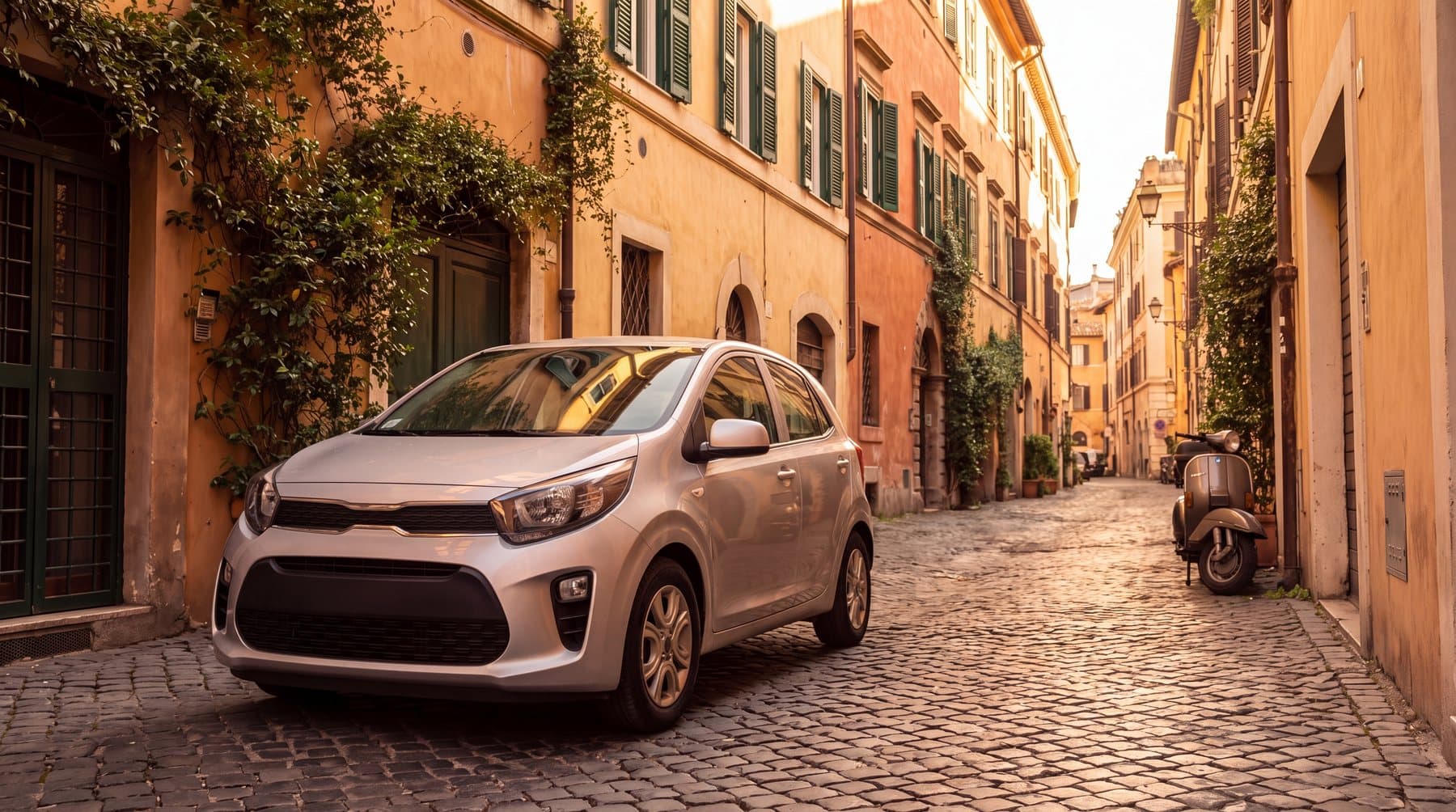
Self-drive — Airport rental desks

Self-drive

Airport rental desks · 35 min from FCO, traffic permitting

Worth it only for the days you leave the city: Tivoli, Ostia Antica, the Castelli Romani. Inside the walls it is a liability, between the camera-enforced traffic zone and the cost of parking.

What to eat

Four pasta dishes carry the city: carbonara, cacio e pepe, gricia and amatriciana. Add artichokes in spring, pizza al taglio at any hour, and the white wine of the Castelli.

Day trips

Tivoli and its two UNESCO villas, Ostia Antica by the sea, the hill towns of the Castelli Romani. All three are awkward by public transport and straightforward by road.

Where to stay

Near Termini for early trains and airport links, the historic centre to walk everywhere, Trastevere or Prati to sleep in a neighbourhood rather than in a monument.

Travel guide

What should I know before visiting Roma?

A city you cross on foot, and reach by car

Rome holds nearly three thousand years inside the Aurelian Walls, and almost everything a first visit wants to see sits within an area you can walk across in about an hour. That is the first thing worth knowing: the historic centre rewards walking and punishes driving. The second is that its two airports are not in the city at all, and the gap between them and your hotel is where most arrivals go wrong.

Fiumicino (Leonardo da Vinci, FCO) lies about 32 km southwest, on the coast. Ciampino (CIA) is closer, roughly 15 km southeast, and handles most low-cost flights. Civitavecchia, the cruise port, is around 80 km northwest, far enough that a ship calling for a day makes the journey the deciding factor of the whole visit.

How the centre is laid out

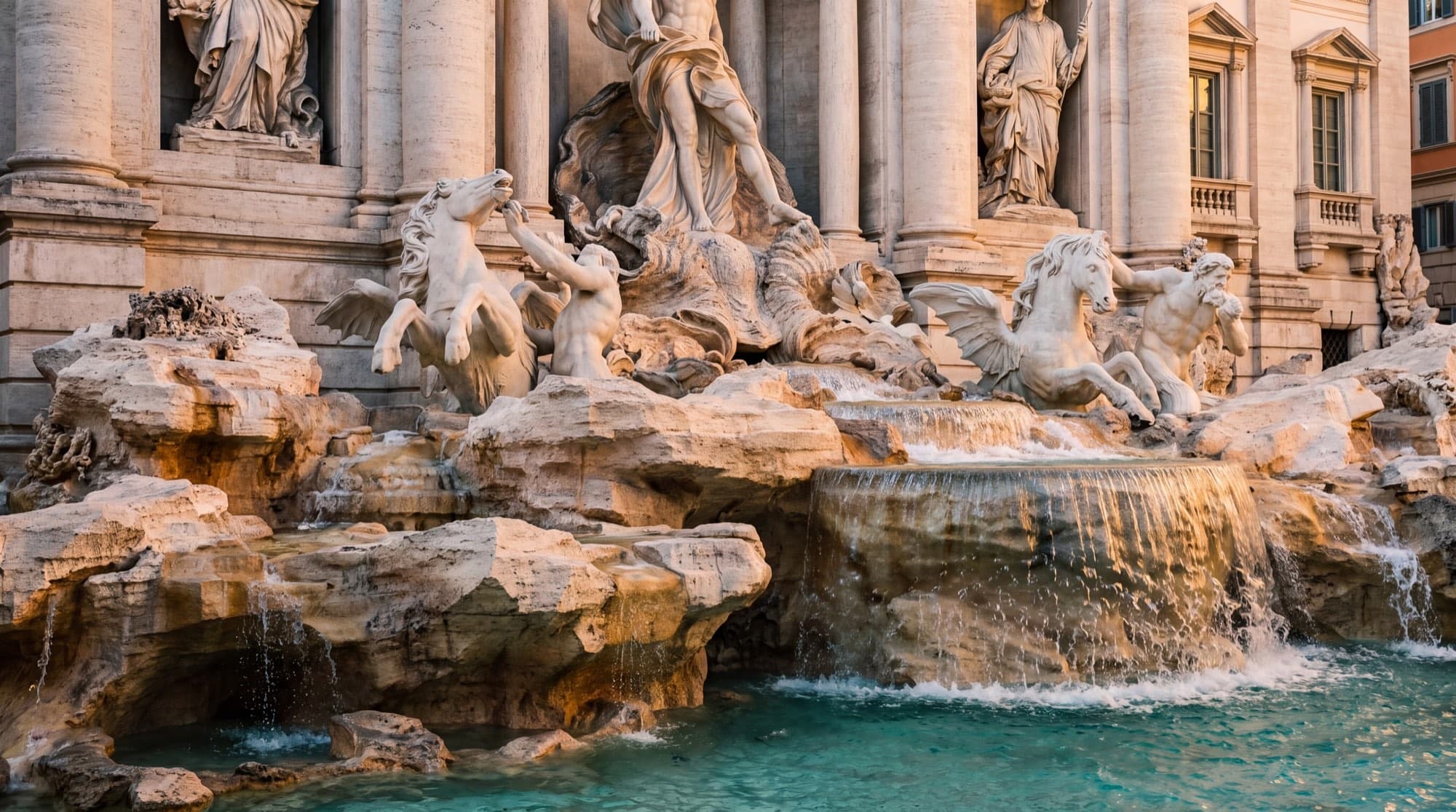
Think of the centre as three clusters that touch each other. Around the Colosseum and the Roman Forum lies the ancient city, open to the sky, best walked early before the sun and the queues arrive. Northwest of it, the historic centre proper: the Pantheon, Piazza Navona, the Trevi Fountain and Campo de' Fiori, a knot of narrow streets where no vehicle is much use. Across the Tiber stands the Vatican, with Saint Peter's and the Museums, and beside it Trastevere, which keeps the look of a village and fills up after dark.

Termini is the main railway station and the point where the two metro lines cross, which makes it the practical centre of gravity for arrivals even though it is not a place anyone visits for pleasure. Tiburtina, further out, handles many high-speed and coach services and is often cheaper to reach, but it sits outside the walls: worth checking before booking a train that leaves from there at dawn.

The ZTL, and why a car is a liability here

The historic centre is a limited traffic zone, monitored by cameras, active on weekdays and on weekend evenings. Entering without a permit means a fine that arrives months later, one for each gate crossed. Hotels inside the zone can register a plate for you, but only for the time it takes to drop luggage, and only if you give them the number in advance. Parking inside the walls is scarce and expensive, and the streets are cobbled, narrow and one-way in ways that no map reads well at speed.

The practical conclusion is simple: a car is useful for arriving, for leaving, and for the countryside around Rome. It is useless for the four or five days spent inside the city, and it costs money the whole time it sits still.

Getting in from the airports

From Fiumicino the Leonardo Express runs to Termini in 32 minutes, every 15 minutes, for 14 euros a head. It is fast and reliable, and it makes sense when you travel light and your hotel is near Termini. With luggage, small children, or an address in Trastevere or near the Vatican, the saving evaporates in the taxi you take at the far end.

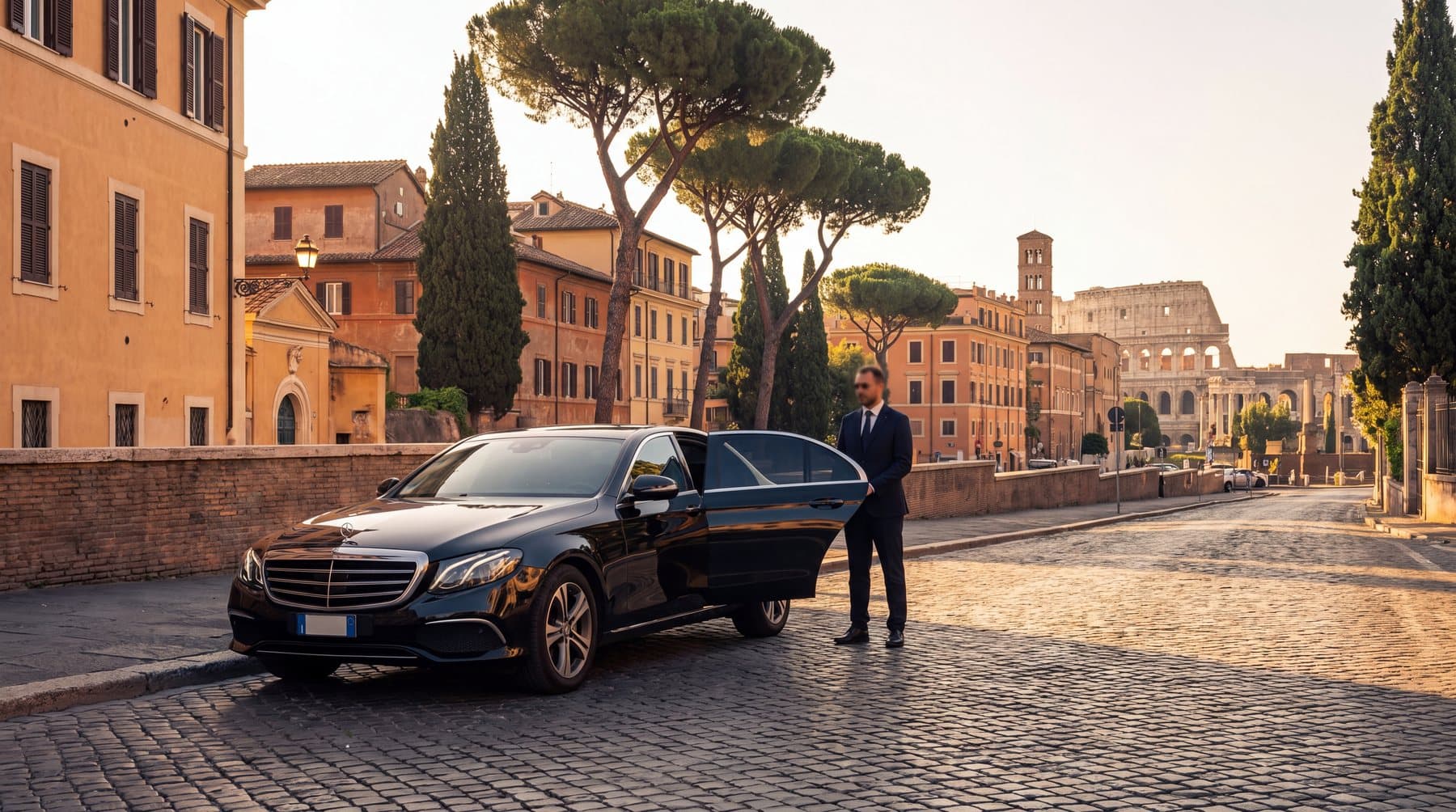
Taxis charge a fixed fare to and from the airports when the journey starts or ends inside the Aurelian Walls: 55 euros from Fiumicino and 40 from Ciampino, for the car and not per person, luggage included, with no night or holiday supplement. It is worth knowing the number: it is the figure that tells you whether any other offer is reasonable. A private transfer books the same journey in advance at a known price, with a driver who waits inside arrivals and follows the flight if it lands late.

What is worth leaving the city for

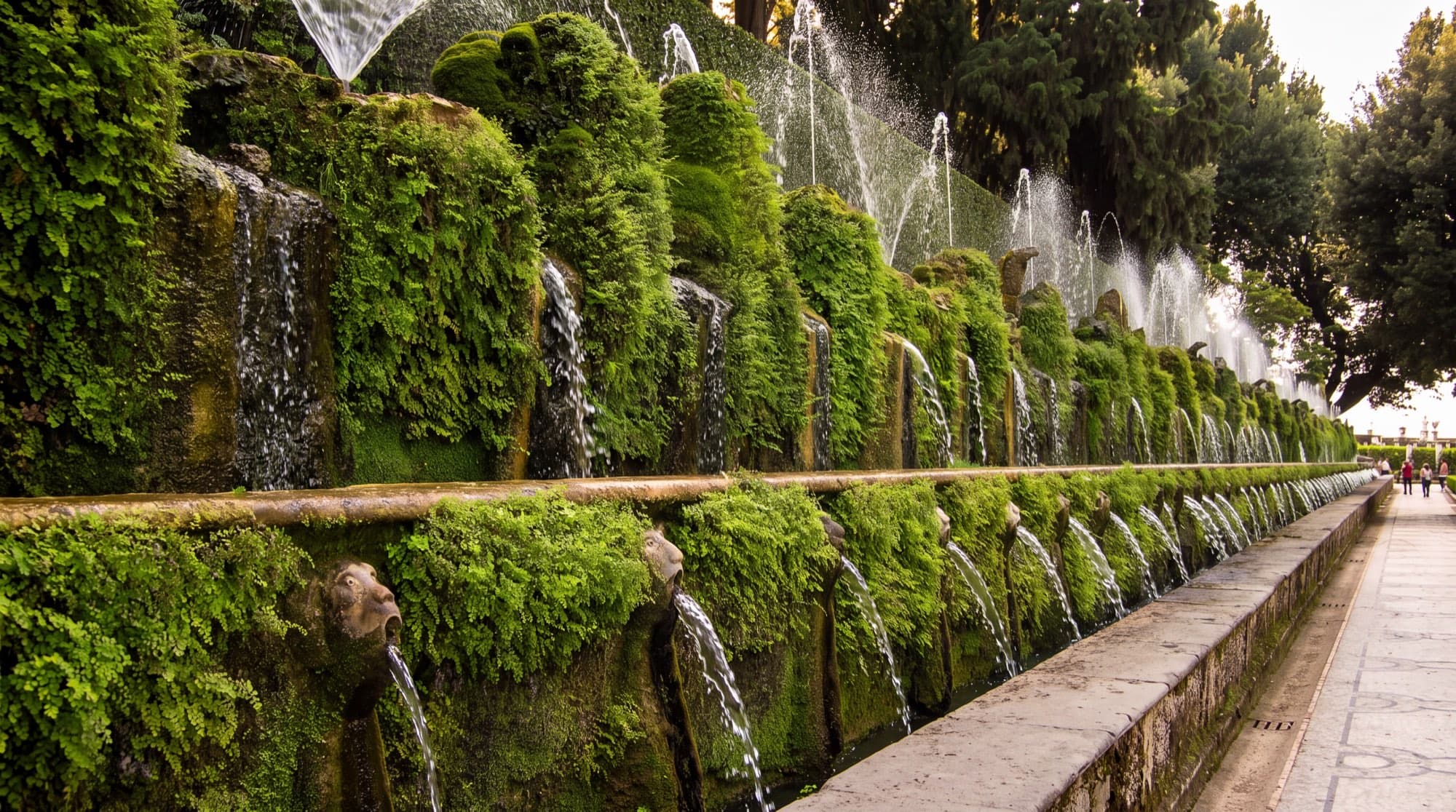
Tivoli, about 30 km east, holds two UNESCO sites within a few kilometres of each other: Hadrian's Villa, the enormous country retreat of an emperor, and Villa d'Este, whose garden is built entirely around moving water. Ostia Antica, towards the sea, is the Roman port town, quieter and in places better preserved than Pompeii. The Castelli Romani, the hill towns south of the city, are where Romans themselves go to eat: Frascati for white wine, Castel Gandolfo above its volcanic lake, with the papal palace and gardens now open to visitors.

All three are awkward by public transport and straightforward by road. That is the honest division of labour in Rome: walk the centre, take the train when it goes where you are going, and keep the car for the day you leave the walls behind.
Frequently asked

About Roma

How do I get from Fiumicino Airport to the centre of Rome?+
Three ways, and the right one depends on your luggage and your address. The Leonardo Express reaches Termini in 32 minutes for 14 euros a head, every 15 minutes: fast if you travel light and stay near the station. A taxi costs a fixed 55 euros to anywhere inside the Aurelian Walls, for the car and with luggage included, so for three or four people it is often cheaper than the train. A private transfer costs a known price booked in advance, with a driver waiting inside arrivals who tracks the flight and carries the bags to the door: it is the option that makes sense with children, early landings, or an address in Trastevere or near the Vatican, where the train leaves you a taxi ride short of the destination.
Do I need a car in Rome?+
Inside the city, no, and it is closer to a handicap than a help. The historic centre is a limited traffic zone watched by cameras: entering without a permit produces a fine for every gate you cross, and they arrive months later. Parking within the walls is scarce and costly, and the streets are cobbled, narrow and one-way. Almost everything a first visit wants to see lies within an hour's walk, and the two metro lines cover the rest. A car earns its keep on the day you leave the walls: Tivoli, Ostia Antica and the Castelli Romani are awkward by public transport and straightforward by road.
I arrive by cruise ship at Civitavecchia. Can I see Rome in a day?+
Yes, but the journey is the part to plan first. The port is about 80 km northwest of Rome, roughly an hour and a quarter each way by road, and a ship's all-aboard time is not negotiable. The train from Civitavecchia reaches Termini in about 70 minutes but runs from a station a shuttle ride from the berth, and the timetable, not you, decides when you leave. A private transfer removes both uncertainties: it collects you at the terminal, takes you to a point agreed inside the city, and brings you back with a margin on the all-aboard time. Whatever you choose, count the return journey before deciding how much of Rome fits into the middle.
Browse handpicked villas, curated tours and local experiences.

Ready to plan your trip to Roma?

All in one place

Stays, tours, transfers and boat charters — one platform, one booking

Verified Hosts

Every property personally vetted by our team

24/7 Concierge

Local support from booking to checkout

Local Expertise

Based in Sorrento — we know every corner