Trois mille ans dans une seule île
La Sicile n'est pas une île posée devant la pointe de la botte : c'est un continent en miniature, stratifié par trois millénaires de conquêtes, de commerce et de réinventions. Les Grecs fondèrent Syracuse en 734 av. J.-C. et élevèrent à Agrigente des temples qui rivalisaient avec Athènes. Puis vinrent les Carthaginois, les Romains, les Byzantins, les Arabes, les Normands, les Souabes, les Angevins, les Aragonais et les Bourbons : chacun a laissé une architecture, une cuisine et des usages qui ont fusionné en quelque chose d'entièrement sicilien. La période arabo-normande, entre 1060 et 1200 environ, fut l'âge d'or : Palerme devint l'une des villes les plus riches d'Europe, et l'architecture hybride de ces années — des mosaïques géométriques dans des églises romanes — est inscrite au patrimoine mondial de l'UNESCO depuis 2015.
Aujourd'hui la Sicile est la plus grande région d'Italie : cinq millions d'habitants, un volcan actif et une culture alimentaire si profonde que des livres entiers ont été écrits sur un seul étal de marché. Elle récompense ceux qui vont lentement. Accordez-lui au moins une semaine, et vous n'en aurez vu que la surface.
Les villes à voir
Palerme
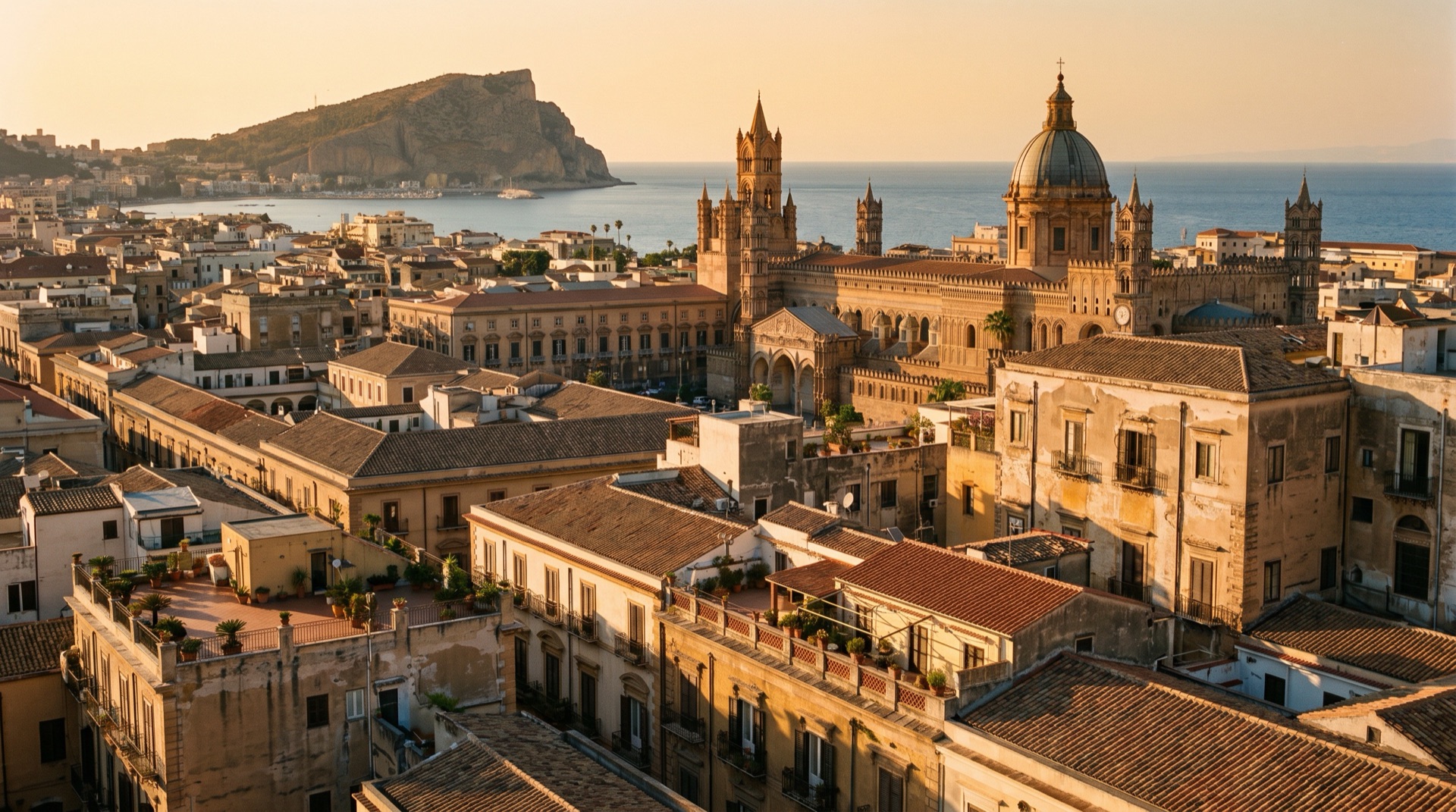
Palerme est bruyante, chaotique, magnifique, et elle crée une dépendance. On commence par le Palazzo dei Normanni et la Chapelle palatine, dont les mosaïques d'or comptent parmi les plus belles au monde. Puis le marché de Ballarò, où les vendeurs crient les prix de l'espadon, des artichauts et d'une ricotta encore tiède. La cuisine de rue y est légendaire : arancini, panelle aux charrettes de la via Maqueda et, pour les téméraires, la stigghiola. Le street art du quartier de la Vucciria est bien vivant, et les catacombes des Capucins restent l'une des visites les plus troublantes et les plus inoubliables d'Italie. Pour Palerme seule, comptez deux à trois journées pleines.
Taormine
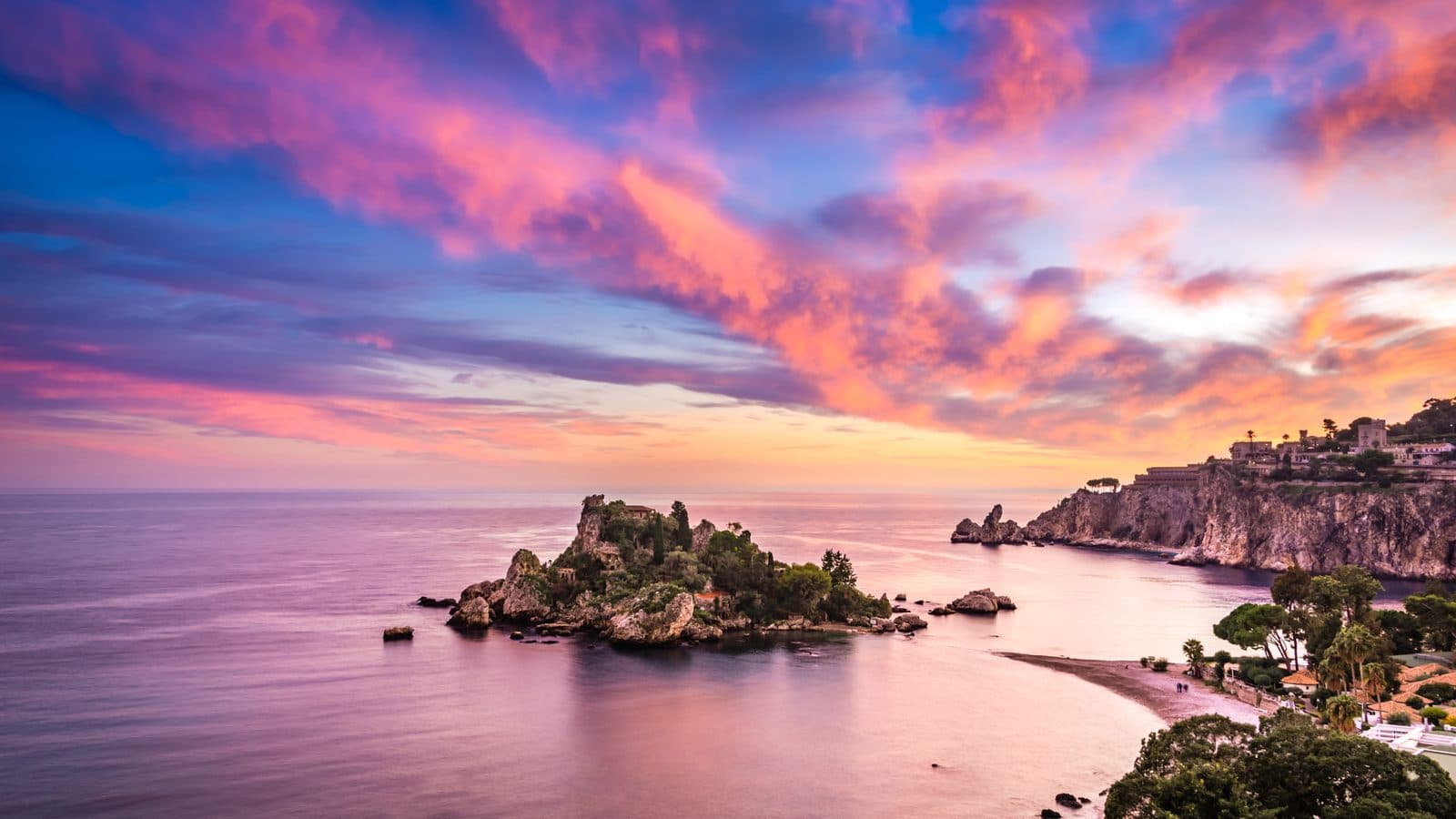
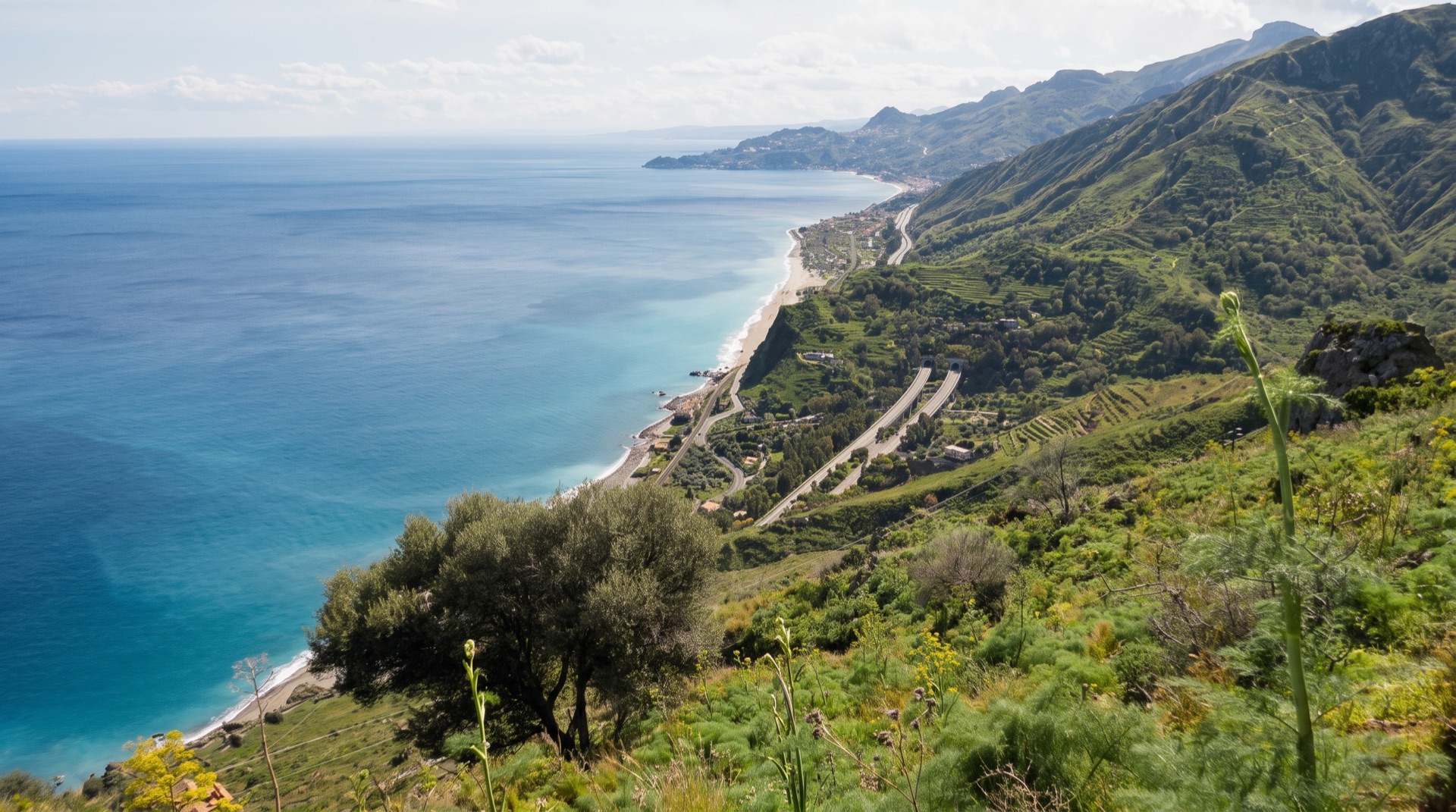
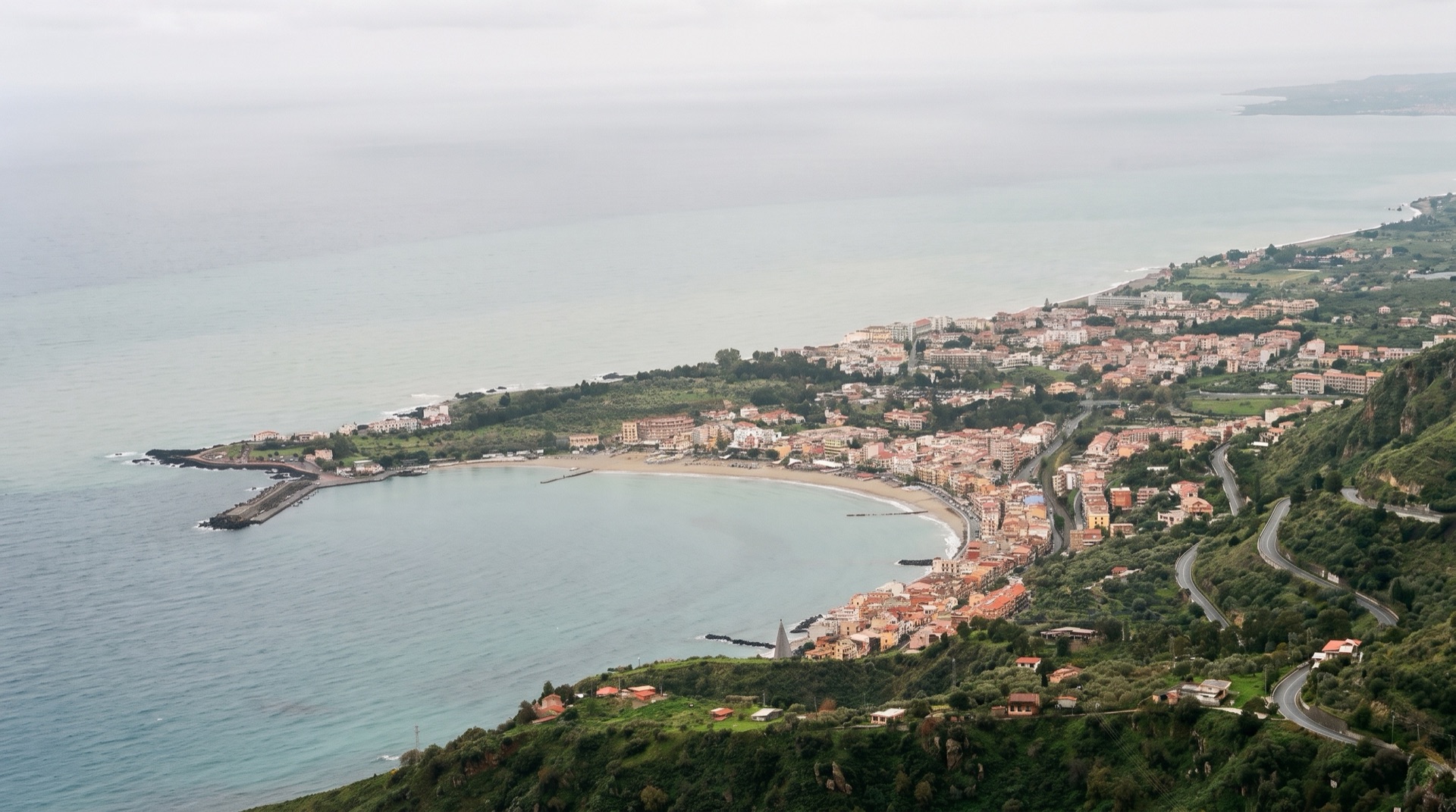
Accrochée à une falaise à deux cents mètres au-dessus de la mer Ionienne, Taormine attire les voyageurs depuis le Grand Tour. Le théâtre grec, taillé dans la roche au IIIe siècle av. J.-C. puis agrandi par les Romains, offre l'un des décors les plus saisissants de la Méditerranée : l'Etna encadré entre des colonnes antiques. Le Corso Umberto aligne boutiques et glaciers, et la vue depuis le jardin public ne coûte rien. Pour se baigner, le téléphérique descend à Isola Bella, réserve naturelle reliée à la terre par une langue de sable. Les hôtels de Taormine sont les plus chers de Sicile ; Giardini Naxos, juste en dessous, offre bien davantage à dépense égale.
Catane
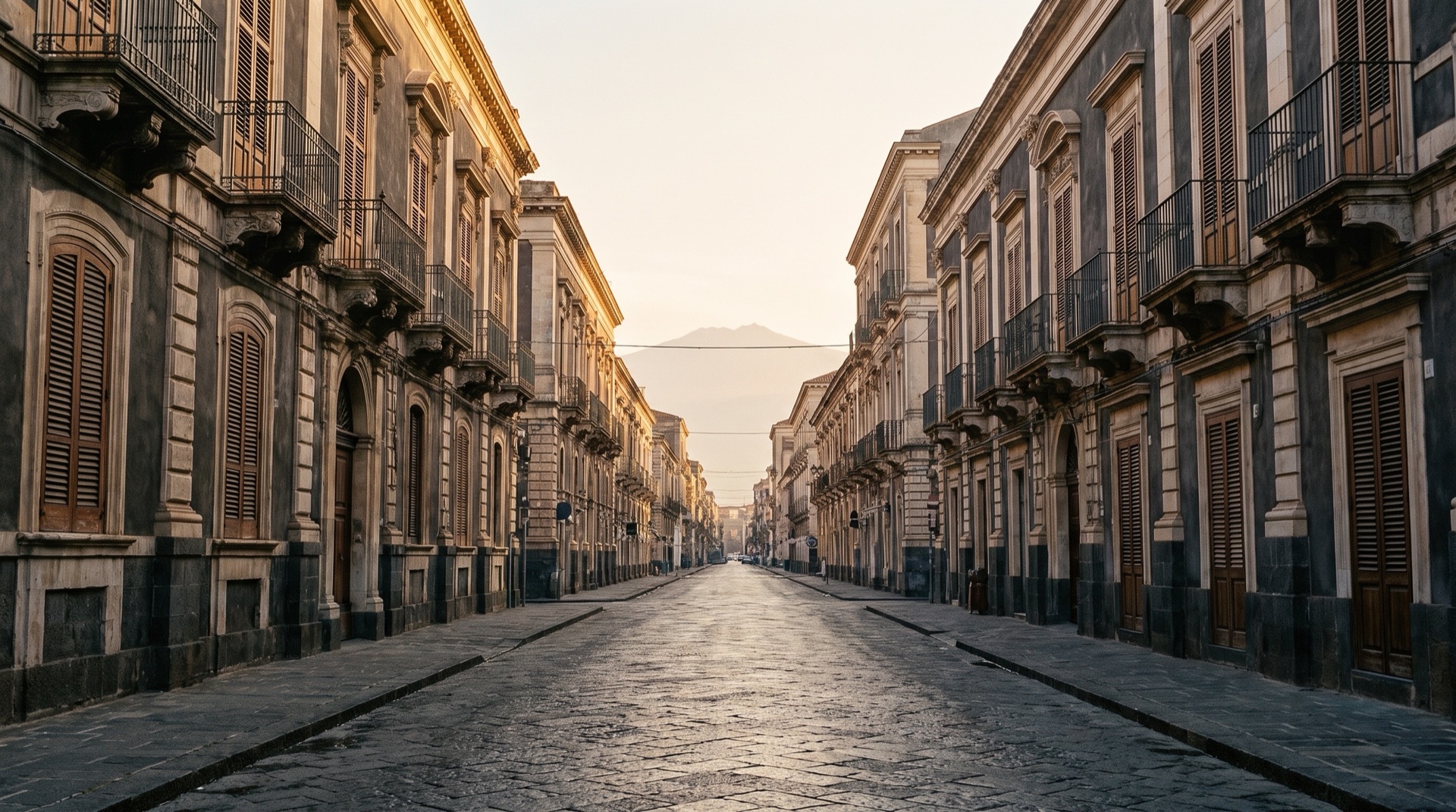
Catane est assise au pied de l'Etna et a été reconstruite sept fois sur la lave. Il en résulte une ville de pierre volcanique sombre, de façades baroques et d'énergie inépuisable. La Piazza del Duomo, avec sa fontaine à l'éléphant, le Liotru, tient le vieux centre. Le marché aux poissons derrière la place est l'un des plus photogéniques d'Europe : des montagnes de thon, d'espadon, d'oursins et de sardines sur la glace pilée. La vie nocturne y est la plus animée de Sicile, autour de la via Teatro Massimo. Et c'est d'ici que l'on part pour l'Etna : les ascensions guidées au sommet commencent à la station du téléphérique du Rifugio Sapienza, à 1 900 mètres.
Cefalù
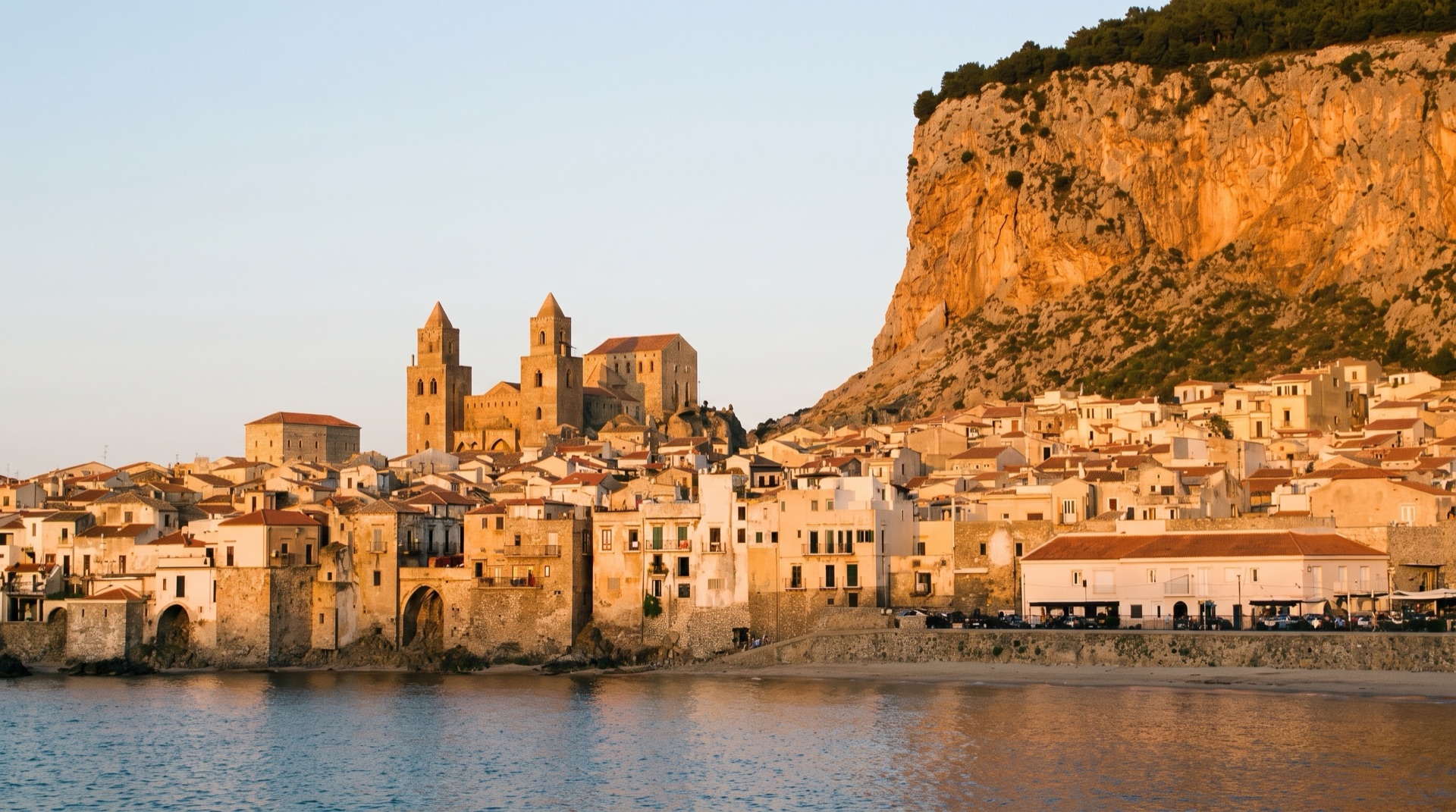
À une heure de train à l'est de Palerme, Cefalù est la ville balnéaire dont rêvent les cartes postales. Un long croissant de sable doré sous une cathédrale normande de 1131, dont l'abside abrite un Christ Pantocrator qui soutient la comparaison avec Monreale. On monte à La Rocca, l'énorme rocher calcaire derrière la ville, en quarante-cinq minutes de marche, gratuitement, pour une vue qui embrasse tout. L'été, Cefalù se remplit : mieux vaut arriver tôt sur la plage. Hors saison — octobre, avril, mai — elle est merveilleusement calme. Sur le front de mer, on mange d'excellents calamars grillés et des pasta con le sarde.
Syracuse
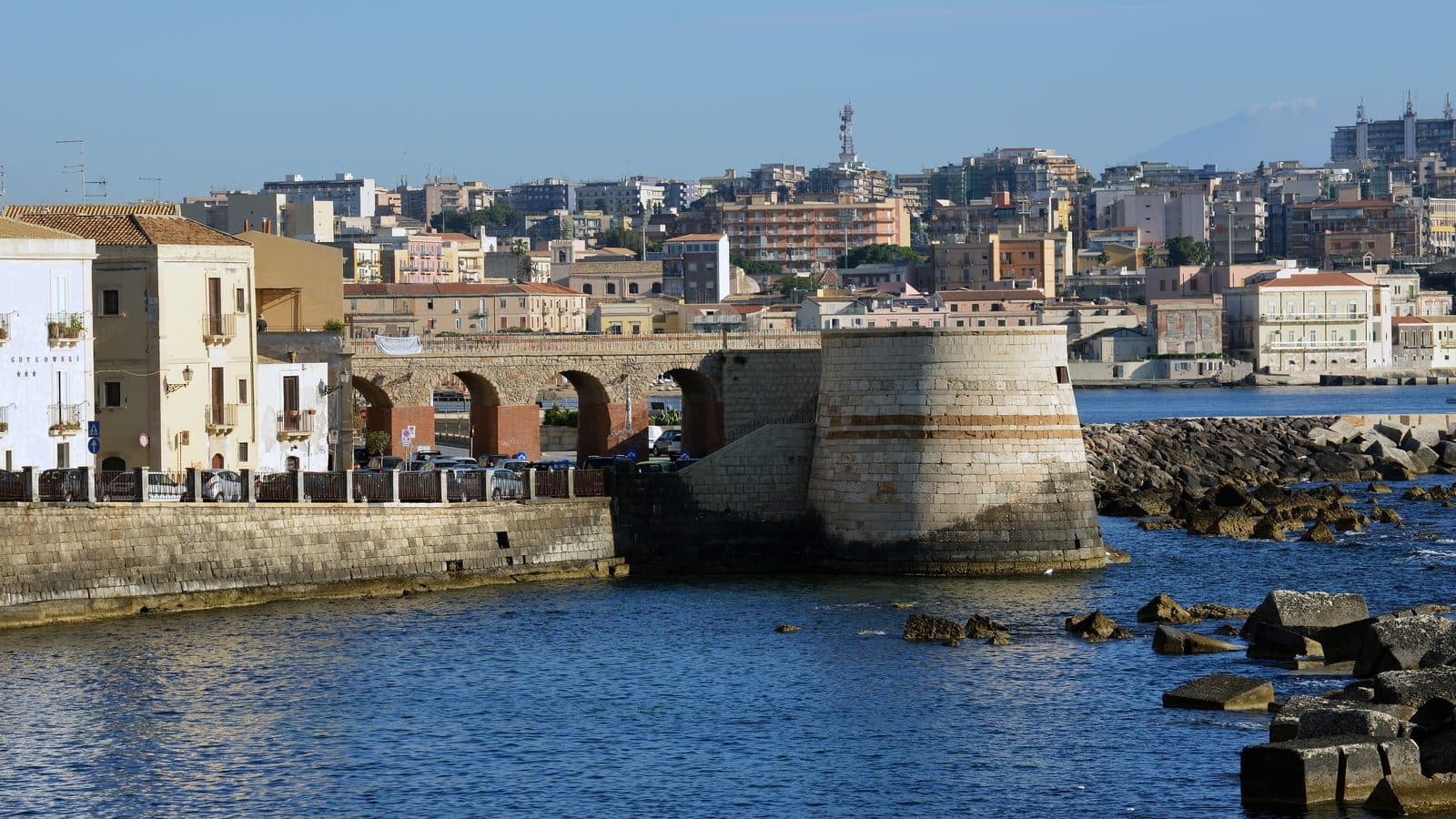
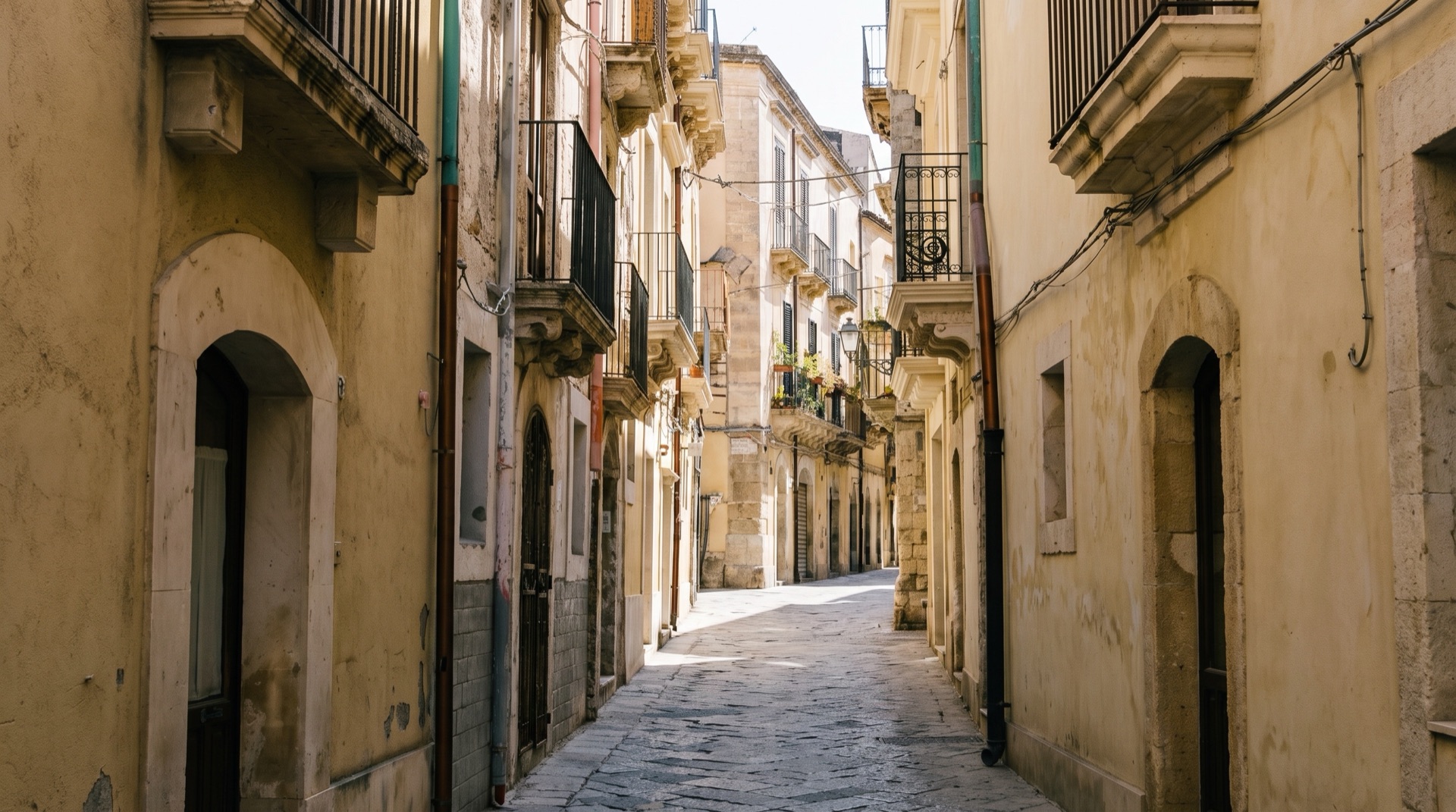
Autrefois la cité la plus puissante du monde grec, plus riche et plus peuplée qu'Athènes sous le tyran Denys, Syracuse offre aujourd'hui deux expériences en une. Le parc archéologique, sur la terre ferme, réunit un théâtre grec où l'on joue encore, l'Oreille de Denys et les vestiges de l'amphithéâtre romain. On franchit le pont vers Ortygie, l'île-vieille ville, et tout change : des ruelles étroites débouchent sur des places bordées d'églises baroques, le temple d'Apollon — le plus ancien temple dorique de Sicile — et des restaurants au bord de l'eau où l'on mange les crevettes rouges de Mazara crues, face au port. Le marché d'Ortygie, le mercredi matin, est superbe.
Noto
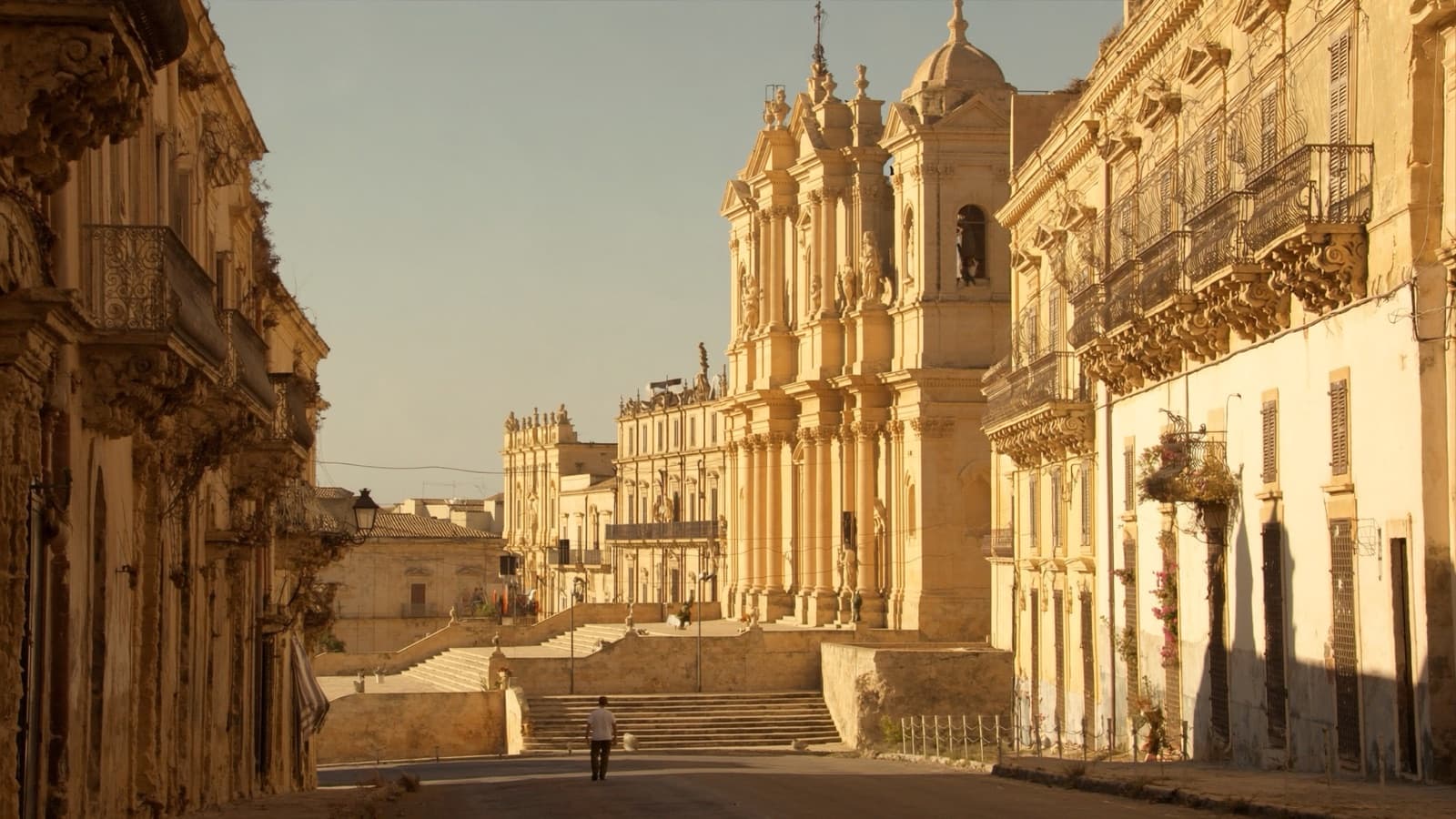
Après le tremblement de terre qui rasa la vieille ville en 1693, Noto fut rebâtie de zéro dans un baroque tardif unitaire. Le résultat est un décor de pierre couleur de miel : la cathédrale San Nicolò, inscrite à l'UNESCO, le Palazzo Nicolaci et ses balcons de fer forgé fantasques, des églises qui deviennent or au couchant. Noto se visite en une demi-journée et s'accorde parfaitement à Syracuse, à trente minutes de voiture, ou à la réserve de Vendicari un quart d'heure plus au sud, où les flamants patientent dans les salines derrière des dunes intactes. En mai, l'Infiorata tapisse la via Corrado Nicolaci de mosaïques de fleurs.
Se déplacer en Sicile
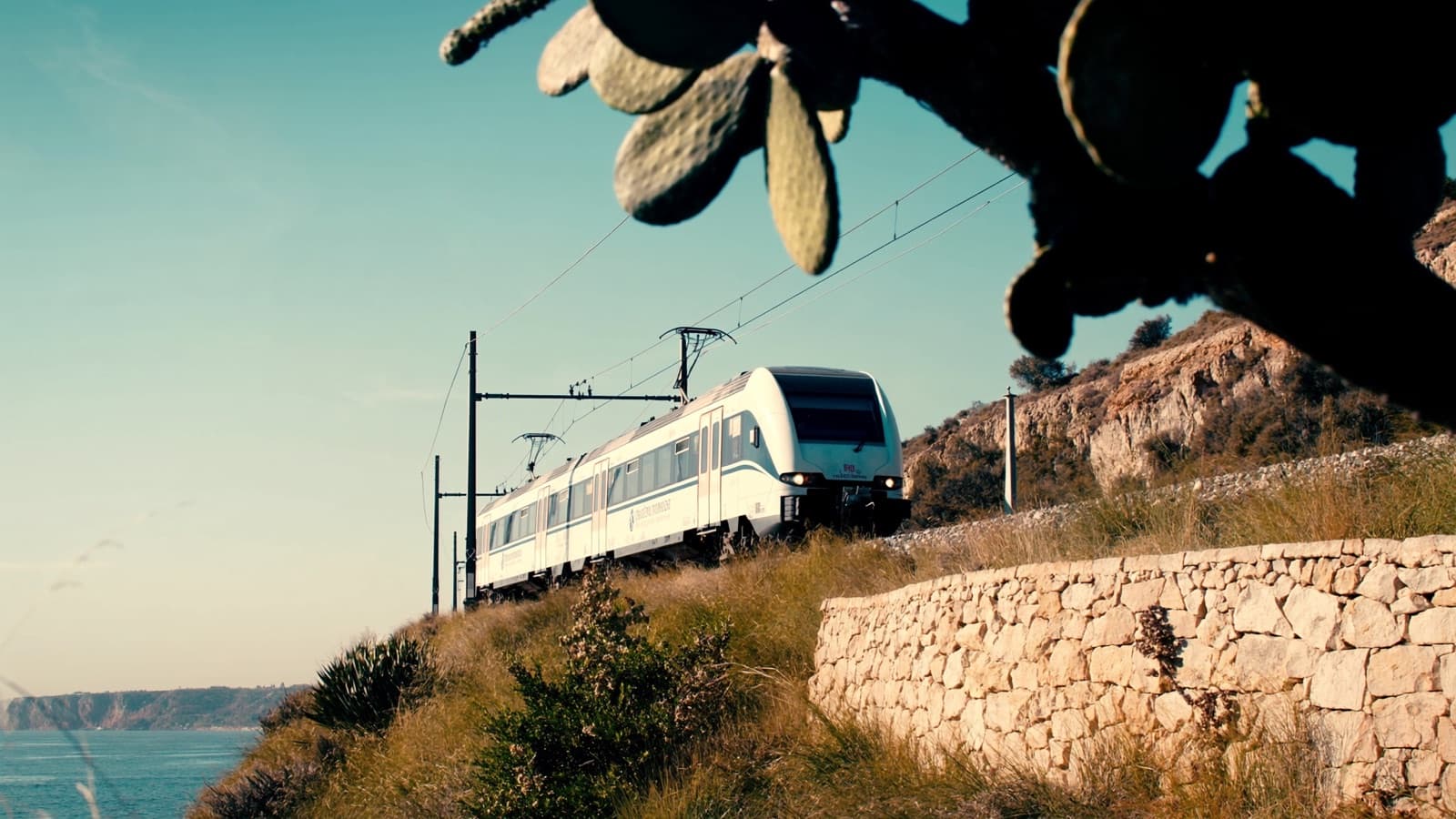
La Sicile est vaste — de Palerme à Catane, deux cents kilomètres, environ deux heures et demie de voiture ou trois heures par l'intercité direct. La voiture reste l'option la plus pratique, surtout pour la Vallée des Temples d'Agrigente, les villages perchés d'Erice et de Raguse et les plages de San Vito Lo Capo ; réservez bien à l'avance pour juillet et août. Les routes sont globalement bonnes, la circulation de Palerme un peu moins. Les trains relient correctement les grandes villes — Palerme, Catane, Syracuse, Messine — mais sont lents sur les lignes secondaires. Qui préfère ne pas conduire du tout peut réserver un transfert privé avec BlueKeys, pour la prise en charge à l'aéroport comme pour les trajets entre villes.
Quand venir
Mai, juin, septembre et octobre sont idéaux : assez chauds pour la baignade, avec une mer entre 22 et 25 °C, moins fréquentés qu'en plein été et avec des tarifs hôteliers plus bas. Juillet et août apportent une chaleur intense, régulièrement de 35 à 40 °C, des plages pleines et des prix de haute saison — mais aussi l'énergie du Ferragosto, le 15 août, et la saison des festivals. Le printemps est magnifique pour la floraison et pour marcher sur l'Etna. L'hiver, de novembre à mars, est doux sur la côte, entre 12 et 16 °C, mais pluvieux ; certaines stations ferment, tandis que l'intérieur et l'Etna connaissent le vrai froid et la neige au-dessus de 1 500 mètres.
La cuisine sicilienne
La cuisine sicilienne est sans doute la plus variée d'Italie, façonnée par des influences arabes, grecques, espagnoles et françaises. L'héritage arabe survit dans le couscous, chez lui dans la région de Trapani, dans les raisins secs et les pignons des pasta con le sarde, et dans l'extraordinaire tradition pâtissière de l'île — cannoli, cassata et granita sont des inventions siciliennes. Le Nero d'Avola est le cépage rouge à connaître : ample, aux fruits noirs, parfait avec les grillades. Pour plus de finesse, cherchez les vins de l'Etna DOC : les rouges de Nerello Mascalese et les blancs de Carricante, nés sur un terroir volcanique, rivalisent de complexité avec la Bourgogne. À Catane, commandez des pasta alla Norma, aux aubergines frites et à la ricotta salée. À Palerme, ne repartez pas sans avoir goûté le sfincione et le pane con la milza. Qui voyage avec peu mange admirablement en s'en tenant aux marchés et à la cuisine de rue.
Ce que presque personne ne voit
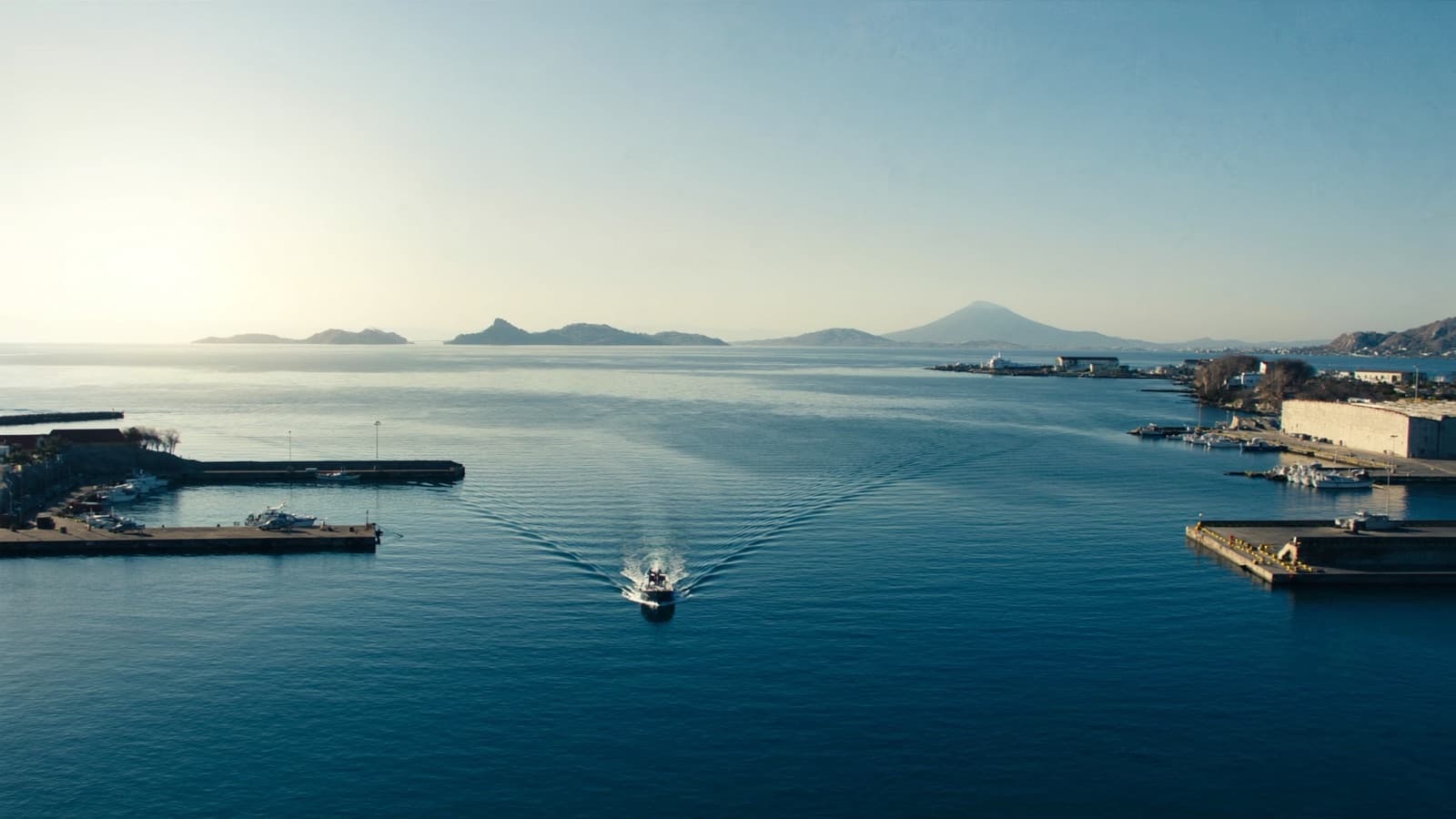
Au-delà du circuit connu, la Sicile cache des trésors que peu atteignent. La Scala dei Turchi, près d'Agrigente, est une falaise de marne d'une blancheur éblouissante qui ressemble à un escalier taillé par des géants — allez-y au coucher du soleil. Raguse Ibla, dans le grand sud-est, est un bourg baroque perché, moins touristique que Noto et sans doute plus attachant. Les îles Éoliennes, à environ une heure et demie d'hydroglisseur depuis Milazzo, offrent les randonnées volcaniques de Stromboli et Vulcano, des plages de sable noir et les retraites très chics de Panarea. Pour les amateurs de vin, une journée dans le vignoble de l'Etna, autour de Randazzo et Passopisciaro, révèle des domaines de classe mondiale dans un paysage de coulées anciennes et de châtaigneraies. Et pour qui aime l'Antiquité, les mosaïques de la Villa Romana del Casale près de Piazza Armerina — scènes de chasse, courses de chars, athlètes en bikini — sont les plus beaux pavements romains conservés au monde. Parcourez les excursions BlueKeys pour des visites guidées vers beaucoup de ces lieux, ou trouvez parmi les hébergements BlueKeys la base d'où partir.