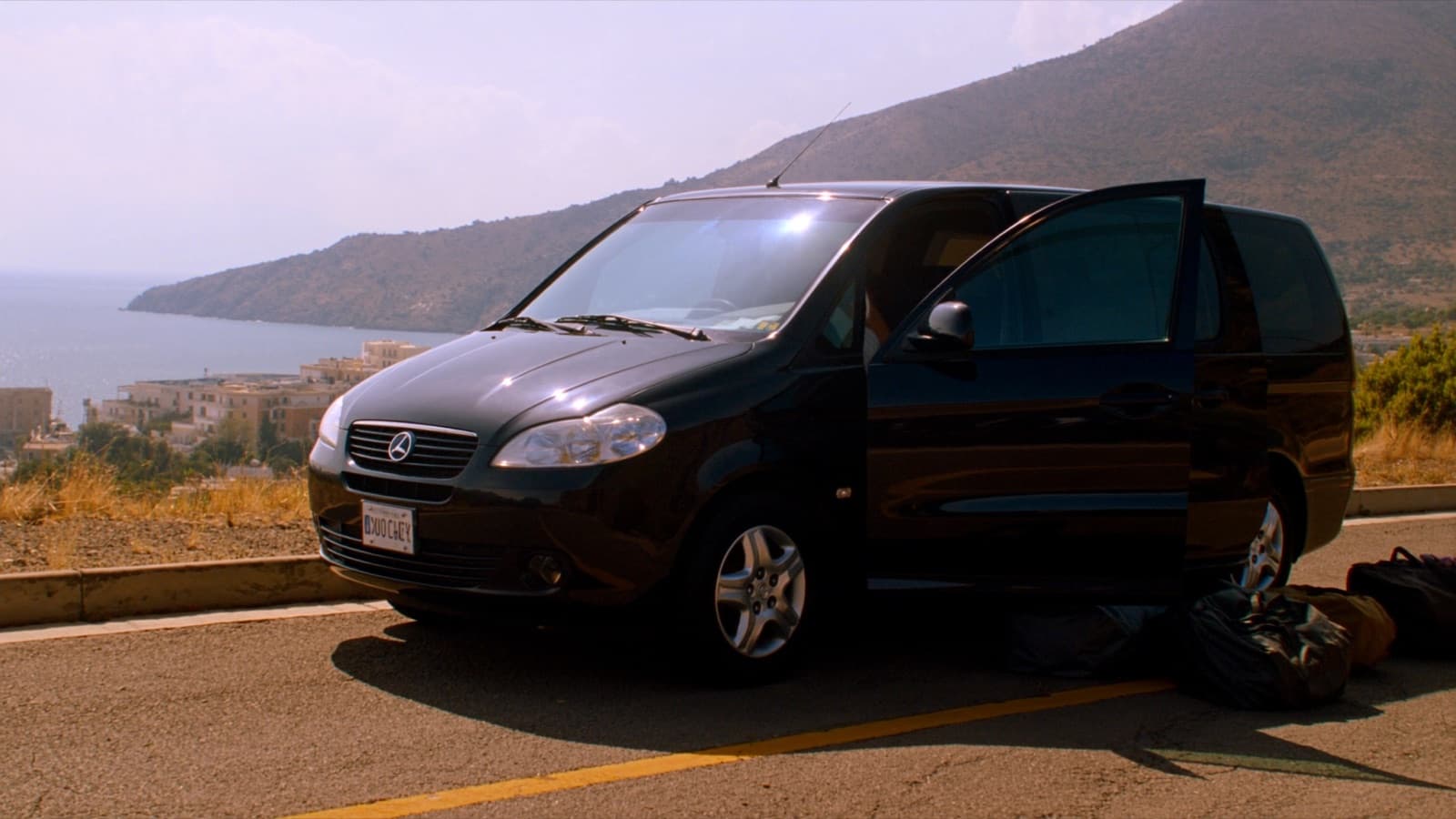
Private transfer
Palermo Airport (PMO) · about 40 min
Door to door with the luggage handled — which counts in a city where the old quarters are lanes and parking barely exists.

Arab domes on Romanesque churches, three shouting markets, and the largest mosaic cycle in Europe after Hagia Sophia eight kilometres uphill
Arab domes on Romanesque churches, three shouting markets, and the largest mosaic cycle in Europe after Hagia Sophia eight kilometres uphill. Loud, undomesticated, addictive.
Palermo is a Mediterranean destination in Sicilia, Italy. Browse handpicked vacation rentals, guided tours and experiences, boat charters and airport transfers, then book directly with the local hosts and drivers behind each listing.
Falcone Borsellino sits thirty-five kilometres west of the city, on a spectacular stretch of coast squeezed between the sea and the mountain. Around forty minutes by road, or a train to the central station.
Palermo Airport (PMO) · about 40 min
Door to door with the luggage handled — which counts in a city where the old quarters are lanes and parking barely exists.
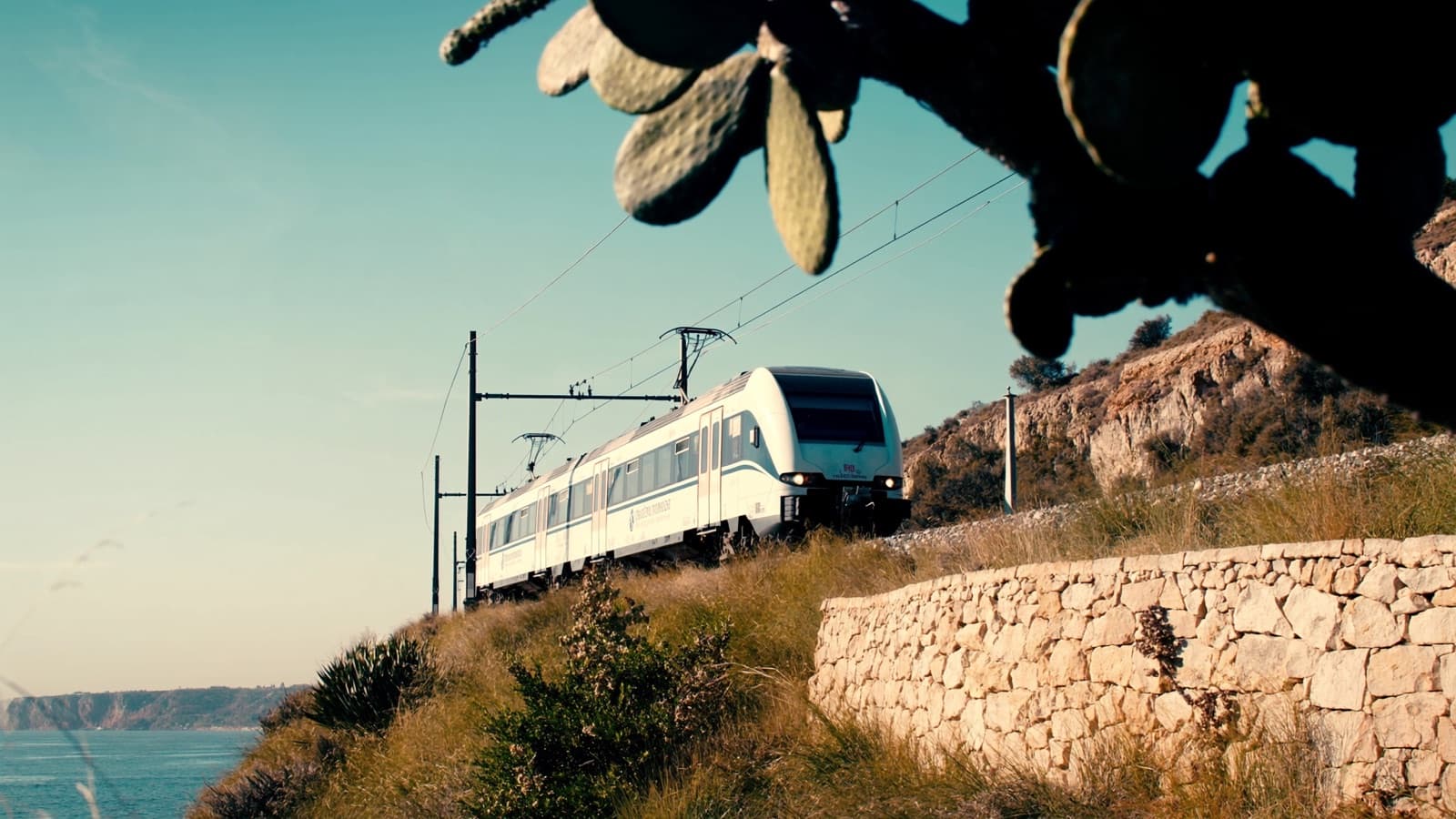
Punta Raisi airport station · about 1 h
A line runs from under the terminal to the central station. Cheap and reliable, but it leaves you at the station rather than at your door, with the lanes still to walk.
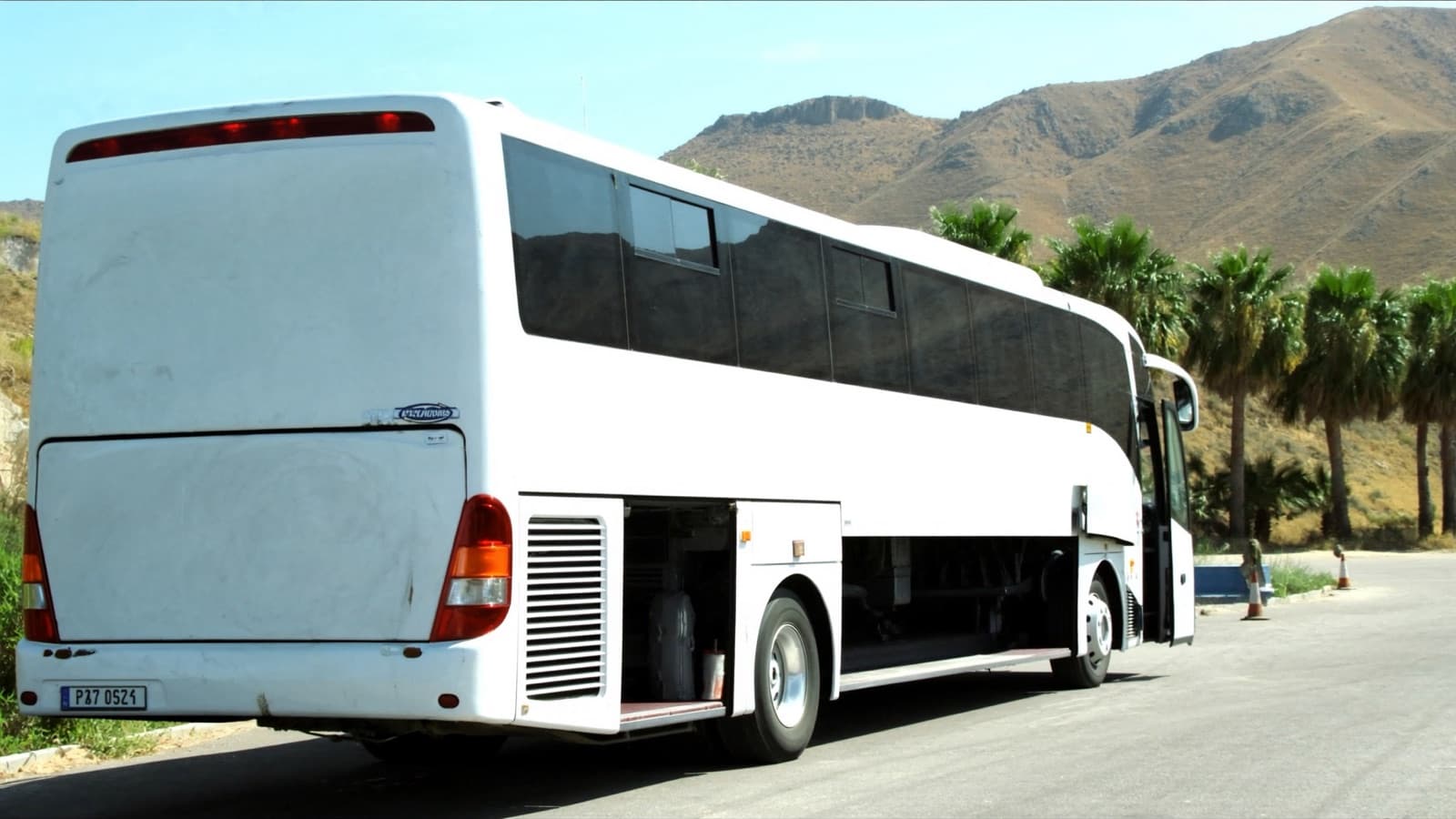
Airport arrivals · 50 min to 1 h
Coaches run from arrivals to the city centre. The cheapest way in; departures and timetable belong to the coach company, not to the airport.
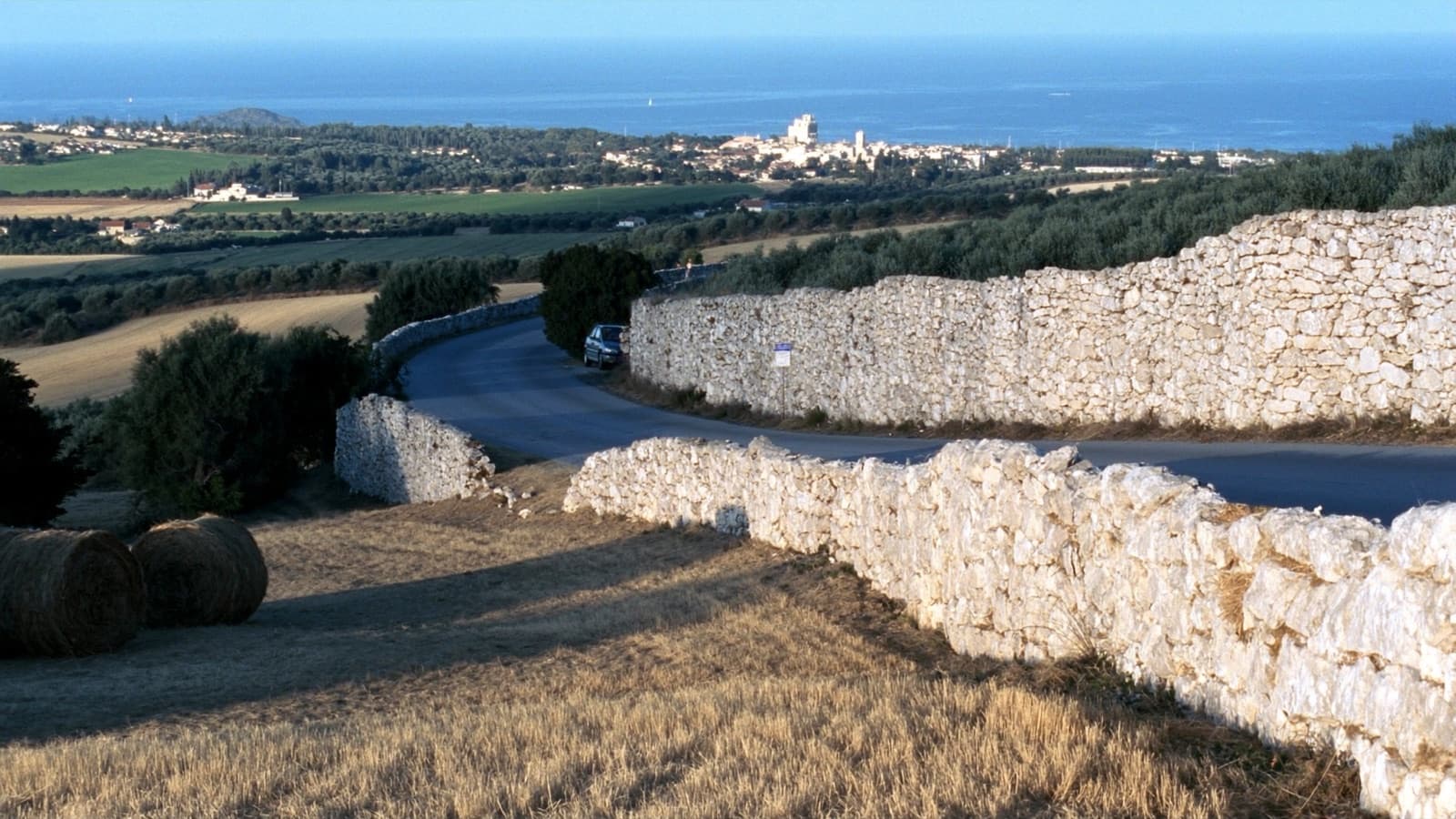
A29 motorway · 1 h to Cefalù, 2 h 30 to Catania
Necessary for Segesta, the Madonie and the west coast. Driving inside Palermo takes nerve and parking is scarce: leave it outside the centre.
Palermo is not one old centre but four, the quarters carved out by the two streets that cross at its middle. What you see here is layered rather than arranged: nine centuries of rulers, three markets, and a white sand bay ten kilometres out.
 Photo: BlueKeys
Albergheria quarter · The liveliest of the three markets
Swordfish, artichokes, lemons and ricotta still warm, under faded awnings, with the sellers calling prices across the lane. Morning is when it is fullest.
 Photo: BlueKeys
Ten kilometres north · White sand bay
A crescent of white sand between two headlands, with an art nouveau bathing pavilion standing in shallow water. The city’s beach, swimmable June to October.
 Photo: BlueKeys
Between the city and Mondello · Limestone promontory, 600 m
A bare rock rising straight out of the sea beside the city. Goethe called it the most beautiful promontory in the world; the road up gives the whole bay at once.
 Photo: BlueKeys
Towards the sea · The old Arab quarter
Peeling ochre and rose plaster, wrought iron balconies, and murals covering the gable walls the 1943 bombing left behind. The most changed quarter of the four.
 Photo: BlueKeys
Where the two main streets cross · 17th and 18th century
The Spanish laid two straight streets across the medieval city and made a stage of the crossing. Around it, fountains, statues and curved facades that open onto lanes going dark.
 Photo: BlueKeys
Markets and kiosks, everywhere · Eaten standing up
Pane e panelle, crocché, sfincione, arancine, and for the brave the spleen sandwich. Palermo is the capital of this in Italy, and it happens at a counter, not a table.
Street food first, and at a counter: panelle, sfincione, arancine, pane con la milza. Then the Arab legacy on a plate — pasta con le sarde with raisins and pine nuts — and cannoli, cassata and granita, all three Sicilian inventions.
Monreale eight kilometres uphill for the largest medieval mosaic cycle in Europe after Hagia Sophia. Cefalù an hour east by a train that hugs the sea. Segesta and its lone Doric temple an hour west, and the Madonie villages two hours inland.
Inside the four quarters, between the two crossing streets: everything worth walking to is within twenty minutes, and the lanes only make sense from inside them. Mondello is the alternative if you want the beach at the door and the city at arm’s length.
Get Around
Private car · Fixed price
Private car · Fixed price
Private car · Fixed price
Private car · Fixed price
Private car · Fixed price
Private car · Fixed price
Private car · Fixed price
Private car · Fixed price
Private car · Fixed price
Private car · Fixed price
Private car · Fixed price
Private car · Fixed price
Travel guide
Palermo was founded by the Phoenicians around the eighth century BC, but the city you see today was made by the Arabs and the Normans. Under the emirate, in the tenth century, it was one of the great cities of the Mediterranean — chroniclers of the time counted hundreds of mosques — and when the Normans took it in 1072 they erased nothing: they took Arab craftsmen, Byzantine mosaicists and Latin architects and set them to work together. What came out exists nowhere else: Romanesque churches with red mosque domes and Byzantine gold mosaics, and inscriptions in three alphabets on the same stone. UNESCO recognised that Arab-Norman itinerary in 2015.
Then came the Swabians, Angevins, Aragonese, Spanish and Bourbons, each adding a layer: the baroque oratories, the eighteenth-century palaces, the nineteenth-century theatres. Palermo does not have one old centre — it has four, the mandamenti into which it was divided by the two streets that cross at the Quattro Canti.
The crossing of Via Maqueda and the Cassaro — today Corso Vittorio Emanuele — is the geometric centre: at the Quattro Canti four baroque corners face each other, and a few steps away the Fontana Pretoria fills an entire square with white marble statues that Palermitans still fondly call the fountain of shame.
The Albergheria quarter holds the Palazzo dei Normanni, the Cappella Palatina with its gold mosaics and muqarnas ceiling, and the Ballarò market — the liveliest and most working-class of the three historic markets. The Kalsa, towards the sea, is the Arab quarter par excellence: here are the Gancia, Palazzo Abatellis with its Triumph of Death, and the streets where street art has taken over walls left by the bombing of 1943. The Capo and the Vucciria are the other two markets; the Vucciria is nearly dead by day and by night becomes the place where people drink outdoors among the ruins.
Outside the centre are two things worth the journey on their own: the cathedral of Monreale, eight kilometres above the city, with six thousand square metres of Byzantine mosaics — the largest medieval mosaic cycle in Europe after Hagia Sophia — and the Capuchin catacombs, where eight thousand mummified bodies stand along the corridors, dressed as they were in life. Not everyone can take that visit, and it is fair to know beforehand.
That it is not tamed. Palermo has neither Taormina's polish nor Noto's composure: it is loud, disordered, aristocratic palaces beside gutted houses, and those who love it love it for exactly that. It is also the capital of Italian street food — pane e panelle, crocché, sfincione, arancini, and the spleen sandwich you buy at a kiosk and eat standing up. Granita and cannoli are made here as nowhere else.
And then there is the sea, which visitors often forget. Mondello, ten kilometres north, is a white sand bay between two headlands, with art nouveau bathing cabins standing in the water and Monte Pellegrino behind — Goethe called it the most beautiful promontory in the world. An hour east lies Cefalù; an hour west, Segesta and its Doric temple alone among the hills.
Falcone Borsellino airport at Punta Raisi is thirty-five kilometres west of the city, on a spectacular stretch of coast between the sea and the mountain; it is around forty minutes by car, and a private transfer is the most direct way into the centre with luggage. A train links the airport to the central station.
The centre is best walked, and that is the right way to do it: the markets and the quarters only make sense from inside them. Driving in the city takes nerve, and parking is scarce. The climate is fully Mediterranean: 11–16 °C in January, 16–22 °C in spring, 24–30 °C in July and August, with the sirocco occasionally bringing desert heat for two or three days. The sea at Mondello is swimmable from June to October. Restaurants keep Italian hours; the street food kiosks do not — those are open almost always.
Travel guide
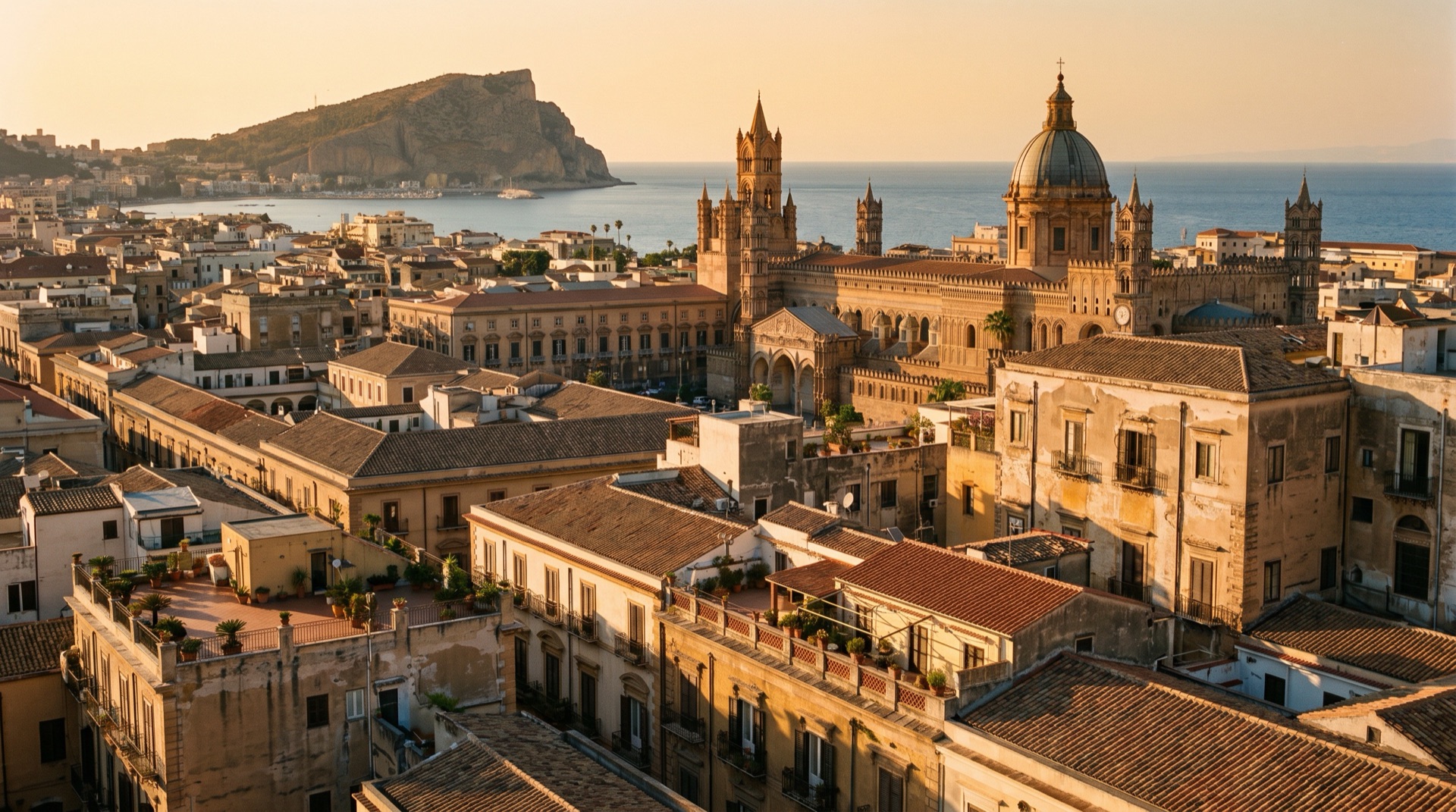
Palermo Airport to Palermo City Centre: 2026 Guide
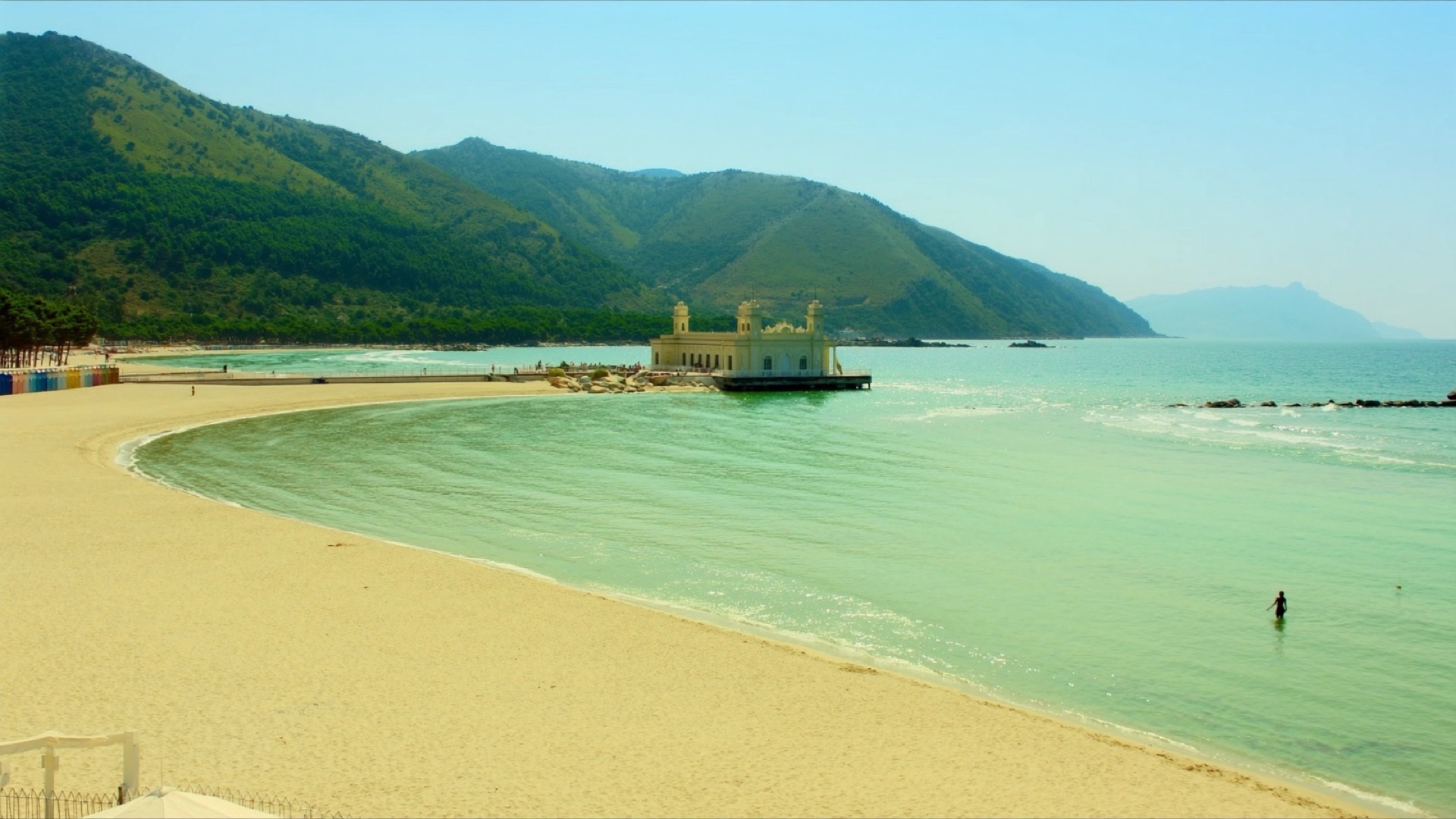
Palermo Airport (PMO) to Mondello: 2026 Guide
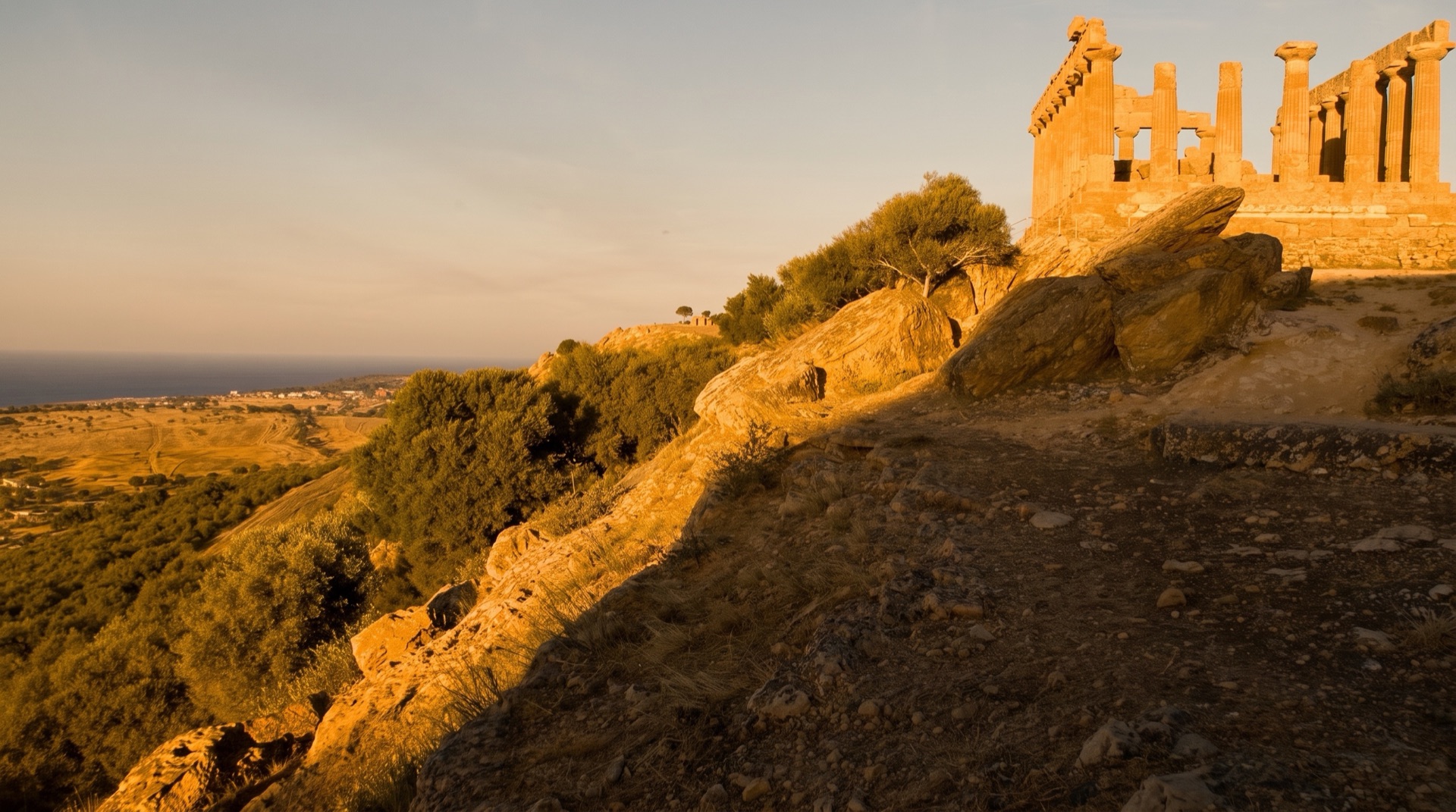
Palermo to Agrigento: Valley of the Temples 2026 Guide
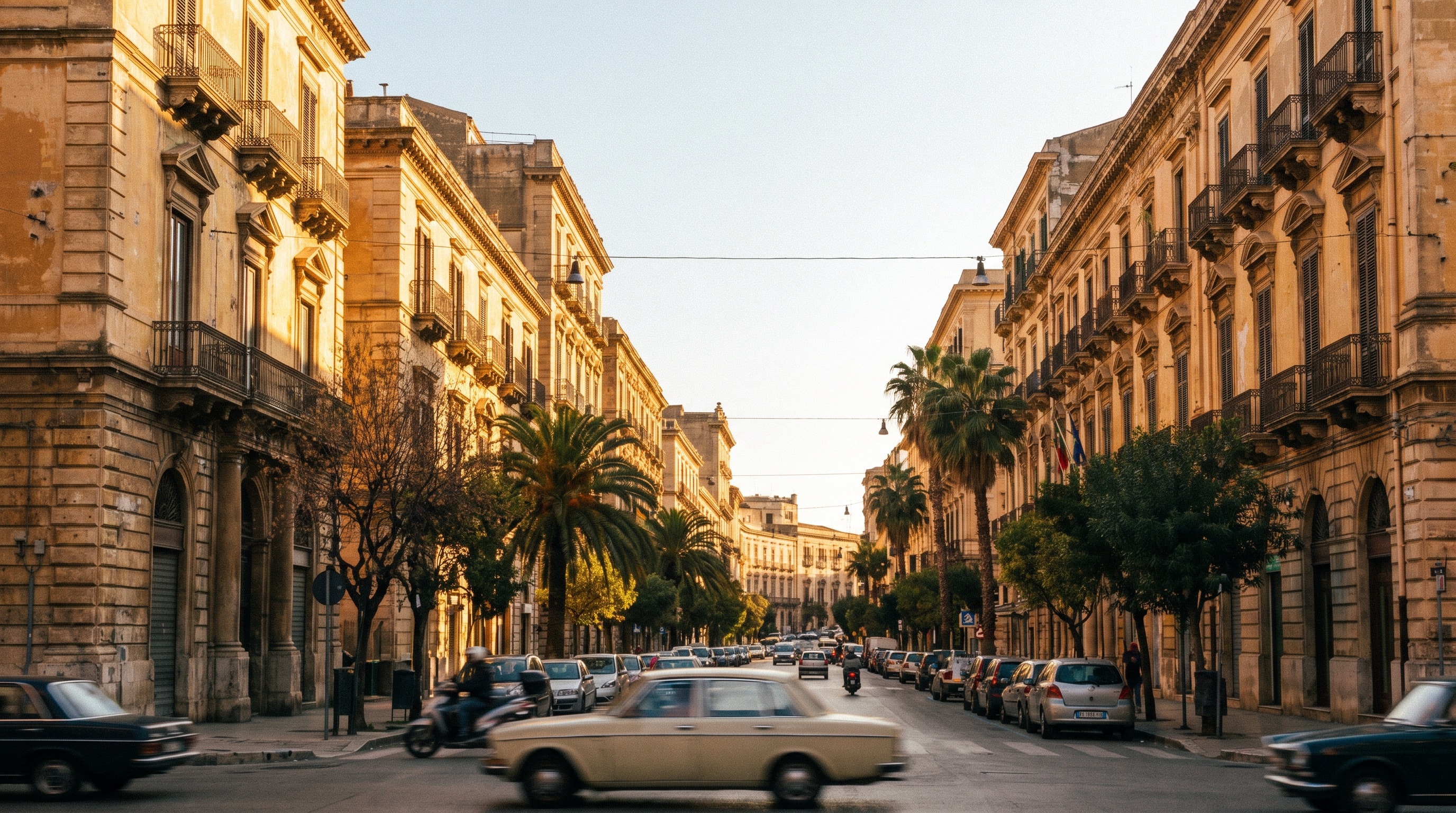
Catania Airport to Palermo: Bus, Train, Transfer 2026
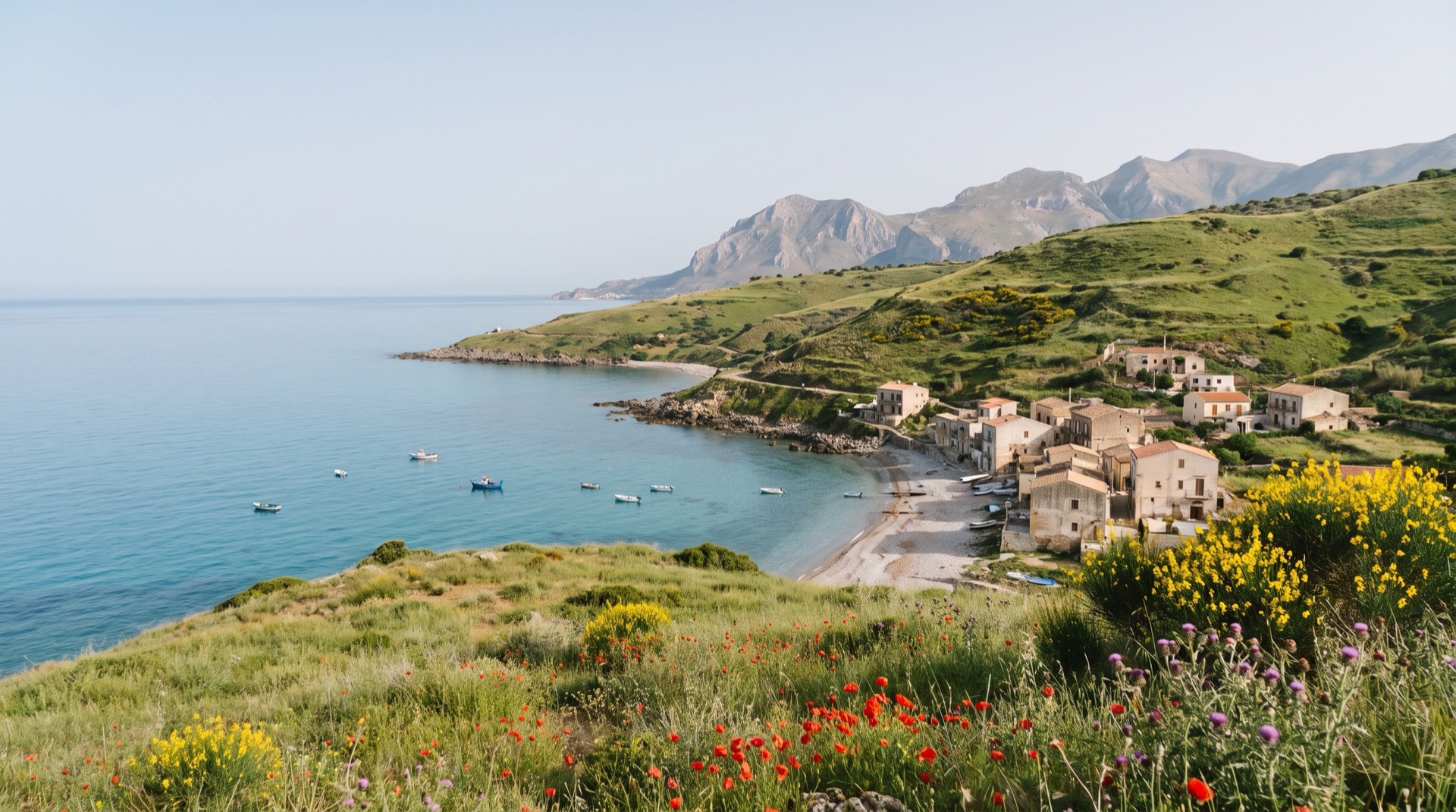
Best Time to Visit Sicily: Month by Month Guide
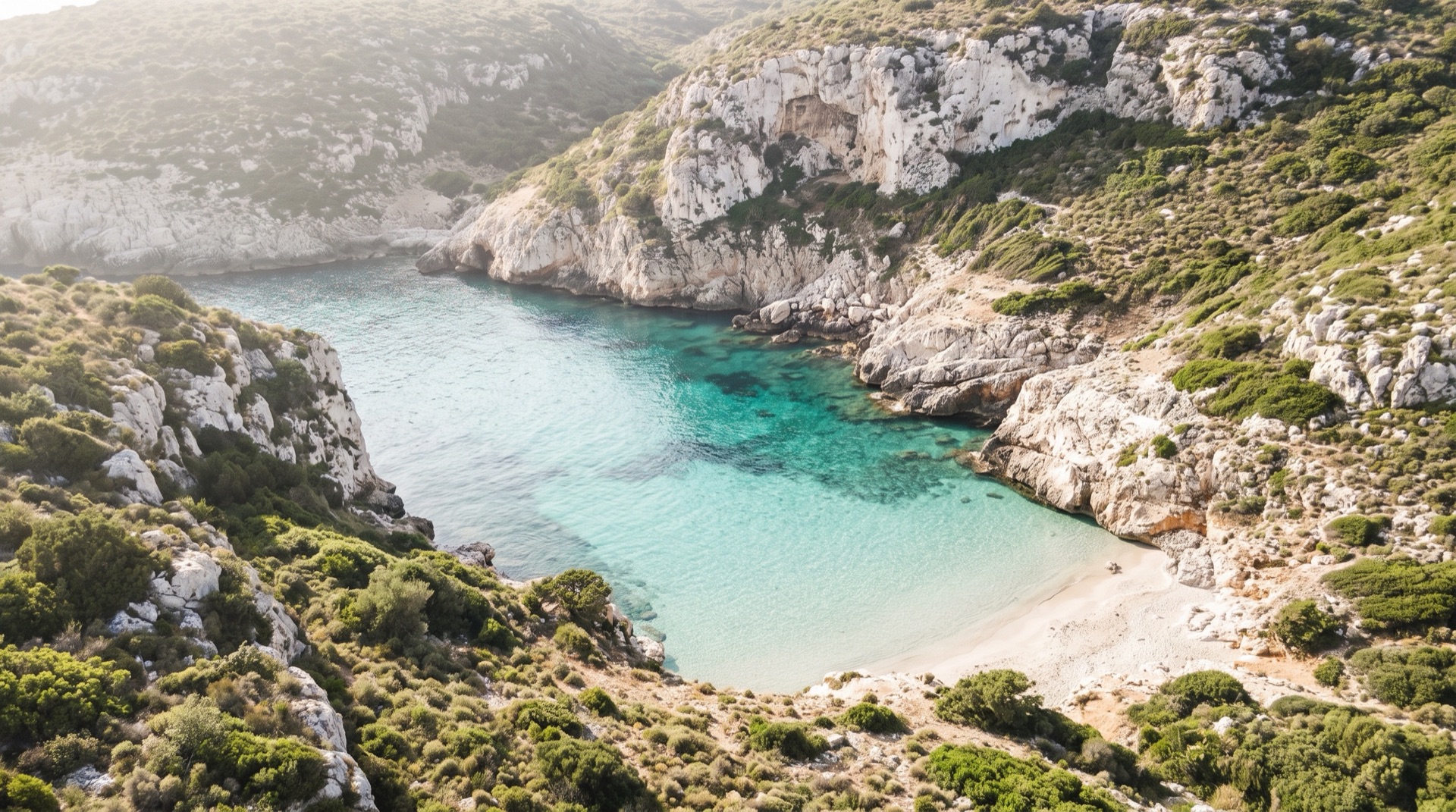
Best Beaches in Sicily: 12 Picks and How to Reach Them
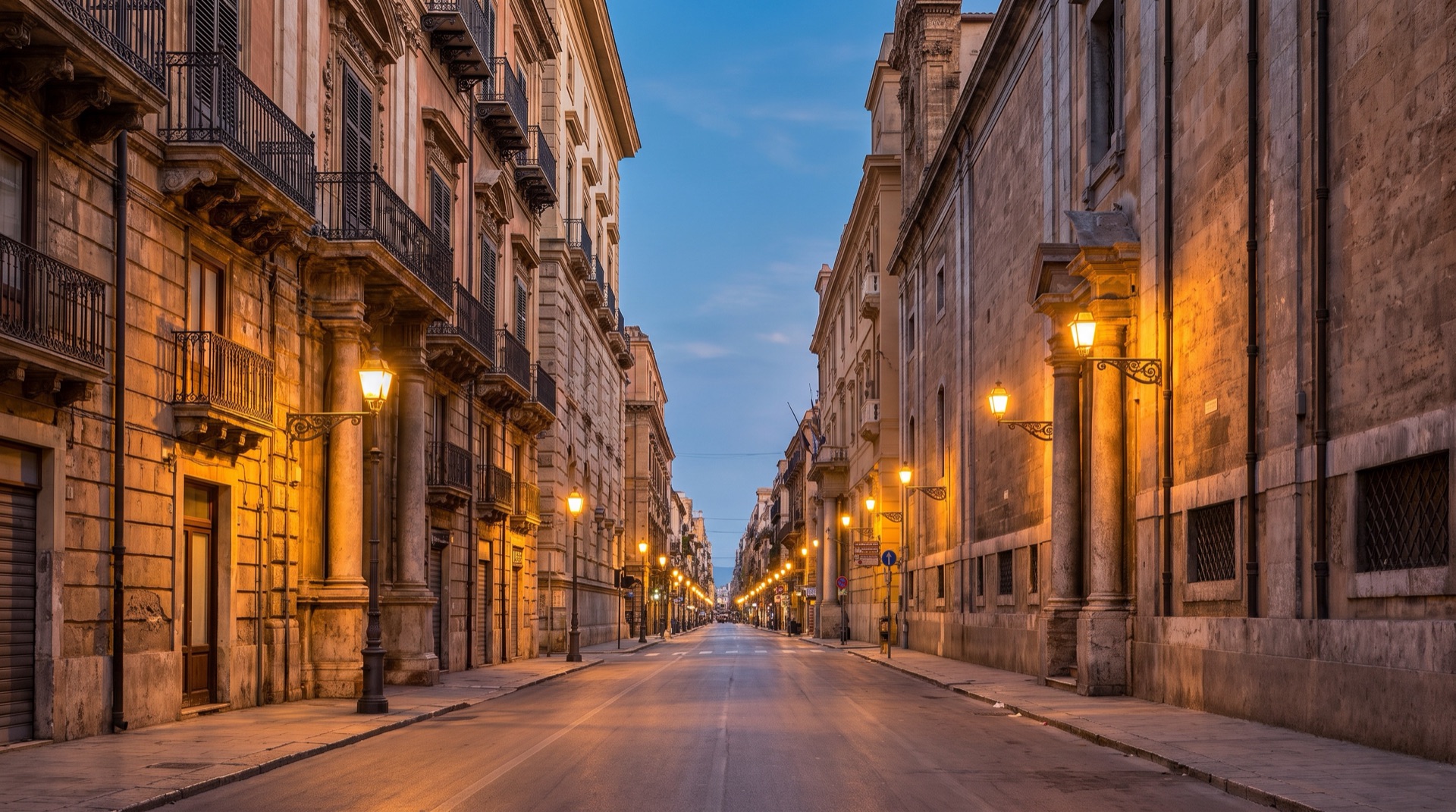
Things to Do in Palermo: The Right Order, 2–3 Days
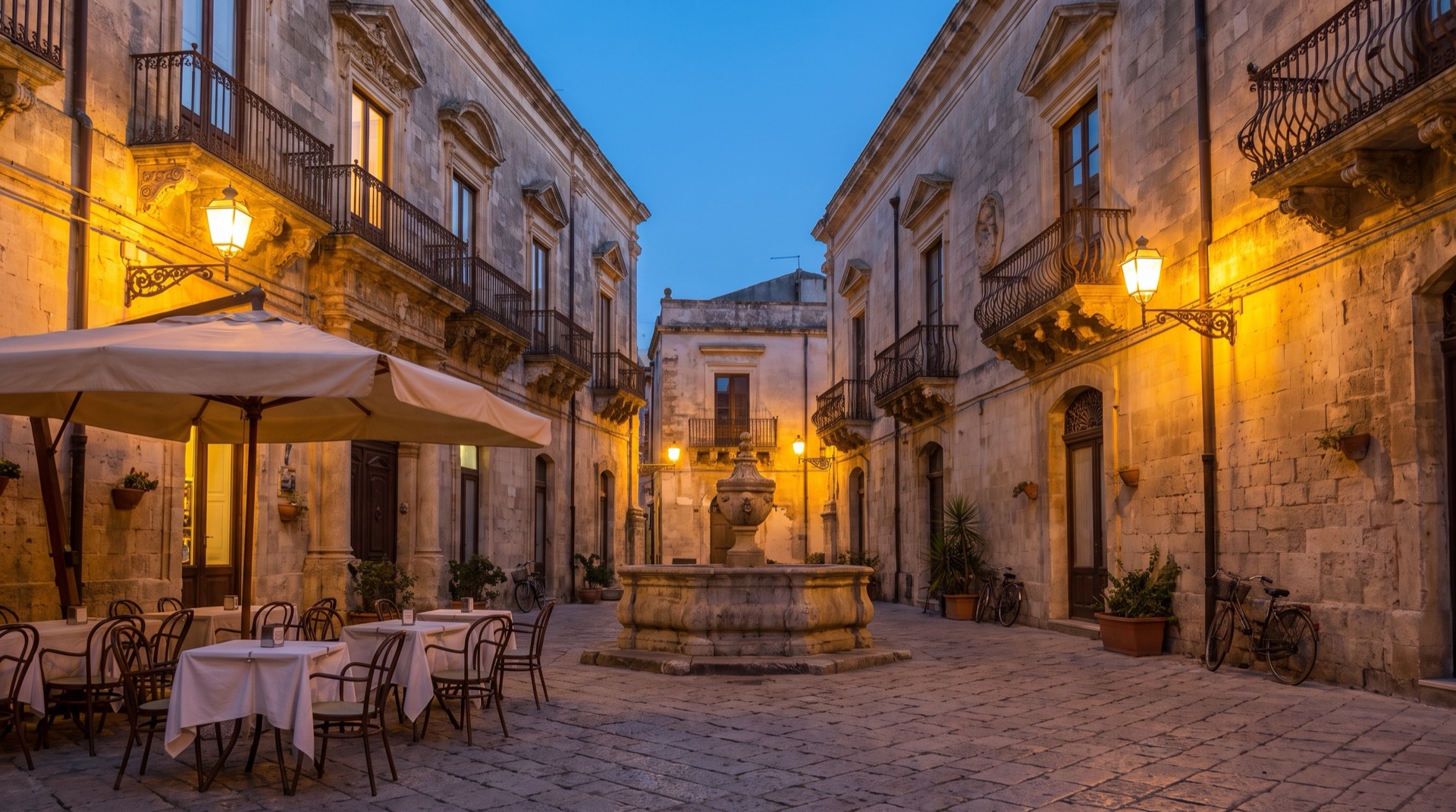
Is Sicily Safe? What the Data Actually Says in 2026
Frequently asked
All in one place
Stays, tours, transfers and boat charters — one platform, one booking
Verified Hosts
Every property personally vetted by our team
24/7 Concierge
Local support from booking to checkout
Local Expertise
Based in Sorrento — we know every corner