Quick answer — is Sicily safe for visitors?
- The data is not close: in the 2025 crime index no Sicilian province is in Italy's top 20 for reported offences. Catania is 23rd of 106 and Palermo 24th — below Milan, Florence, Rome, Bologna, Rimini, Turin, Venice and Genoa.
- No government singles Sicily out: the US State Department rates all of Italy Level 2, and the stated reason is terrorism, not street crime. The UK calls Italian crime levels "generally low".
- The real risks are ordinary: bag-snatching in Catania and Palermo, the road, the sea and the sun.
- One number to memorise: 112, free, in all nine provinces. At sea, 1530.
- The honest caveat: the table counts reports filed, not crimes committed — and the people who compile it say so themselves.
Planning the trip rather than worrying about it? Start from the Sicily overview →
| Province | Rank out of 106 | Reported offences per 100,000 | Intentional homicides, 2024 |
|---|---|---|---|
| Catania | 23rd | 3,962.24 | 3 |
| Palermo | 24th | 3,935.99 | 11 |
| Siracusa | 27th | 3,877.03 | 4 |
| Trapani | 63rd | 3,026.77 | 0 |
| Caltanissetta | 69th | 2,930.43 | 2 |
| Ragusa | 77th | 2,834.17 | 5 |
| Messina | 92nd | 2,636.81 | 0 |
| Agrigento | 97th | 2,466.31 | 3 |
| Enna | 103rd | 2,309.91 | 2 |
| Milan, for comparison | 1st | 6,952.35 | 14 |
| Rome, for comparison | 3rd | 6,401.85 | 21 |
| Naples, for comparison | — | 4,479 | 32 |
From the Il Sole 24 Ore crime index 2025 and its provincial tables, on Ministry of the Interior data for 2024. Checked 13 August 2026.
Where Sicily actually sits in Italy's crime table
Start with the ranking, the only part of this argument that can be checked rather than felt. Il Sole 24 Ore builds an annual index on Ministry of the Interior figures: 106 provinces ordered by offences reported per 100,000 residents, the 2025 edition using 2024 data.
The podium is Milan, at 6,952.35 per 100,000 residents and 225,786 reports, then Florence (6,507.79) and Rome (6,401.85). No Sicilian province appears in the first twenty. The highest are Catania, 23rd at 3,962.24, and Palermo, 24th at 3,935.99 — both also below Bologna (6,055), Rimini (5,996), Turin (5,828), Venice (4,964) and Genoa (4,822).
Below those two the island drops away fast. Six of the nine provinces sit in the calmer half of Italy: Trapani 63rd, Caltanissetta 69th, Ragusa 77th, Messina 92nd, Agrigento 97th, Enna 103rd. Messina, at 2,636.81, reports less per resident than Cagliari (88th, 2,710.91), and Enna is named among the Italian provinces with the lowest incidence of offences.
Put plainly: if you would book Florence or Venice without a second thought, the numbers say Palermo and Catania are not the trip that should worry you.
The uncomfortable part: this table counts reports, not crimes
Here is the paragraph most articles quoting this ranking leave out. Il Sole 24 Ore warns that the index measures denunce — complaints filed with police — and not offences committed, and that differing propensities to report distort any comparison. It makes the point with these exact cities, setting Milan's 6,952 beside the lower figures of Naples (4,479) and Palermo (3,936). Transcrime researcher Marco Dugato lists omertà connected to organised crime among the factors that suppress reporting.
That cuts both ways, and we would rather say so than pretend our own argument is airtight: Sicily's low position is partly a low-reporting position, and citing this table as proof the island is safer than Lombardy — this page included — is citing a proxy. It also has a limit: the offences suppressed by fear are not the ones that happen to a visitor with a suitcase. A stolen wallet gets reported in Palermo for the same reason it gets reported in Florence, because without a police report there is no insurance claim.
A second distortion runs against the big tourist cities: in 2024, 47.9% of Italy's reported offences were recorded in the 14 metropolitan cities, home to 36.2% of the population. The rate is per resident, and the tourists and commuters who fill those streets never enter the denominator.
Caveats and the Dugato quotation: Il Sole 24 Ore crime index 2025. Checked 13 August 2026.
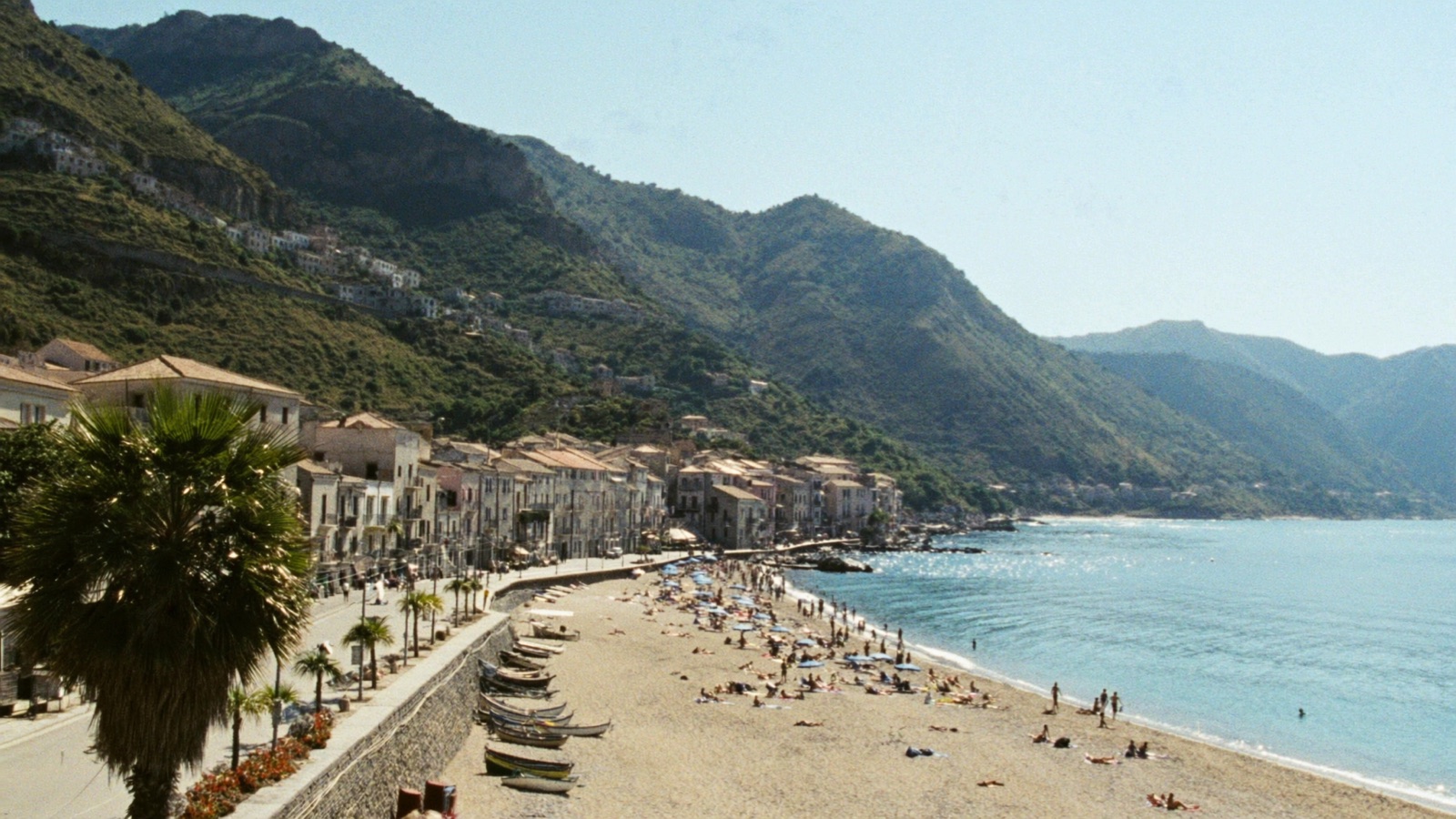
Pickpockets and bag-snatchers behave very differently here
Two categories in that ranking can actually happen to you, and in Sicily they run in opposite directions. Pickpocketing — furti con destrezza, the quiet hand in the bag — is overwhelmingly a central and northern Italian problem. Florence leads the country at 1,116.87 cases per 100,000 residents (11,051 reports), then Rome (791.48), Milan (790.33), Venice (715.05) and Bologna (522.89). Palermo is 31st at 131.36 and Catania 58th at 64.95: the Florence rate is roughly 8.5 times Palermo's and 17 times Catania's.
Bag-snatching — furti con strappo, the grab and run — is where urban Sicily does appear near the top. Catania is 9th of 106 at 29.76 per 100,000 (318 reports) and Palermo 13th at 24.95 (298), behind Florence (80.04), Milan (68.14), Turin (56.30), Naples (48.27) and Rimini (44.33). Outside the two cities it collapses: Messina 97th at 2.85, Enna 98th at 2.62.
The translation is not "avoid the markets": Palermo's street markets and Catania's fish market are the best hours you will spend in either city. It is that a snatch needs speed and a loose strap — bag across the body on the inside of the pavement, no phone on the outer edge of a café table. Which is what the UK Foreign Office means by "higher levels of petty crime, particularly bag-snatching and pickpocketing" in city centres.
Sources: Il Sole 24 Ore provincial tables, UK FCDO. Checked 13 August 2026.
Robbery and homicide, in absolute numbers
Robbery follows the same pattern. Milan leads at 137.61 per 100,000 residents (4,469 reports), then Florence (110.36), Bologna (106.48), Trieste (102.61) and Rimini (93.64). Palermo is 17th at 45.80, Catania 26th at 40.05, Messina 81st at 15.27 and Enna 105th at 5.91 — nine robberies in a whole province in a year.
Homicide is close to irrelevant to a visitor's risk in western Europe; the figures are here only because "Sicily" and "murder" are welded together in the popular imagination. In 2024 the province of Palermo recorded 11 intentional homicides, Ragusa 5, Siracusa 4, Catania 3, Agrigento 3, Caltanissetta 2, Enna 2, and Messina and Trapani none at all. For scale: Naples 32, Rome 21, Milan 14. Catania's rate, 0.28 per 100,000, is lower than Milan's (0.43), Rome's (0.50), Florence's (0.51) and Bologna's (0.78). Two Sicilian provinces went a full year without a single one — the fact the cliché has to argue with.
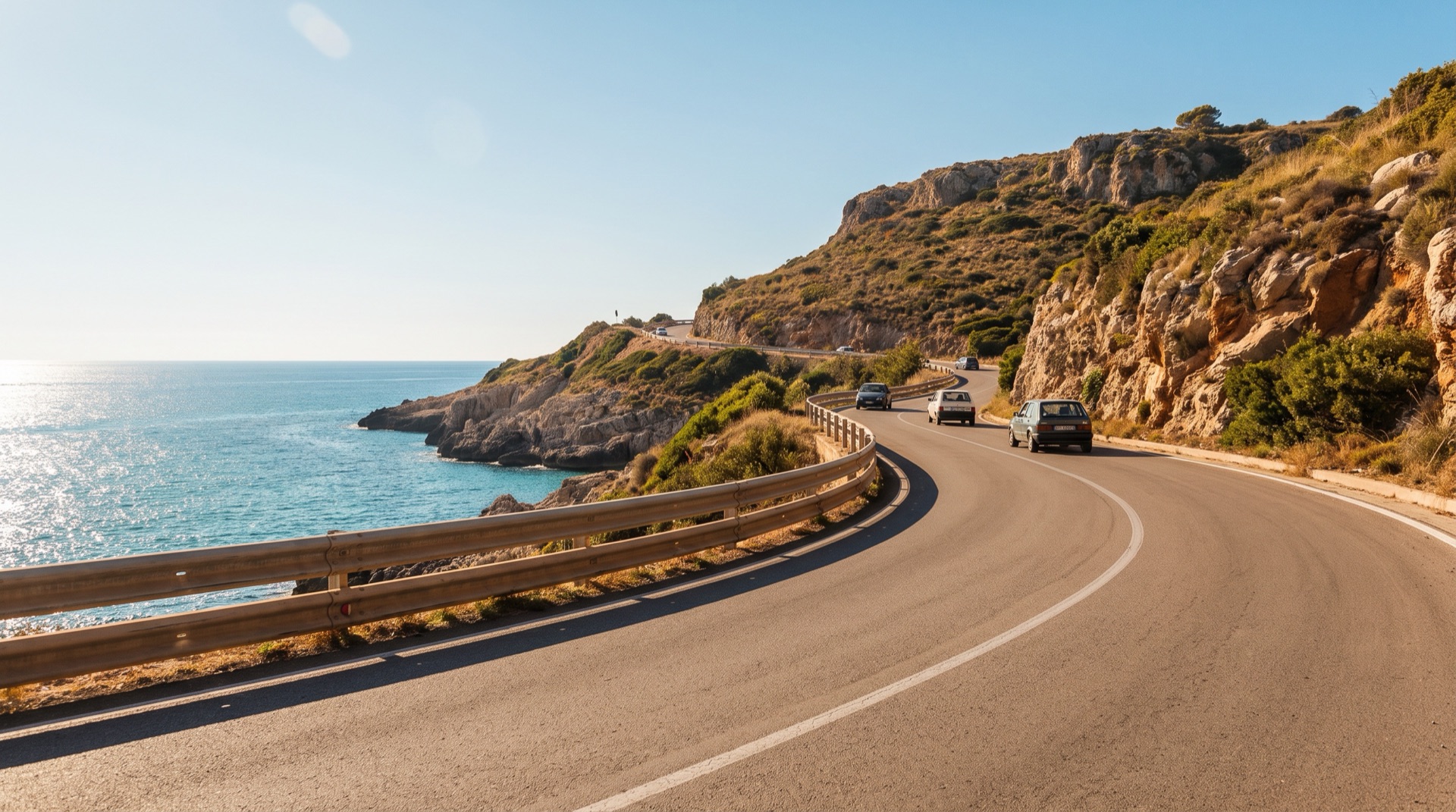
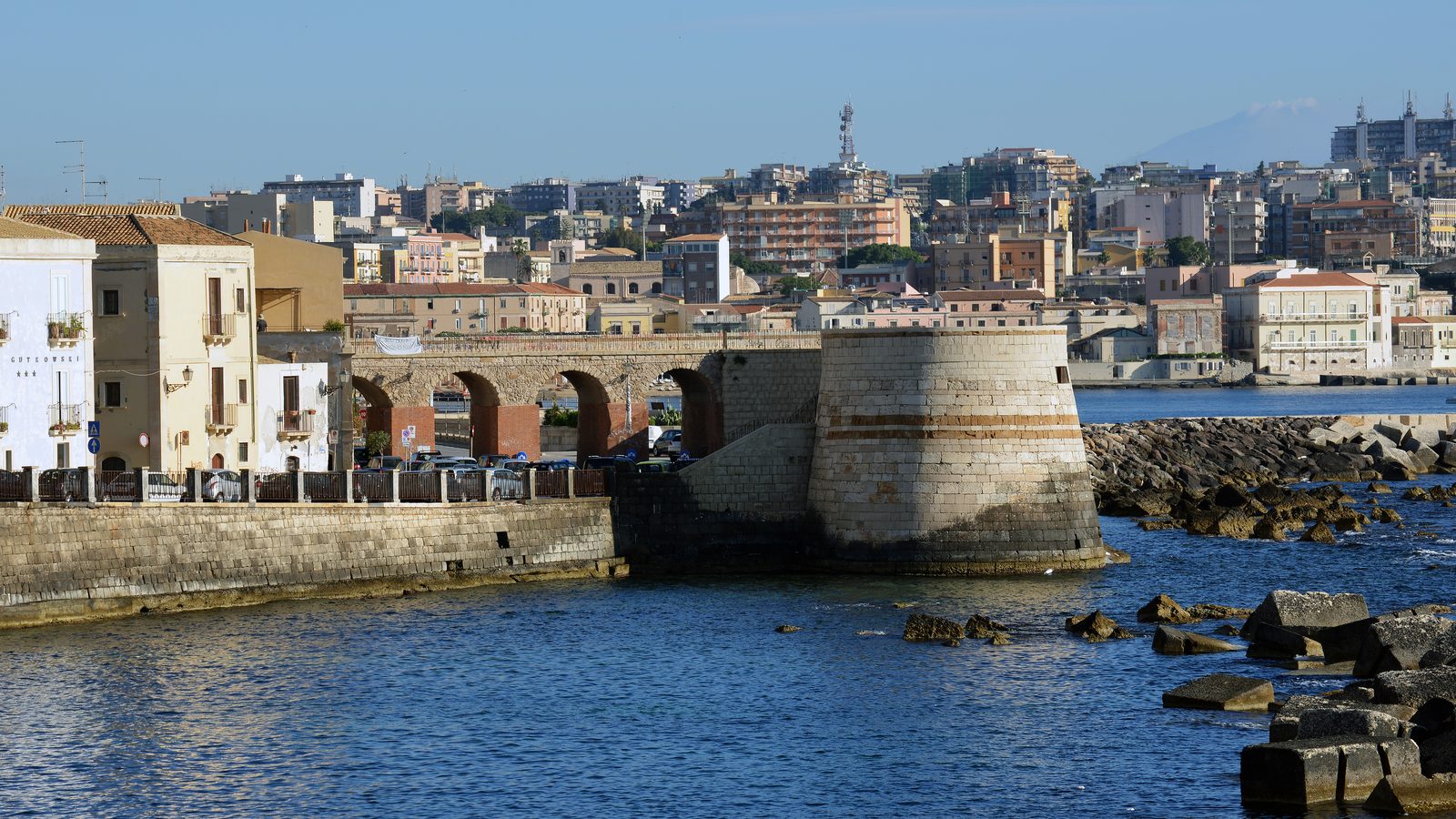
What foreign governments actually tell their own citizens
Travel advisories are worth reading because nobody who writes them has a holiday to sell you. The US State Department classifies Italy as Level 2, "Exercise Increased Caution". Two things are usually skipped: the stated reason is terrorism, not common crime, and the advisory — updated 23 May 2025 — covers the entire country with no exception, restriction or specific warning for Sicily or southern Italy. Level 2 is also the level assigned to France, Spain, Germany, the United Kingdom, Belgium and the Netherlands; Greece, Portugal, Croatia, Austria and Switzerland are Level 1. An American comfortable in Paris or Barcelona has the same official rating for Taormina.
On the British side, no part of Italian territory, Sicily included, carries an advise-against-travel warning.
From the US State Department Italy advisory, the advisories feed and UK FCDO. Checked 13 August 2026.
The mafia question, answered without theatre
This is the question behind the question, so let us answer it with documents. Read the sources a traveller can actually consult — the US advisory, the British safety page, the emergency-services guidance — and organised crime appears in none of them as a risk to visitors. Not downplayed: absent. Washington's stated concern for Italy is terrorism; London's are petty theft, theft from parked cars, spiked drinks and the road.
The one place it enters the record is the footnote quoted above: a criminologist explaining why statistics in parts of Italy understate reality, because people do not report. That is the documented intersection between the mafia and your holiday — a distortion in a table, not a risk to your afternoon. Anything beyond that is opinion dressed up as reporting, the reassuring version as much as the lurid one.
Nobody official names the streets to avoid — and neither will we
We went looking for an authoritative source naming neighbourhoods in Palermo or Catania where visitors should take extra care after dark: a police advisory, a municipal notice, a ministry page. There isn't one. Every "areas to avoid" list online is opinion recycled through a dozen blogs.
So this section is not a map, it is a shape. The FCDO says petty crime concentrates in city centres and at major attractions; the data says bag-snatching in Catania and Palermo runs at a top-fifteen national level while pickpocketing does not. Both point the same way: the risk sits where the crowd sits, and moves when the crowd moves. A packed market street at noon deserves more attention than a residential block at nine in the evening.
After midnight the arithmetic inverts, and that has nothing to do with Sicily: lit main routes, and a car you booked rather than a walk you improvised. Landing late, decide before you fly — our guides to Palermo airport into the city and Catania airport into the centre put public transport first and the car second.
The thing most likely to hurt you in Sicily is the road
ISTAT's 2025 road report, published 24 July 2026, counts 177,207 injury crashes in Italy and 2,868 deaths, down 5.3% on 2024 — the first year below 3,000 since 2020. Italian road mortality is 48.7 deaths per million inhabitants against an EU27 average of 43, 20th in Europe.
Sicily recorded 243 road deaths in 2025, a rate of 5.1 per 100,000 residents against a national 4.9: below Basilicata (7.4), Sardinia (6.4), Emilia-Romagna (6.0) and Lazio (5.5); above Lombardy (3.5) and Campania (4.4). Unremarkable.
The uncomfortable figure is the trend. The Islands — Sicily and Sardinia together — are the only Italian macro-region with more road deaths in 2025 than in 2019: up 22.1%, from 281 to 343, at 5.4 per 100,000 — the highest rate in the country, level with the North-east. Everywhere else improved.
And the risk concentrates outside the car. ISTAT's mortality index for pedestrians is 2.4 deaths per 100 pedestrian-collision crashes, four times that of car occupants (0.6); for motorcyclists it is 1.6. In 2025 Italy lost 802 motorcyclists, 419 pedestrians and 198 cyclists. The honest reading: the scooter you were thinking of renting is the riskiest line on your itinerary, well ahead of any street you will walk down at night.
On causes ISTAT is precise: distraction, failure to give way, excessive speed and irregular manoeuvring together account for 43.1% of crashes. Notice what is not on that list: bad luck, or the alleged Sicilian temperament. Distraction and speed get worse when you are tired, on an unfamiliar road, in the dark — the combination a rental car produces on the evening you land.
The FCDO adds two warnings for visitors. Theft from parked cars "is common across the country": leave no luggage in the vehicle, not even in the boot, and be wary of anyone signalling a fake breakdown to make you stop. On foot, it calls Italian traffic "busy, fast and chaotic" and warns that a green pedestrian signal still lets cars turn right across you.
So the advice is not "don't hire a car": the interior rewards your own wheels, on roads like Agrigento to Piazza Armerina or Agrigento to Ragusa. It is about which legs you drive — the arrival after a delayed flight, the road to Taormina in the dark, the run to Cefalù with tired children.
Road figures from ISTAT, Road accidents in Italy 2025 and the full report (PDF); driving warnings from UK FCDO. Checked 13 August 2026. ISTAT states the provincial tables were not in that release, so nobody can yet rank Sicilian provinces for 2025.
The sea: red flags, river mouths, and what a Blue Flag is not
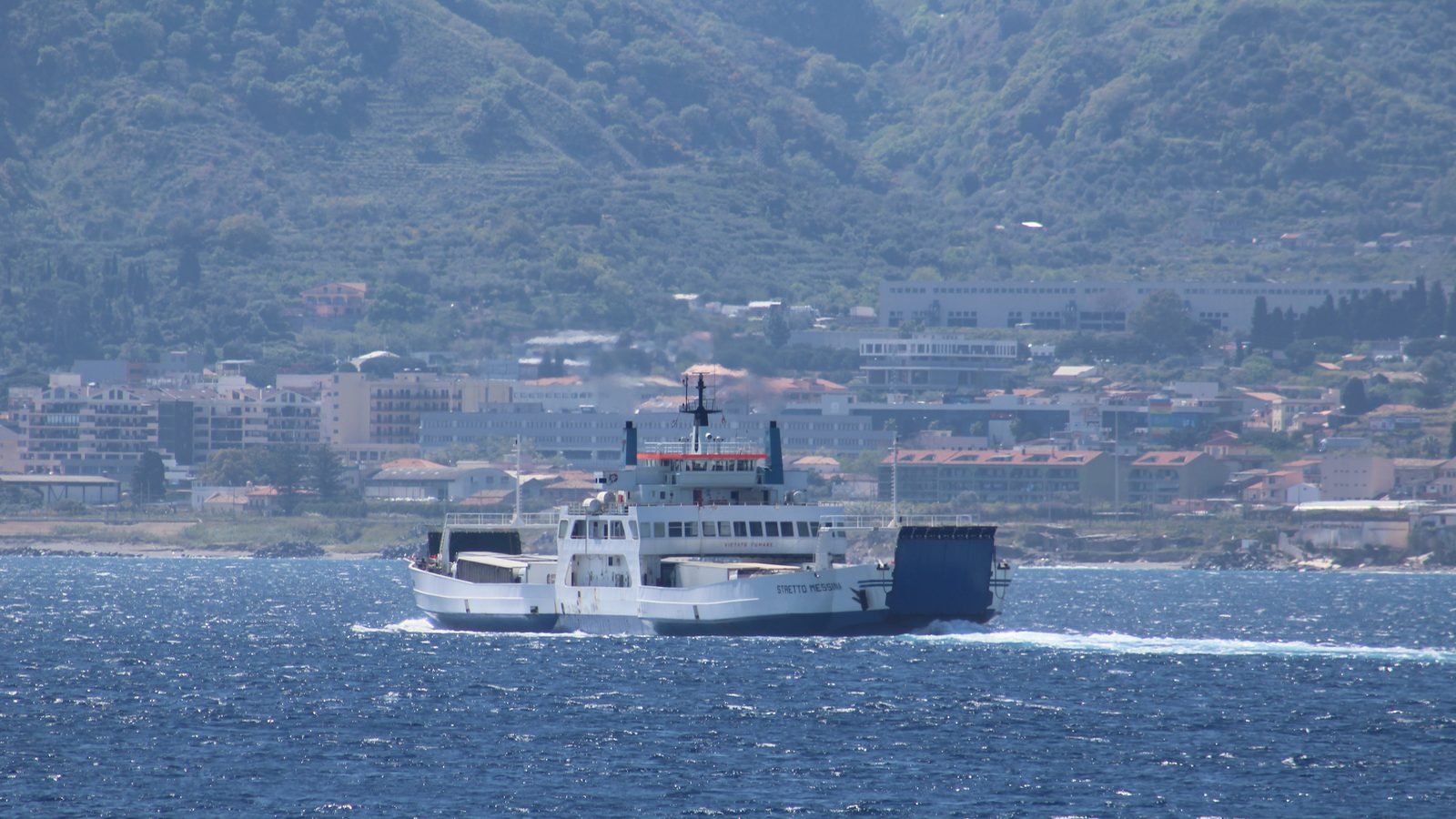
The FCDO is blunt: people drown in Italy every year, in the sea, in lakes and in pools. Many beaches use a flag system in which a red flag means an absolute prohibition on entering the water. Some have strong undertows. Never dive into unknown water, and never swim where a river meets the sea — the least known of those rules and the most relevant here.
Now the awards, routinely misread as a safety rating. The 2026 Blue Flags assigned by FEE Italia cover 16 Sicilian municipalities out of 257 nationally, and the geography is extraordinarily concentrated: 10 in the province of Messina (Alì Terme, Nizza di Sicilia, Lipari, Santa Teresa di Riva, Letojanni, Taormina, Messina, Furci Siculo, Roccalumera, Tusa), 5 in Ragusa (Modica, Pozzallo, Ragusa, Scicli, Ispica) and 1 in Agrigento (Menfi). Palermo, Catania, Siracusa and Trapani have none at all in 2026.
Do not read that as a danger map. Mondello, San Vito Lo Capo and the coast below Siracusa are absent from the list, and that absence is not a hazard signal: the Blue Flag is an award a municipality applies for, not an inspection somebody failed. It is not a clean bill of health either. We could not verify bathing-water quality, any bans in force, or what the award's criteria say about lifeguards, so we will not tell you the water there is fine, nor that a flag on the beach means somebody is watching it. Assume nobody is, unless you can see them. The award-winning coast is the Ionian side around Taormina and Messina, the south-east around Ragusa, and Menfi.
At sea the number is not 112 but 1530.
Sources: UK FCDO, FEE Italia, Bandiera Blu 2026, Guardia Costiera. Checked 13 August 2026.
Etna, wildfire, and the page that says whether today is a bad day
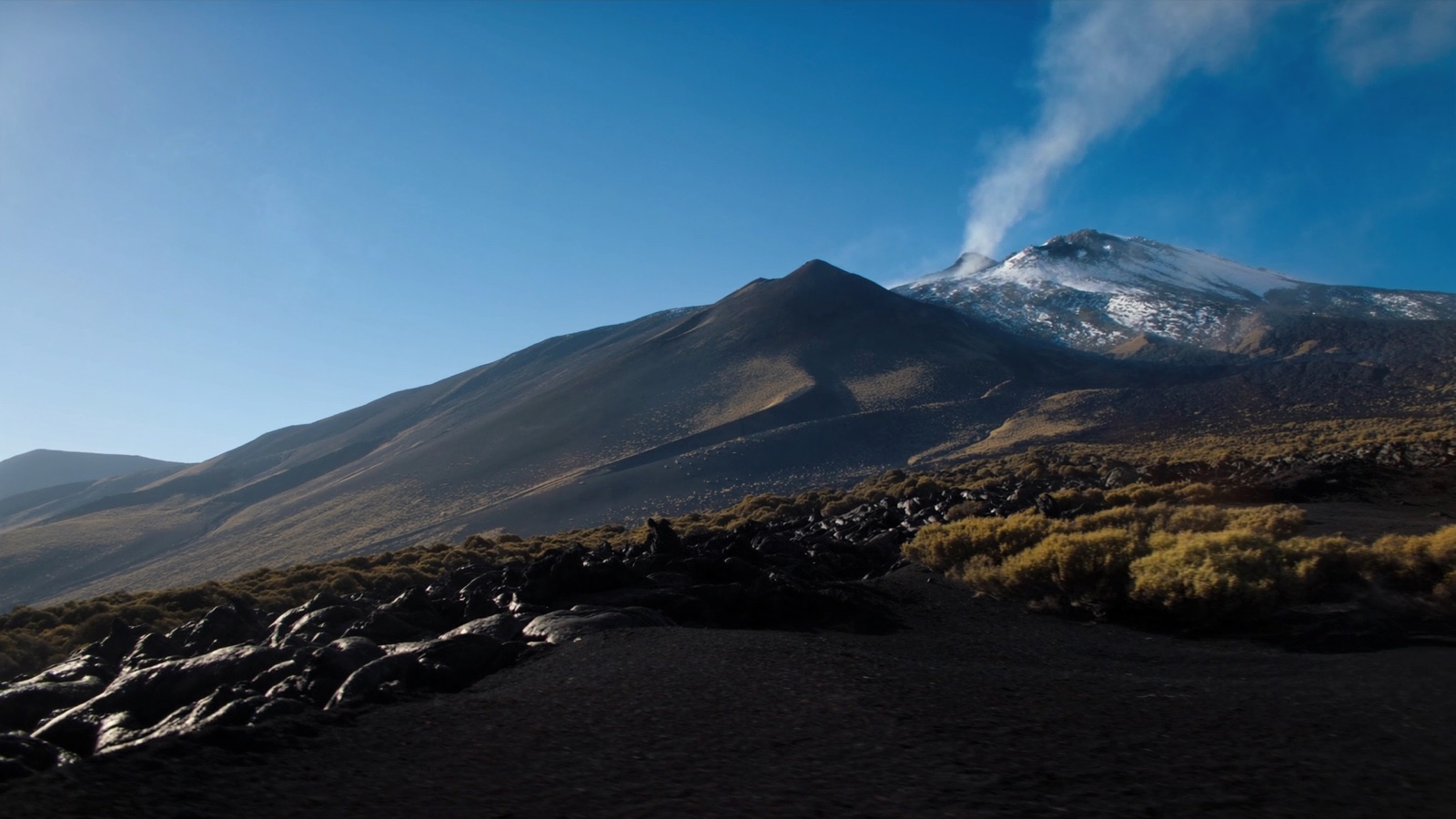
Treat the dates in this section as load-bearing. Access to Etna's summit altitudes is not free. Broadly above 2,500 metres, tourist and hiking visits are permitted only with licensed alpine and volcanological guides on the regional or national registers, with a capped number of people per guide. The rule comes from the regional Civil Protection Department's volcanic-risk procedures and is enacted through ordinances issued by the mayors of the Etna municipalities.
Those ordinances are specific. The one in force on the southern flank — Comune di Belpasso ordinance no. 135 of 10 August 2026 — bans approaching within 50 metres of active lava flows; requires mountain clothing and a certified protective helmet at altitude; caps groups at 10 hikers per guide, with departures staggered every 15 minutes and no more than 300 hikers a day transiting the Permanent Hazard Zone; and bans approaching the South-East crater outright, requiring at least 300 metres from the base of the cone. The operational phase in force is ATTENZIONE, activated on 6 September 2025. The guide requirement is a legal instrument with numbers in it, not a sales technique.
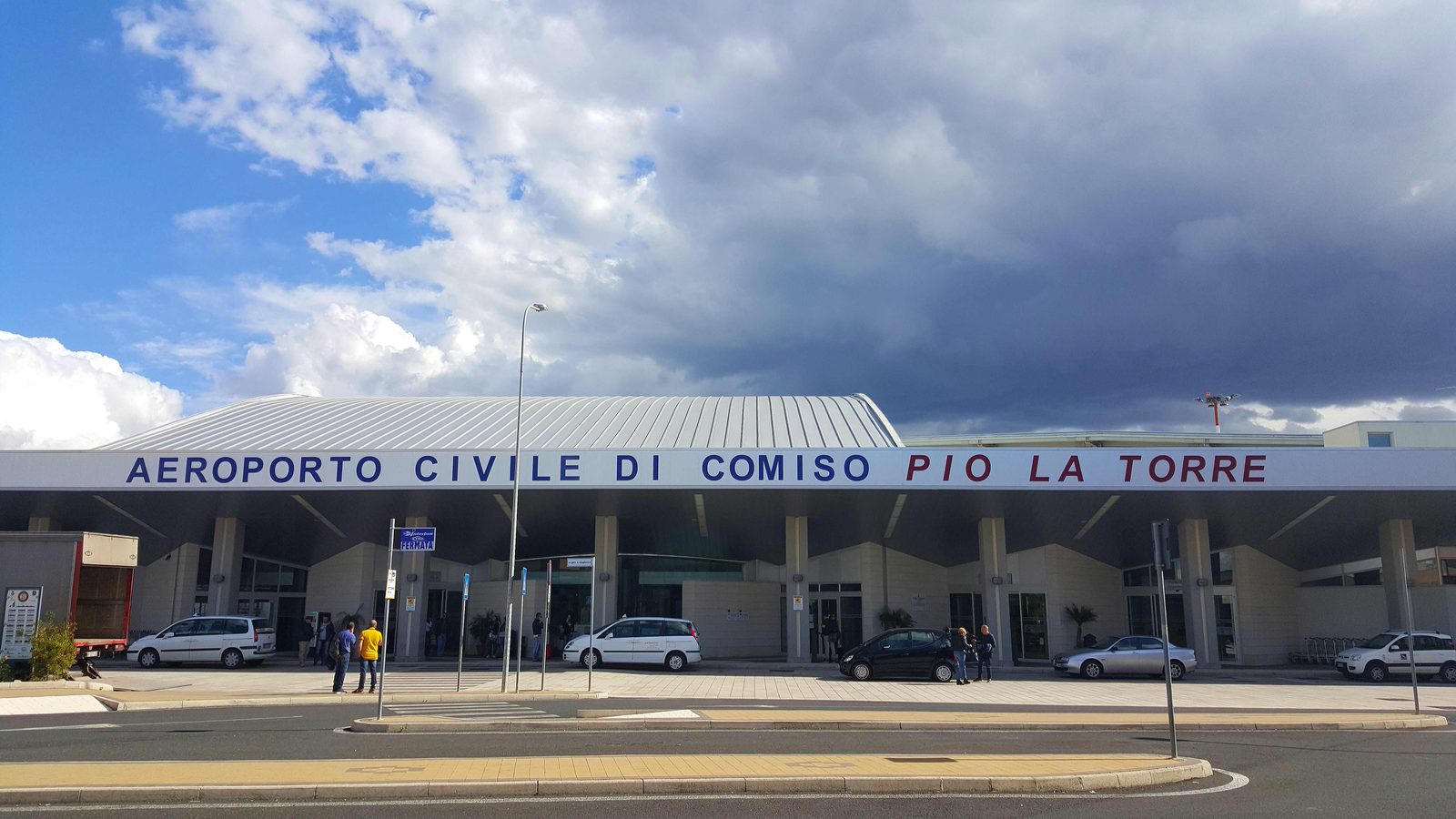
And as of 13 August 2026 the volcano is affecting travel. The FCDO carries an alert at the top of its Italy page: "Mount Etna Eruption – Flight Disruption. Flights are currently affected by an ash cloud from Mount Etna. Check with your travel provider or Catania airport before travelling." We could not verify today's status at Catania Fontanarossa, so check with your airline and have a plan for a diverted arrival: we run transfers from Palermo airport as well as from Catania, and which destinations we can cover from either on the day is confirmed when you book.
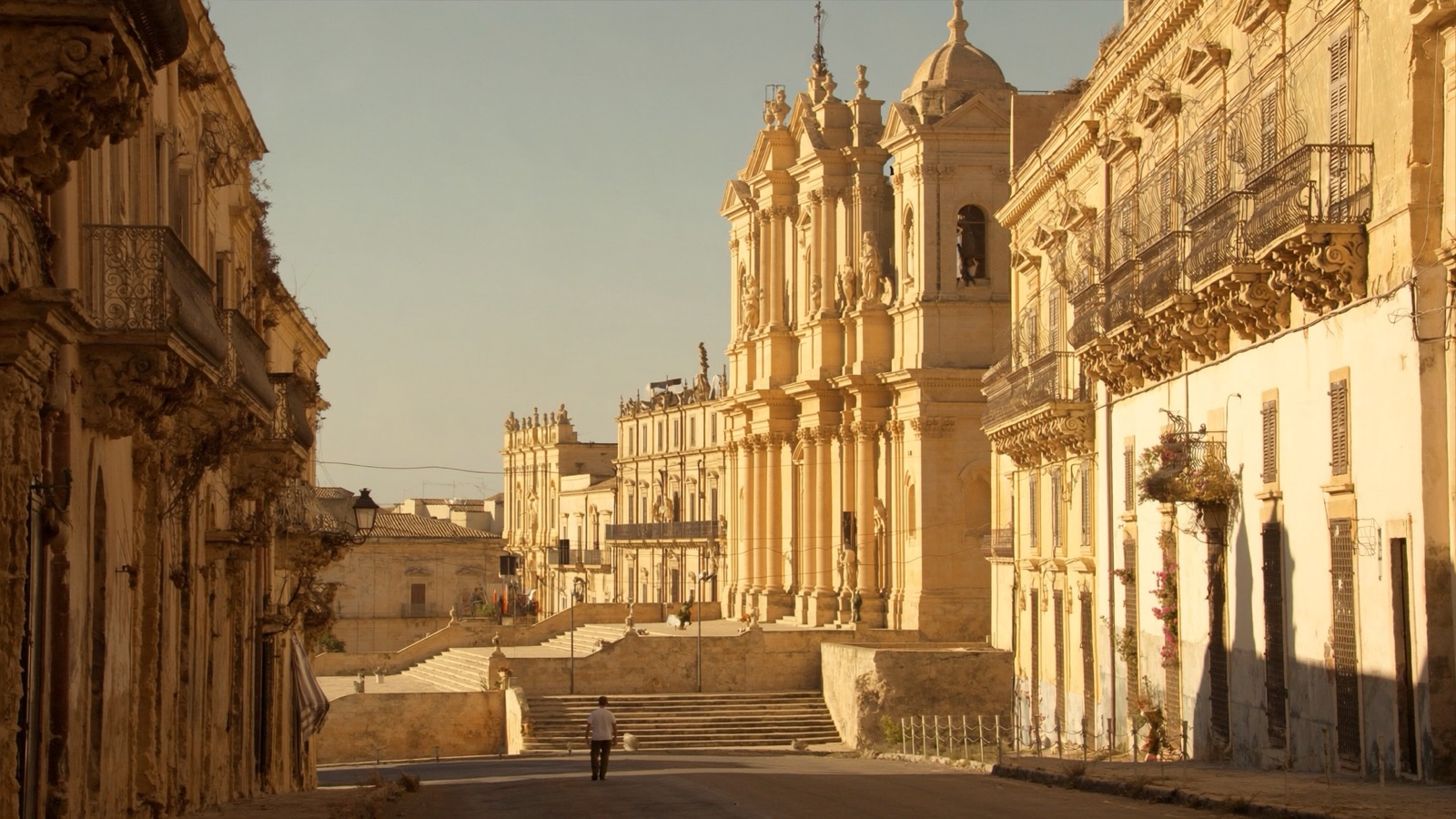
The same logic applies to fire and heat. The FCDO rates the wildfire risk in Italy as high during the summer months and calls the fires "highly dangerous and unpredictable". In Sicily the alert has an address: the regional Civil Protection Department publishes daily warnings in four categories — meteo-hydrogeological and hydraulic, wildfires and heatwaves, seismic activity, seismic-volcanic activity. On heat itself we have nothing verified, because the health ministry's bulletin is behind an anti-bot layer we could not read. What we will say, from living with it, is that shade in an archaeological site is often theoretical — the baroque south-east, Noto included and easily paired with Agrigento, is best walked early.
Sources: Ente Parco dell'Etna ordinances, Belpasso ordinance no. 135 (PDF), UK FCDO warnings, Regione Siciliana Civil Protection. Checked 13 August 2026.
Emergency numbers, and what happens when you call 112
112 is the single European emergency number in Italy, and it is free. You do not reach the police directly: you reach a Centrale Unica di Risposta, which routes the call to the police, the Carabinieri, the fire brigade, the Coast Guard or medical rescue. The operator asks where you are, what the emergency is and your name, while your number and location arrive automatically.
It covers all nine Sicilian provinces through two centres: Palermo handles Palermo, Trapani and Agrigento; Catania handles Catania, Messina, Siracusa, Ragusa, Caltanissetta and Enna. The UK government additionally lists ambulance 118, fire brigade 115, police 112, and the European "112 Where Are U" app, which works only in some parts of Italy.
In 2025 Italy's 112 centres handled 23,687,807 calls nationwide and filtered out 11,241,104 (47%) as not real emergencies. Call the moment you need to, and never to ask where the nearest pharmacy is.
| Risk | What the official source says | Who to call |
|---|---|---|
| Bag-snatching, pickpocketing | FCDO: higher petty crime in city centres. Bag-snatching: Catania 9th, Palermo 13th of 106. Pickpocketing: Palermo 31st, Catania 58th. Florence 1st in both | 112 |
| The road | ISTAT: Sicily 5.1 road deaths per 100,000 in 2025 against 4.9 nationally; pedestrian mortality index four times car occupants | 112, ambulance 118 |
| The sea | FCDO: red flag means no entry to the water; strong undertows; never at a river mouth | 1530 Coast Guard |
| Etna above the limits | Mayoral ordinance: licensed guide required, 10 hikers per guide, 300 m minimum from the South-East crater | 112 |
| Wildfire and heat | FCDO: high summer risk. Check the daily regional bulletin | 112, fire brigade 115 |
Sources: NUE 112, response centres, 112 in numbers, FCDO, getting help. Checked 13 August 2026.
Is Sicily safe for a woman travelling alone?
No official source we could open publishes safety data broken down by gender for Italian regions. Anyone handing you a number is inventing it; anyone answering with pure reassurance is guessing just as much.
What the documented risks say is that they are not gendered. Bag-snatching targets bags, and in Sicily it concentrates in Catania and Palermo at a rate below Florence, Milan, Turin and Naples. The one official warning with a specific behavioural shape is the FCDO's on spiked drinks — victims in Italy have been robbed and in some cases assaulted, and drinks served in Italian bars are often stronger than British ones — and it is addressed to everybody.
The practical version is neither Sicilian nor new: keep your drink with you, decide before the evening starts how you are getting back to where you are sleeping and book that leg rather than improvising it at one in the morning, and expect small towns to go quiet early while Palermo and Catania do not. The same list you would use in Lisbon or Lyon.
What we would tell a friend flying in next week
- Book the arrival leg if you land late or tired. Fatigue and unfamiliar roads are two of the four documented causes of crashes.
- Carry photo ID. A police report for a stolen passport does not let you leave Italy; the consulate does.
- Bag across the body, phone off the edge of the table, and nothing left in a parked car — the boot counts.
- Red flag means do not go in, whoever else is in the water, and never where a river meets the sea.
- Etna above the marked limits means a licensed guide, and 112 on land, 1530 at sea.
And the actual answer to the title. It deserves better than the two replies it normally gets, the mafia cliché and the airy "oh, it's absolutely fine". The data says a Sicilian province is statistically calmer than the Italian cities most visitors book without hesitation, and that what deserves respect here is a volcano, a coastline, a road network and a crowded market street.
The one leg worth not improvising
Arriving at night, or driving a mountain road you have never seen in the dark, is what the accident data is actually about. A private transfer from Catania airport or from Palermo airport puts a driver in arrivals with your name, tracks the flight if it slips, and takes one vehicle to your address, at a fixed price confirmed when you book. A late landing depends on which driver is working that night, which is exactly why that leg is worth booking ahead rather than assuming. The busiest routes have their own guides: Catania to Taormina, Catania to Siracusa and Palermo to Cefalù.
Plan the trip, not the worry
Start from Sicily, then Palermo, Catania, Taormina, Siracusa, Noto and Cefalù. For moving between them: Catania airport to the city centre, Palermo airport to the city, Trapani airport to Marsala, Agrigento to Erice.