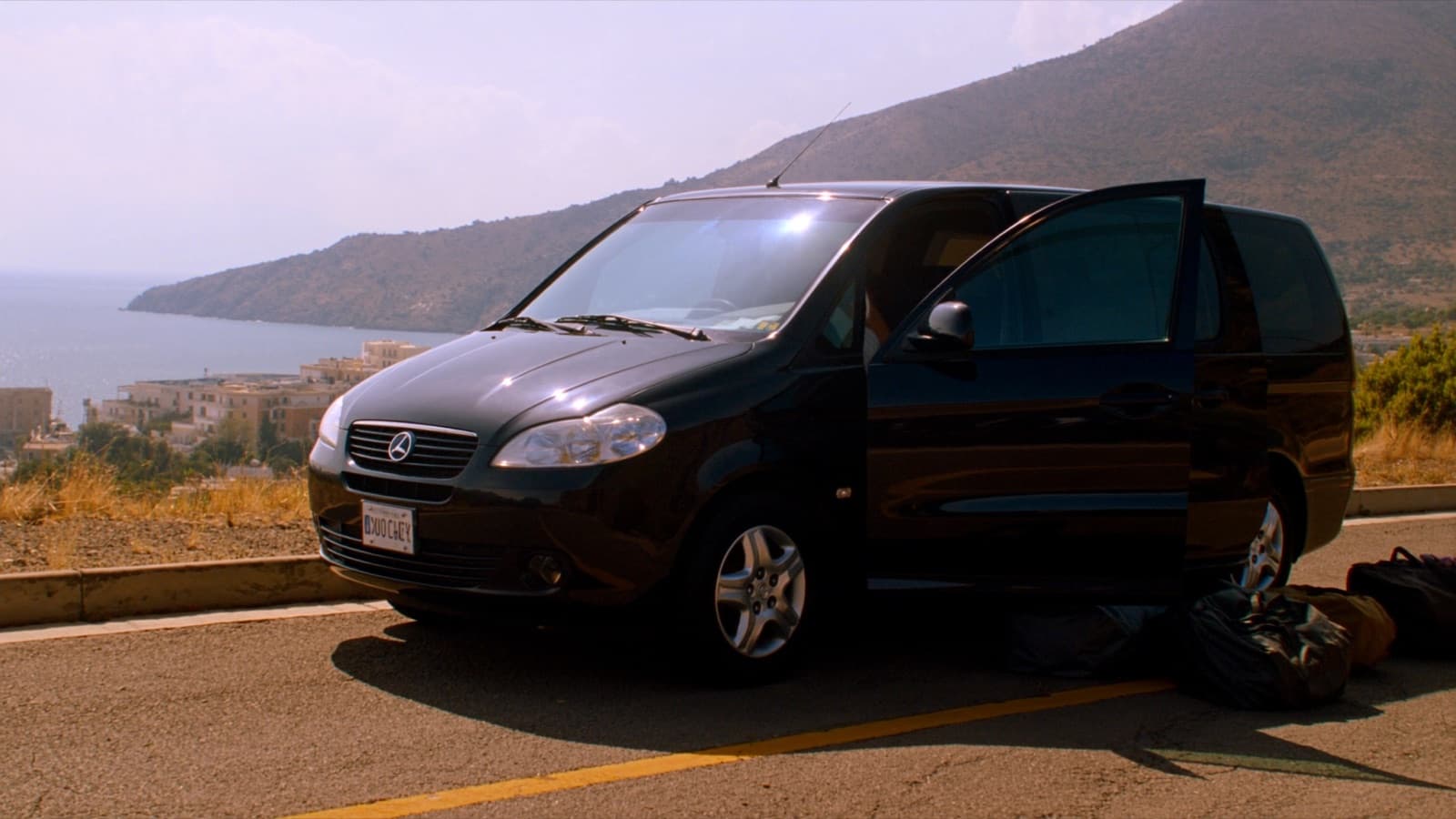
Private transfer
Catania Airport (CTA) · just under 1 h
Motorway all the way, then a drop-off at the bridge or the car park closest to your address on Ortigia — as far as vehicles go.
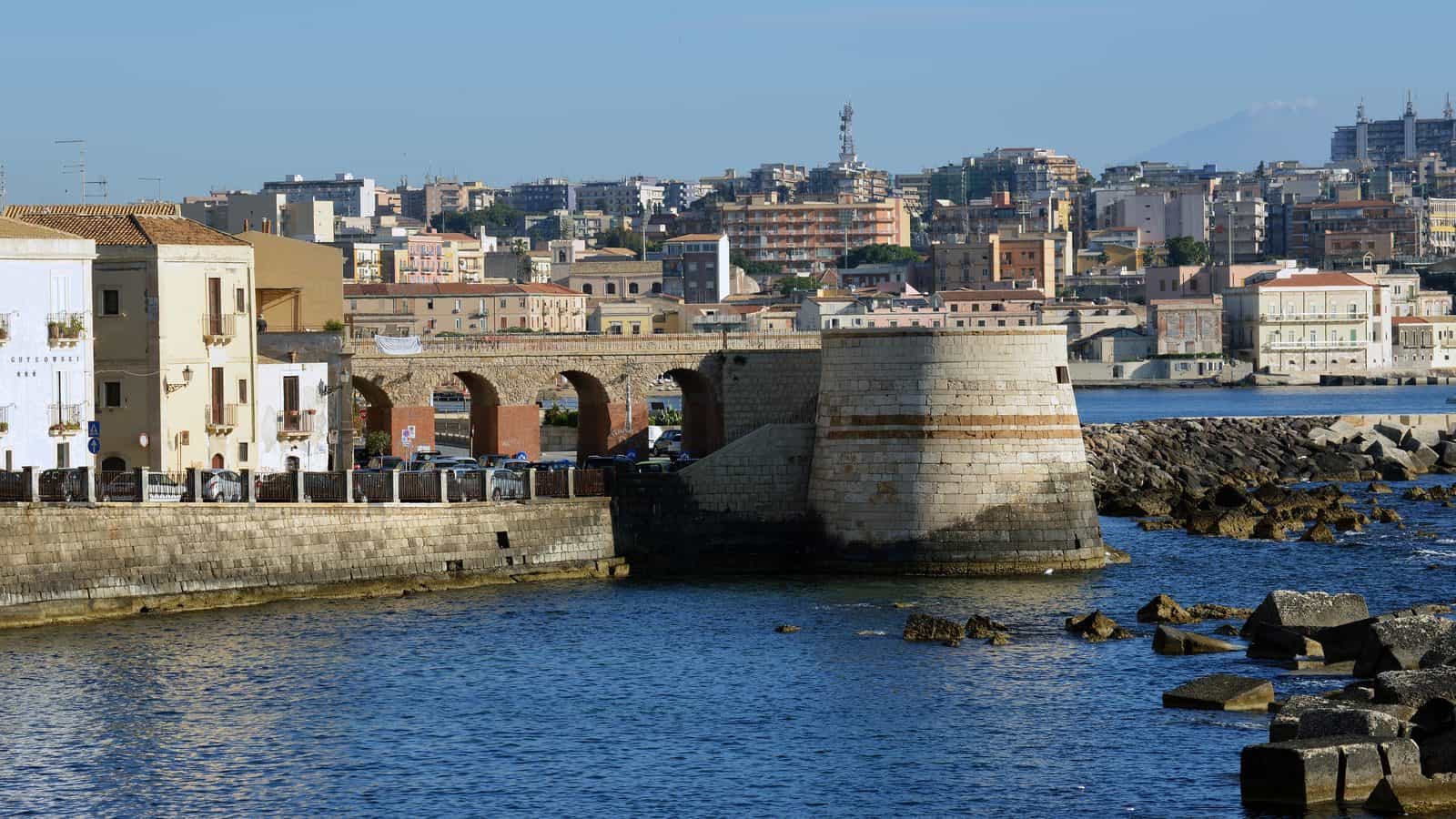
Two cities five minutes apart: a Greek theatre still in use on the mainland, and Ortigia, the island where a temple to Athena has been a wor
Two cities five minutes apart: a Greek theatre still in use on the mainland, and Ortigia, the island where a temple to Athena has been a working church for sixteen centuries.
Siracusa is a Mediterranean destination in Sicilia, Italy. Browse handpicked vacation rentals, guided tours and experiences, boat charters and airport transfers, then book directly with the local hosts and drivers behind each listing.
Catania Airport is just under an hour up the motorway and is where almost everyone lands. The last part matters more than the first: Ortigia is a restricted-traffic island of narrow lanes, so whatever brings you stops at the bridge or the nearest car park.
Catania Airport (CTA) · just under 1 h
Motorway all the way, then a drop-off at the bridge or the car park closest to your address on Ortigia — as far as vehicles go.
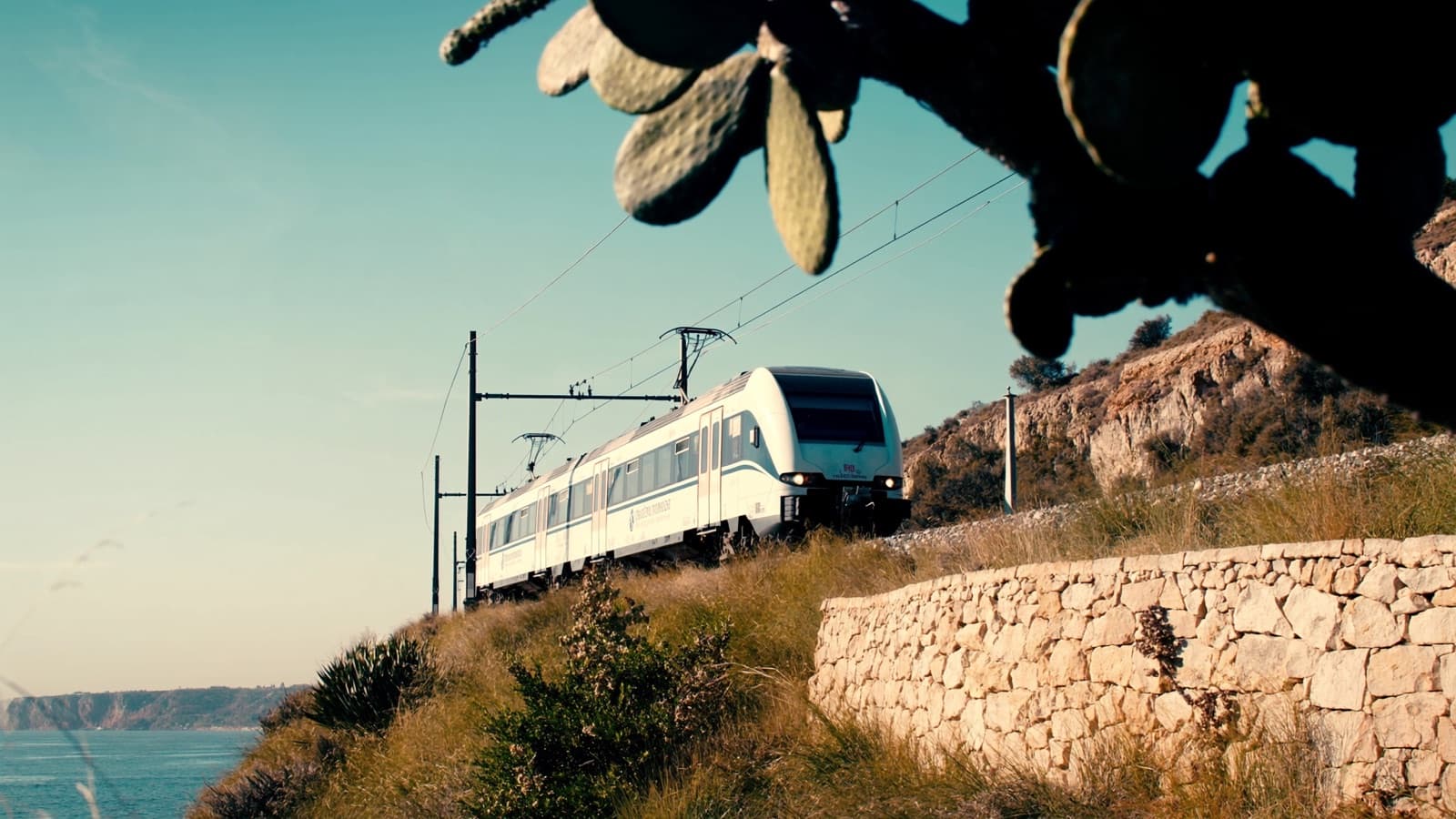
Catania Centrale · about 1 h 20
A direct line down the coast. The station is on the mainland, about twenty minutes on foot from the bridge to Ortigia — manageable without much luggage.
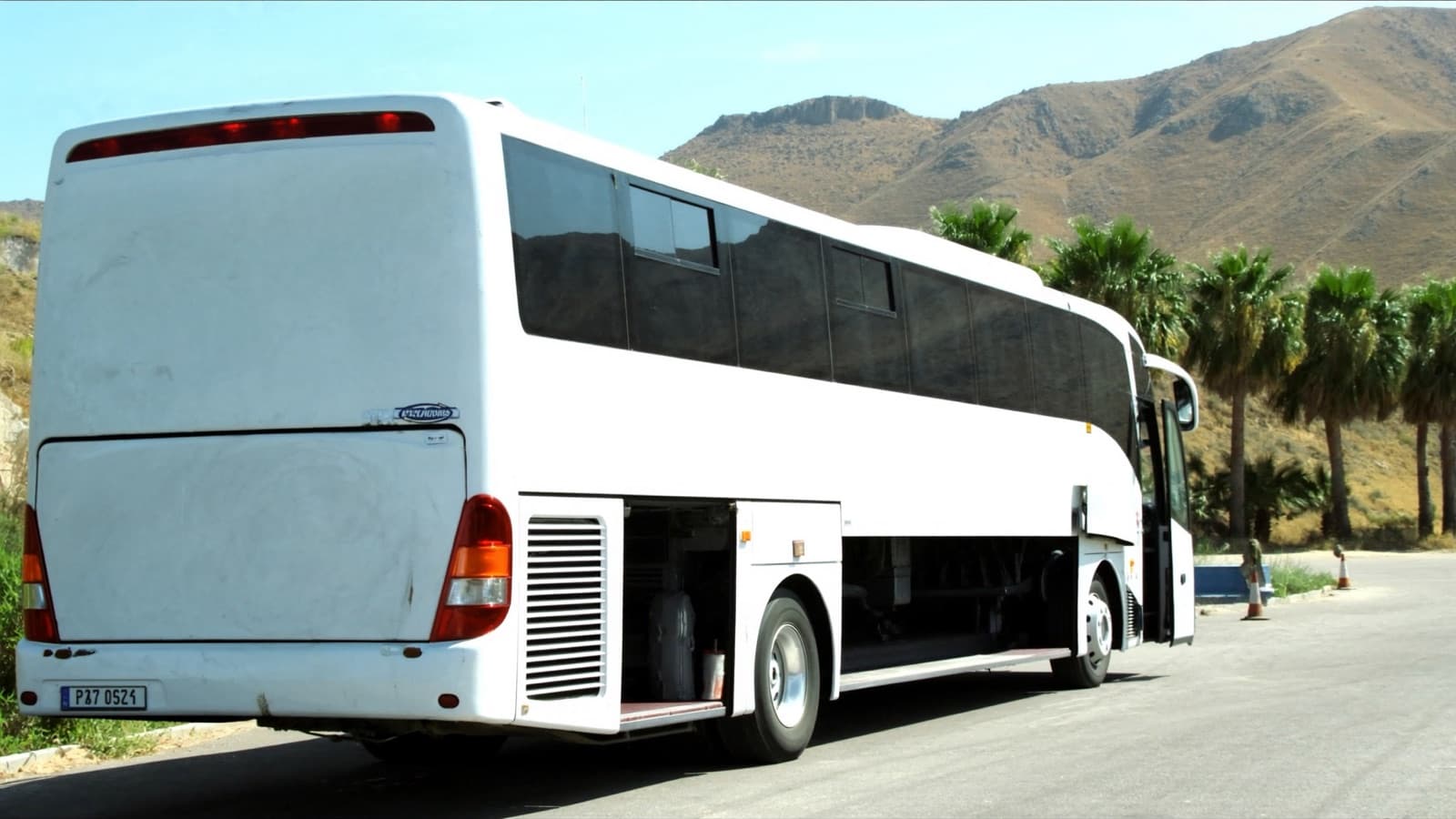
Catania Airport or Catania city · 1 h 15 or more
Coaches run from the airport and from Catania to the Siracusa terminal on the mainland. Cheapest option; departures are set by the companies and thin out in the evening.
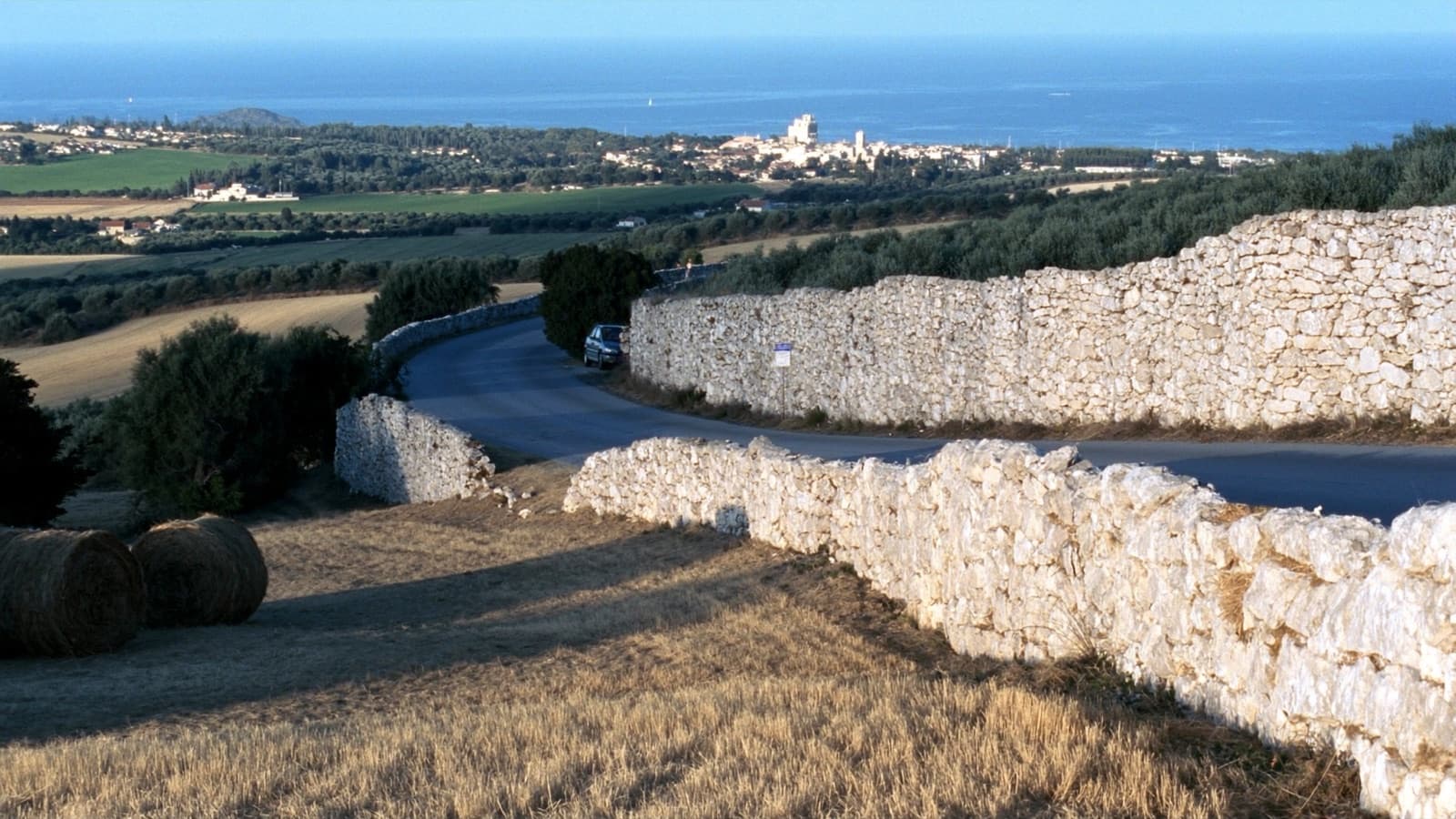
E45 motorway · 50 min from Catania
Useful for Vendicari, Marzamemi and Noto. Useless on Ortigia: leave it at the island entrance or on the mainland and cross on foot.
Two things, and they are not alike. The archaeological park on the mainland is a morning visit, before the heat makes the stone unbearable. Ortigia is where you sleep, eat and walk in the evening, when the limestone gives its warmth back.
 Photo: BlueKeys
Neapolis archaeological park · 5th century BC, still in use
Cut straight into the limestone bedrock, fifteen thousand seats, and a classical season staged in it every spring. Go early: there is no shade in the cavea.
 Photo: BlueKeys
The island old town · One kilometre by five hundred metres
Lanes of pale limestone that open without warning onto white squares. The whole island crosses in a quarter of an hour, which is why nobody drives on it.
 Photo: BlueKeys
Ortigia, west shore · Freshwater spring by the sea
Papyrus growing in fresh water a few steps from the salt, with the harbour behind. The myth says the nymph fled here from Arcadia; the papyrus is real and grows nowhere else in Europe like this.
 Photo: BlueKeys
All round the island · Swimming off the rocks
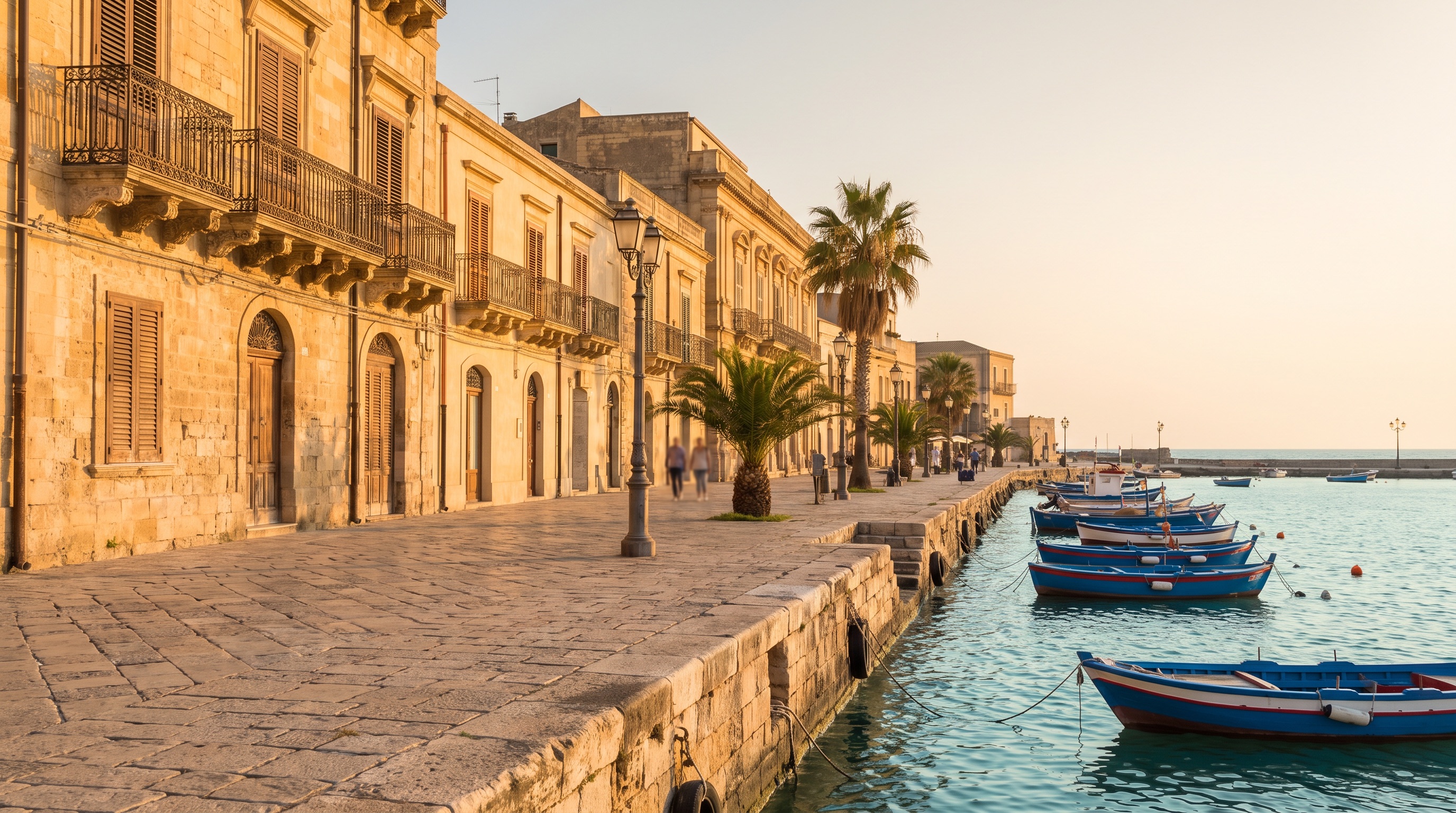
Honey limestone palazzi facing the water, fishing boats moored below, and people swimming off the rocks in the middle of a historic city — which almost never happens.
 Photo: BlueKeys
Via Trento, mornings · Food market
Sun-dried tomatoes, cheeses, olives and the morning catch on trestle tables under awnings. One of the places where Sicily makes the most sense in ten minutes.
 Photo: BlueKeys
Half an hour south · Nature reserve and beaches
Salt lagoons with flamingos on migration, an abandoned tuna fishery on the shore, and empty beaches behind the dunes. Bring water: there is nothing inside the reserve.
The red prawns of Mazara eaten raw, sea urchins in season, and whatever came off the boats that morning. Inland, half an hour away, the almonds of Avola and the tomatoes of Pachino turn up in everything.
Noto and its baroque half an hour inland, Vendicari and Marzamemi a quarter of an hour south, Modica and Ragusa Ibla an hour west, Catania and Etna an hour north. The whole south-east fits into three days from here.
Ortigia, without hesitation: the island is where the evening happens, and everything on it is within a quarter of an hour on foot. Check where your address sits relative to the bridge, because that is where a car or a transfer has to leave you.
Get Around
Travel guide
Founded by Corinthians in 734 BC, Siracusa became the most powerful city in the Greek world: under the tyrant Dionysius, in the fourth century BC, it was wealthier and more populous than Athens, and Cicero called it the most beautiful Greek city anywhere. Archimedes taught here and died here in 212 BC during the Roman siege; Plato came three times, hoping to turn a tyrant into a philosopher, and failed three times.
What survives of that greatness sits in two places that look at each other from a distance. The Neapolis Archaeological Park, on the mainland, holds the Greek theatre carved into the rock — fifteen thousand seats, still used for the classical season in spring — the Ear of Dionysius, an artificial cave with legendary acoustics, the Altar of Hieron and the remains of the Roman amphitheatre. And then there is Ortigia, the island where the city was born and where it has never stopped living.
You cross a bridge a few metres wide and everything changes. Ortigia is one kilometre by five hundred metres of lanes that open suddenly onto white squares. Piazza Duomo is the finest: the cathedral is a fifth-century BC Greek temple to Athena, its Doric columns still visible embedded in the walls — not a ruin beside a church, but a temple that became a church and has not stopped working for sixteen hundred years. At the tip of the island the Castello Maniace faces the open sea; on the other side, the Fonte Aretusa is a freshwater spring a few steps from the sea, with papyrus growing in it, tied to the myth of the nymph who fled here from Arcadia.
The Temple of Apollo, at the island's entrance, is the oldest Doric temple in Sicily. The Ortigia market, held in the morning on Via Trento, is one of the places where Sicily makes the most sense: stalls of fish, cheese, sun-dried tomatoes, and a sandwich shop with a queue outside. The mainland, which locals simply call Siracusa, is the modern city — less beautiful, but it holds the archaeological park and the Paolo Orsi museum, one of the most important archaeological museums in Italy.
That it is two cities in one, five minutes apart on foot, and that they resemble each other not at all. The archaeological park is a morning visit, with the sun still low and before the heat makes the cavea unbearable; Ortigia is where you sleep, eat and walk in the evening, when the stone gives its heat back and the squares fill up.
And then the sea. On Ortigia you swim off the rocks in the middle of town, which almost never happens in a historic city; half an hour south the Vendicari reserve begins, with its salt pans, flamingos and beaches behind the dunes, and a little further on Marzamemi, a fishing village with its square on the water. Inland, half an hour away, lies Noto and the baroque of the Val di Noto. Those arriving by air come through Catania Airport, just under an hour away by motorway.
Ortigia is largely a restricted-traffic zone and the lanes are narrow: cars are left in the car parks at the island's entrance or on the mainland, and from there you walk — the whole island crosses in a quarter of an hour. Anyone arriving by transfer is dropped at the bridge or at the car park nearest their accommodation, because vehicles go no further. The railway station is on the mainland, about twenty minutes' walk from the bridge.
The climate is among the hottest and driest in Italy: 11–16 °C in January, 17–24 °C in spring, 26–32 °C in July and August, with autumns that stay mild into November. The sea is swimmable from late May to October. Spring is the ideal season: the Greek theatre hosts the classical season between May and June, and the island is not yet in the thick of summer. Restaurants keep Italian hours; on Ortigia people dine late and stay out into the night.
Travel guide
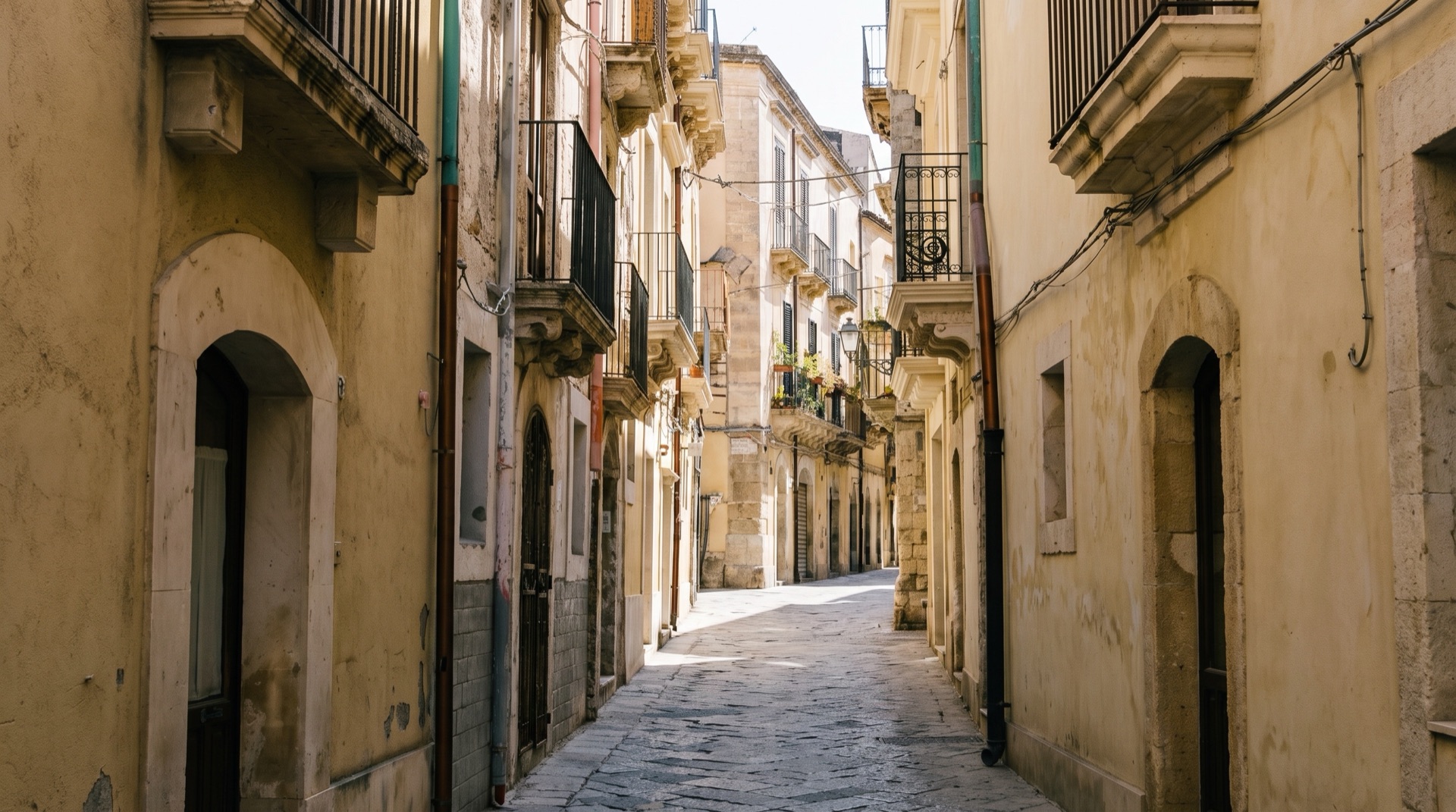
Catania Airport to Syracuse (Siracusa): Bus & Transfer
Palermo Airport to Siracusa: Train, Bus, Transfer 2026
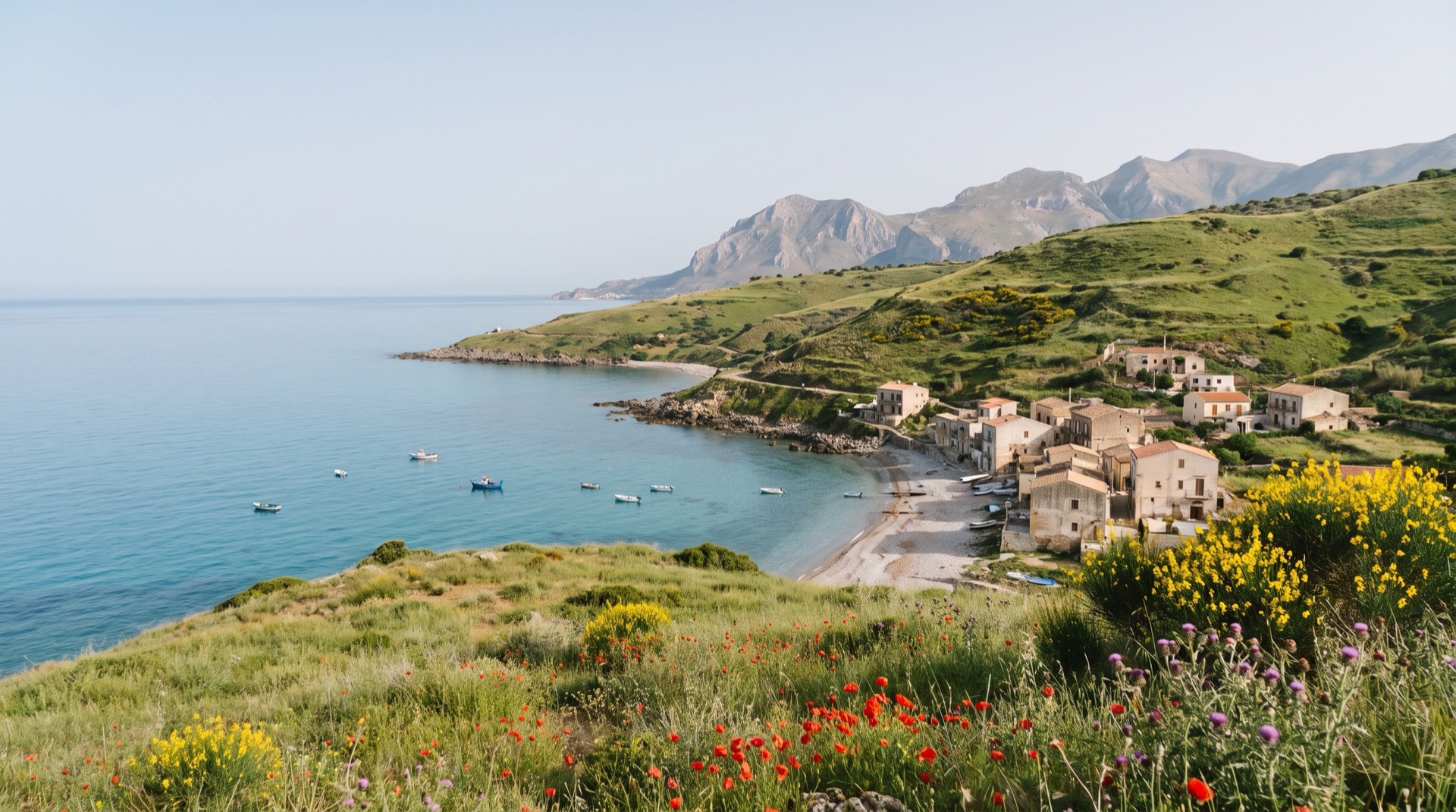
Best Time to Visit Sicily: Month by Month Guide
Best Beaches in Sicily: 12 Picks and How to Reach Them
Is Sicily Safe? What the Data Actually Says in 2026
Palermo or Catania: Where to Start in Sicily
Sicily in October: Weather, Sea, Prices, What's Open
How Many Days in Sicily: 5, 7 or 14-Day Plans
Frequently asked
All in one place
Stays, tours, transfers and boat charters — one platform, one booking
Verified Hosts
Every property personally vetted by our team
24/7 Concierge
Local support from booking to checkout
Local Expertise
Based in Sorrento — we know every corner