


Private transfer
Catania, Palermo or Trapani airport · varies by route
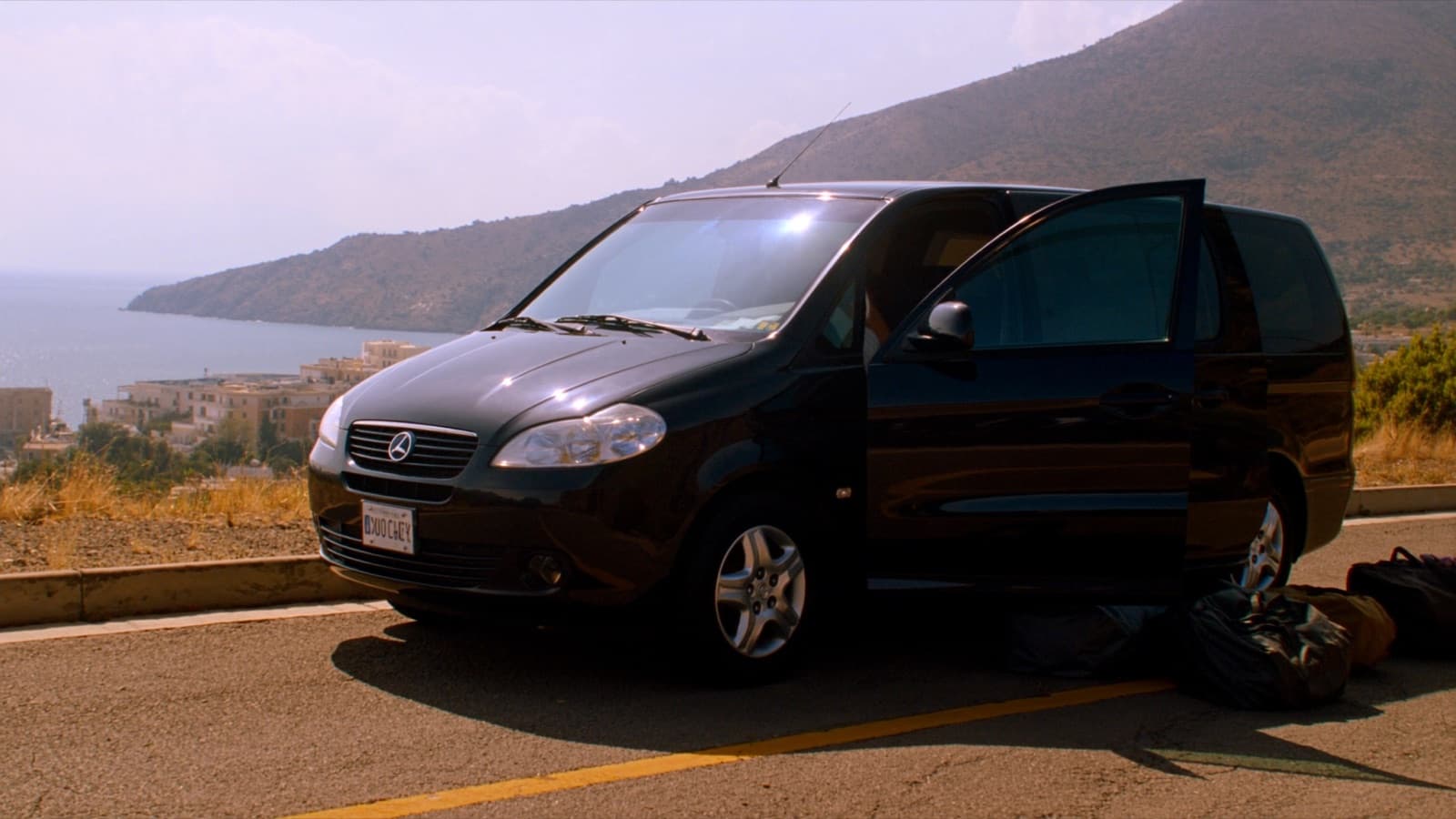
Door to door with the luggage handled, which is what most arrivals here actually need: several of the best places to stay sit inside restricted-traffic old towns.

Where ancient history meets volcanic drama. Greek temples, Arab-Norman palaces, baroque cities, and Mount Etna towering over it all.
Where ancient history meets volcanic drama. Greek temples, Arab-Norman palaces, baroque cities, and Mount Etna towering over it all.
Sicily is a Mediterranean destination in Sicilia, Italy. Browse handpicked vacation rentals, guided tours and experiences, boat charters and airport transfers, then book directly with the local hosts and drivers behind each listing.
Two international airports split the island: Catania serves the east, Palermo the west, with Trapani a third option further out. The distances are real — two hundred kilometres between the two big cities — so how you cross matters as much as where you land.
Catania, Palermo or Trapani airport · varies by route
Door to door with the luggage handled, which is what most arrivals here actually need: several of the best places to stay sit inside restricted-traffic old towns.
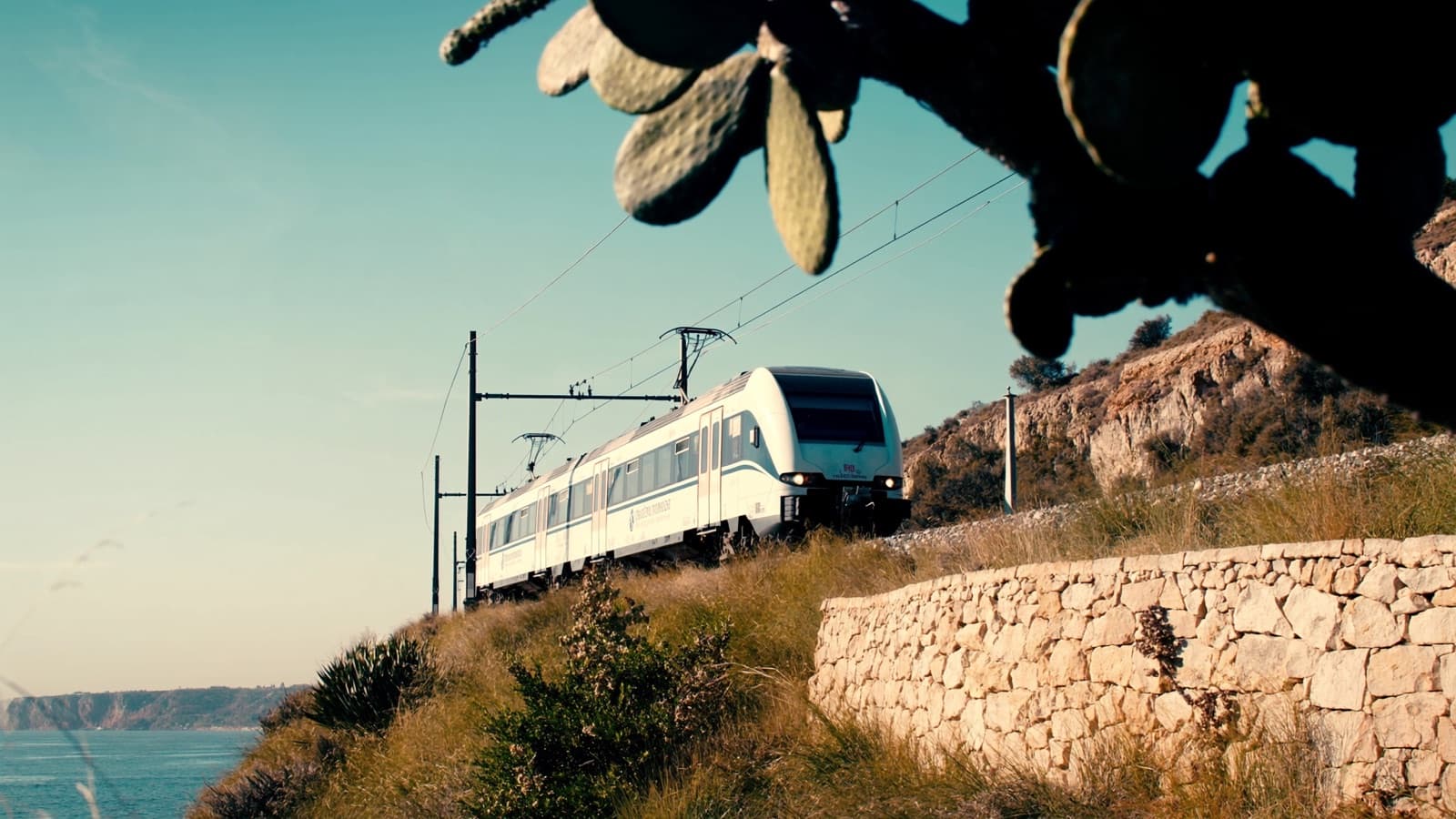
Between the main cities · 3 h Palermo–Catania
Palermo, Catania, Siracusa and Messina are connected reasonably well, and the Palermo–Cefalù coastal run is one of the best rides in Italy. Secondary lines are slow and infrequent.
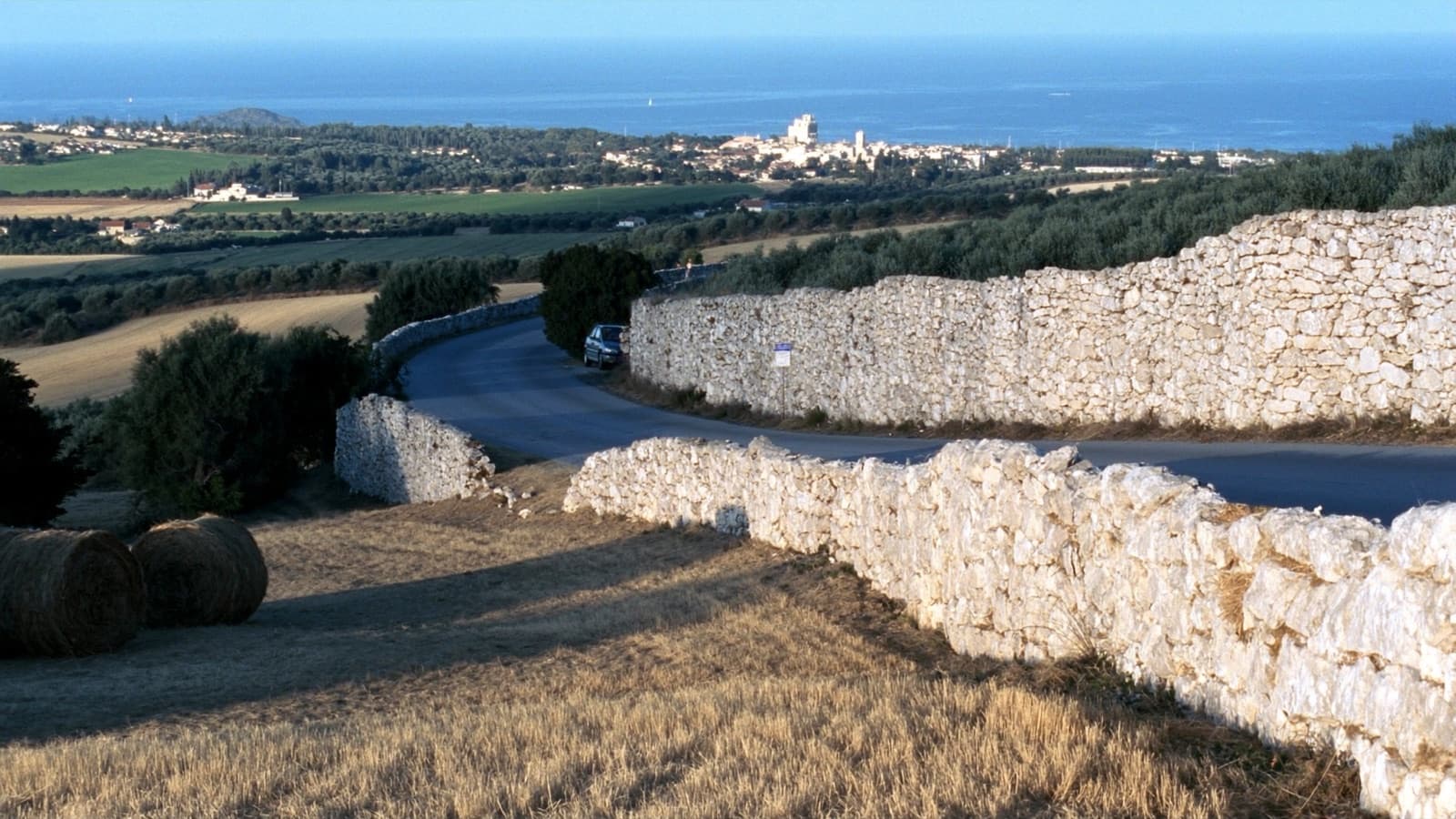
Airports and cities · 2 h 30 Palermo–Catania
The most practical way to reach the Valley of the Temples, Erice, Ragusa and the western beaches. Book well ahead for July and August; city centres are another matter entirely.
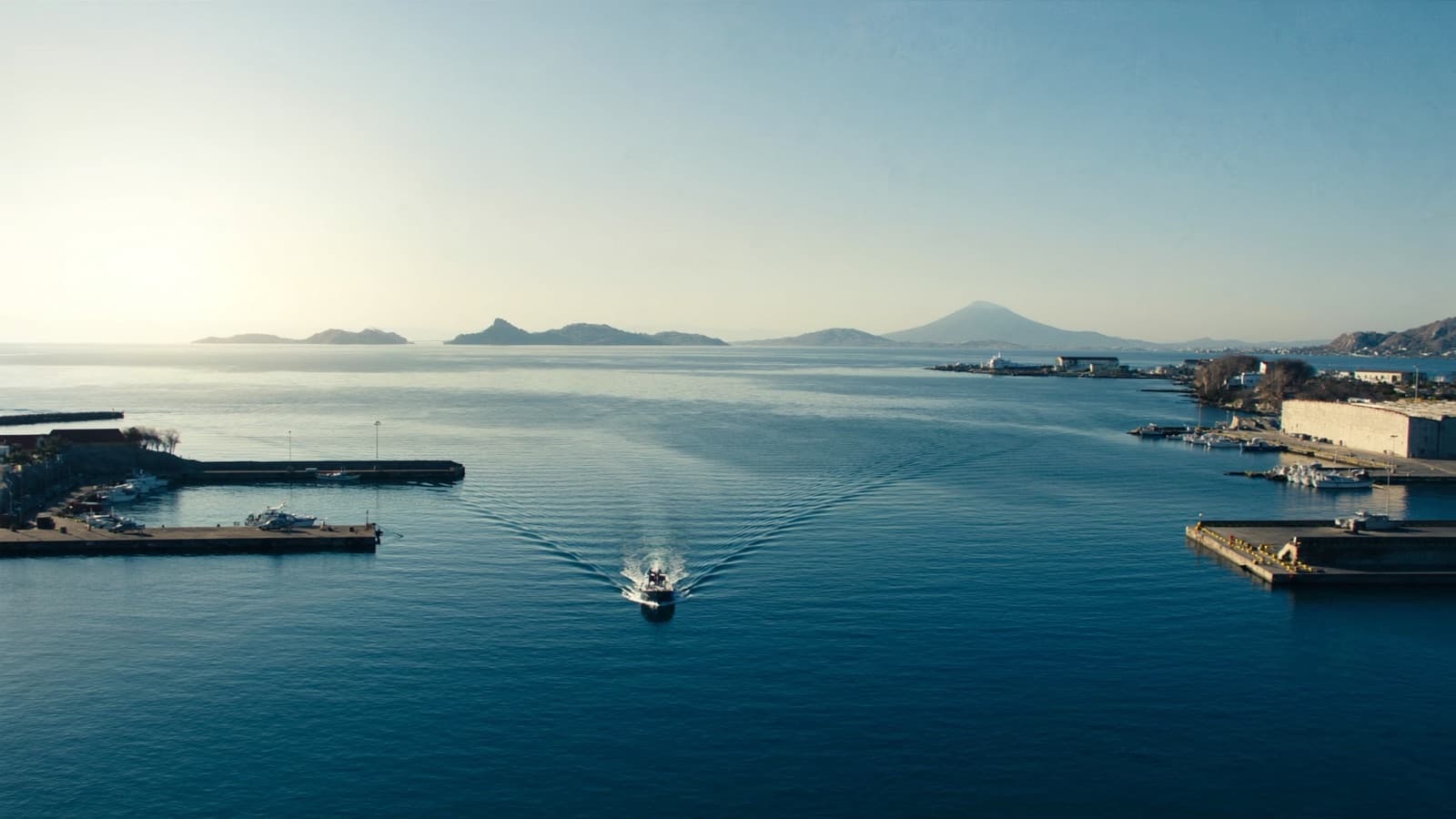
Milazzo, Trapani, Palermo · 1 h 30 to the Aeolians
Hydrofoils leave Milazzo for the Aeolian Islands and Trapani for the Egadi. Ferries also connect the island to Naples and Genoa overnight.
The six towns have their own pages. What follows is everything in between: a volcano you can walk on, a white cliff that looks carved by giants, an archipelago, salt pans, mountains with snow, and vineyards on black soil.
 Photo: BlueKeys
Above Catania · Europe’s highest active volcano
Black lava fields, extinct cones and snow on the summit for half the year. Guided ascents start from the cable car station on the southern side; take a jacket even in August.
 Photo: BlueKeys
Near Agrigento, south coast · White marl cliff
A dazzling white cliff stepping down into turquoise water, looking exactly like a staircase cut by giants. Go at sunset, when the rock takes the light.
 Photo: BlueKeys
90 minutes by hydrofoil from Milazzo · Seven volcanic islands, UNESCO
Stromboli erupts on a schedule of its own, Vulcano smells of sulphur, Panarea is where the yachts go and Salina is where the capers grow. Black sand throughout.
 Photo: BlueKeys
Between Trapani and Marsala · Working salt pans since antiquity
Shallow basins that turn pink at dusk, windmills that still move the water, and pyramids of harvested salt along the road. The best sunset on the island.
 Photo: BlueKeys
Inland from Cefalù · Mountain villages at 1,000 m
Castelbuono, Petralia, Gangi: stone villages in beech and chestnut woods, with real cold and snow in winter. The Sicily nobody expects.
 Photo: BlueKeys
Randazzo and Passopisciaro · Etna DOC, volcanic soil
Old bush-trained vines on black terraces between ancient lava flows. The reds from Nerello Mascalese and the whites from Carricante rival Burgundy for complexity.
Arguably the most varied regional cuisine in Italy, shaped by Arab, Greek, Spanish and French rule. Couscous in the west, pasta alla Norma in the east, and cannoli, cassata and granita — all three Sicilian inventions — everywhere.
May, June, September and October: warm enough to swim, with the sea between 22 and 25 °C, fewer people and lower rates. July and August bring 35 to 40 °C and full beaches. Spring is best for wildflowers and for walking on Etna; winter is mild on the coast but cold and snowy above 1,500 metres.
The island splits in two and it is easier to accept that than to fight it. Catania or Taormina for the east — Etna, the baroque south-east, the Aeolians. Palermo or Cefalù for the west — Monreale, Segesta, the salt pans, the Egadi. A week does one half properly; two weeks do both.
Get Around
Private car · Fixed price
Private car · Fixed price
Private car · Fixed price
Private car · Fixed price
Private car · Fixed price
Private car · Fixed price
Private car · Fixed price
Private car · Fixed price
Private car · Fixed price
Private car · Fixed price
Private car · Fixed price
Private car · Fixed price
Travel guide
Sicily is not just an island off the toe of Italy — it is a continent in miniature, layered with three millennia of conquest, trade, and reinvention. Greeks founded Syracuse in 734 BC and built temples at Agrigento that rivalled Athens. Carthaginians, Romans, Byzantines, Arabs, Normans, Swabians, Angevins, Aragonese, and Bourbons all ruled in turn, each leaving behind architecture, cuisine, and customs that fused into something entirely Sicilian. The Arab-Norman period, roughly 1060–1200, was a golden age: Palermo became one of the richest cities in Europe, and the hybrid architecture of that era — geometric mosaics inside Romanesque churches — earned UNESCO World Heritage status in 2015.
Today Sicily is Italy's largest region, home to five million people, an active volcano, and a food culture so deep that entire books have been written about a single market stall. It rewards slow travel. Give it at least a week, and you will only scratch the surface.
Palermo is loud, chaotic, beautiful, and utterly addictive. Start at the Palazzo dei Normanni to see the Cappella Palatina — its gold mosaics are among the finest in the world. Walk through the Ballarò market, where vendors shout prices for swordfish, artichokes, and ricotta so fresh it is still warm. Street food here is legendary: arancini, panelle from any cart on Via Maqueda, and for the brave, stigghiola. The street art scene in the Vucciria quarter is thriving, and the catacombs of the Capuchins offer one of Italy's most unsettling and unforgettable sights. Budget two to three full days for Palermo alone.
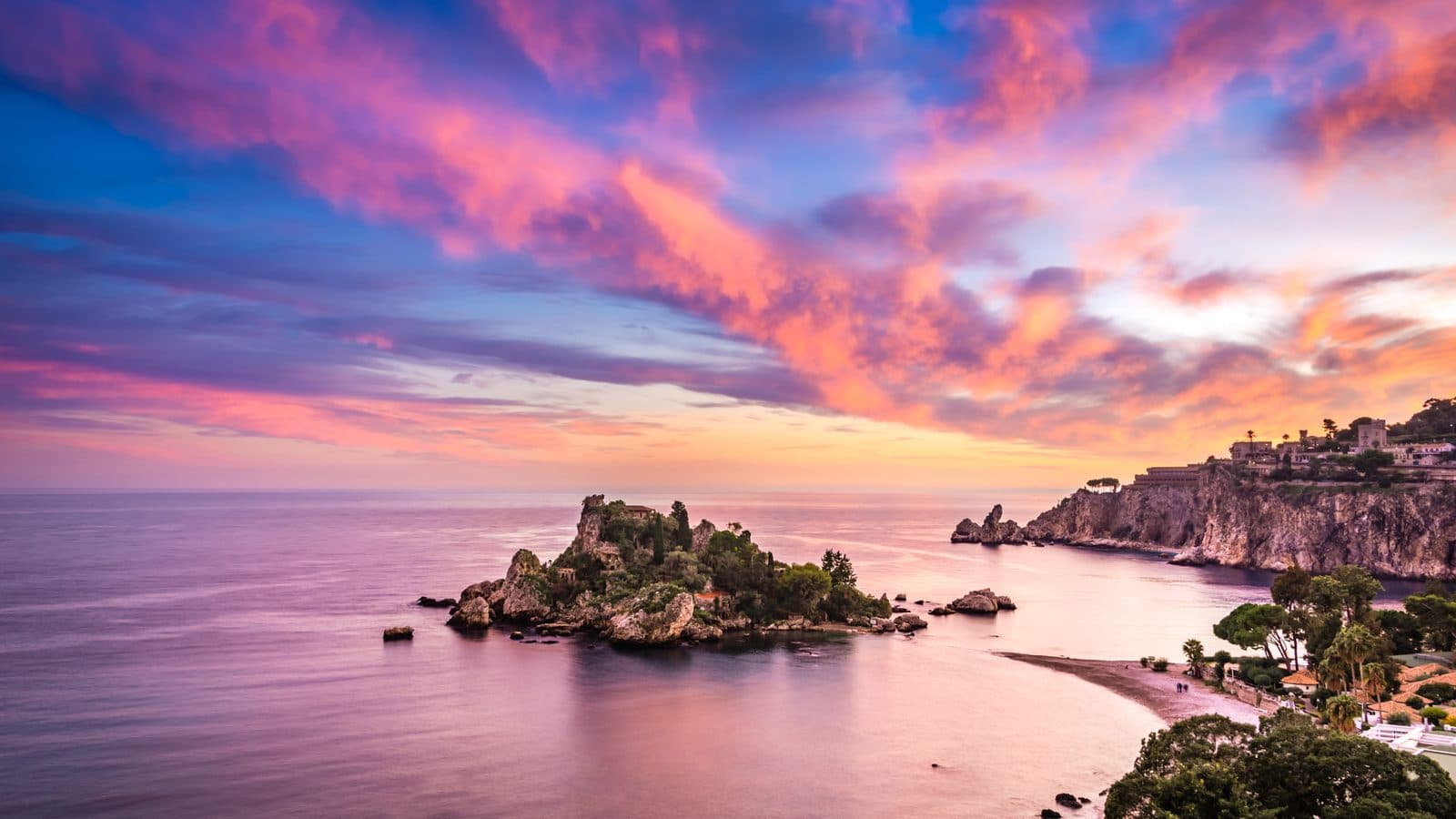
Perched on a cliff 200 metres above the Ionian Sea, Taormina has drawn visitors since the Grand Tour era. The Greek Theatre, carved into the rock in the third century BC and later expanded by the Romans, offers one of the most dramatic backdrops in the Mediterranean — Mount Etna framed between ancient columns. The Corso Umberto is lined with boutiques and gelaterie, and the views from the public gardens are free. For swimming, take the cable car down to Isola Bella, a tiny island nature reserve connected to the mainland by a narrow strip of sand. Hotel prices in Taormina are the highest in Sicily; consider staying in nearby Giardini Naxos for better value.
Catania sits at the foot of Mount Etna and has been rebuilt from lava seven times. The result is a city of dark volcanic stone, baroque facades, and irrepressible energy. Piazza del Duomo, with its elephant fountain (the Liotru), anchors the old centre. The fish market behind the piazza is one of Europe's most photogenic — mountains of tuna, swordfish, sea urchins, and sardines on beds of crushed ice. Catania's nightlife is the liveliest in Sicily, centred around Via Teatro Massimo. The city is also the practical base for Etna excursions: guided summit hikes start from the Rifugio Sapienza cable car station at 1,900 metres.
An hour east of Palermo by train, Cefalù is the beach town that postcards dream of. A long crescent of golden sand sits below a Norman cathedral, built in 1131, whose apse contains a Christ Pantocrator mosaic that rivals Monreale. Climb La Rocca, the massive limestone crag behind the town, for sweeping views — the path takes about 45 minutes and is free. In summer, Cefalù fills up; arrive early to claim your spot on the beach. Off-season — October, April, May — it is wonderfully quiet. Restaurants along the lungomare serve excellent grilled calamari and pasta con le sarde.
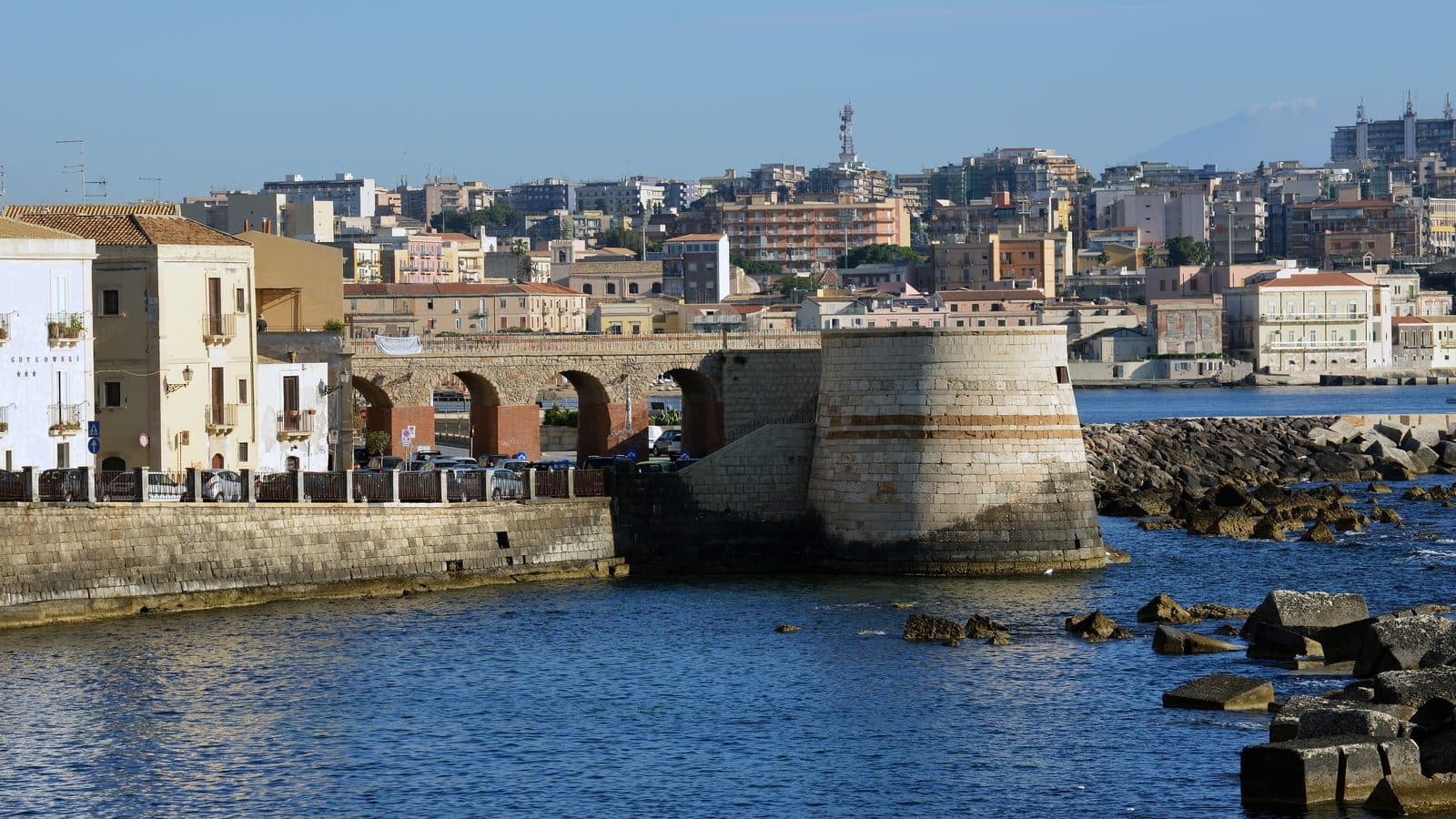
Once the most powerful city in the ancient Greek world — wealthier and more populous than Athens under the tyrant Dionysius — Siracusa today is two experiences in one. The archaeological park on the mainland includes a Greek theatre still used for performances, the Ear of Dionysius limestone cave, and Roman amphitheatre ruins. Cross the bridge to Ortigia, the island old town, and the atmosphere shifts entirely: narrow lanes open onto piazzas lined with baroque churches, the Temple of Apollo — Sicily's oldest Doric temple — and waterfront restaurants where you eat raw red prawns of Mazara with a view of the harbour. The Wednesday morning market on Ortigia is superb.
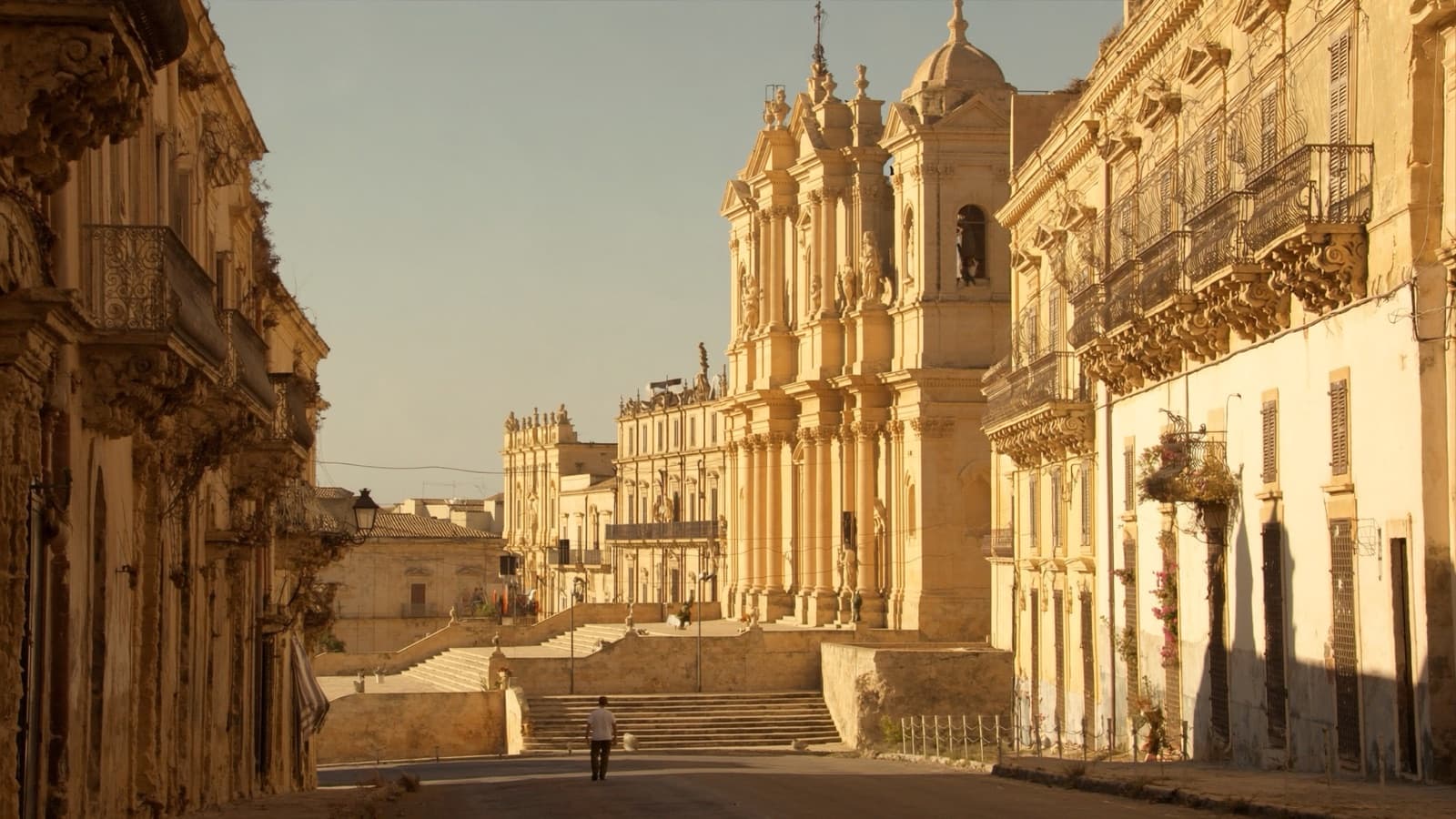
After an earthquake destroyed the old town in 1693, Noto was rebuilt from scratch in a unified late-baroque style. The result is a stage set in honey-coloured limestone: the Cathedral of San Nicolò, UNESCO-listed, Palazzo Nicolaci with its fantastical wrought-iron balconies, and churches that glow gold at sunset. Noto is small enough to see in half a day, but it pairs perfectly with a visit to Siracusa, 30 minutes by car, or the beach at Vendicari nature reserve 15 minutes south, where flamingos wade in salt lagoons behind pristine dunes. In May, the Infiorata festival carpets Via Corrado Nicolaci with elaborate flower mosaics.
Sicily is large — Palermo to Catania is 200 km, about 2.5 hours by car or 3 hours by the direct intercity train. Renting a car is the most practical option, especially for reaching Agrigento's Valley of the Temples, the hilltop towns of Erice and Ragusa, and the beaches of San Vito Lo Capo; book well in advance for July and August. Roads are generally good, though Palermo traffic is not for the faint-hearted. Trains connect the main cities — Palermo, Catania, Siracusa, Messina — reasonably well but can be slow on secondary routes. If you prefer to skip the driving entirely, consider booking a private transfer through BlueKeys for airport pick-ups and intercity journeys.
May, June, September, and October are ideal — warm enough for swimming, with sea temperatures reaching 22–25 °C, fewer crowds than peak summer, and lower hotel rates. July and August bring intense heat, regularly 35–40 °C, packed beaches, and premium rates. That said, the energy of Ferragosto on 15 August and the summer festival season has its own appeal. Spring is magnificent for wildflowers and hiking on Etna. Winter, November to March, is mild on the coast at 12–16 °C but can be rainy, and some resort towns shut down; the interior and Etna get genuine cold and even snow above 1,500 metres.
Sicilian food is arguably the most diverse regional cuisine in Italy, shaped by Arab, Greek, Spanish, and French influences. The Arab legacy lives on in couscous, a staple around Trapani, in the raisins and pine nuts of pasta con le sarde, and in the island's extraordinary pastry tradition — cannoli, cassata, and granita are Sicilian inventions. Nero d'Avola is the red wine grape to know: bold, dark-fruited, and excellent with grilled meats. For something more refined, seek out Etna DOC wines — both the reds from Nerello Mascalese and the whites from Carricante, grown on volcanic terroir, rival Burgundy in complexity. In Catania, order pasta alla Norma, with fried aubergine and salted ricotta. In Palermo, do not leave without trying sfincione and pane con la milza. Travellers on a budget eat superbly in Sicily by sticking to markets and street food.
Beyond the famous circuit, Sicily hides treasures that few visitors reach. The Scala dei Turchi near Agrigento is a dazzling white marl cliff that looks like a staircase carved by giants — go at sunset. Ragusa Ibla, in the deep southeast, is a baroque hilltop town with fewer tourists than Noto and arguably more charm. The Aeolian Islands, reached by hydrofoil from Milazzo in about 90 minutes, offer volcanic hiking on Stromboli and Vulcano, black-sand beaches, and the ultra-chic retreats of Panarea. For wine lovers, a day in the Etna wine country around Randazzo and Passopisciaro reveals world-class wineries in a landscape of ancient lava flows and chestnut forests. And if you are drawn to ancient history, the mosaics at Villa Romana del Casale near Piazza Armerina — depicting hunting scenes, chariot races, and bikini-clad athletes — are the finest surviving Roman floor mosaics anywhere. Browse BlueKeys tours for guided excursions to many of these places, or find BlueKeys stays in Sicily to use as your base.
Travel guide
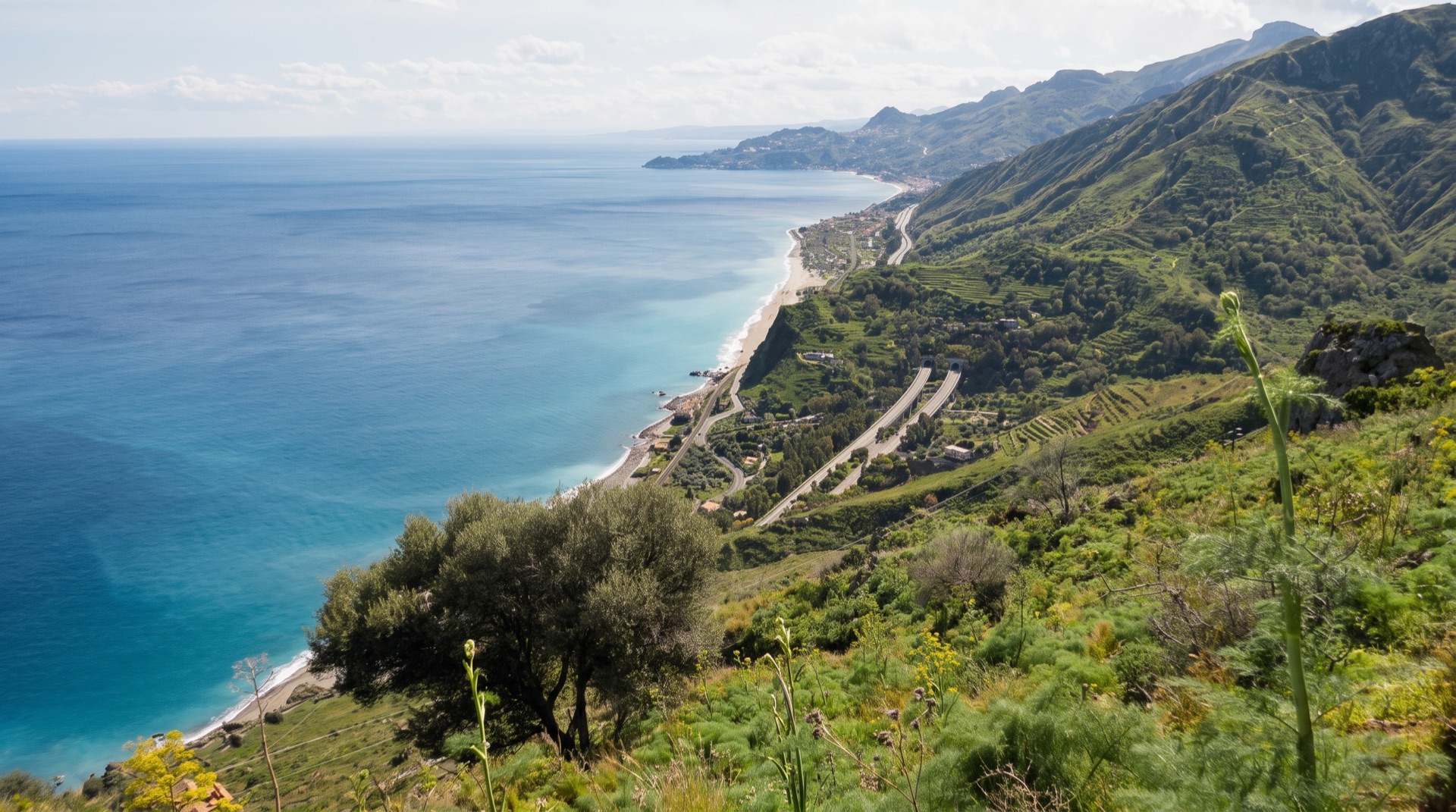
Catania Airport to Taormina: Bus, Train, Taxi & Transfer
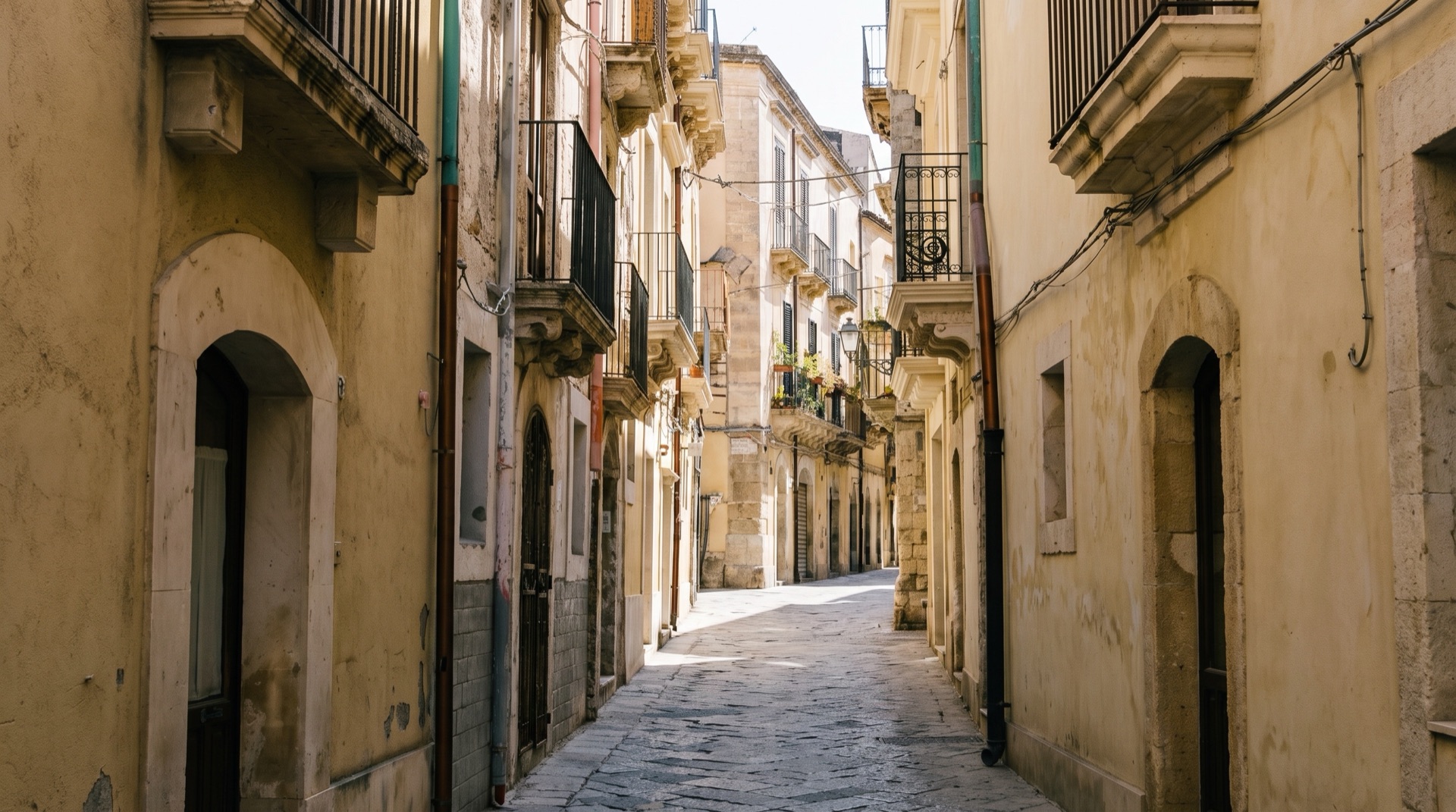
Catania Airport to Syracuse (Siracusa): Bus & Transfer
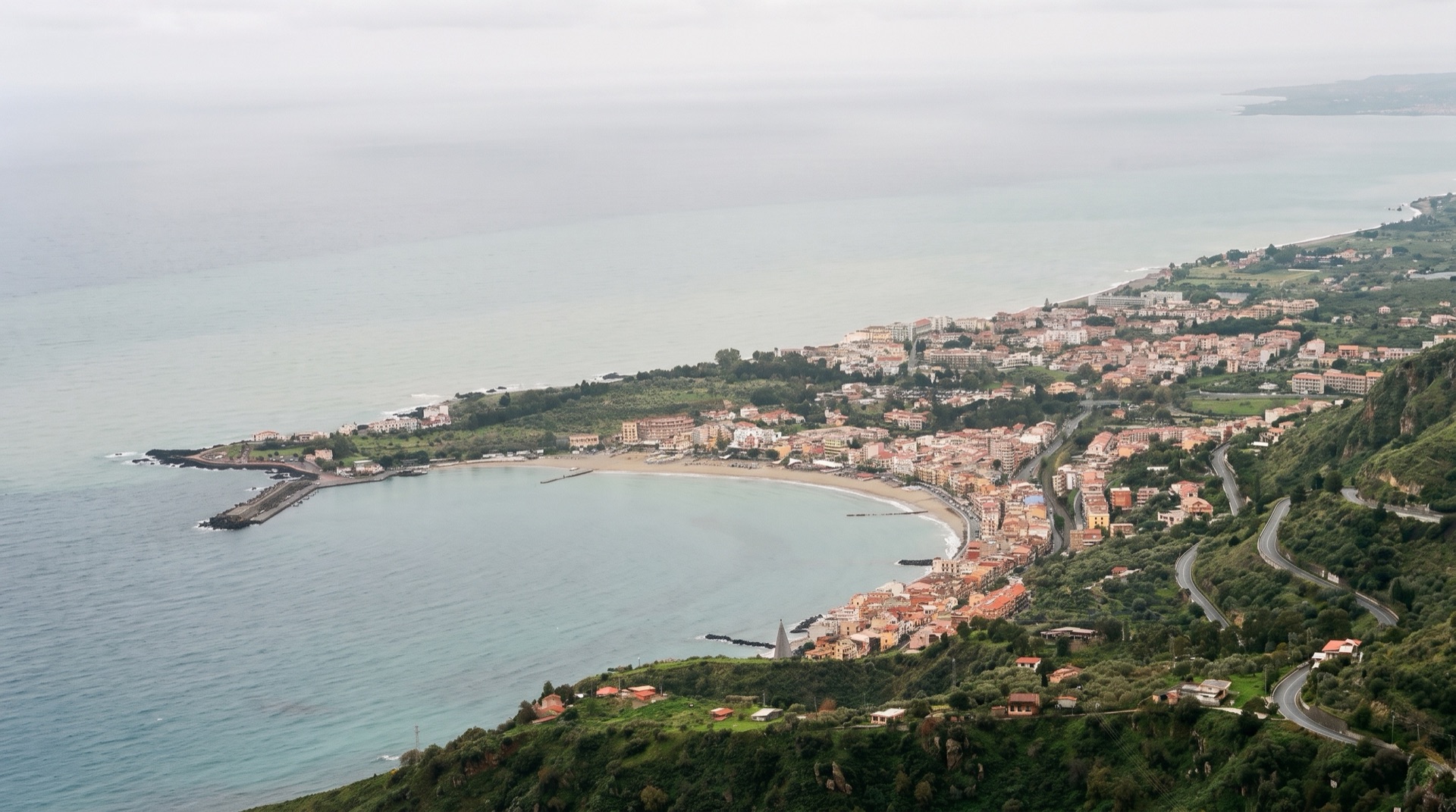
Catania Airport to Giardini Naxos: Bus, Train & Transfer
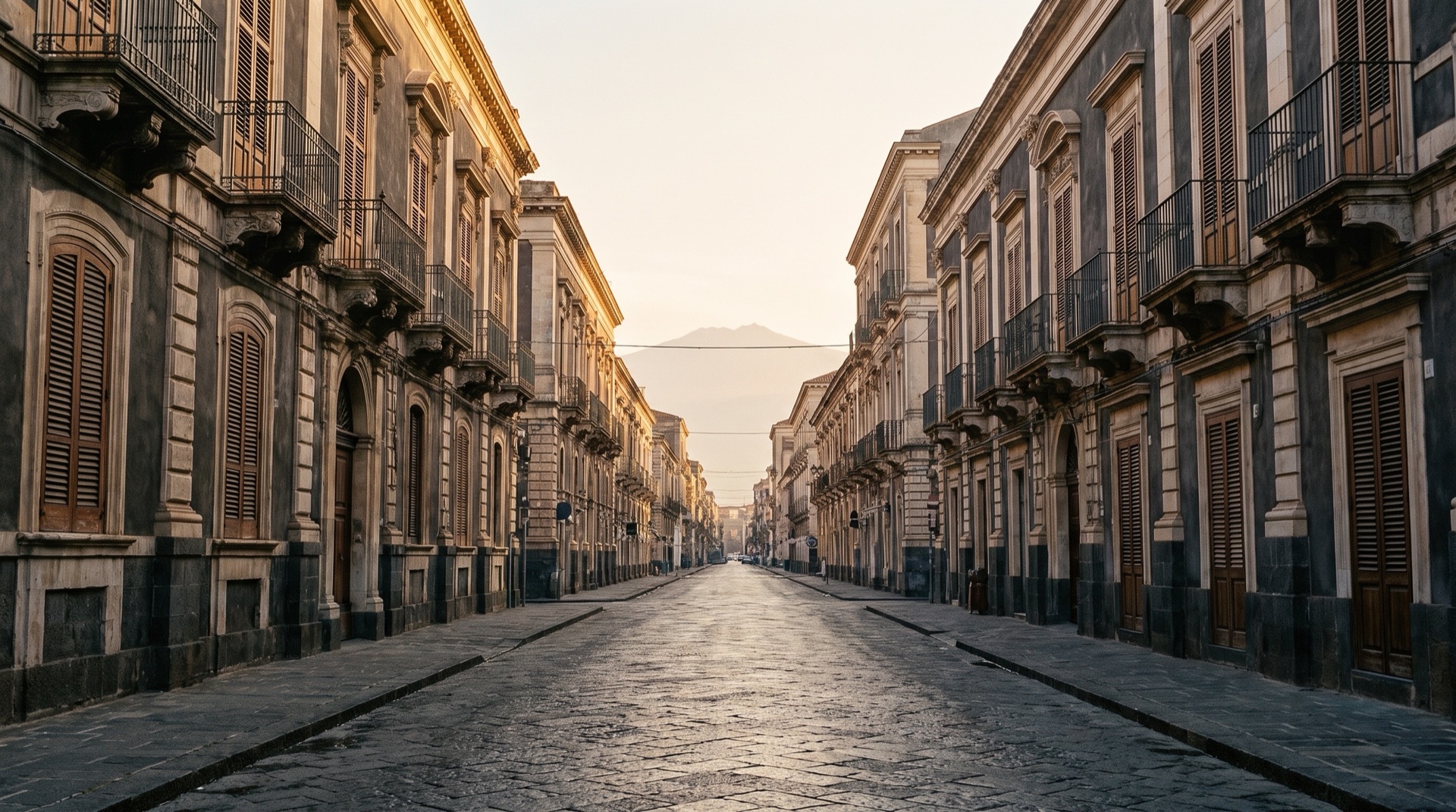
Catania Airport to Catania City Centre: 2026 Guide
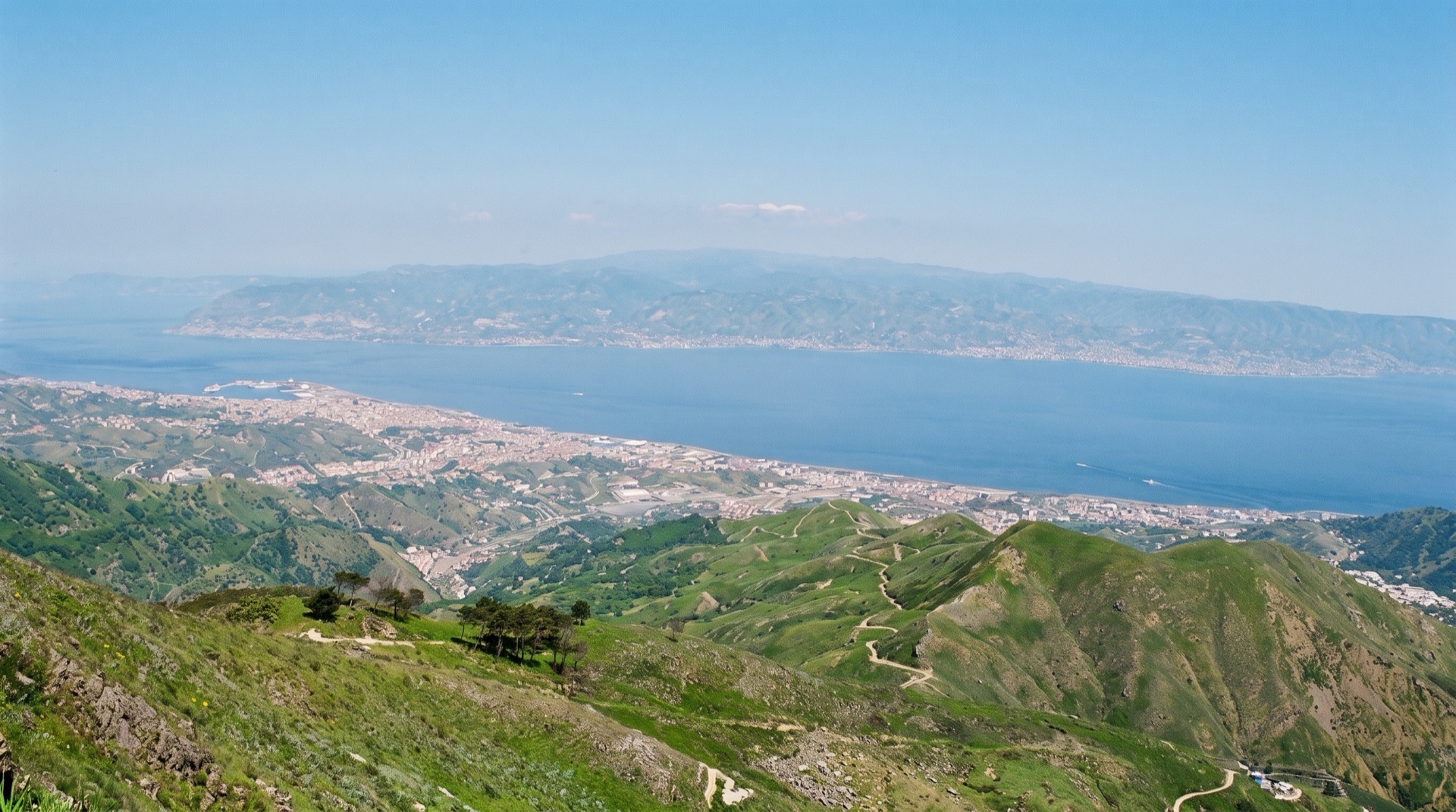
Messina Cruise Port to Taormina: Train, Bus & Transfer
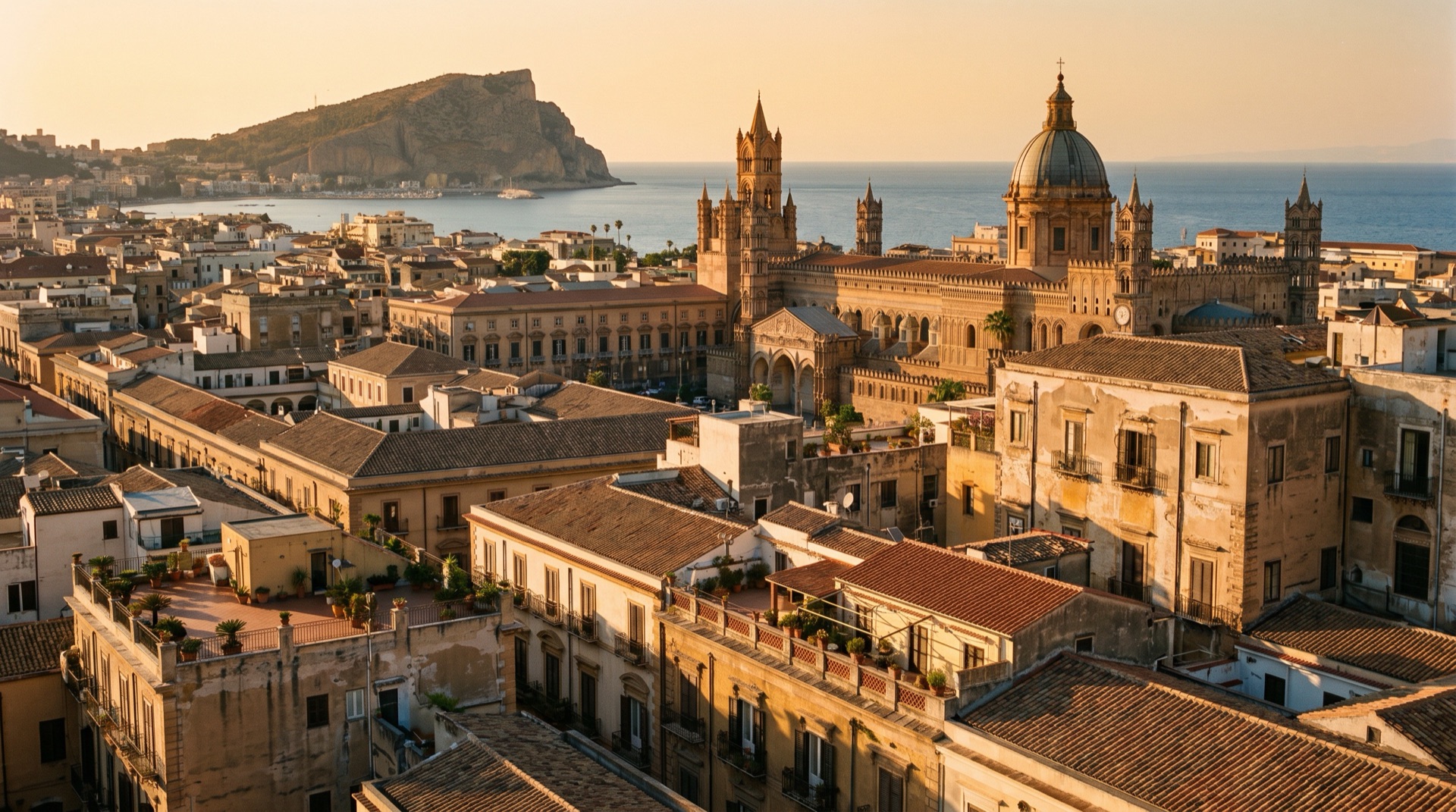
Palermo Airport to Palermo City Centre: 2026 Guide
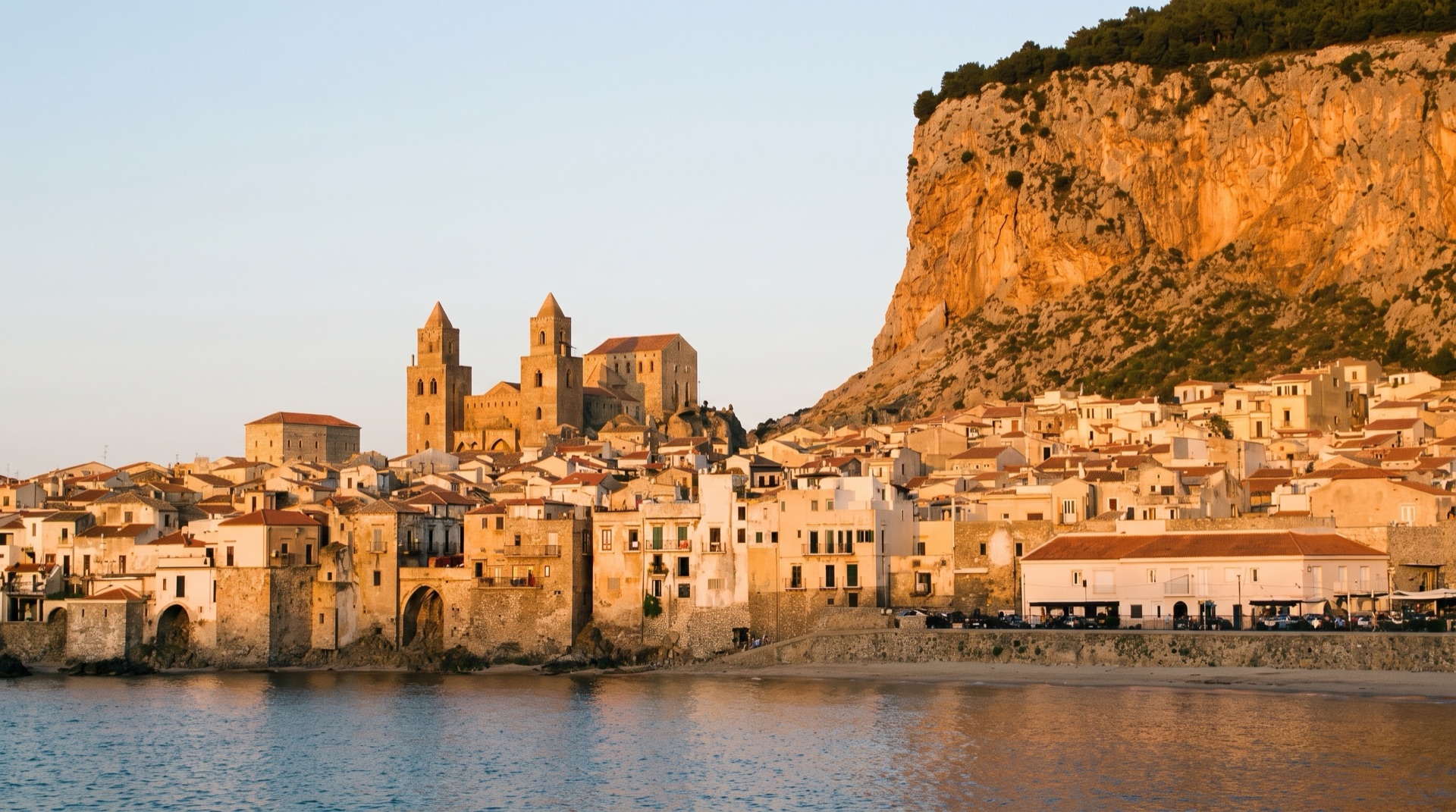
Palermo Airport to Cefalù: Train, Bus, Transfer 2026
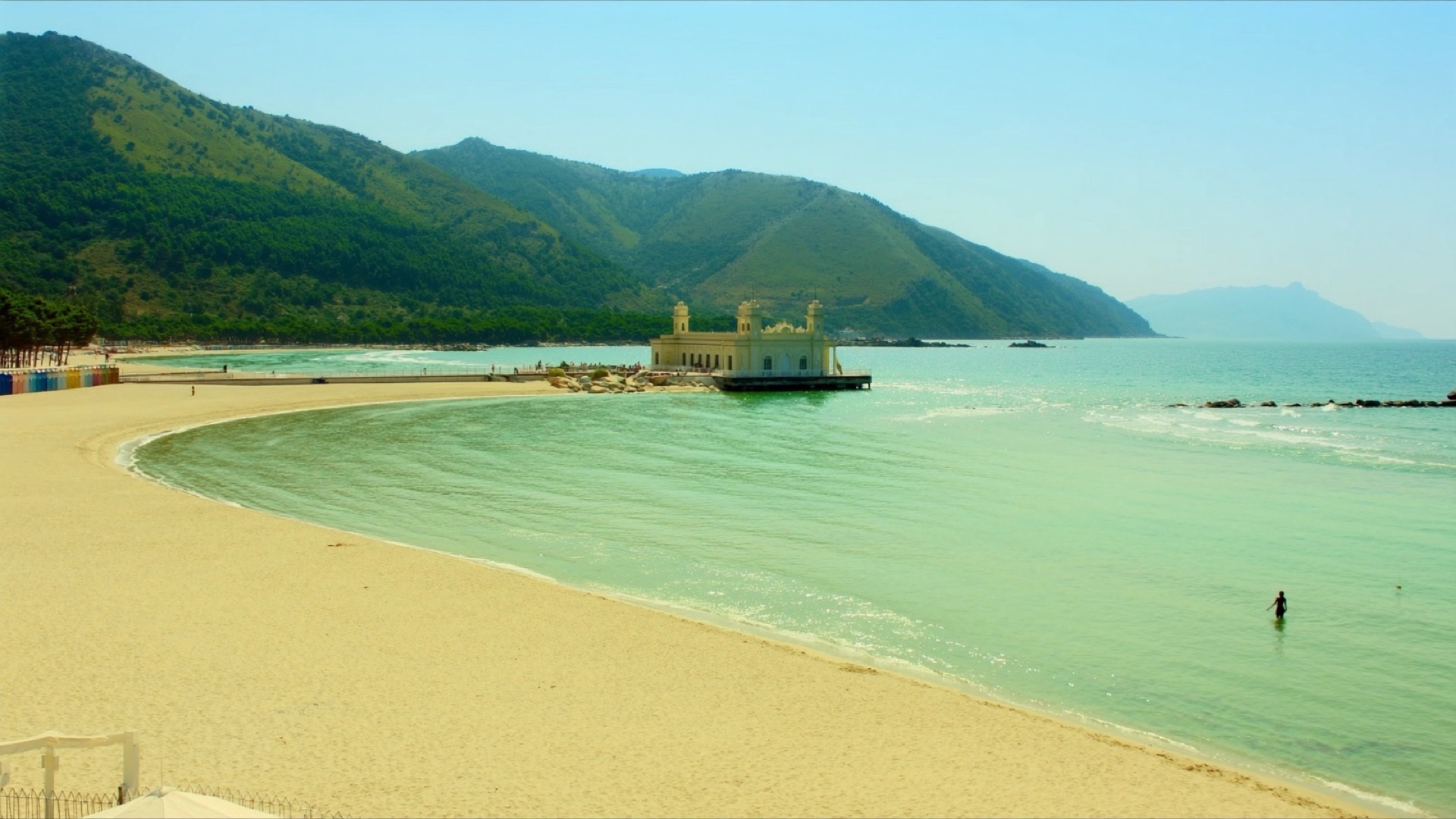
Palermo Airport (PMO) to Mondello: 2026 Guide
Frequently asked
All in one place
Stays, tours, transfers and boat charters — one platform, one booking
Verified Hosts
Every property personally vetted by our team
24/7 Concierge
Local support from booking to checkout
Local Expertise
Based in Sorrento — we know every corner