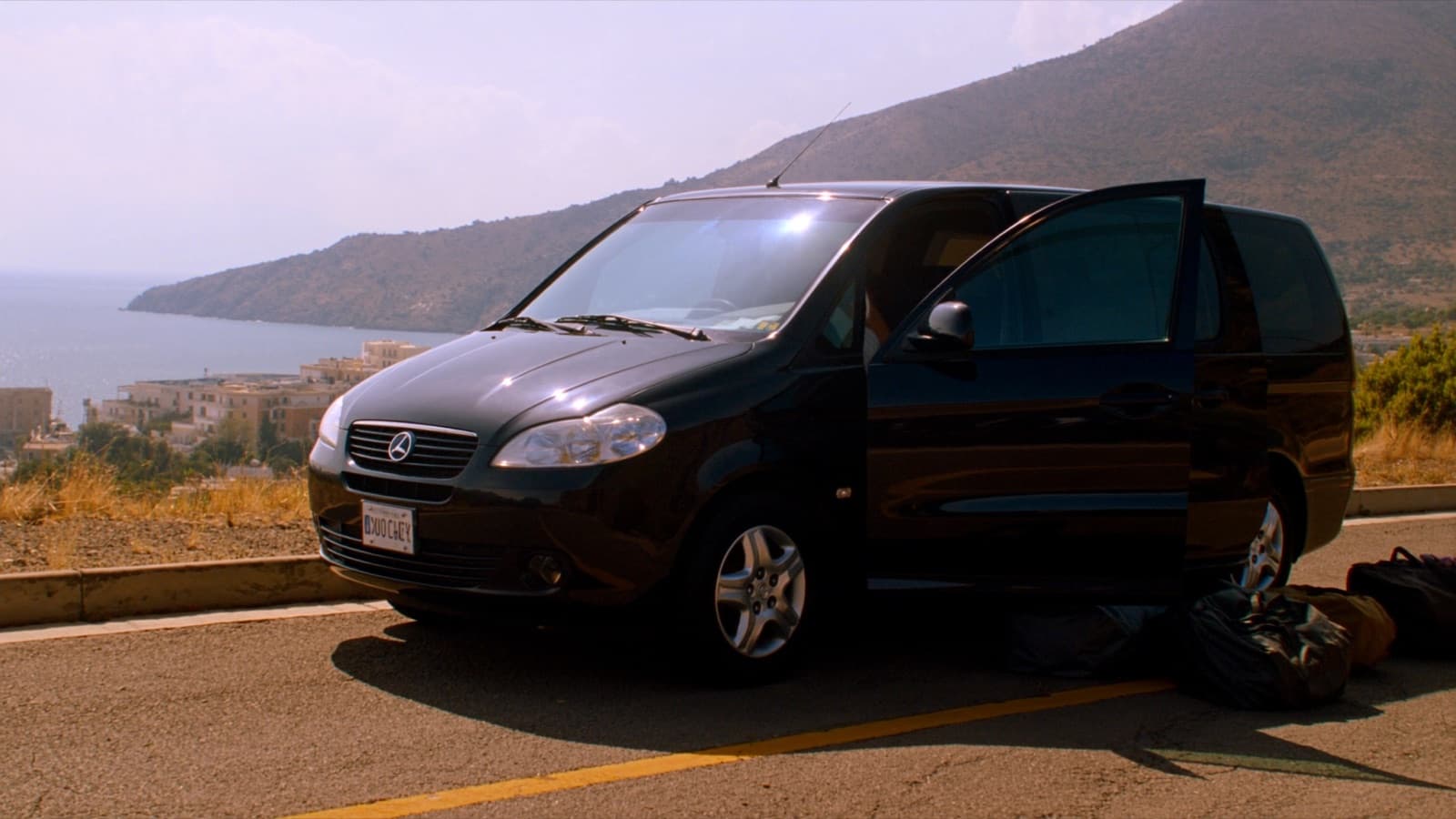
Private transfer
Catania Airport (CTA) · about 15 min
Five kilometres of road, driver waiting at arrivals, luggage handled. It matters most on the late flights, when the public connections thin out.

Baroque built from black lava at the foot of Etna. A shouting fish market, a Roman theatre wedged between houses, and the busiest airport on
Baroque built from black lava at the foot of Etna. A shouting fish market, a Roman theatre wedged between houses, and the busiest airport on the island five kilometres away.
Catania is a Mediterranean destination in Sicilia, Italy. Browse handpicked vacation rentals, guided tours and experiences, boat charters and airport transfers, then book directly with the local hosts and drivers behind each listing.
Fontanarossa is five kilometres from the centre — the shortest transfer we run in Sicily, and the one the late flights land on. Catania is also the rail and coach hub of the eastern half of the island, so most journeys here start or end at this airport.
Catania Airport (CTA) · about 15 min
Five kilometres of road, driver waiting at arrivals, luggage handled. It matters most on the late flights, when the public connections thin out.
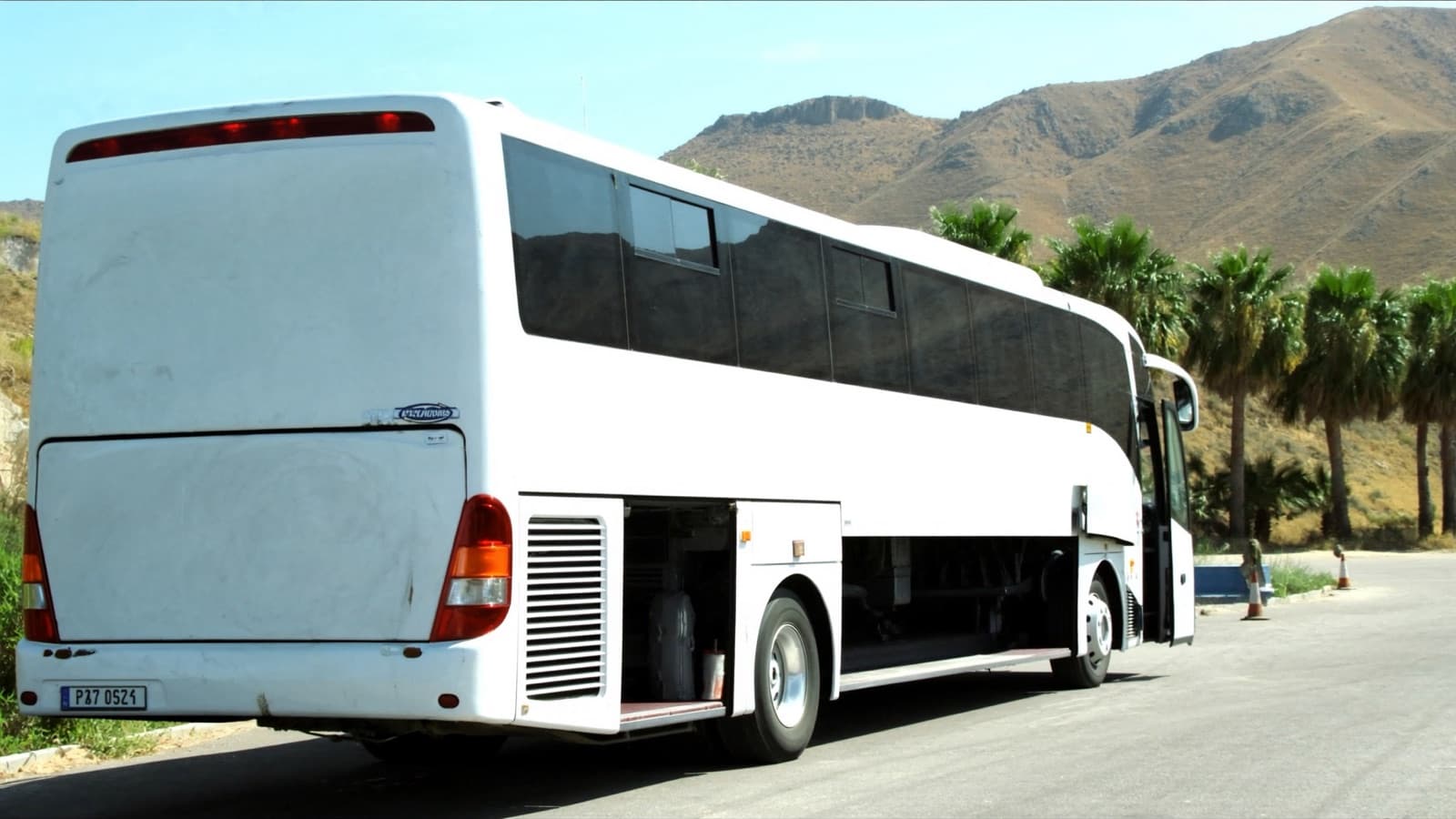
Airport arrivals · 20–30 min
A shuttle links the terminal to the central railway station and the city. Cheap and frequent by day; the timetable belongs to the operator and thins out at night.
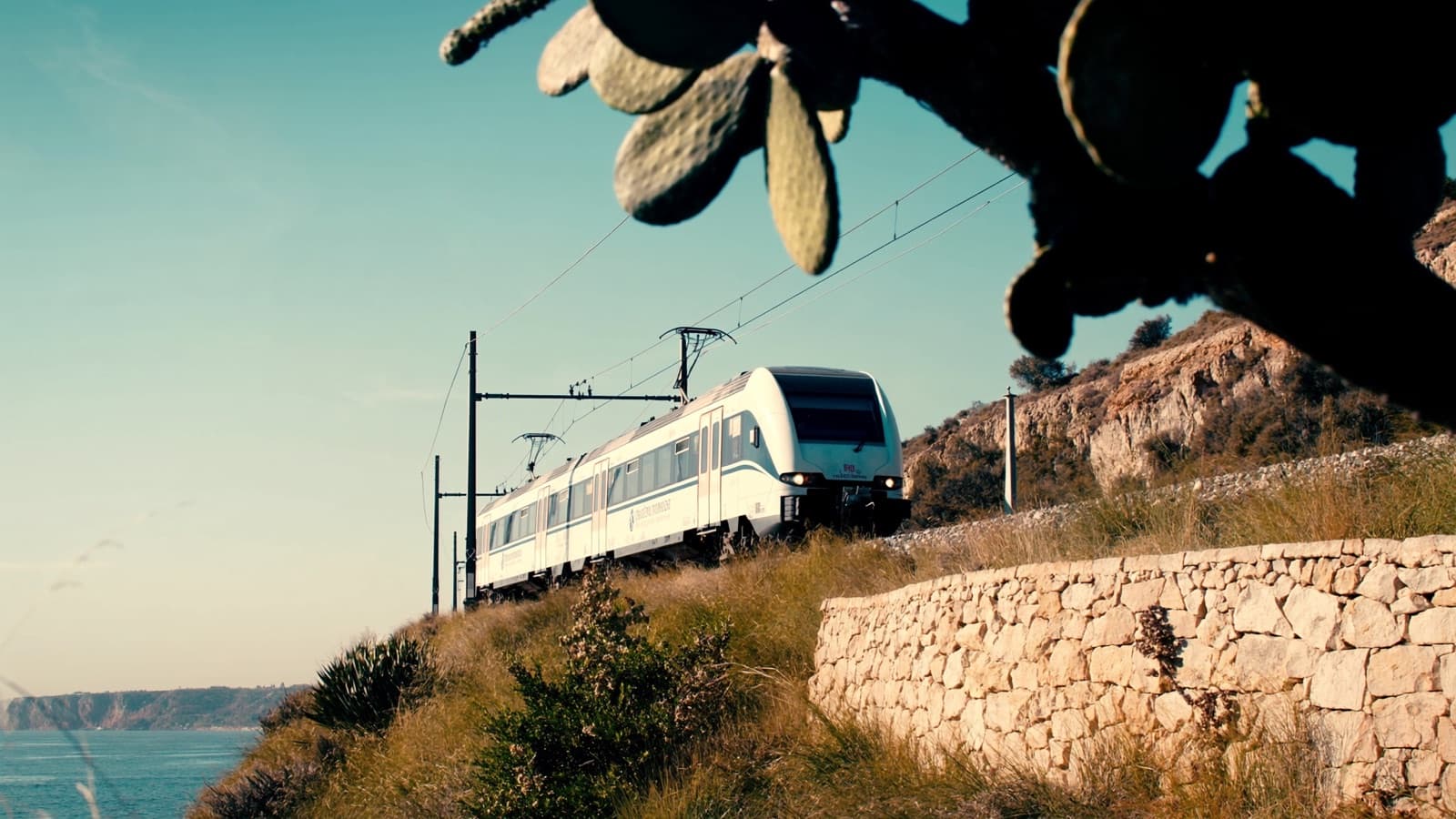
Catania Centrale · 1 h to Siracusa, 3 h to Palermo
The central station is the hinge of eastern Sicily: direct trains to Siracusa, Messina and Palermo. Fine between cities, slow on the secondary lines.
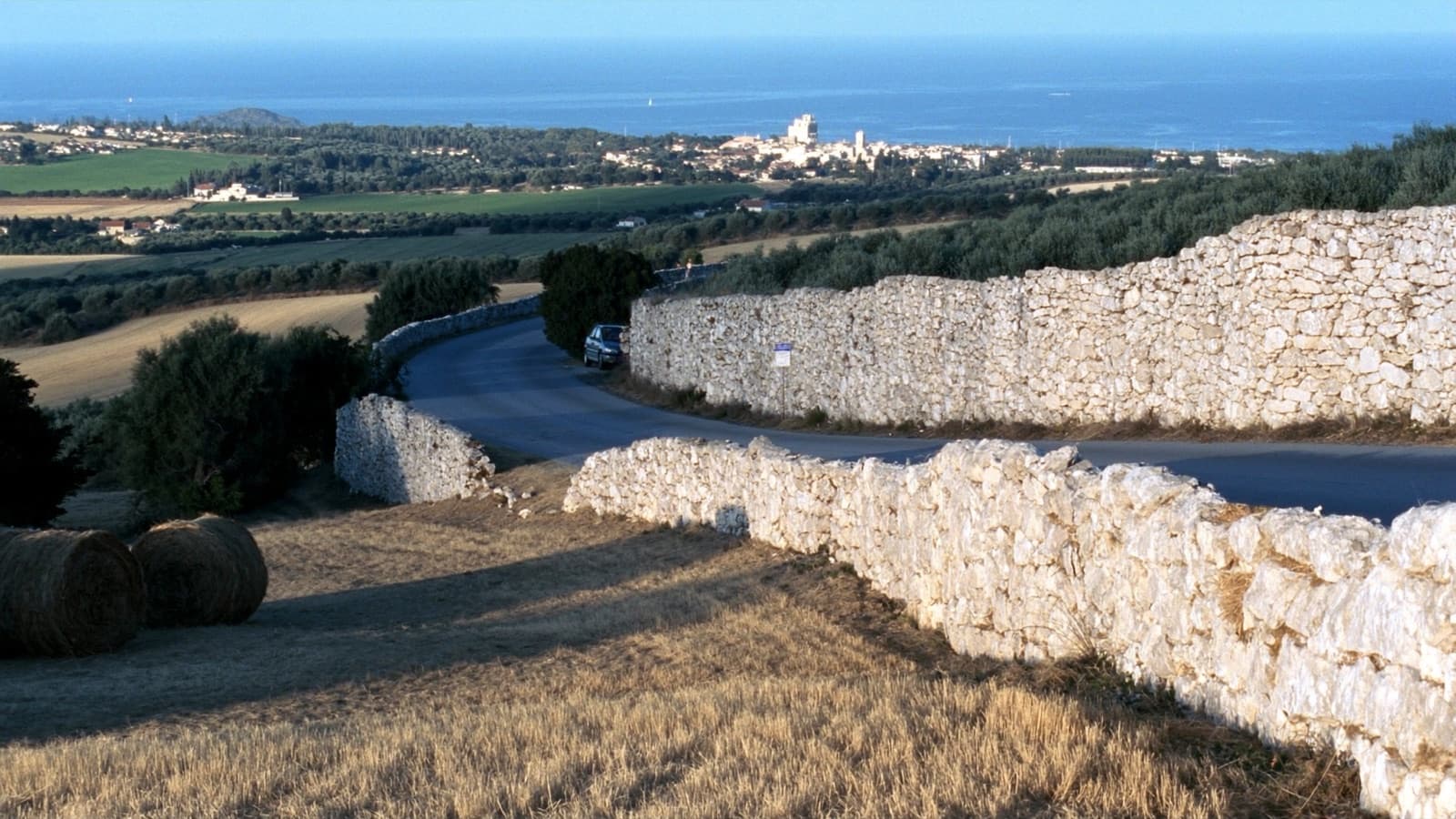
A18 and A19 motorways · 50 min to Taormina
Worth having for Etna and the Val di Noto, a nuisance in the city itself: restricted traffic zones and very little parking. Leave it outside the centre.
Catania is a working city rebuilt seven times on its own lava, so what there is to see is the fabric itself: a market that shouts, streets of black stone, and a volcano at the end of the main road.
 Photo: BlueKeys
Behind Piazza del Duomo · Fish market, mornings
Tuna and swordfish on crushed ice, sea urchins, sardines, and sellers calling across the lanes on wet black stone. It opens early and is over by mid-morning.
 Photo: BlueKeys
From Piazza del Duomo north · The city’s promenade
Three kilometres running due north with the volcano always at the end of the street. Historic cafés, eighteenth-century palaces, and the whole city walking it at dusk.
 Photo: BlueKeys
An hour from the centre · Active volcano, 3,300 m
Black ash slopes and extinct cones above the tree line. Guided ascents start from the cable car station at 1,900 metres; it can be fifteen degrees colder up there.
 Photo: BlueKeys
North of the city · Black rock coves
Lava rocks dropping straight into clear water, with small pebble coves between them. It is where the city swims, and it looks like nowhere else in Italy.
 Photo: BlueKeys
Any bar, before ten · Breakfast, not dessert
In Catania granita is breakfast, eaten with a brioche col tuppo. Almond, mulberry, coffee, lemon — and no, it is not a slush: it is churned, not crushed.
Pasta alla Norma was born here — tomato, fried aubergine, salted ricotta — and takes its name from the opera by Bellini, a Catanian. Add cartocciate and pane e panelle from the market, minne di Sant’Agata from the pastry shops, and granita for breakfast.
Etna in an hour, Taormina in fifty minutes, Siracusa and Ortigia in an hour, Noto and the Val di Noto in an hour and a quarter, the Aeolian ferries from Milazzo in two. Nowhere in Sicily sits closer to more things.
The centre between Via Etnea and the Duomo puts everything within ten minutes on foot, and the airport within a quarter of an hour by road. It is louder than Taormina and costs a fraction of it — which is the trade.
Travel guide
Catania sits at the foot of Mount Etna, and it has a relationship with that mountain no other Italian city has with its own: it has been buried by it. The 1669 lava flow reached the sea straight through the town, the 1693 earthquake levelled what was left, and the city you see today is the one rebuilt immediately afterwards — baroque, all of a piece, laid out by Giovanni Battista Vaccarini on a grid of wide straight streets designed to let people escape the next disaster.
The material is the lava itself. Dark volcanic stone alternates with the white limestone of Siracusa across the facades, producing a striped baroque that looks like nothing on the mainland. The old centre has been a UNESCO World Heritage Site since 2002, together with the other late-baroque towns of the Val di Noto rebuilt after that same earthquake.
Piazza del Duomo is the exact centre: the cathedral of Sant'Agata, the Palazzo degli Elefanti that serves as the town hall, and between them the fountain with the lava-stone elephant that Catanians call the Liotru — the animal is Roman, the obelisk on its back is Egyptian, and together they are the city's emblem. From here Via Etnea runs three kilometres due north with the volcano always at the end of the street; it is the city's promenade, lined with historic cafés and eighteenth-century palaces.
Behind the cathedral you drop down into the Pescheria, the fish market: one of the most photogenic places in Europe and one of the loudest, with slabs of tuna, swordfish, sea urchins and sardines on ice and the sellers calling across to one another. It opens early and is done by mid-morning. A little further on, the Roman theatre is wedged between houses: you enter through a small door on Via Vittorio Emanuele and find yourself in a second-century cavea surrounded by balconies with washing hung out. The nightlife is around Via Teatro Massimo and the lanes between Piazza Bellini and the Pescheria, and it is the liveliest on the island.
It is a working city, not a postcard — a port, an ancient university, a real commercial centre — and that makes it less polished than Taormina and far more alive. Above all it is the logistical base of eastern Sicily: Fontanarossa is the busiest airport on the island and lies five kilometres from the centre, Etna is an hour away, Siracusa an hour, Taormina fifty minutes, the Aeolian Islands two hours via Milazzo. Anyone landing here is already in the middle of everything.
Then there is the food. Pasta alla Norma — tomato, fried aubergine, salted ricotta, basil — was born here and takes its name from the opera by Bellini, who was born in Catania. At the market you eat pane e panelle and cartocciate; in the pastry shops, the minne di Sant'Agata, glazed little cakes tied to the feast of the patron saint that moves hundreds of thousands of people over three days in early February. And here granita is breakfast, with a brioche col tuppo.
The centre is walkable: from Piazza del Duomo to Piazza Stesicoro is ten minutes up Via Etnea. Cars in the centre are a problem — restricted traffic zones, little parking — so it is better to leave them outside. From the airport to the centre is a few kilometres and barely a quarter of an hour by road; it is the shortest journey we run in Sicily, and also the one that catches the late flights, when public connections thin out.
The climate is hot and dry: 11–16 °C in January, 17–24 °C in spring, 25–33 °C in July and August — with peaks above 40 °C when the sirocco blows off the desert — and long mild autumns. Etna changes everything within a few dozen kilometres: at Rifugio Sapienza, 1,900 metres up, it can be fifteen degrees colder with snow from November to May, so take a jacket even in summer. Restaurants keep Italian hours, and in Catania dinner starts late and finishes later.
Travel guide
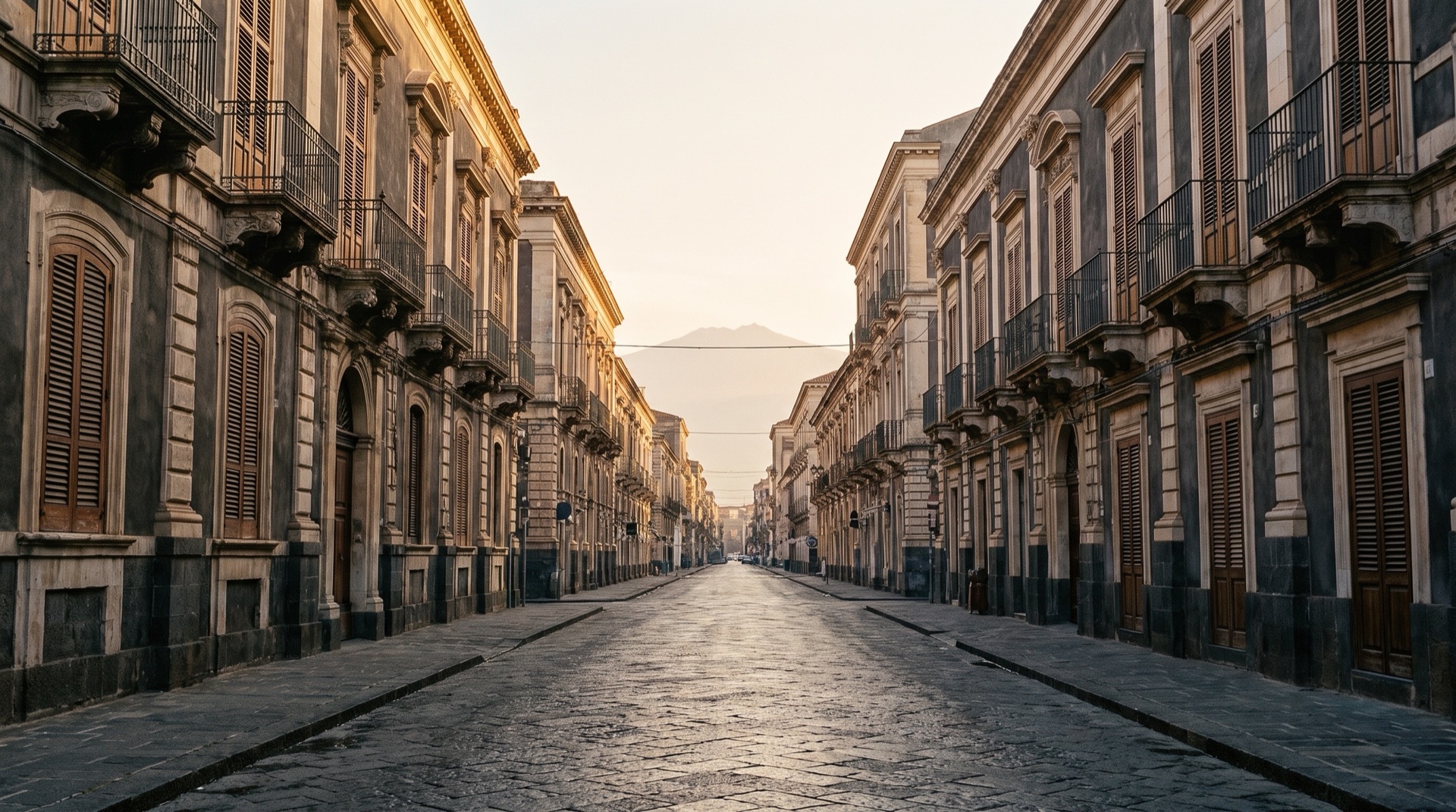
Catania Airport to Catania City Centre: 2026 Guide
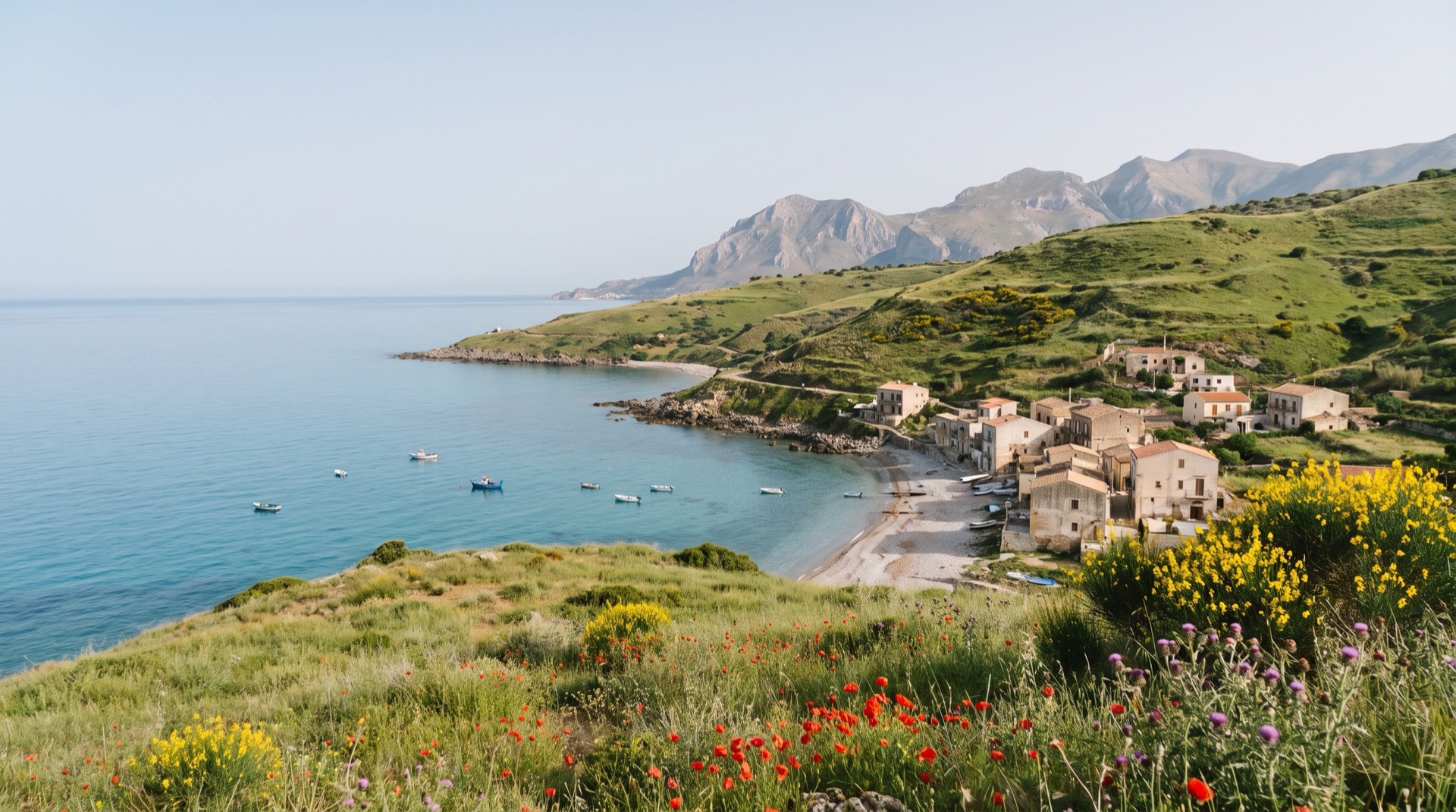
Best Time to Visit Sicily: Month by Month Guide
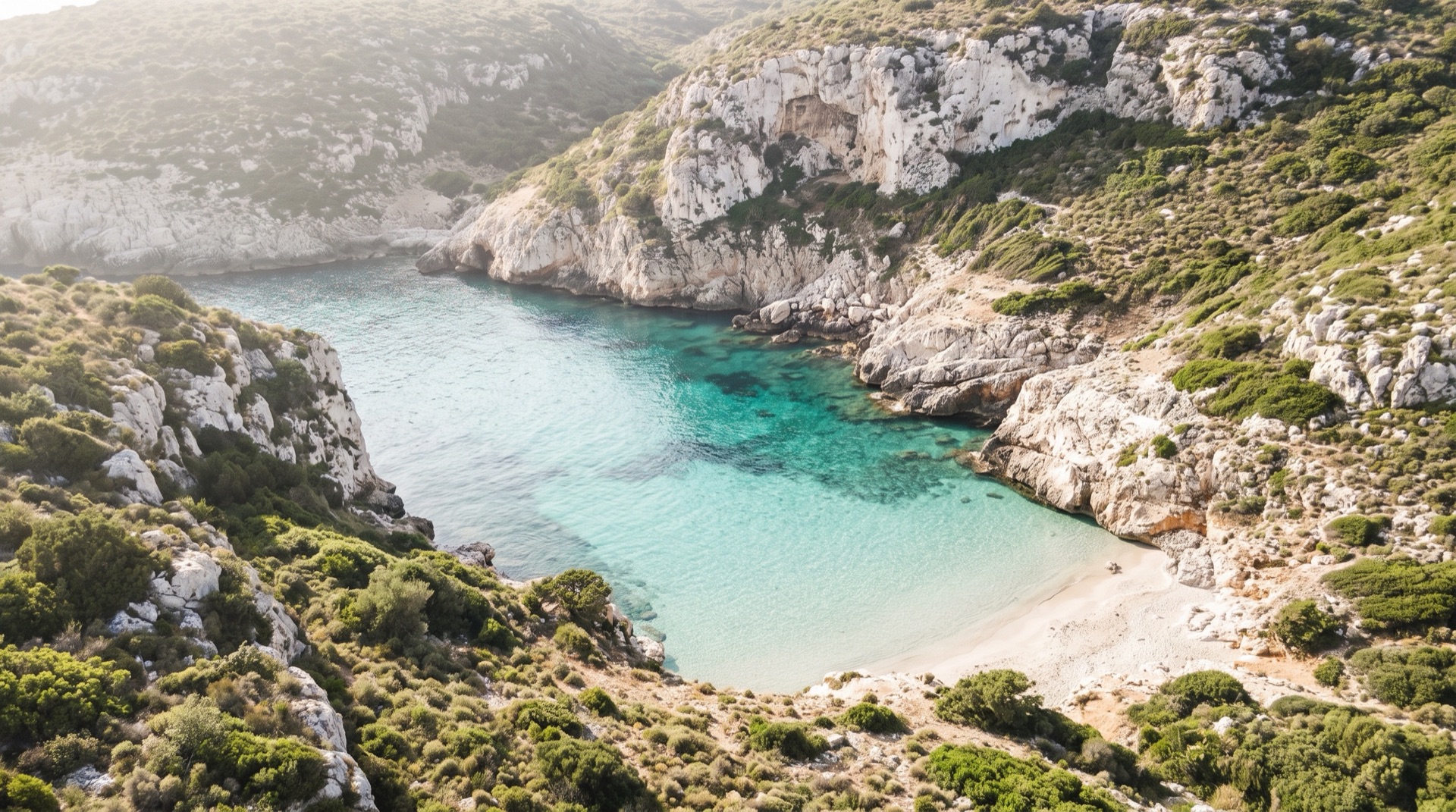
Best Beaches in Sicily: 12 Picks and How to Reach Them
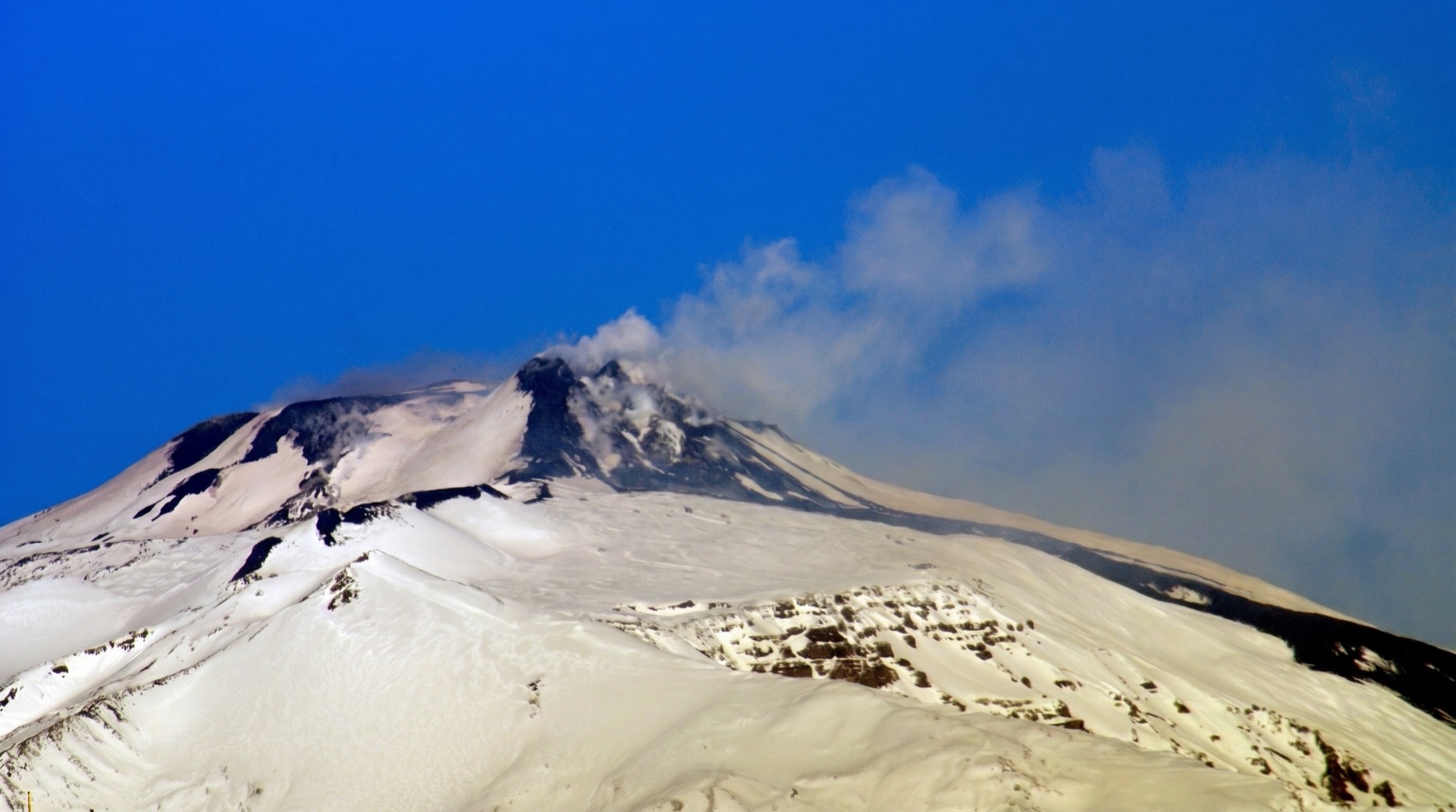
Mount Etna Tour from Taormina: How High You Can Go
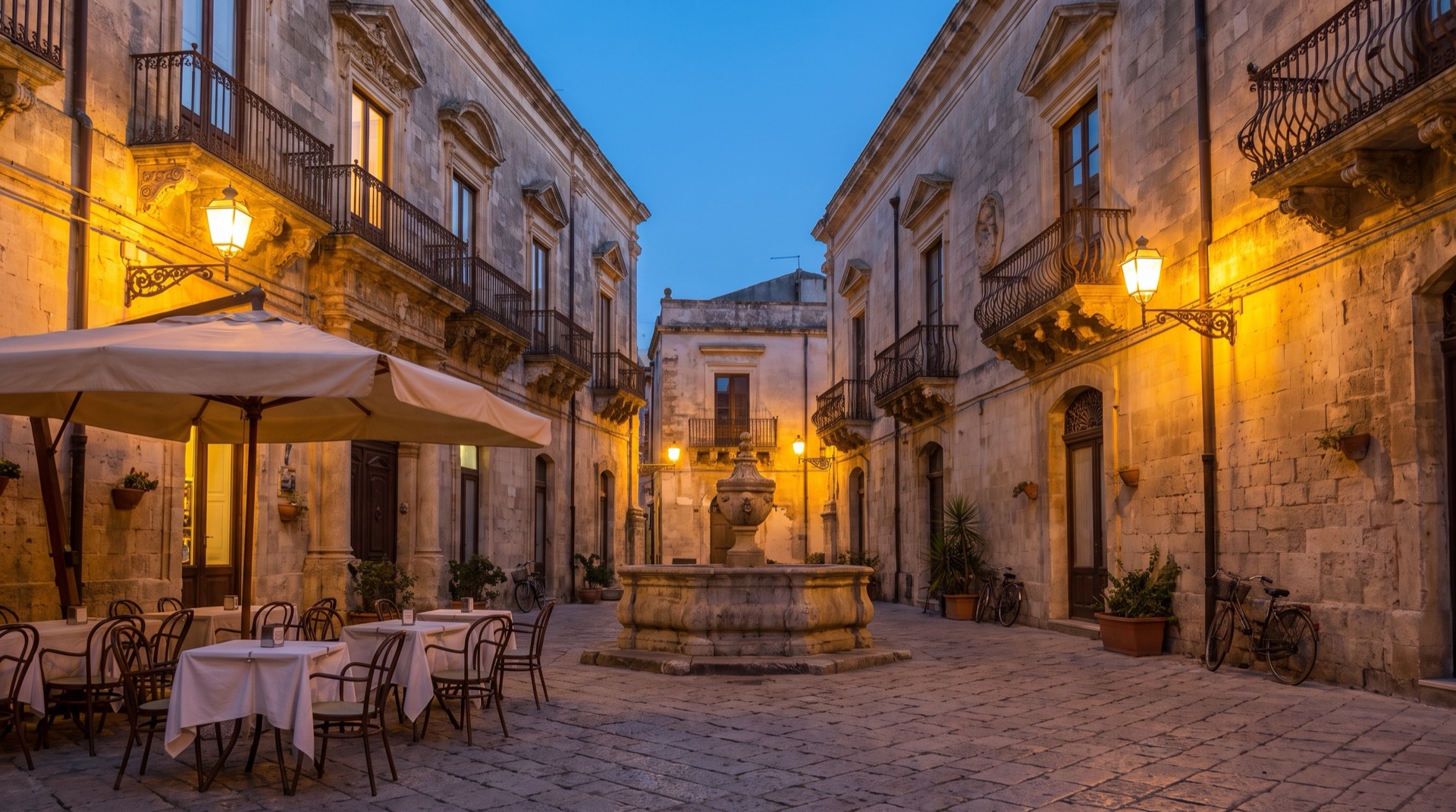
Is Sicily Safe? What the Data Actually Says in 2026
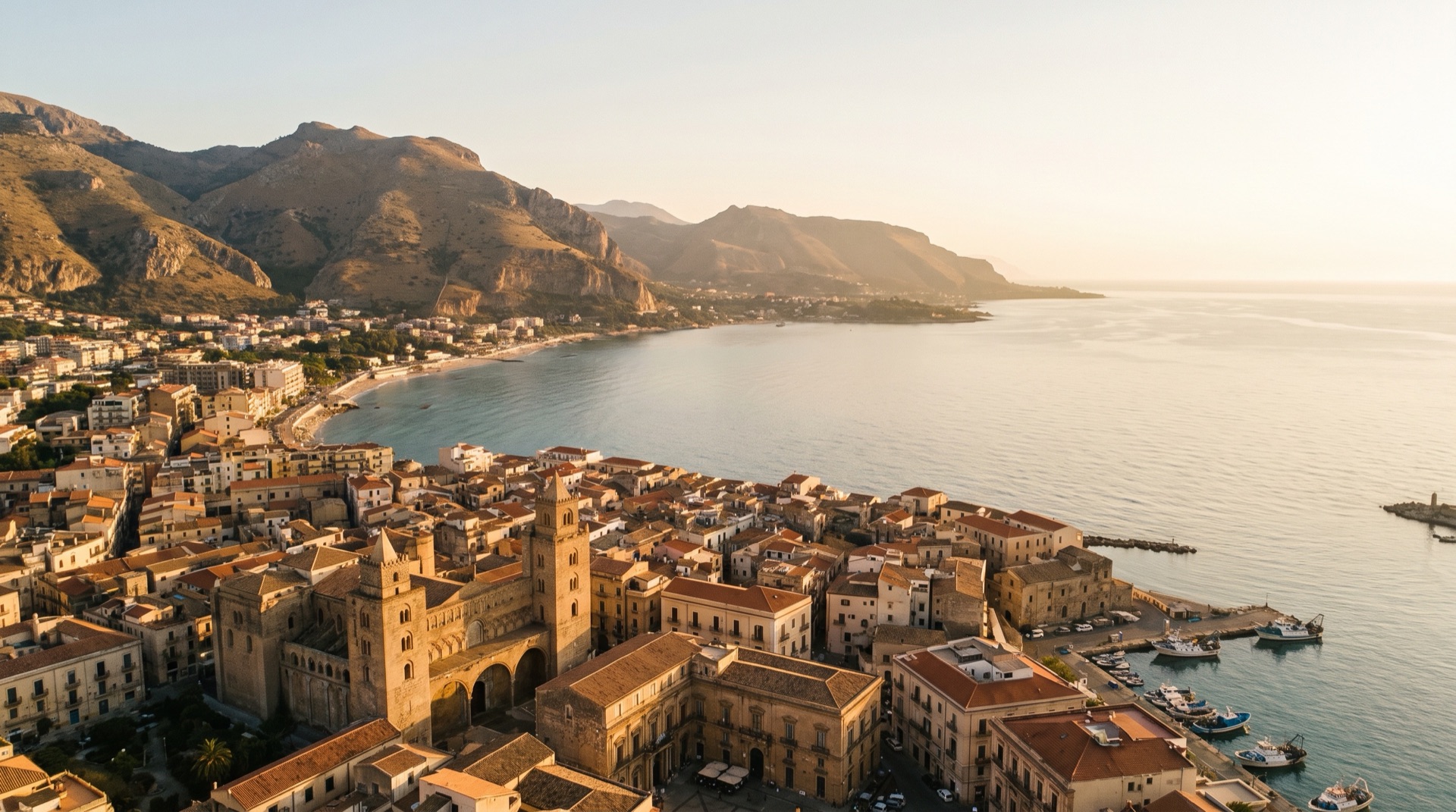
Palermo or Catania: Where to Start in Sicily
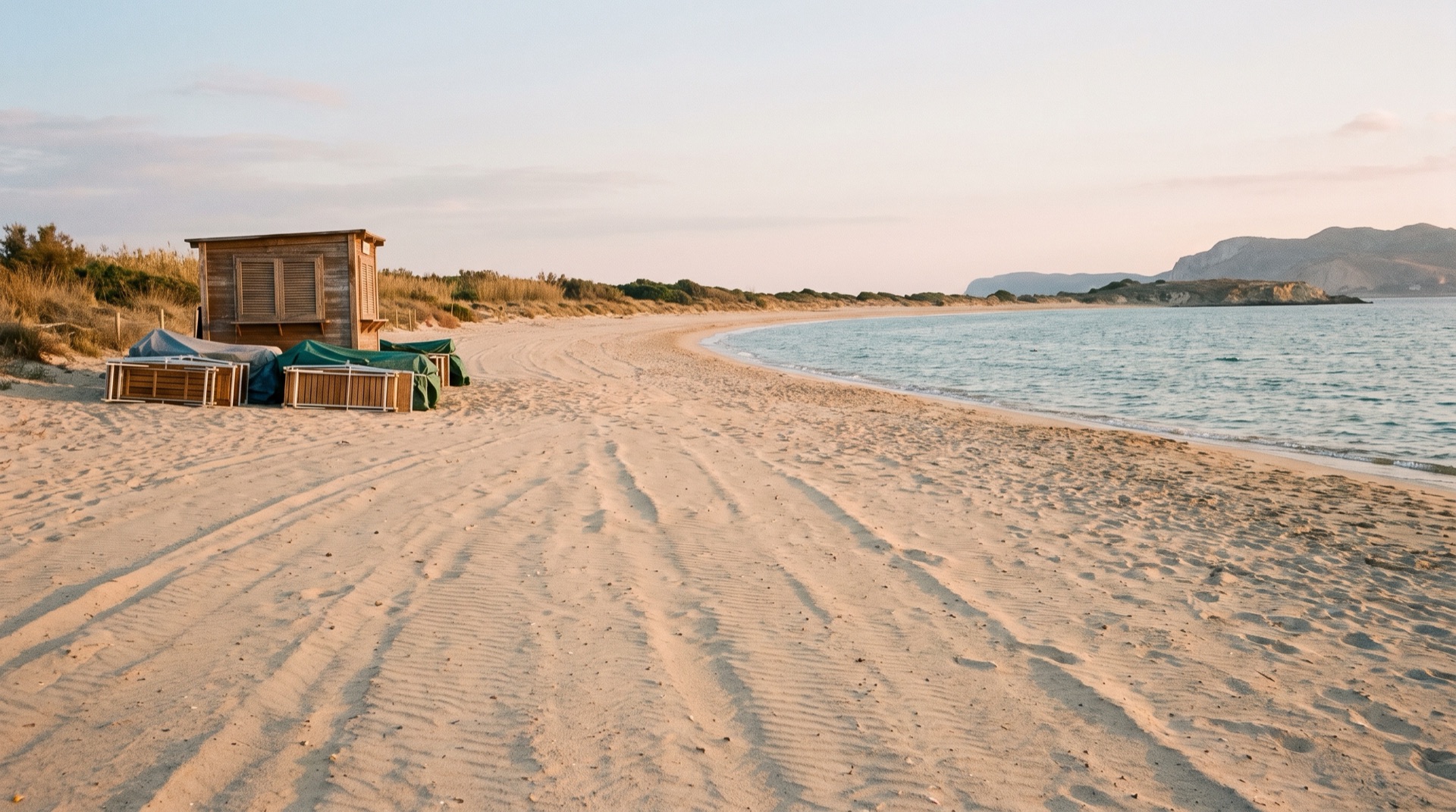
Sicily in October: Weather, Sea, Prices, What's Open
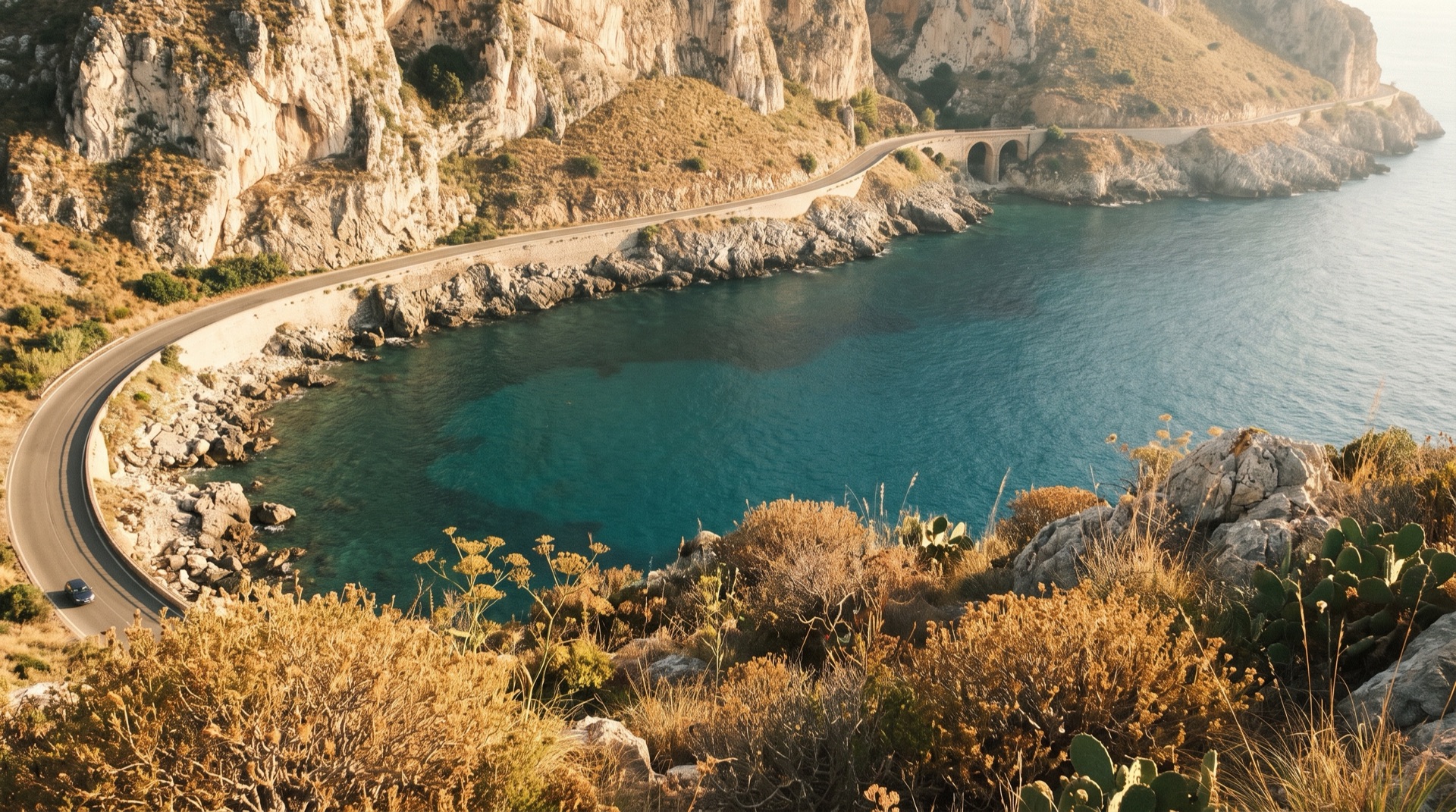
How Many Days in Sicily: 5, 7 or 14-Day Plans
Frequently asked
All in one place
Stays, tours, transfers and boat charters — one platform, one booking
Verified Hosts
Every property personally vetted by our team
24/7 Concierge
Local support from booking to checkout
Local Expertise
Based in Sorrento — we know every corner