Quick answer — the best time to visit Sicily
- Best overall: mid-May to late June, then September into the first half of October
- Warmest: August — Palermo averages a 30.5 °C high, Catania 33.3 °C; in August 2026 Palermo was under a level 3 red heat alert
- Swimming: the bathing season is set by regional decree — the 2025 decree ran 1 May to 31 October
- Most underrated: October — Palermo's average high (23.5 °C) is fractionally higher than May's (23.3 °C)
- Wettest: December, 123.7 mm over 12 rainy days in Palermo. Driest is July, 6.7 mm
Planning around the shoulder season? Start with the Sicily destination guide →
| Month | Palermo high / low | Catania high / low | Palermo rain (days / mm) | Verdict |
|---|---|---|---|---|
| January | 14.7 / 8.9 °C | 15.5 / 5.4 °C | 9 / 97.5 mm | Mild by day, cold at night |
| February | — | 16.1 / 5.4 °C | — | Sant'Agata, 3–5 Feb. Book far ahead |
| March | 16.4 / 9.6 °C | — | 8.7 / 78.2 mm | Statistically still winter |
| April | 18.7 / 11.4 °C | — | 8.6 / 65.1 mm | Sightseeing, not beach weather |
| May | 23.3 / 15.3 °C | 25.2 / 12.0 °C | 4.1 / 36.2 mm | Rain collapses, heat not yet here. First choice |
| June | 27.2 / 19.2 °C | 30.0 / 16.4 °C | 1.9 / 17.9 mm | Summer without August. Best month |
| July | 29.8 / 21.7 °C | 33.1 / 19.0 °C | 1.2 / 6.7 mm | Driest of the year. Hot |
| August | 30.5 / 22.7 °C | 33.3 / 19.9 °C | 2.4 / 31.8 mm | Hottest month. Heat and fire alerts |
| September | 27.5 / 20.1 °C | 29.8 / 17.6 °C | 5.4 / 65.3 mm | June's heat, schools back |
| October | 23.5 / 16.7 °C | 24.9 / 13.9 °C | 8.2 / 105.6 mm | Warmer by day than May. Rain returns |
| November | 19.0 / 12.9 °C | 20.1 / 9.6 °C | — / 117.5 mm | Wet. Rain close to December's |
| December | 15.8 / 10.2 °C | — | 12 / 123.7 mm | Wettest month. Umbrella weather |
Official climate normals from the WMO World Weather Information Service for Palermo (reference period 1971–2000) and for Catania, both supplied by the Aeronautica Militare — Servizio Meteorologico. Checked 13 August 2026. A dash means we did not take that figure from the record ourselves, and we would rather leave the cell empty than fill it from a weather app: follow the two links above for the full month-by-month series. The Catania record states no reference years, so we attribute none.
The short answer, and why it is not July
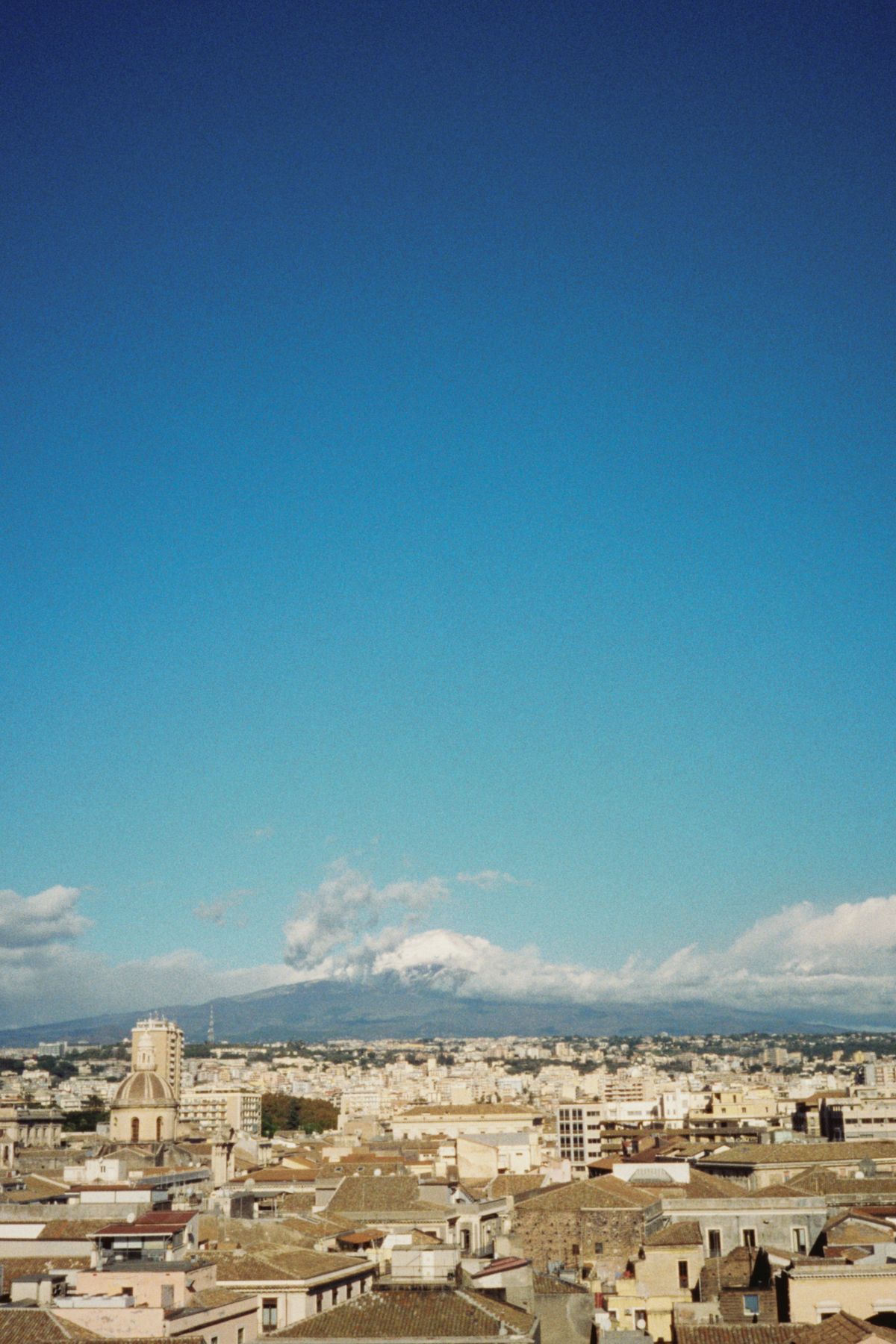
If your dates are free, go between mid-May and the end of June, or from the start of September to the middle of October. Look at the table with one question in mind: what does August give you that June does not? A daytime high in Palermo of 30.5 °C instead of 27.2 °C, and 22.7 °C at night instead of 19.2 °C. That is the upgrade. In exchange you take the island in the weeks Italy itself is on holiday, and — as 2026 showed — in the weeks that carry official heat and fire warnings. On hotel occupancy and airfares we have no verified Sicilian figures either way, so we will not put numbers, or adjectives, on either.
The one parameter where high summer genuinely wins is sea temperature, covered below. Everything else — walking around Palermo at two in the afternoon, climbing to the theatre in Taormina, getting a table in Noto — is better in the shoulder months. Considerably better.
May and June: the window we would book first
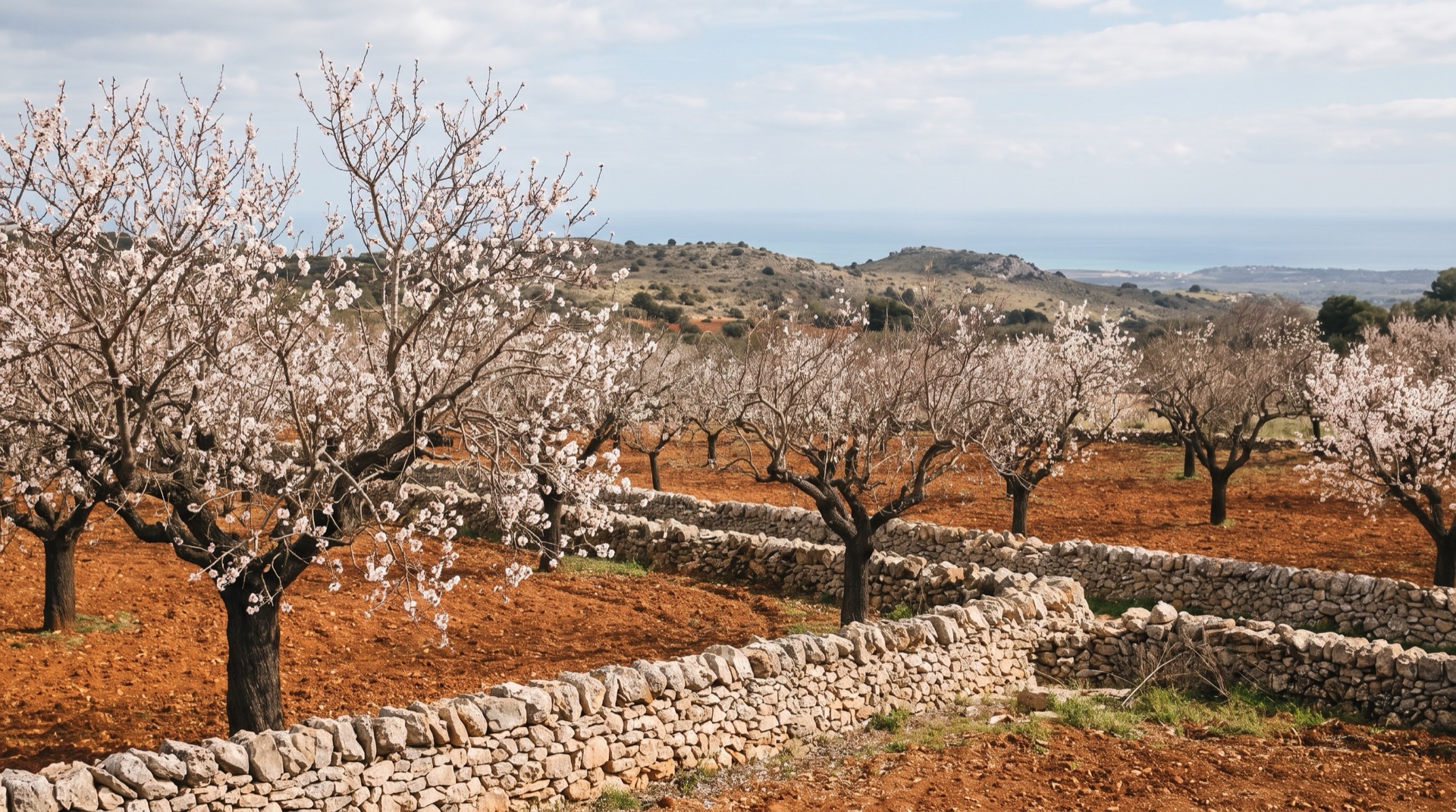
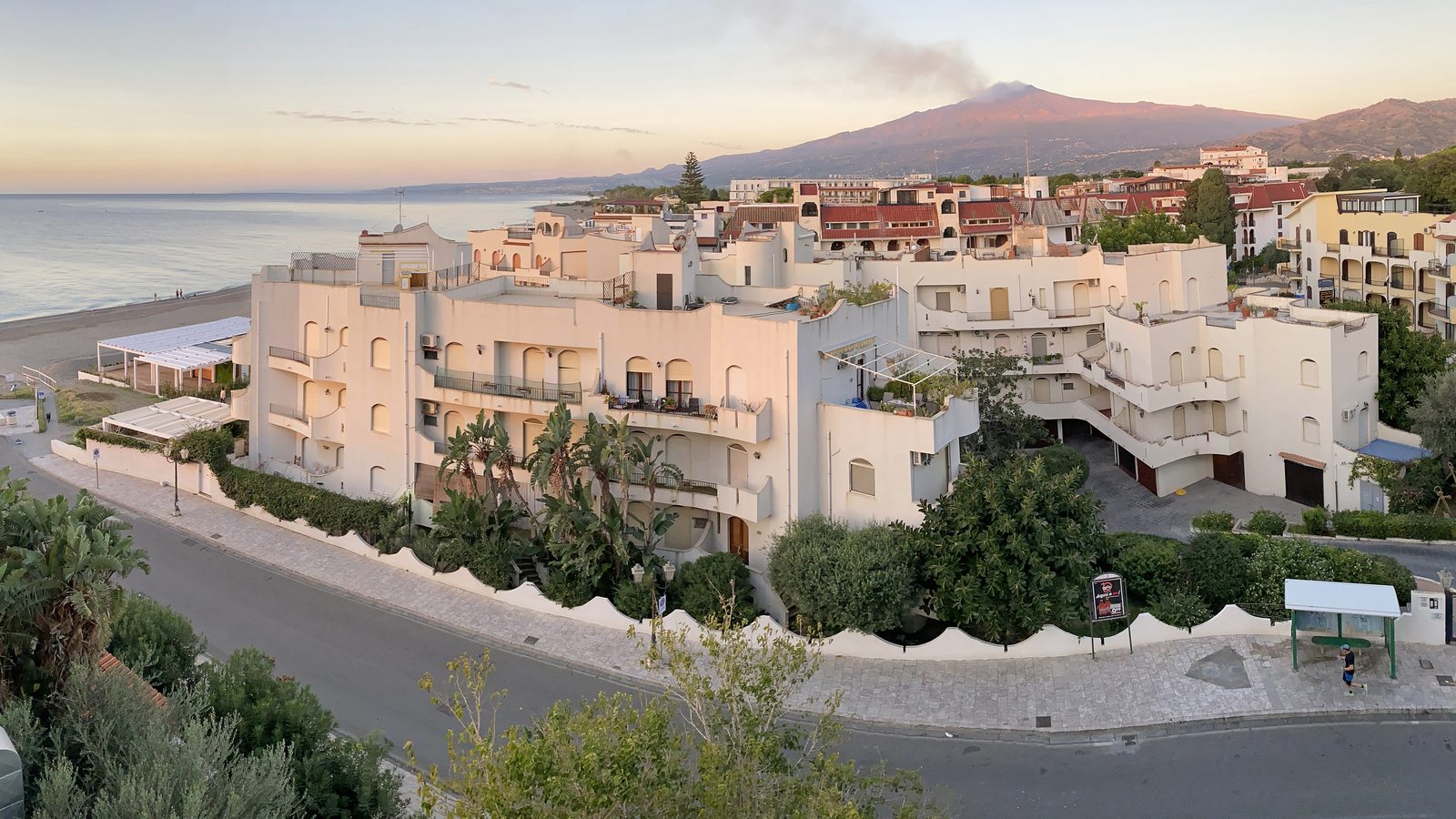
May is when Sicilian weather stops being a lottery. In Palermo the rain days fall from 8.6 in April to 4.1 in May and the monthly total from 65.1 mm to 36.2 mm, while the average high climbs to 23.3 °C — the biggest month-on-month improvement in the Sicilian year.
June then delivers summer proper without August's heat: 27.2 °C in Palermo, 30.0 °C in Catania, 1.9 rain days in the whole month. If you want one month combining beach-usable weather with a functioning island, June is it — and the cultural calendar agrees. The classical season at the Greek Theatre of Siracusa, the open-air productions staged by INDA, ran in 2026 from 8 May to 28 June. Not a July–August event: if a Greek tragedy in a fifth-century-BC theatre is on your list, the shoulder season is the only one. See Catania Airport to Siracusa and Siracusa.
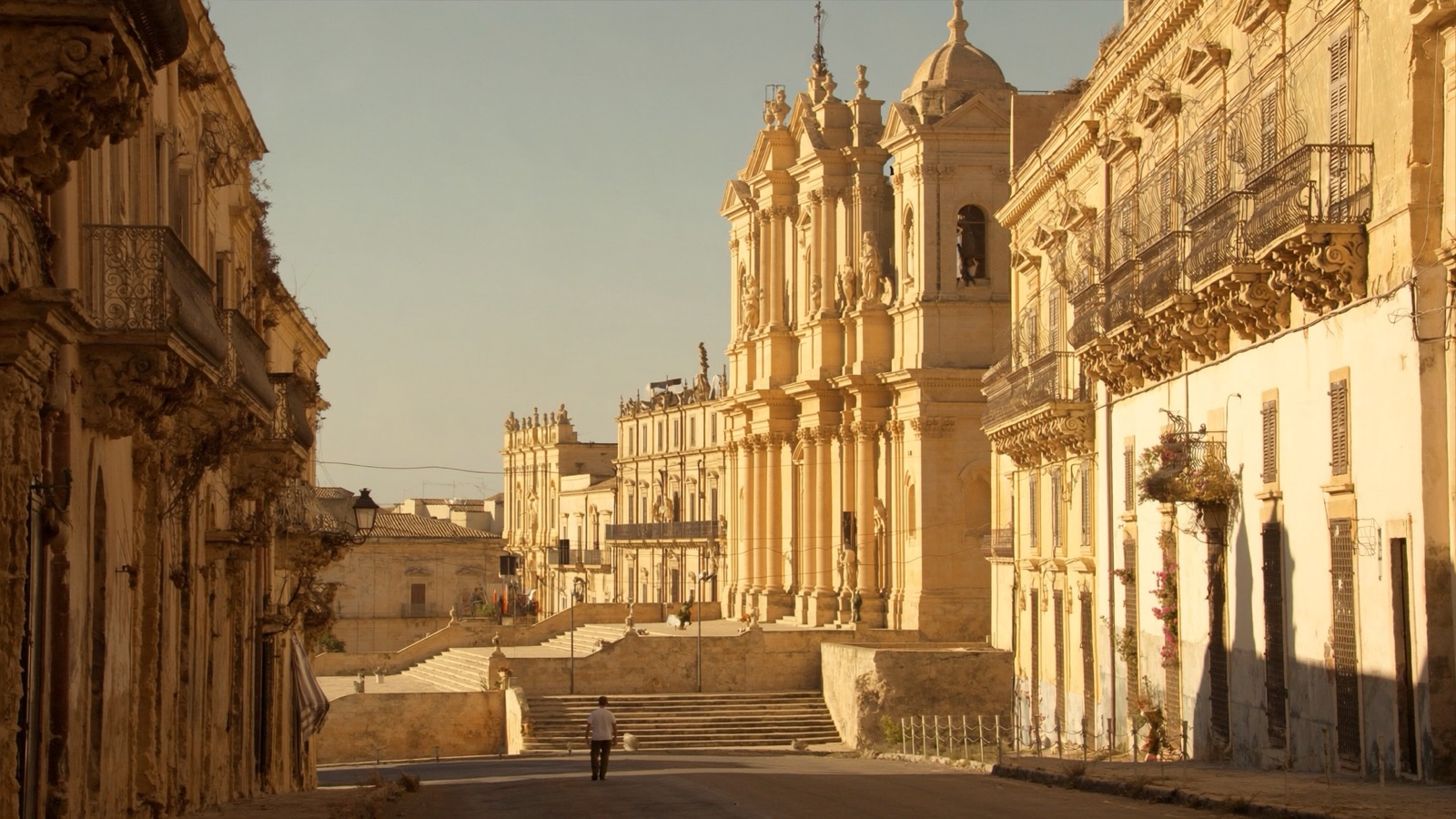
Two more June fixtures, both in Taormina: the Taormina Film Festival, 10–14 June 2026, and Taobuk, 18–22 June 2026 — again June, not August (see Catania Airport to Taormina). And in May, the event worth rearranging a trip for: the Infiorata di Noto, 47th edition, 15–19 May 2026, a floral carpet of more than 700 square metres laid up the slope of Via Nicolaci. The usual leg across the island is Agrigento to Noto.
Dates from the official Regione Siciliana listings for the INDA season, Taormina Film Festival, Taobuk and Infiorata di Noto, checked 13 August 2026. No 2027 dates published: the pattern, not a booking.
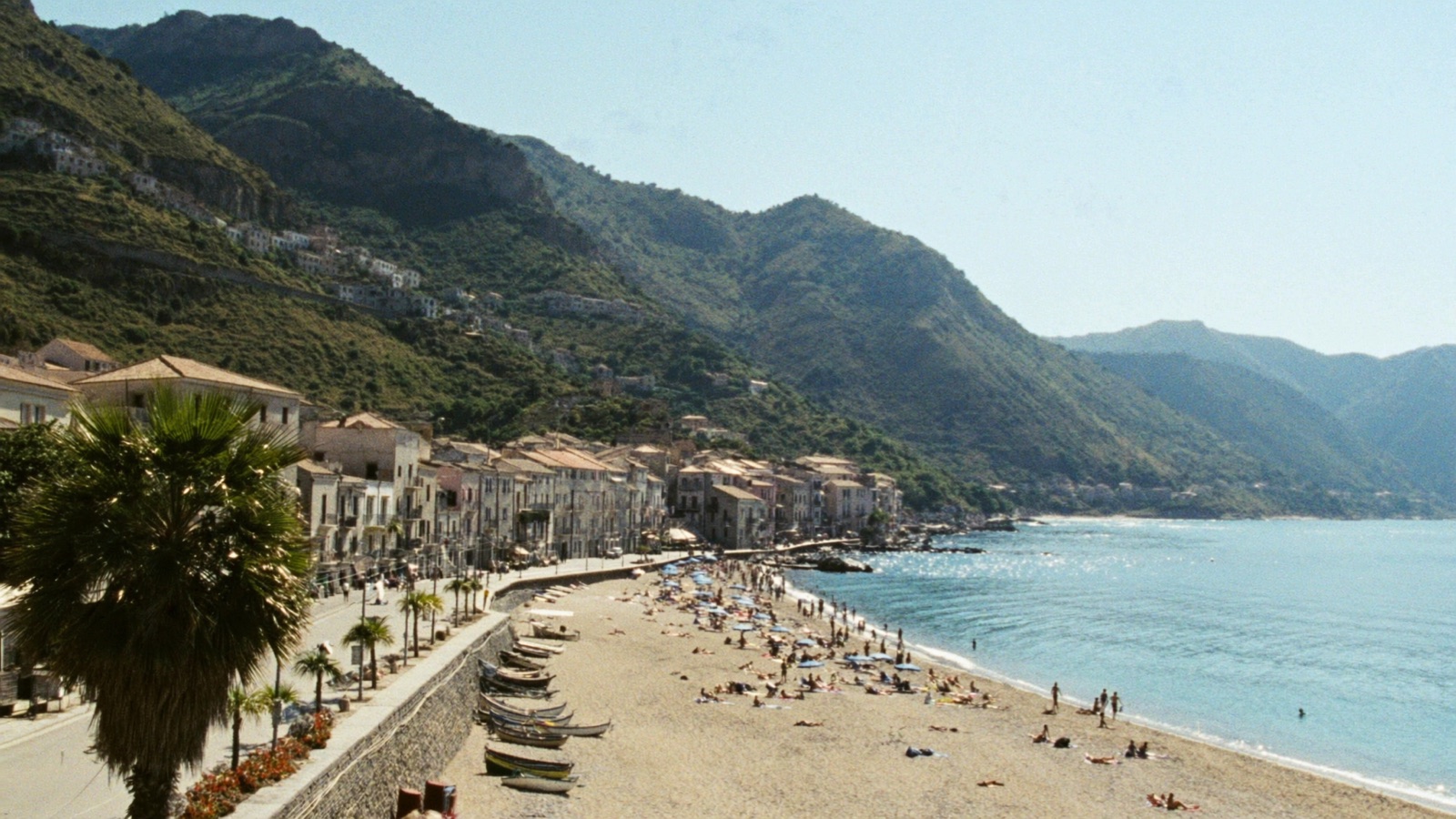
September: June's weather, without June's school holidays
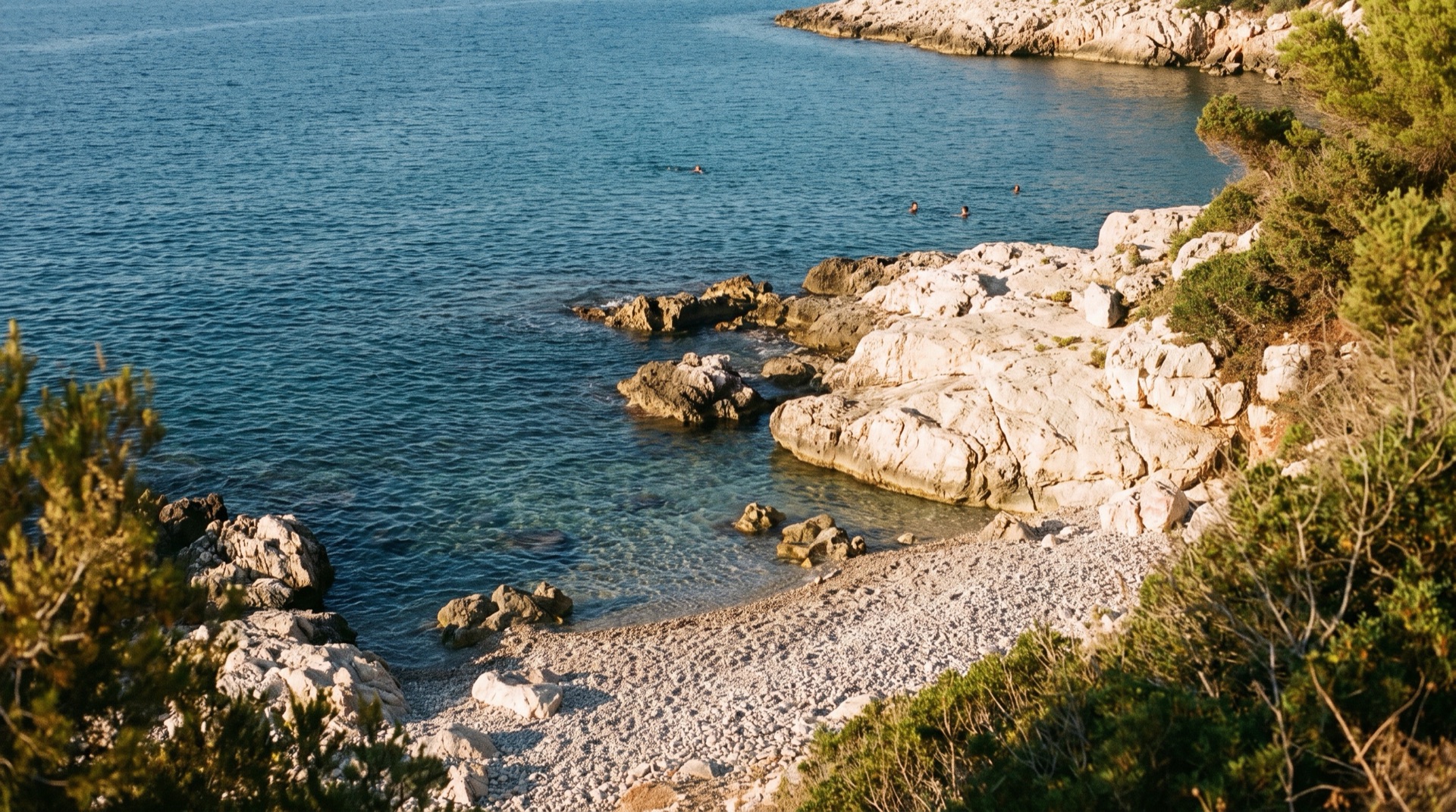
Here is the number that should settle a lot of September bookings. Palermo's average September high is 27.5 °C; its average June high is 27.2 °C. By the official record September is the warmer of the two by day. In Catania it is 29.8 °C against 30.0 °C — two tenths of a degree, which is to say nothing.
What changes is everything around the thermometer: Italian schools are back, Ferragosto is behind you, and the sea has had the whole summer to warm up. The caveat is that rain returns before the temperature drops — Palermo goes from 2.4 rain days in August to 5.4 in September, 31.8 mm to 65.3 mm. Not a wet month, but no longer the guaranteed blue of July.
September also holds the island's best food festival: the Cous Cous Fest at San Vito Lo Capo, 18–27 September 2026, 29th edition, with a world championship contested by eight nations, over twenty recipes served daily from midday to midnight and free concerts nightly on the beach. San Vito is far from any airport: see Palermo Airport to San Vito Lo Capo.
Source: the official Cous Cous Fest site, checked 13 August 2026. The 2027 edition was not yet published.
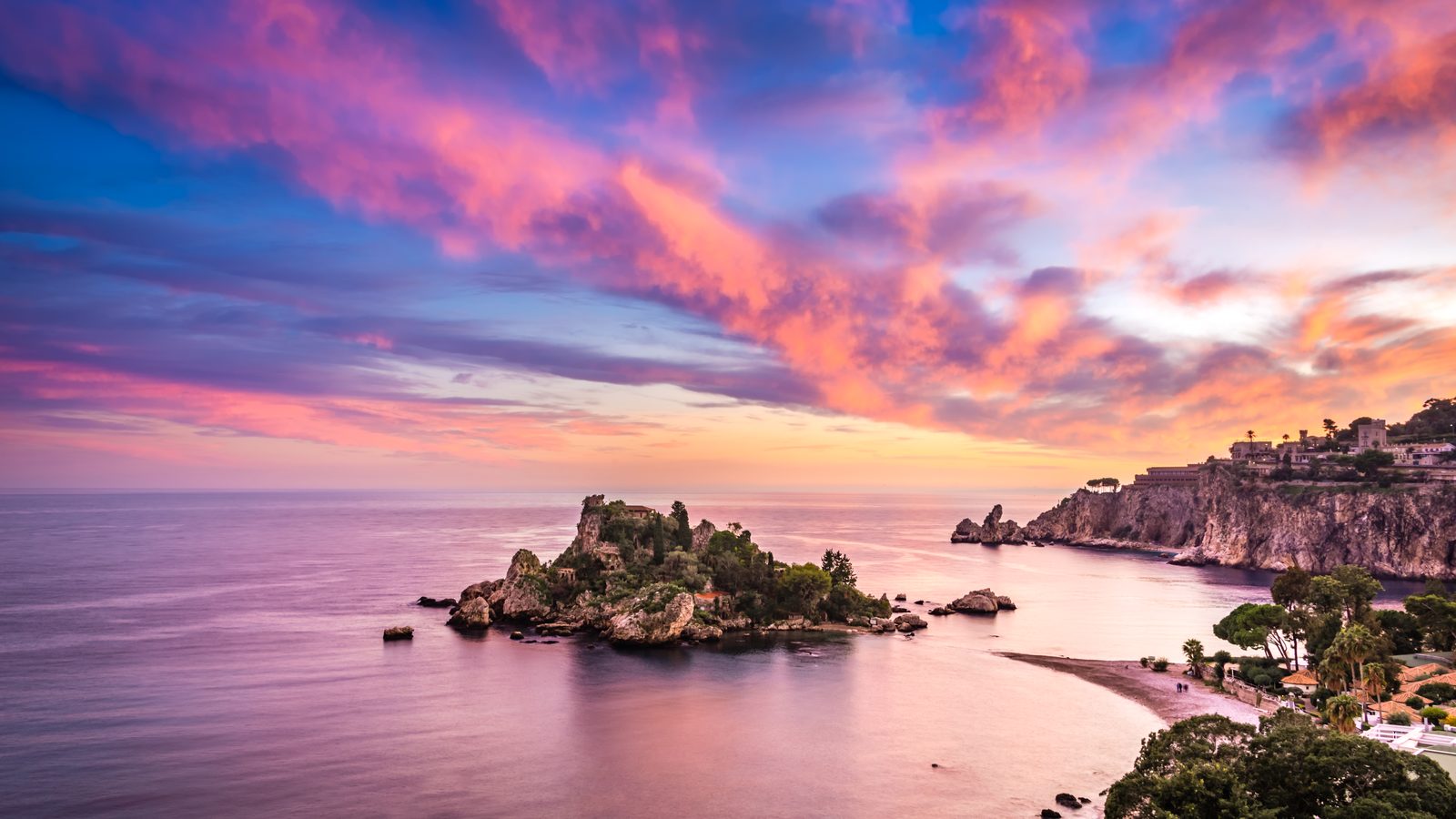
The uncomfortable part: October beats May, and almost nobody says so
Palermo's average October high is 23.5 °C. May's is 23.3 °C. On the official normals October is the warmer month by day, and its average low of 16.7 °C also beats May's 15.3 °C. Every guide that calls May a lovely warm month and October the start of winter is contradicting itself on the numbers.
You can still legally swim. The Sicilian bathing season is fixed by decree, not opinion: Decreto Dirigenziale n. 323 of 21 March 2025, from the Regione Siciliana's Dipartimento Attività Sanitarie e Osservatorio Epidemiologico, set the 2025 season from 1 May to 31 October. Officially, in Sicily, you swim until Halloween.
The island is not shut. The region's own calendar listed more than thirty events across Sicily for October 2025 alone: Ibla Buskers in Ragusa (9–12 October), the 67th Settimana Internazionale di Musica Sacra in Monreale (10–17 October), the Seacily boat show (16–19 October), the Castelbuono Funghi Fest (24–26 October). And every Sunday, the Ottobrata Zafferanese at Zafferana Etnea on Etna's eastern flank — 5 to 26 October in 2025 — the principal autumn food festival, built on wine, mushrooms, chestnuts and honey.
Now the gamble. Palermo's October rainfall is 105.6 mm across 8.2 rain days, nearly three times May's total. That is the trade: May's warmth, a legal swimming season and a full autumn festival calendar, for roughly one wet day in four.
There is a hedge. The two official records disagree sharply on October rain — 105.6 mm at Palermo against 62.7 mm at Catania — so if a wet week would ruin the trip, weight the days towards Catania. Two station records are not two coasts, though, and there is no WMO record for Cefalù: we cannot tell you how its October compares with either. If you go, see Palermo Airport to Cefalù.
Sources: ARPA Sicilia (DDG 323/2025), the Regione Siciliana events calendar, Ottobrata Zafferanese. Checked 13 August 2026. Only the 2025 decree was published: read 1 May – 31 October as the shape of the season, not as confirmed future dates.
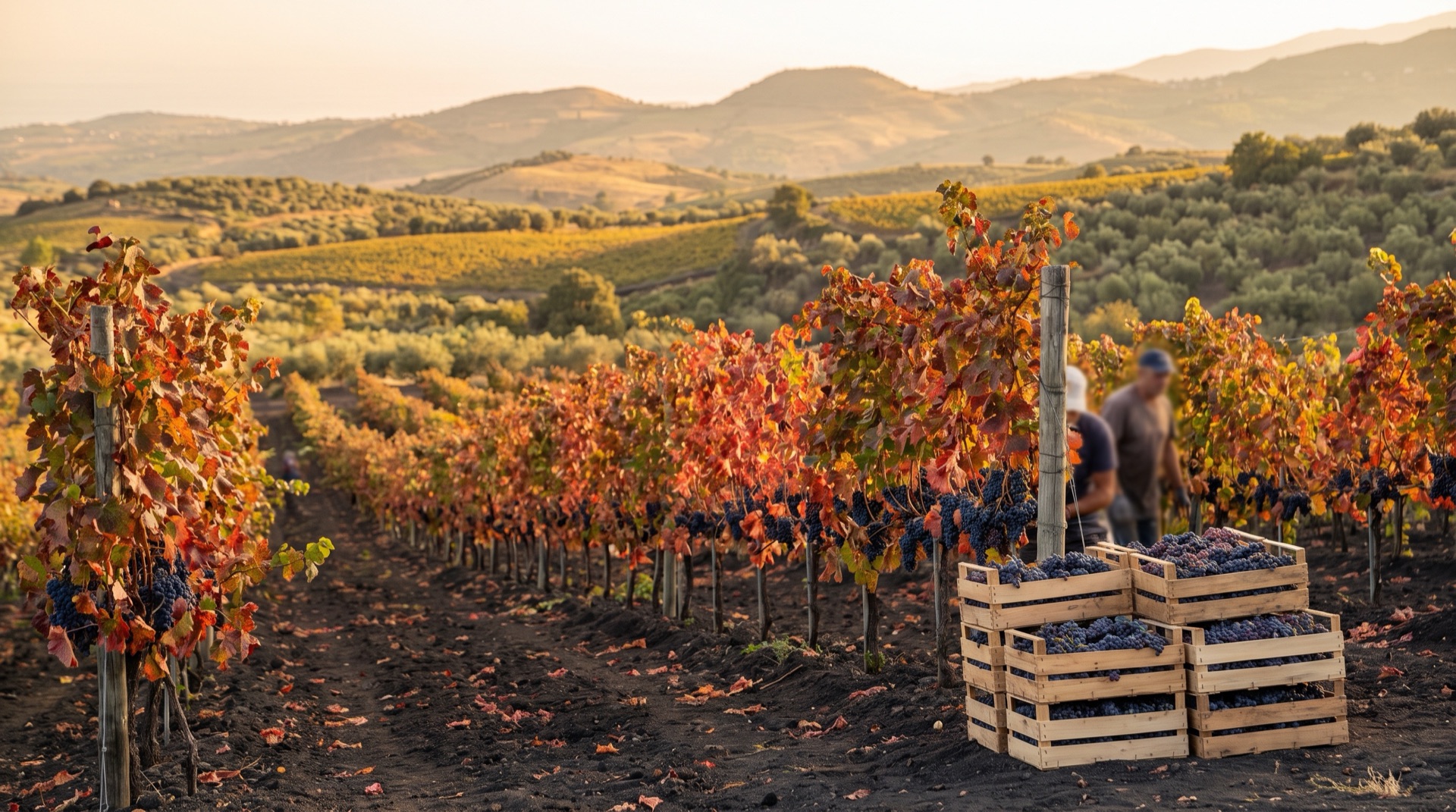
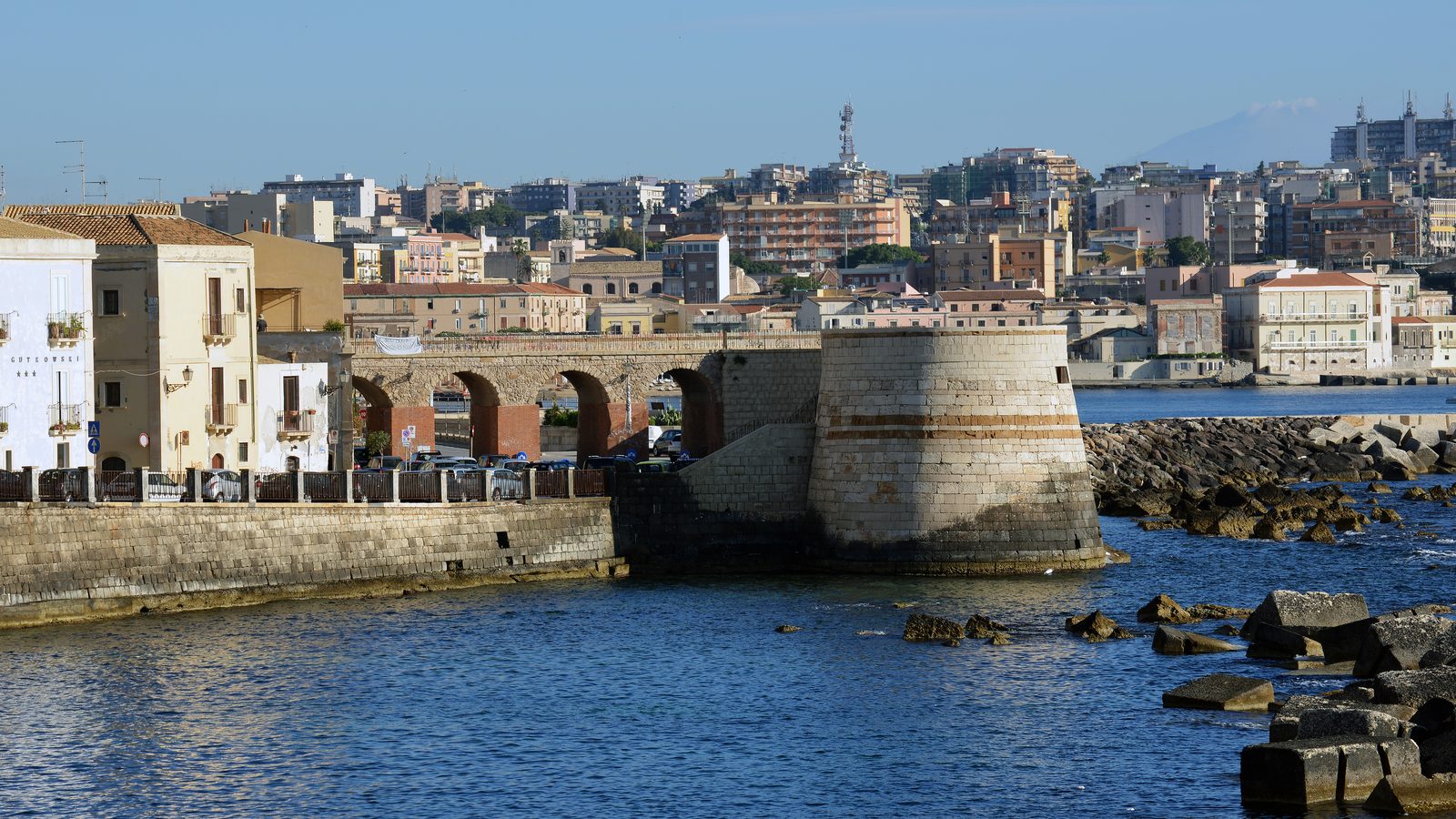
July and August: what you are actually buying
Plenty of people have no choice about August, and we will not pretend it is unusable — it just needs describing accurately. August is the hottest month of the Sicilian year: 30.5 °C average high in Palermo, 33.3 °C in Catania. July is the driest, with 6.7 mm of rain in Palermo across 1.2 rain days and 5.7 mm in Catania across 0.6. Catania runs about three degrees hotter than Palermo by day in high summer, so if you are heat-sensitive and locked into high season, favour the north-west coast and stay near the sea. See Catania and, for the arrival, Catania Airport to the city centre — the one Sicilian city where we would skip the hire car altogether.
What has changed is the official framing of the heat. On 12 August 2026 the Comune di Palermo issued, for the next day, an orange alert for fire risk and a level 3 red alert for heat waves, maximum perceived temperature 37 °C: a municipality telling its own residents to stay indoors. Worth knowing before booking a mid-August walking tour.
Ferragosto needs its own warning. For 2026 the mayor of Palermo signed an ordinance banning gatherings, picnics and fires in the Parco della Favorita, across the whole Monte Pellegrino reserve and on the city's beaches, from 13 to 16 August. The Ferragosto beach barbecue is a real Sicilian tradition; it is also, increasingly, a prohibited one.
The compensation is real. The Festino di Santa Rosalia, on the evening of 14 July, carries the triumphal chariot from the Palazzo dei Normanni to Porta Felice and closes with fireworks at the Foro Italico; the Comune reported nearly 400,000 spectators for the night of 15 July 2026, the 402nd edition, in what it called torrid heat. To understand Palermo in one night, that is the night — but do not expect to move quickly through that crowd, and sort your bed before you commit to the night.
Sources: Comune di Palermo weather notice, Ferragosto ordinance, Comune di Palermo release of 16 July 2026, official Festino site. Checked 13 August 2026.
The sea: what is verifiable, and what we refuse to invent
The commonest question about Sicilian timing is when the water is warm enough, and our answer will annoy some readers. We could not find one official Italian source publishing a monthly sea-temperature climatology for Sicily. Not one that we could open, read and link, which is the only kind we quote. The numbers on travel sites are modelled or scraped, and we will not reprint them under our own name.
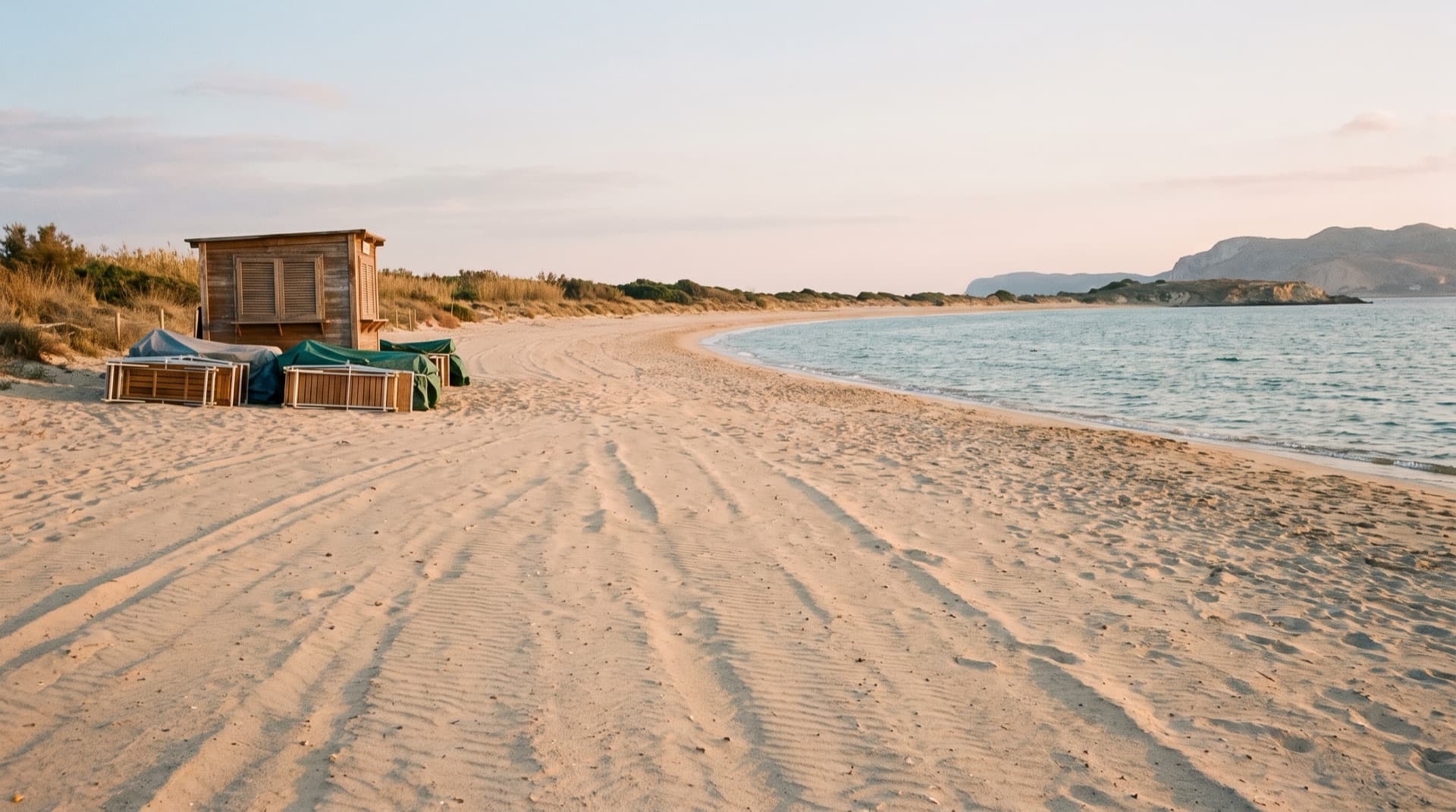
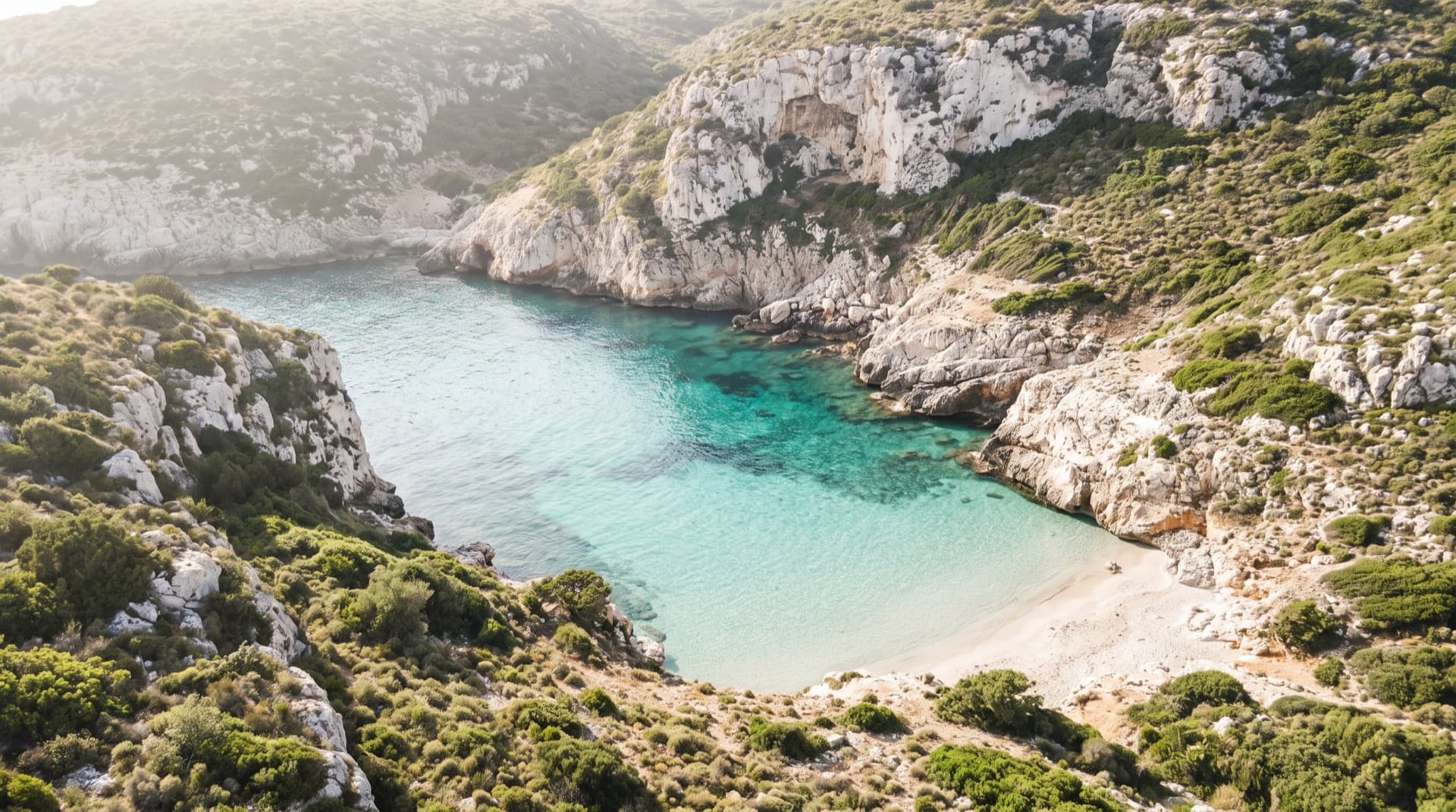
What is official is the season: bathing from 1 May to 31 October, the state of Sicily saying the water is fit for swimming across six months. Read the shoulders of that window for what they are: legally open, and colder than August.
Water quality is on the record too, and good: in 2024 640 of 835 monitoring stations, or 81.8%, were classified "excellent" by ARPA Sicilia, a figure that peaked at 94.7% in 2014 and bottomed at 78.2% in 2021.
One practical note no chart gives you: the beach clubs that rent umbrellas and serve lunch do not follow the decree. Their opening dates depend on municipal seabed concessions, which we could not verify — a legally open season in late October does not guarantee a bar on the sand. Which lidos are still serving on your dates is a question for the lidos themselves, and we have no verified answer by area — including for the far south-east, reached via Palermo Airport to Marzamemi.
Source: ARPA Sicilia — Rapporto Integrato 2025 (2013–2024), checked 13 August 2026.
Etna does not follow the tourist calendar
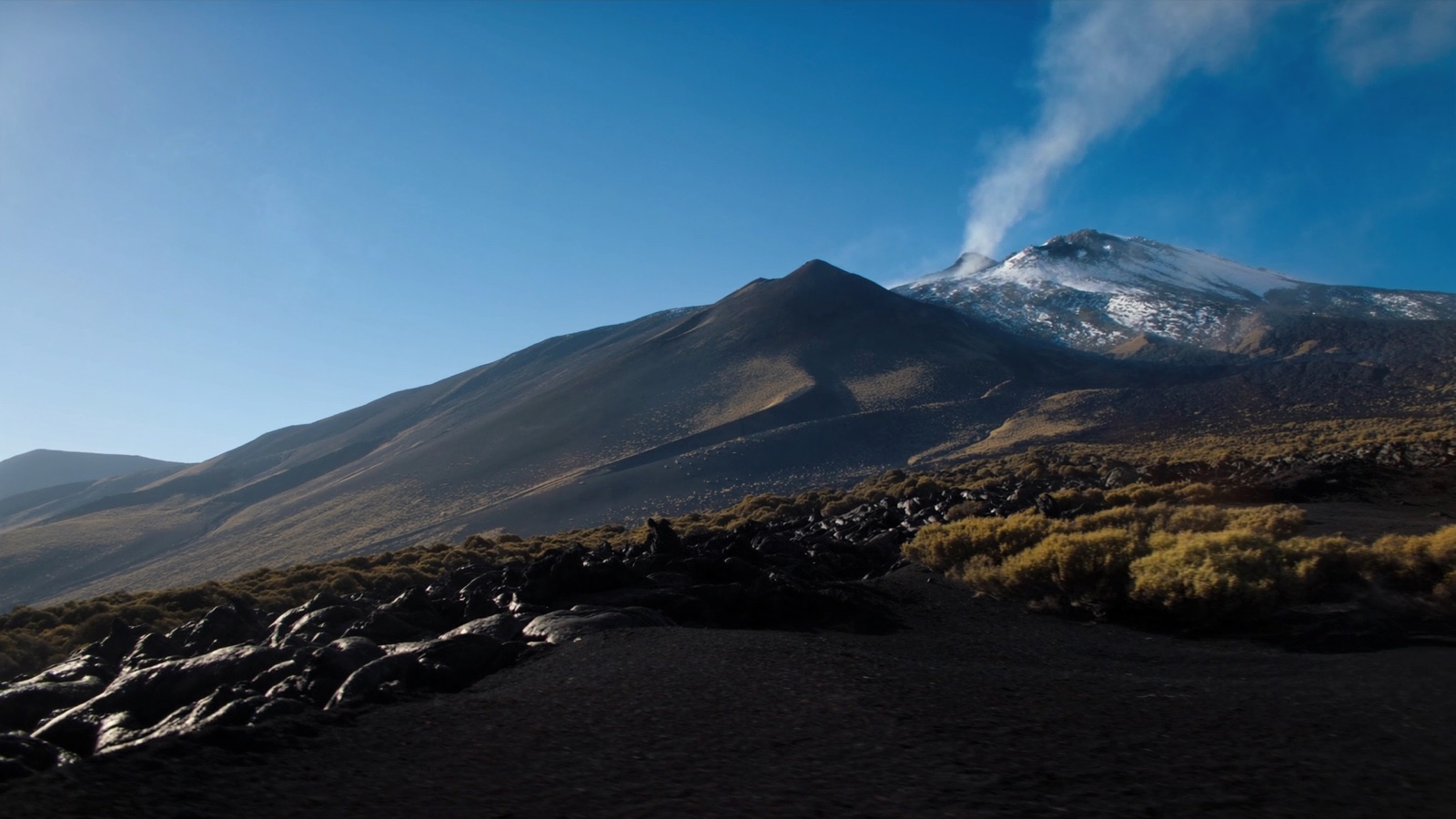
If Etna is a reason for your trip, the month matters far less than the volcano's mood. The Parco dell'Etna, created by regional decree on 17 March 1987 as Sicily's first park, covers 59,000 hectares around the highest active volcano in Europe. Inside it the "Zona Sommitale" — summit craters, the upper Valle del Bove to 1,700 m, and everything above roughly 2,500 m — is governed by civil-protection alert phases, not by season.
What was in force when we checked, in August 2026: with the local operational phase at ATTENZIONE, hiking in the Zona a Pericolosità Permanente is permitted only with a licensed Alpine or Volcanological Guide, in suitable clothing, with a mandatory helmet. Access is rationed: 10 hikers per guide, groups departing at 15-minute intervals, no more than 300 hikers a day. Hard exclusion distances apply — no closer than 300 metres in a straight line from the base of the South-East Crater cone, and no closer than 50 metres to the edges or fronts of active lava flows.
Then the part that ruins plans. At PREALLARME the zone is forbidden to everyone; at ALLARME the whole Summit Zone above 2,500 m closes with immediate evacuation. These bite automatically the moment the DRPC Sicilia / INGV bulletin is issued, no new ordinance needed — the ETNAS alert system has worked this way since 1 April 2022. A booking made in March grants you nothing in July if the mountain is talking.
The cable car at Piazzale Rifugio Sapienza above Nicolosi runs every day of the year, weather permitting, from 1,923 m to 2,500 m, with 4x4 buses beyond — snowcats in winter — up to whatever altitude is allowed that day. The "Tour 3000" (cable car, 4x4 or snowcat and a guide, about 2.5 hours) costs €82.00, open ticket valid 08:30 to 15:15; the 2,500 m option alone costs €54.00, 08:30 to 16:45, last descent 17:15. So there is no best month for Etna, only a best habit: check the alert phase days before you go, and keep a plan B.
Sources: Ente Parco dell'Etna; Comune di Belpasso ordinance no. 135 of 10 August 2026, published by the park authority; Funivia dell'Etna. Checked 13 August 2026 — alert phases change without notice.
Winter: mild, wet, and worth it for the right trip
Sicilian winter is not cold the way northern Europe understands cold: Palermo's January average high is 14.7 °C, Catania's 15.5 °C. In a good week you eat outside at lunchtime in January.
Two things spoil the postcard. First, rain: December is the wettest month of the Palermo year, 123.7 mm over 12 rain days, November 117.5 mm, January 97.5 mm. Second, the night: Catania's January and February average lows are 5.4 °C, almost eleven degrees below the February daytime high. That gap is a spring problem too — in May Catania averages 25.2 °C by day and 12.0 °C at night, a 13.2 °C swing against Palermo's 8.0 °C. Take a jacket in May.
Winter gives you the island at its least performative. The Valley of the Temples at Agrigento is open every day of the year, 08:30 to 20:00, last entry an hour before closing: there is no low season in which it shuts. Walking it in January, out of the summer heat and with no seasonal closure to work around, is the best version of that visit — see Palermo to Agrigento, then Agrigento to Erice or Agrigento to Ragusa.
Winter also holds the biggest religious festival in Sicily. Sant'Agata in Catania falls on 3, 4 and 5 February every year and draws up to a million people: candles and fireworks in Piazza Duomo on the 3rd, the reliquary bust out for a day-long procession on the 4th, the second procession and the climb of Via San Giuliano on the 5th. Arrive without knowing and you are sharing the city with that crowd; arrive on purpose and it is one of the great sights of Mediterranean Europe. A second date, 17 August, marks the return of the relics in 1126, of which 2026 is the ninth centenary. Noto has its own — San Corrado, 19 February and the last Sunday of August, urn carried on shoulders and the barefoot "viaggio scausu" — calendared for 19 February 2027, the only 2027 date we could confirm anywhere.
Sources: Parco Archeologico Valle dei Templi; Visit Sicily and the Comune di Catania; Comune di Noto. Checked 13 August 2026.
What actually closes, and what only seems to
"Everything shuts out of season" is the laziest claim in Sicilian travel writing, and mostly wrong. Some things do close — just not the ones people expect. The Riserva dello Zingaro and the Monte Cofano reserve were open every day, 07:00 to 19:00, when we checked on 13 August 2026 — that is the summer notice, and we have no confirmation it holds in January, so check the reserve before driving out for a winter afternoon. Entry in flip-flops, slides or wedge shoes is prohibited — a rule, not a suggestion. When we checked, the bivouac shelters were suspended and only the route marked in red on the official map was walkable at Zingaro. Even when they run, the bivouacs are available only between 15 October and 15 May: in summer they are not an option at all, so the shelter calendar is the exact inverse of the tourist one. Castellammare del Golfo is the natural base — see Palermo Airport to Castellammare del Golfo.
On transport, the real trap is the day of the week, not the month. The Ferrovia Circumetnea — the narrow-gauge railway that circles Etna — and its bus lines are suspended on Sundays and public holidays; the timetable in force dates from 16 March 2026, the summer bus timetable from 29 June 2026. A Sunday plan built around it does not exist. The Catania metro, also FCE, runs Monday to Thursday 06:00–22:30, Friday and Saturday 06:00–01:00, Sunday and holidays 07:00–22:30, suspended only on 25 December and Easter Sunday — year-round, and a good reason not to hire a car for the city.
Two honest gaps. We could not verify which Sicilian rail lines are suspended for works, so do not assume a route is running without checking RFI or Trenitalia on the day. Nor could we verify access to the Scala dei Turchi at Realmonte, repeatedly placed under judicial seizure and closure orders — check with the Comune before building a day around it.
Sources: Riserva Naturale Orientata dello Zingaro; Ferrovia Circumetnea. Checked 13 August 2026.
Crowds and prices: what we can prove, and what we cannot
We would like to hand you a chart of monthly arrivals in Sicily. We cannot: airport passenger figures sit behind a call we could not reach, Eurostat's tourism dataset does not carry Italian NUTS-2 regions, and we did not obtain ISTAT arrivals by month. Any month-by-month visitor table online is, at best, an estimate.
What is provable is the shape of the peaks, because municipalities count their own festivals: up to a million people for Sant'Agata, nearly 400,000 for one July night of the Festino. Those are the two moments a Sicilian city is genuinely full — and one of them is in winter. Our read — stated as an opinion, because we have no series to back it — is that pressure follows the Italian school calendar and Ferragosto more closely than it follows the weather. The one part of that we can show you is the weather half: Palermo averages 27.2 °C in June and 27.5 °C in September. The climate barely moves between those two months. What moves is the calendar.
One honest note about getting around
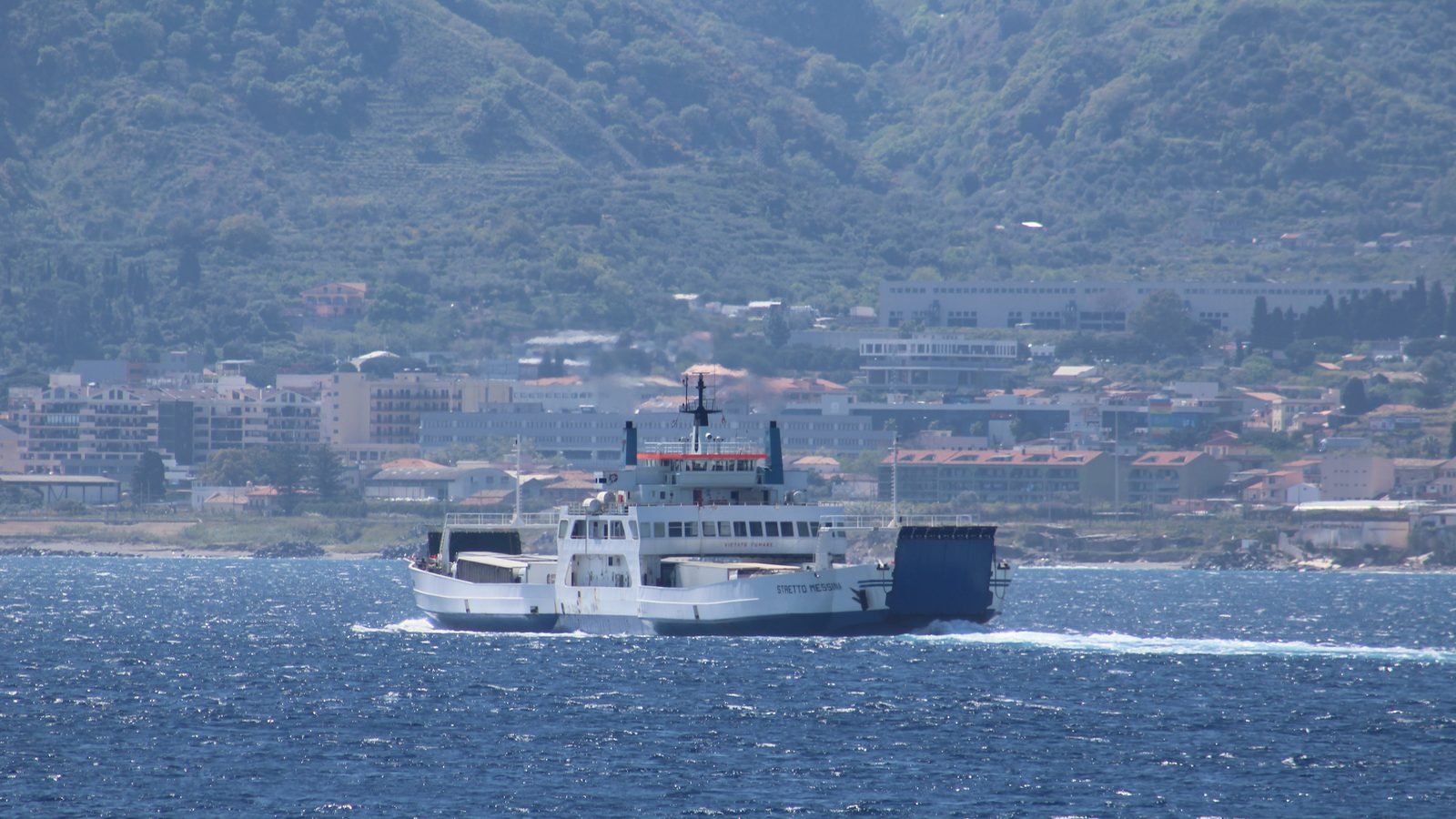
Inside Catania the FCE metro runs every day except 25 December and Easter Sunday, which is reason enough not to hire a car for the city. On trains between cities we can only hand you a check, not an answer: we could not verify which Sicilian lines are suspended for works, so confirm the route with RFI or Trenitalia before you build a day on it. The Circumetnea does not run on Sundays or public holidays, its bus lines switch to a separate summer timetable — the one in force since 29 June 2026 — and the journeys that matter most, an airport to a hill town, a cruise port on a tight window, a day inland, are the ones where in our experience the timetable does not line up with the plan. That is where a car with a driver earns its place: Messina cruise port to Taormina, Palermo Airport to the city late at night, Milazzo to Catania Airport after the Aeolian ferry. Fixed price per vehicle, confirmed at booking — the figure sits on each route page, because it comes from the real tariff, not from an article.
What to re-check before you book
Everything here was verified on 13 August 2026 against official sources. Four things move:
- The bathing-season decree. Only the 2025 decree was published when we checked; 1 May – 31 October is the established pattern, not a guaranteed future date.
- Etna's alert phase. Closures are automatic on the DRPC Sicilia / INGV bulletin. Check the park authority and the cable car days before, not months before.
- Festival dates. Only the 2026 calendar was published, plus San Corrado at Noto on 19 February 2027. Confirm with the comune first.
- Rail works and site access. Line suspensions and beach closure orders change without much warning.
One thing will not move: if you can pick any two weeks of the year, pick the second half of May, the second half of June, or the whole of September. The records have said so for thirty years.
Travelling in the shoulder season, when the timetable does not help
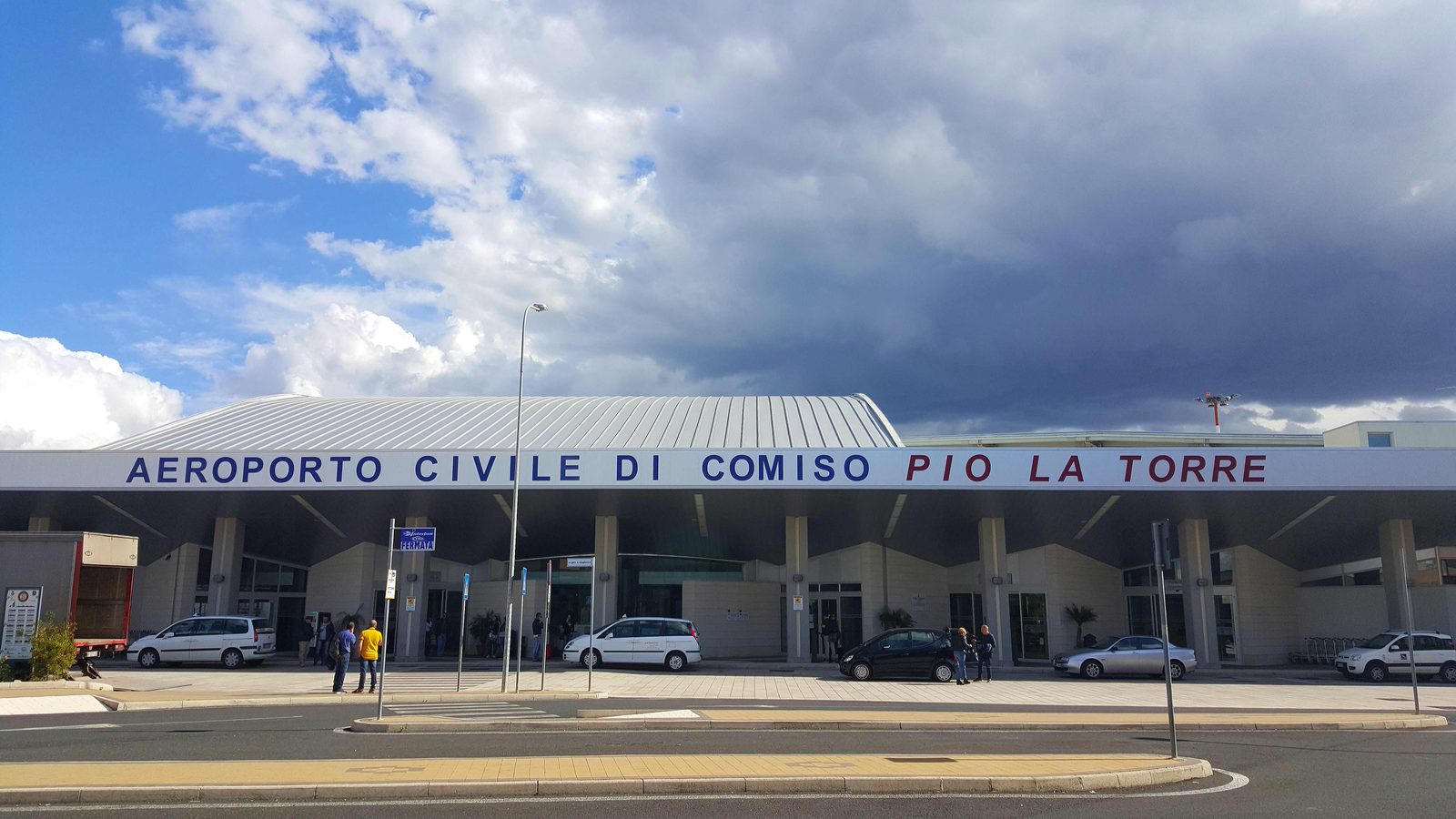
May, June, September and October are the best months to be in Sicily, and an airport to a hill town at an awkward hour is the leg no timetable solves in any month. A private transfer from Catania Airport or from Palermo Airport puts a driver in arrivals with your name, tracks the flight if it is delayed, and takes one vehicle to your address at any hour. Fixed price per vehicle, confirmed at booking.
Plan the rest of the island
Start with the overview in Sicily, then the cities: Palermo, Catania, Siracusa, Taormina, Noto and Cefalù. For the arrival legs, see Catania Airport to Giardini Naxos, Trapani Airport to Trapani, Palermo Airport to Sciacca and Palermo Airport to Menfi, or browse all private transfers from Palermo Airport.