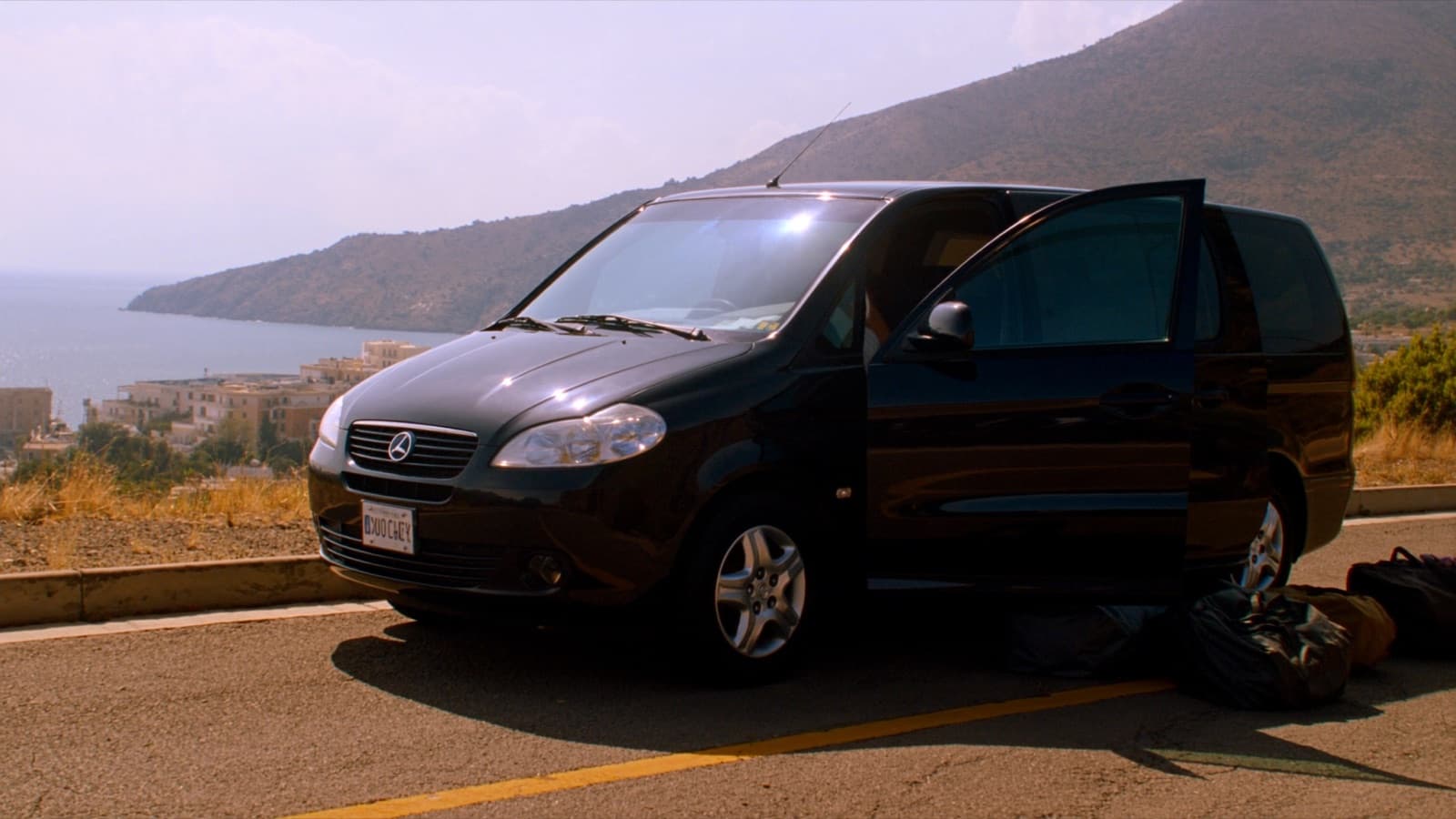
Private transfer
Catania Airport (CTA) · about 1 h 15
The simplest way to do Noto and Siracusa on the same day, with a drop-off at Porta Reale — beyond it the corso is on a slope and full of staircases.
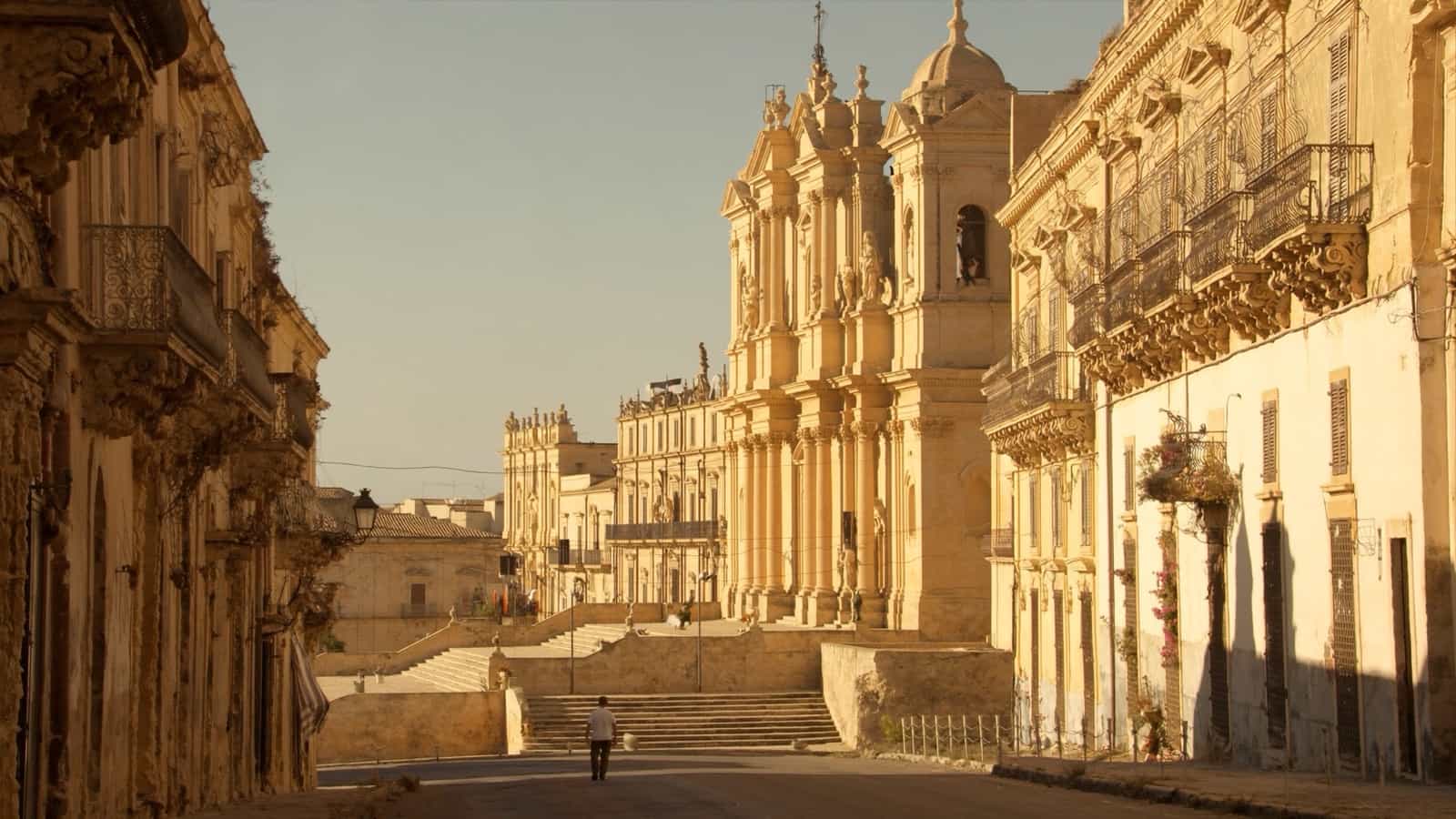
A whole city designed at once, in one stone, after the 1693 earthquake. Three squares in a row, six carved balconies, and limestone that tur
A whole city designed at once, in one stone, after the 1693 earthquake. Three squares in a row, six carved balconies, and limestone that turns gold at six in the evening.
Noto is a Mediterranean destination in Sicilia, Italy. Browse handpicked vacation rentals, guided tours and experiences, boat charters and airport transfers, then book directly with the local hosts and drivers behind each listing.
Catania Airport is about an hour and a quarter away. Most people see Noto in half a day and pair it with Siracusa half an hour north, which is what makes a car or a transfer the sensible way here rather than the train.
Catania Airport (CTA) · about 1 h 15
The simplest way to do Noto and Siracusa on the same day, with a drop-off at Porta Reale — beyond it the corso is on a slope and full of staircases.
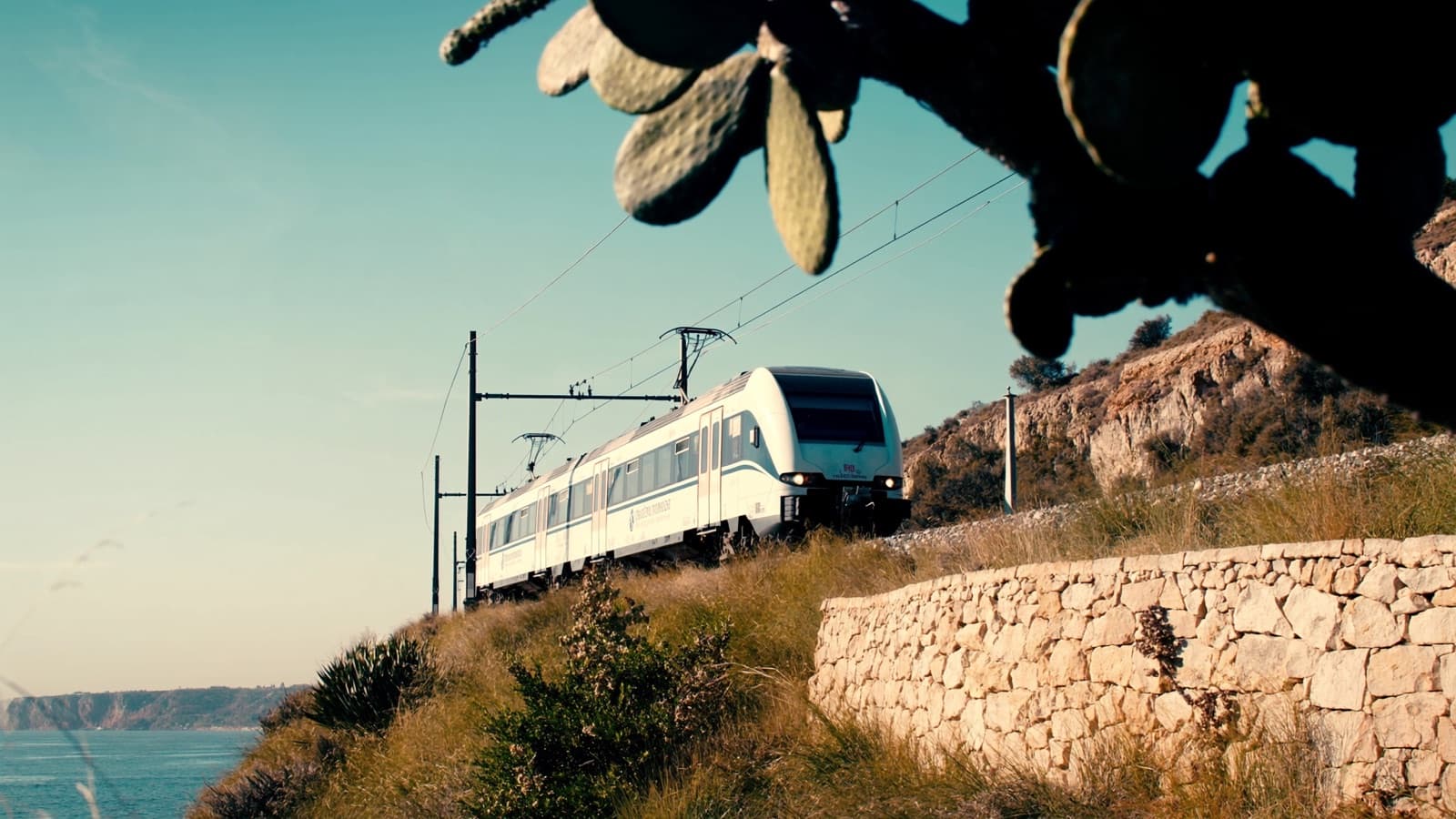
Siracusa · about 30 min
A secondary line with few departures a day. It works if your day is built around it; it does not if you want Noto in the late afternoon light and Siracusa for dinner.
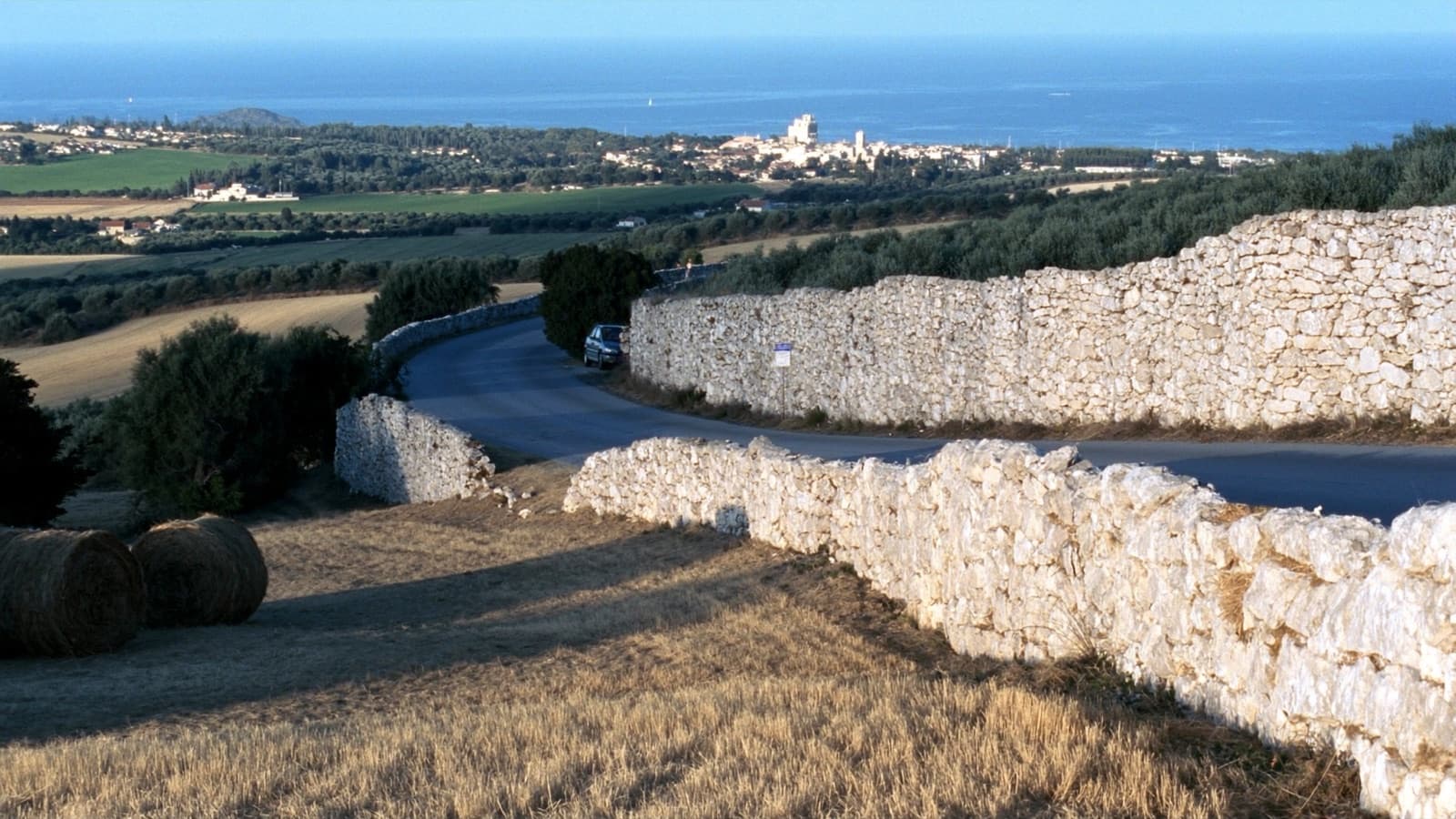
E45, Noto exit · 30 min from Siracusa
The most flexible option for the Val di Noto, where the good things are spread out: Vendicari, Marzamemi, Modica and Ragusa Ibla. Park just outside Porta Reale.
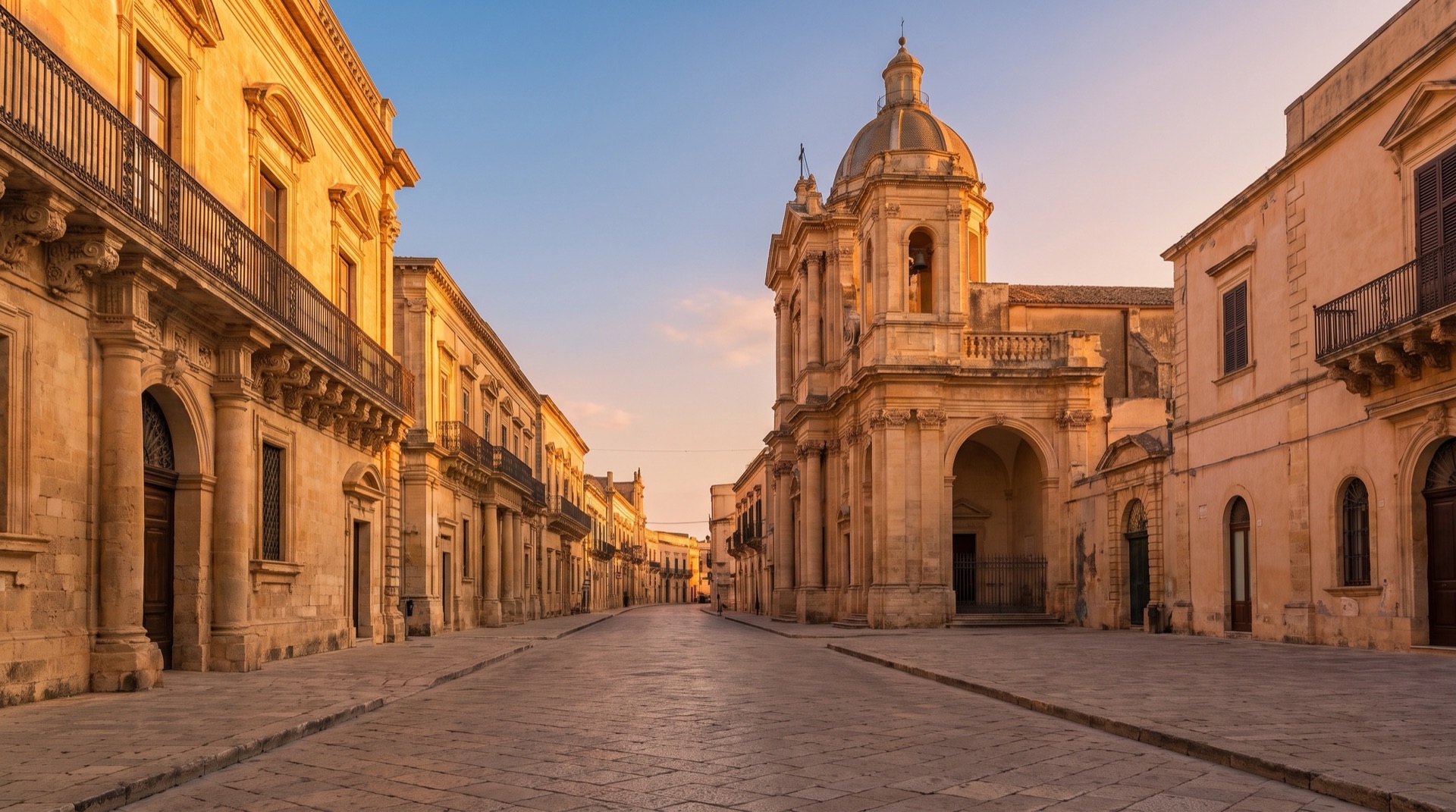
Noto is a stage set, and it was built to be one: three parallel streets follow the contour lines, and the central one crosses three squares in a row, each with its church staged like a backdrop. The whole thing is one stone and one moment.
 Photo: BlueKeys
Porta Reale to Piazza XVI Maggio · The staged street
Honey limestone the whole length, with a church closing each of the three squares. Walk it at six in the evening, when the stone turns gold: that is the hour it was designed for.
 Photo: BlueKeys
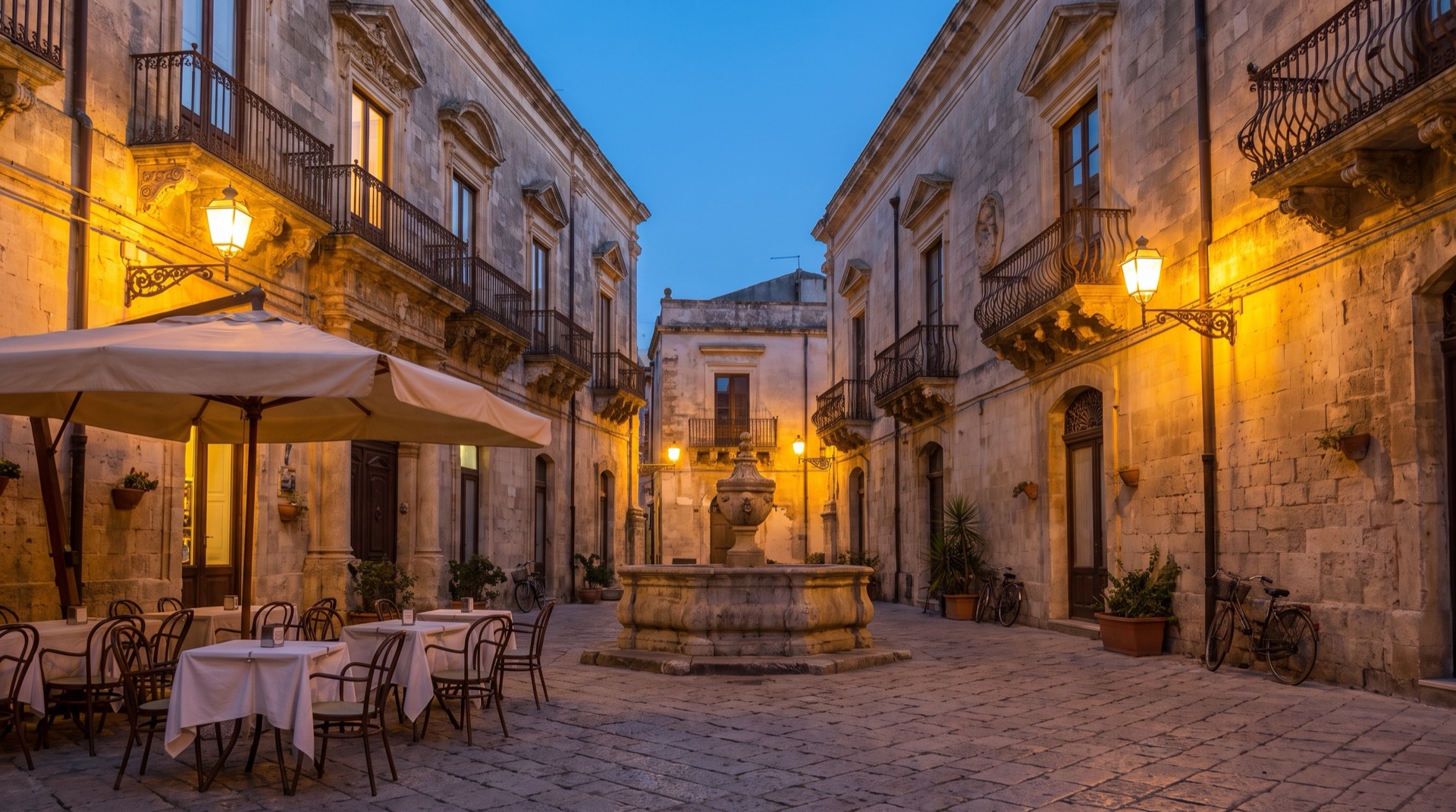
Via Corrado Nicolaci · Baroque carving, 18th century
Six balconies on carved corbels of lions, sirens, horses, hippogriffs and grotesque faces, every one different. The most photographed detail in Sicily, and it earns it.
 Photo: BlueKeys
Via Corrado Nicolaci, in May · One weekend a year
The sloping street is carpeted end to end with mosaics made entirely of flower petals, laid overnight between the baroque palaces. It is the fullest weekend of the town’s year, and worth planning around.
 Photo: BlueKeys
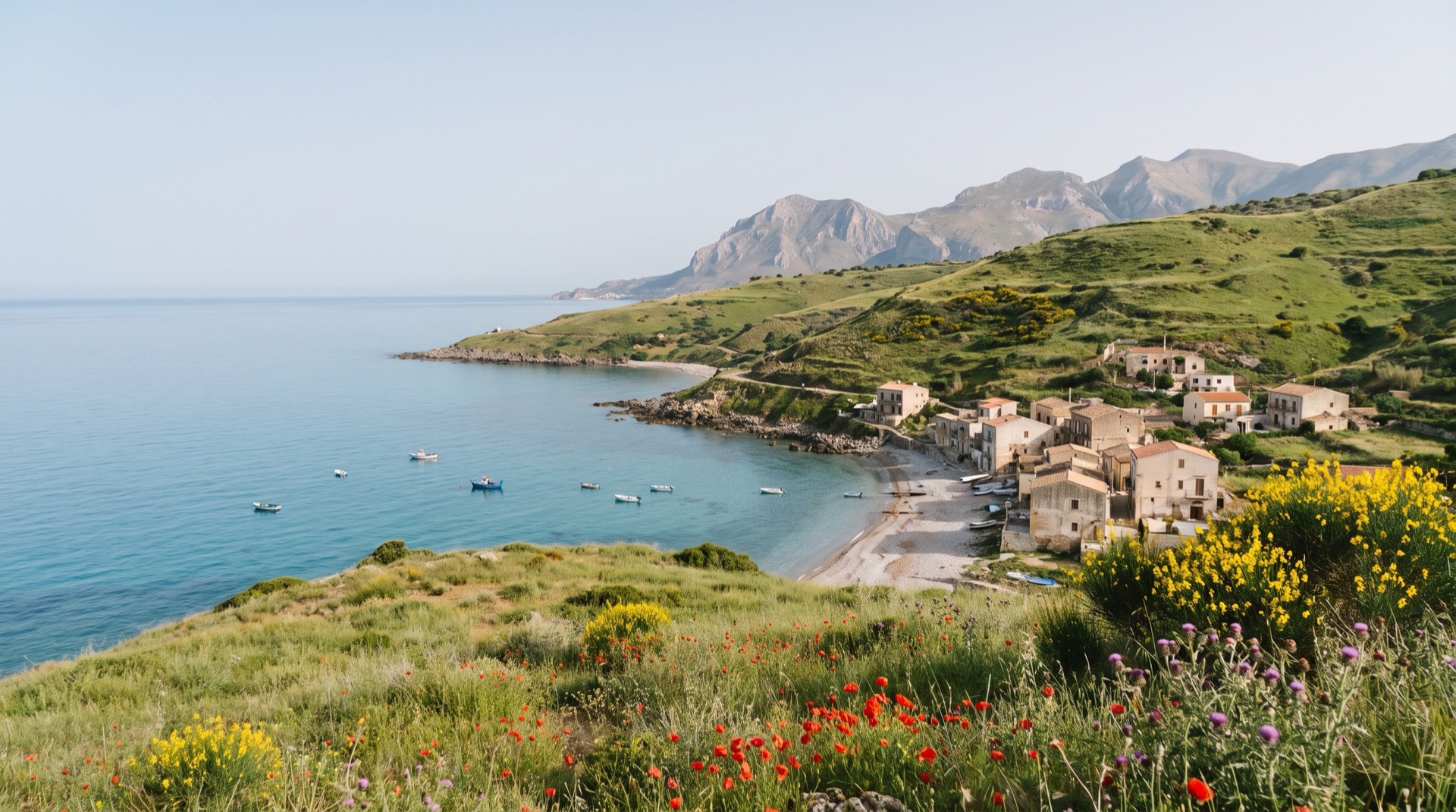
Twenty minutes south · Fishing village
A square that opens straight onto the sea, low ochre houses around it and tables outside. Dinner here after Noto is the standard way to end the day, and it deserves to be.
 Photo: BlueKeys
All around the town · Almonds, olives, carob
Dry stone walls dividing almond and olive groves, carob trees and low baroque farmhouses. The almonds of Avola come from here, and so do the tomatoes of Pachino.
The granite here — mulberry, almond — are among the best on the island, and the almonds are from Avola down the road. Modica an hour west makes its chocolate cold, to a recipe that arrived from the Aztecs by way of Spain, and it is worth the detour.
Siracusa and Ortigia half an hour north, Vendicari and Marzamemi a quarter of an hour south, Modica and Ragusa Ibla an hour west. The whole Val di Noto — eight late-baroque towns rebuilt after the same earthquake — sits inside an hour of here.
Noto is small and most people pass through in half a day. Staying the night buys you the corso at six in the evening and again at eight in the morning, both without the coaches — which is when the stone actually does what it was built to do.
Travel guide
On 11 January 1693 an earthquake of an estimated magnitude around 7.4 destroyed south-eastern Sicily. Noto — the old one, ten kilometres further up on a hill — was levelled. Instead of rebuilding where it stood, they moved it: they took a gentle slope facing the Asinaro valley and drew a new city on it, from nothing, all at once.
That is what makes Noto unlike any other baroque centre: it is not an ancient city with baroque churches inside it, but a city designed entirely within a single architectural season, by a group of architects working together — Rosario Gagliardi above all — with the same vocabulary and the same stone. The stone is a soft local limestone that turns gold in the six o'clock sun, and it gave Noto the name everyone uses: the capital of Sicilian baroque. Since 2002 it has been a UNESCO World Heritage Site along with the seven other late-baroque towns of the Val di Noto.
The plan is simple and deliberately theatrical: three parallel axes follow the contour lines, and the central one — Corso Vittorio Emanuele — crosses three squares in a row, each with its church staged like a backdrop. Walking the corso end to end takes you from one reveal to the next, which is exactly the effect the architects wanted.
The Cathedral of San Nicolò stands at the top of an enormously wide staircase that is, to all intents, an auditorium. It collapsed in 1996 — the dome gave way one night in March — and reopened in 2007 after eleven years of rebuilding. Facing it, Palazzo Ducezio is the town hall. A little further on, Palazzo Nicolaci di Villadorata has the six most photographed balconies in Sicily: corbels carved with lions, sirens, horses, hippogriffs and grotesque faces, every one different. The church of San Domenico, with its convex facade, closes the third square.
In the upper quarter, beyond the corso, the town becomes poorer and truer: lanes, washing hung out, and every so often a church nobody visits. The bell-tower terraces — San Carlo can be climbed — give the view that makes the plan legible: roofs all of the same stone, and the olive valley behind.
Coherence. You see all of it in half a day, and precisely because it is all of one moment you come away with a clear idea of what the baroque actually was — something that does not happen in Palermo or Catania, where the baroque is mixed into nine centuries of other things.
Then there is what surrounds it, which is half the reason to come. Half an hour north is Siracusa with Ortigia. A quarter of an hour south the Vendicari reserve begins: salt pans, flamingos on migration, an abandoned tuna fishery and beaches behind the dunes among the finest on the island. A little beyond lies Marzamemi, a fishing village with its square on the water. And an hour west, the rest of the Val di Noto — Modica, with its cold-worked chocolate made to a recipe that arrived from the Aztecs by way of Spain, and Ragusa Ibla. In May the Infiorata covers Via Corrado Nicolaci with mosaics made of petals, and it is the fullest weekend of the town's year.
Noto is small and entirely walkable, but the corso is on a slight incline and there are many staircases: comfortable shoes. Cars are left in the car parks just outside Porta Reale. Those arriving by air come through Catania Airport, roughly an hour and a quarter away; a private transfer is the simplest way to combine it with Siracusa in the same day.
The climate is the hottest and driest in Sicily: 11–17 °C in January, 17–25 °C in spring, 27–34 °C in July and August, with long mild autumns into November. The best light is late afternoon, when the stone turns gold: that is the hour to see Noto, not midday. In summer the centre at noon has no shade and no people, for good reason. Restaurants keep Italian hours, and the granite here — mulberry, almond — are among the best on the island.
Travel guide
Agrigento to Noto: Bus, Train and Transfer Guide 2026
Best Time to Visit Sicily: Month by Month Guide
Best Beaches in Sicily: 12 Picks and How to Reach Them
Is Sicily Safe? What the Data Actually Says in 2026
Palermo or Catania: Where to Start in Sicily
Sicily in October: Weather, Sea, Prices, What's Open
How Many Days in Sicily: 5, 7 or 14-Day Plans
Getting Around Sicily Without a Car: 2026 Guide
Frequently asked
All in one place
Stays, tours, transfers and boat charters — one platform, one booking
Verified Hosts
Every property personally vetted by our team
24/7 Concierge
Local support from booking to checkout
Local Expertise
Based in Sorrento — we know every corner