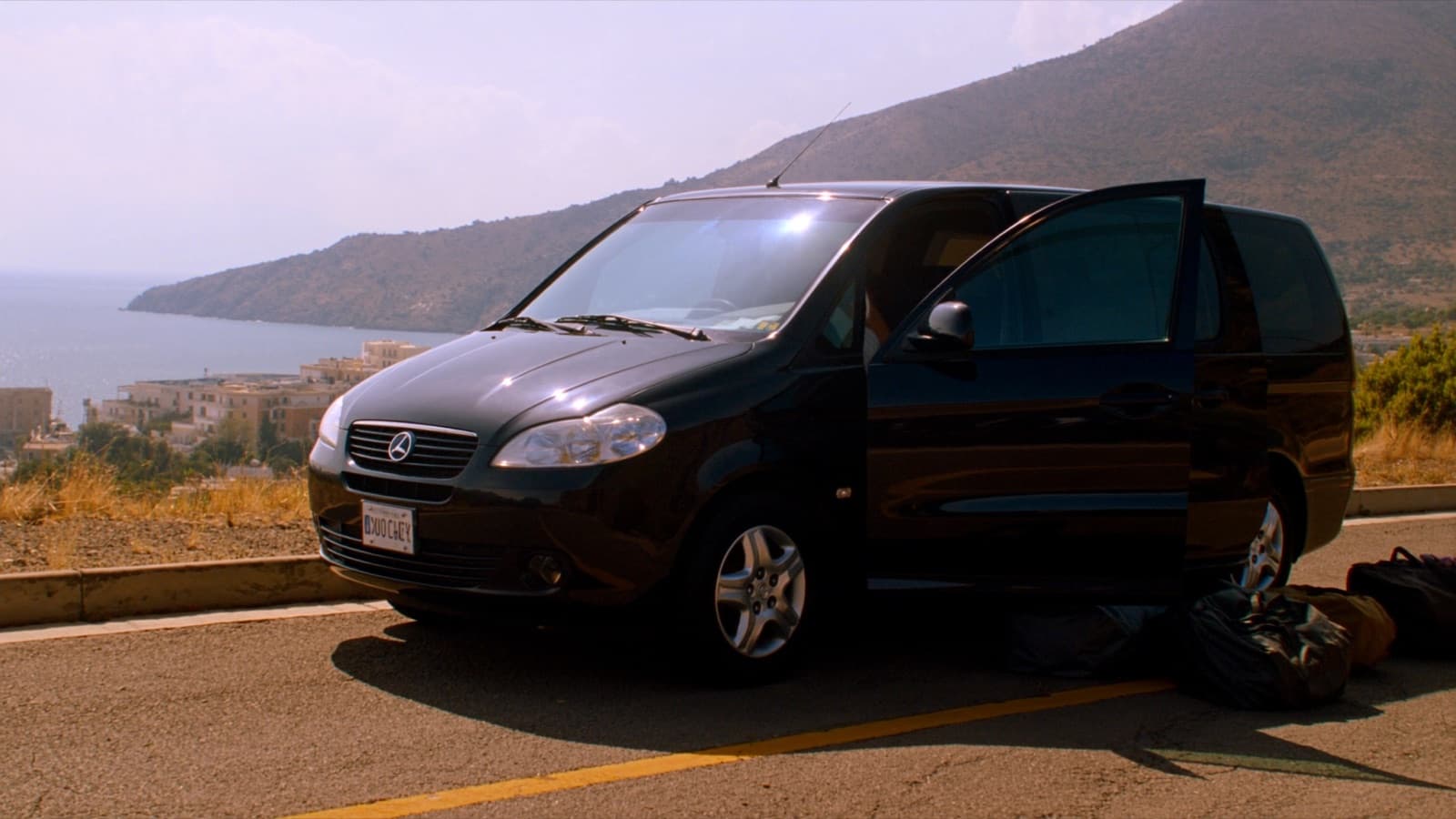
Private transfer
Palermo Airport (PMO) · just under 1 h
Straight along the coast, avoiding the change of trains in Palermo with luggage — which is the awkward part of getting here by rail from the airport.

A Norman cathedral, a 270-metre crag and a long golden beach, all within four hundred metres of each other. The one place in Sicily where yo
A Norman cathedral, a 270-metre crag and a long golden beach, all within four hundred metres of each other. The one place in Sicily where you need not choose between the sea and the history.
Cefalù is a Mediterranean destination in Sicilia, Italy. Browse handpicked vacation rentals, guided tours and experiences, boat charters and airport transfers, then book directly with the local hosts and drivers behind each listing.
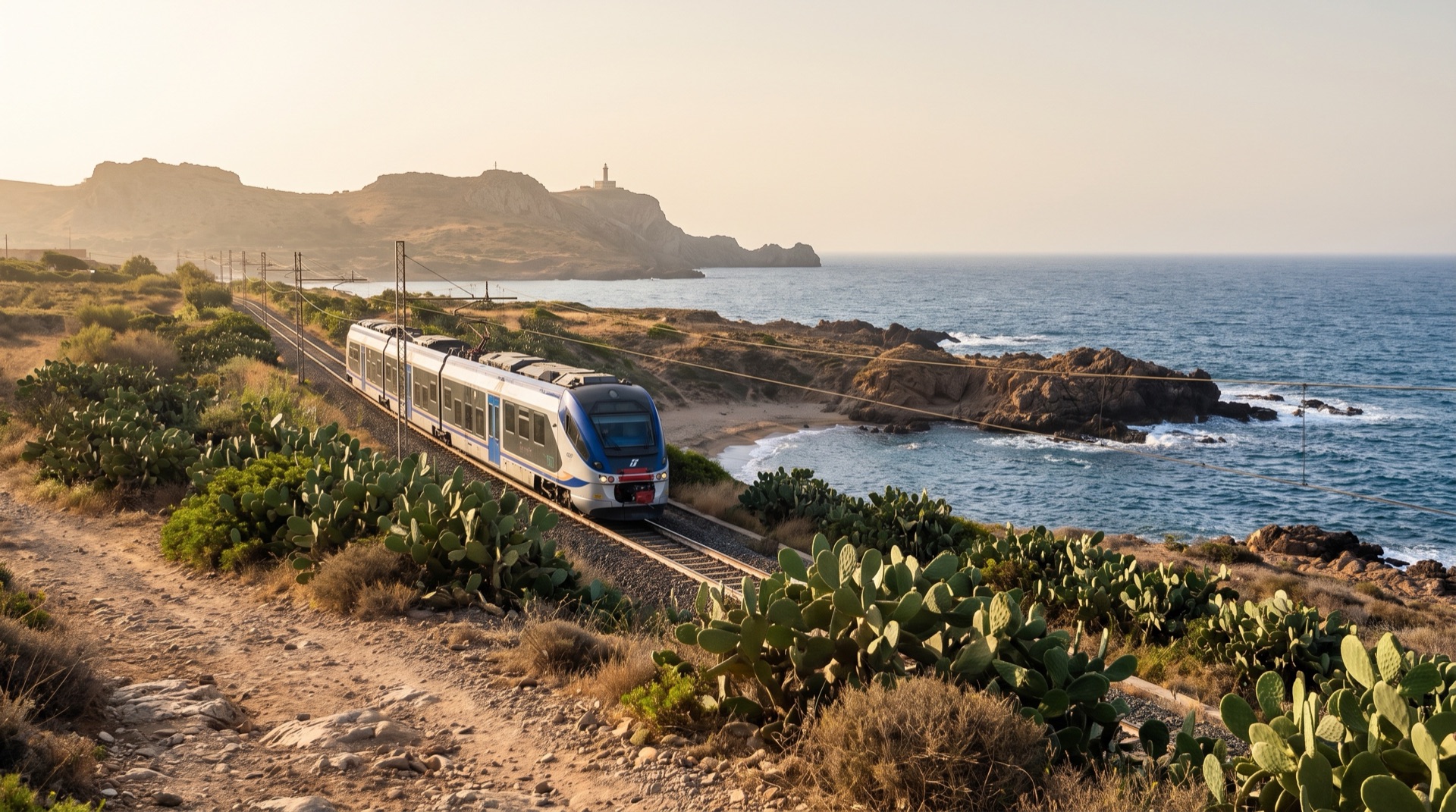
Palermo Airport is just under an hour west along the coast. Cefalù is one of the very few Sicilian destinations that works comfortably without a car: the station is ten minutes on foot from the centre, and the train from Palermo follows the sea the whole way.
Palermo Airport (PMO) · just under 1 h
Straight along the coast, avoiding the change of trains in Palermo with luggage — which is the awkward part of getting here by rail from the airport.
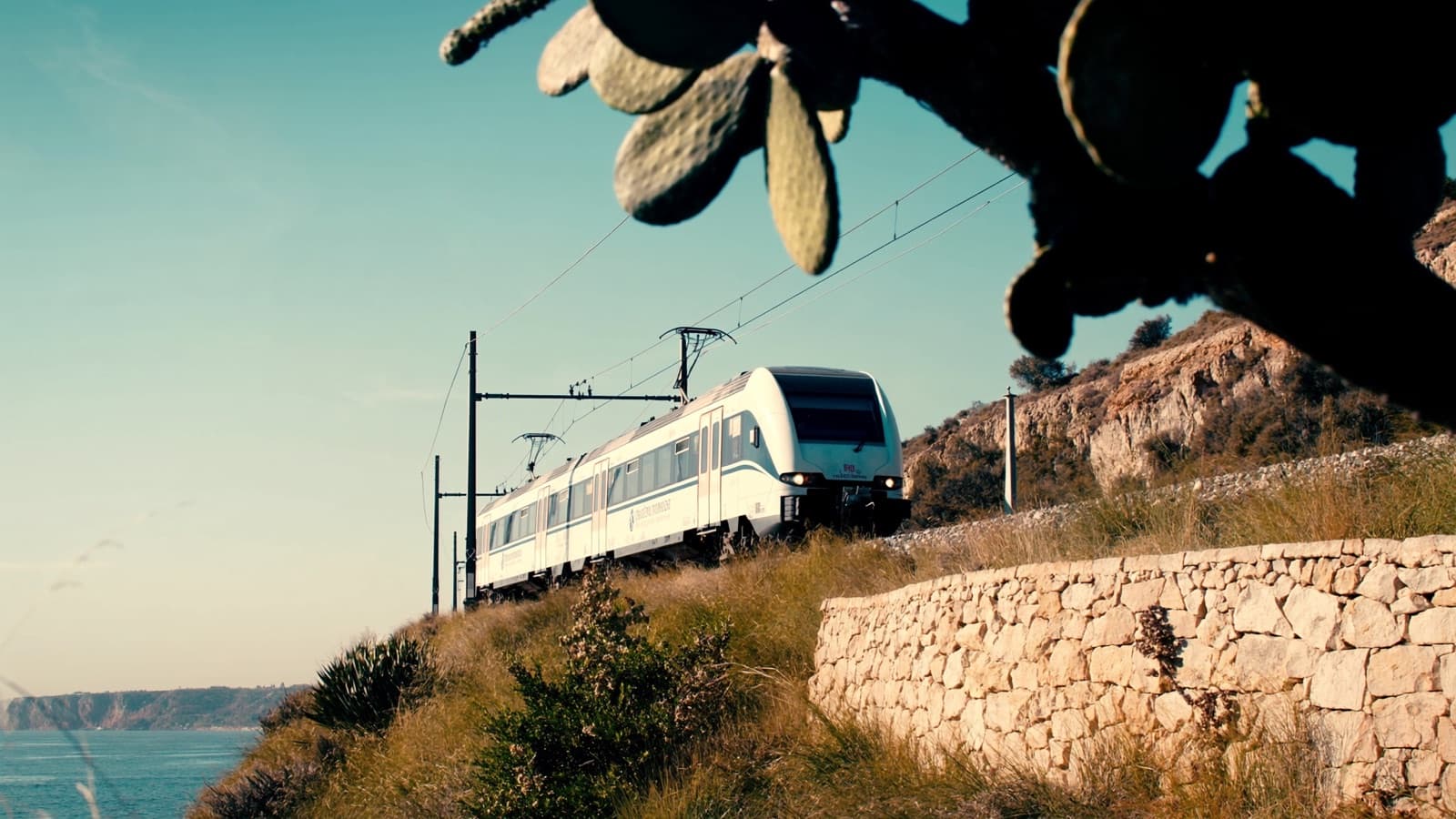
Palermo Centrale · about 1 h
A direct line that runs with the sea on one side the whole way, and a station ten minutes on foot from the old town. The best train journey in western Sicily.
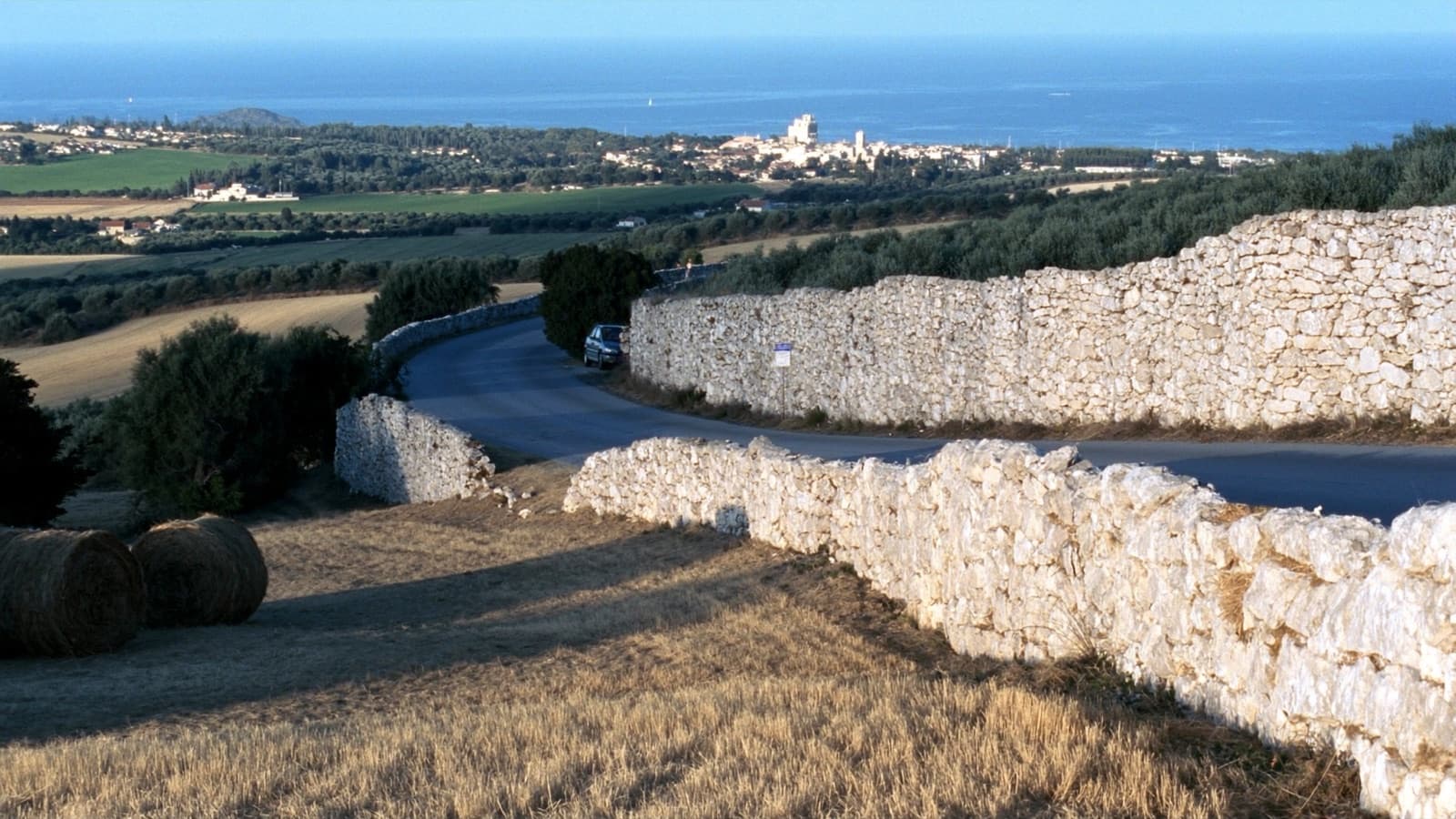
A20 motorway · 1 h from Palermo
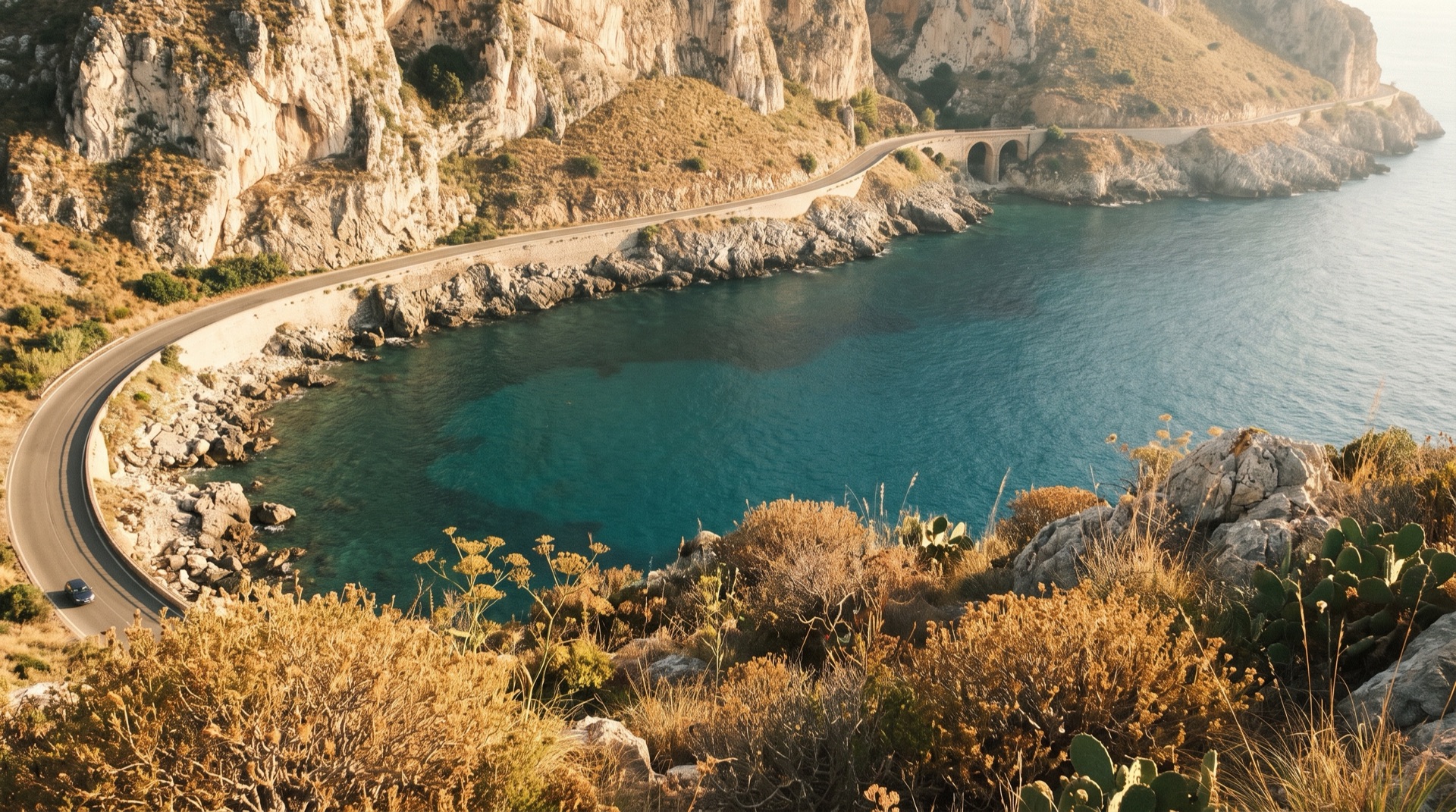
Worth having only for the Madonie villages inland. In town it is a liability: the old centre is pedestrian, the lanes are narrow and uphill, and cars stay at the entrance.
Everything is within four hundred metres of everything else, squeezed between a limestone crag and the sea. That is the whole point of the place: you do not have to choose between the beach and the monument.
 Photo: BlueKeys
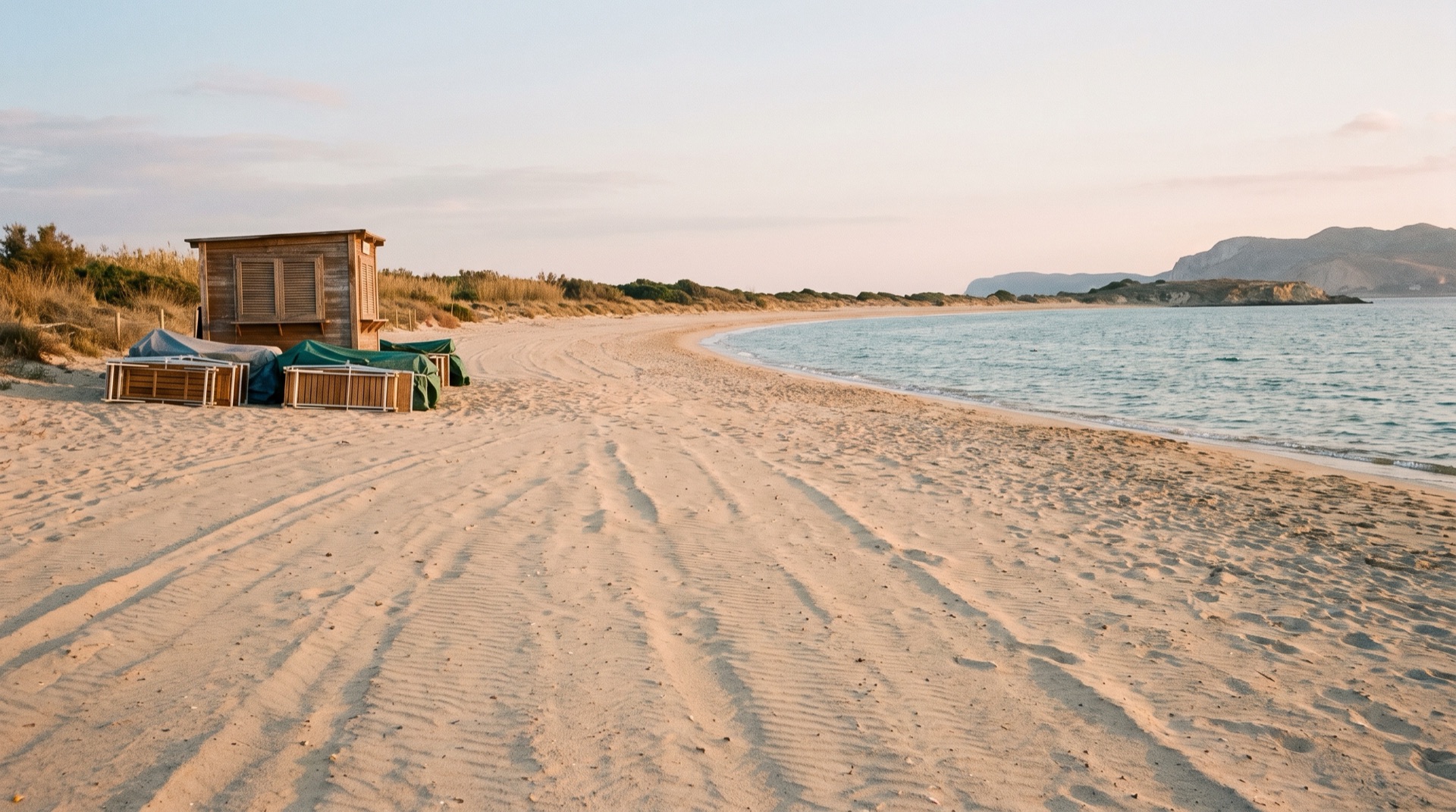
Where the old town ends · Golden sand, shallow water
A long crescent shelving gently, one of the few genuinely large beaches on the north coast. It fills up in July and August: claim your spot early in the morning.
 Photo: BlueKeys
Piazza Duomo, under the crag · Norman, begun 1131, UNESCO
The first great Arab-Norman building site in Sicily, with a gold-mosaic Christ Pantocrator in the apse that many prefer to the one at Monreale.
 Photo: BlueKeys
Directly behind the town · 45-minute climb, free
A stepped path up a limestone crag to a Norman castle and a far older megalithic building. Go in the morning or late afternoon: there is no shade on the way up.
 Photo: BlueKeys
Via Vittorio Emanuele · Spring running into the sea
A lava stone staircase down to carved basins where the women of the town washed until the 1950s. Cool, dark and green with moss, a few steps off the main lane.
 Photo: BlueKeys
Along the old shore · The view everyone recognises
Worn ochre and rose houses dropping straight into the water, with boats pulled up on the shingle. This is the photograph people know without knowing where it was taken.
Grilled calamari and pasta con le sarde along the seafront, and whatever the boats brought in that morning. Inland, the Madonie mountains send down mushrooms, provola cheese and the manna of Castelbuono.
Palermo an hour west by a train that follows the sea, with Monreale eight kilometres above it. Inland, the Madonie villages at a thousand metres — Castelbuono, Petralia, Gangi — are another Sicily entirely, of beech woods and winter snow.
Inside the old town if you want the lanes and the cathedral at the door; along the seafront if you want the sand. Either way it is four hundred metres, and the station is ten minutes on foot — which is why Cefalù works without a car.
Travel guide
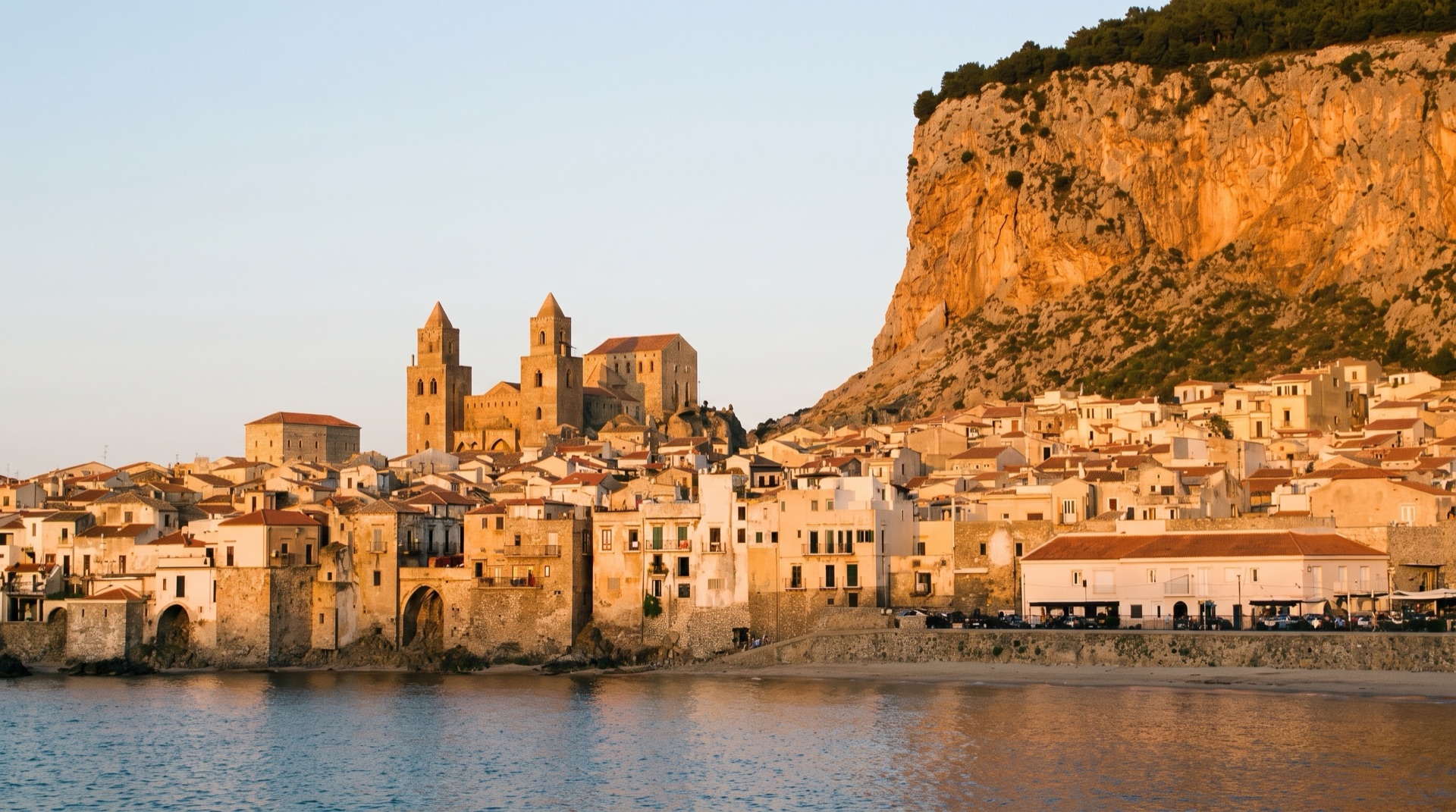
Cefalù is squeezed between two things far larger than itself: a limestone crag 270 metres high that Sicilians simply call the Rocca, and the sea. Between them sits a medieval town of houses pressed together, and a cathedral that has no business being in a place this small.
The cathedral was begun in 1131 by Roger II, and legend has it he had promised it after surviving a storm. It is the first great Arab-Norman building site in Sicily, and its apse holds a gold-mosaic Christ Pantocrator from 1145 that many consider finer than the one at Monreale: the blessing hand, the gaze, and below it the Virgin among the archangels. The two towers of the facade are visible from across the gulf. Since 2015 it has been part of the Arab-Norman UNESCO itinerary along with Palermo and Monreale.
The old town is a rectangle of lanes between the cathedral and the sea, crossed by Corso Ruggero. On the water side, the medieval wash house descends by a lava-stone staircase to a spring that empties straight into the sea — women washed here until the 1950s. A little beyond, the Capo Marchiafava bastion is the terrace where people watch the sunset. The fishermen's houses dropping into the water, seen from the seafront, are the image everyone recognises without necessarily knowing where it is.
The beach starts where the centre ends: a long crescent of golden sand shelving gently, one of the few genuinely large beaches on the north coast. Behind it, the Rocca is climbed on foot in about forty-five minutes by a stepped path: at the top are the remains of a Norman castle and the so-called Temple of Diana, a megalithic structure far older, and below it the whole town with the cathedral seen from above.
That it holds together two things which in Sicily are almost always apart: a first-rank monument and a real beach. You do not have to choose between the sea and the history, and you need no car to go from one to the other — it is four hundred metres. That is why it works as a family base better than Taormina, whose sea is at the bottom of a cable car.
The other thing is position: exactly an hour east of Palermo, on a train that hugs the sea the whole way, and two hours from the Madonie mountains, where villages at a thousand metres — Castelbuono, Petralia, Gangi — are another Sicily altogether, of woodland and winter snow. Those arriving by air come through Palermo Airport, just under an hour west along the coast; a private transfer saves changing trains with luggage.
The old town is largely pedestrian and the lanes are narrow and uphill: cars are left in the car parks at the entrance to the town. In summer Cefalù fills up and the beach has to be claimed early; the railway station is ten minutes' walk from the centre, which makes the town one of the few Sicilian destinations that works comfortably without a car.
The climate is mild: 11–16 °C in January, 16–22 °C in spring, 24–30 °C in July and August, with the sea swimmable from June to early October. The best season is the shoulder — May, September, October — when the beach is still enjoyable and the lanes are empty. In winter many places close and the town goes back to being what it is the rest of the year: a town of fourteen thousand people. The climb up the Rocca should be done in the morning or late afternoon: at midday in summer the path has no shade.
Travel guide
Palermo Airport to Cefalù: Train, Bus, Transfer 2026
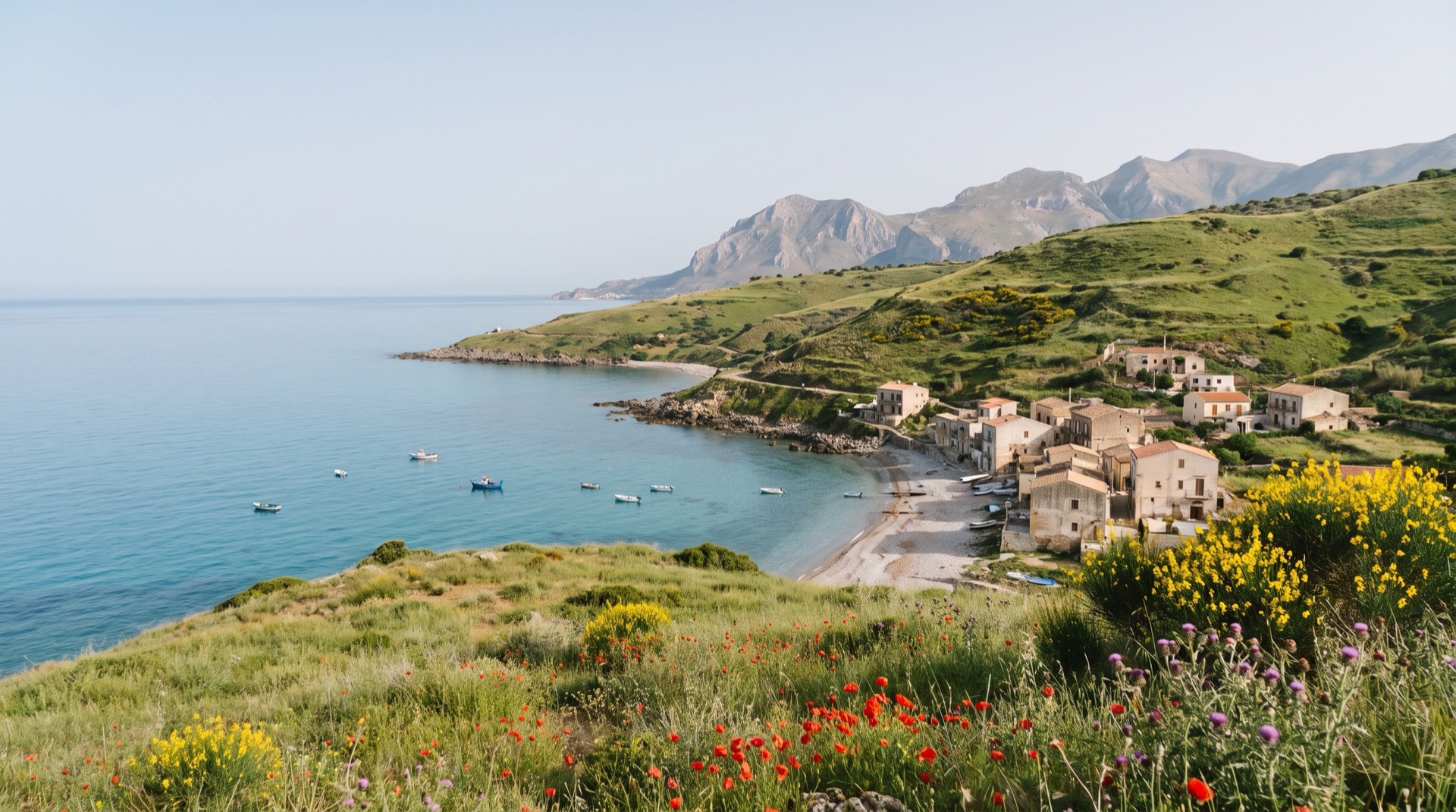
Best Time to Visit Sicily: Month by Month Guide
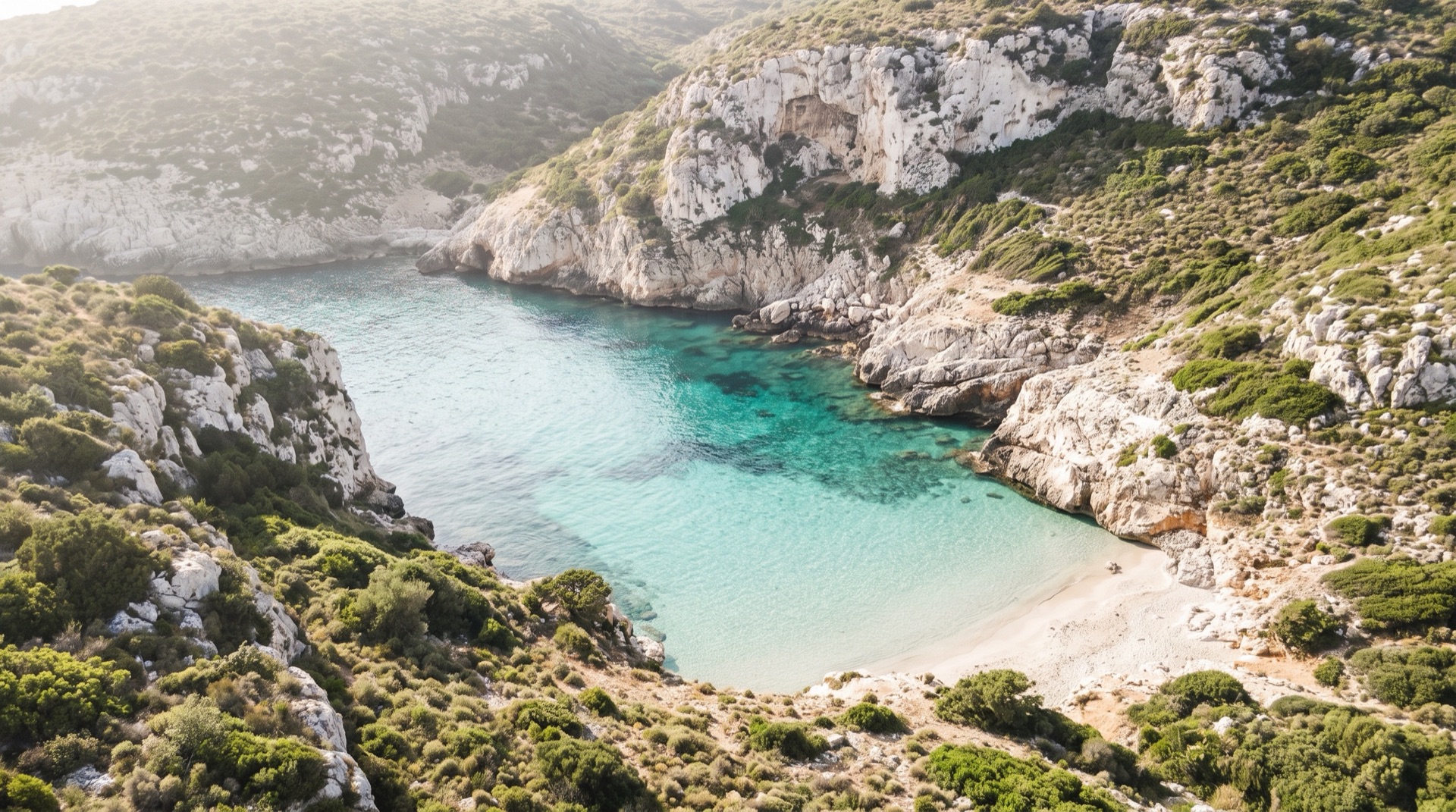
Best Beaches in Sicily: 12 Picks and How to Reach Them
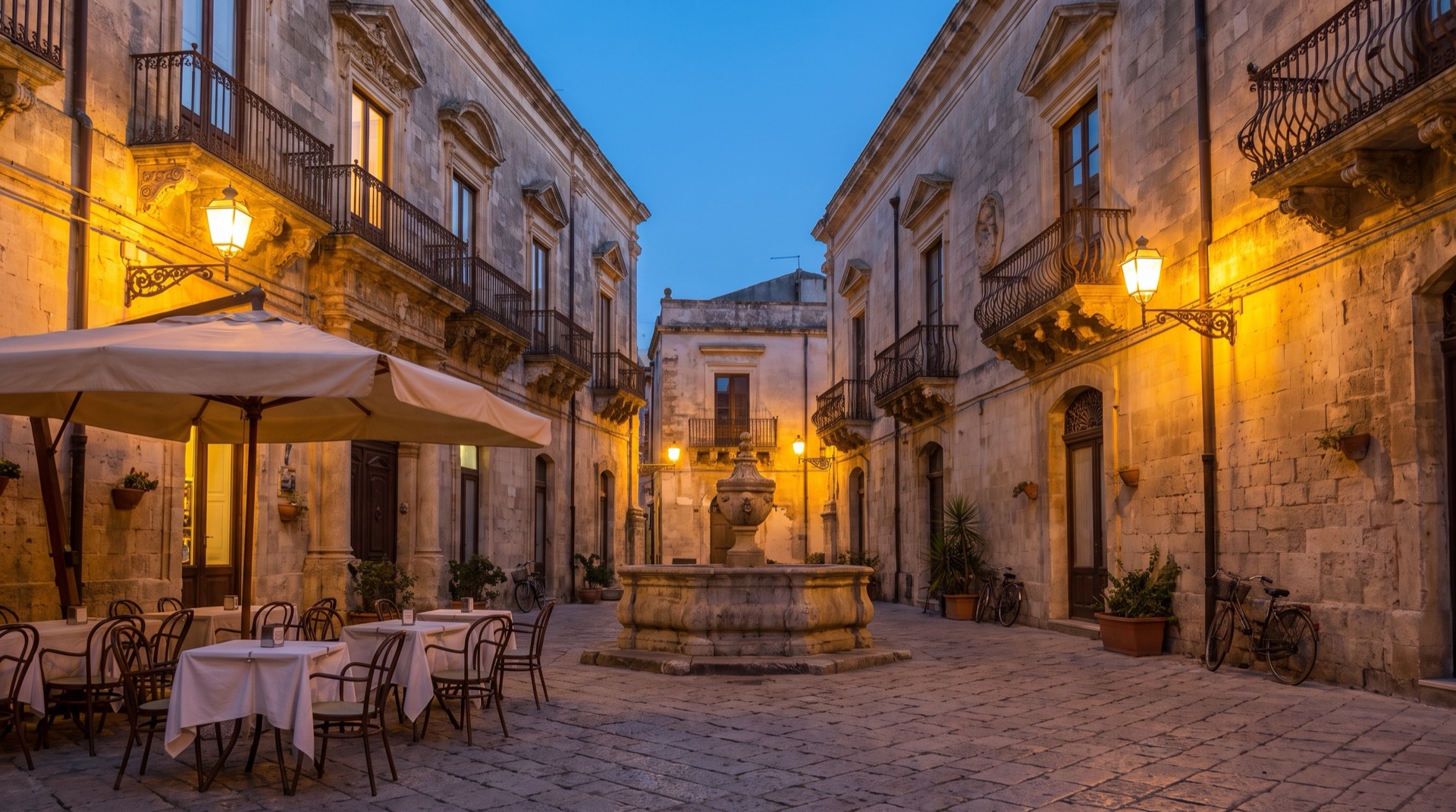
Is Sicily Safe? What the Data Actually Says in 2026
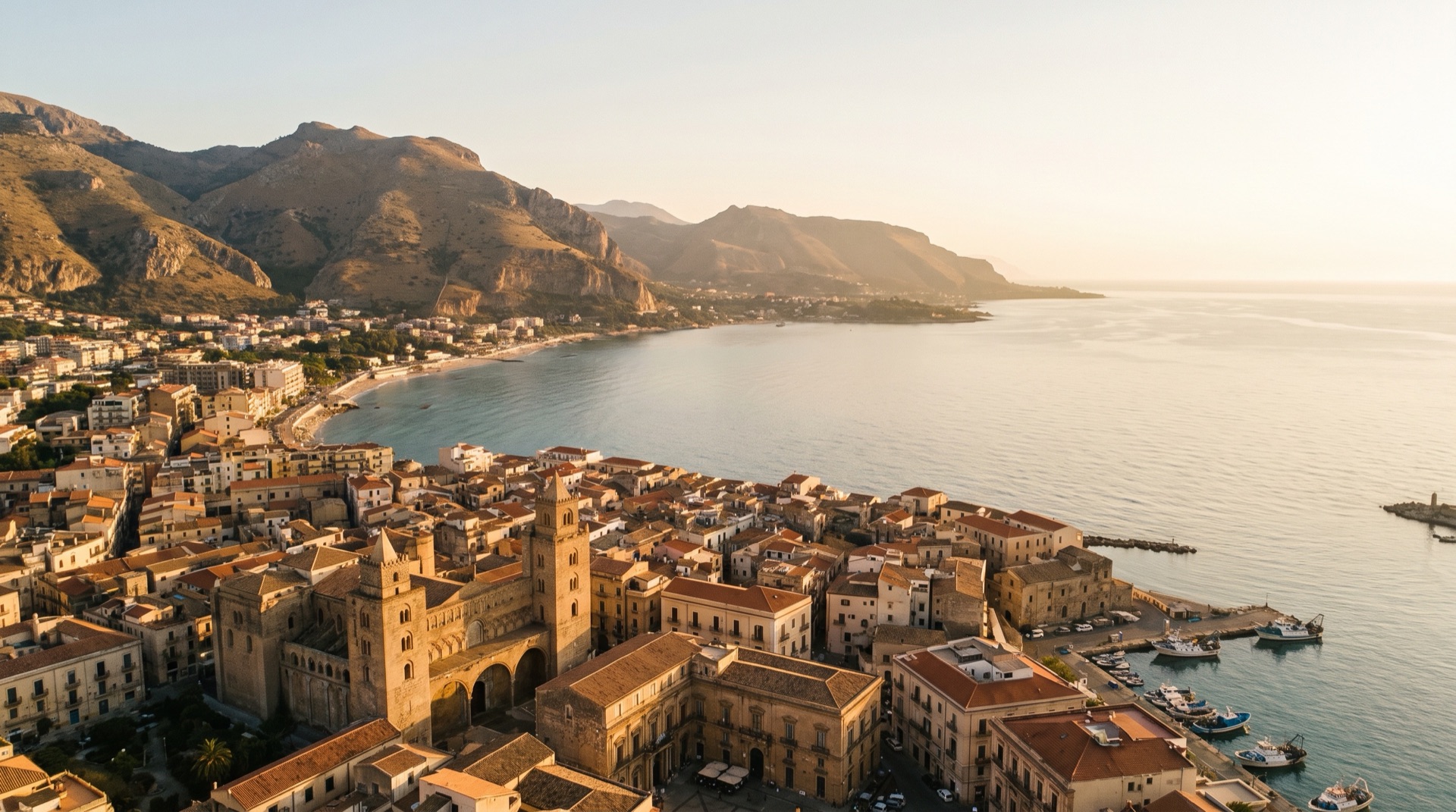
Palermo or Catania: Where to Start in Sicily
Sicily in October: Weather, Sea, Prices, What's Open
How Many Days in Sicily: 5, 7 or 14-Day Plans
Getting Around Sicily Without a Car: 2026 Guide
Frequently asked
All in one place
Stays, tours, transfers and boat charters — one platform, one booking
Verified Hosts
Every property personally vetted by our team
24/7 Concierge
Local support from booking to checkout
Local Expertise
Based in Sorrento — we know every corner