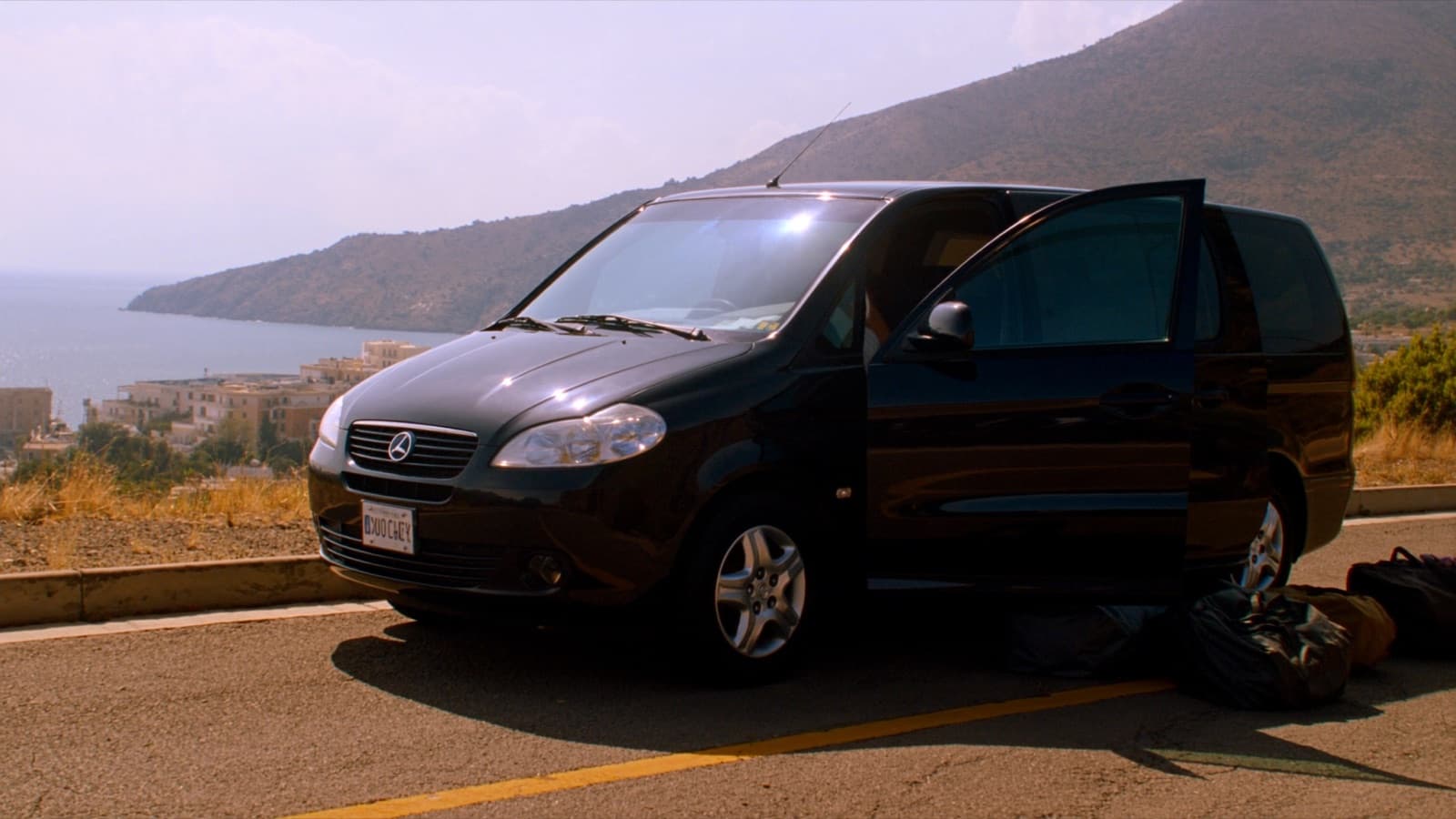
Private transfer
Catania Airport (CTA) · about 1 h
Door to door on the A18 motorway, driver waiting at arrivals, luggage handled, and a drop-off as close to the Corso as vehicles are allowed.
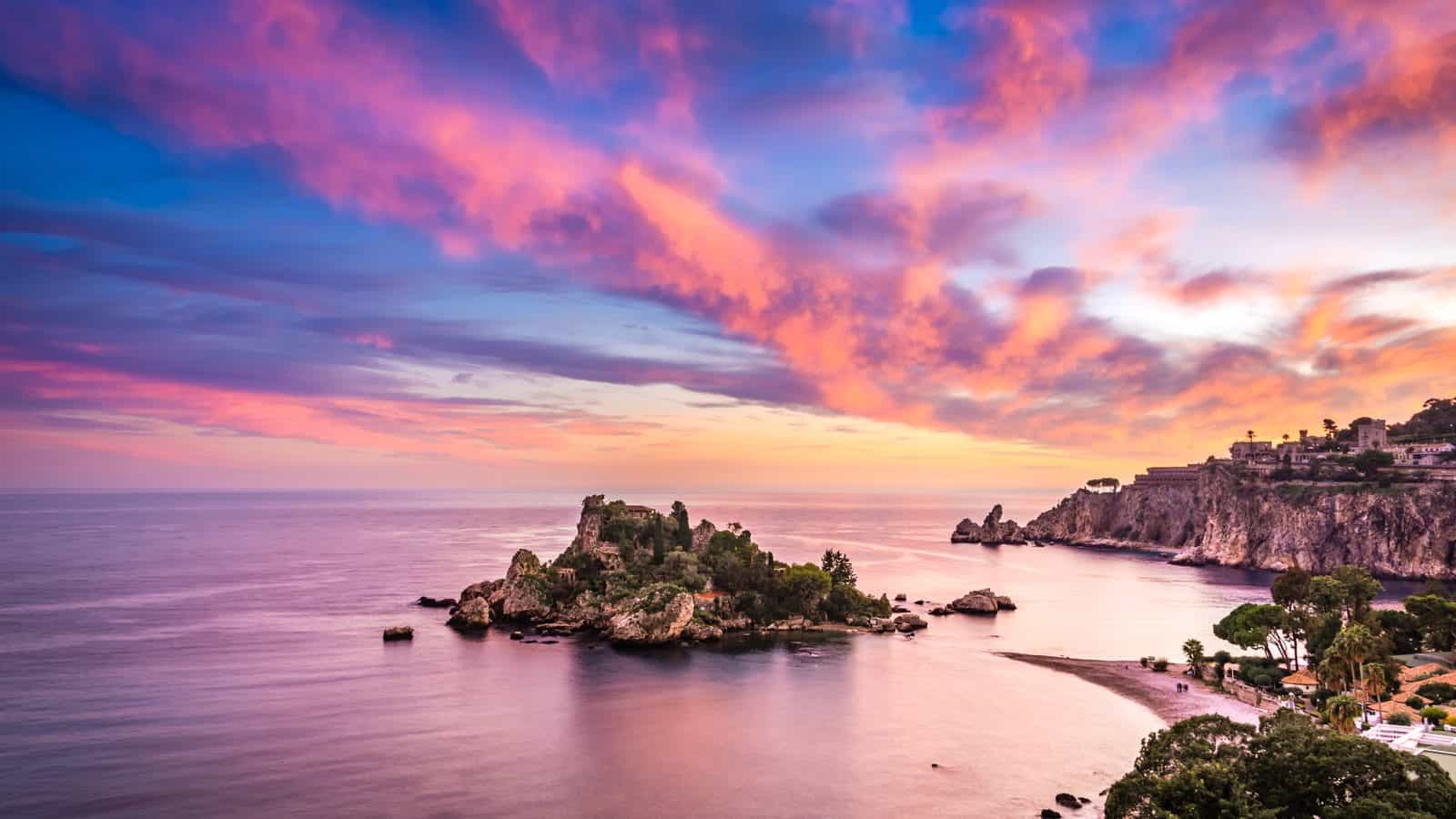
A cliff-top terrace with Mount Etna on one side and the Ionian Sea on the other. A Greek theatre still in use, one pedestrian street, and th
A cliff-top terrace with Mount Etna on one side and the Ionian Sea on the other. A Greek theatre still in use, one pedestrian street, and the most requested transfer route in eastern Sicily.
Taormina is a Mediterranean destination in Sicilia, Italy. Browse handpicked vacation rentals, guided tours and experiences, boat charters and airport transfers, then book directly with the local hosts and drivers behind each listing.
Almost everyone arrives through Catania Airport, about sixty kilometres south. The town itself is pedestrian and uphill: whatever brings you here stops at the gates of the Corso, and the railway station is down on the coast, not in the town.
Catania Airport (CTA) · about 1 h
Door to door on the A18 motorway, driver waiting at arrivals, luggage handled, and a drop-off as close to the Corso as vehicles are allowed.
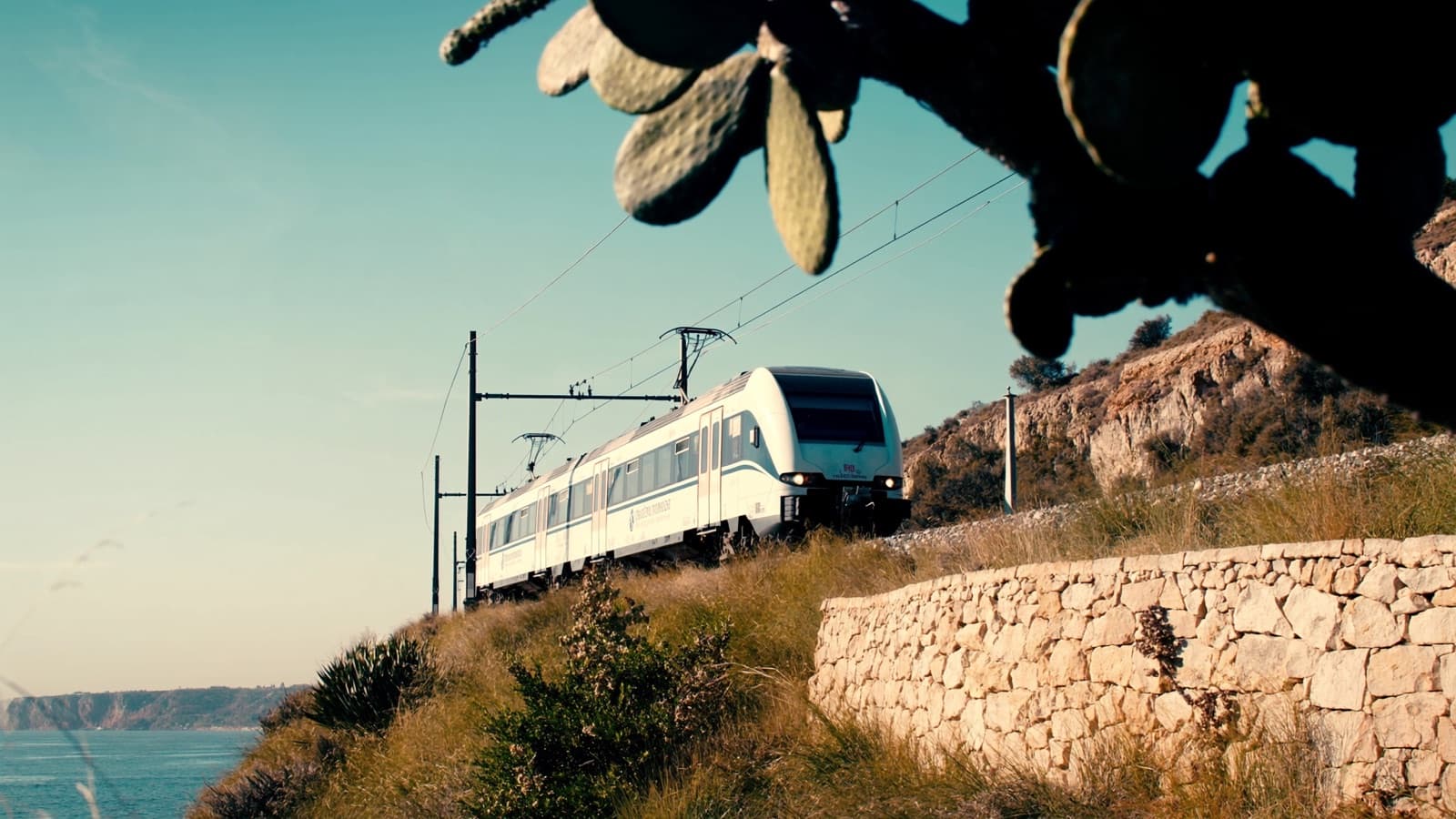
Catania Centrale or Messina · 45–60 min
The coastal line is scenic and cheap, but the station sits down at sea level: the last stretch up to the town is by bus or road, never on foot with luggage.
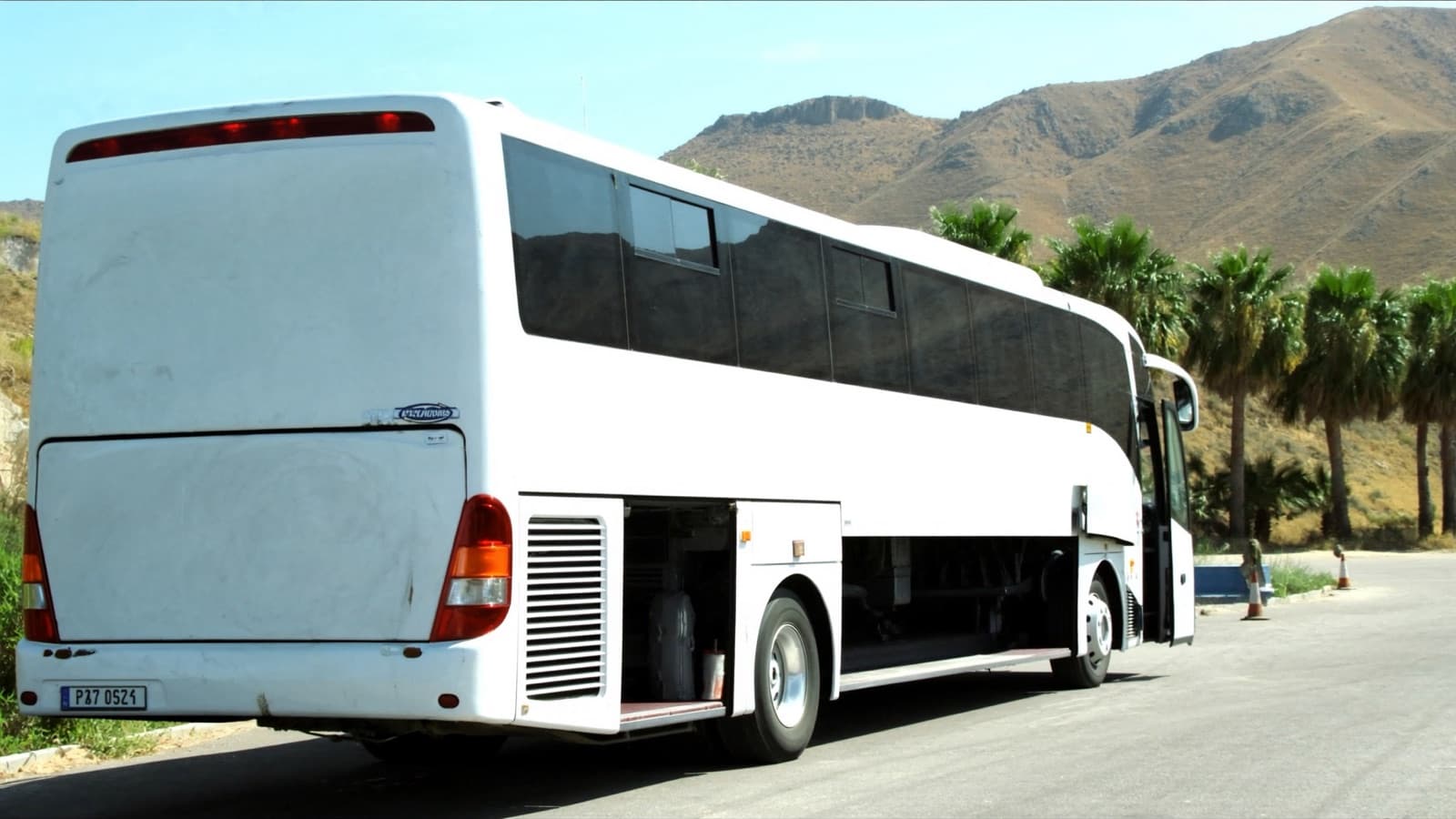
Catania Airport or Messina · 1 h 30 or more
Coaches run up to the bus terminal just outside the old town. Cheapest of the lot, but timetables thin out in the evening and are set by the coach companies, not by us.
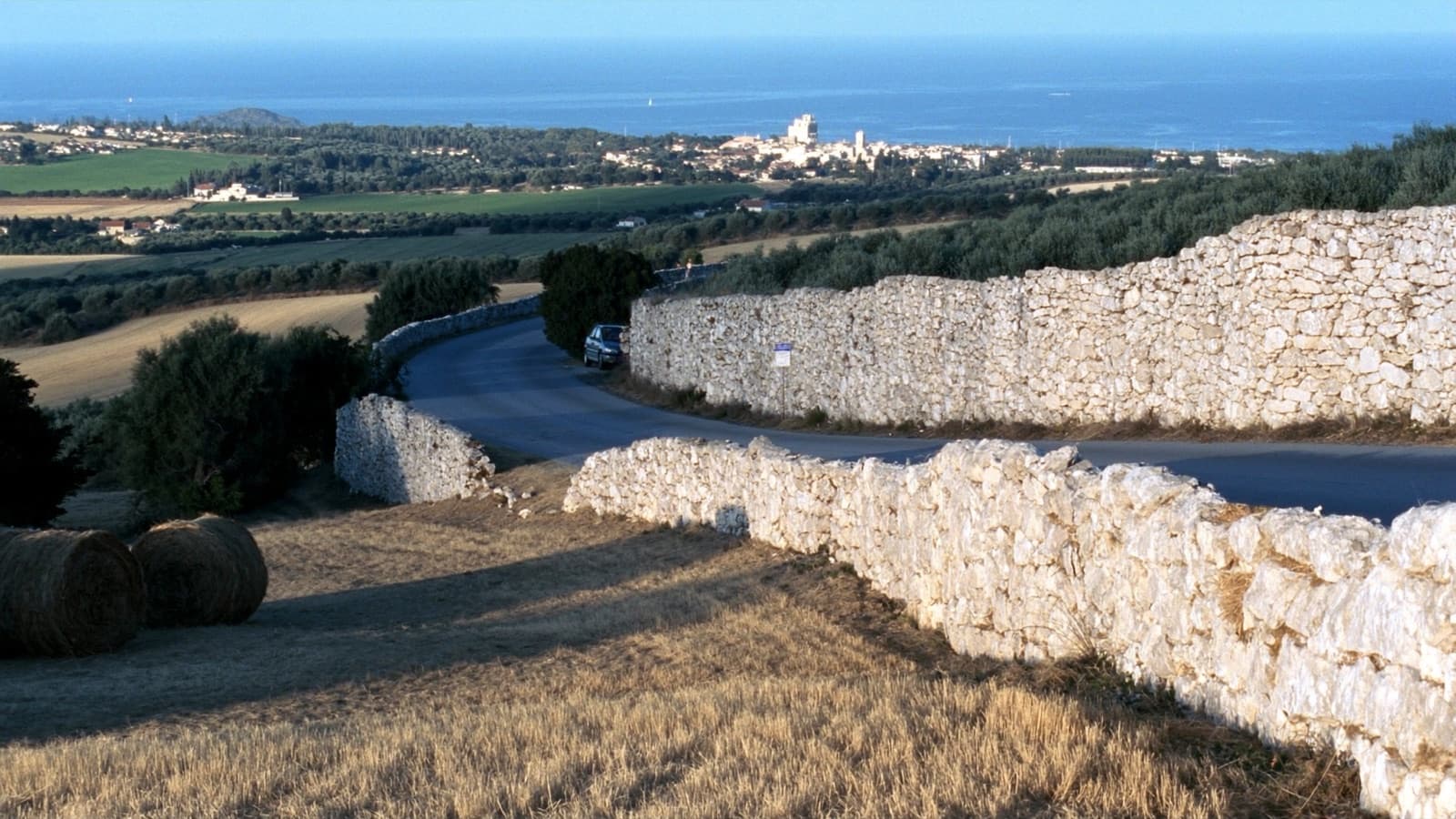
A18 motorway, Taormina exit · 50 min from Catania
Useful for reaching Etna and the coast on your own, useless inside Taormina: the old town is closed to traffic and the car parks are above it, with lifts down.
Taormina is small enough to walk end to end in twenty minutes, so what you do here is mostly a matter of where you look: down at the sea, up at the volcano, or straight ahead along one pedestrian street.
 Photo: BlueKeys
Above the old town · Greek theatre, 3rd century BC
Carved into the rock by the Greeks and enlarged by the Romans, it is still used for concerts. The stage opens onto the coast falling towards Giardini Naxos, with Etna behind it.
 Photo: BlueKeys
Below the town, by cable car · Nature reserve and beach
A small islet thick with vegetation, joined to the pebble shore by a strip of stones the sea covers and uncovers. The cable car down takes a few minutes; the stairs take rather longer.
 Photo: BlueKeys
Porta Messina to Porta Catania · The one pedestrian street
Eight hundred metres of medieval doorways, pastry shops and small squares. Halfway along, Piazza IX Aprile opens to the right onto a chequered terrace and the whole gulf.
 Photo: BlueKeys
Via Bagnoli Croci · Cliff-edge public garden
Laid out in the late nineteenth century by an Englishwoman, with pines, bougainvillea and odd brick follies. The best free view in town, and benches to use it from.
 Photo: BlueKeys
Directly below the town · Bay and bathing platforms
The bay where the seafront hotels are, reached by the same cable car. Deep clear water off the platforms and pebble beaches on either side of the headland.
 Photo: BlueKeys
An hour inland · Active volcano, 3,300 m
From Taormina you see the whole of it, base to crater. Guided ascents start from the cable car station on the southern side; take a jacket even in August.
Ionian coast cooking: swordfish rolls, pasta alla Norma from Catania an hour away, and almond granita with a brioche for breakfast. Restaurants on the Corso charge for the view — the ones in the side lanes usually do not.
Taormina is not a dead end. Etna is an hour inland, Siracusa and its island old town an hour and a half south, Messina and the Aeolian ferries from Milazzo an hour and a half north. Three days from here cover a volcano, a baroque city and an archipelago.
Taormina has the highest room rates on the island, and they buy the view rather than the room. Giardini Naxos three kilometres below and Letojanni a little north give the same coast for considerably less, with the cable car or a short drive between you and the Corso.
Get Around
Private car · Fixed price
Private car · Fixed price
Private car · Fixed price
Private car · Fixed price
Private car · Fixed price
Private car · Fixed price
Private car · Fixed price
Private car · Fixed price
Travel guide
Taormina sits on a natural terrace of Monte Tauro, some 250 metres above the Ionian Sea, and from there it looks at the water and at Mount Etna at the same time. That double view — sea on one side, volcano on the other — is what made it a fixed stop on the Grand Tour: Goethe passed through in 1787 and wrote that from the theatre you saw a work of art and of nature at once. Founded by the Sicels and then by the Greeks of Naxos in the fourth century BC, it passed to Rome, to Byzantium, to the Arabs, to the Normans; every ruler left a piece of the old town behind.
The Ancient Theatre is why most people climb up here. Carved into the rock in the third century BC and enlarged by the Romans into the second largest theatre in Sicily, it is still in use: in summer it hosts concerts and the film festival, and the stage opens onto a backdrop no set designer could build — the coast falling away towards Giardini Naxos, and Etna smoking behind it.
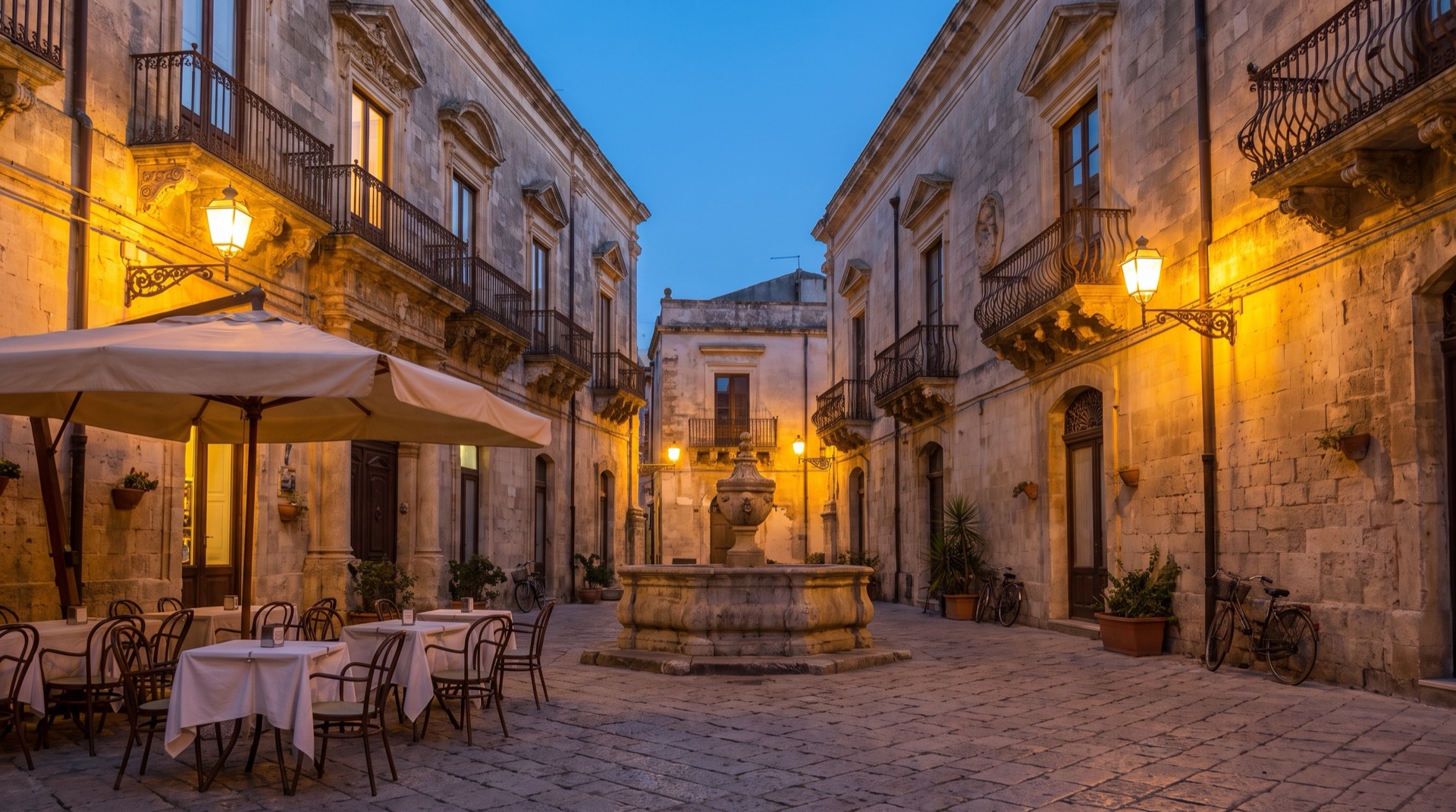
Taormina is essentially one street: Corso Umberto, pedestrian, running about 800 metres from Porta Messina to Porta Catania. Along it are workshops, pastry shops, medieval palaces and the two squares that matter. Piazza IX Aprile is the town's public terrace: a black-and-white chequered floor, the church of San Giuseppe, the clock tower, and the parapet from which you look out over the whole gulf. Further along, Piazza Duomo holds the fortified thirteenth-century cathedral and a baroque fountain with the female centaur that is the town's emblem.
Below the town, down on the coast, is Mazzarò, the bay with the seafront hotels, and beside it Isola Bella: a small island nature reserve joined to the shore by a strip of pebbles that the sea covers and uncovers. You reach it by cable car in a few minutes, or on foot down a steep flight of steps. The Villa Comunale garden, laid out in the late nineteenth century by an Englishwoman, remains the loveliest place to sit for nothing: pines, bougainvillea and the curious brick follies known as the victories.
Two things. The first is that here the landscape is not a backdrop — it is the content. From Taormina you see the whole of Etna, from base to crater, and in winter, with snow on top and the sea in front, the view is one people remember for years. It is why the town commands a price: Taormina's hotels are the most expensive on the island, and travellers who want the same coast for less sleep at Giardini Naxos, three kilometres below, or at Letojanni a little further north.
The second is position. Taormina is not a dead end: it sits halfway between Catania and Messina, an hour from Etna, an hour and a half from Siracusa. Anyone using it as a base can do the volcano one day, the baroque towns the next, and the Aeolian Islands from Milazzo on the third. That is why most arrivals come through Catania Airport, some sixty kilometres away — the most requested route in the whole of eastern Sicily, covered by private transfer in a little under an hour.
The old town is pedestrian and uphill: cars are left in the car parks above, and from there you come down by lift or on foot. Anyone arriving by transfer is dropped at the gates of the Corso, because vehicles go no further. The railway station — Taormina-Giardini — is down on the coast, and the town is reached from it by bus or a short road transfer: it is not a stop you can walk up from with luggage.
The climate is mild all year: 10–15 °C in January, 17–23 °C in April and May, 25–31 °C in July and August, and long autumns that stay above 20 °C well into October. The sea is swimmable from late May to early October. In high season the Corso is full from morning to night; the shoulder months — May, September, October — are when Taormina is at its best, with the same views and half the people. Restaurants keep Italian hours, lunch from 12:30 and dinner from 19:30, with the kitchens closed in between.
Travel guide
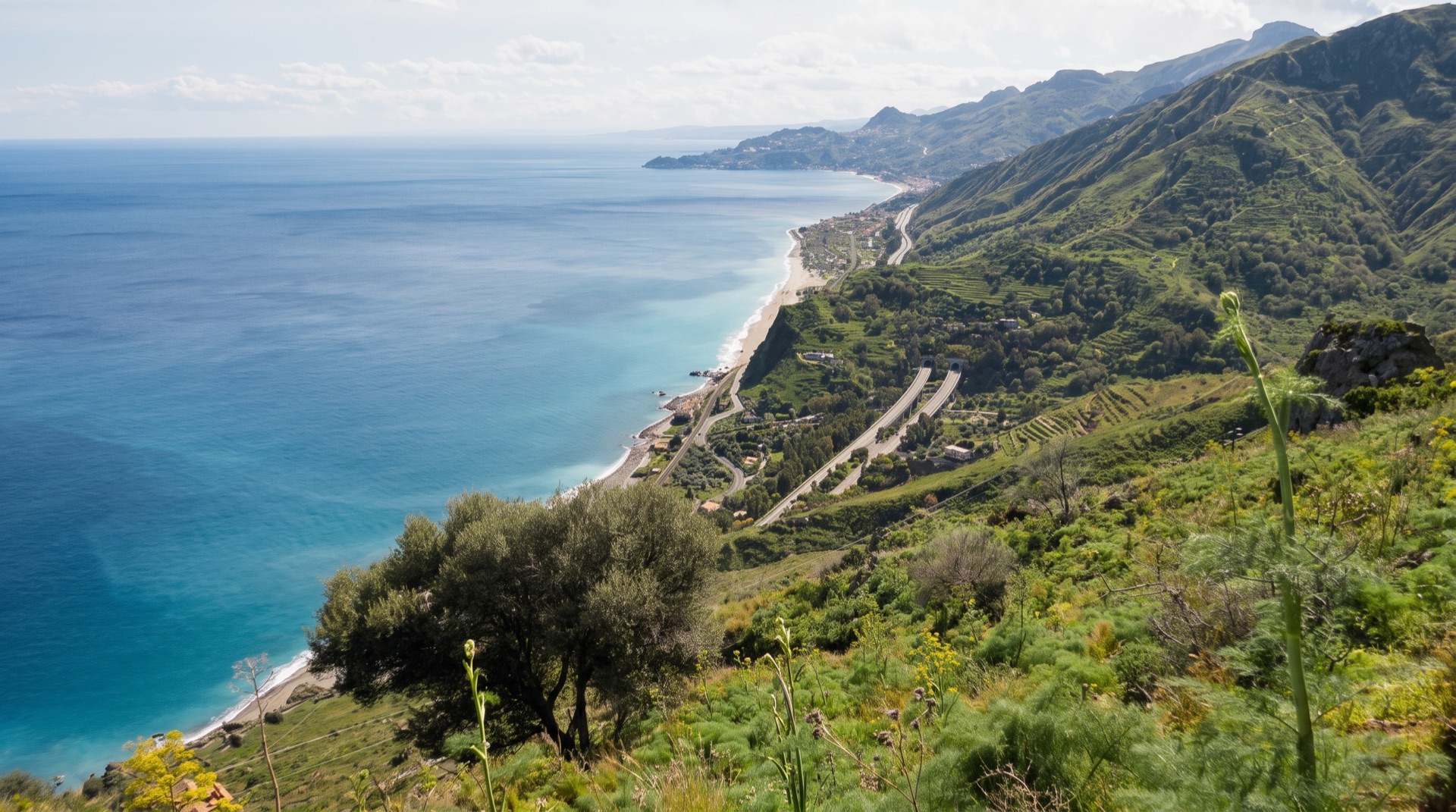
Catania Airport to Taormina: Bus, Train, Taxi & Transfer
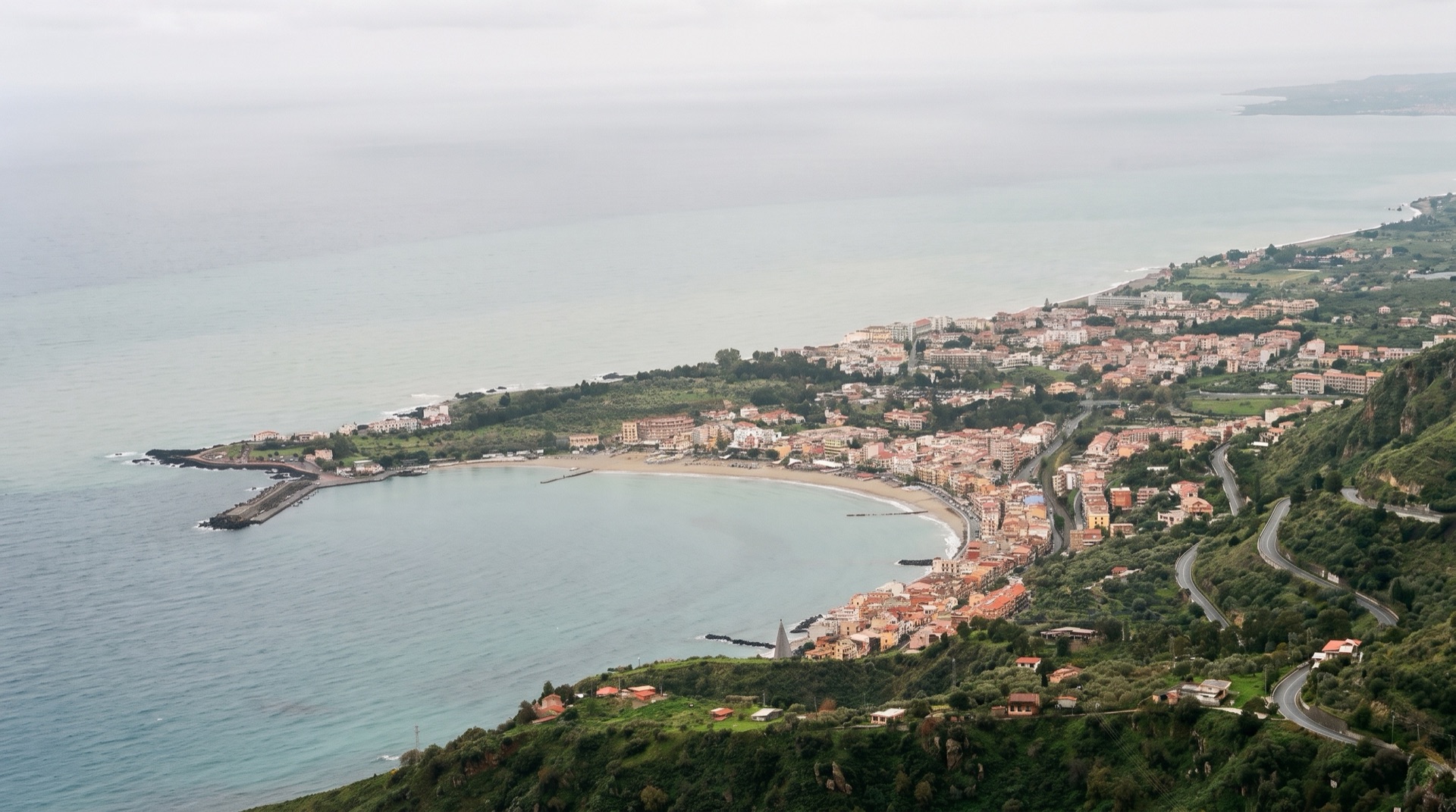
Catania Airport to Giardini Naxos: Bus, Train & Transfer
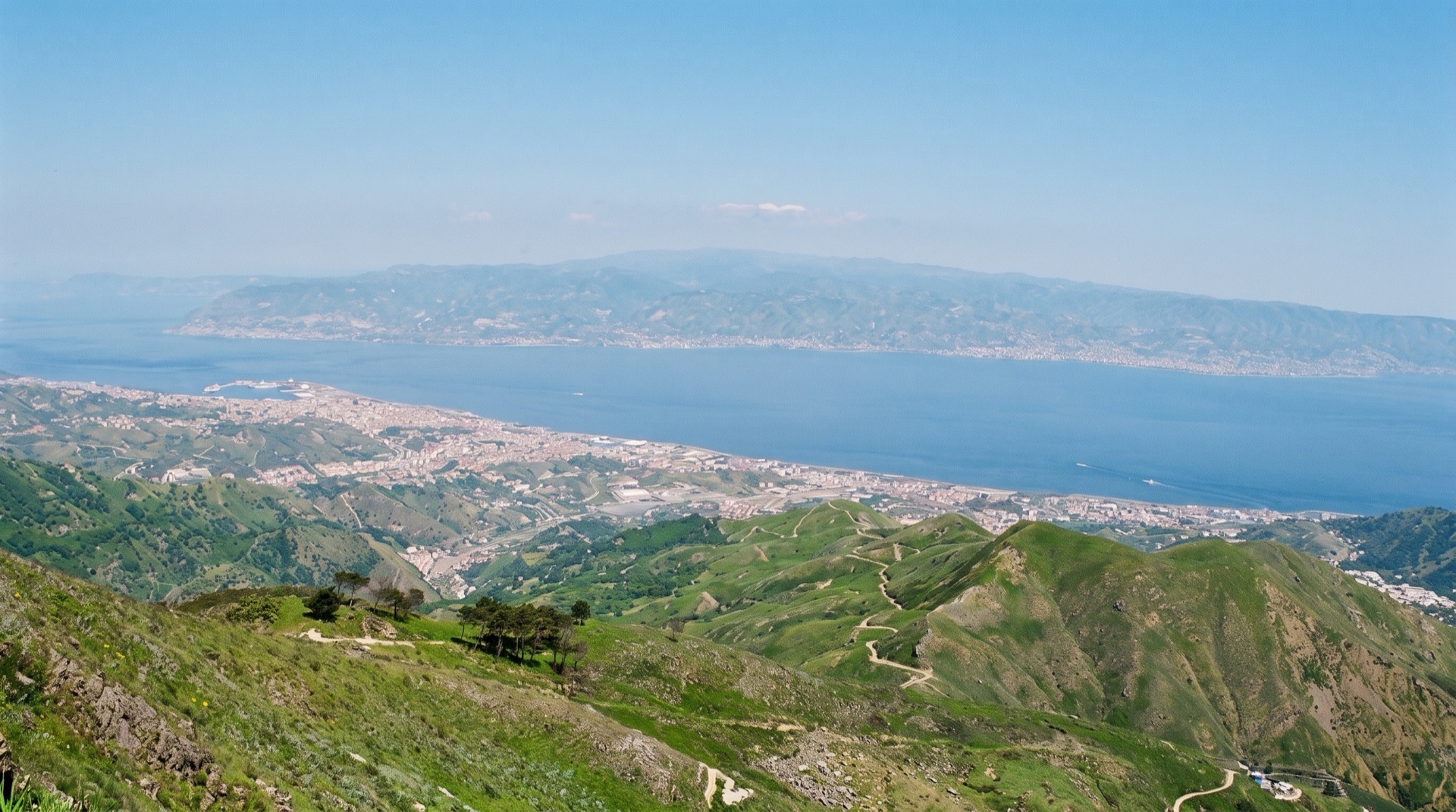
Messina Cruise Port to Taormina: Train, Bus & Transfer
Palermo Airport to Taormina: Bus, Train, Transfer 2026
Best Time to Visit Sicily: Month by Month Guide
Best Beaches in Sicily: 12 Picks and How to Reach Them
Things to Do in Taormina: The Right Order for One Day
Is Sicily Safe? What the Data Actually Says in 2026
Frequently asked
All in one place
Stays, tours, transfers and boat charters — one platform, one booking
Verified Hosts
Every property personally vetted by our team
24/7 Concierge
Local support from booking to checkout
Local Expertise
Based in Sorrento — we know every corner